Bookstore Tourism : Your Suggestions

Here at TBTP Global HQ we often get referrals to bookshops from readers who are regular customers and from travelers who are impressed with their discoveries. And, of course, there are the random gems that show up serendipitously. So, the New Year seemed like a good time to begin featuring bookstore tourism finds.

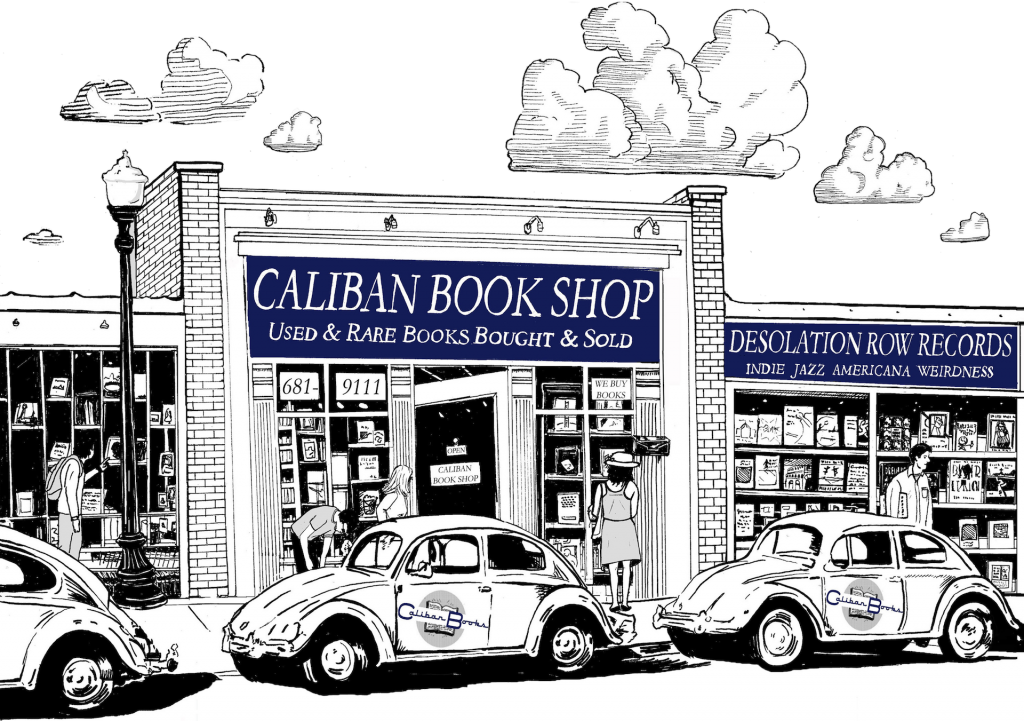
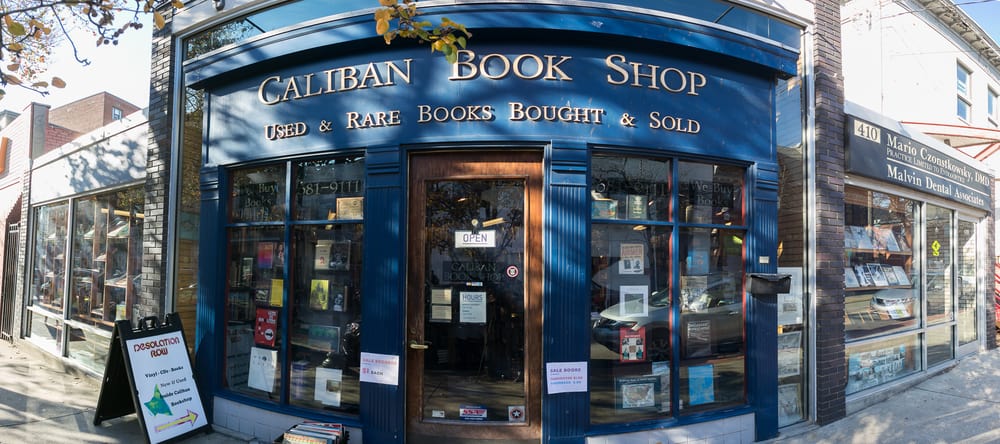
Our first suggestion is a local institution in the fine city of Pittsburg in the wild, far west of Pennsylvania. Caliban Book Shop is located at 410 South Craig St., Pittsburg, and was founded in 1991. They carry new, used and rare books with large selections of fiction, non-fiction, and feminist works, plus LP records and CDs. Here’s what the proprietors have to say:

“Caliban Books buys and sells used and rare books for readers and collectors. We choose our books with care and avoid bestsellers, romance novels, and the like. Our prices tend to be 25% lower than online sellers, and we have a basement full of paperback fiction, mysteries, science-fiction, all priced way below retail. Learn more about our buying and selling policies on the About Us page.

Our shop also has a corner devoted to record albums and CDs; specializing in Indie Rock, Sixties Pop, Punk, Americana, Folk, Blues, and Jazz. We’ll be adding Spoken Word and some Classical to the mix, too.”

Posted in Uncategorized | Tagged , , | Leave a comment

Not making any suggestions, but just in case…

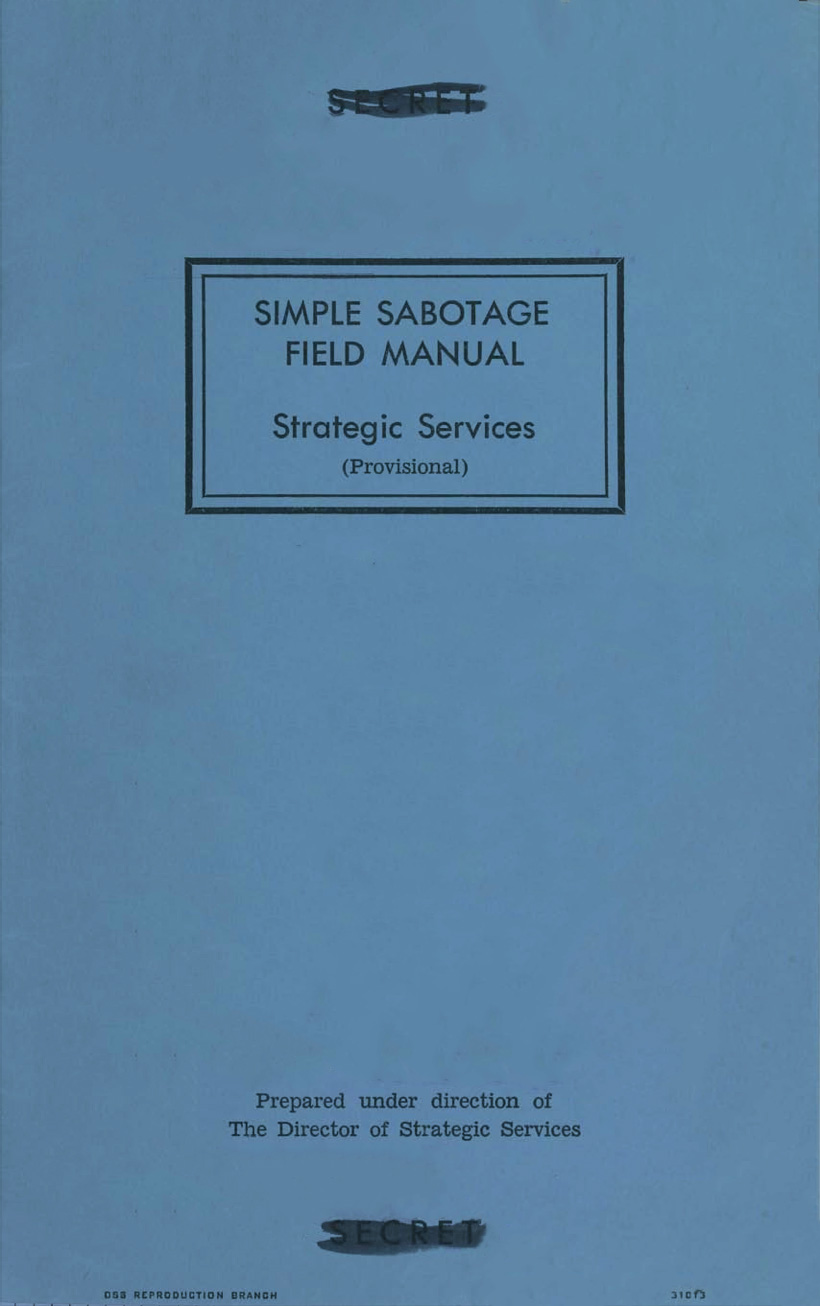
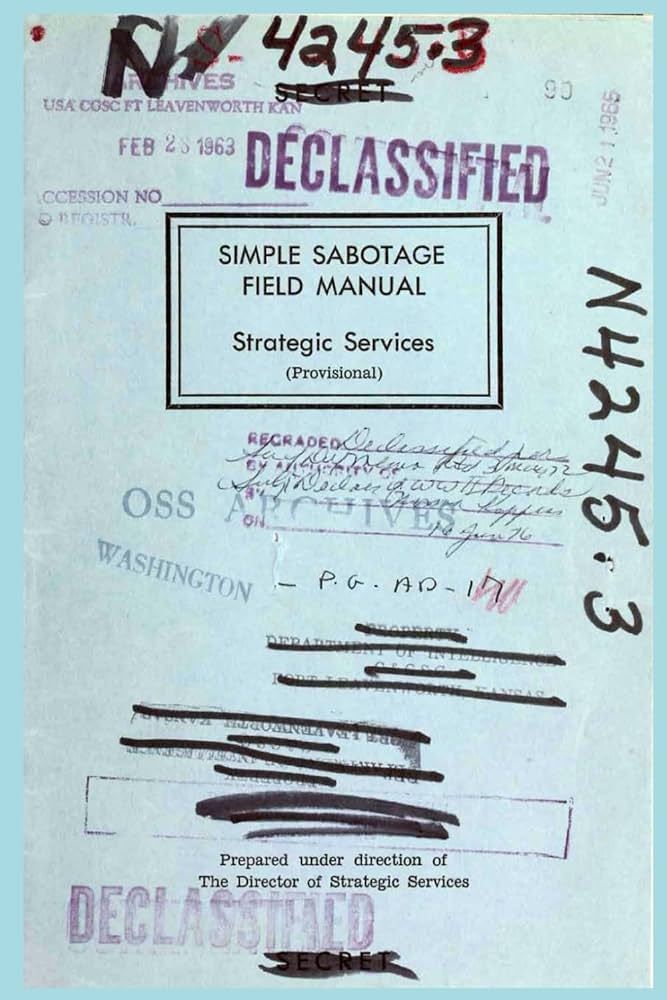
During World War II, the U.S. government urged citizens to become everyday saboteurs when faced with Fascist regimes. In 2008, the US Central Intelligence Agency made public the handbook written for grassroots sabotage.

Titled the Simple Sabotage Field Manual, the aim of the handbook was to help citizens in occupied Allied countries bring down their governments from within – whether it was meddling with a military car on the streets in the dead of night, or casually lighting a warehouse on fire.

While I’m not suggesting that it may become necessary to revive these practices, whether it be in Iran or even the U.S., it’s doesn’t hurt to follow the old Boy Scout motto and be prepared. Just in case, here’s the link to the original book at the Project Guttenberg site.

OSS REPRODUCTION BRANCH
SIMPLE SABOTAGE FIELD MANUAL
Strategic Services
(Provisional)
STRATEGIC SERVICES FIELD MANUAL No. 3

Office of Strategic Services

Washington, D. C.

17 January 1944

This Simple Sabotage Field Manual Strategic Services (Provisional) is published for the information and guidance of all concerned and will be used as the basic doctrine for Strategic Services training for this subject.

The contents of this Manual should be carefully controlled and should not be allowed to come into unauthorized hands.

The instructions may be placed in separate pamphlets or leaflets according to categories of operations but should be distributed with care and not broadly. They should be used as a basis of radio broadcasts only for local and special cases and as directed by the theater commander.

AR 380-5, pertaining to handling of secret documents, will be complied with in the handling of this Manual.

Because it was written during active wartime, the book includes various suggestions for causing physical violence and destruction, such as starting fires, flooding warehouses, breaking tools, etc. But it also includes many suggestions for how to just generally be annoying within a bureaucracy or office setting. Simple sabotage ideas include:

  • “Insist on doing everything through ‘channels.’ Never permit short-cuts to be taken in order to expedite decisions.”
  • “Make ‘speeches.’ Talk as frequently as possible and at great length. Illustrate your ‘points’ by long anecdotes and accounts of personal experiences. Never hesitate to make a few appropriate ‘patriotic’ comments.”
  • “Bring up irrelevant issues as frequently as possible.”
  • “Haggle over precise wordings of communications, minutes, resolutions.”
  • “‘Misunderstand’ orders. Ask endless questions or engage in long correspondence about such orders. Quibble over them when you can.”
  • “In making work assignments, always sign out the unimportant jobs first. See that the important jobs are assigned to inefficient workers of poor machines.”
  • “To lower morale and with it, production, be pleasant to inefficient workers; give them undeserved promotions. Discriminate against efficient workers; complain unjustly about their work.”
  • “Hold conferences when there is more critical work to be done.”
  • “Multiply paperwork in plausible ways.”
  • “Make mistakes in quantities of material when you are copying orders. Confuse similar names. Use wrong addresses.”
  • “Work slowly. Think out ways to increase the number of movements necessary on your job”
  • “Pretend that instructions are hard to understand, and ask to have them repeated more than once. Or pretend that you are particularly anxious to do your work, and pester the foreman with unnecessary questions.”
  • “Snarl up administration in every possible way. Fill out forms illegibly so that they will have to be done over; make mistakes or omit requested information in forms.”

The guide also suggests “general devices for lowering morale and creating confusion,” which include “Report imaginary spies or danger to the Gestapo or police,” “act stupid,” “Be as irritable and quarrelsome as possible without getting yourself into trouble,” “Stop all conversation when axis nationals or quislings enter a cafe,” “Cry and sob hysterically at every occasion, especially when confronted by government clerks.”

Posted in Uncategorized | Tagged , , | 1 Comment

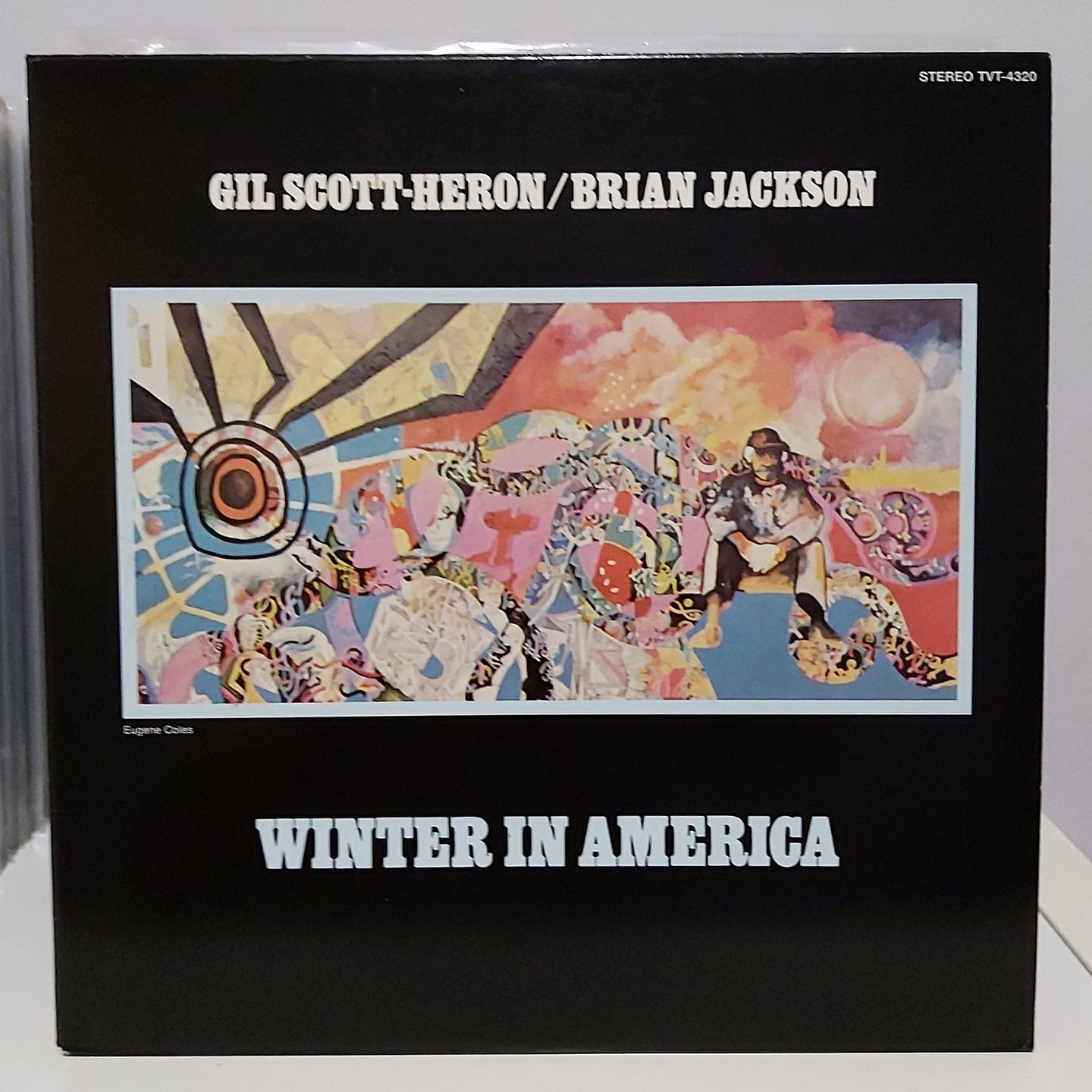
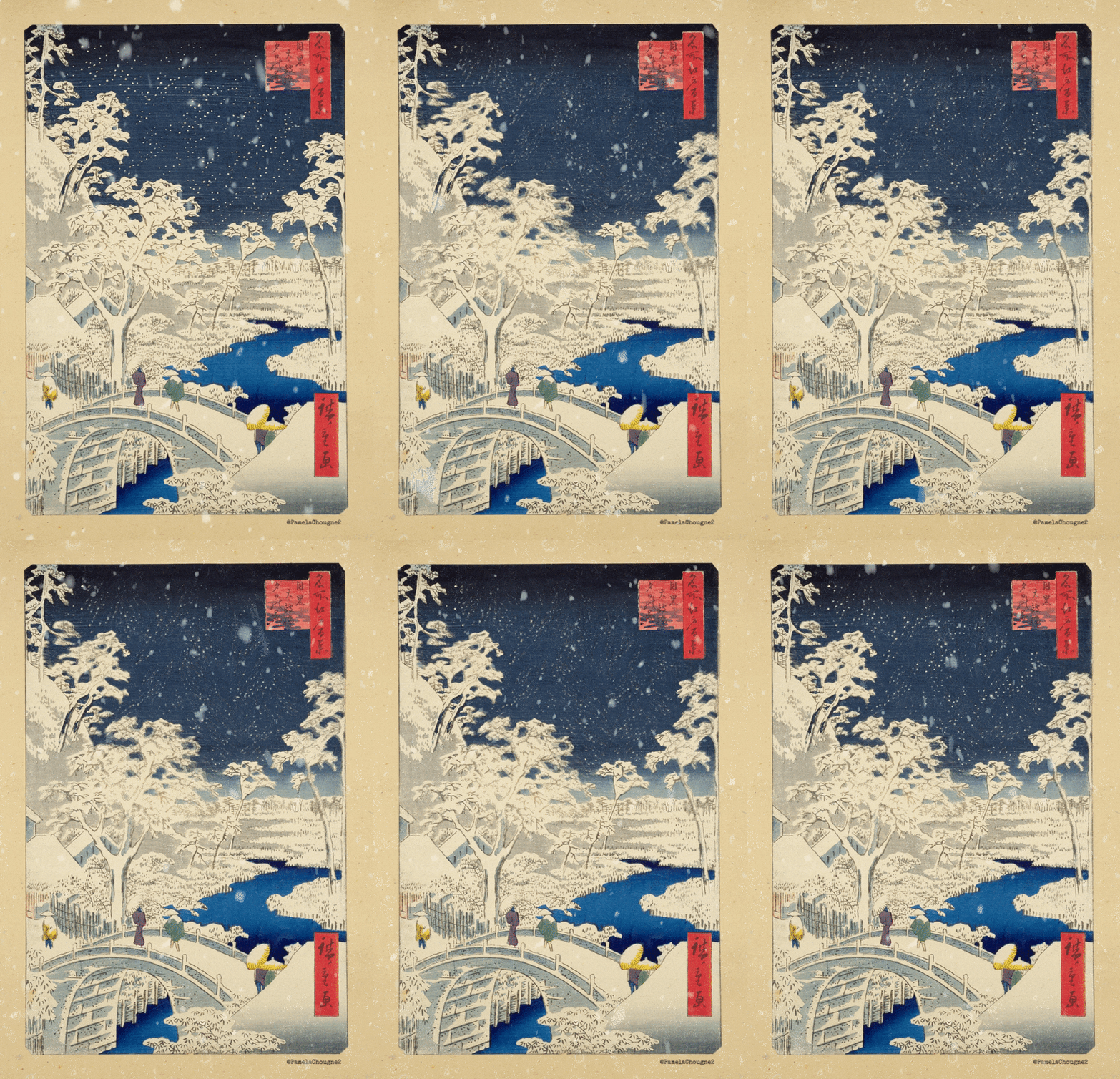
Winter in America


And to the buffalo who once ruled the plains
Like the vultures circling beneath the dark clouds
Looking for the rain

Just like the cities staggered on the coastline
Living in a nation that just can’t stand much more
Like the forest buried beneath the highway
Never had a chance to grow

And now it’s winter
Winter in America
Yes and all of the healers have been killed
Or sent away, yeah
But the people know, the people know
It’s winter
Winter in America
And ain’t nobody fighting
‘Cause nobody knows what to say
Save your soul, Lord knows
From Winter in America

The Constitution
A noble piece of paper
With free society
Struggled but it died in vain
And now Democracy is ragtime on the corner
Hoping for some rain
Looks like it’s hoping
Hoping for some rain

And I see the robins
Perched in barren treetops
Watching last-ditch racists marching across the floor
But just like the peace sign that vanished in our dreams
Never had a chance to grow

And now it’s winter
It’s winter in America
And all of the healers have been killed
Or been betrayed
Yeah, but the people know, people know
It’s winter, Lord knows
It’s winter in America
And ain’t nobody fighting
Cause nobody knows what to save
Save your souls
From Winter in America

And now it’s winter
Winter in America
And all of the healers done been killed or sent away
Yeah, and the people know, people know
It’s winter
Winter in America
And ain’t nobody fighting
Cause nobody knows what to save
And ain’t nobody fighting
Cause nobody knows, nobody knows
And ain’t nobody fighting
Cause nobody knows what to save

Gil Scott Heron
Posted in Music, USA | Tagged | Leave a comment

It’s That Day (again)

In keeping with tradition we at Travel Between The Pages Global HQ stop to acknowledge Public Domain Day in the good old U.S. of A.. As the kids say, there’s a shit ton of free culture coming our way.

“On January 1, 2026, thousands of copyrighted works from 1930 enter the US public domain, along with sound recordings from 1925. They will be free for all to copy, share, and build upon.[3] The literary highlights range from William Faulkner’s As I Lay Dying to Agatha Christie’s The Murder at the Vicarage and the first four Nancy Drew novels. From cartoons and comic strips, the characters Betty Boop, Pluto (originally named Rover), and Blondie and Dagwood made their first appearances. Films from the year featured Marlene Dietrich, Greta Garbo, the Marx Brothers, and John Wayne in his first leading role. Among the public domain compositions are I Got RhythmGeorgia on My Mind, and Dream a Little Dream of Me. We are also celebrating paintings from Piet Mondrian and Paul Klee. Below you can find lists of some of the most notable bookscharacters, comics, and cartoonsfilmssongssound recordings, and art entering the public domain.[4] After each of them, we have provided an analysis of their significance.” via Center for the Study of Public Domain


Posted in Uncategorized | Tagged , , , | Leave a comment

And to make an end is to make a beginning

“For last year’s words belong to last year’s language
And next year’s words await another voice.
And to make an end is to make a beginning.”

– T. S. Eliot


Posted in Uncategorized | Tagged , , | Leave a comment

Performative reading and other leftover accretions

If all human activity can be measured on a spectrum of authenticity and performativity, what metrics can we use to weed out the genuine from the fabricated? Will we just know? And why do we care? If our culture of liberal individualism demands anything of us, it is to be, above all else, authentic. To be seen as a poseur or a phony—a person who affects rather than is—violates some nebulous code of acceptable self-cultivation. from The Curious Notoriety of “Performative Reading” [The New Yorker; ungated]

The character “kuma” (熊), meaning bear in Japanese, was selected as kanji of the year for 2025, the Japan Kanji Aptitude Testing Foundation announced Friday, after a year defined by a surge in bear encounters and nationwide unease amid a string of attacks.

“Kuma” received 23,346 votes, 12.3% of the total cast by the public. Japan saw record-high injuries and fatalities from bear attacks in 2025, along with repeated sightings in urban and residential areas. The encounters fueled public anxiety, forced the cancellation of events and the closure of schools, and caused extensive damage to crops in rural communities, straining local economies.


“The logic of algorithms tends to repeat what “works,” but art opens up what is possible. Not everything has to be immediate or predictable. Defend slowness when it serves a purpose, silence when it speaks and difference when evocative. Beauty is not just a means of escape; it is, above all, an invocation. When cinema is authentic, it does not merely console but challenges. It articulates the questions that dwell within us and sometimes even provokes tears that we did not know we needed to express.”
– Pope Leo XIV

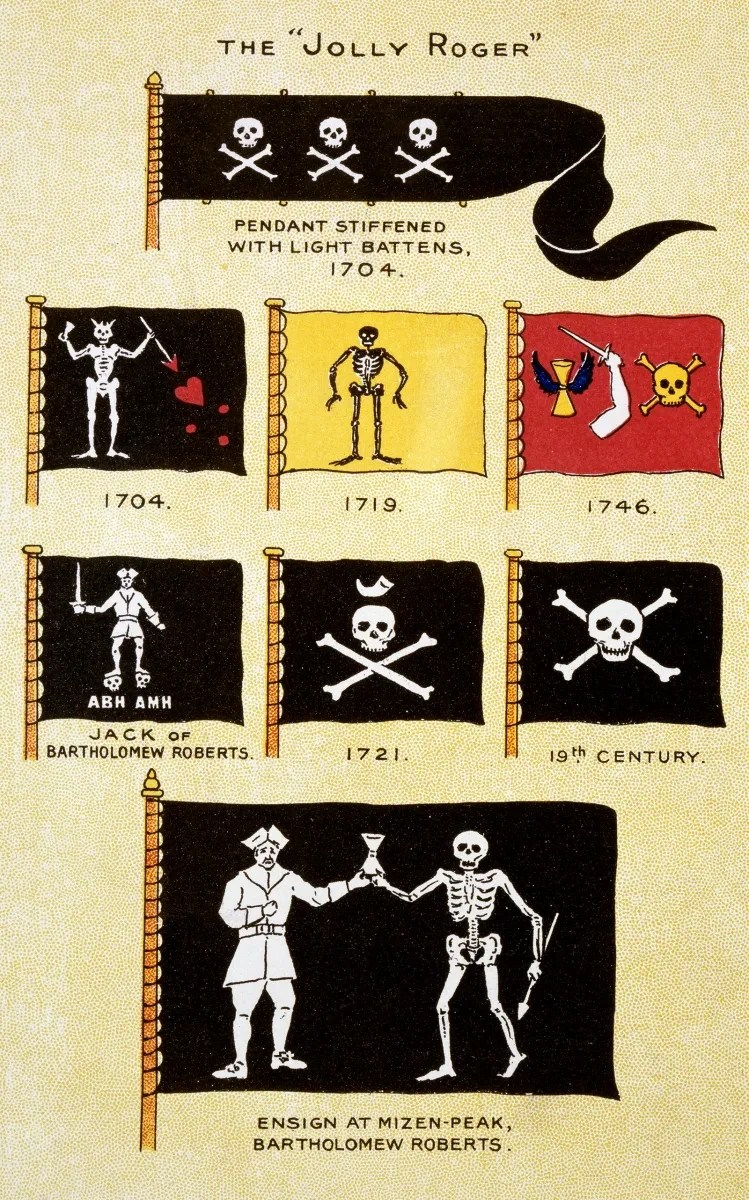
If you think of a pirate flag or ‘Jolly Roger’, you might imagine a white skull and crossbones on a black background – an image as strongly associated with pirates as treasure chests and saying ‘arrr’.

While this was a popular flag design towards the end of the ‘golden age’ of piracy, many pirates active during the late 17th and early 18th centuries had their own unique flags featuring symbols associated with death.

The flags weren’t for decoration: pirates used them to communicate with ships under attack, to threaten, frighten and force surrender from the crews.

Learn more, including where pirate flags came from, how they were used, and the designs of some famous Jolly Rogers. Click here .

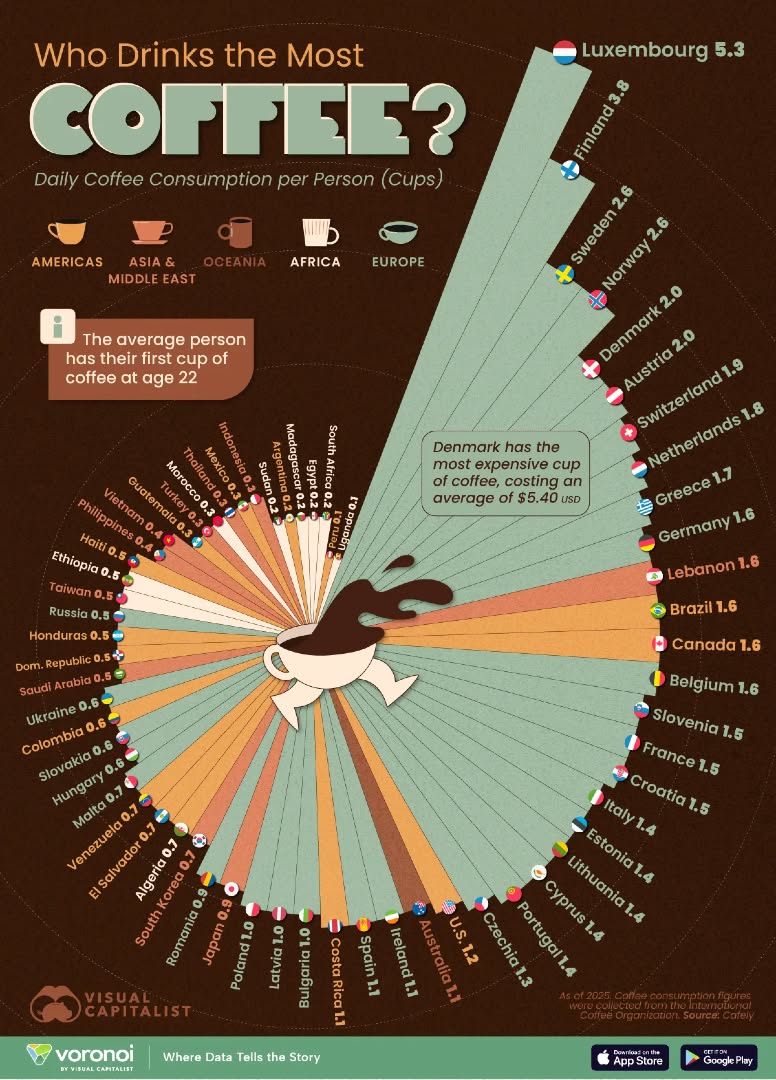
Coffee ☕!

Helping people face the world without slapping the crap out of someone since 800 A.D.

“Whenever someone who knows you disappears, you lose one version of yourself. Yourself as you were seen, as you were judged to be. Lover or enemy, mother or friend, those who know us construct us, and their several knowings slant the different facets of our characters like diamond-cutter’s tools. Each such loss is a step leading to the grave, where all versions blend and end.”

― Salman Rushdie

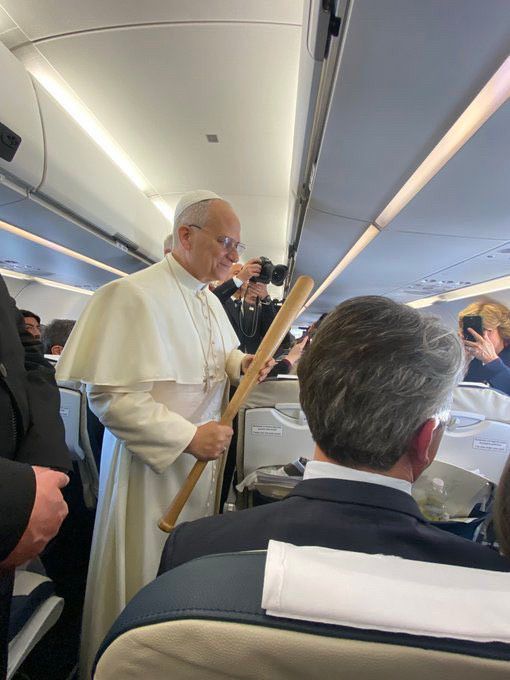
Pope Leo has a personal take on the “recline or don’t recline” issue.

      This Makes It Hard To Plan The Day

“I arise in the morning torn between a desire to improve the world and a desire to enjoy the world. This makes it hard to plan the day.”
― E.B. White

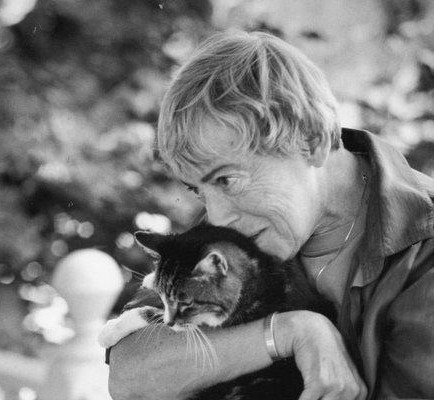
“Immature people crave and demand moral certainty: This is bad, this is good. Kids and adolescents struggle to find a sure moral foothold in this bewildering world; they long to feel they’re on the winning side, or at least a member of the team. To them, heroic fantasy may offer a vision of moral clarity. Unfortunately, the pretended Battle Between (unquestioned) Good and (unexamined) Evil obscures instead of clarifying, serving as a mere excuse for violence — as brainless, useless, and base as aggressive war in the real world.”

Ursula K Le Guin


Posted in Uncategorized | Tagged , , , , , | Leave a comment

“Sir, that is no way to treat a book!”

British writer and photographer Ben Schott published an essay in the New York Times Book review guaranteed to elicit a cringey response in even the most casual bibliophile.

Confessions of a Book Abuser

I have to admit I was flattered when, returning to my hotel room on the shores of Lake Como, a beautiful Italian chambermaid took my hand. I knew that the hotel was noted for the attentiveness of its staff. Surely, though, such boldness elevated room service to a new level. Escorting me to the edge of the crisply made bed, the chambermaid pointed to a book on my bedside table. “Does this belong to you?” she asked. I looked down to see a dog-eared copy of Evelyn Waugh’s “Vile Bodies” open spread-eagle, its cracked spine facing out. “Yes,” I replied. “Sir, that is no way to treat a book!” she declared, stalking out of the room.

I appreciate the chambermaid’s point of view — and I admire how she expressed it. Yet I profoundly disagree. While the ideas expressed in even the vilest of books are worthy of protection, I find it difficult to respect books as objects, and see no harm whatsoever in abusing them.

There are, of course, some important exceptions: rare books or those of historical interest, books with fine binding or elegant illustrations, unpurchased books in bookshops, and books belonging to other people or to libraries. All of these I treat with a care and consideration that I would not dream of bestowing on the average mass-produced paperback. Once a book is mine, I see no reason to read it with kid gloves. And if you have ever seen a printing press disgorge best sellers at 20,000 copies an hour, you might be tempted to agree. It is the content of books that counts, not the books themselves — no matter how well they furnish a room.

Indeed, the ability of books to survive abuse is one of the reasons they are such remarkable objects, elevated far beyond, say, Web sites. One cannot borrow a Web site from a friend and not return it for years. One cannot, yet, fold a Web site into one’s back pocket, nor drop a Web site into the bath. One cannot write comments, corrections or shopping lists on Web sites only to rediscover them (indecipherable) years later. One cannot besmear a Web site with suntan-lotioned fingers, nor lodge sand between its pages. One cannot secure a wobbly table with a slim Web site, nor use one to crush an unsuspecting mosquito. And, one cannot hurl a Web site against a wall in outrage, horror or ennui. Many chefs I know could relive their culinary triumphs by licking the food-splattered pages of their favorite cookbooks. Try doing that with a flat-screen monitor.

All of these strike me as utterly reasonable fates for a book, even though (and perhaps because) they would horrify a biblioprude and befuddle a Web monkey.

The most rococo act of book abuse is something I have performed only once — and it is a great deal more difficult than countless movies would have one believe. To excavate a hiding place for valuables within the pages of a thick book takes a sharp scalpel, a strong arm and a surprising amount of patience. I had hoped to cut a hole with the exact outline of the object to be hidden — not, sadly, a revolver, but something equally asymmetrical. However, slicing page after page with uniform precision proved beyond me, and all I could manage to gouge was a rather forlorn rectangle. (There are some who would tempt fate by stashing their baubles within “Great Expectations” or “Treasure Island.” I played safe with “Pride and Prejudice,” since I had never gotten much further than its eminently quotable first line.)

I also enthusiastically turn down the pages of books as I read them — so much so that I have developed a personal dog-earing code: folding a top corner marks a temporary page position, while folding a bottom corner marks a page that might be worth revisiting. In both cases, the tip of the fold points toward the relevant passage. Of course, this could be achieved with a ribbon or a bookmark; but so many books are bereft of ribbons, and I have always thought there is something ever so slightly shifty about those who always have a bookmark on hand.

My favorite act of abuse is writing in books — and, in this at least, I follow in illustrious footsteps. Mathematics would be considerably poorer were it not for the marginalia of Pierre de Fermat, who in 1637 jotted in his copy of the “Arithmetica” of Diophantus, “I have a truly marvelous proof of this proposition that this margin is too narrow to contain.” This casual act of vandalism kept mathematicians out of trouble for 358 years. (Andrew Wiles finally proved Fermat’s Last Theorem in 1995.)

Libraries have an ambivalent attitude to marginalia. On the one hand, they quite properly object to people defacing their property. Cambridge University Library has a chamber of horrors displaying “marginalia and other crimes,” including damage done by “animals, small children and birds,” not to mention the far from innocuous Post-it note. On the other hand, libraries cannot suppress a flush of pride on acquiring an ancient text “annotated” by someone famous. Like graffiti, marginalia acquire respectability through age (and, sometimes, wit).

While I take great delight in marking significant passages, jotting down notes and even doodling in my books, I do draw the line at highlighter pens. One of my schoolmates used to insist on marking the passages he needed to review with a fluorescent pink highlighter. It was gently suggested that, since swaths of his textbooks were smothered in pink, it might be easier to highlight the areas he didn’t need to remember. He should have taken this advice, since the pink glop reacted badly with one particularly porous textbook, dissolving all of the type it touched and leaving legible only the irrelevant passages.

I am not unaware that the abuse of books has a dark and dishonorable past. Books have been banned and burned and writers tortured and imprisoned since the earliest days of publishing. While one thinks of such historical nadirs as Savonarola’s “bonfire of the vanities” and the Nazi pyres of “un-German” and “degenerate” books, the American Library Association warns that we still live in an era of book burning. Perhaps inevitably, J. K. Rowling’s boy wizard is the target of much modern immolation. One group in Lewiston, Maine, when denied permission for a pyre by the local fire department, held a “book cutting” of “Harry Potter and the Sorcerer’s Stone” instead.

To destroy a book because of its content or the identity of its author is a despicable strangulation of thought. But such acts are utterly distinct from the personal abuse of a book — and there is no “slippery slope” between the two. The businessman who tears off and discards the chunk of John Grisham he has already read before boarding a plane may lack finesse, but he is not a Nazi. Indeed, the publishing industry thinks nothing of pulping millions of unsold (or libelous) books each year. And there was no outcry in 2003 when 2.5 million romance novels from the publisher Mills & Boon were buried to form the noise-reducing foundation of a motorway extension in Manchester, England.

It is notable that those who abuse their own books through manhandling or marginalia are often those who love books best. And surely the dystopia of “Fahrenheit 451” is more likely avoided through the loving abuse of books than through their sterile reverence. Not that I expect the chambermaid to agree.
Posted in Books, Uncategorized | Tagged , , | Leave a comment

Definitely not, but actually maybe

It has been suggested to me that the frequency of my posts about Japan is somehow indicative of a recently identified syndrome called 𝗣𝗼𝘀𝘁-𝗝𝗮𝗽𝗮𝗻 𝗗𝗲𝗽𝗿𝗲𝘀𝘀𝗶𝗼𝗻 (𝗣𝗝𝗗). To be honest, I’ve had a history of similar responses over the years to many travel experiences. After my first long—four month—trip to Europe many decades ago, I was spotted quietly sobbing in a dark corner of Luxembourg International Airport. And two years later after backpacking in Europe for three months I had a minor meltdown in Brussels Airport when my flight home was called. And, to be completely candid, the same thing has occurred in international airports around the globe, so why should Japan be any different.

Based on anecdotal reports from dozens of travels PJD is real, and so many people feel it after coming home from a trip that feels magical, safe, clean, punctual, aesthetic, peaceful… and suddenly—boom—back to reality. I guess IYKYK.

So what is there to do about it ?  𝘼𝙘𝙘𝙚𝙥𝙩 𝙩𝙝𝙖𝙩 𝙞𝙩’𝙨 𝙣𝙤𝙧𝙢𝙖𝙡 (𝙖𝙣𝙙 𝙩𝙚𝙢𝙥𝙤𝙧𝙖𝙧𝙮) your brain is reacting to: • change in routine • drop in dopamine • missing the novelty and freedom • coming back to responsibilities. Just acknowledging this already reduces the emotional “sting.”


Posted in Asia, Tourism | Tagged , | 2 Comments

Alice is back home

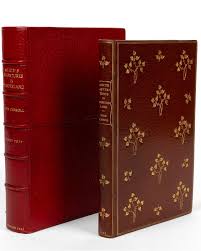
Christ Church Oxford and the Bodleian Libraries have become joint owners of an exceptionally rare first edition of Lewis Carroll’s Alice’s Adventures in Wonderland, the most important of only 22 known surviving copies of the first and subsequently withdrawn edition.

The book was previously owned by Carroll aka Charles Lutwidge Dodgson himself and has never before been exhibited in the UK. Handwritten annotations in the margins reveal the author’s thinking as he prepared to adapt the 1865 book into The Nursery “Alice”, a version of the story intended for children under five.

The book also includes 10 original drawings by John Tenniel, the story’s first illustrator. The first edition of Alice’s Adventures in Wonderland was printed by Oxford University Press for publication in 1865 but was withdrawn by Carroll after the artist John Tenniel expressed dissatisfaction with the poor printing quality of his illustrations. Tenniel was a famous artist at the time and Carroll, an unknown author, complied with his wishes to suppress the publication. While he did his best to recall the copies he had already given away, a few escaped his efforts. An ‘improved’ edition appeared later that year.

Following cataloguing and digitization, the book will go on display January 16-19 in Blackwell Hall at the Weston, the Bodleian’s public visitors’ space in Oxford. It will then take pride of place in the Bodleian’s forthcoming exhibition Pets and their People from March 13 to October 31. Real-life pets inspired many of the animals in Carroll’s story, including the famous Cheshire Cat.

Christ Church will mark the return of the book to Oxford and the 150th anniversary of the publication of The Hunting of the Snark in an exhibition in the college’s Upper Library called Beyond the Appliances of Art: Lewis Carroll and His Illustrators that will detail the sometimes fractious relationship between Lewis Carroll and the different artists who illustrated his books.

Carroll studied at Christ Church, and subsequently remained there until his death, serving in several roles including as lecturer in Mathematics, sub-librarian in the college library, and curator of the Senior Common Room.

The book will be known as the ‘Michelson Alice’ after the donor and philanthropist Ellen A. Michelson, collector, philanthropist, and member of the Grolier Club. Christ Church and the Bodleian joined together in their efforts to acquire the book following a competitive process initiated by Michelson in which several institutions were invited to make a case for receiving the gift.

“When I began the search for the best permanent new home for this unique piece of literary history, I wanted to be sure it would not only be properly preserved, but also available for future research and public appreciation,” said Ellen A Michelson. “Now that the book will reside in its spiritual home in Oxford, I look forward to it being enjoyed by students and Alice enthusiasts for generations to come.”

Richard Ovenden, Bodley’s Librarian and Helen Hamlyn Director of Oxford University Libraries said: “The Bodleian is honoured to become jointly responsible for the preservation and display of this unique work which is of clear historical significance to Oxford and the UK as a whole. Of all children’s books, Alice is among the most influential and this copy is undoubtedly the most important. We are proud and excited to be able to use the text to advance Carroll scholarship, display it for the enjoyment of the public, and deepen our understanding of this seminal figure in British literature.”

Posted in Books, Europe, History, Libraries, Museums, Writing | Tagged , , , | 1 Comment

Peace on Earth

Since George Harrison’s passing in 2001, his family and estate have periodically released new videos of some of his older songs. The most recent video, for “Give Me Love (Give Me Peace On Earth)”, is from a possibly surprising director – Stranger Things star Finn Wolfhard.


Posted in Uncategorized | Tagged , | Leave a comment