Breakfast At Tiffany’s

If you were so inclined, you could pick up a signed first edition of Truman Capote’s novel Breakfast at Tiffany’s for $5000 or less. But why not spring for the artfully rebound version for $1.5 million.
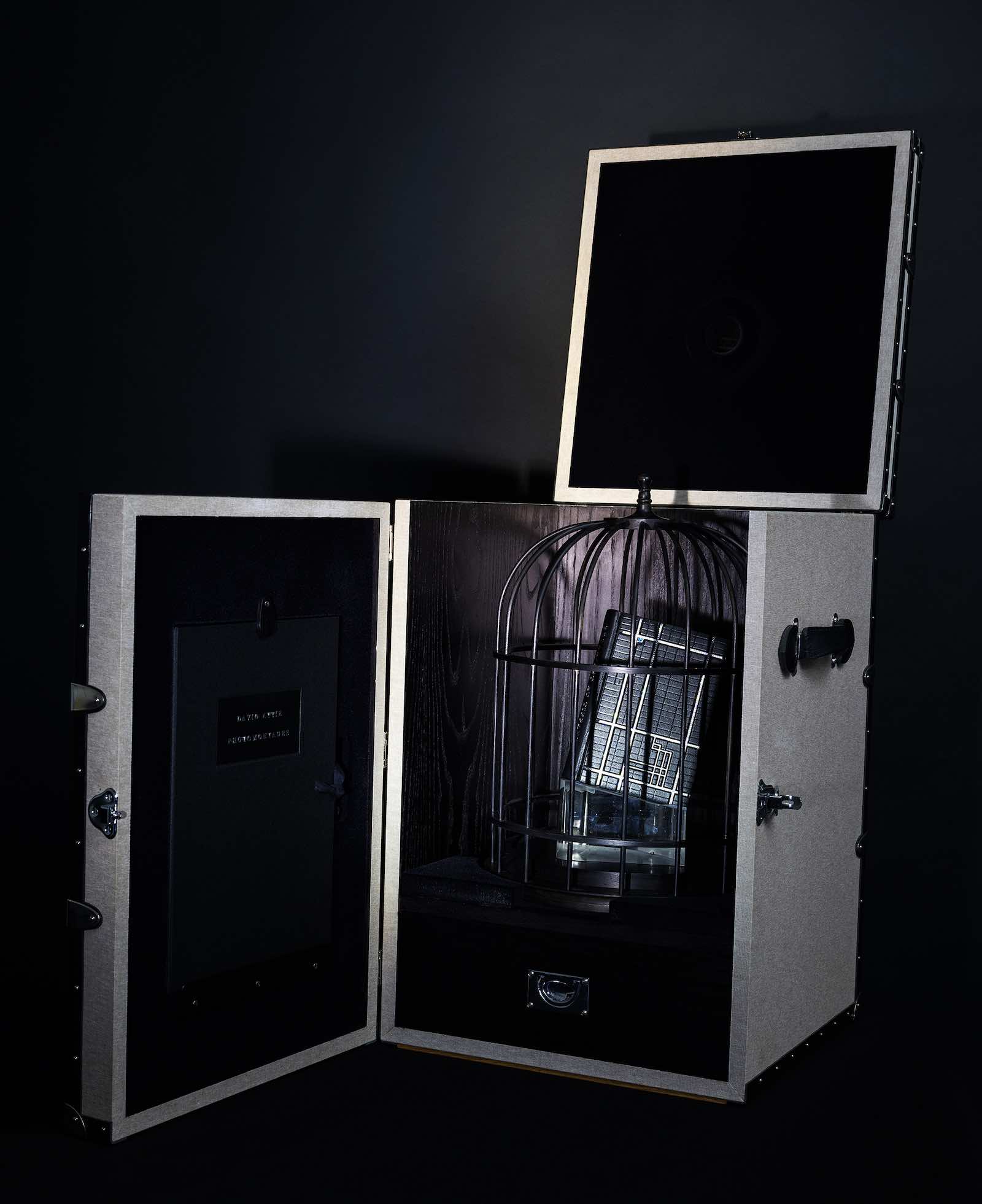
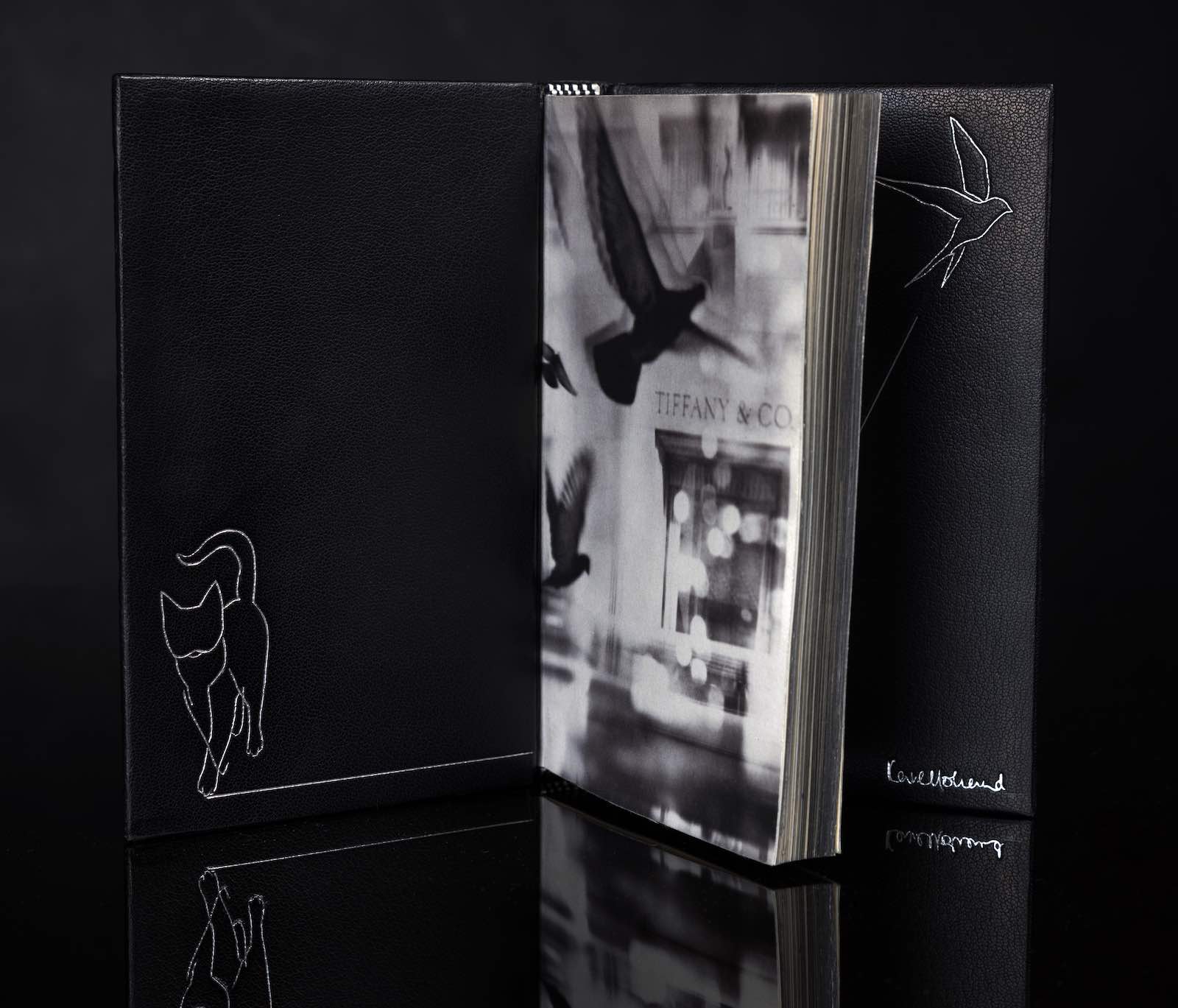
The new version sports more than 1,000 white diamonds that have been set into a custom fine binding of a first edition of Breakfast at Tiffany’s signed by Truman Capote. The pricey volume has been produced to celebrate the centenary of the writer’s birth.

A crack squad of British craftspeople, in collaboration with US-based Dragon Rebound, have completed the book which features diamonds in a platinum setting. It is displayed on a cast glass plinth in an wooden birdcage, housed in a custom-made vintage case, and is accompanied by a portfolio of photomontages by David Attie. It is completely unique, never to be repeated, limited to a single copy, and currently valued at around $1.5m.

The signed, first-edition text has been bound by award-winning bookbinder Kate Holland. The novel is bound in full black goatskin with a design of a 1950s New York street map. The main streets are platinum set with more than 1,000 white diamonds – totaling nearly 30 carats – by London jewelers Bentley & Skinner.
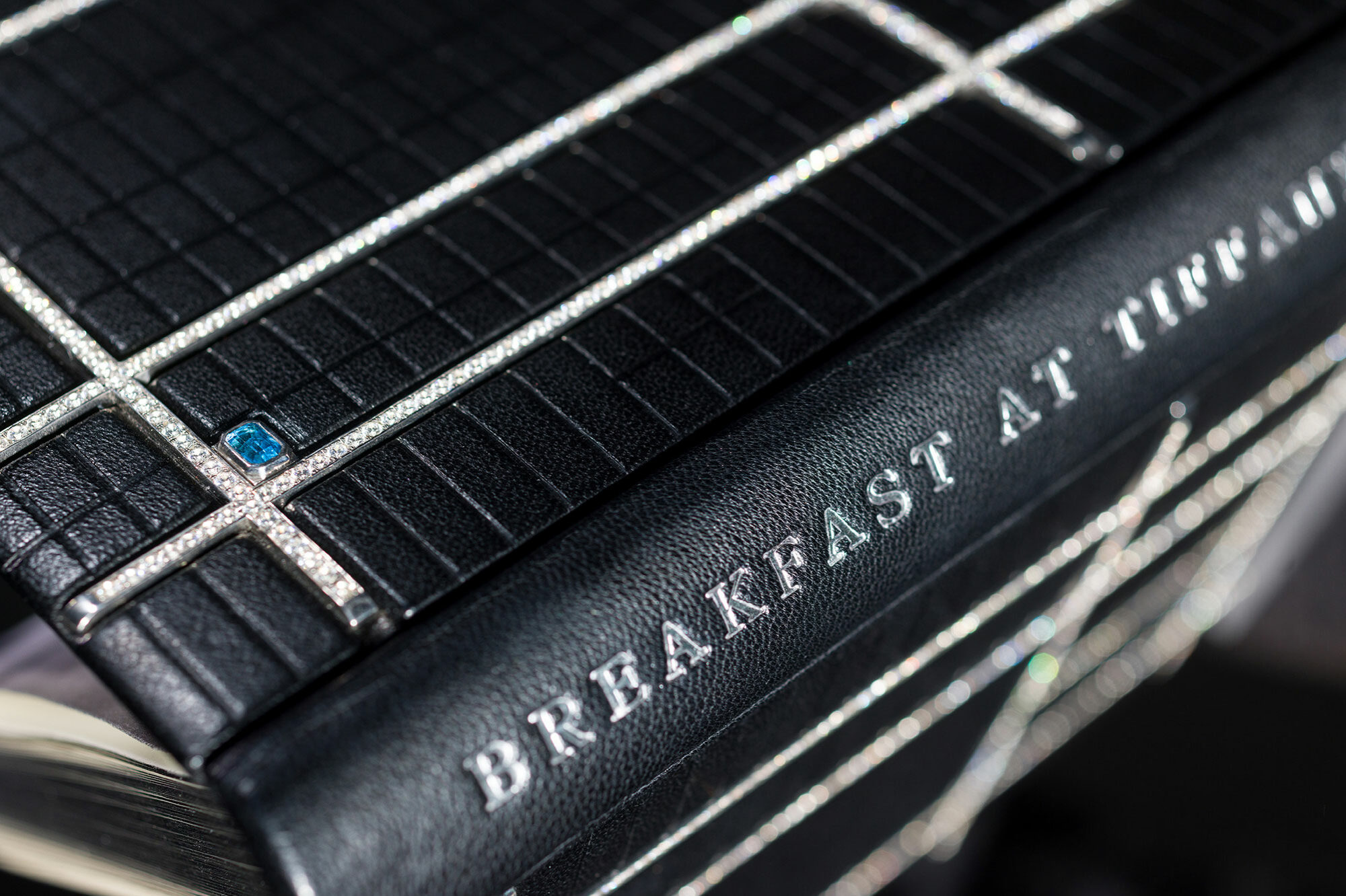
 

The Manhattan cross streets are blind-tooled and the location of Tiffany’s flagship store at the intersection of Fifth Avenue and 57th Street is marked by a single 1ct  sapphire. The doublures are black goatskin with images of Cat and a bird in flight hand-tooled in platinum and signed by the binder. The title is hand-tooled on the spine in platinum and the endpapers are photographic prints from David Attie’s original series of photomontages.
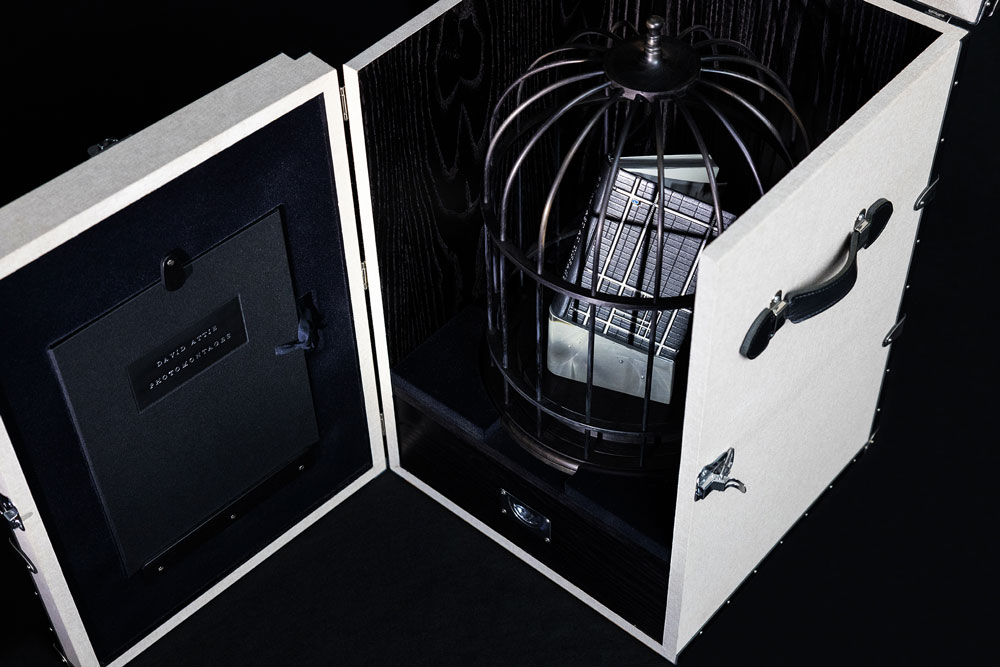
The book is displayed in a birdcage, designed and made by master cabinetmaker Dom Parish of Wardour Workshops and inspired by the recurring motif of the vintage birdcage in the book. It sits on a cast glass plinth made by glassmaker Jade Pinnell. The entire piece is housed in a custom-made vintage trunk, based on a classic Louis Vuitton grey Trianon canvas wardrobe trunk.

The book includes a portfolio of the full set of photomontages by photographer David Attie, who was commissioned to illustrate Breakfast at Tiffany’s by Harper’s Bazaar. The full set of images have never been published in full in print until now.
 

Posted in Art, Books, Film, Maps, USA, Writing | Tagged , , | 1 Comment

Pangur Bán

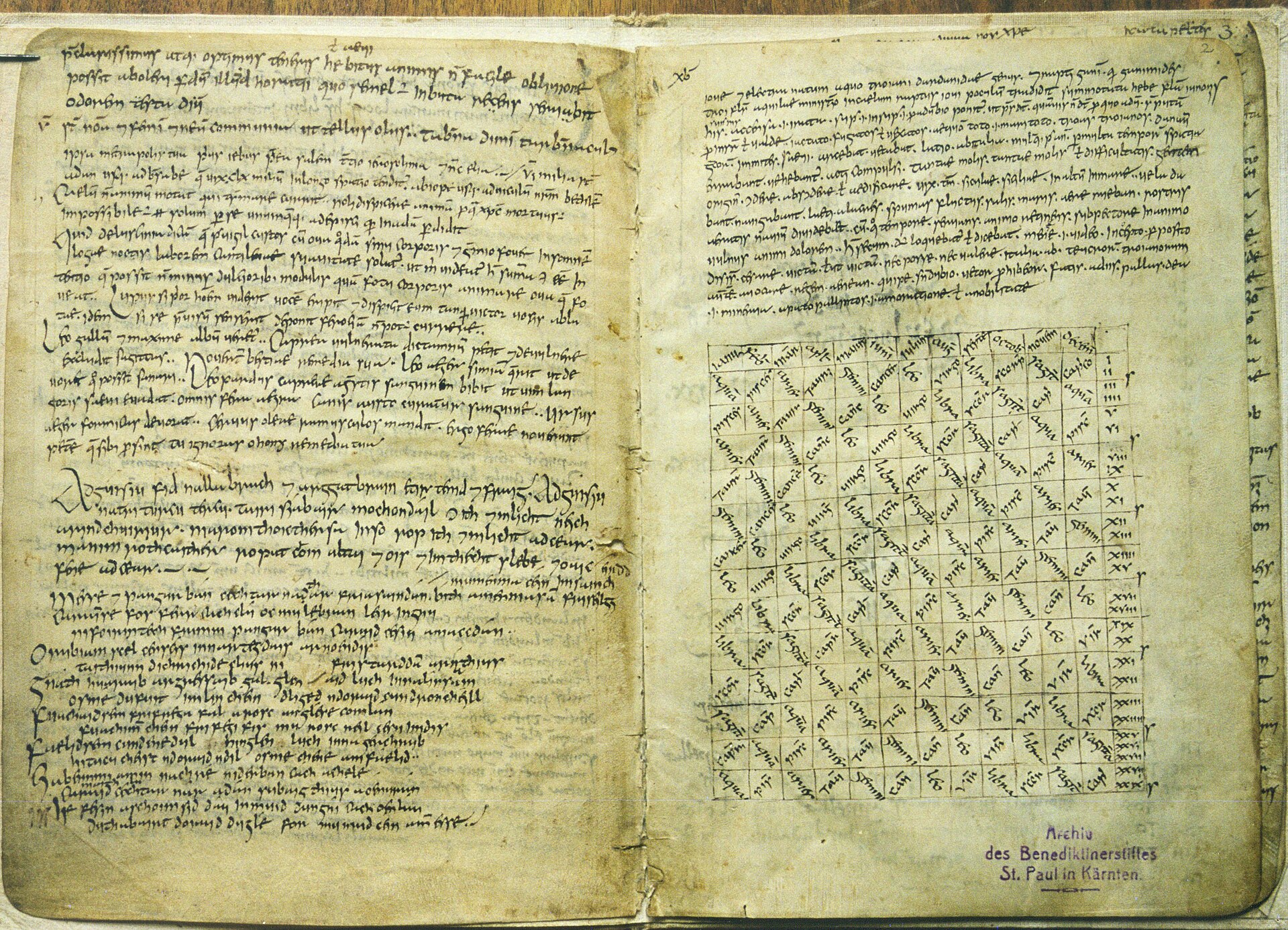
Over the years, I have seen a few different translations of this ninth century poem written by an unknown monk in Old Irish at or near Reichenau Abbey in what is now Germany. This version was translated by the Nobel Laureate Seamus Heaney.

.

The Scholar & His Cat, Pangur Bán

.
Pangur Bán and I at work,
Adepts, equals, cat and clerk:
His whole instinct is to hunt,
Mine to free the meaning pent.
.
More than loud acclaim, I love
Books, silence, thought, my alcove.
Happy for me, Pangur Bán
Child-plays round some mouse’s den.
.
Truth to tell, just being here,
Housed alone, housed together,
Adds up to its own reward:
Concentration, stealthy art.
.
Next thing an unwary mouse
Bares his flank: Pangur pounces.
Next thing lines that held and held
Meaning back begin to yield.
.
All the while, his round bright eye
Fixes on the wall, while I
Focus my less piercing gaze
On the challenge of the page.
.
With his unsheathed, perfect nails
Pangur springs, exults and kills.
When the longed-for, difficult
Answers come, I too exult.
.
So it goes. To each his own.
No vying. No vexation.
Taking pleasure, taking pains,
Kindred spirits, veterans.
.
Day and night, soft purr, soft pad,
Pangur Bán has learned his trade.
Day and night, my own hard work
Solves the cruxes, makes a mark.
.
Posted in Art, Books | Tagged , , , , | Leave a comment

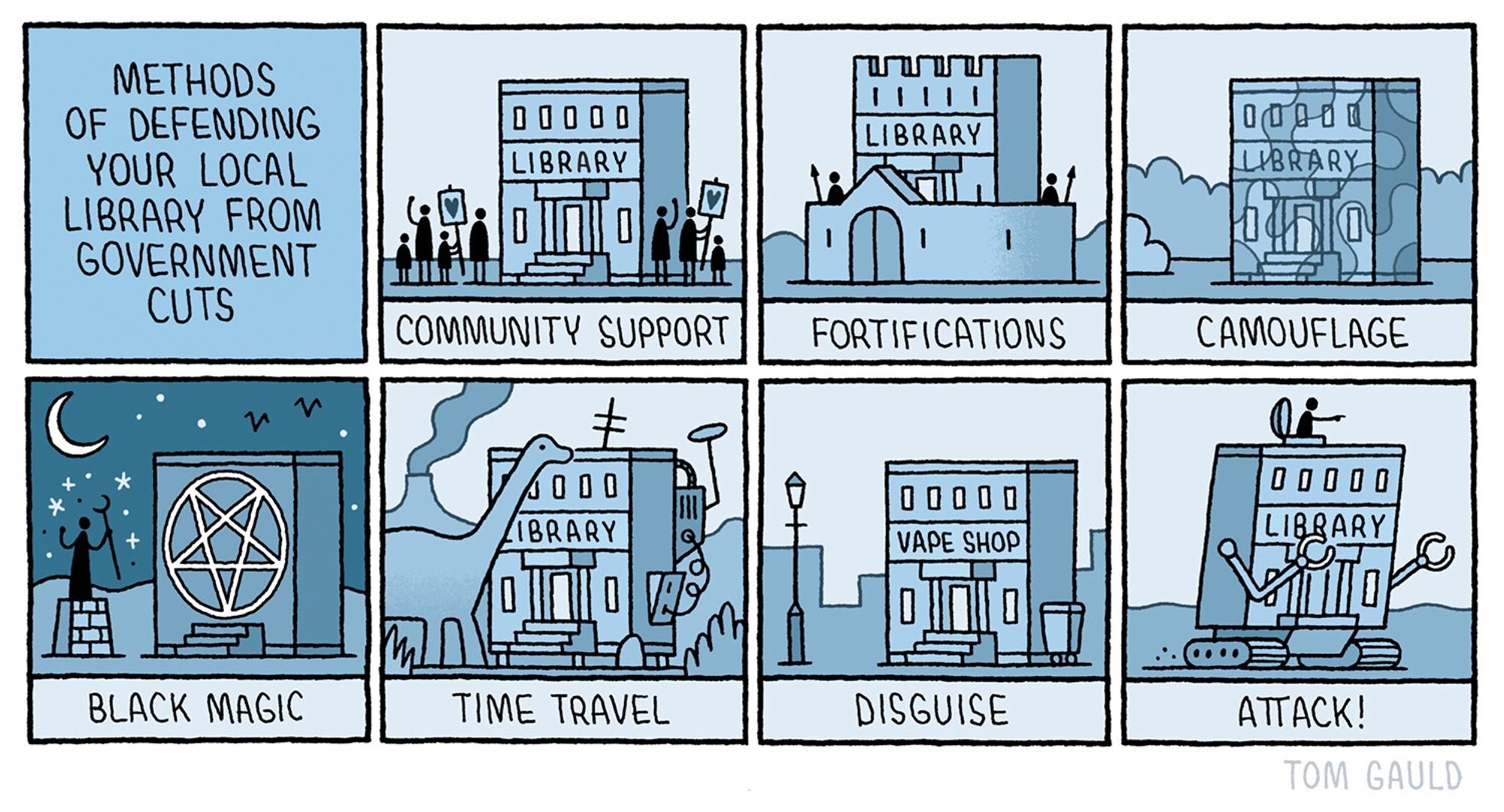
Protect Your Local Library


Posted in Art, Books, Libraries | Tagged , , | 1 Comment

Strip Atlas

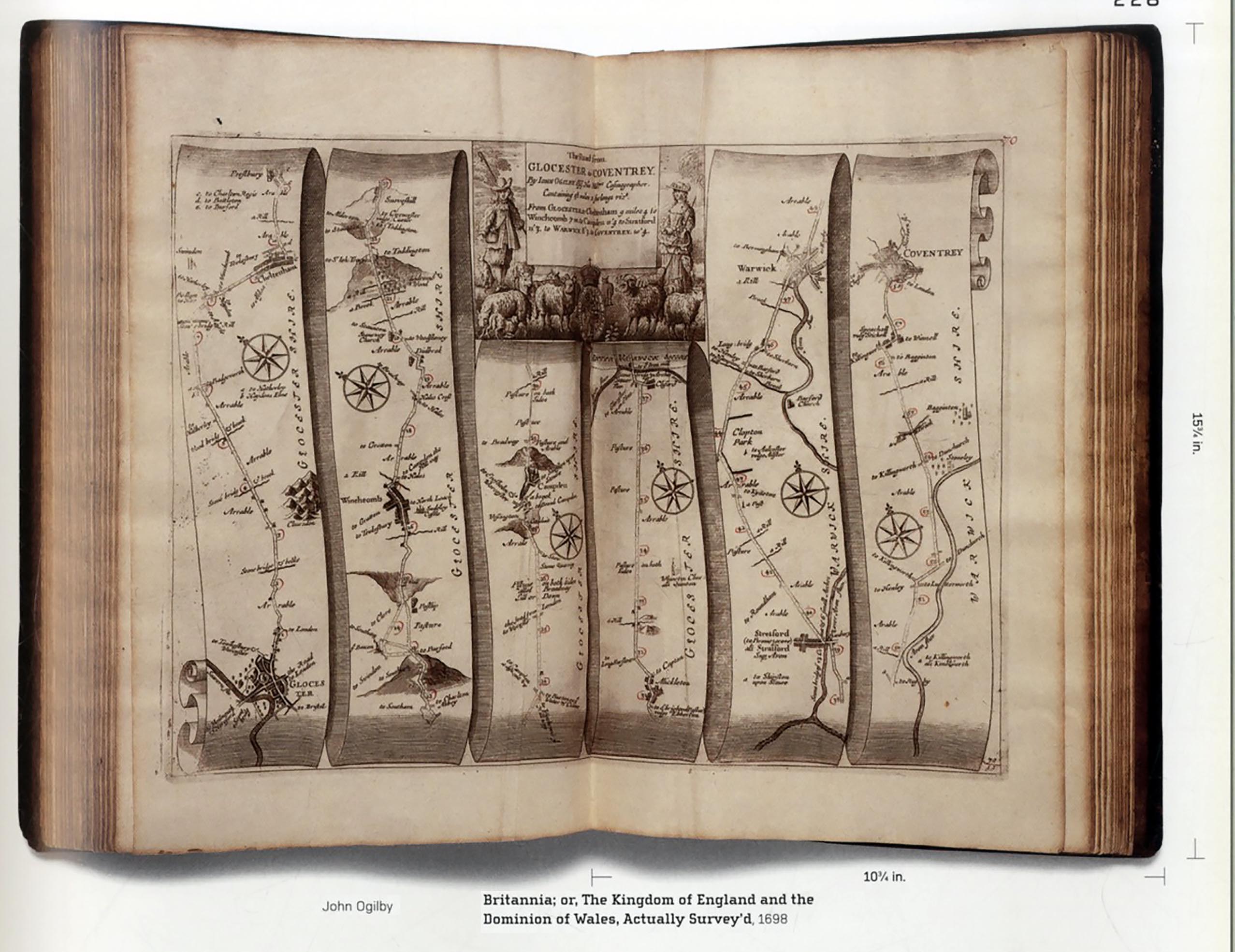
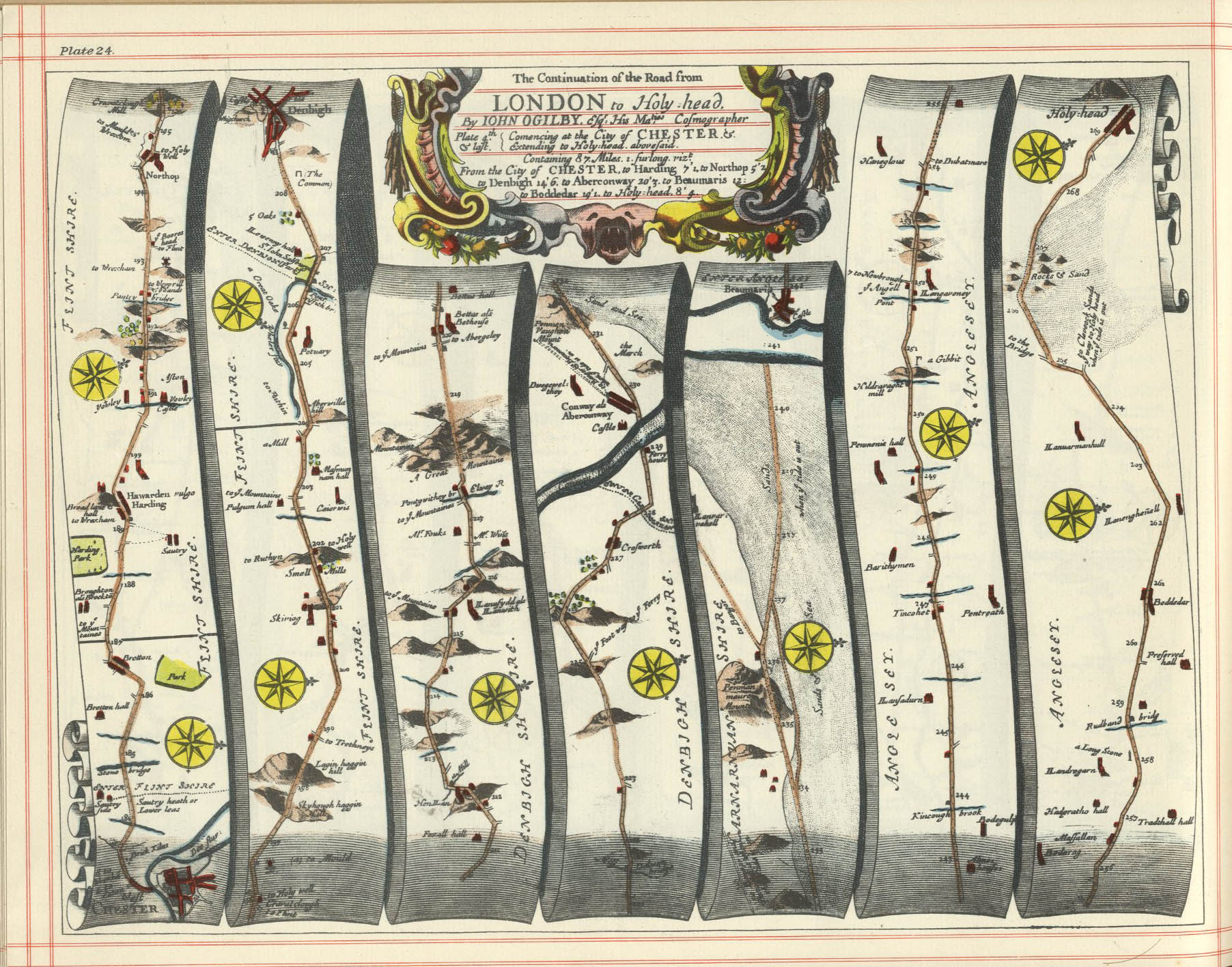
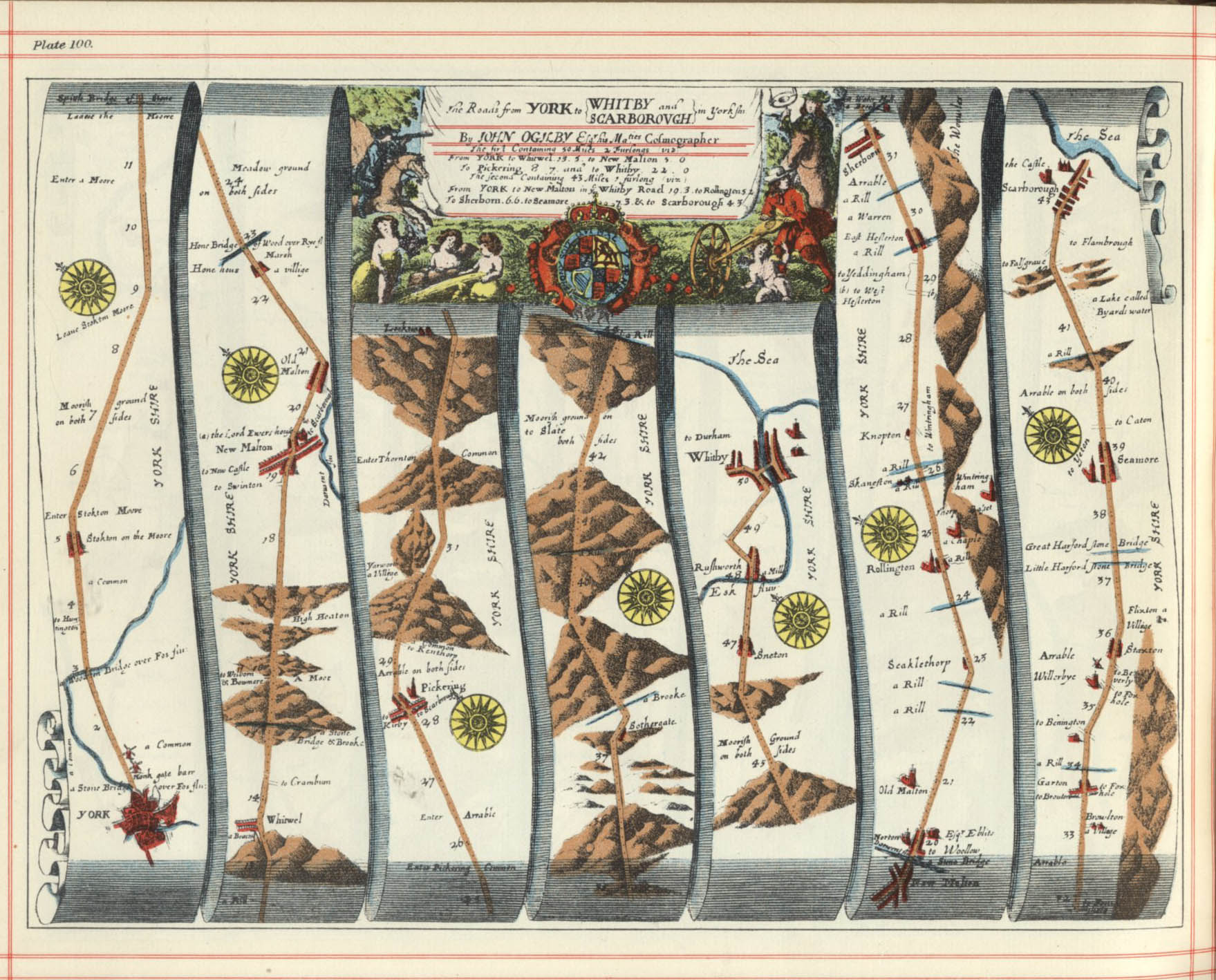
British cartographer John Ogilby created an amazing project in 1675: a road atlas of 17th-century Britain, featuring strip maps of most of the major routes in England and Wales. He wrote to Charles II:

I have Attempted to Improve Our Commerce and Correspondency at Home, by Registring and Illustrating Your Majesty’s High-Ways, Directly and Transversely, as from Shoare to Shoare, so to the Prescrib’d Limts of the Circumambient Ocean, from the Great Emporium and Prime Center of the Kingdom, Your Royal Metropolis.

It used a consistent scale of one inch per mile, with each mile comprising 1760 yards, a standard that later mapmakers would follow. You can see the whole atlas here.


Posted in Books, Europe, History, Maps | Tagged , , , , | 2 Comments

art too bad to be ignored

Over the years I have visited hundreds of art museums. Most of those institutions made sincere efforts to curate collections of quality art works. Sometimes there were fails and truly bad art was exhibited. But nothing compares to the extraordinary Museum of Bad Art in Boston, Massachusetts.

In its third decade, and now in a new home, the Museum of Bad Art is dedicated to the celebration of bad art in all of its forms and styles. The awe-inspiring collection was initially inspired by a single painting titled Lucy in the Fields with Flowers. The brilliant collection now incorporates more than 900 works of art that range from pieces created by inspired amateurs with dubious skills to talented artists who temporarily lost the thread.

Boston is a great city for art museums. When you visit, there are some don’t miss institutions such as the Museum of Fine Art, the Institute of Contemporary Art, and the exquisite Isabella Stewart Gardner Museum, but now the Museum of Bad Art has to be added to your itinerary.


Posted in Art, Museums, Tourism, USA | Tagged , | 3 Comments

The Expressionist As Flâneur

I recently stumbled on the charming video below which led me to the story of the marvelous exhibition MAX GOES FOR A WALK .

“A hand-drawn Max Beckmann walks through his collection of postcards, occasionally changing outfits or morphing into different objects. The hummed song to which he walks is the well-known German nursery song Hänschen Klein (Little Hans, 1899, by Franz Widedemann) which tells of a boy who leaves his sorrowing mother to go out into the world with only his hat and stick, eventually returning as an almost unrecognizable man.

Commissioned for Max Beckmann: Departure at the Pinakothek der Moderne, Munich, Germany, November 25 – March 12, 2023. ”

The work is by Ellen Harvey, a British-born conceptual artist, who also created   The Disappointed Tourist, for which she has been painting lost sites suggested by members of the public.

NB: If the video fails to open please click here.


Posted in Art, Europe, Film, Museums, Tourism | Tagged , , | 1 Comment

Black History Month

Here in the former Colonies there has been an alarming campaign by reactionary racist groups to suppress the study of American History in general and the study of the oppression of Black Americans and slavery in particular. This is not an entirely new struggle, but one that has been invigorated by the well funded rightwing Maga cultists. It seems more important than ever to turn attention to the real American experience during Black History Month, which happens every February.

I only recently discovered an excellent series of videos that offer brief history lessons that illuminate many aspects of Black history in the United States. This video series written and narrated by Professor Henry Louis Gates Jr. presents short 2-4 minute lessons about how Black people shaped American history. Here are a few videos to get you started:

NB: If the videos fail to launch in your browser, please click here.


Posted in Africa, Film, History, USA | Tagged , , , , | 1 Comment

A House upon the Height

Closed since 2019, the Emily Dickinson Museum has now completed a multi-year preservation effort at The Evergreens, aimed at improving environmental conditions for objects in its recently documented collection, and reducing energy consumption.

Reopening on March 1, The Evergreens is an integral component of the American literary site interpreting and celebrating Emily Dickinson’s life and legacy. Located just west of the Homestead, The Evergreens was built for the poet’s brother Austin and his family in 1856. The lives of the Dickinson families at the Homestead and The Evergreens were closely linked, both in their daily conduct and in the private lives that unfolded in the houses. These connections had a profound impact on Emily Dickinson’s poetry and, later, on the posthumous publication of her verse and the preservation of her legacy.

Supported by grants from the National Endowment for the Humanities and the Massachusetts Cultural Facilities Fund, the project focused first on reducing energy consumption through building envelope repairs, new insulation, and light filtration. It continued with installation of a museum-grade HVAC system to maintain temperature and relative humidity in ranges that promote the preservation of sensitive collections objects.

Austin and Susan Dickinson lived at The Evergreens until their respective deaths in 1895 and 1913. Their only surviving child, Martha Dickinson Bianchi, edited numerous collections of her aunt’s poetry and authored biographical works about her in the 1920s and 1930s. She continued to live in the house, and preserved it without change, until her own death in 1943. Her heirs – co-editor Alfred Leete Hampson, and later his widow, Mary Landis Hampson – recognized the tremendous historical and literary significance of a site left completely intact and sought ways to ensure the preservation of The Evergreens as a cultural resource. The house is still completely furnished with Dickinson family furniture, household accouterments, and decor selected and displayed by the family during the nineteenth century.

The museum’s Executive Director Jane Wald said: “We are so pleased that this important project has reached a successful conclusion. The Evergreens is an extraordinary house, unusually preserved, and steeped in the histories of the Dickinson family and the town of Amherst. That it has been little changed since the end of the 19th century and remains full of Dickinson family possessions was a distinct choice by family members and heirs, but one that led to decades of environmental conditions unfriendly to collections. Improvements to the building envelope and an effective heating and cooling system are a significant contribution to the preservation of the Dickinson home, history, and material legacy.” via :

A House upon the Height—
That Wagon never reached—
No Dead, were ever carried down—
No Peddler’s Cart—approached—

Whose Chimney never smoked—
Whose Windows—Night and Morn—
Caught Sunrise first—and Sunset—last—
Then—held an Empty Pane—

Whose fate—Conjecture knew—
No other neighbor—did—
And what it was—we never lisped—
Because He—never told—


Posted in Architecture, Books, History, Museums, USA, Writing | Leave a comment

Petit Livre d’Amour

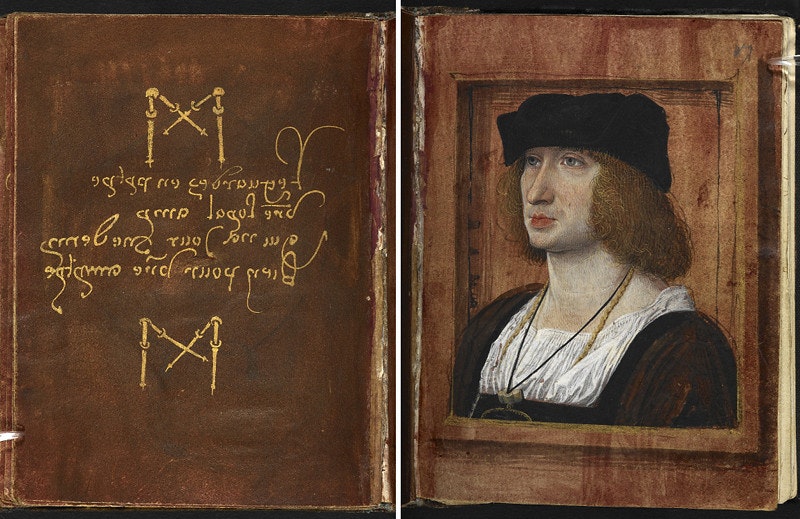
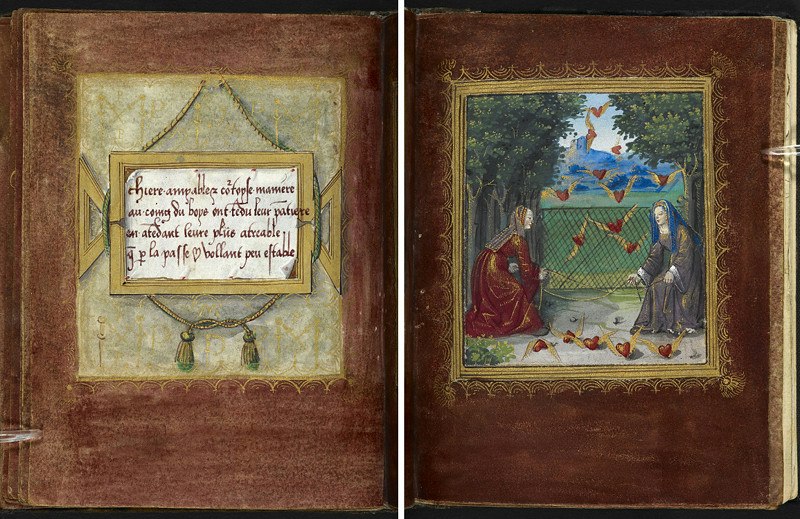
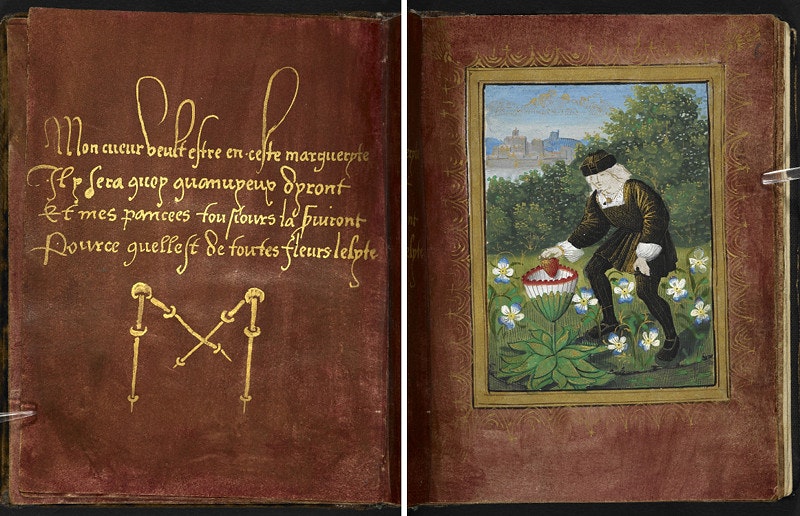
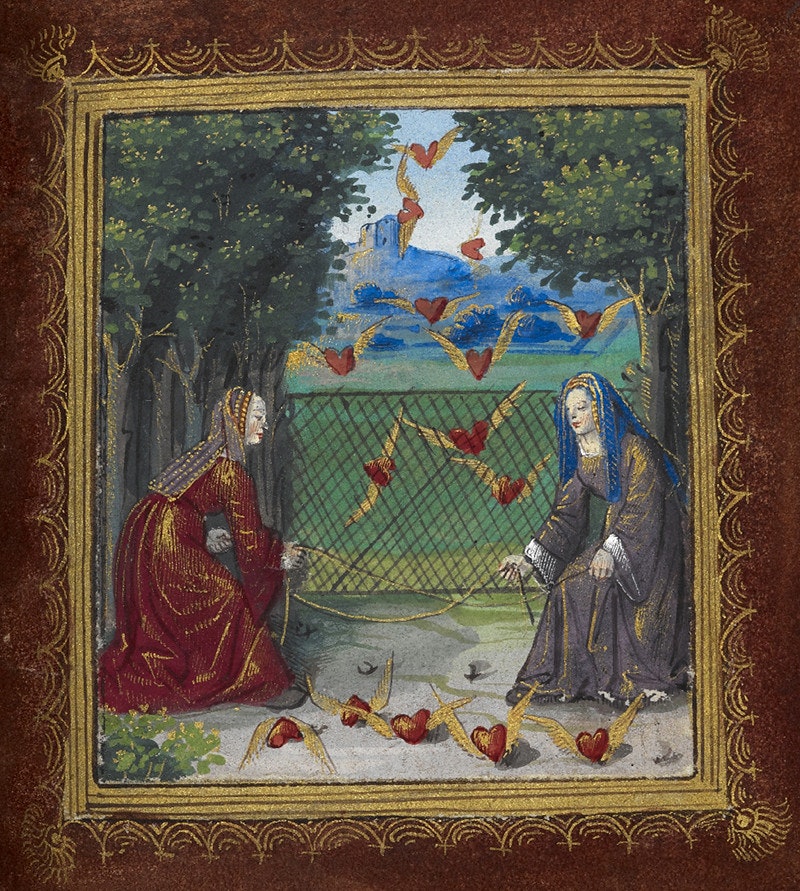
Your Valentine’s Day gift will have to be extraordinary to top  the Petit Livre d’Amour (Little Book of Love). This very elaborate handmade book was given by the 16th-century French poet Pierre Salas to his then lover and future wife Marguerite Bullioud. It measures just 5 by 3.7 inches, hand-written by Salas with gold ink and gorgeously illuminated by an artist identified as the “Master of the Chronique scandaleuseas”. The volume begins with a few pages of prose describing the relationship between the poet and the woman he loves. The rest of the book follows with 12 “iconologues”, a combination of prose and poetry on the left-hand page – including the initials M, for Marguerite and P, for Pierre, scattered about in various forms – and on the right-hand page a corresponding picture. Five of these relate to love, the others to more prosaic topics.


Posted in Art, Books, Europe, Writing | Tagged , , , | Leave a comment

I prefer Grimms’ fairy tales to the newspapers’ front pages

POSSIBILITIES

Wisława Szymborska

I prefer movies.

I prefer cats.

I prefer the oaks along the Warta.

I prefer Dickens to Dostoyevsky.

I prefer myself liking people

to myself loving mankind.

I prefer keeping a needle and thread on hand, just in case.

I prefer the color green.

I prefer not to maintain

that reason is to blame for everything.

I prefer exceptions.

I prefer to leave early.

I prefer talking to doctors about something else.

I prefer the old fine-lined illustrations.

I prefer the absurdity of writing poems

to the absurdity of not writing poems.

I prefer, where love’s concerned, nonspecific anniversaries

that can be celebrated every day.

I prefer moralists

who promise me nothing.

I prefer cunning kindness to the over-trustful kind.

I prefer the earth in civvies.

I prefer conquered to conquering countries.

I prefer having some reservations.

I prefer the hell of chaos to the hell of order.

I prefer Grimms’ fairy tales to the newspapers’ front pages.

I prefer leaves without flowers to flowers without leaves.

I prefer dogs with uncropped tails.

I prefer light eyes, since mine are dark.

I prefer desk drawers.

I prefer many things that I haven’t mentioned here

to many things I’ve also left unsaid.

I prefer zeroes on the loose

to those lined up behind a cipher.

I prefer the time of insects to the time of stars.

I prefer to knock on wood.

I prefer not to ask how much longer and when.

I prefer keeping in mind even the possibility

that existence has its own reason for being.

Posted in Books, Writing | Tagged , , , | Leave a comment