
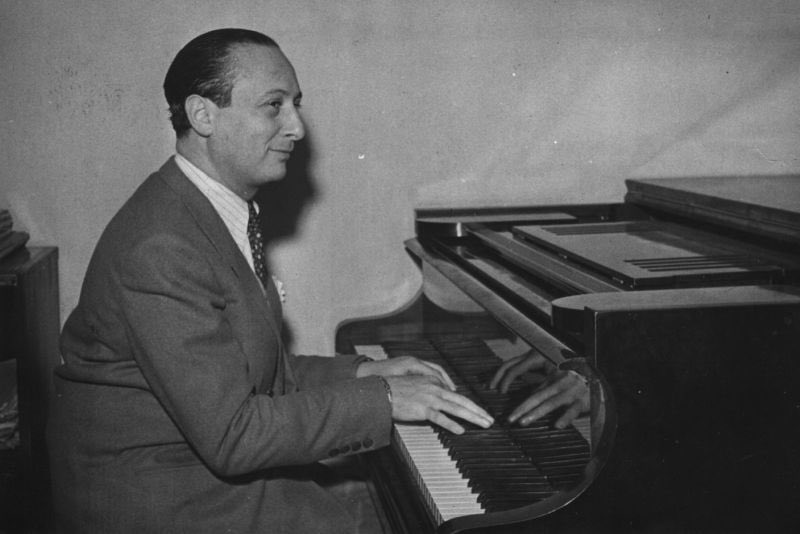
While I was watching the Academy Award show Sunday night, the appearance of Oscar winning actor Adrien Brody reminded me of this amazing story of a glimmer of humanity during the Hell of war.
It is September 1939, bombs are falling on Warsaw and a young pianist sits at the studio microphone. Wladyslaw Szpilman finishes Chopin’s Nocturne in C sharp minor. The broadcast cuts off. That was the last live music the city heard before everything changed.
He was just twenty seven, already a star at Polish Radio, trained in Warsaw and Berlin. Music had always been his world. Then the Nazis came, and that world shrank to the walls of the Warsaw Ghetto.
Life inside was hell. Four hundred thousand people jammed into a few streets, starving, terrified. Szpilman played piano in cafés to scrape together food for his family, his parents, brother Henryk and sisters Regina & Halina.
He even risked his life smuggling weapons to the Jewish resistance. In the summer of 1942 the deportations started. Trains rolled out to Treblinka. At the station, a Jewish policeman who recognised him from concerts yanked him out of the line at the last second. Szpilman watched his entire family disappear. None of them came back.
He stayed on as a forced laborer, still inside the ghetto walls. Then, on 13 February 1943, he slipped out. For the next year and a half he moved between hiding places, kept alive by brave Polish friends, people like Andrzej Bogucki, his wife Janina and the remarkable Irena Sendler.
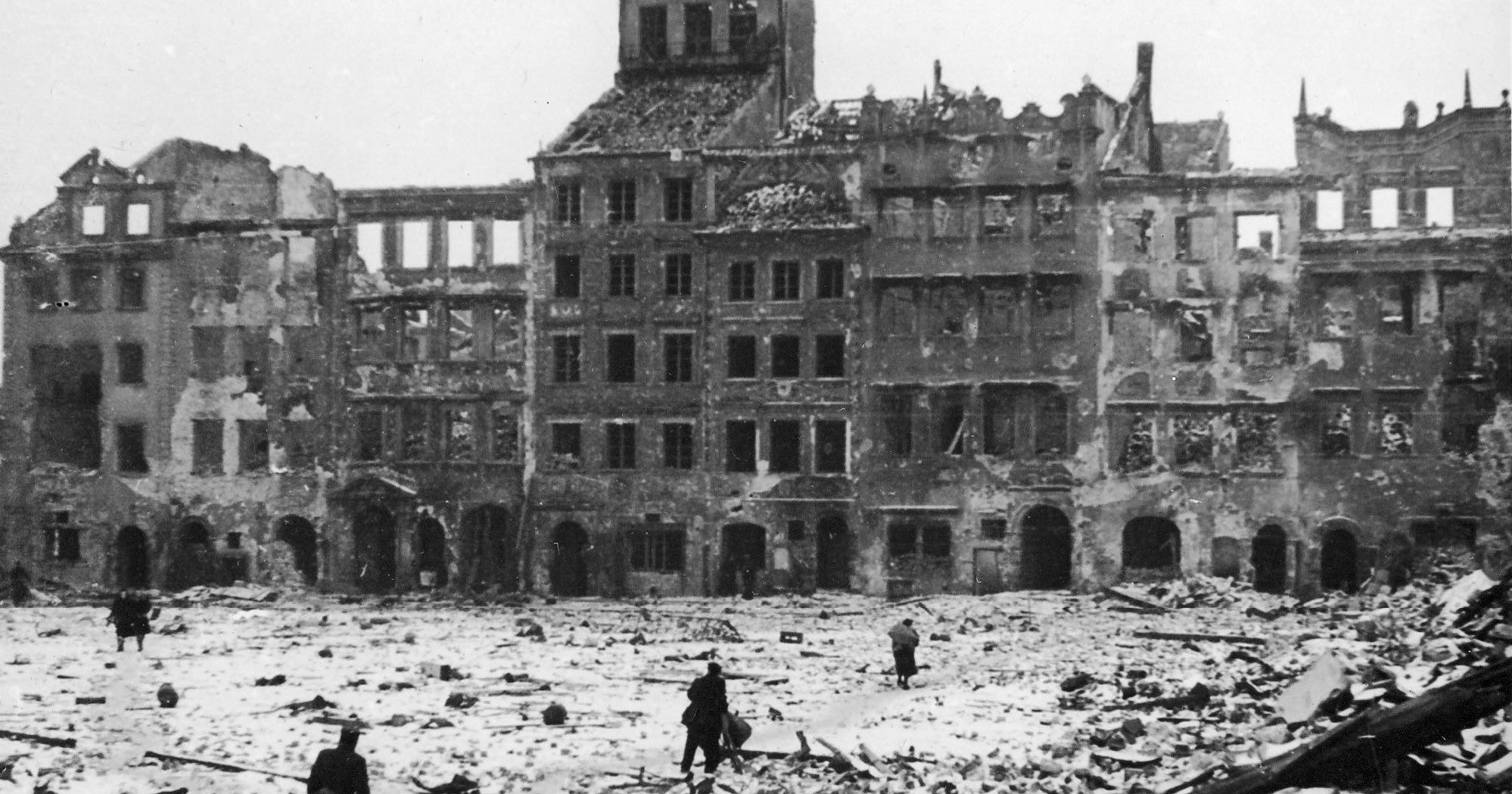
By August 1944 the city lay in ruins after the Warsaw Uprising. Szpilman found an attic in an empty building at Aleja Niepodległości 223. He was alone, freezing, slowly starving. One November day the door creaked open. A German officer stepped in. Captain Wilm Hosenfeld. He asked the ragged man what he did for a living. “I am a pianist,” Szpilman whispered. Hosenfeld took him to the only piano left in the building. Szpilman’s fingers were stiff with dirt and cold. He played anyway. When he finished, the officer did not arrest him. Instead he brought bread, jam, a warm military coat. He even pointed out a safer hiding spot in the loft. That small act of kindness kept Szpilman alive until the Germans finally retreated in January 1945.
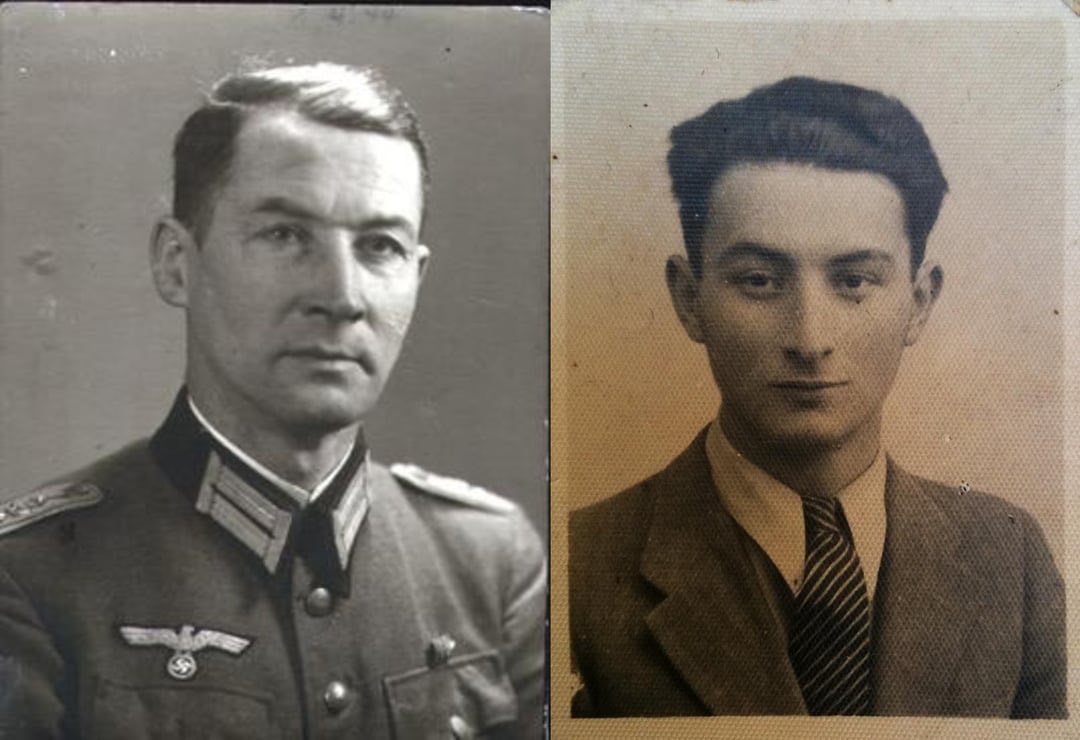
The war ended. Szpilman walked back into the radio studio and opened the first peacetime broadcast with the very same Chopin Nocturne. He went on to direct music programmes, compose hundreds of songs, and tour the world. But he never forgot. In 1945 he wrote down everything. The book came out in 1946. Years later, in 1999, it reached English readers as The Pianist. Roman Polanski turned it into the 2002 film that won three Oscars, with Adrien Brody playing Szpilman so convincingly you could feel the hunger and the fear. Szpilman died in Warsaw in July 2000 at the age of eighty eight. A quiet man who had seen the worst and still believed in music and in people.


 Travel Between The Pages
That’s a great story xx