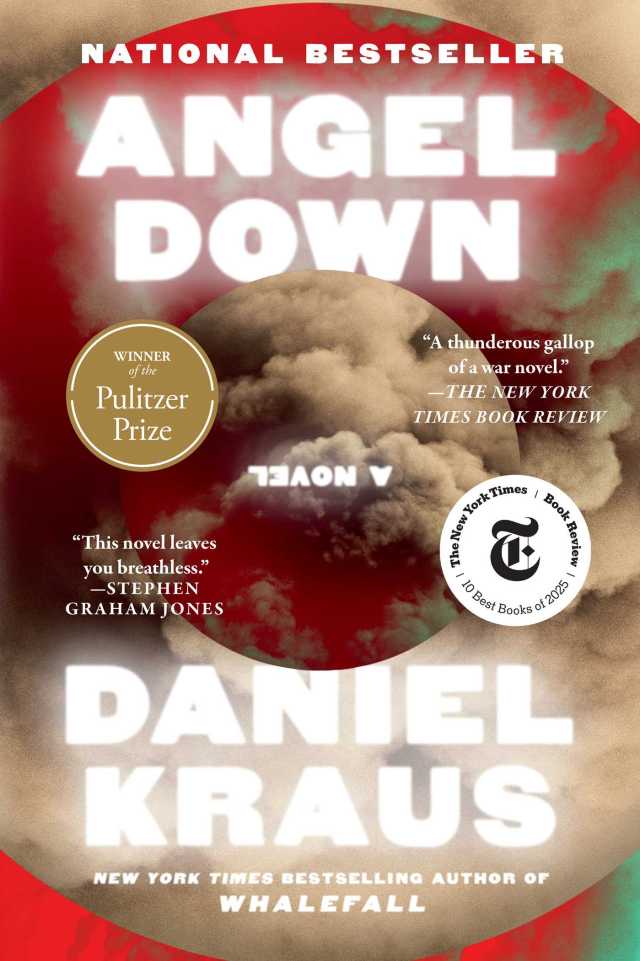
Long sentences can digress, meander, sing; the effect is a headlong immersion. Books with never-ending sentences are difficult to put down: Since there is no natural place to pause, halting anywhere feels like an interruption.

The winners of the 2025 Bram Stoker Awards. The Horror Writers Association announced the winners on June 6th, 2026 at StokerCon in Pittsburgh. My personal pick would have been King Sorrow, but what do I know.
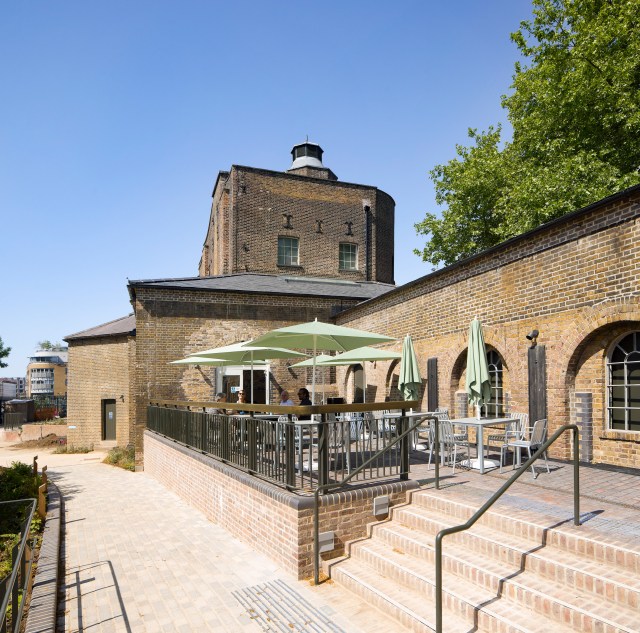
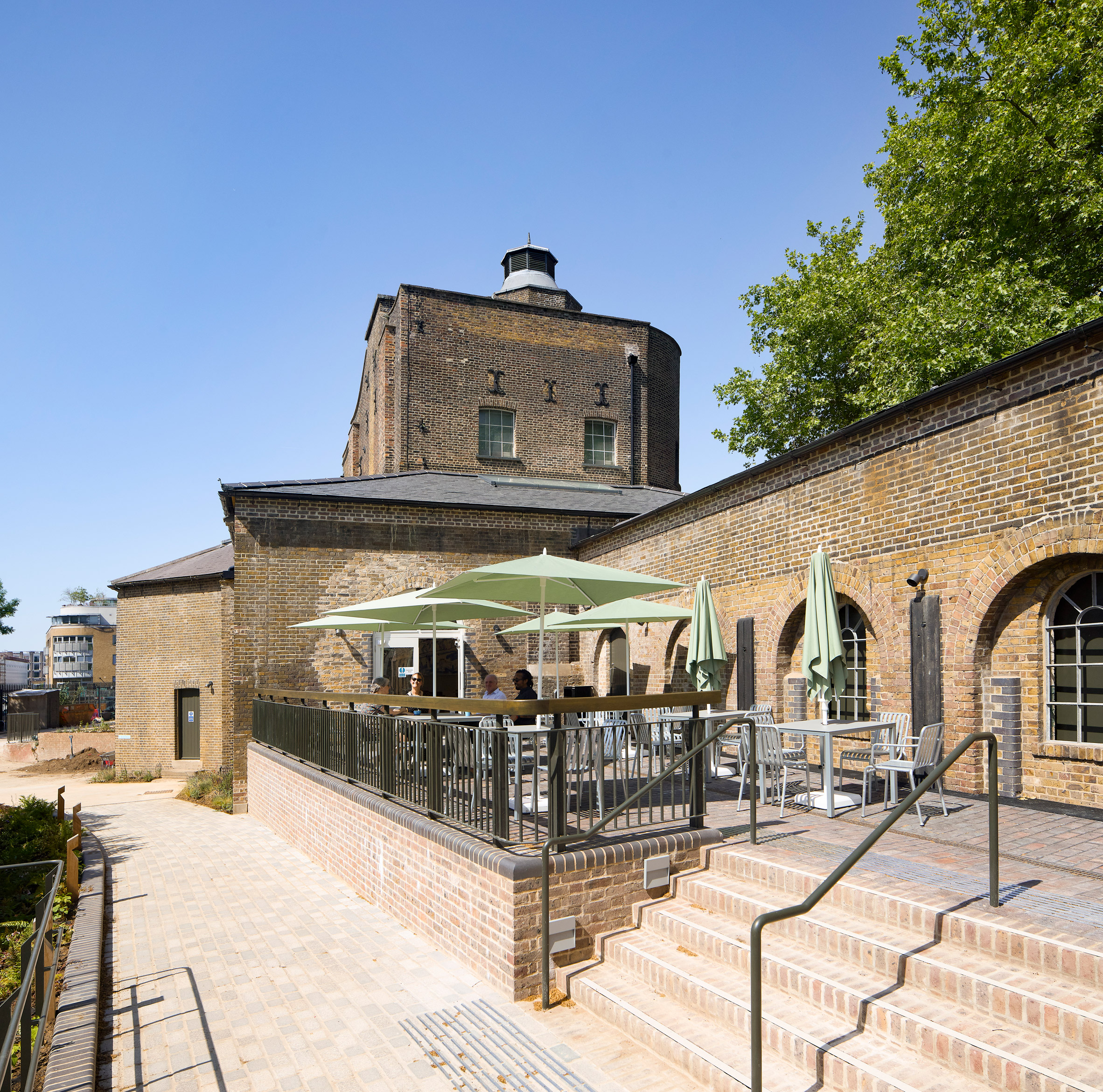
The Quentin Blake Centre for Illustration opened this week in London as the world’s largest space dedicated to illustration with a range of free displays.
Situated at the base of the historic Dunard Engine House, the UK’s first dedicated public illustration library also includes space where visitors can read hundreds of books, comics, graphic novels, picturebooks and zines.
A rotating display of contemporary artwork is launched by illustrator Sophy Hollington as the first featured artist who is inspired by medieval alchemy manuscripts, European folktales and Old English poetry.
I’ve shared this before but always worth a re-up: “A Books Unbanned library card gives teens across the United States free digital access to e-books and digital resources, including banned and challenged books — no matter where they live.”
Books Unbanned is a national initiative founded by Brooklyn Public Library in 2022, inspired by the American Library Association’s Freedom to Read Statement and Library Bill of Rights. The program exists to defend teens’ right to access information, stories, and ideas—without censorship.
As book bans and challenges increase across the country, Books Unbanned provides a direct response: expanded digital access to books that are most often targeted for removal as part of a complete library catalog.
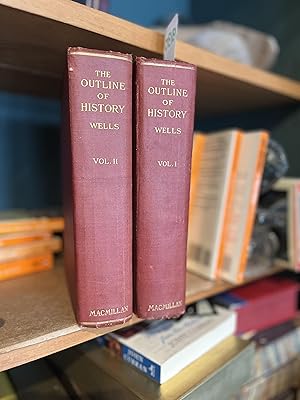
Like its predecessor, our present civilization may be no more than one of those crops farmers sow to improve their land by the fixation of nitrogen from the air; it may have grown only that, accumulating certain traditions, it may be ploughed into the soil again for better things to follow.
— H.G. Wells, The Outline of History, 1920
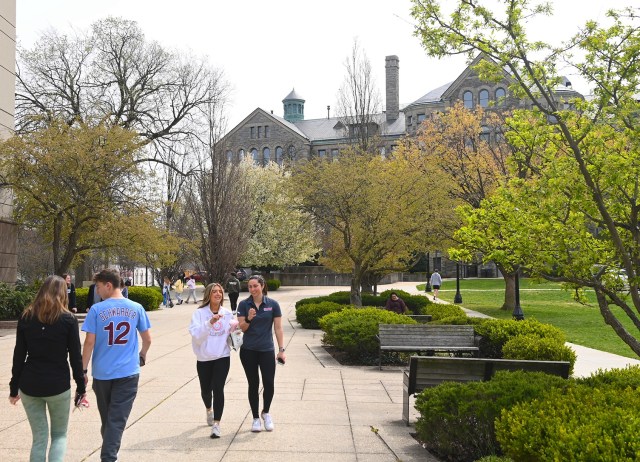
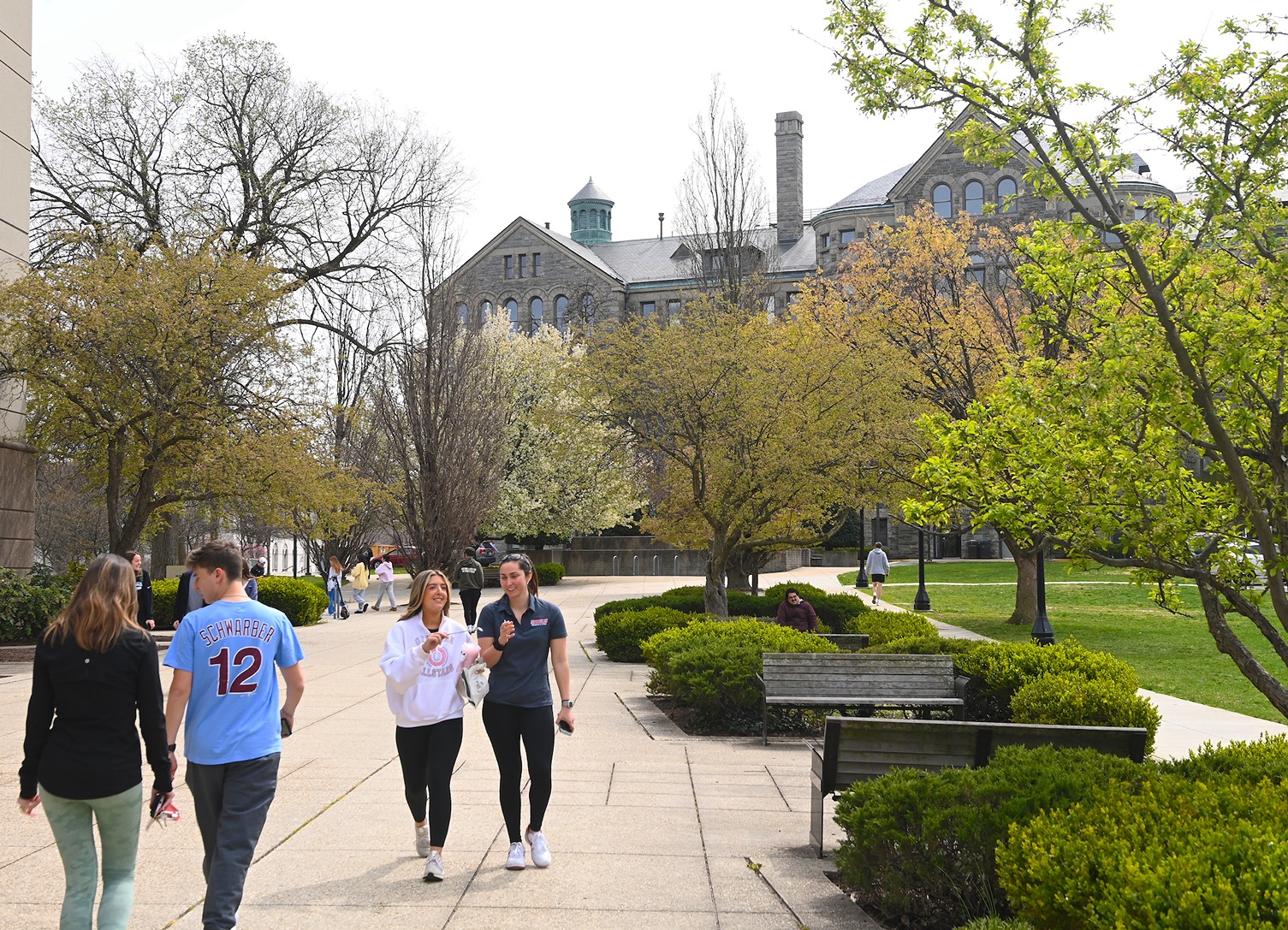
College students who cannot read tl;dr
“Six weeks into the term, I assigned my rhetoric and writing students a 20-page article. It was the same length I had assigned for five years and the same length I had read without complaint as an undergraduate a decade ago. Not one student finished it.
When I asked why, a student answered honestly: It was too long, and she kept losing track of what the paper was about. This was not a remedial class: These were students who had cleared the admissions process and written essays good enough to get them here. Yet a routine academic reading assignment had defeated them.
Every generation of professors has complained that their students cannot read. The lament is usually overblown, but data have caught up to anecdote, and what I am seeing in my classroom is no longer a hunch. There is a measurable, generational collapse in sustained reading and writing, and the academy is responding to it with improvisation and exhaustion rather than the structural overhaul it requires.
In February 2024, Adam Kotsko, who teaches in the Shimer Great Books School at North Central College, wrote in Slate that students who once handled 30 pages of reading per class meeting now seem “intimidated by anything over 10 pages and seem to walk away from readings of as little as 20 pages with no real understanding.” Crucially, he added that this is “not a matter of laziness on the part of the students” but of underlying skills they were never given a chance to build.
The Chronicle of Higher Education’s 2024 investigation found the same pattern across institutions as different as the Stevens Institute of Technology and Wellesley College, where the average SAT exceeds 1400. Nicholaus Gutierrez, an assistant professor at Wellesley, told The Chronicle that the baseline for what students consider a reasonable amount of work has dropped so noticeably that he has cut his readings accordingly; a 750-word essay now strikes many students as long. At Stevens, the science and technology studies associate professor Theresa MacPhail described following the mantra of “meet your students where they are” for so long that she has begun to feel “like a cruise director organizing games of shuffleboard.”
Worse, the national data tell the same story in colder language. On the 2011 National Assessment of Educational Progress (NAEP) writing assessment, which is the most recent comprehensive writing benchmark, only 24 percent of 12th graders reached the Proficient level, and just 3 percent reached Advanced; another 21 percent scored below Basic. The reading side of the ledger is worse, and getting worse fast: The 2024 NAEP results released in September 2025 show 12th-grade reading scores at the lowest level recorded since the assessment began in 1992. Thirty-two percent of 12th graders now score below NAEP Basic in reading, meaning that, in the assessment’s own language, they likely “cannot draw general conclusions based on concepts presented explicitly in a text.” And yet more than half of these same seniors reported being accepted to a four-year college. That last sentence is the whole problem in one line: We are admitting a cohort that cannot read at a college level and are pretending otherwise.



 Travel Between The Pages
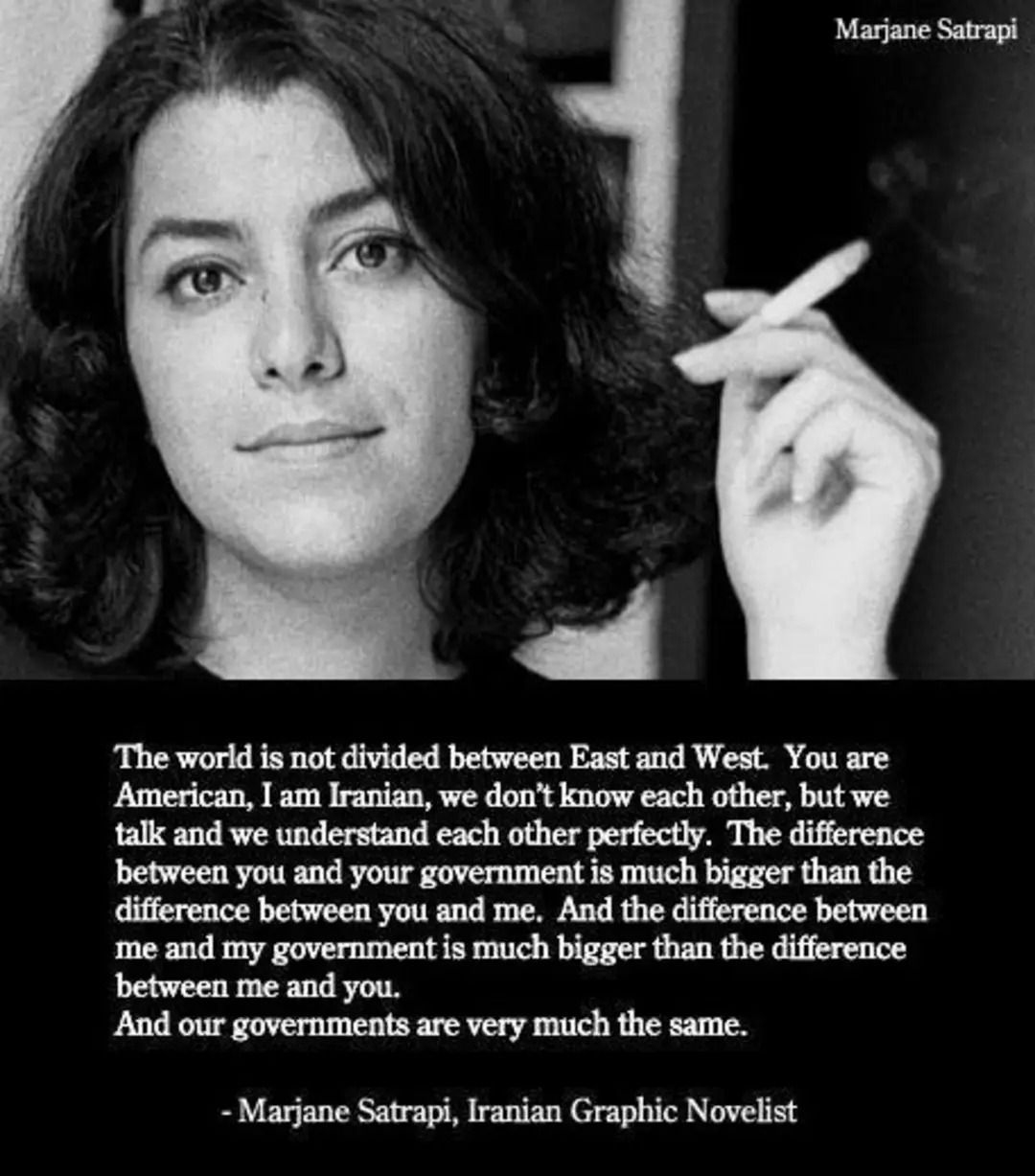
I didn’t read the whole post but was struck by the truth of the Iranian lady’s statement xx