Mystery of the Big Book

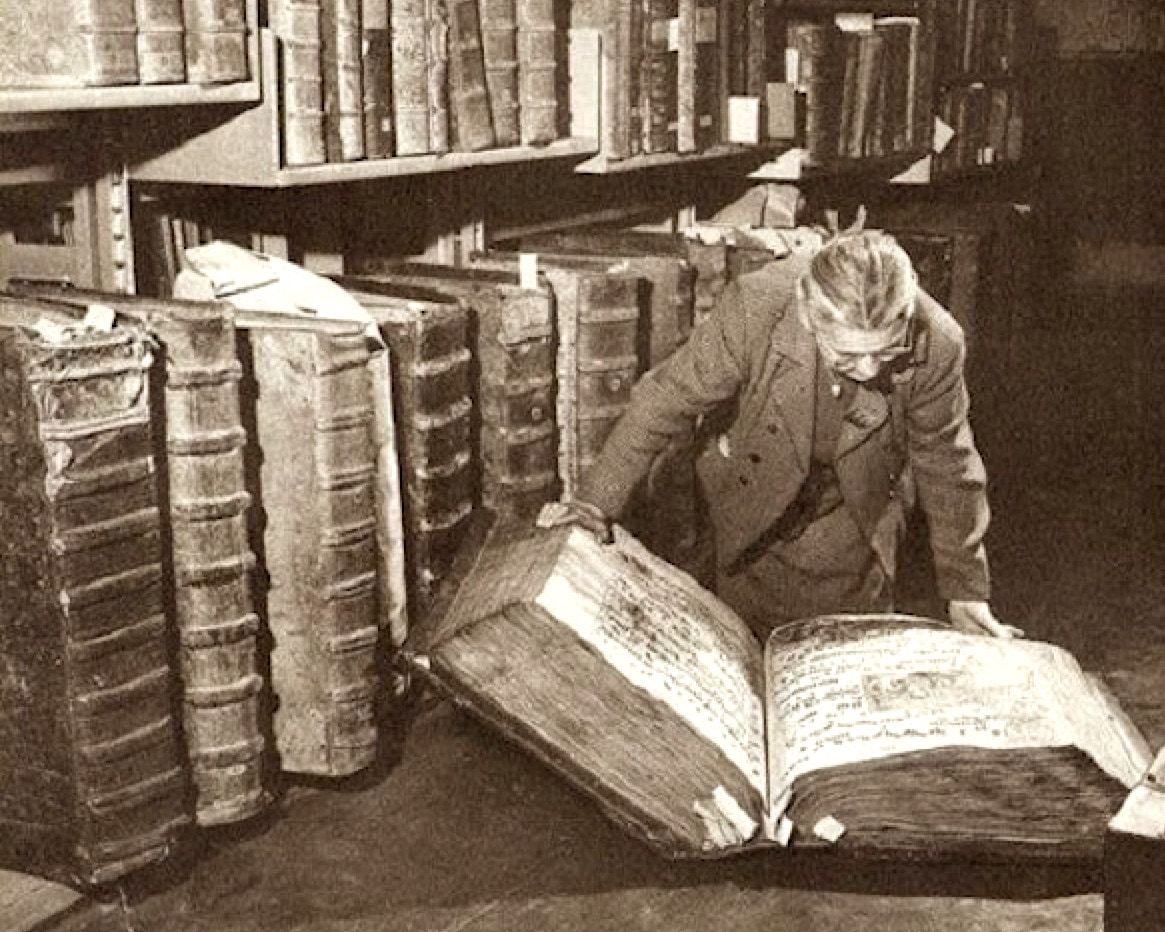
Over the years, the photograph above has appeared on numerous blogs and websites, usually captioned as “man with large book at Prague Castle, 1940s” or “c. 1940s: Man with books.” However, bibliophiles and antiquarians have long questioned the image’s description and sought a more accurate attribution. Well, it seems that the only thing that the original captions correctly identified was the location as Prague.

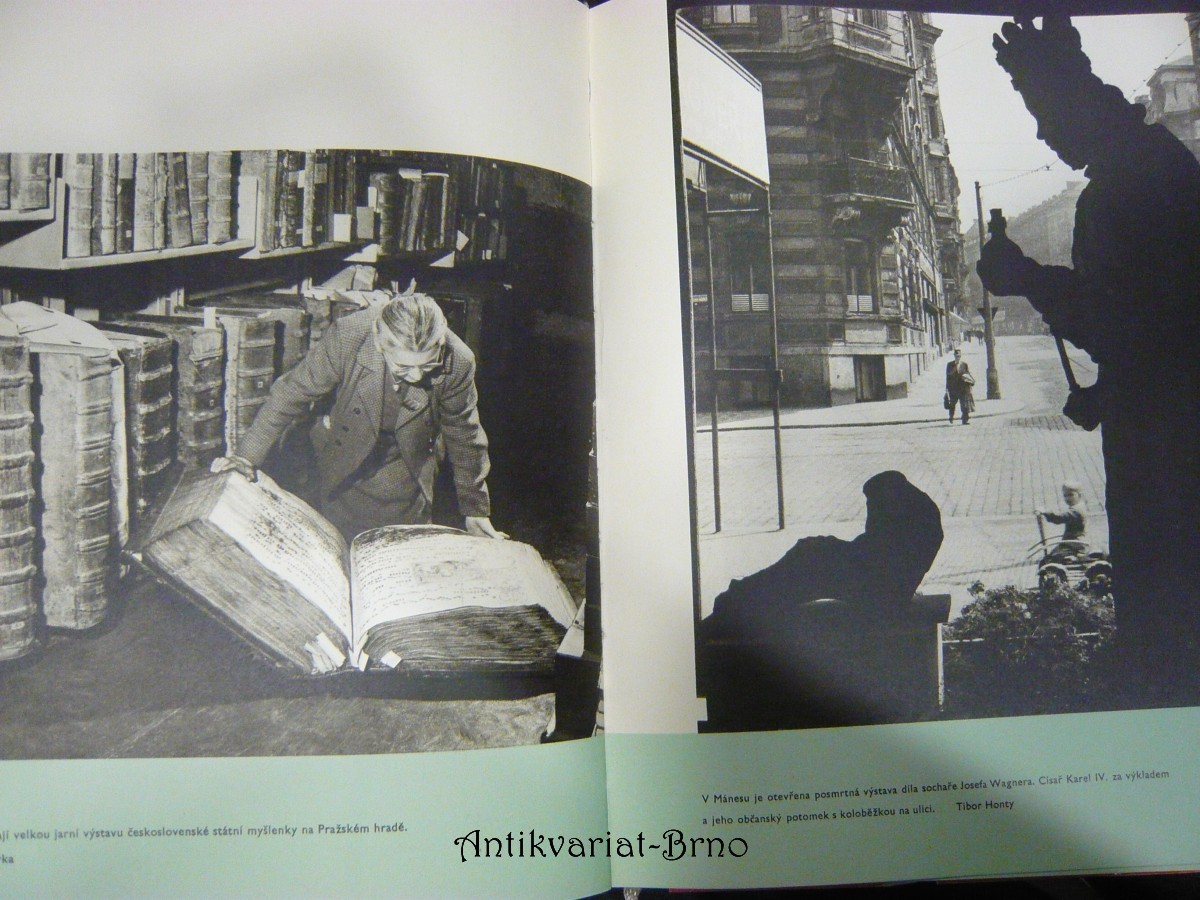
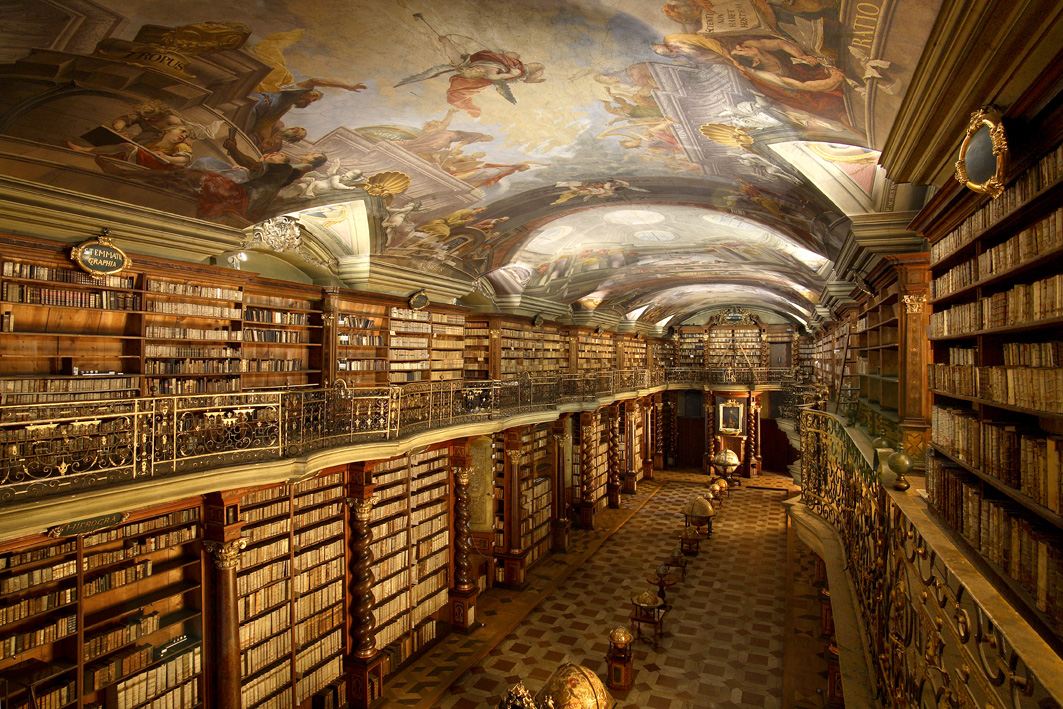
Recently internet sleuths have tracked the first publication of the photo to a Czech publication Fotorok, Volume 58, Issue 1, published in 1959, page 35. The image was taken by a Prague-based photographer named Miroslav Peterka who took the picture at the National Library of the Czech Republic at the Clementinum. Originally the image’s caption read “Archivy chystají velkou jarní výstavu československé státní myšlenky na Pražském hradě.” It translates to “The archives are preparing for a large spring exhibition of the Czechoslovak state idea at Prague Castle.”

While the mystery of the actual location of the photo has been solved, we still don’t know the name of the woman archivist in the image, or if the giant book is still in the beautiful Baroque library, which is a part of The National Library of the Czech Republic.

I would be happy to return to Praha and spend a week or two attempting to solve the remaining mysteries of the big book.

Posted in Architecture, Books, Europe, History, Libraries, Museums, Photography, Uncategorized | Tagged , , , , | 3 Comments

Breaking the Dickens Code

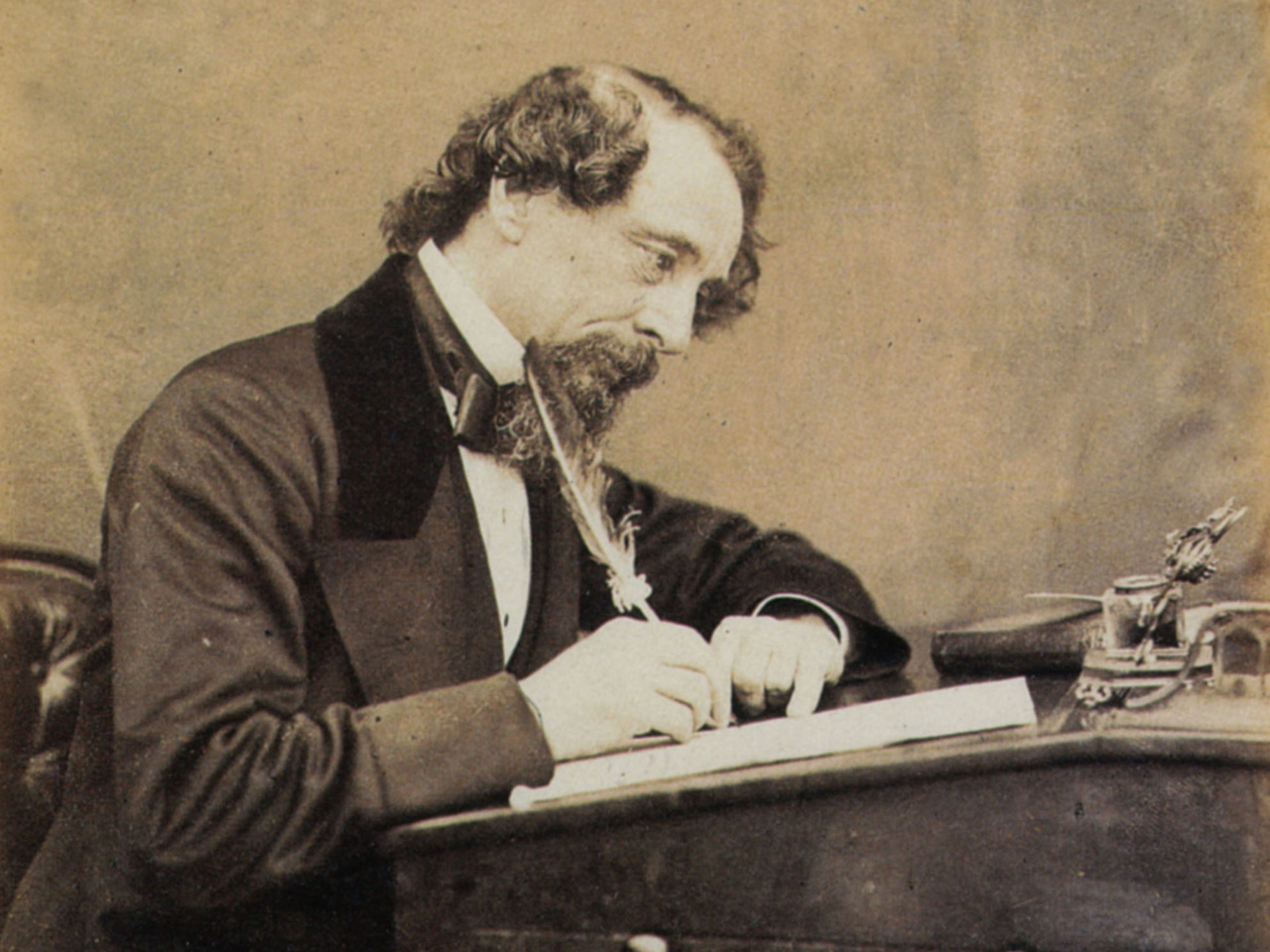
An international campaign to decipher the complex code that Charles Dickens used to write his notes has won a Times Higher Education Award, one of the most prestigious prizes in UK Higher Education.

The University of Leicester, in collaboration with the University of Foggia took home the Research Project of the Year: Arts, Humanities and Social Sciences trophy at the eighteenth annual THE Awards on 17 November.

The THE Awards, widely referred to as the “Oscars of higher education,” attracts  hundreds of brilliant entries from individuals, teams and institutions, and from around the UK and Ireland.

The winner of the award for Research Project of the Year: Arts, Humanities and Social Sciences was the AHRC-funded Dickens Code, led by Dr Claire Wood in the School of Arts in collaboration with Professor Hugo Bowles at the University of Foggia. Charles Dickens is one of the mostly widely read authors in the English language, but there are texts in Dickens’s own hand that remain unread, because they were written in his own form of shorthand. To solve this 150-year-old mystery, they combined the efforts of the Dickens Decoders – volunteers from across the world with an interest in puzzles and codes – with contextual research by academics to enable crowd-created transcription of two of Dickens’s mysterious shorthand texts.

The judges described the project as an “inspirational development of a small-scale research problem”. They were impressed by its “imaginative deployment of interdisciplinary expertise, the international liaison, the use of ‘crowd-creation’ to find solutions, and the exemplary communication and exploitation of results.“It is an exciting model of how localised research can be vividly extended into other domains addressing far-sighted objectives.”

Dr Claire Wood of the School of Arts at the University of Leicester said: “I am beyond thrilled to accept this award on behalf of the Dickens Code team. It is testimony, both to the enduring global interest in Dickens’s life and works, and to the efforts of the Dickens Decoders, who approached the challenges of Dickens’s mysterious shorthand with such imagination and tenacity. It also demonstrates the power of international, interdisciplinary collaboration and the use of public engagement to solve complex research questions. We’d like to thank everyone who has supported the project, including members of our academic network, our museum and library partners, and our followers around the world!”


Posted in Books, Europe, History, Libraries, Writing | Tagged , , | Leave a comment

Edward Hopper’s New York

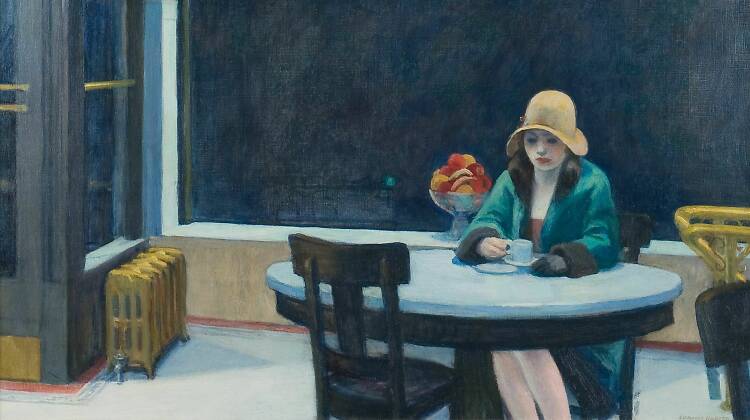
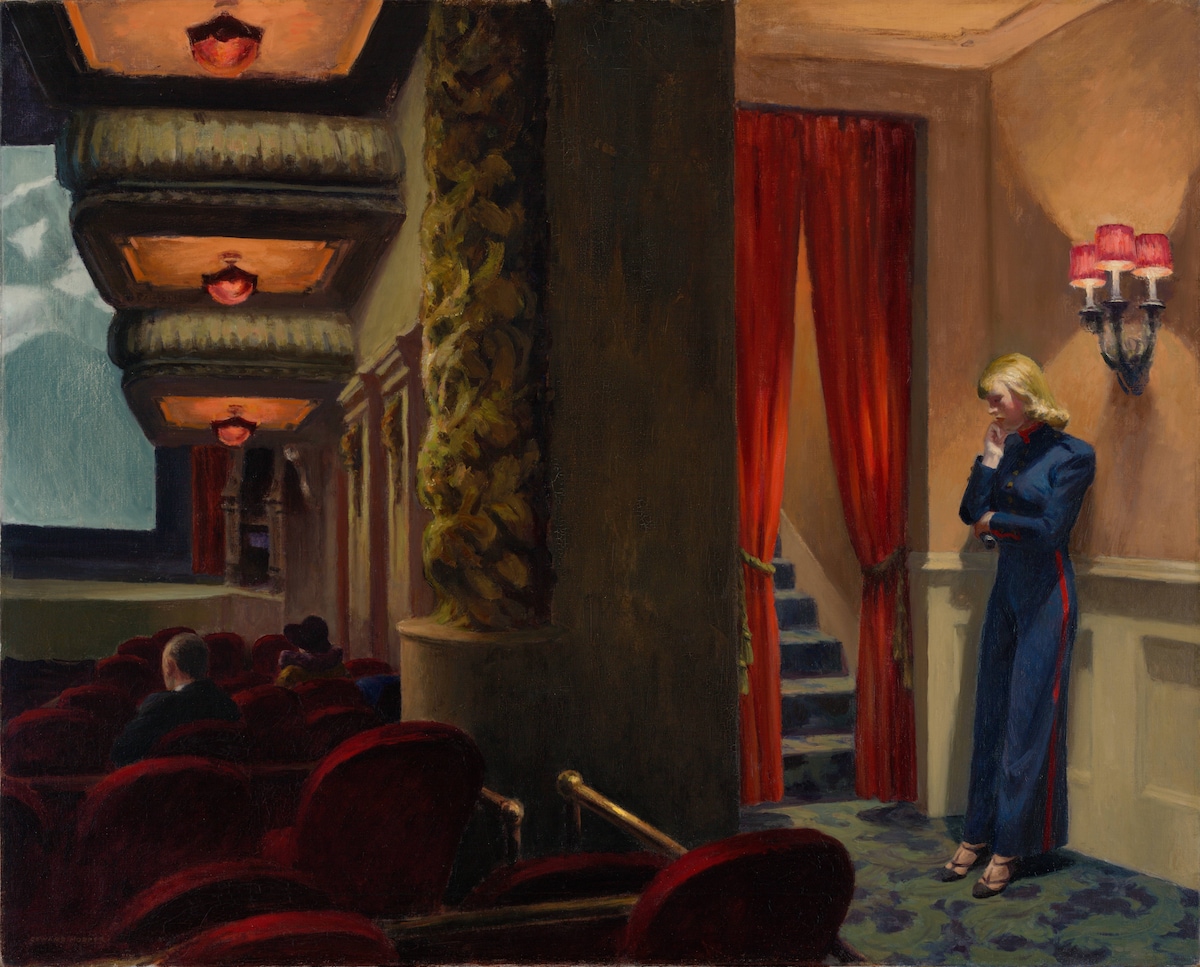
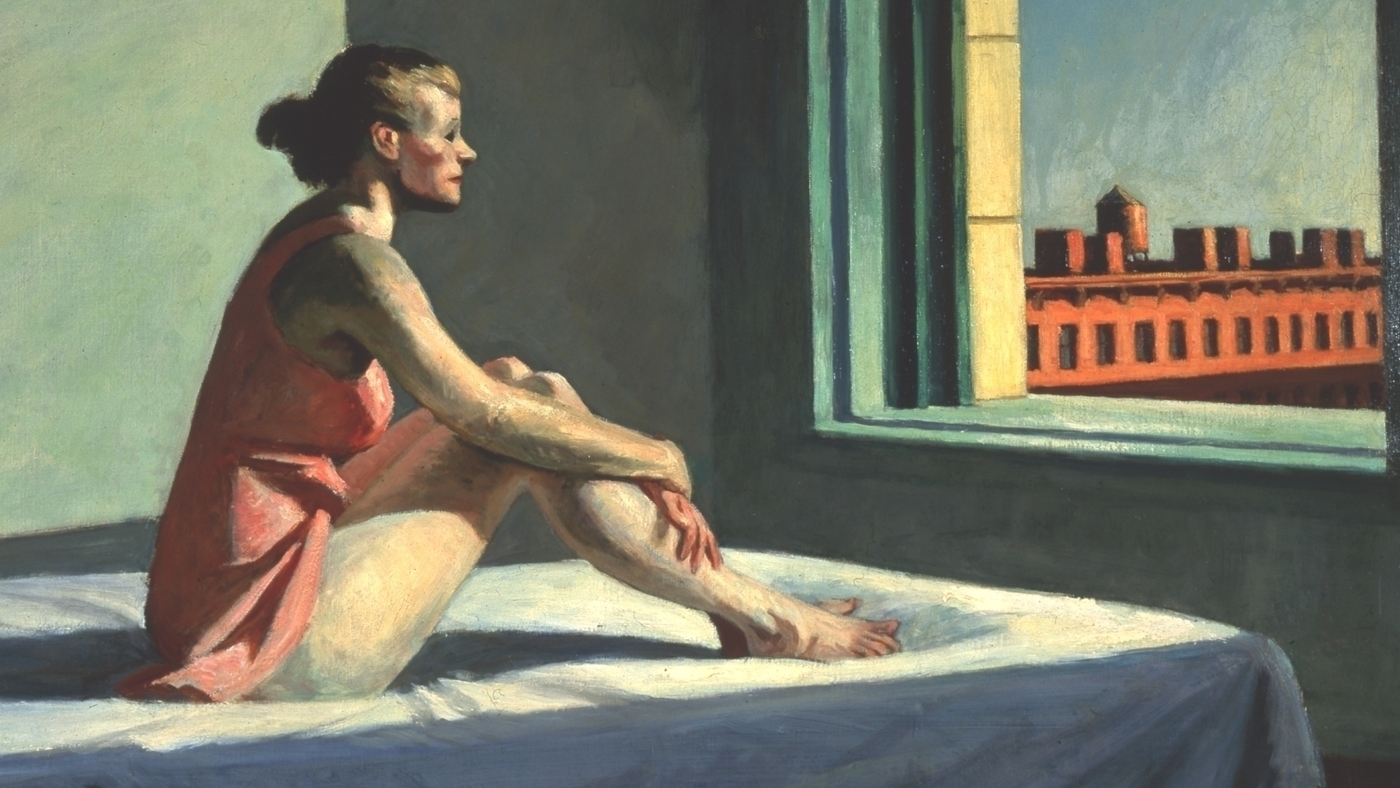
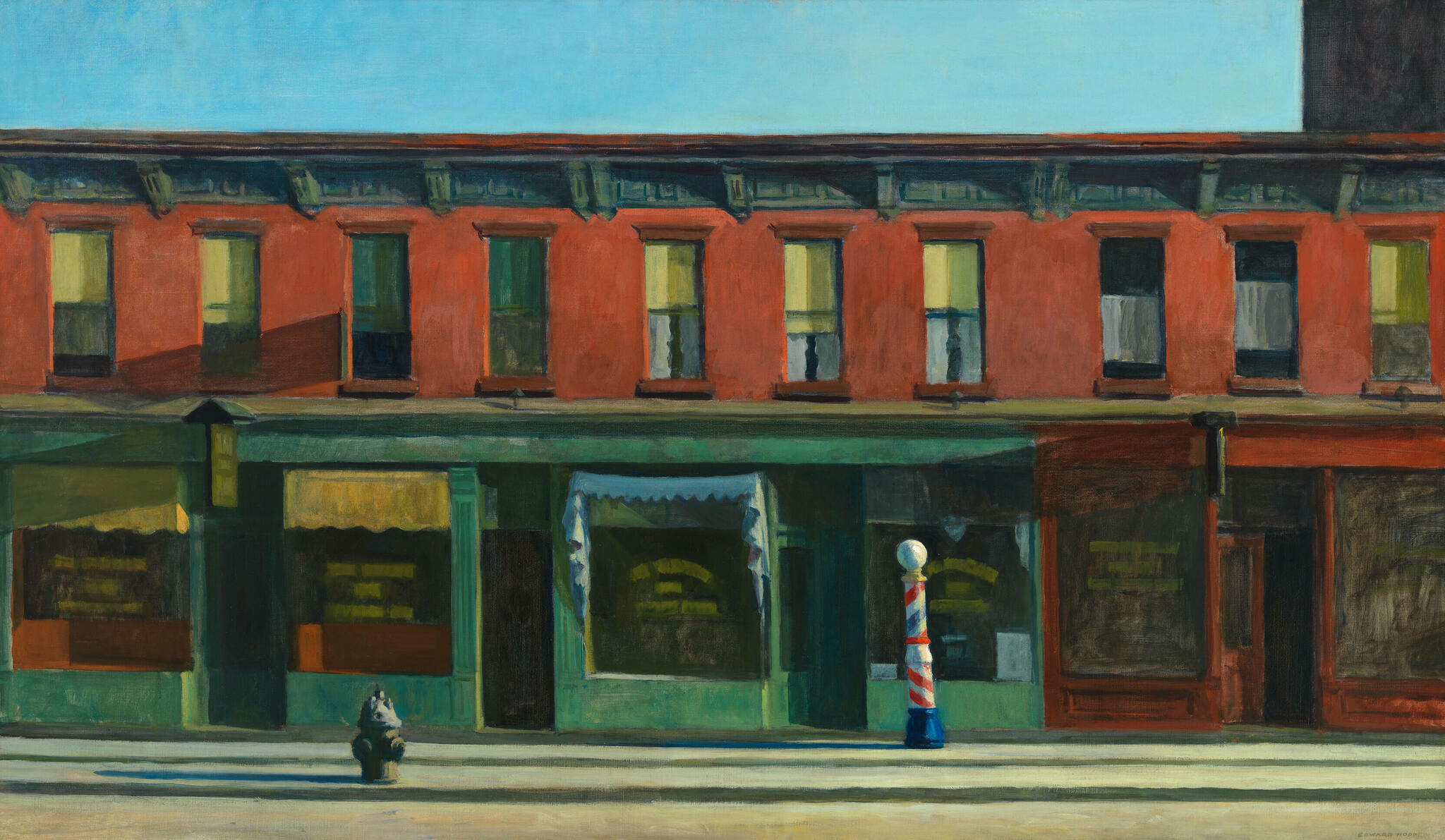
I’ve long thought of Edward Hopper as the quintissential New York City painter. His works have always evoked a powerful sense of place and mood.This winter, NYC’s Whitney Museum of American Art is offering a glimpse into the city that Hopper portrayed in his works, such as “Automat” (1927), “Early Sunday Morning” (1930), “Room in New York” (1932), “New York Movie” (1939), “Morning Sun” (1952) and others.

“Edward Hopper’s New York,” which is on until March 5, 2023, showcases more than 200 paintings watercolors, prints, and drawings from the Whitney’s collection, as well as loans from public and private collections, and archival materials including printed ephemera, correspondence, photographs, and notebooks.

Hopper’s iconic artwork offers a record of an ever changing city. For example,  his panoramic cityscapes that are being exhibited together for the first time in a gallery called “The Horizontal City.” Five paintings made between 1928 and 1935—”Early Sunday Morning,” “Manhattan Bridge Loop,” “Blackwell’s Island,” “Apartment Houses, East River,” and “Macomb’s Dam Bridge”—all share nearly identical dimensions and format. According to the museum, seen together, they offer invaluable insight into Hopper’s contrarian vision of the growing city at a time when New York was increasingly defined by its relentless skyward development.

Edward Hopper’s wife, Josephine N. Hopper, served as his model for 1952’s Morning Sun.

“Edward Hopper’s New York offers a remarkable opportunity to celebrate an ever-changing yet timeless city through the work of an American icon,” says Adam D. Weinberg, the Alice Pratt Brown Director of the Whitney Museum. “As New York bounces back after two challenging years of global pandemic, this exhibition reconsiders the life and work of Edward Hopper, serves as a barometer of our times, and introduces a new generation of audiences to Hopper’s work by a new generation of scholars. This exhibition offers fresh perspectives and radical new insights.”

Along with Hopper’s artwork, the museum has now launched a digital map plotting 20 NYC locations Hopper painted alongside contemporary photos of the sites. While some places Hopper painted haven’t changed much (like the regal Queensboro Bridge), other places have vanished completely (like the lavish Sheridan Theater Hopper painted in 1937).


Posted in Art, Maps, Museums, Photography, Tourism, USA | Tagged , , , , | 1 Comment

Very, very bad reviews

I am a staunch adherent to the notion that all art and literature is subjective. The works that I enjoy, you might hate and vice versa. So, I am generally hesitant to comment negatively or post bad reviews. However, I just stumbled upon an article that features the most scathing book reviews of 2022 and I felt compelled to share two reviews for books that I personally found so disappointing that I thought you shoukd be warned.

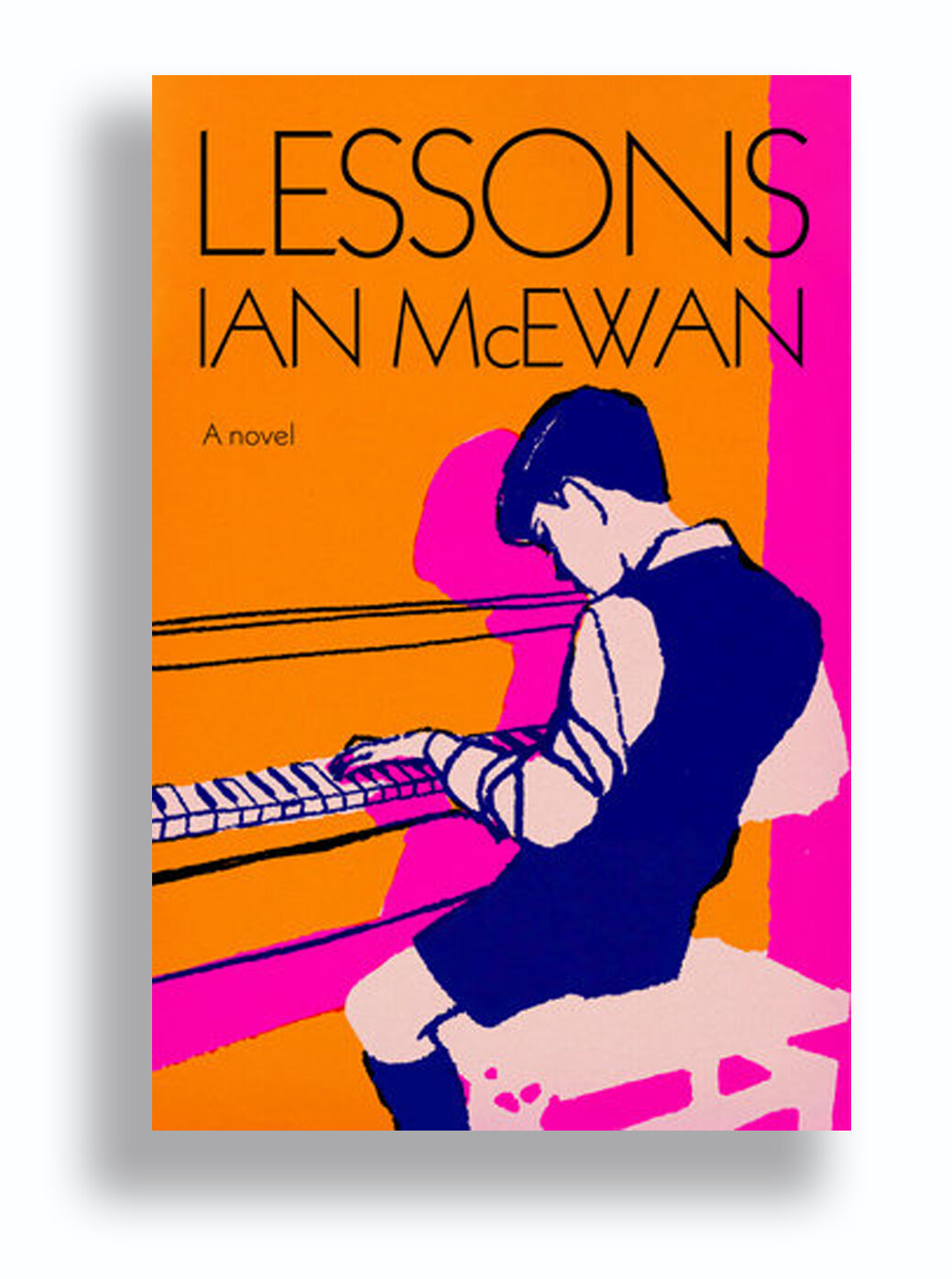
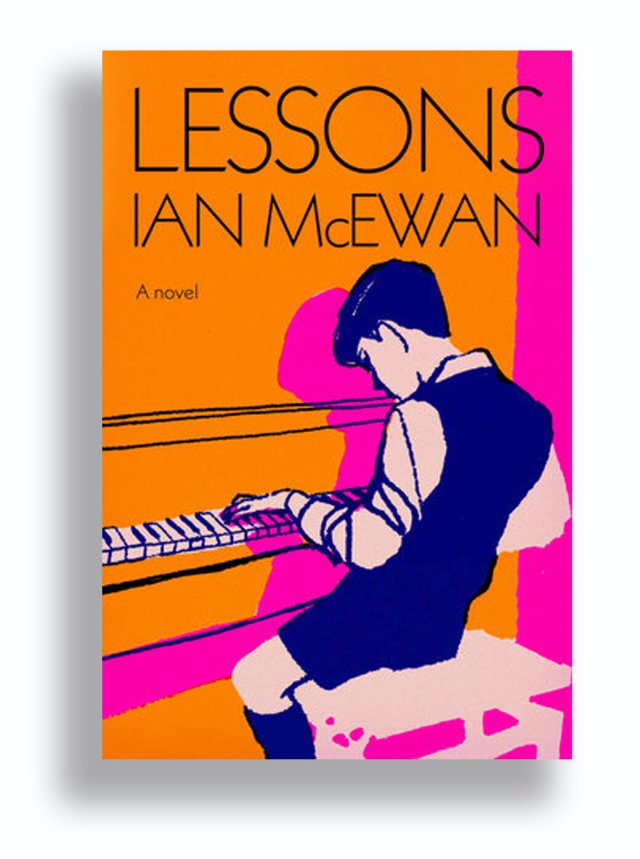
The first one is on Lessons by Ian McEwan. I’ve read all of his previous novels and for the most part was positively disposed to his oeuvre; not so much with his latest.

Everything in Lessons, whose story concludes within a year and a half of its publication date, gives the impression of having been written in extreme haste. Its prose, for example, is pocked with first-order clichés, second-order clichés, dull metaphors, mixed metaphors, limp similes, oxymorons, pleonasms, catachresis, jejune diction, trivializing double entendres, pomposities, flagrant abuse of self-reflexive questions, and barely-concealed cribbings from more talented stylists like Nabokov … Within the first fifty or so pages, Roland experiences no fewer than three portentous epiphanies, none of which turn out to have any bearing on the subsequent four hundred, as though they were narrative coupons McEwan cut out but forgot to cash in …

McEwan’s novel is not so much an epic as it is three novellas in a trench coat … If this all sounds pat, it has less to do with the necessary evil that is plot summary in book reviewing, than to the didacticism with which McEwan imparts these and other praecepta in the novel itself. Yet perhaps worse than the way the book comes pre-interpreted for the reader is the way it comes pre-criticized … The trench coat is History. Draped loosely from the backs of these three narratives are hundreds of named political and cultural events, persons, and phenomena, starting with Dunkirk and ending with the storming of the US Capitol on January 6, 2021, which range from the genuinely consequential to the merely newsworthy to the unmentionably trivial.”

–Ryan Ruby on Ian McEwan’s Lessons (The New Left Review)
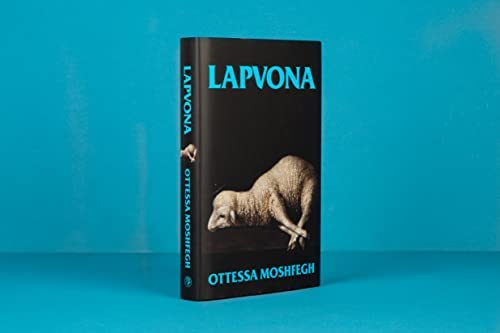
The second review is of Ottessa Moshfegh’s latest novel Lapvona. Previous to reading this unnerving dud I was an evangelist for her work. In fact, when her debut novel Eileen was released I badgered folks to read it. In the case of her latest however, I feel the need to warn off unsuspecting readers.

Moshfegh’s own sacraments involve a different orifice, so you will forgive her if her search has led her up her own ass … At first glance, Lapvona is the most disgusting thing Moshfegh has ever written…Yet Moshfegh’s trusty razor can feel oddly blunted in Lapvona. In part, her characteristic incisiveness is dulled by her decision to forgo the first person, in favor of more than a dozen centers of consciousness. This diminishment is also a curious effect of Lapvona itself … Lapvona is the clearest indication yet that the desired effect of Moshfegh’s fiction is not shock but sympathy. Like Hamlet, she must be cruel in order to be kind. Her protagonists are gross and abrasive because they have already begun to molt; peel back their blistering misanthropy and you will find lonely, sensitive people who are in this world but not of it, desperate to transform, ascend, escape …

This is the problem with writing to wake people up: Your ideal reader is inevitably asleep. Even if such readers exist, there is no reason to write books for them—not because novels are for the elite but because the first assumption of every novel must be that the reader will infinitely exceed it. Fear of the reader, not of God, is the beginning of literature. Deep down, Moshfegh knows this….Yet the novelist continues to write as if her readers are fundamentally beneath her; as if they, unlike her, have never stopped to consider that the world may be bullshit; as if they must be steered, tricked, or cajoled into knowledge by those whom the universe has seen fit to appoint as their shepherds …

It’s a shame. Moshfegh dirt is good dirt. But the author of Lapvona is not an iconoclast; she is a nun. Behind the carefully cultivated persona of arrogant genius, past the disgusting pleasures of her fiction and bland heresies of her politics, wedged just above her not inconsiderable talent, there sits a small, hardened lump of piety. She may truly be a great American novelist one day, if only she learns to be less important. Until then, Moshfegh remains a servant of the highest god there is: herself.”

–Andrea Long Chu on Ottessa Moshfegh’s Lapvona (Vulture)
 

Posted in Art, Books, Writing | Tagged , , | Leave a comment

Keep Books Alive In Ukraine

A group of writers and booksellers (Carolyn Forche, Mitchell Kaplan, Christopher Merrill, Askold Melnyczuk, and Jane Unrue) have partnered with the Coral Gables Foundation to raise funds for direct support to booksellers, editors, printers, warehouse workers, libraries and librarians, and other personnel involved in the publishing industry and book culture.

Helping Ukrainian Books and Booksellers (HUBB) aims to support Ukrainian booksellers, editors, printers, warehouse workers, libraries and librarians and others involved in the publishing industry so that literary culture in Ukraine survives.

The group is seeking donations that will be used to make direct grants to booksellers and others in the publishing industry in financial crisis; to help make printing and production facilities operational, and to assist in the purchase of books for libraries in regions affected by the war. All contributions are tax-deductible.

As HUBB wrote, “According to Oleksandr Afonin, president of the Ukrainian Association of Booksellers and Publishers, since February over 3,000 publishing professionals have lost their livelihoods. A number have lost their lives. Many bookstores and book warehouses in the eastern part of the country have been destroyed. Book sales in Ukraine dropped from 40 million last year to 4 million in 2022. Children began the school year without new textbooks.”

For more information and to donate, click here.

Posted in Books, Europe, Libraries, Museums, Writing | Tagged , , | Leave a comment

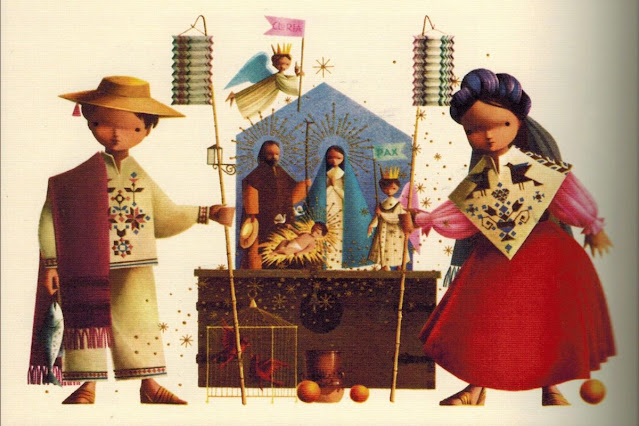
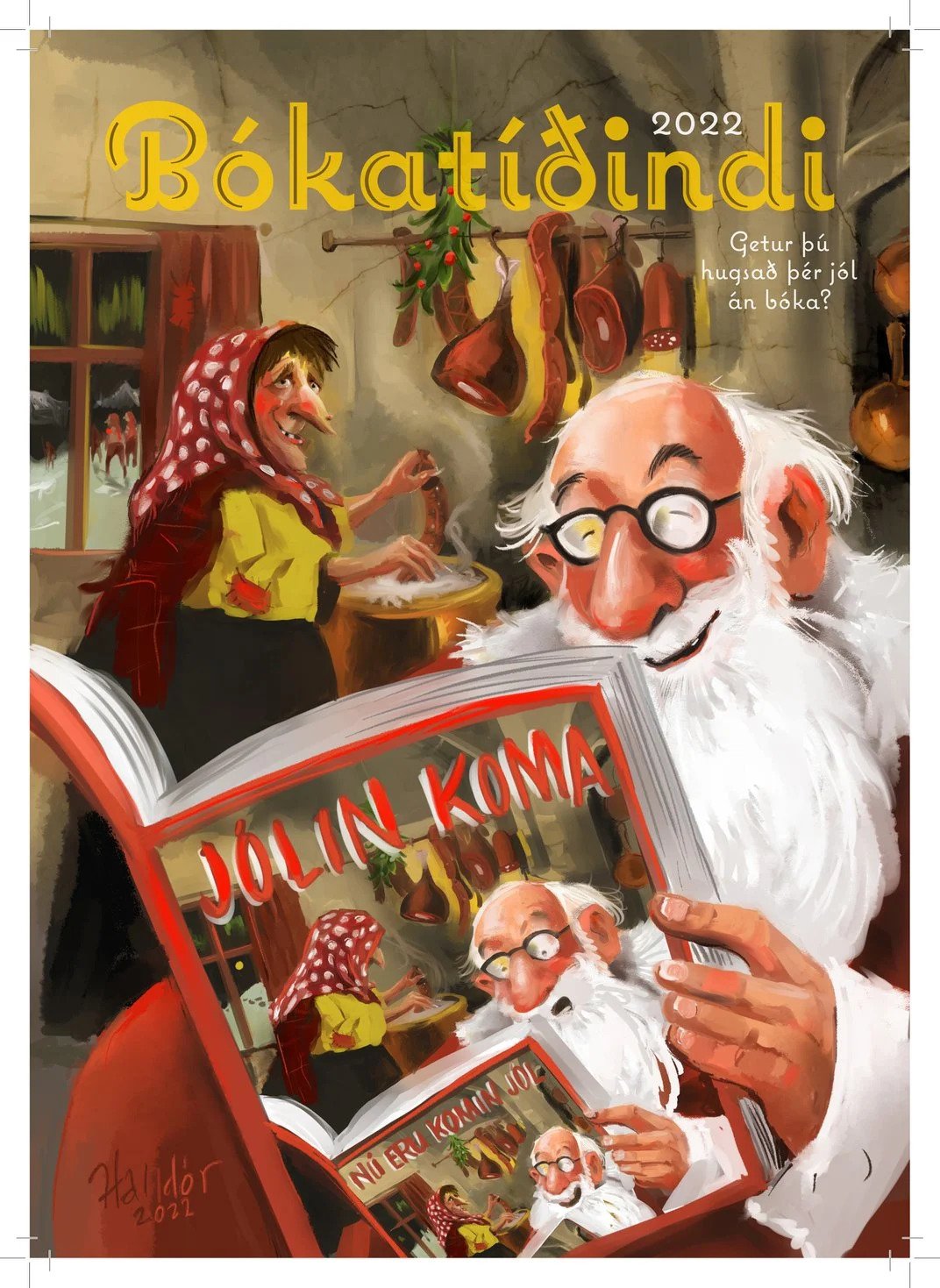
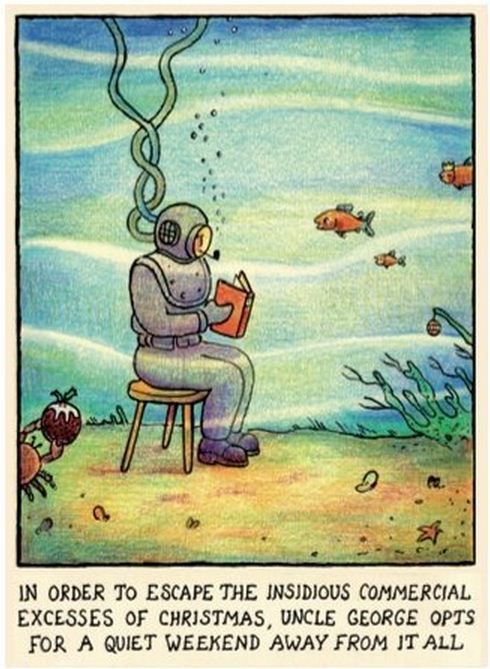
It’s beginning to look a lot like Christmas

Frohe Weihnachten. Weihnachtskarte. Wiener Werkstätte-Postkarte No. 19. Farblithographie um 1907. Von Franz Karl Delavilla.


Posted in Art, Books, Film, Music, USA | Tagged , | 2 Comments

a good bookshop is just a genteel Black Hole that knows how to read

The truth is that even big collections of ordinary books distort space, as can readily be proved by anyone who has been around a really old-fashioned secondhand bookshop, one that looks as though they were designed by M. Escher on a bad day and has more stairways than storeys and those rows of shelves which end in little doors that are surely too small for a full-sized human to enter. The relevant equation is: Knowledge = power = energy = matter = mass; a good bookshop is just a genteel Black Hole that knows how to read”

Terry Pratchett, Guards Guards


Posted in Books, Bookstore Tourism, Writing | Tagged , , , | 2 Comments

Christmas In Europe

The Christmas holiday season can be magical throughout Europe. You can experience a  flying tour of nine European nations with the video below from the National Geographic. The 45-minute-long episode gives heartwarming glimpses of places like Finnish Lapland, where half a million letters to Santa are sorted year-round, to Estonia’s capitol of Tallinn where folk dancers whirl around the city’s central Christmas market in traditional garb.


NB: If the video fails to launch, please visit out homepage.

Posted in Air Travel, Architecture, Art, Europe, Film, Tourism | Tagged , , , | 2 Comments

Is Santa from Oz

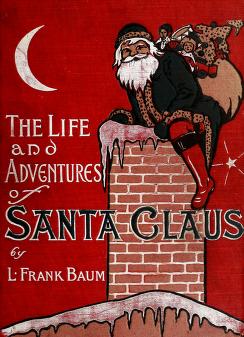
The Life and Adventures Of Santa Claus by author of The Wizard of Oz, L. Frank Baum, with its elaborations and much added detail went a long way to popularizing the legend of Santa Claus in North America. However, in the cover to the 1902 first edition of Baum’s book we see the red of his suit is still yet to be consistently in vogue. You can read the entire Baum version of Santa’s origin story right here .


Posted in Art, Books, Libraries, USA, Writing | Tagged , , , | 2 Comments

I am thinking now of grief, and of getting past it;

Starlings in Winter

by Mary Oliver

Chunky and noisy,
but with stars in their black feathers,
they spring from the telephone wire
and instantly

they are acrobats
in the freezing wind.
And now, in the theater of air,
they swing over buildings,

dipping and rising;
they float like one stippled star
that opens,
becomes for a moment fragmented,

then closes again;
and you watch
and you try
but you simply can’t imagine

how they do it
with no articulated instruction, no pause,
only the silent confirmation
that they are this notable thing,

this wheel of many parts, that can rise and spin
over and over again,
full of gorgeous life.

Ah, world, what lessons you prepare for us,
even in the leafless winter,
even in the ashy city.
I am thinking now
of grief, and of getting past it;

I feel my boots
trying to leave the ground,
I feel my heart
pumping hard. I want

to think again of dangerous and noble things.
I want to be light and frolicsome.
I want to be improbable beautiful and afraid of nothing,
as though I had wings.

From:

Owls and Other Fantasies: Poems and Essays


Posted in Books, USA, Writing | Tagged , | 3 Comments