
This Is Just To Say
I have eaten
the plums
that were in
the icebox
and which
you were probably
saving
for breakfast
Forgive me
they were delicious
so sweet
and so cold
-William Carlos Williams
This Is Just To Say
I have eaten
the plums
that were in
the icebox
and which
you were probably
saving
for breakfast
Forgive me
they were delicious
so sweet
and so cold
-William Carlos Williams

I have been a fan of Terry Pratchett’s Discworld series for decades. Although the books don’t get the attention they deserve in the U.S., the fan base is growing. Maybe the rise of the wacky “flat earth” movement will create more interest in the fantasy series.

Last week, a new Royal Mail stamp collection that celebrates Terry Pratchett’s fantasy Discworld series, and the 40th anniverary of its first book, The Colour of Magic was released. The eight special stamps feature some of Discworld’s favorite characters including Rincewind, The Librarian, Granny Weatherwax, Sam Vimes, and Great A’Tuin, as well as specially commissioned artworks of Death and Mort, Tiffany Aching and Moist von Lipwig – all created by Terry Pratchet’s illustrator of choice, Paul Kidby.

Pratchett has long been regarded as one of the UK’s greatest fantasy writers. His Discworld series encompasses 41 novels that have been translated into over 40 languages, with more than a hundred million copies sold worldwide. If you’re not familiar with Discworld, it’s a flat, circular planet revolving on the shoulders of four giant elephants who stand atop a vast star turtle called the Great A’Tuin. This turtle is 10,000 miles long and of the species Chelys galactica. Its shell is scarred with meteor craters, and its eyes are as big as seas.

Illustrator Paul Kidby is behind the Royal Mail stamp collection that celebrates Terry Pratchett’s Discworld series.



I have spent way too much time playing with HoodMaps, which somehow I missed for the last two years. Be that as it may, it’s a cheeky project that annotates city maps with comments from users who have previously visited the site. But be prepared because some of the commentary borders on the offensive.



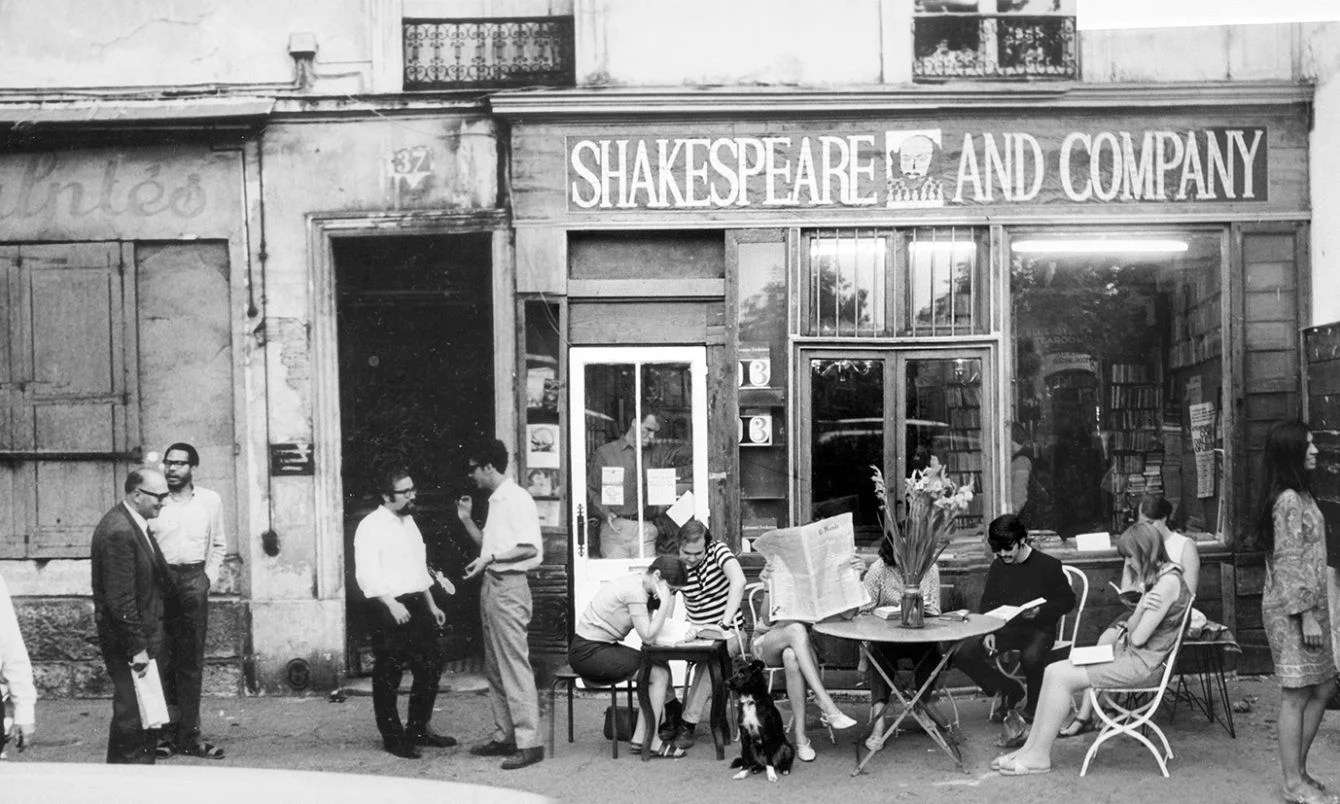
When I first visited Paris more than 40 years ago, I immediately stopped by the iconic Shakespeare and Company bookstore. And, like every other bibliophile, I was smitten. Although it seemed to be an ancient pilgrimage site for booklovers, it was only opened on this day in 1951.
Shakespeare and Company is an English-language bookstore opened by George Whitman on Paris’s Left Bank. The bookstore is situated at 37 rue de la Bûcherie, in the 5th arrondissement. It was originally called “Le Mistral”, but was renamed to “Shakespeare and Company” in 1964 in tribute to Sylvia Beach’s store which closed in 1941. Today, it continues to serve as a seller of new and second-hand books, as an antiquarian bookseller, and as a free reading library open to the public.
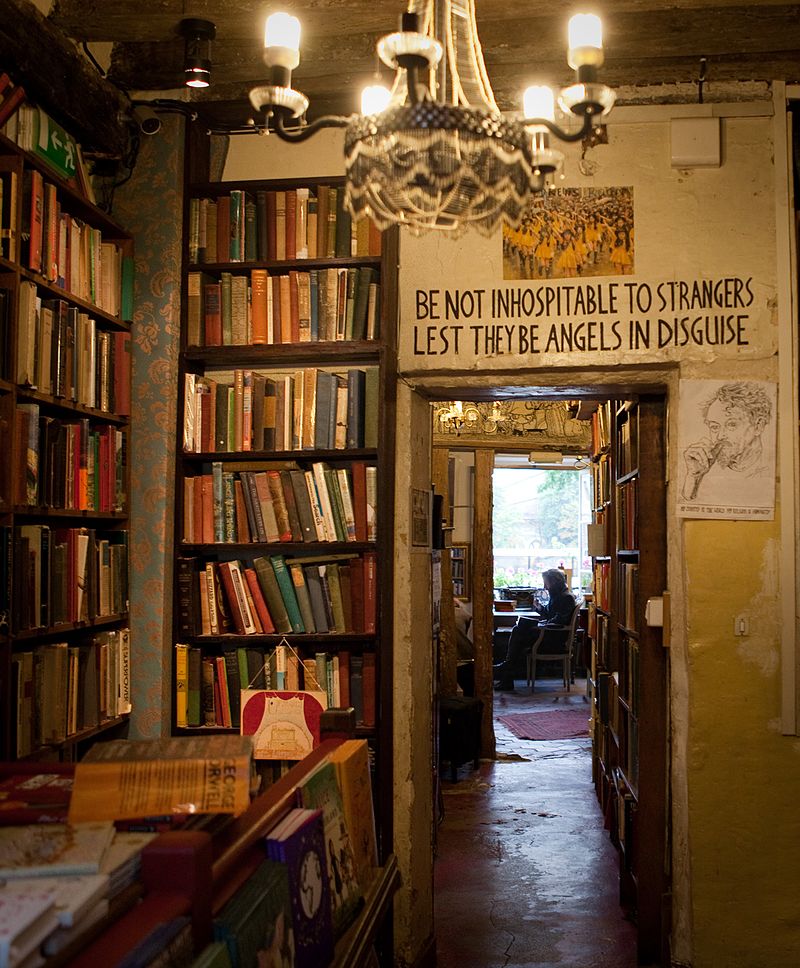
Additionally, the shop houses aspiring writers and artists in exchange for helping out around the bookstore. Since the shop opened in 1951, more than 30,000 people have slept in the beds found tucked between bookshelves.The shop’s motto, “Be Not Inhospitable to Strangers Lest They Be Angels in Disguise”, is written above the entrance to the reading library.

Sadly, the bookstore has been overrun by social media influencers and tourists with no interest in books who simply go for the photo ops. The last time that I visited, I left after 10 minutes because it was mobbed by poserphillistines.



How about a list of 60 of the best dystopian books to complete your weekend ?

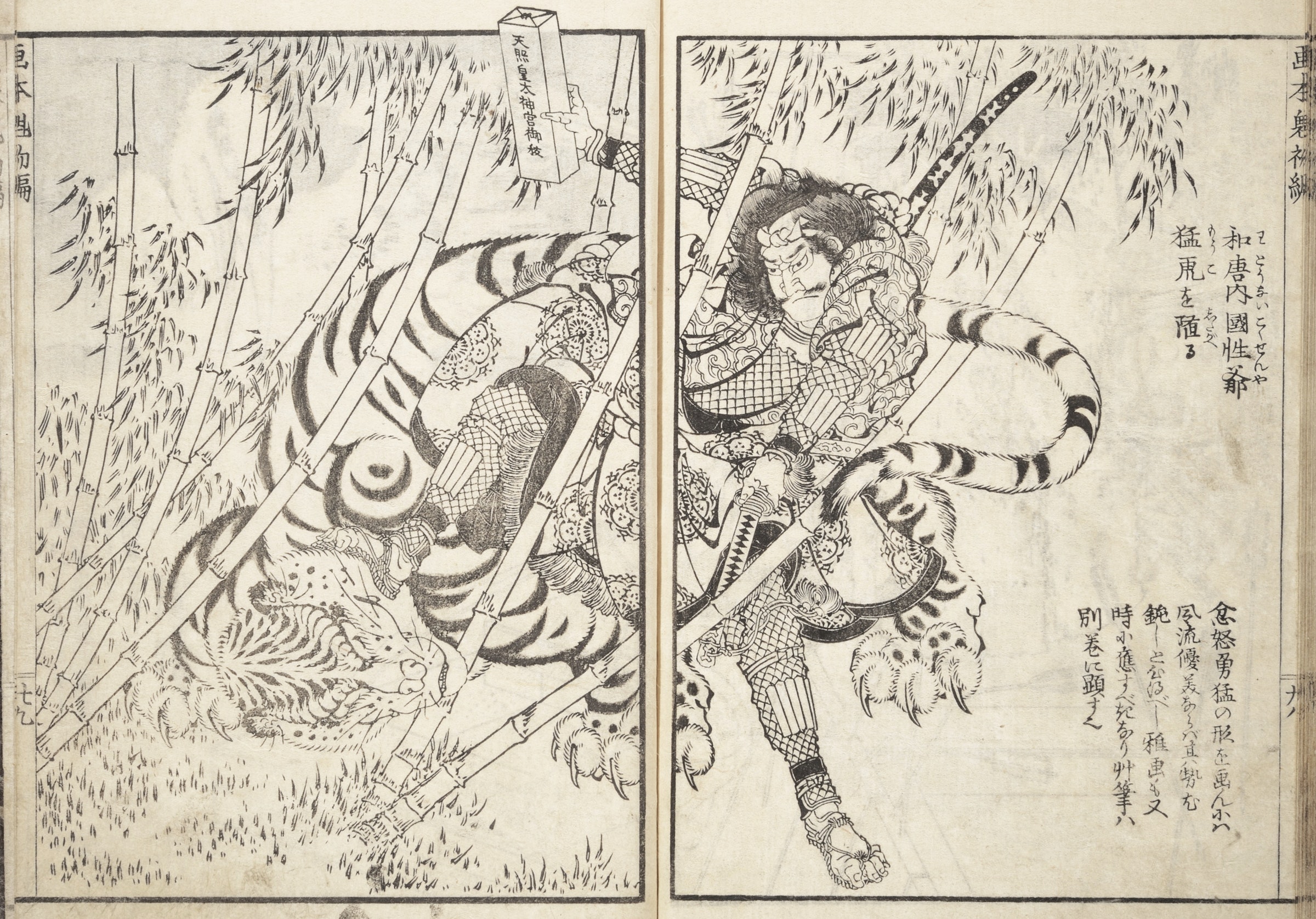
At Public Domain Review: Hokusai’s Illustrated Warrior Vanguard of Japan and China (1836).

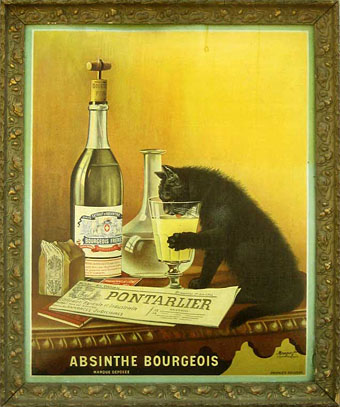

We Ranked 50 Best Selling Books Based on How Smart They Make Us Look in Public


In her brilliant short film Three Thousand (2017), the Montreal-based Inuk artist Asinnajaq presents an illuminating vision of Inuit life. Her film intertwines a century of footage from the archive of the National Film Board of Canada, along with commissioned animations. Early black-and-white ethnographic films blend with color images, including scenes of Inuit children in Canada’s notorious residential school system and, eventually, visuals with aurora-inspired colours that hint at a vibrant Inuit future. The flurry of scenes is set to a score of lullabies, stirring strings, Inuit throat singing and sounds of the Canadian north. Asinnajaq’s collage forms a unified, stirring whole – one that shines with contradictions, vitality and hope.
nb: if the video above fails to open, please visit our homepage.
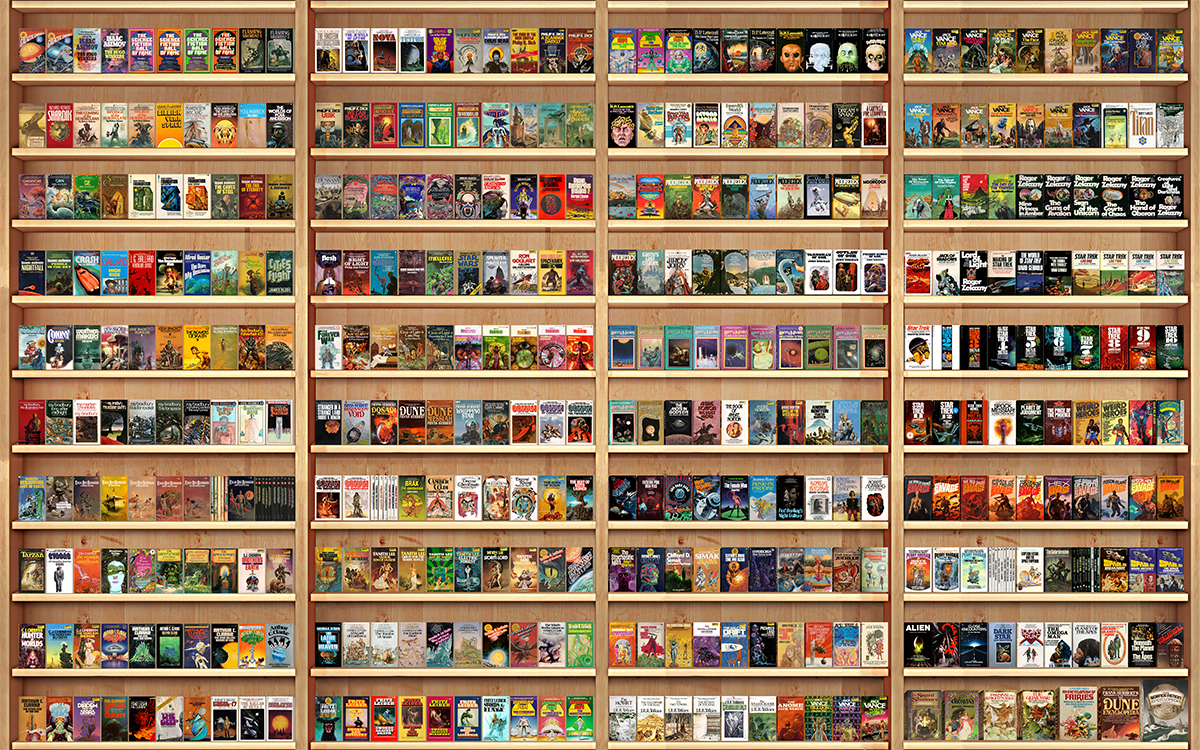
The acclaimed Pulitzer Prize-winning American author Michael Chabon recently shared a very personal project that he worked on during the Covid-19 pandemic. In a serious bout of nostagia, he recreated the science fiction and fantasy section of his childhood bookshop in Columbia, Maryland. During the long days of the COVID-19 pandemic spent in his personal library he contemplated the influence of Page One Bookstore on his life’s work. “As I sat around communing with my tattered old friends,” he writes, “I discovered that I retained a sharp recollection — title, author, cover design — of what felt like every single book that had ever appeared on those tall shelves along the left wall of Page One, toward the back, between 1972 and 1980.”
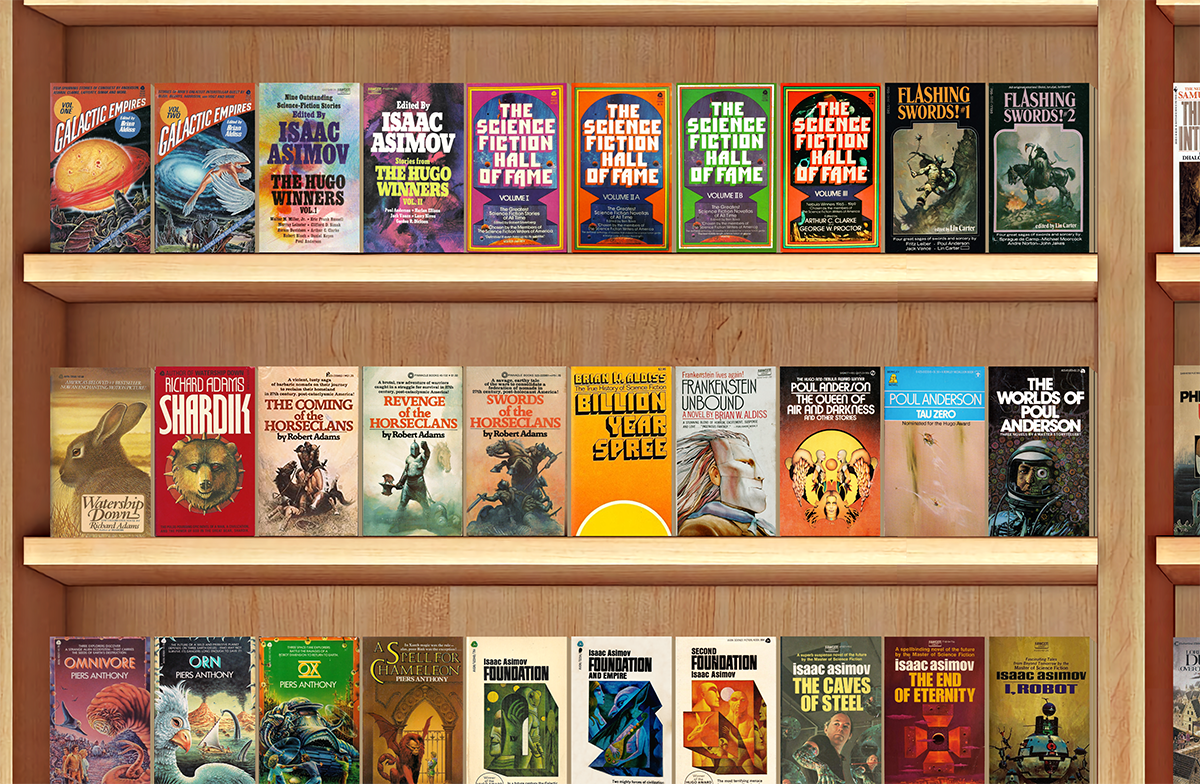
Chabon’s digital re-creation “The Shelves of Time” is an impressive feat of memory. Downloadable here in “small” (96 MB), “large” (283 MB) and “very large” (950 MB) formats, the stirring image for any genre lover functions as what Chabon calls a “time telescope,” offering “a look back at the visuals that embodied and accompanied my early aspirations as a writer, and at the mass-market splendor of paperback sf and fantasy in those days.”
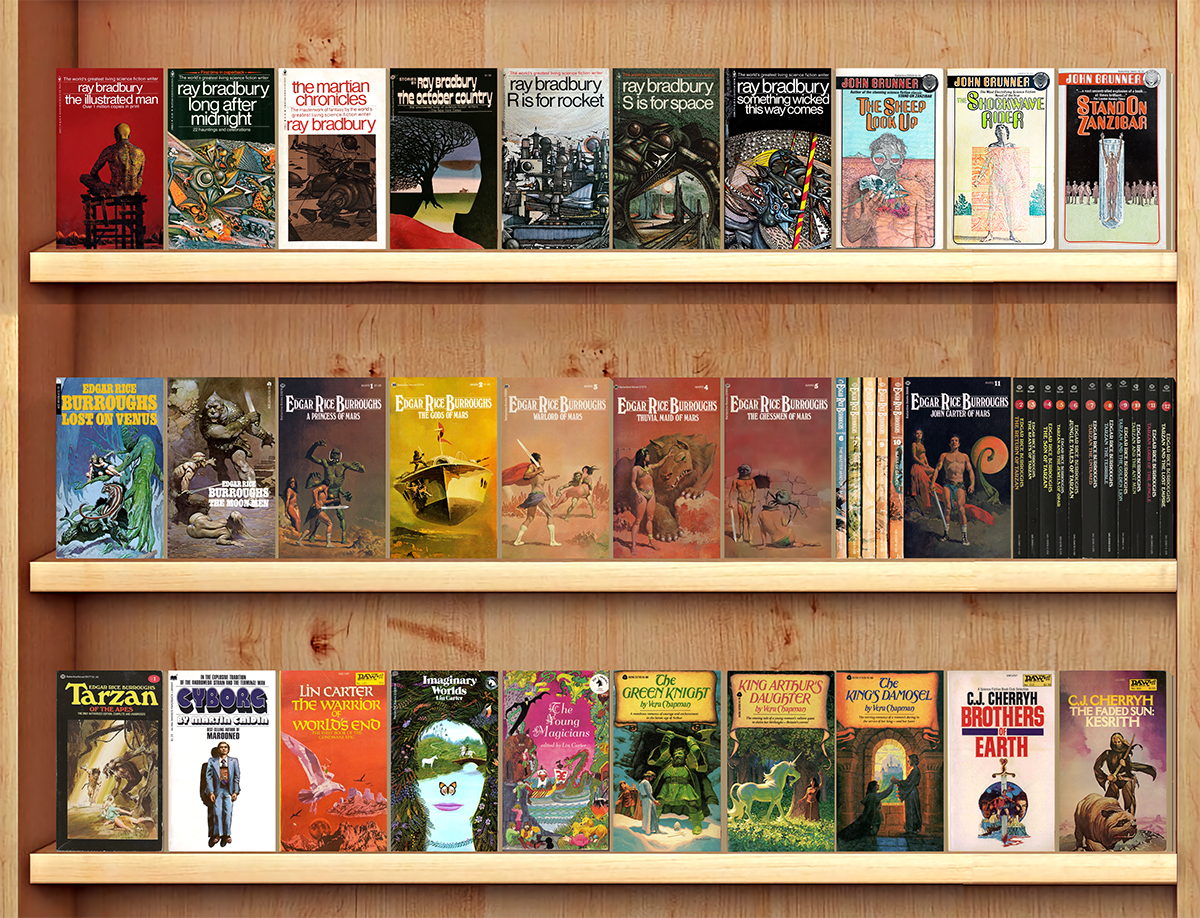
When Chabon shared the image earlier this month, he posted the image on Threads and wrote:
One endless quarantine afternoon, I was in my Berkeley studio, staring at my old #DAW_SF and #BallantineAdultFantasy paperbacks, and contemplating, in my imagination, the “Science Fiction and Fantasy” section at the loooong-defunct Page One bookstore, back in #ColumbiaMD, where I grew up.
People, I tell you, I fuckin HAUNTED that section! For YEARS! And now as I sat around communing with my tattered old friends, I discovered that I retained a sharp recollection — title, author, cover design — of what felt like every single book that had ever appeared on those tall shelves along the left wall of Page One, toward the back, between 1972 and 1980.
This — which I finally finished, last night — was the result. Think of it — I did — as a kind of time telescope, a look back at the visuals that embodied and accompanied my early aspirations as a writer, and at the mass-market splendor of paperback sf and fantasy in those days.