The Good Kind of Flood

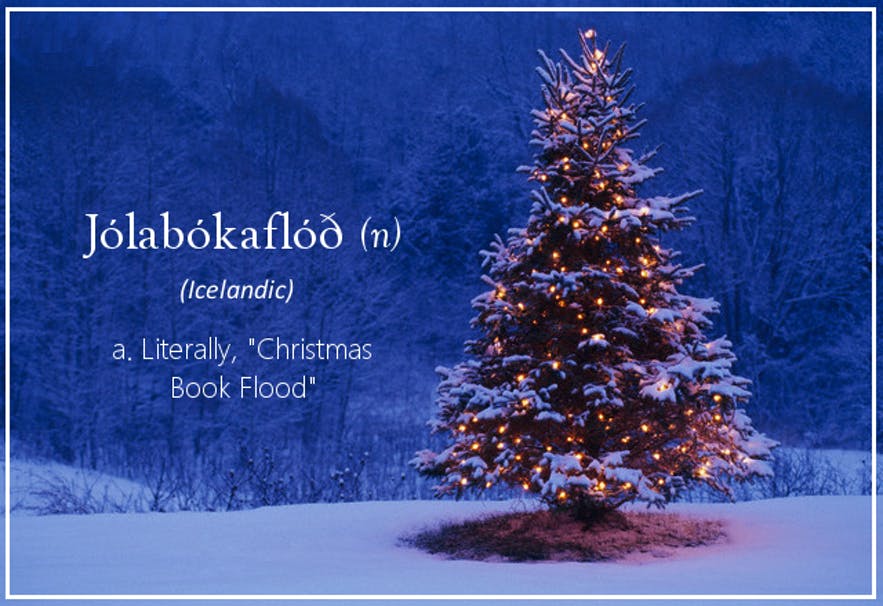
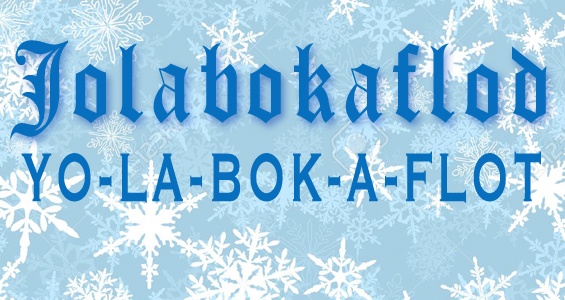
If you follow TBTP on a regular basis you are well aware of my tremendous affection for Iceland and all things Icelandic. One of the most surprising things about the island nation is the love of books and reading. In fact, Iceland prints more books per capita than any other country in the world, with over 50% of Icelanders reading more than eight books per year. One of the country’s most popular Christmas traditions focuses on books as gifts. Jólabókaflóð – loosely translated as ‘Christmas flood of books’ – is a literary Christmas celebration that begins with the printing of the Bókatíðindi book catalog by the Icelandic Publisher’s Association in mid-November and ends with the giving, receiving, and reading of new books on Christmas Eve.
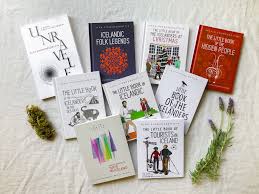
If you are intrigued by Iceland and its traditions, and you’d like to learn more about the magical island and its traditions, check out the marvelous series of books on the country’s culture, traditions, history, and travel by my friend Alda Sigmundsdóttir . Her recent title The Little Book of Tourists in Iceland  is a must if you’re thinking of a visit when the pandemic finally ends and The Little Book of Icelanders at Christmas will explain local holiday lore, such as the Yule Lads and the wonderful Jólabókaflóð.
Posted in Books, Europe, History, Tourism, Writing | 1 Comment

Forest of Hope

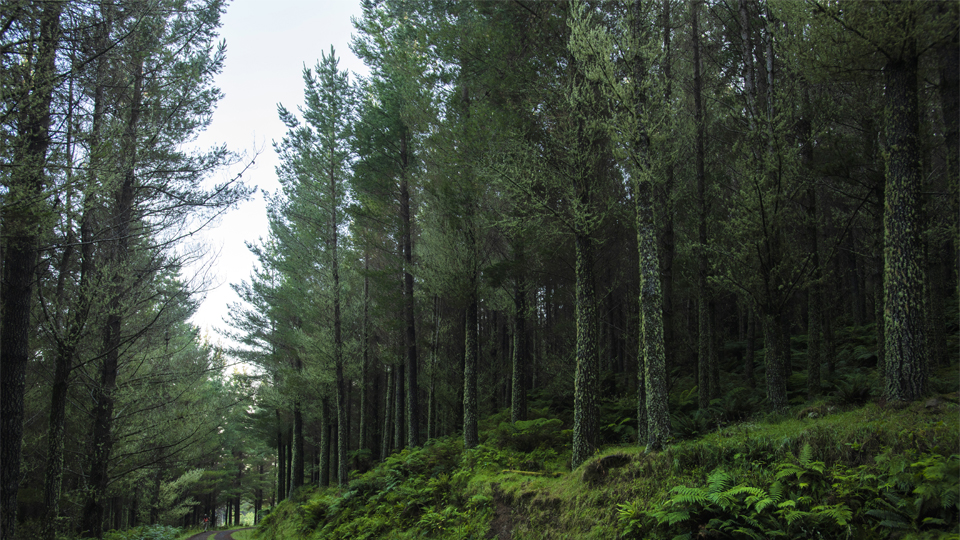
I spent November 2019 in New Zealand and had hoped to be back again this year, but the Covid-19 pandemic ended that notion. Still, I hold out some hope to return to Aotearoa sometime in 2021. In the meantime, New Zealand hopes to inspire some positivity for us all in 2021 with its Forest of Hope campaign.

Tourism New Zealand has invited folks from all over the world to share their disappointments of 2020 online. For every misfortune shared, users are invited to put a positive spin on their situation by donating a tree in the Forest of Hope. This new forest of native trees will represent hope and regrowth for 2021, according to Sarah Handley, general manager for Tourism New Zealand.

“In New Zealand, the Te Reo Māori values of manaaki and tiaki have become incredibly relevant today. Manaaki speaks to the importance of having empathy and tiaki inspires us to care for people and place,” Handley explained. “While our borders remain closed to international visitors, we want to extend a little manaaki and encourage a sense of tiaki to those who are in need of some optimism for the new year.”

Tourism New Zealand has teamed up with New Zealand conservation charity Trees That Count to launch the Forest of Hope initiative, which will plant trees in Queenstown and Northland. People who donate a tree can track their journey on the Trees That Count website. They will also receive an email notification once their trees are planted.
Those interested can share their disappointments from the year on the Tourism New Zealand website.


Posted in Asia, Tourism | Tagged , , | Leave a comment

Within you there is a stillness and a sanctuary

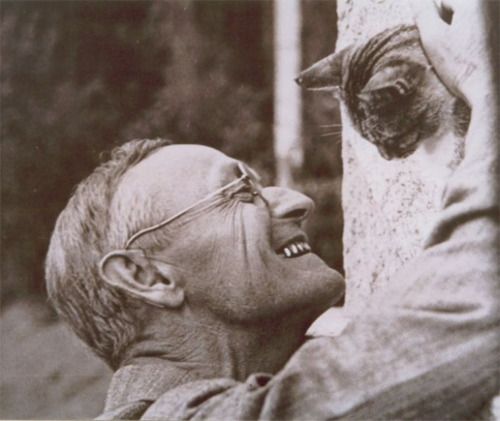
Hermann Hesse : “This day will never come again and anyone who fails to eat and drink and taste and smell it will never have it offered to him again in all eternity. The sun will never shine as it does today…You must play your part and sing a song, one of your best.”


Posted in Books, Europe, Writing | Tagged | Leave a comment

Bookmarking it old school

How to use a medieval bookmark: 1.) Read. 2.) Spin the volvelle to mark where on the page you stopped reading (I-IV correspond to different sections on the page. 3.) Close book. 4.) Repeat as necessary. By the way, the featured book is dated circa 1400 and the featured book mark is also from medieval era.


Posted in Animation, Books, Europe, History | Tagged , , | 1 Comment

another good thing about books


Posted in Books, Writing | Tagged | 1 Comment

like a downhill brakes-burned freight train

AND STILL IT COMES

Thomas Lux

like a downhill brakes-burned freight train
full of pig iron ingots, full of lead
life-size statues of Richard Nixon,
like an avalanche of smoke and black fog
lashed by bent pins, the broken-off tips
of switchblade knives, the dust of dried offal,
remorseless, it comes, faster when you turn your back,
faster when you turn to face it,
like a fine rain, then colder showers,
then downpour to razor sleet, then egg-size hail,
fist-size, then jagged
laser, shrapnel hail
thudding and tearing like footsteps
of drunk gods or fathers; it comes
polite, loutish, assured, suave,
breathing through its mouth
(which is a hole eaten by a cave),
it comes like an elephant annoyed,
like a black mamba terrified, it slides
down the valley, grease on grease,
like fire eating birds’ nests,
like fire melting the fuzz
off a baby’s skull, still it comes: mute
and gorging, never
to cease, insatiable, gorging and mute.
Posted in USA, Writing | Tagged , , | Leave a comment

Rocky Mountain High

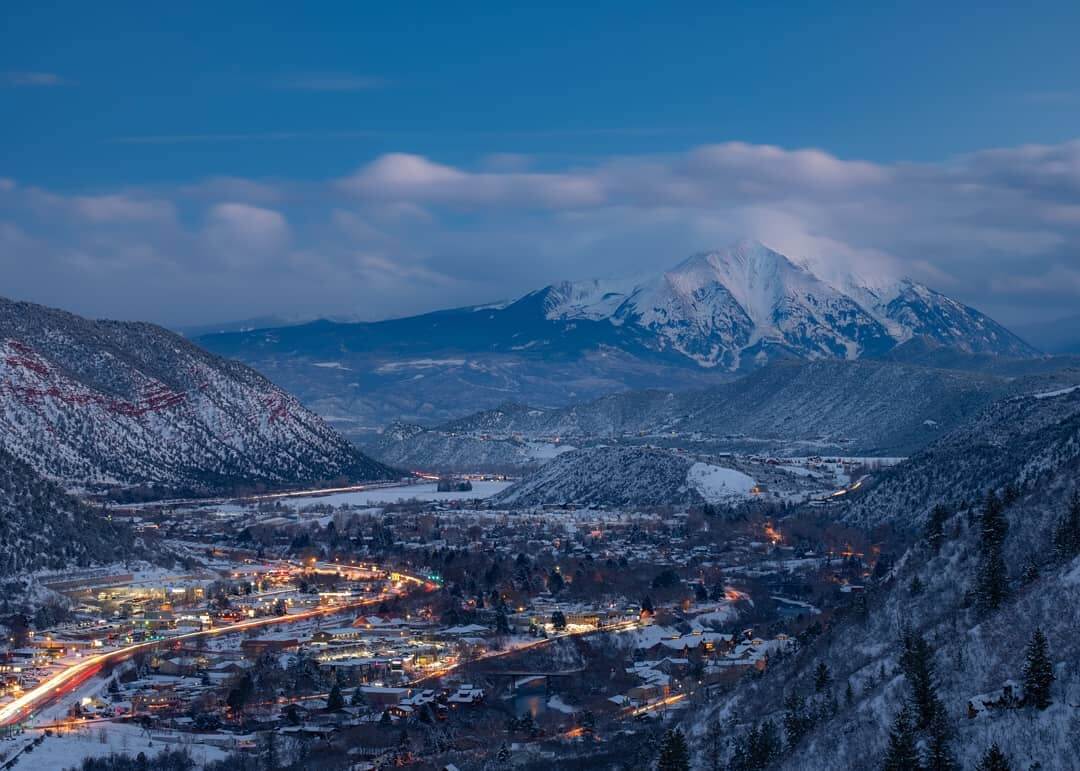
A few years ago, I took a road trip around the U.S. southwest. One leg of the journey was a drive between Denver, Colorado and Moab, Utah, with a stop in Glenwood Springs, Colorado along the way. It’s a route that I can wholeheartedly recommend. And by the summer of 2021 you’ll be able to follow the same route on a luxury, glass-domed train run by the folks who own the iconic Rocky Mountaineer train in western Canada.

Along the way on the two-day trip, the train will traverse jaw-droppingly gorgeous mountains, cascading rivers, desert mesas, and verdant valleys. The oversized glass-dome windows will offer unparalleled sightseeing opportunities.

Rocky Mountaineer, the company behind the excursion, already operates three luxury trains in Western Canada. “The work to find a new route has been underway for several years,” Steve Sammut, president and chief executive officer of Rocky Mountaineer, said in a statement. “We needed to find a special location with many of the same features we have in Western Canada: incredible scenery, iconic destinations, and the option for an all daytime, multi-day journey that is best experienced by train.”

For more information about the train, click here.

Posted in Canada, Public Transport, Tourism, USA | Tagged , , , , | 7 Comments

Old Nieuw Amsterdam

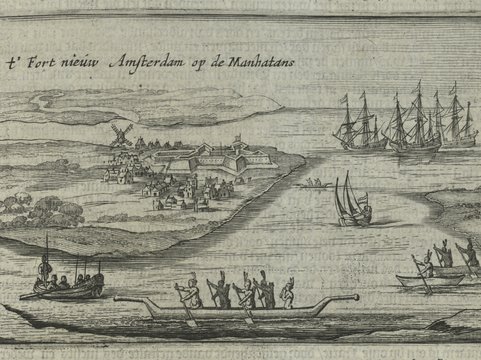
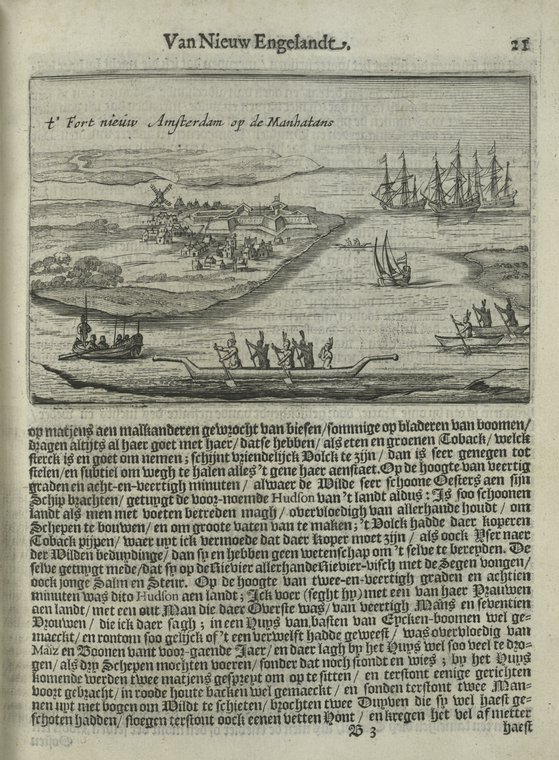
I come from two old New York City families, but not nearly as old as these 17th century views of the city when it was still the Dutch  West India Company’s colony of Nieuw Amsterdam. Published in 1651, the image above is the earliest known view of Nieuw Amsterdam (or “New Amsterdam”), the settlement the Dutch colonists established at the southern tip of Manhattan Island in the early seventeenth century.

Appearing in the Beschrijvinghe van Virginia, Nieuw Nederlandt, Nieuw Engelandt, en d’eylanden Bermudes, Berbados en S. Christoffel, the engraving shows the fort and around thirty houses the Dutch West India Company built to establish its presence and trading interests in the area. On the river in front of the fort, several canoes with Native Americans are surrounded by a range of Dutch vessels, hinting at the colonists’ displacement of local populations to achieve their ambitions of territorial expansion. In 1664, the English took over the Dutch colony, naming it New York City after York, England.

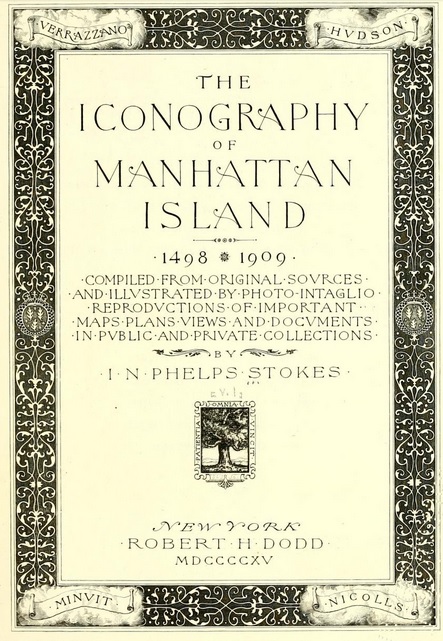
The prints are part of the collection Isaac Newton Phelps Stokes assembled to illustrate his six-volume Iconography of Manhattan Island (published in installments between 1913 and 1928). Stokes donated the collection in its entirety to the Library’s Print Department in 1930.


Posted in Art, Books, Europe, History, Libraries, USA | Tagged , , | 1 Comment

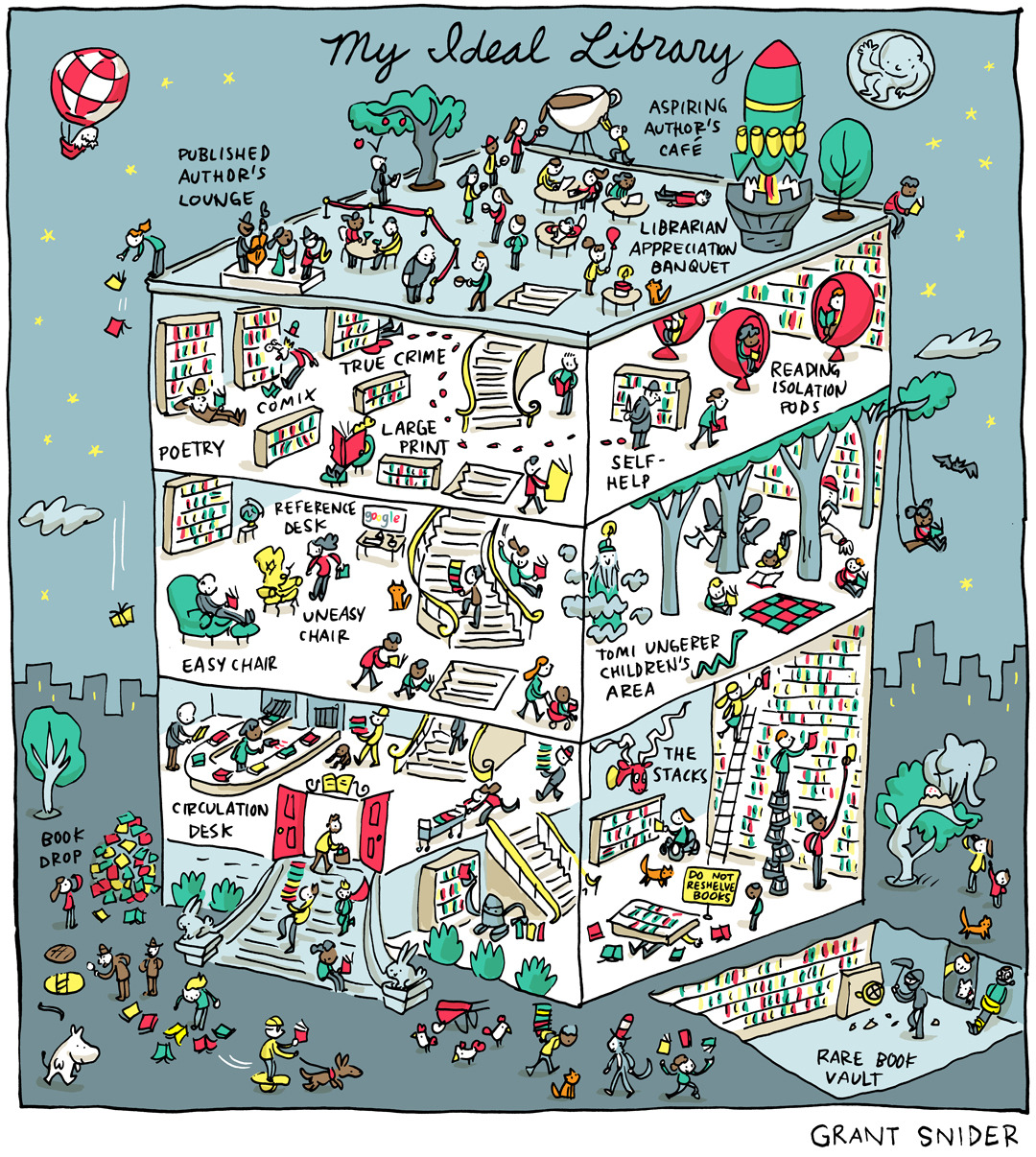
The Ideal Library


Posted in Art, Books, Libraries | Tagged , | 1 Comment

Color the Classics

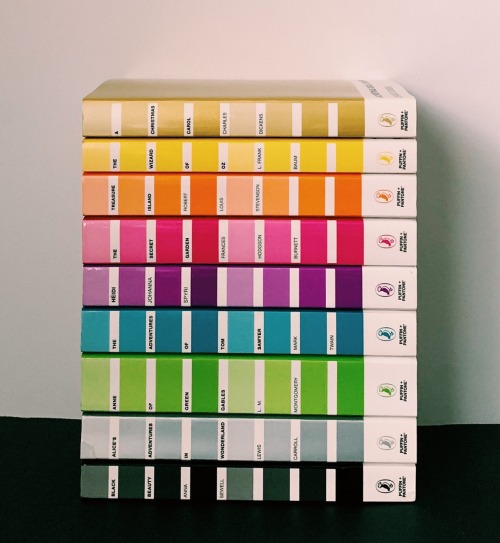
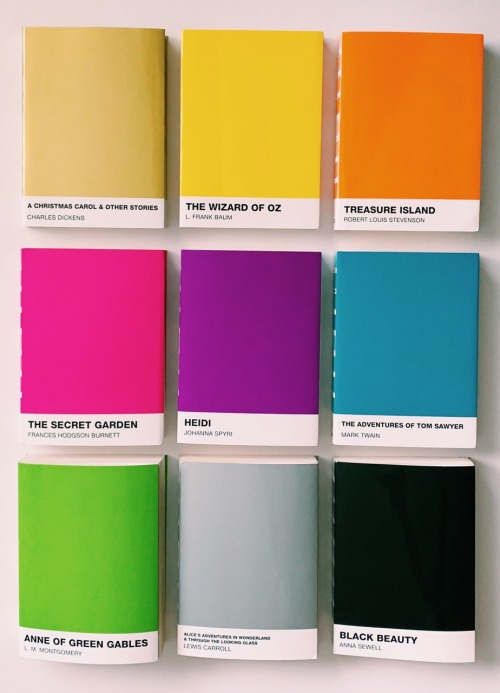
Puffin + Pantone is a series of classic novels paired with their perfect Pantone color match. Each cover is made to resemble the globally recognized color chip that’s defined Pantone as the standard in color communication all over the world. Puffin + Pantone is a collection of literature as diverse and boundless as the color spectrum itself.


Posted in Art, Books | Tagged , , , , | Leave a comment