
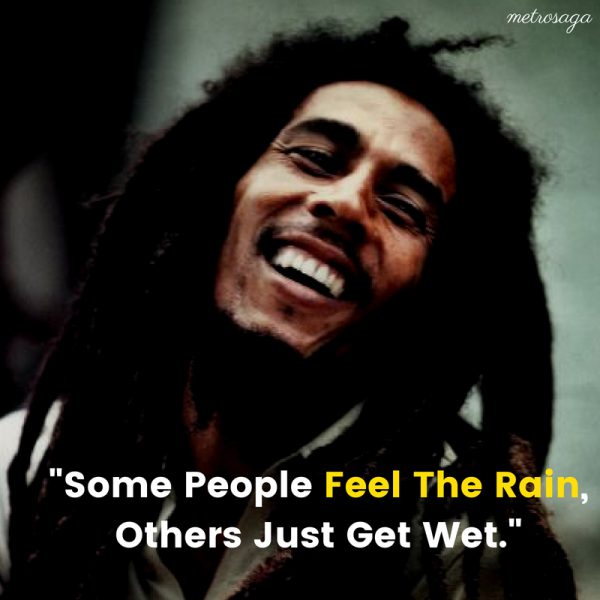
Paris-based Mathematic Studio produced this wonderful animation for Bob Marley’s timeless “Redemption Song.” Directed by Octave Marsal and Théo de Gueltzl, the video draws heavily on imagery and iconography surrounding the Rastafarian movement.
Paris-based Mathematic Studio produced this wonderful animation for Bob Marley’s timeless “Redemption Song.” Directed by Octave Marsal and Théo de Gueltzl, the video draws heavily on imagery and iconography surrounding the Rastafarian movement.
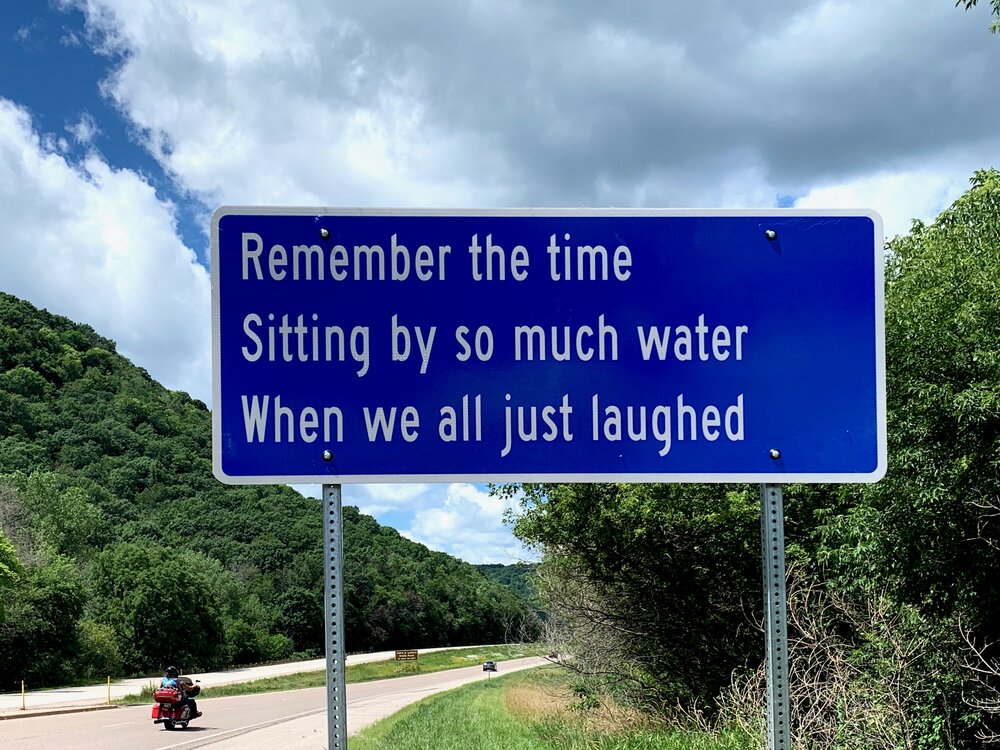
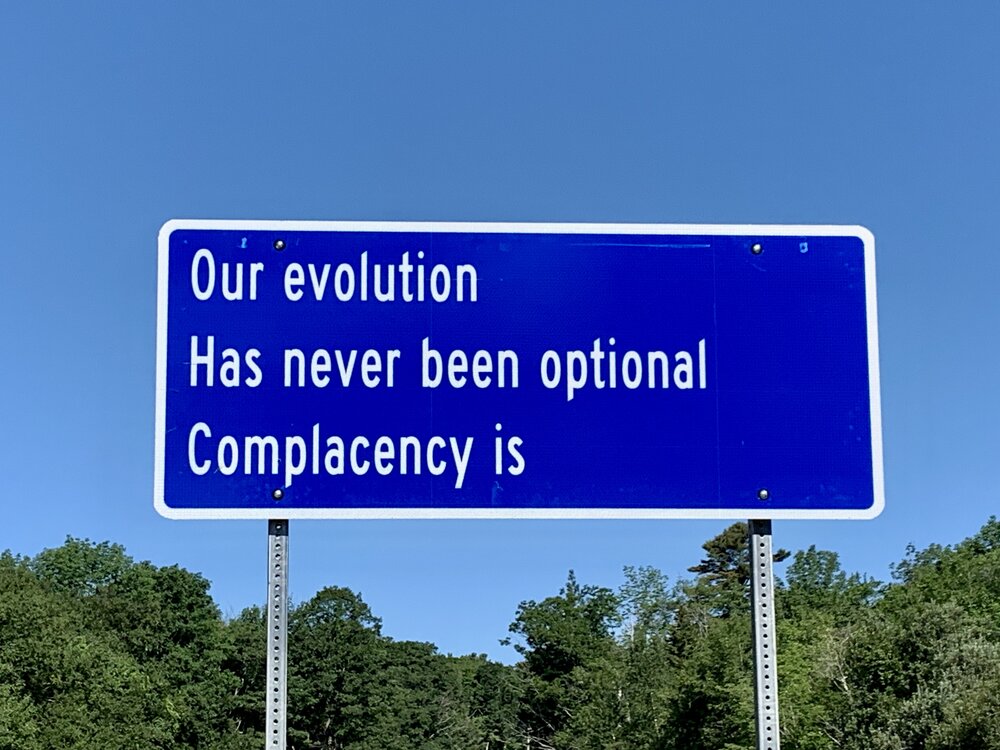
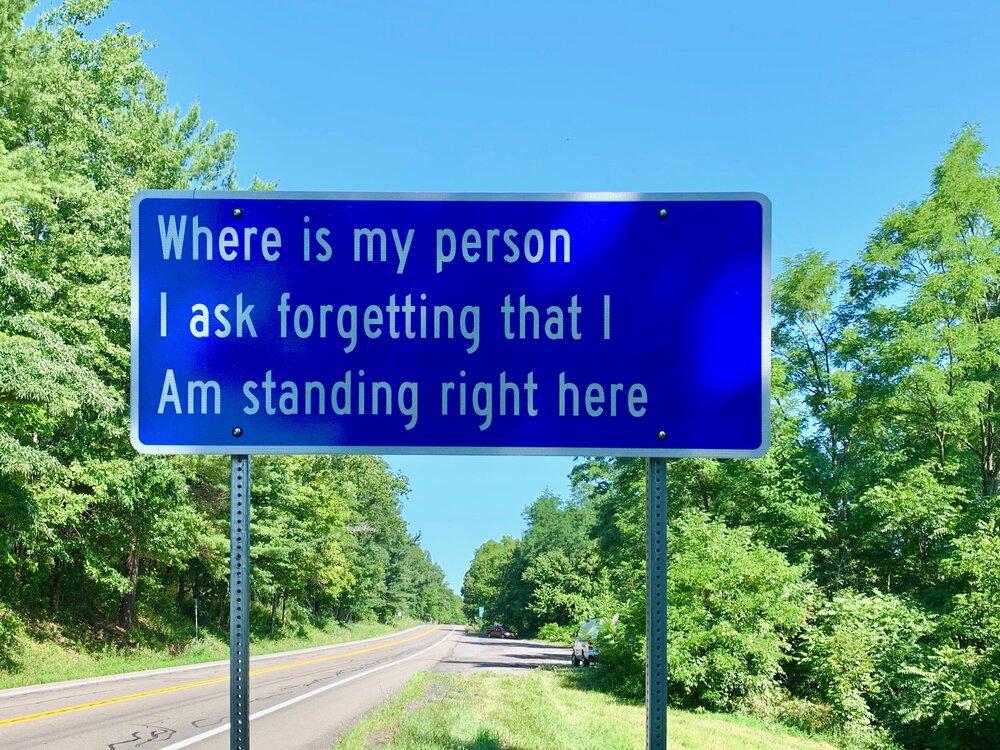
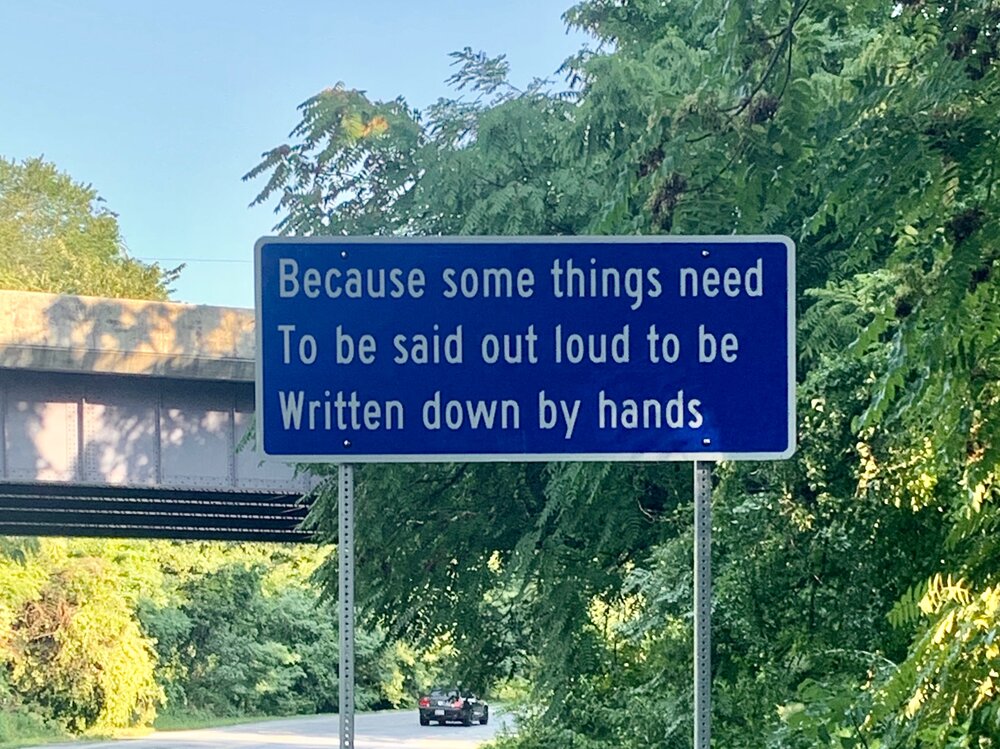
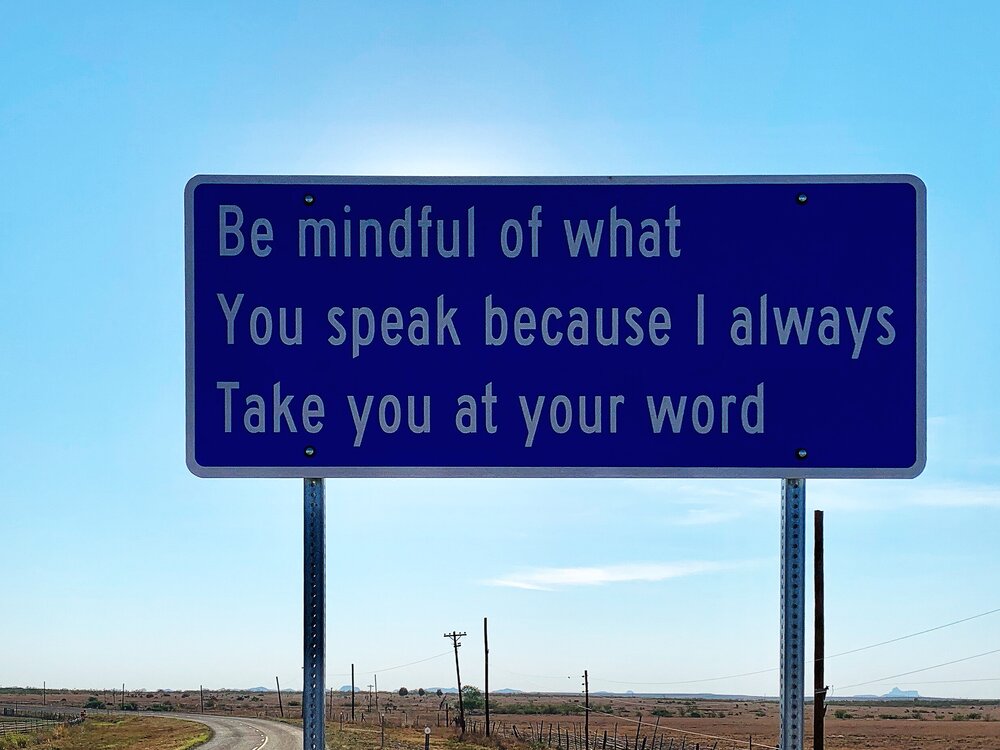
From Maine to New Mexico and from Alabama to Minnesota a series of roadside poetry signs have been popping up across the United States. The often philosophical works are all based on Japanese Senryū style a sister poem to the Haiku. While traditional Haiku are about nature, Senryū follow the same 5-7-5 syllable format to address elements of human nature. You can discover more about the secretive project at Roadside Senryū.


Science Fiction fans around the world—myself included—were excited to see the first trailer for the new Dune film last week. (see below)Although I enjoyed the first cinematic interpretation of Frank Herbert’s interstellar saga, like many I found David Lynch’s version lacking in many ways. So, I’m hopeful that the new movie will get it right this time.

As a life-long sci-fi geek, I discovered the original Dune novels early and actually read most of the Frank Herbert series including three of the five sequels. I only recently found out that Herbert originally published Dune in a serialized format in Analog magazine over 9 issues in 1963 because he was unable to sell the novel to any publisher. In fact, he was rejected by at least 23 publishers before Chilton, which was better known for publishing auto repair manuals than novels, picked up the book. Quite surprising since Dune went on to win both the Hugo and Nebula awards.

If you are not familiar with the Dune saga, the story is set in the distant future amidst a feudal interstellar society in which various noble houses control planetary fiefs, Dune tells the story of young Paul Atreides, whose family accepts the stewardship of the planet Arrakis. While the planet is an inhospitable and sparsely populated desert wasteland, it is the only source of melange, or “the spice”, a drug that extends life and enhances mental abilities. Melange is also necessary for space navigation, which requires a kind of multidimensional awareness and foresight that only the drug provides. As melange can only be produced on Arrakis, control of the planet is thus a coveted and dangerous undertaking. The story explores the multi-layered interactions of politics, religion, ecology, technology, and human emotion, as the factions of the empire confront each other in a struggle for the control of Arrakis and its spice.


Secondhand and used bookstores around the world have been struggling during the Pandemic just like most other retail businesses. But they have the added burden of replenishing their book stocks. Many used booksellers rely on customers bringing in books to sell. As an antiquarian and secondhand bookseller, I can attest to the supply chain problems. In my case, I have not had access to the usual book sales, estate sales, library sales, or individuals selling their personal libraries.
A recent advertisement for Book Off, a popular used bookstore chain in Japan, features Book Off staff pleading with customers to sell them their used books so that the booksellers can replenish depleted stock. The employees “stand solemnly in two lines along a near-empty Book Off aisle with hands clasped in front of them. Each one says a phrase in which they plead with the viewers to sell them books. It starts off with a line from one of their previous commercials featuring child actor Kokoro Terada, which goes, ‘Book Off nanoni hon nee jan!’ or ‘This Book Off doesn’t have any books!’ ”

Staff go on “to list off the kinds of books customers might have in their home that they could sell, shouting together ‘Hon!,’ or ‘Books!,’ with each description.
“The types of books start off ordinary, like, ‘Books you’ve read already’ or ‘Books that won’t fit on the book shelf.’ But as more and more types of books are listed off, they get funnier and funnier. ‘Books left behind by the girlfriend you forgot about!’ ‘Books you thought would make you look cool!’ ‘Books someone could not stop talking about but didn’t interest you at all!’ ‘Books you still didn’t read even though you were stuck at home!’ ”

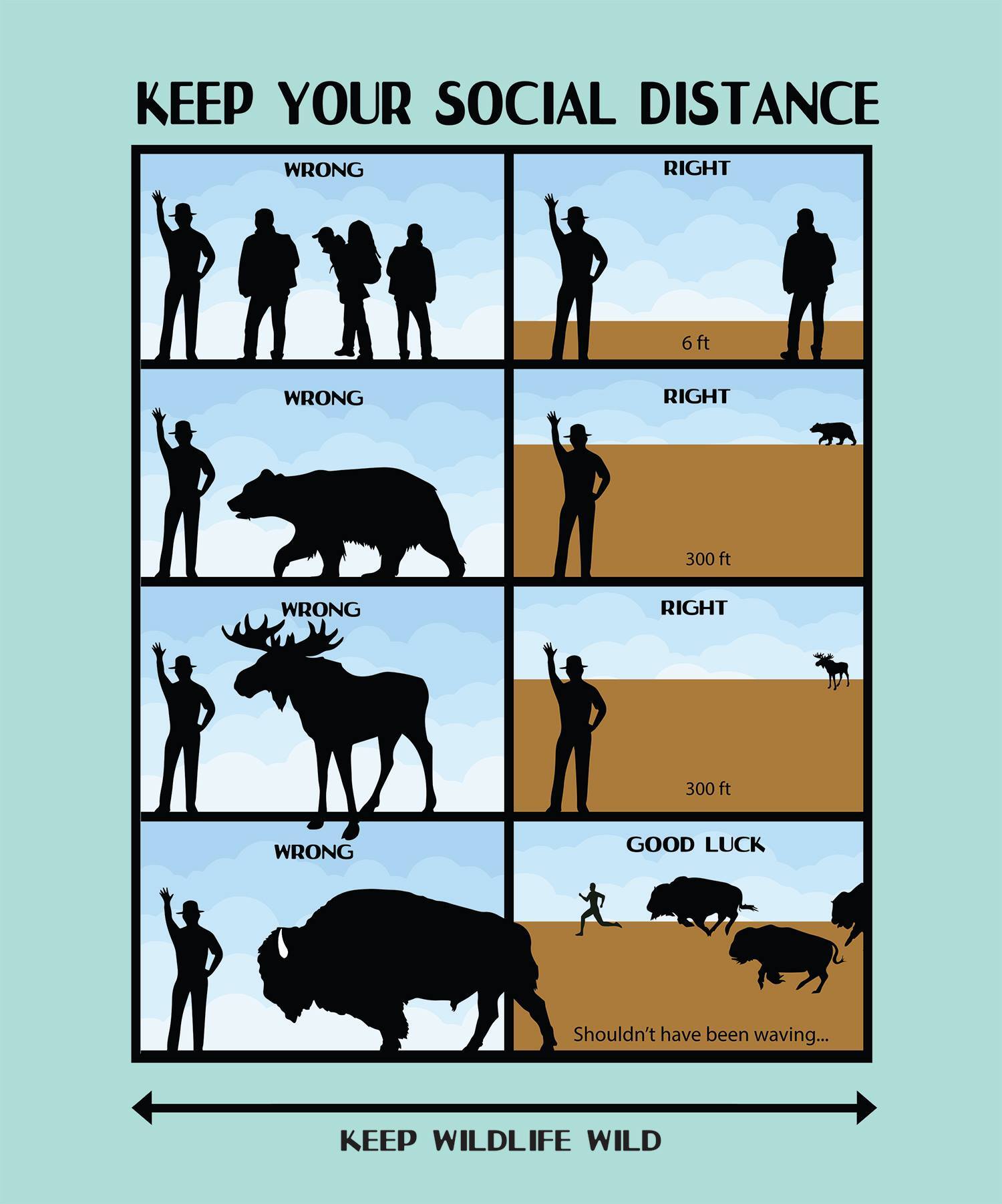
Who knew that the National Park Service had a sense of humor. You can check-out some more clever posters on the official website.


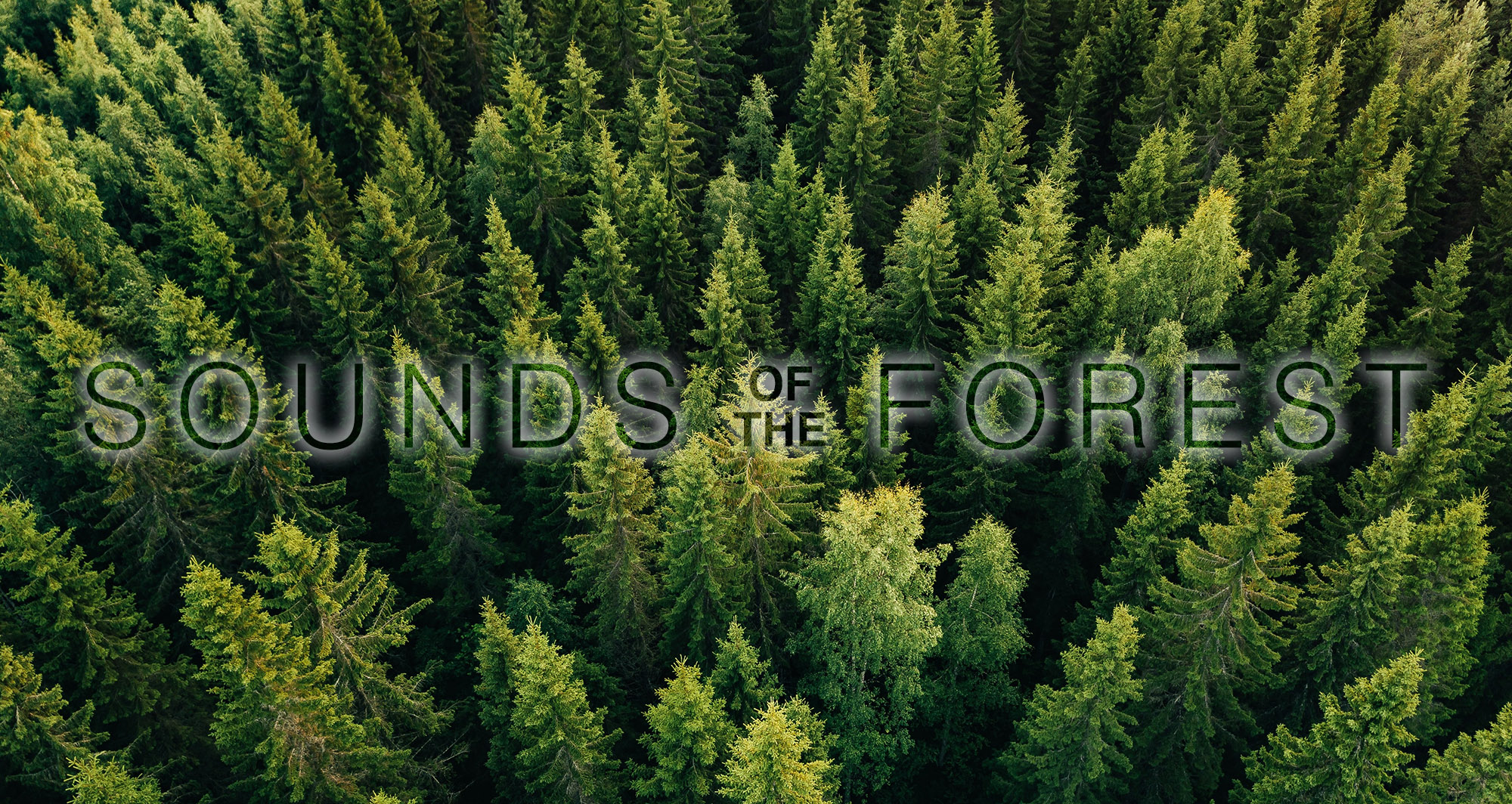
A site called Sounds of the Forest is collecting sounds from forests and woodland areas around the world and presenting them on a world map.They are collecting the sounds of woodlands and forests from all around the world, building a soundmap bringing together aural tones and textures from the world’s woodlands.The sounds form an open source library, to be used by anyone to listen to and create from.

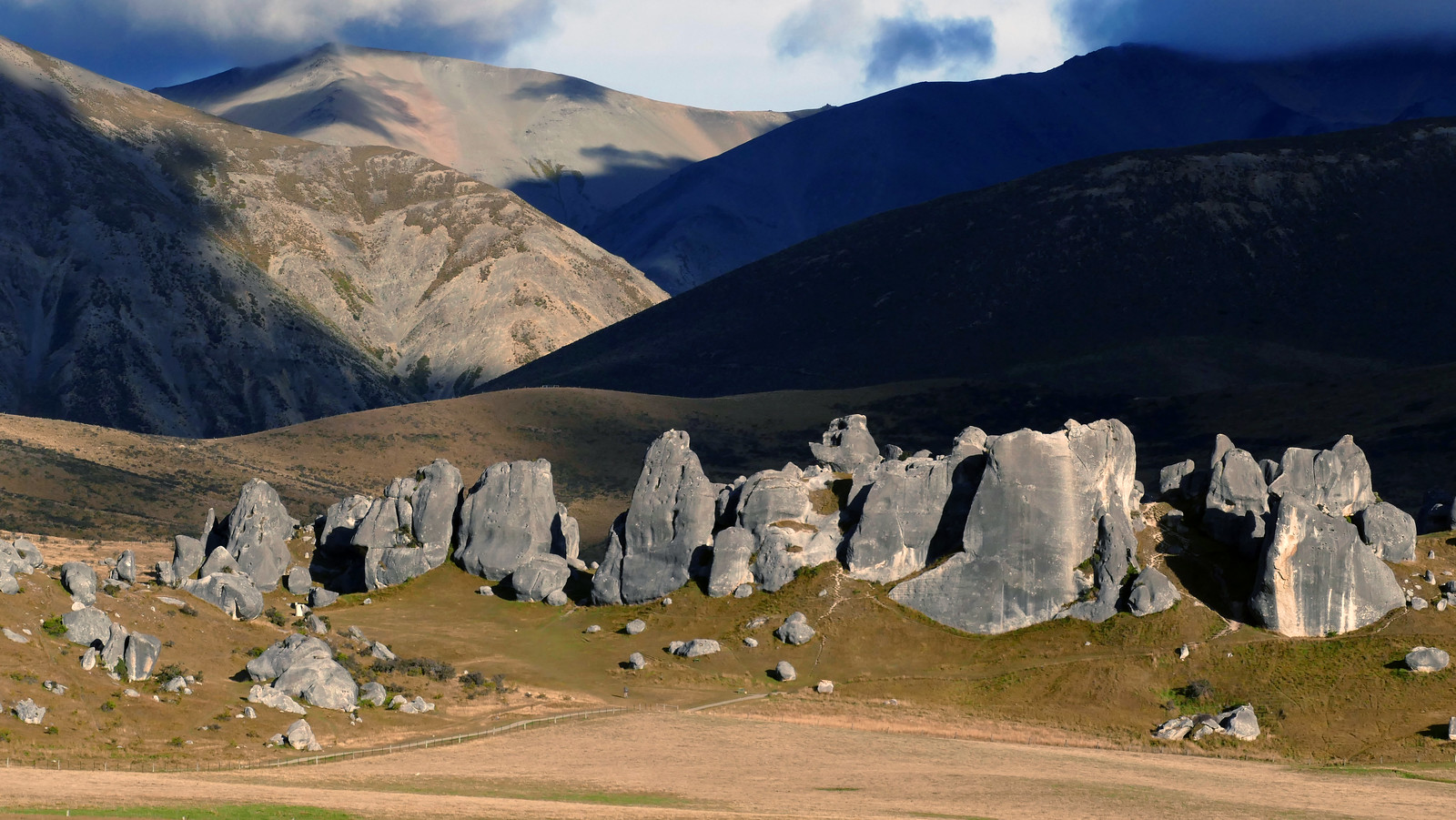
The sound clip above took me back to Castle Hill, New Zealand, which may look familiar to Lord of the Rings fans.

Sincerely Erik, is a moving short film written and directed by Naz Riahi about one bookseller struggling in these plague times. Although it is fictional, it poignantly reflects the reality that many folks in the book trade are experiencing all over the world at this difficult moment. The protagonist, Erik DuRon is the owner of Left bank Books in New York’s Greenwich Village neighborhood.
Last week, I stumbled upon this little gem of a film that captures the mood of the balance between isolation and community that defines bookselling these days. I hope that you will like it as much as I did.

Those of you who follow TBTP on a regular basis know that I am slightly obsessed with all things Iceland. And of course I am already planning my next visit—hopefully for early next summer. So, I was excited to read about the opening of their newest tourist road trip route the Diamond Circle. Although I’ve already driven most of the route in the past, I like the notion that local travel experts have laid-out a select route with regional highlights. Officially launched on September 6th the Diamond Circle formally opens in the Northeast corner of the country..
The Diamond Circle is a circuit spanning 250km (155 mi) that connects travelers to famous landscapes and historical sites. In particular, the route features five key destinations: Goðafoss, one of the most spectacular waterfalls in Iceland, the blue and green landscapes of Lake Mývatn, Dettifoss, the most powerful waterfall in Europe, the crescent-shaped Ásbyrgi Canyon, and Húsavík, the oldest settlement in Iceland.

Along the Diamond Circle, you may also find some less well known places which are just as impressive as the famous destinations. Keep an eye out for the Tjörnes Peninsula which hides fossils and birds nests, the lush valley of Hólmatungur, the circular explosion crater Hverfjall, and numerous geothermal sites.

For a preview of the Diamond Circle and updates on the formal opening, take a look at the Diamond Circle Website.


“Parable of Cervantes and the Quixote”
by
Jorge Luis Borges
Translated by Andrew Hurley
Weary of his land of Spain, an old soldier of the king’s army sought solace in the vast
geographies of Ariosto, in that valley of the moon in which one finds the time that is squandered by dreams, and in the golden idol of Muhammad stolen by Montalbán.
In gentle self-mockery, this old soldier conceived a credulous man—his mind unsettled by the reading of all those wonders—who took it into his head to ride out in search of adventures and enchantments in prosaic places with names such as El Toboso and Montici.
Defeated by reality, by Spain, don Quixote died in 1614 in the town of his birth. He was survived only a short time by Miguel de Cervantes.
For both the dreamer and the dreamed, that entire adventure had been the clash of two worlds; the unreal world of romances and the common everyday world of the seventeenth century.
They never suspected that the years would at last smooth away the discord, never suspected that in the eyes of the future, La Mancha and Montici and the lean figure of the Knight of Mournful Countenance would be no less poetic than the adventures of Sindbad or the vast geographies of Ariosto.
For in the beginning of literature there is myth, as there is also in the end of it.
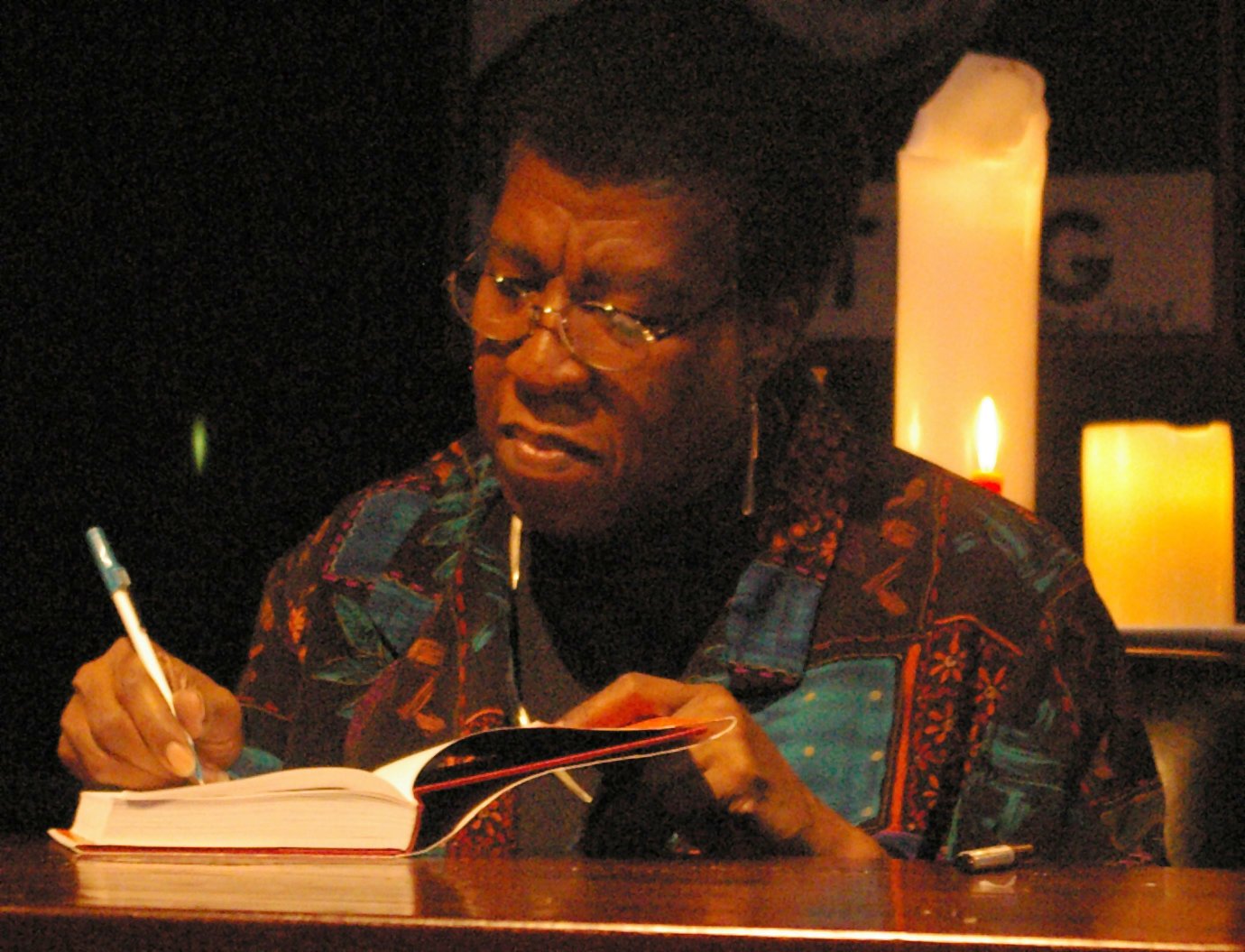
I am not a big re-reader of books, but at the start of the pandemic I picked-up a copy of Octavia Butler’s The Parable of the Sower. If you are not familiar with the novel, it was published in 1993, but was set in 2024-2025 California during an apocalyptic crisis. I had always assumed that it was a bestseller, but was surprised last week to find that it only made it onto the New York Times Bestseller List recently.

Butler (no relation) was the first science fiction writer to win a MacArthur “Genius” Fellowship — a particularly impressive feat, considering the hurdles that have traditionally stood in the way for both women, and Black people, in publishing. She died of a stroke at the age of 58 in 2006. Despite her critical acclaim, she never received enough commercial success in her life to achieve her life goal of making it onto coveted the New York Times’ Bestseller List.

Butler’s Parable of the Sower reached #14 on the paperback fiction list, for the week ending August 29, 2020. It’s a poignant moment for Butler’s legacy, but also ironic, given the story line of the novel itself. Parable of the Sower was set in a time when the United States is ravaged by climate change, cataclysmic drought,corporate -fascist government, violent racism, and societal breakdown.
I won’t reveal any spoilers, but if you haven’t read the book, it’s well worth your time. And if you haven’t read any of Octavia Butler’s extraordinary science fiction, you’ve been missing out on a terrific writer and story teller.


 Travel Between The Pages