No one should be writing poetry In times like these

HAZARD RESPONSE

Tom Clark

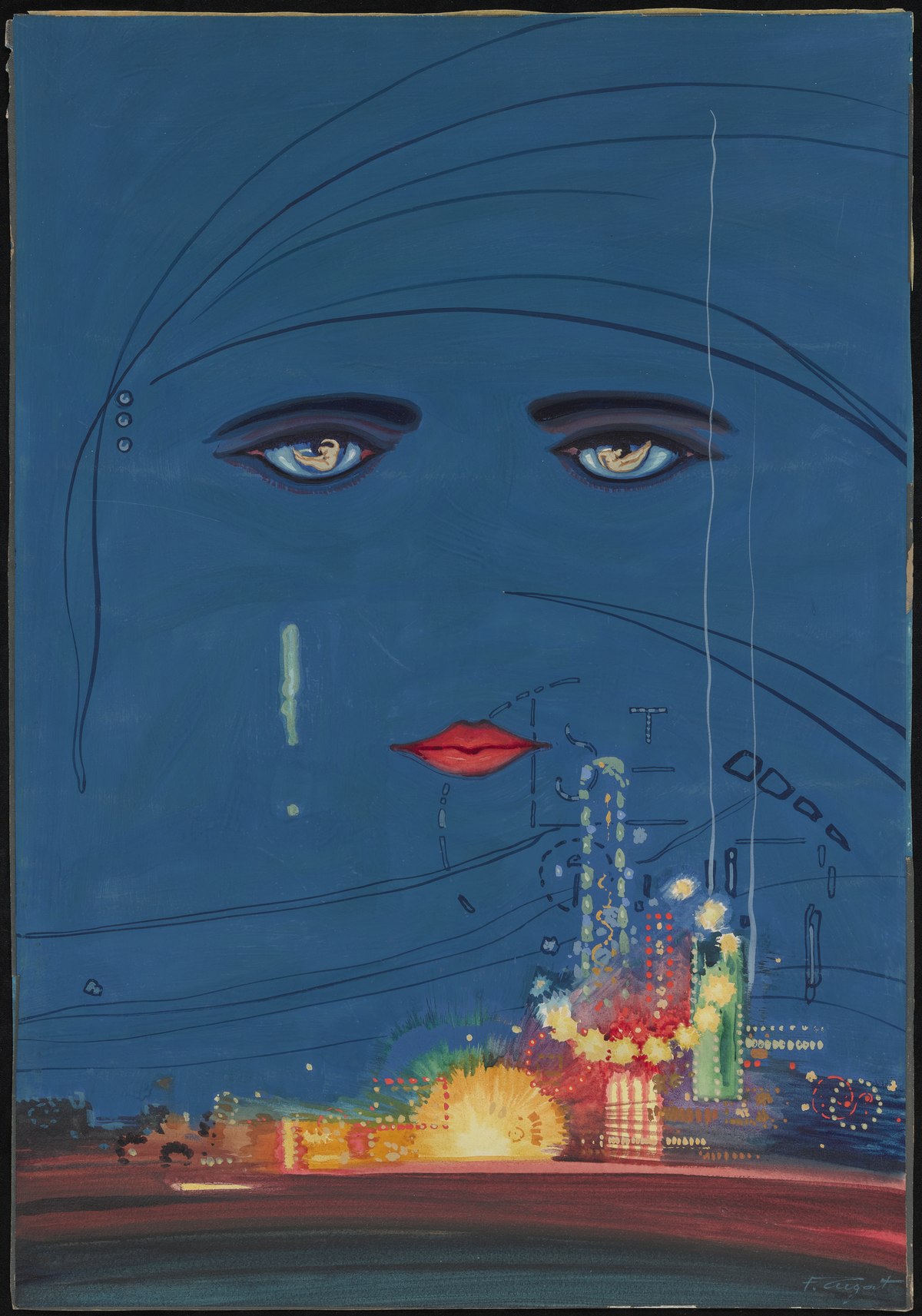
As in that grey exurban wasteland in Gatsby
When the white sky darkens over the city
Of ashes, far from the once happy valley,
This daze spreads across the blank faces
Of the inhabitants, suddenly deprived
Of the kingdom’s original promised gift.
Did I say kingdom when I meant place
Of worship? Original when I meant
Damaged in handling? Promised when
I meant stolen? Gift when I meant
Trick? Inhabitants when I meant slaves?
Slaves when I meant clowns
Who have wandered into test sites? Test
Sites when I meant contagious hospitals?
Contagious hospitals when I meant clouds
Of laughing gas? Laughing gas
When I meant tears? No, it’s true,
No one should be writing poetry
In times like these, Dear Reader,
I don’t have to tell you of all people why.
It’s as apparent as an attempted
Punch in the eye that actually
Catches only empty air—which is
The inside of your head, where
The green ritual sanction
Of the poem has been cancelled.


Posted in Uncategorized | Tagged , | Leave a comment

What makes a book a book

What makes a book a book? Is it just anything that stores and communicates information? Or does it have to do with paper, binding, font, ink, its weight in your hands, the smell of the pages? To answer these questions, Julie Dreyfuss goes back to the start of the book as we know it to show how these elements came together to make something more than the sum of their parts.

I highly recommend this video history lesson from TED Ed: The evolution of the book.


Posted in Uncategorized | Tagged , , , | 1 Comment

Inspired by Miyazaki

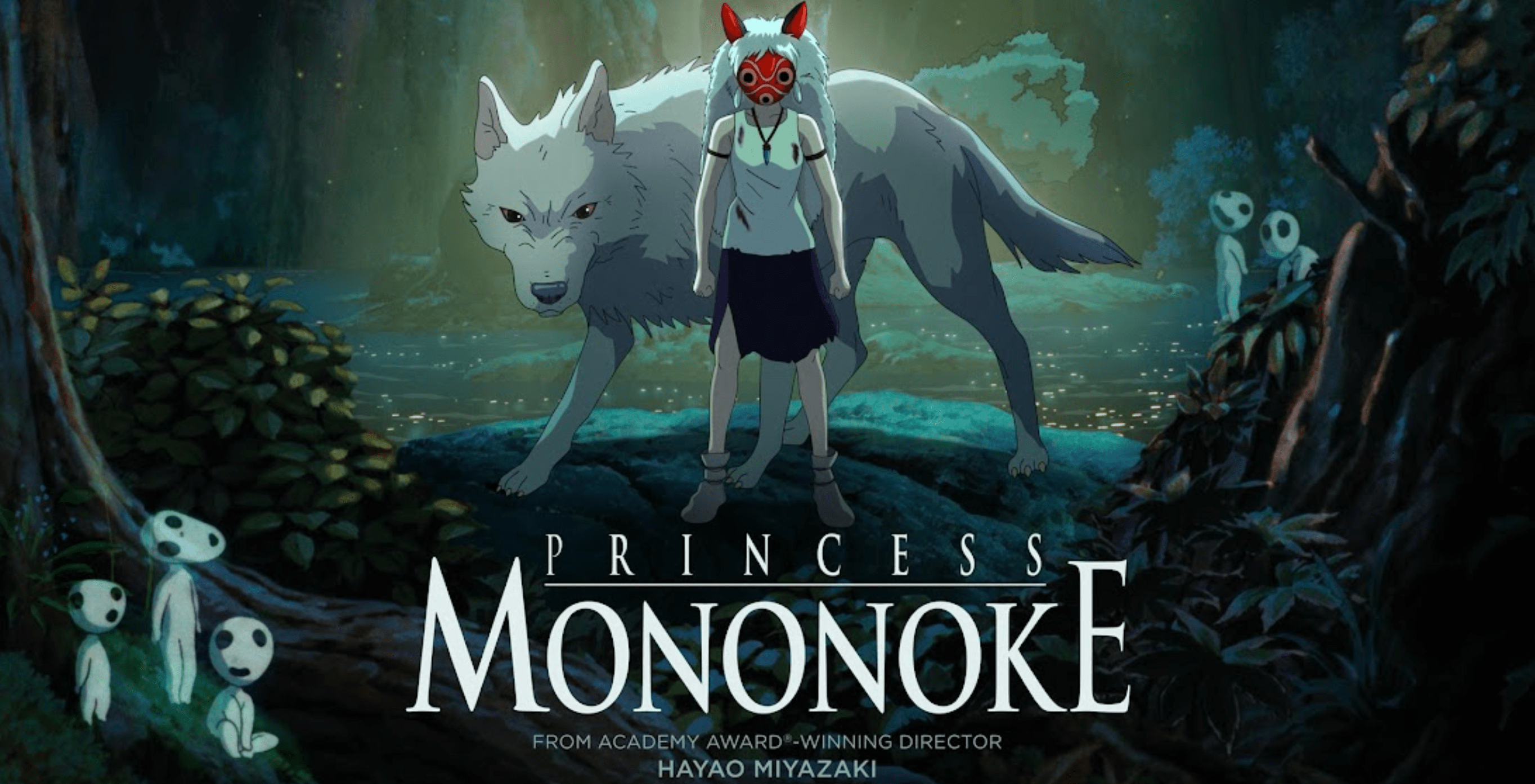
In case you were wondering, yes I’m still captivated by all things Japan. The marvelously atmospheric video below was inspired by Hayao Miyazaki’s beloved film Princess Mononoke. Last year, director Steve Atkins took a hike through Yakushima’s forest, which is known to be inhabited by spirits. That walk resulted in this remarkable film of a moss-covered wooded landscape with ancient cedars in abundance.  The haunting soundtrack is  Rob Martland .

Note: If the video doesn’t open in your browser, click HERE .


Posted in Uncategorized | Tagged , , , | Leave a comment

More words for booklovers

A big tip of the hat to TBTP subscriber Joe Coffee (not their real name) who sent this list of book and reading related terms to follow-up the recent post titled “Destroyer of Books”. My fav comes from the late, great Douglas Adams.

ABIBLIOPHOBIA: The the fear of running out of things to read.
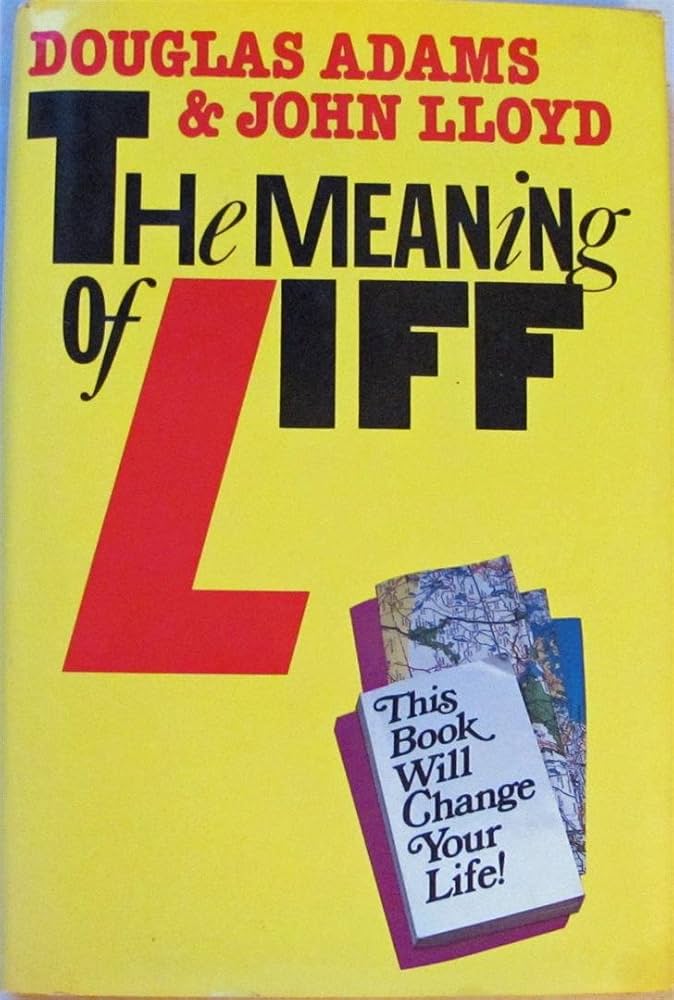
BALLYCUMBER: Coined by writer Douglas Adams, “One of the six half-read books lying somewhere in your bed.”
BIBLIOBIBULI: “The sort of people who read too much,” created in 1957 by H. L. Mencken.
BIBLIOGNOST: One who has comprehensive knowledge of books.
BIBLIOKLEPT: One who steals books.
BIBLIOLATER: One overly devoted to books.
BIBLIOPHAGIST: An avid or voracious reader.
BIBLIOPOLE: A dealer especially in rare or curious books
BIBLIOSMIA: An unofficial term for the aroma of a book.
BIBLIOTHERAPY: The practice of using books to aid people in solving the issues they are facing.
BOOKARAZZI: Slang for someone who takes photos of their books and posts them online.
BOOK-BOSOMED: Attributed to Sir Walter Scott, meaning someone who carries a book all the time.
BOOK SHELFIE (and library shelfie): A self-portrait with books that is shared on social media.
EPEOLATRY: The worship of words.
HAMARTIA: Aristotle introduced the word in Poetics to describe the error of judgment which brings about a tragic hero’s downfall.
LIBROCUBICULARIST: A person who reads books in bed.
LOGOMACHIST: One given to disputes over or about words; one given to logomachy.
LOGOPHILE: If you’re a logophile, you already know this means a lover of words.
OMNILEGENT: Reading or having read everything, characterized by encyclopedic reading
PANAGRAM: A short sentence that contains all 26 letters of the English language, as in: The quick brown fox jumps over the lazy dog.
SCRIPTURIENT: Having a strong urge to write.
TSUNDOKU: And our favorite, a Japanese word describes piling up books to save for later … even if you’ll never actually read them.

Posted in Books | Tagged , , , | Leave a comment

There is only one way to read

There is only one way to read, which is to browse in libraries and bookshops, picking up books that attract you, reading only those, dropping them when they bore you, skipping the parts that drag — and never, never reading anything because you feel you ought, or because it is part of a trend or a movement. Remember that the book which bores you when you are twenty or thirty will open doors for you when you are forty or fifty — and vice versa. Don’t read a book out of its right time for you.


Posted in Uncategorized | Tagged , , | Leave a comment

Or so the story goes.

When the light goes out, and the book is set down
by the bedside, it all comes flooding in:
the story you are reading; the story of the day;
the understanding that it is a story, the day now past,
those ahead, the clock-hand sweep of time;
that you are the hero of your own story;
that it will end in death but along the way come
triumphs, misadventures, nuptials, tears;
that the story contains several plots and connects
to countless others; that you will never read
all the books collected on your shelves
but as long as you breathe the hero lives,
pages will be turned; that stories keep us alive;
that stories end—the tale of the drunken shoemaker,
the tale of humankind—all stories,
however beautiful, ingenious or corrupt;
that fables are forgotten, myths corrode, gods
vanish with the languages that named them;
that darkness swallows the world, as in legend,
but night in turn is vanquished by dawn;
that even the sun, whose radiance authored
life’s unpaginated complexity, will someday
dwindle to extinction. Or so the story goes.

Campbell McGrath

Posted in Uncategorized | Tagged , , | Leave a comment

East of the Sun and West of the Moon

“You have traveled far, but the hardest part of a journey is always the next step.”
― Jackie Morris

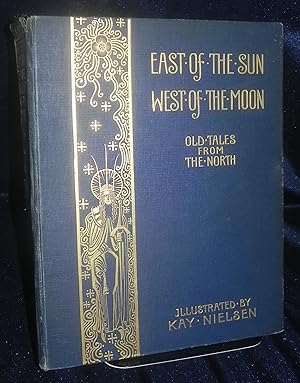
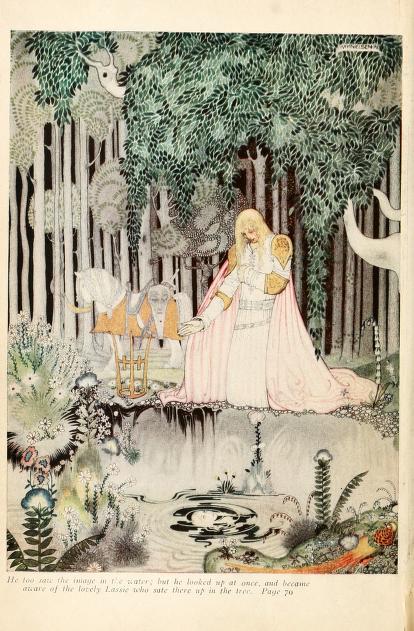
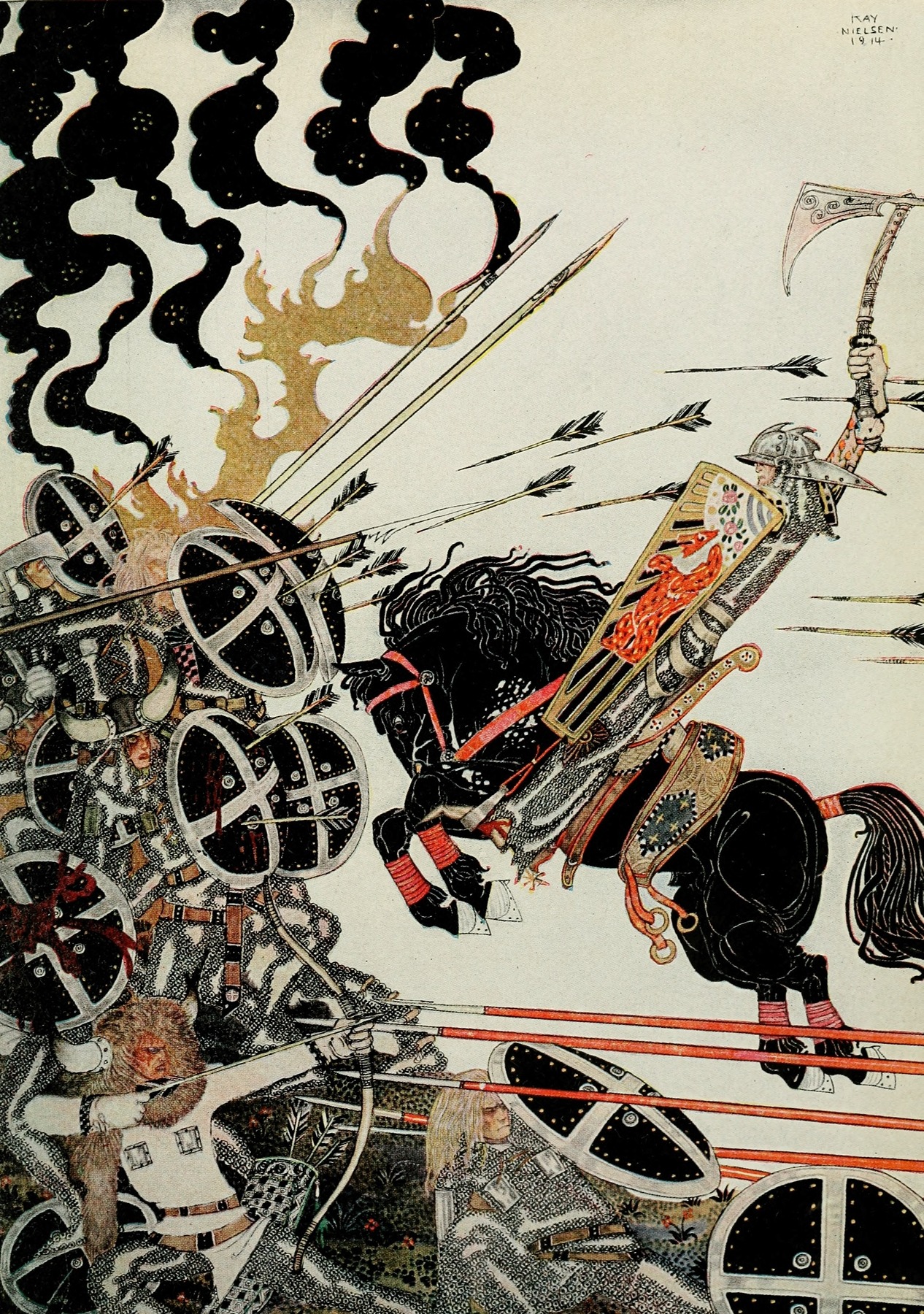
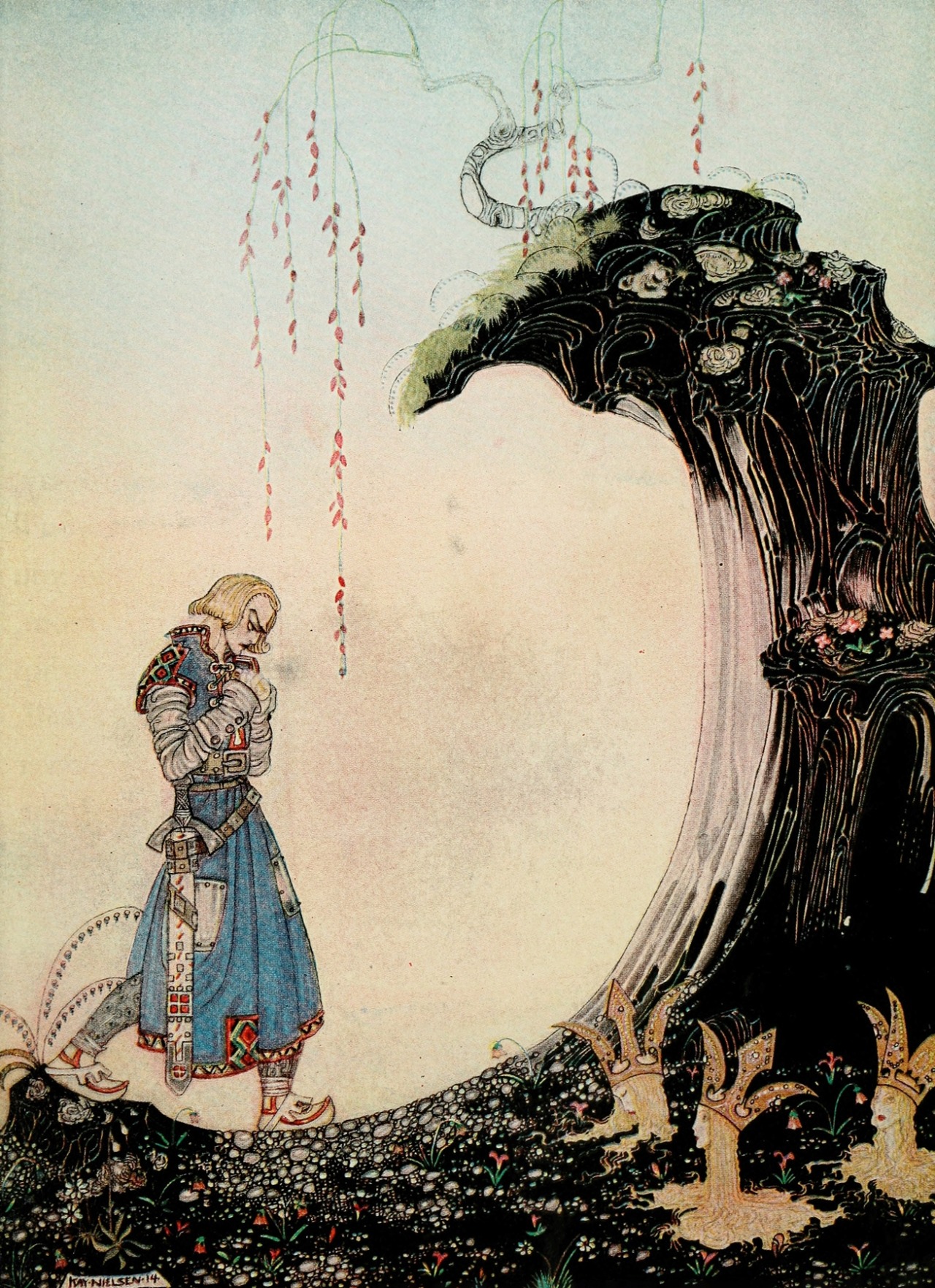
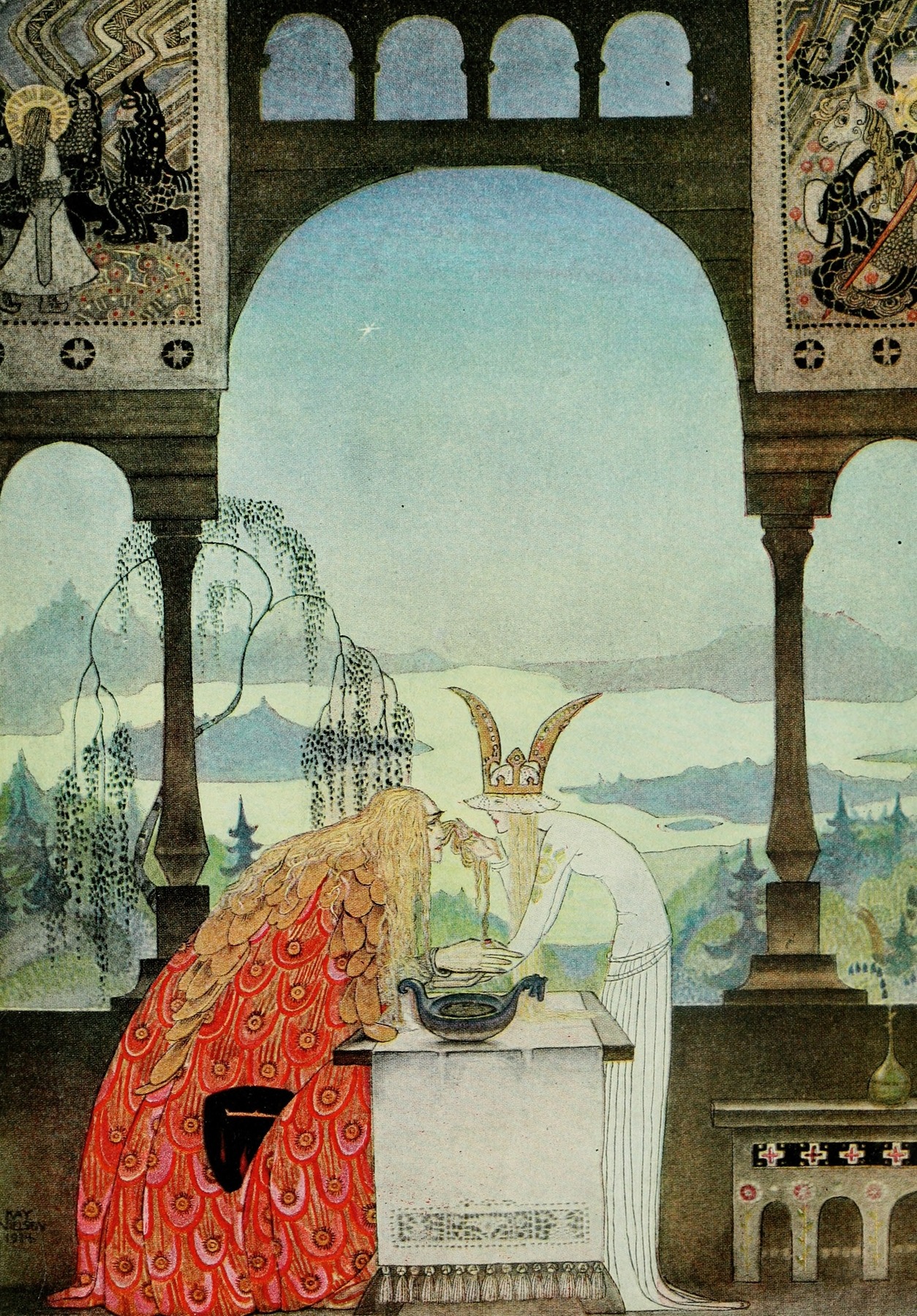
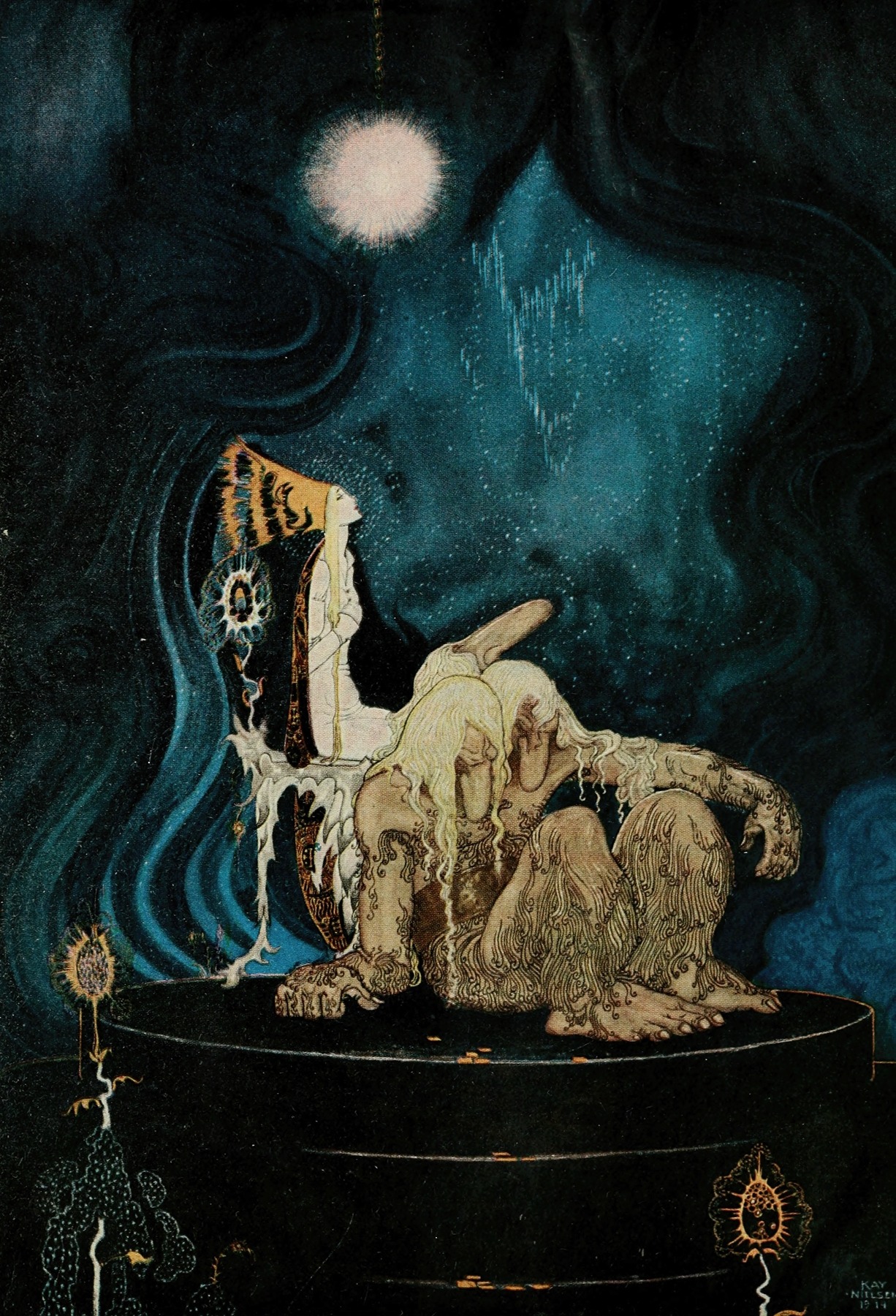
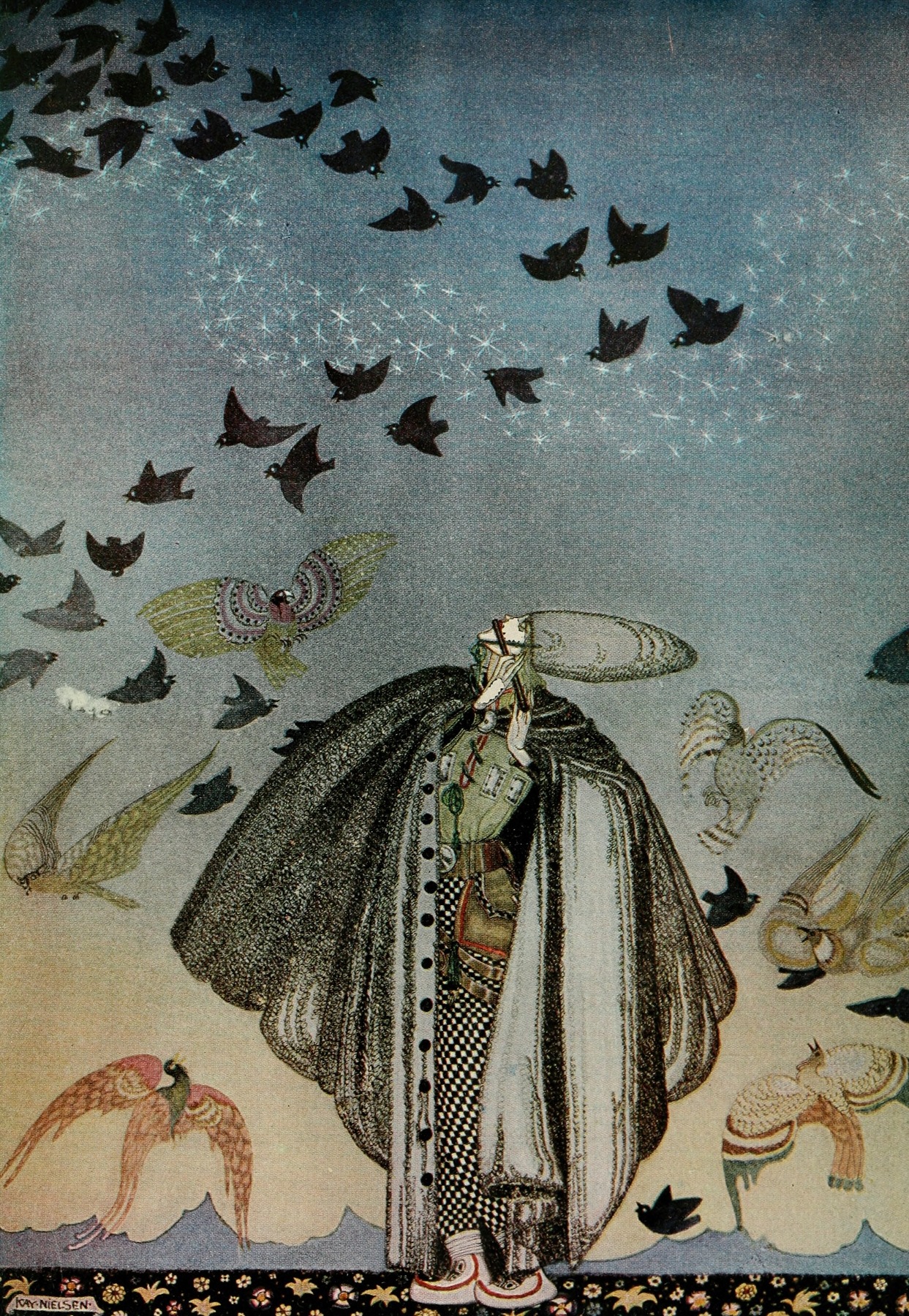
I grew up reading battered old copies of the fabulous early twentieth century collections of children’s stories, some of my flea market finds were even bound in gold-toothed vellum and had beautiful embossed covers. Many leading artists of the day including Arthur Rackham and Edmund Dulac were commissioned to illustrate them. One of the finest creations to emerge from this golden age of illustration was an edition of East of the Sun and West of the Moon which boasted twenty-five color plates and many more monochrome images by Kay Nielsen, a young Danish artist who had studied in Paris before moving to England in 1911. The volume consists of fifteen fairy tales gathered by the Norwegian folklorists Peter Christen Asbjørnsen and Jørgen Engebretsen Moe on their journeys across mid nineteenth-century Norway. Translated into English by George Webbe Dasent (1817–1896), the stories — populated by witches, trolls, ogres, sly foxes, mysterious bears, beautiful princesses and shy country lads turned heroes — were praised by Jacob Grimm himself for having a freshness and a fullness that “surpasses nearly all others”.


Posted in Uncategorized | Tagged , , , | Leave a comment

How it’s done

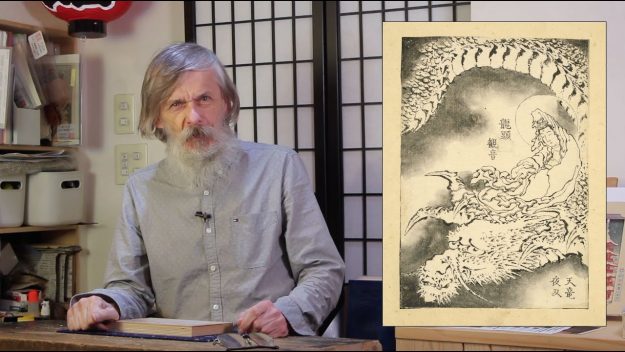
The 90-minute video below demonstrates the making of a batch of woodblock prints “from blank paper to finished print” from the printer’s POV. It is a fascinating look at the complex process. In the video below, Tokyo-based printmaker Dave Bull shows the entire process of making a batch of woodblock prints from blank paper to finished print – in PPOV style (Printer’s Point Of View) – with each of the impressions happening in an uncut, unedited, uninterrupted flow, of ten sheets per color. The viewers can get a very good feeling for the rhythm of the process, and can see just how the pigment/paste balance is controlled along the way.

Bull is a Canadian-born artist who heads the Mokuhankan studio in Asakusa, Tokyo, and is known for his traditional Japanese woodblock printing techniques, as well as collaborations like Ukiyo-e Heroes with illustrator Jed Henry. He produces prints through his publishing venture, Mokuhankan, and shares the process through platforms like his YouTube channel .”

NB: If the video fails to open in your browser, please click here

Posted in Uncategorized | Tagged , , | 1 Comment

why fiction fascinates us so

Our perceptual relationship with the world works because we trust prior stories. We could not fully perceive a tree if we did not know (because others have told us) that it is the product of a long growth process and that it does not grow overnight. This certainty is part of our “understanding” that a tree is a tree, and not a flower. We accept a story that our ancestors have handed down to us as being true, even though today we call these ancestors scientists.

No one lives in the immediate present; we link things and events thanks to the adhesive function of memory, both personal and collective (history and myth). We rely upon a previous tale when, in saying “I,” we do not question that we are the natural continuation of an individual who (according to our parents or the registry office) was born at that precise time, on that precise day, in that precise year, and in that precise place. Living with two memories (our individual memory, which enables us to relate what we did yesterday, and the collective memory, which tells us when and where our mother was born), we often tend to confuse them, as if we had witnessed the birth of our mother (and also Julius Caesar’s) in the same way we “witnessed” the scenes of our own past experiences.

This tangle of individual and collective memory prolongs our life, by extending it back through time, and appears to us as a promise of immortality. When we partake of this collective memory (through the tales of our elders or through books), we are like Borges gazing at the magical Aleph—the point that contains the entire universe: in the course of our lifetime we can, in a way, shiver along with Napoleon as a sudden gust of cold wind sweeps over Saint Helena, rejoice with Henry V over the victory at Agincourt, and suffer with Caesar as a result of Brutus’ betrayal.

And so it is easy to understand why fiction fascinates us so. It offers us the opportunity to employ limitlessly our faculties for perceiving the world and reconstructing the past. Fiction has the same function that games have. In playing, children learn to live, because they simulate situations in which they may find themselves as adults. And it is through fiction that we adults train our ability to structure our past and present experience.
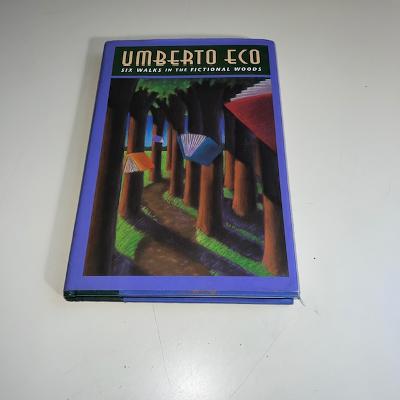
From Umberto Eco’s lecture “Fictional Protocols,” part of Six Walks in the Fictional Woods.


Posted in Uncategorized | Tagged , , | Leave a comment

A destroyer of books

In The Book Hunter (1863), John Hill Burton identifies five types of “persons who meddle with books”:

  • “A bibliognoste, from the Greek, is one knowing in title-pages and colophons, and in editions; the place and year when printed; the presses whence issued; and all the minutiae of a book.”
  • “A bibliographe is a describer of books and other literary arrangements.”
  • “A bibliomane is an indiscriminate accumulator, who blunders faster than he buys, cock-brained and purse-heavy.”
  • “A bibliophile, the lover of books, is the only one in the class who appears to read them for his own pleasure.”
  • “A bibliotaphe buries his books, by keeping them under lock, or framing them in glass cases.”

These groups seem to have been proposed by French librarian Jean Joseph Rive. Bibliographer Gabriel Peignot added four more:

  • bibliolyte, a destroyer of books
  • bibliologue, one who discourses about books
  • bibliotacte, a classifier of books
  • bibliopée, “‘l’art d’écrire ou de composer des livres,’ or, as the unlearned would say, the function of an author.”
Posted in Uncategorized | Tagged , , , , | 1 Comment