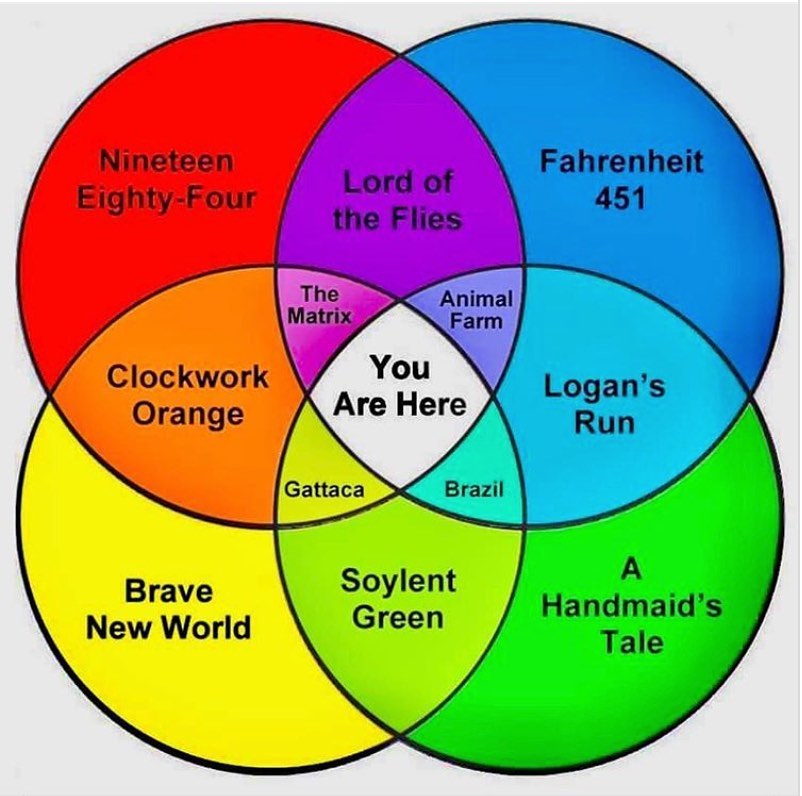
How Books Have Helped

Washington D.C. is blessed with an abundance of excellent bookstores. One of my favorites has long been the wonderful Second Story Books in the Dupont Circle neighborhood. Now they have partnered with the Center for the Book at the Library of Congress on a project to create a crowdsourced online archive on how books have helped people cope during these plague times. You can check it out and participate by visiting the Second Story Books website.


Posted in Books, Bookstore Tourism, History, Libraries, USA, Writing | Tagged , , , , | Leave a comment

A Declaration of Independence

Back in 1971 the computer was barely understood by the average person and the concept of an ebook didn’t yet exist, but when Michael Stern Hart, a technologist and futurist, was given access to the Xerox Sigma V mainframe at the University of Illinois that changed forever. Hart was inspired by a free printed copy of the Declaration of Independence he had recently picked-up and decided to type the text into the computer.

In an interview in 2002 he explained:

We were just coming up on the American Bicentennial and they put faux parchment historical documents in with the groceries. So, as I fumbled through my backpack for something to eat, I found the US Declaration of Independence and had a lightbulb moment.

Hart completed the groundbreaking project on July 4, 1971, and made the file available to other users of the computer network, with an annotation that it was free to use and distribute. This was the unintended beginning of the beloved  Project Gutenberg, the first project to make books freely available in digital format.

For the next two decades, Hart created nearly all of the Project Gutenberg ebooks himself. By 1993 there were just 100 books in the Project Gutenberg. Today the catalog offers over 50,000 titles, all input by volunteers and free to use. The first ebook in the world –  The Declaration of Independence – Project Gutenberg’s ebook #1,  is still available for download right now: http://www.gutenberg.org/ebooks/1.

Posted in Books, ebooks, History, Tech, USA | Tagged , | Leave a comment

Memorable Opening Lines

F Scott Fitzgerald’s ‘The Great Gatsby’ First Edition, published in 1925

In my younger and more vulnerable years my father gave me some advice that I’ve been turning over in my mind ever since.
— F. Scott Fitzgerald, The Great Gatsby (1925)

I lost an arm on my last trip home.
— Octavia Butler, Kindred (1979)

Once a guy stood all day shaking bugs from his hair.
— Philip K. Dick, A Scanner Darkly (1977)

Ships at a distance have every man’s wish on board.
— Zora Neale Hurston, Their Eyes Were Watching God (1937)

I’ll make my report as if I told a story, for I was taught as a child on my homeworld that Truth is a matter of the imagination.
— Ursula K. Le Guin, The Left Hand of Darkness (1969)

Lolita, light of my life, fire of my loins.
— Vladimir Nabokov, Lolita (1955)

It was a queer, sultry summer, the summer they electrocuted the Rosenbergs, and I didn’t know what I was doing in New York.
— Sylvia Plath, The Bell Jar (1963)

If you really want to hear about it, the first thing you’ll probably want to know is where I was born, and what my lousy childhood was like, and how my parents were occupied and all before they had me, and all that David Copperfield kind of crap, but I don’t feel like going into it, if you want to know the truth.
— J. D. Salinger, The Catcher in the Rye (1951)

You don’t know about me without you have read a book by the name of “The Adventures of Tom Sawyer”; but that ain’t no matter.
— Mark Twain, Adventures of Huckleberry Finn (1885)

Many years later, as he faced the firing squad, Colonel Aureliano Buendía was to remember that distant afternoon when his father took him to discover ice.

Gabriel García Márquez. One Hundred Years of Solitude


Posted in Books, Writing | Tagged , , , , | Leave a comment

Lost But Not Forgotten

Amelia Mary Earhart disappeared  83 years ago on July 2, 1937. She was an American aviator, author, and the second person–after Charles Lindbergh–and the first female pilot to fly solo across the Atlantic Ocean.  Earhart was also a best-selling author. She wrote about her flying experiences (such as, 20 hrs. 40 min. : our flight in the Friendship), and started an international group of female pilots, the Ninety-Nines,  becoming a feminist icon.

Earhart and her crew member Fred Noonan famously disappeared during an attempted round-the-world flight in 1937.


Posted in Air Travel, Books | Tagged , , | Leave a comment

I ❤ NY

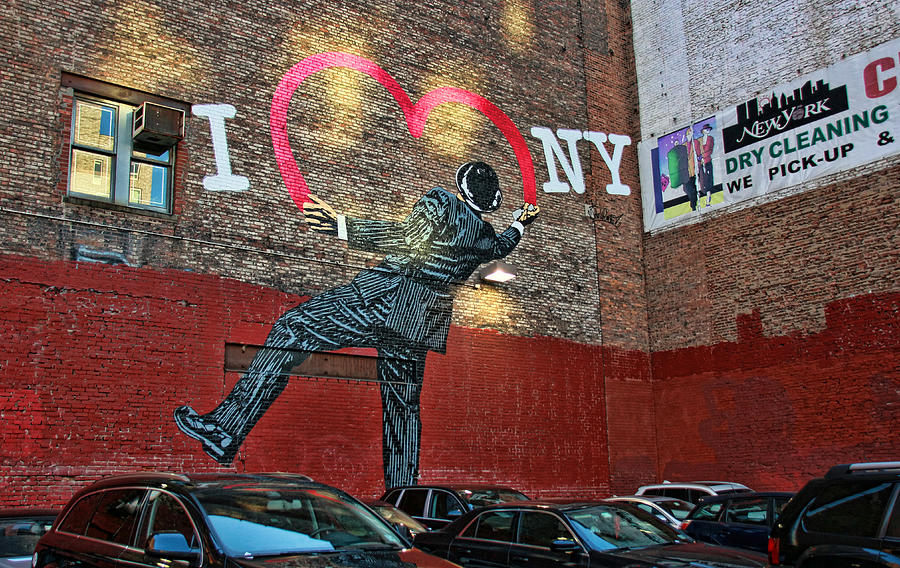
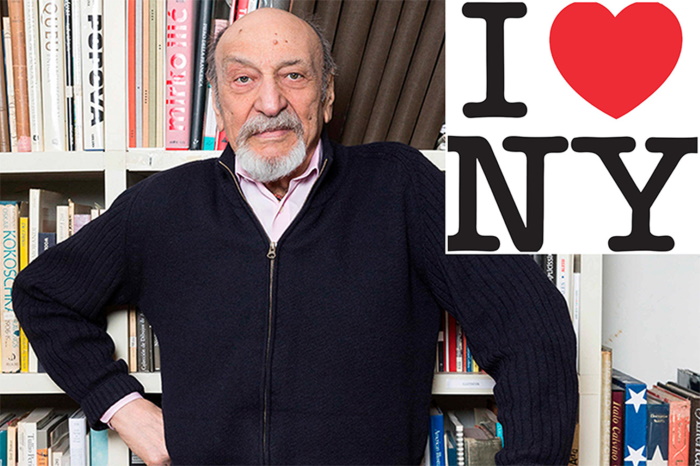
You may not have known his name, but there is no doubt you’ve seen his work. Milton Glaser, one of the world’s most influential and pioneering graphic designers, died on June 26th, which was also his 91st birthday. The design icon’s Push Pin Studios changed the world of American graphic design and illustration, blazing a path for the industry of today. Glaser also created  one of the world’s most recognizable—and copied—advertising campaigns in I ❤ NY . I don’t think that I’ve visited a city that doesn’t offer tourist memorabilia adorned with their own versions of the I Heart logo.
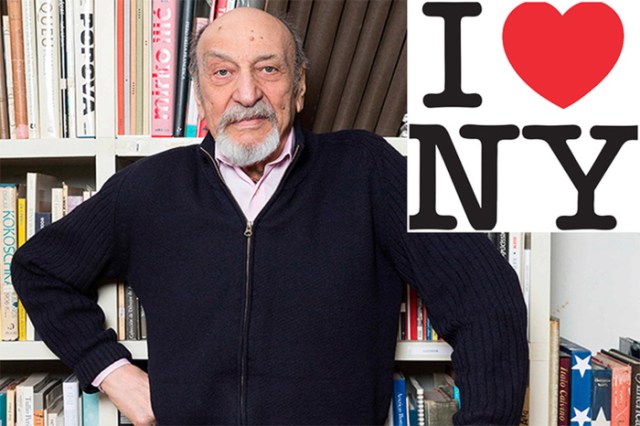
Glaser was born in 1929 in New York City to Hungarian immigrants parents. He studied at the Cooper Union in 1951, then as a Fulbright scholar, the designer studied with the painter Giorgio Morandi in Bologna from 1952-53. In 1954, together with fellow Cooper Union graduates Seymour Chwast, Reynold Ruffins and Edward Sorel, Glaser co-founded Push Pin Studios, a pioneering New York-based graphic design and illustration studio.

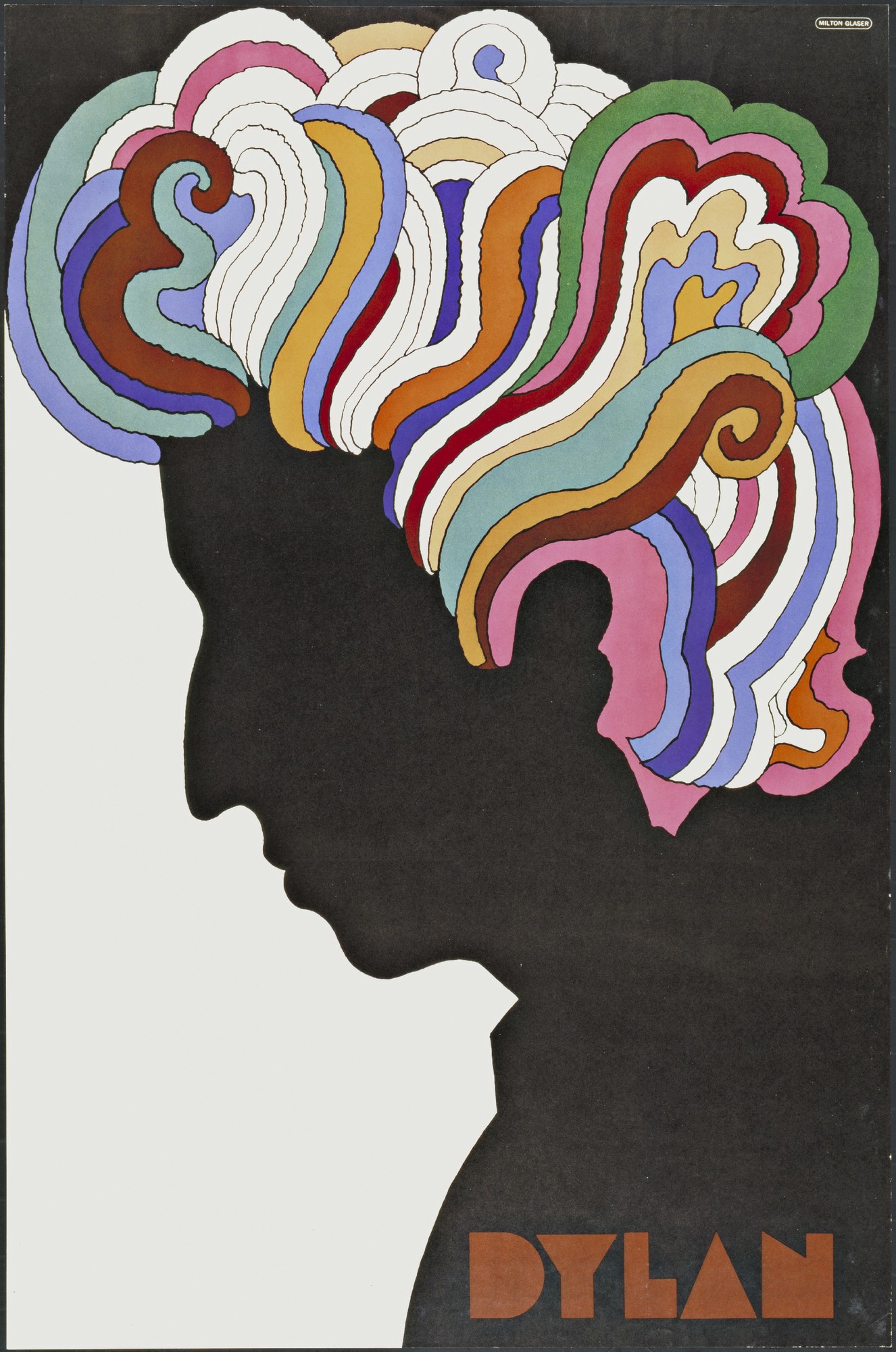
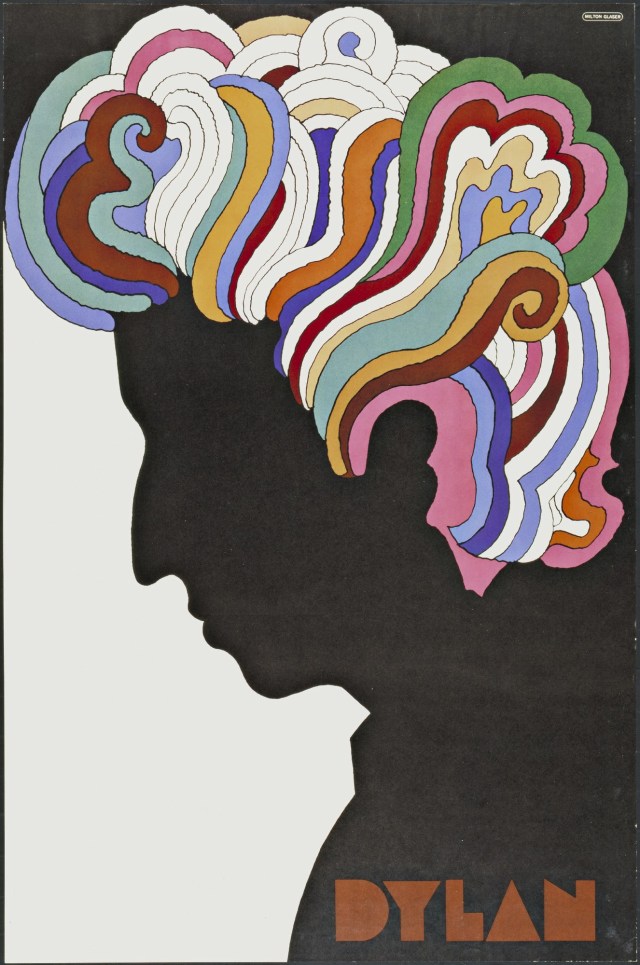
The studio created pioneering work in the world of commercial graphic design and paved the way for the industry to transform into what it is today. One of Glaser’s most recognizable works from this era was the poster for Bob Dylan’s Greatest Hits, showing Dylan in silhouette with psychedelic hair. So influential was the studio that the Louvre staged a retrospective of its work in 1970, marking the museum’s first graphic design show.
Glaser  also co-founded New York Magazine in 1968 with Clay Felker, Glaser served as design director and columnist from its first issue in April 1968 until 1977. In the magazine’s 50th birthday article, Glaser described of its beginnings: “I must say how innocent we all were about what a magazine should be. But in some cases that kind of innocence is a benefit. You don’t know what to do, so you invent something.”

In 1974, after two decades running Push Pin, Glaser left to launch Milton Glaser Inc., which remains a leader in the graphic design industry today. But one of the studio’s  earliest works for New York state became a design icon: the I ❤ NY logo. This visual symbol has become forever meshed with the city’s image. It’s easily the most internationally successful travel and tourism campaign, and regularly described as “the most frequently imitated logo design in human history.”  Surprisingly, it was hatched on scrap paper in the back of a NY taxi.

In 2018, Andre Andreev directed a documentary about Glaser, the I ❤ NY campaign, and the designer’s love for the city, which you can watch here.


Posted in Art, Museums, Tourism, Travel Writing, Uncategorized, USA | Tagged , , , , | 1 Comment

Simple Steps To Safely Purchase A Book


Posted in Art, Books | Tagged , , | Leave a comment

The rockets came like locusts.

Like many antiquarian book collectors, I tend to focus on old first editions and elaborately bound illustrated books. Doing so can result in overlooking wonderfully illustrated paperbacks and re-issues such as this terrific 1979 edition of Ray Bradbury’s science fiction classic The Martian Chronicles. Ian Miller’s marvelously creepy original illustrations somehow manage to evoke early Gothic horror, comic books, and Expressionist art simultaneously. If you run across a copy, scoop it up.


Posted in Art, Books, USA, Writing | Tagged , , , | Leave a comment

The rescue will begin in its own time

I was really impressed by this illustration for the June 29 issue of The New Yorker magazine by Matt Willey. It accompanies ‘The Rescue Will Begin in Its Own Time‘, a series of short pieces by Franz Kafka that have not been published in English before, and that will appear this fall in the New Directions book The Lost Writings.

Posted in Art, Books, Writing | Tagged , , , | Leave a comment

Italian Old Style

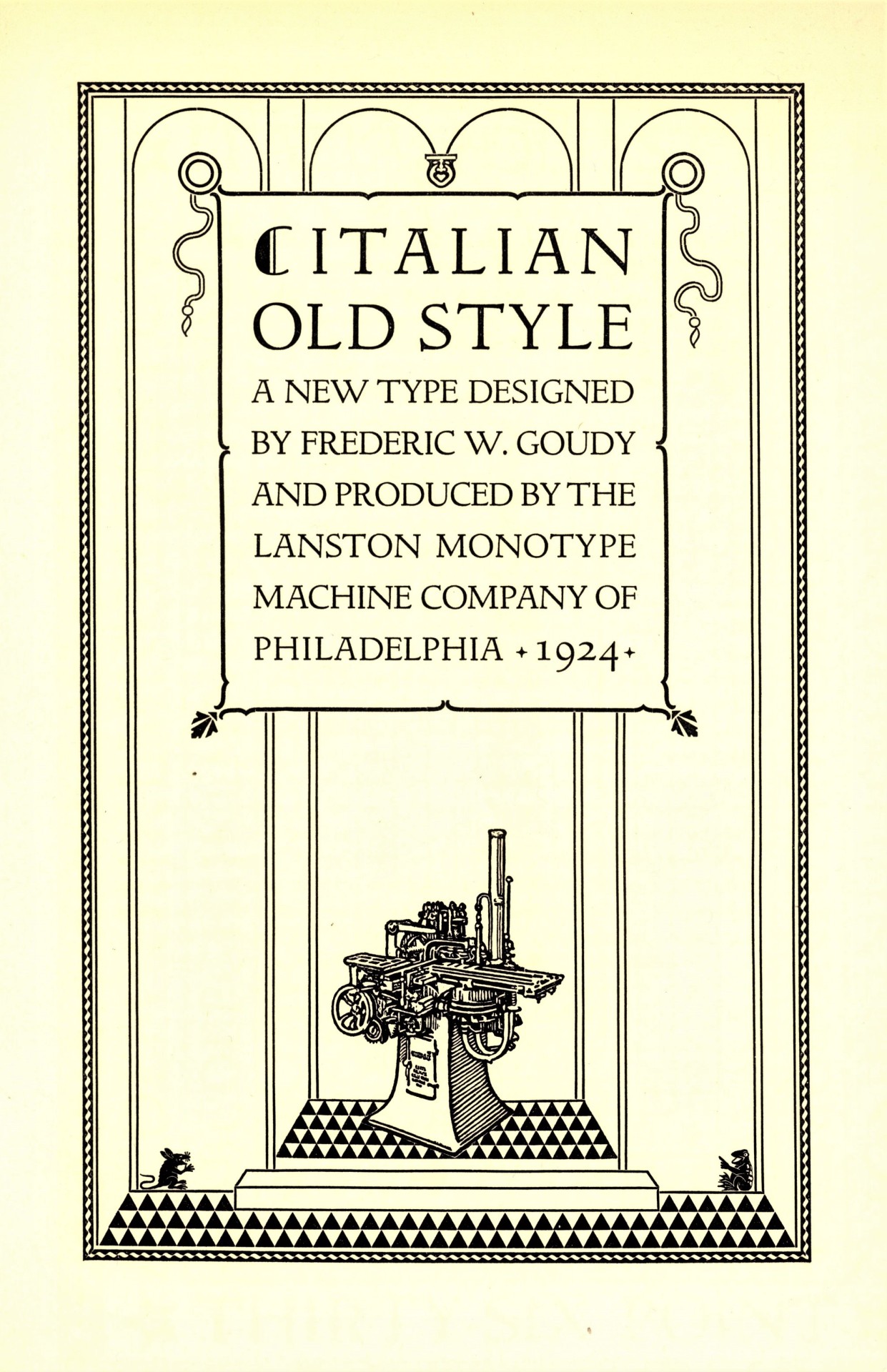
Frederic Goudy’s Italian Old Style typeface as published in the Lanston Monotype Machine Company’s Italian Old Style, A New Type by Frederic W. Goudy, designed by the eminent American typographer and type and book designer Bruce Rogers and printed in Mount Vernon, N.Y., in a second edition of 11,000 copies by William Edwin Rudge in 1924.

Italian Old Style was designed by Goudy for Lanston Monotype of Philadelphia in 1924, and is based on early Venetian types of the latter part of the fifteenth century. In the printer’s note, Bruce Rogers observes that the new typeface “reminds me most strongly and admirably of Ratdolt’s fine Roman.” To present the type, Rogers chose text from English bibliographer Thomas Frognall Dibdin’s 1817 dialogue, The Bibliographical Decameron, stating that:

The conversation … was chosen partly for its own pleasant quality and partly because of its appropriateness to the purpose of this pamphlet… . the charm of [Dibdin’s] style is as engaging as ever and his taste in printing as unimpeachable; and this brief account of seven early Venetian printers, with its islands of text and oceans of commentary, supplies just the right material for displaying Mr. Goudy’s Italian Old Style under various requirements of composition.

For the type specimen displays, Rogers selects the traditional phrase “A quick brown fox jumps over the lazy dog” to present the Roman fonts, but for the italics he used the amusing variations on the phrase “Pack my box with five dozen liquor jugs before five dozen FOXY JUDGES CRACK VALUABLE PEACH WINE & QUIZ ME.”


Posted in Books, History, USA | Tagged , | Leave a comment

Where We Are Now


Posted in Art, Books, Film | Tagged , , , , | Leave a comment