
Swedish artist Daniel Björk is behind these horrifically funny visions of classic horror films reimagined as Disney’s Wonderful World of Reading vintage children’s books. Enjoy before the lawyers make them disappear.


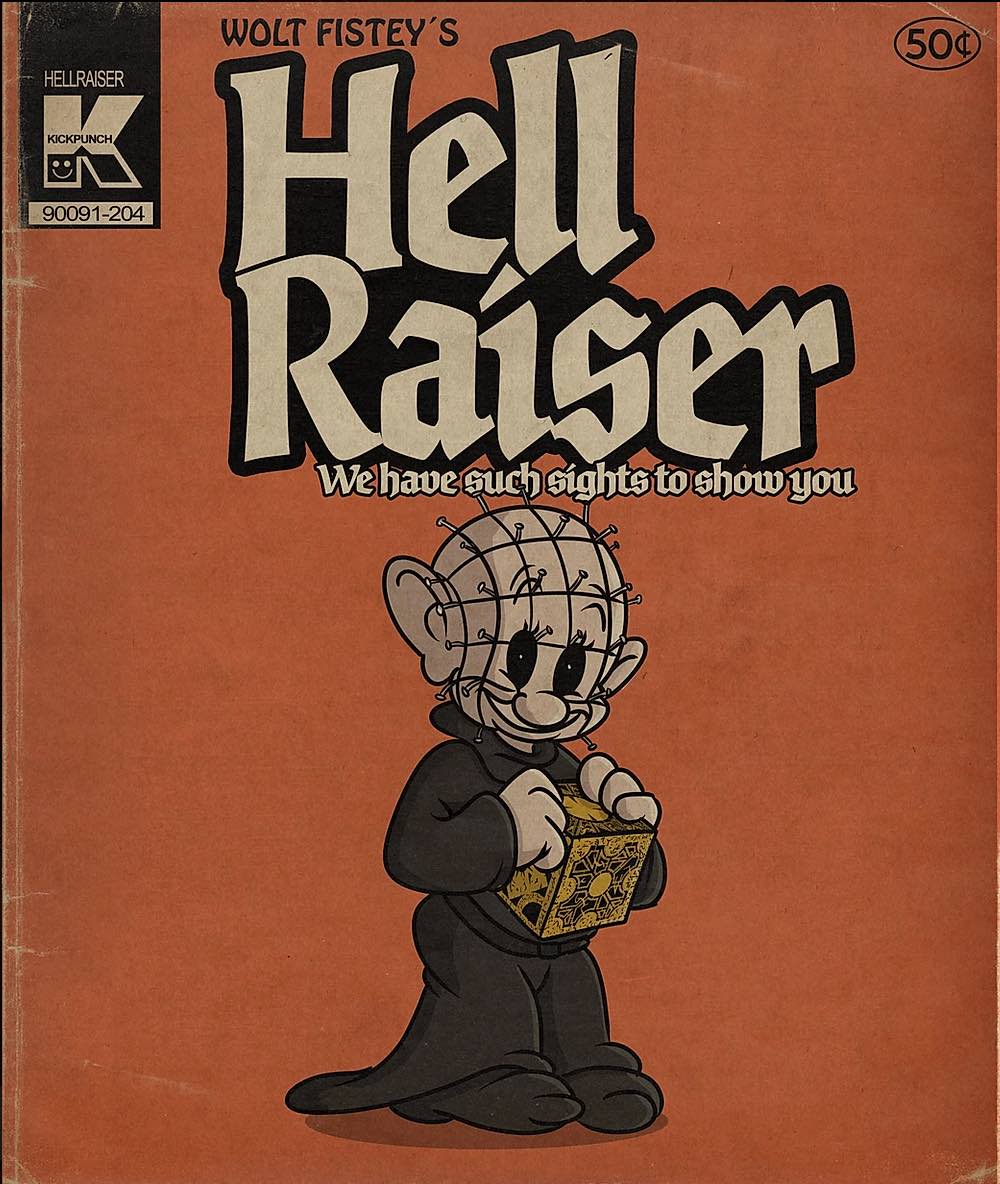

Swedish artist Daniel Björk is behind these horrifically funny visions of classic horror films reimagined as Disney’s Wonderful World of Reading vintage children’s books. Enjoy before the lawyers make them disappear.

In April
Rainer Maria Rilke
Again the woods are odorous, the lark
Lifts on upsoaring wings the heaven gray
That hung above the tree-tops, veiled and dark,
Where branches bare disclosed the empty day.
After long rainy afternoons an hour
Comes with its shafts of golden light and flings
Them at the windows in a radiant shower,
And rain drops beat the panes like timorous wings.
Then all is still. The stones are crooned to sleep
By the soft sound of rain that slowly dies;
And cradled in the branches, hidden deep
In each bright bud, a slumbering silence lies.
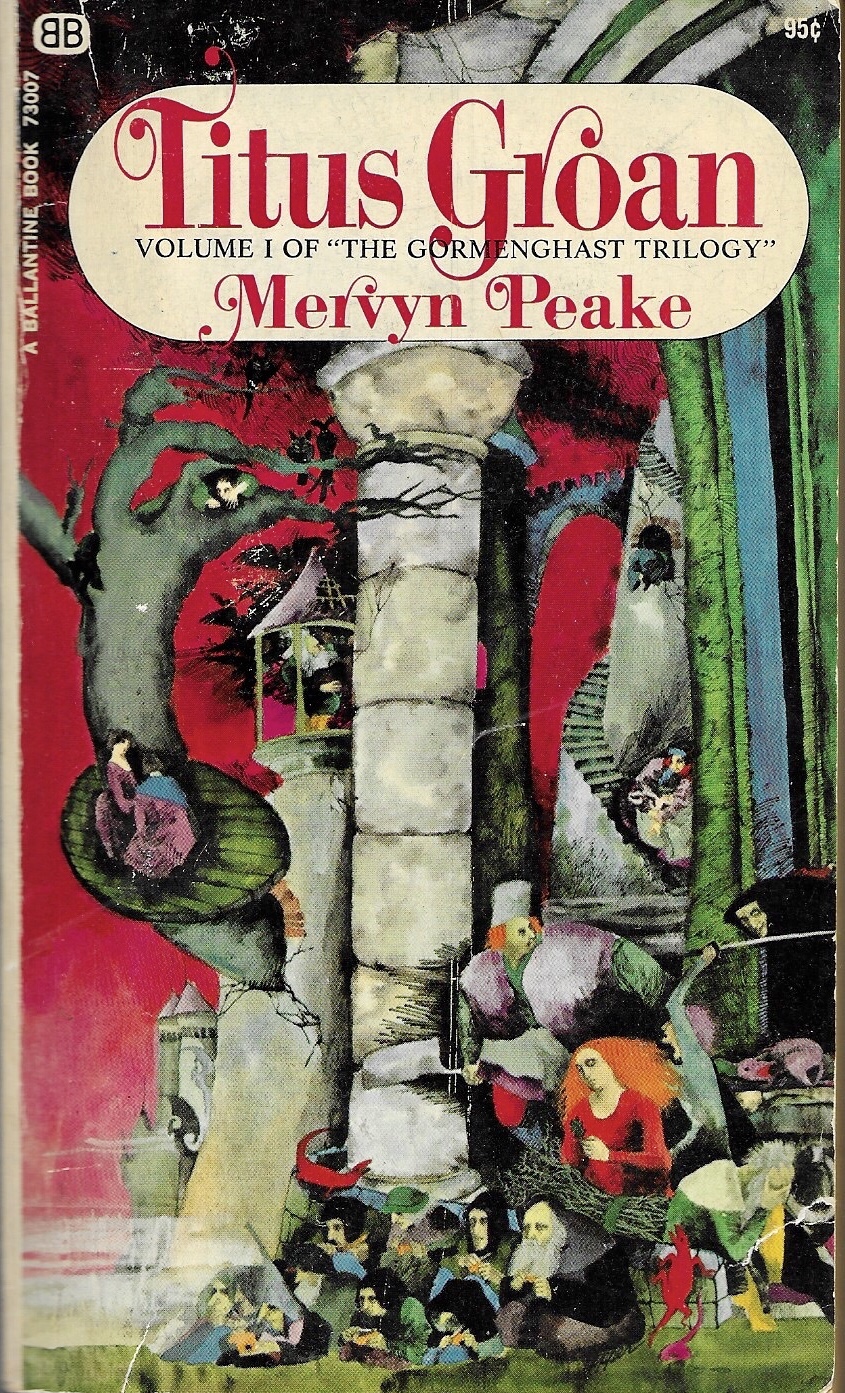
I generally avoid making many reading recommendations as people’s tastes and interests are so varied. However, in these strange days with some much time on our hands, many folks are clamoring for book suggestions. Fortuitously, I stumbled on an endorsement for a weird and wonderful trilogy that I first read decades ago at the insistence of my old friend Robb Huxley.
Mervyn Peake’s masterful Gormenghast books are a rollicking blend of Dickensian characters and George R.R. Martin plots. They are worth reading simply for Peake’s love of the English language. Packed with wit and intrigue, the trilogy will transport into a realm surreal, but coherent in its inventiveness.
The first book, Titus Groan is a bizarre but fun romp inspirited by the Machiavellian villain Steerpike, It can be read as a philosophical critique of the hierarchy and ritual, or read just for the sheer love of language.
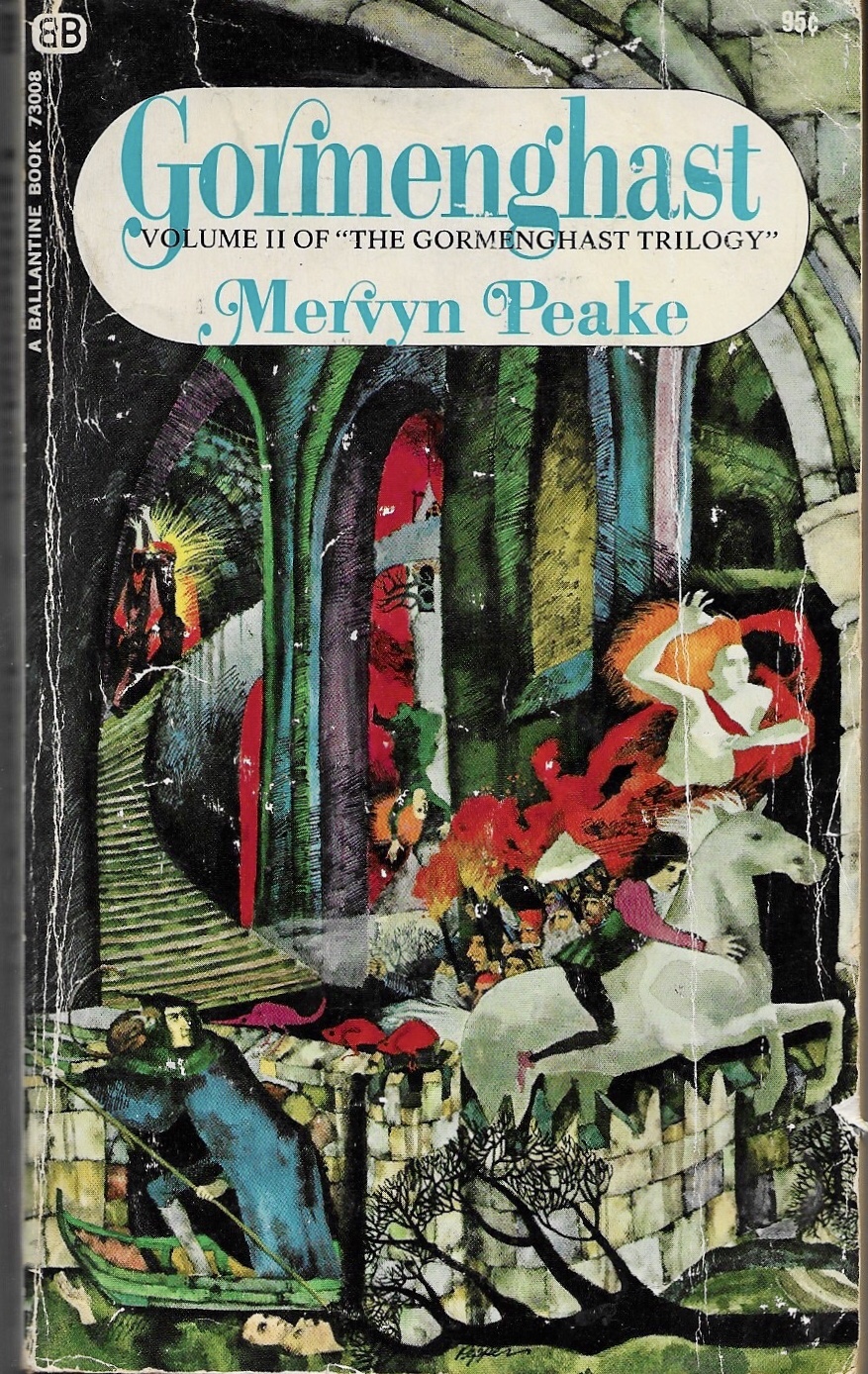
In book two, Gormenghast, we get to really know poor Titus, who is just a babe in the first installment and join him in his struggles with Steerpike and the system. The volume is a surprising blend of fantasy, psychological drama, and surrealism.
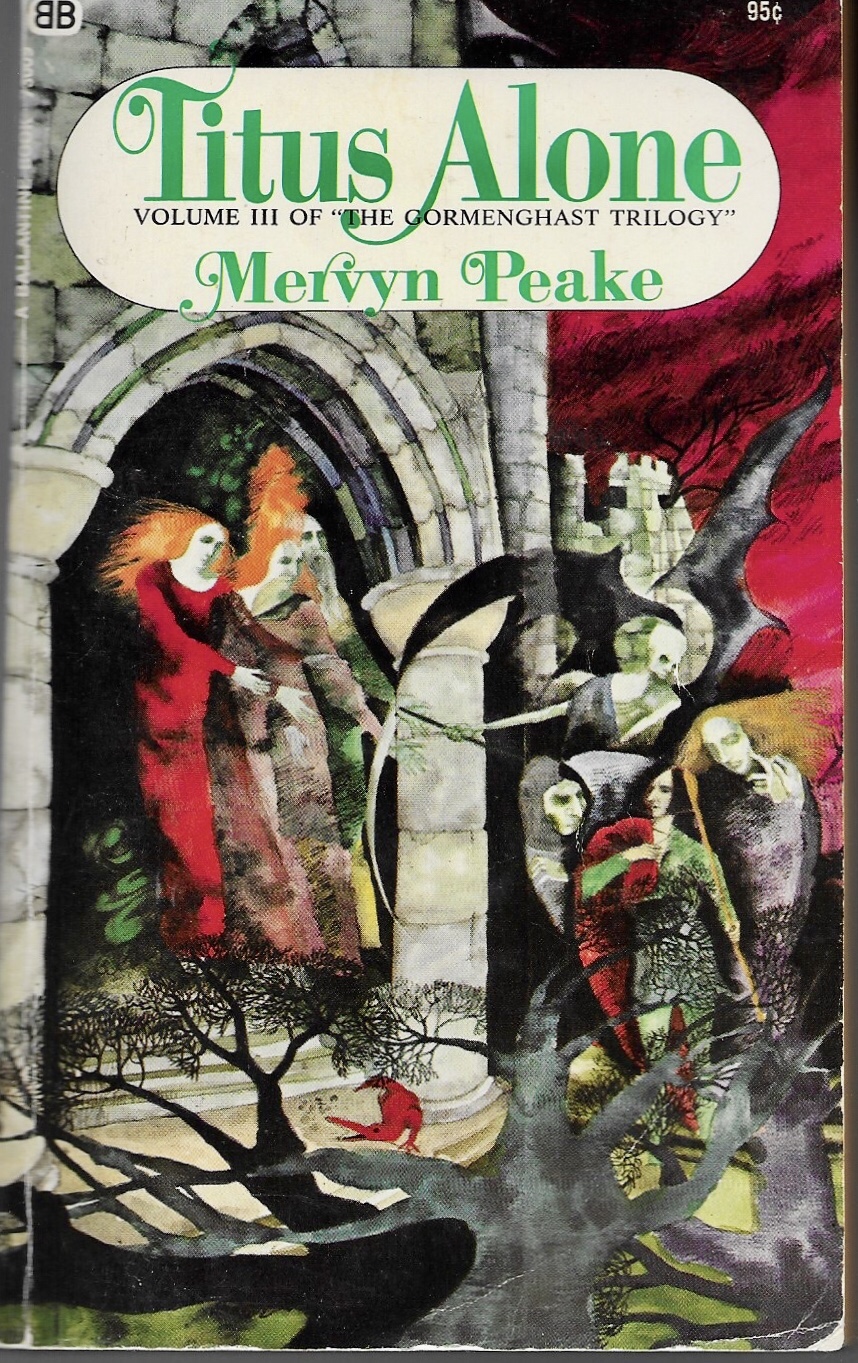
Titus Alone completes the trilogy with our hero escaping the confines of his life for adventure and new challenges. I won’t spoil your chance to explore with Titus a whole world beyond Gormenghast.

In an example of the aphorism everything old is new again, the Pandemic has inspired a resurgence in the publication of local zines. It appears that a number of them have embraced the clever title “Quaranzine” . This one has been surfacing around Chicago on benches, utility poles, and dumpsters.


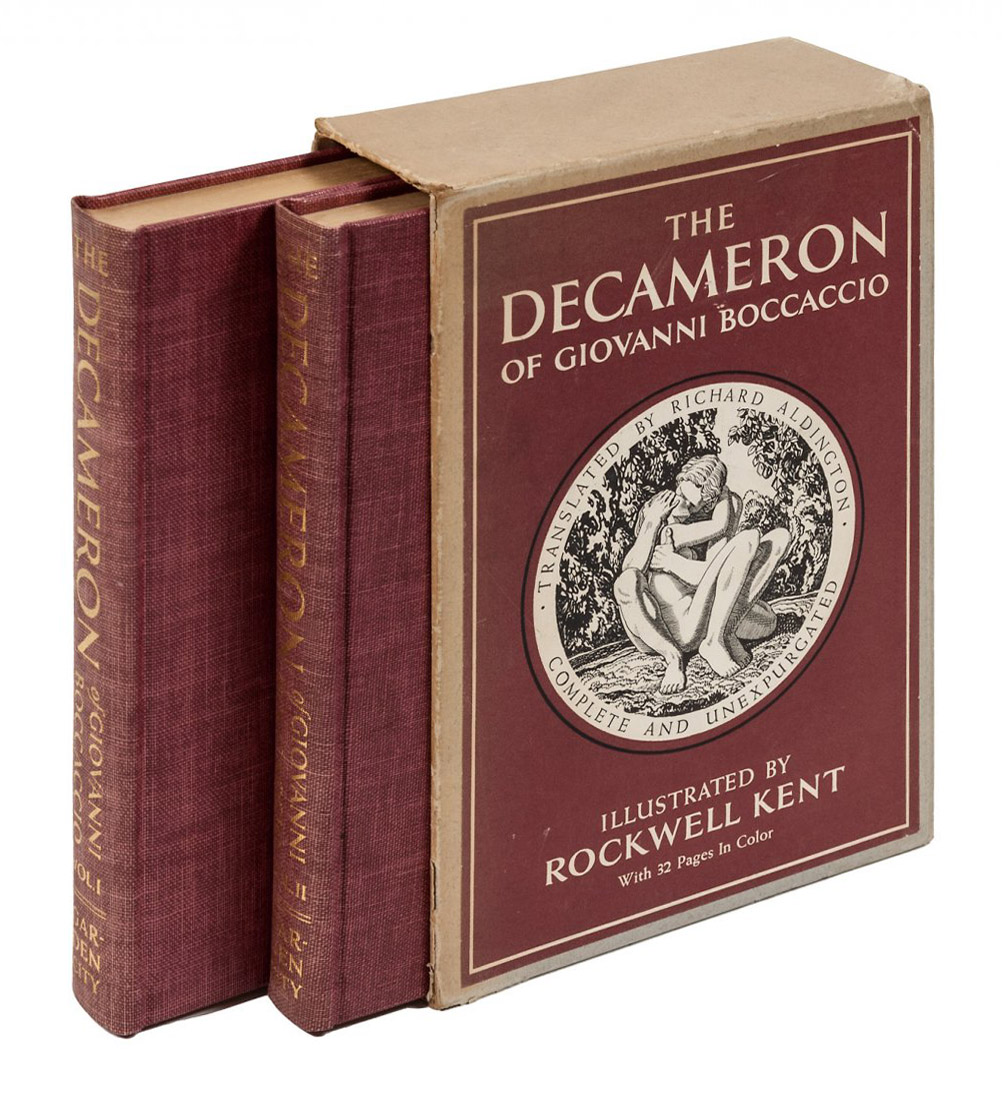
The Decameron by Giovanni Boccaccio follows ten young people–seven women and three men–who take shelter from the Black Plague outside of medieval Florence. Each day, over the course of ten days, members of the group must entertain the others with a tale, for a total of one hundred stories throughout their quarantine. Boccaccio (1313–1375) uses this rural escape as a framing device for tragic, comedic, even erotic stories from a widely diverse sources. Through long chains of translations, Boccaccio was exposed to ancient Indian and Middle Eastern narratives, which he added to or altered for his own purposes. Some tales borrow from Italian oral tradition or other local sources, including a French one shared with Geoffrey Chaucer (which became the “The Reeve’s Tale” in The Canterbury Tales). Even if you didn’t read the book during your university days, now is the perfect time for The Decameron.

h/t to Touchwood Design


If you ever have seen the classic 50s horror film The Blob, you may recognize the historic Colonial Theater in Phoenixville, Pennsylvania. They’ve been posting witty updates on their marquee all week.

Cartoonist Chris Ware’s heartbreaking cover this week.

Missing bookstores such as the beautiful Ludwig Bookshop in Leipzig Hauptbanhof.

Readers of Frank Herbert’s classic sci-fi novel Dune will instantly grok this clever graphic designed for our crazy times.

Whenever I am asked to name my favorite films, Pulp Fiction always makes the top five. So of course I love this piece from artist Max Dalton.
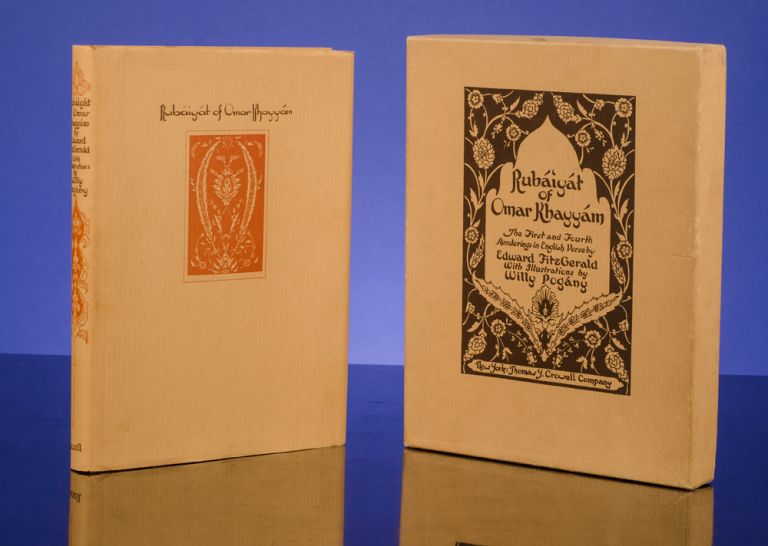
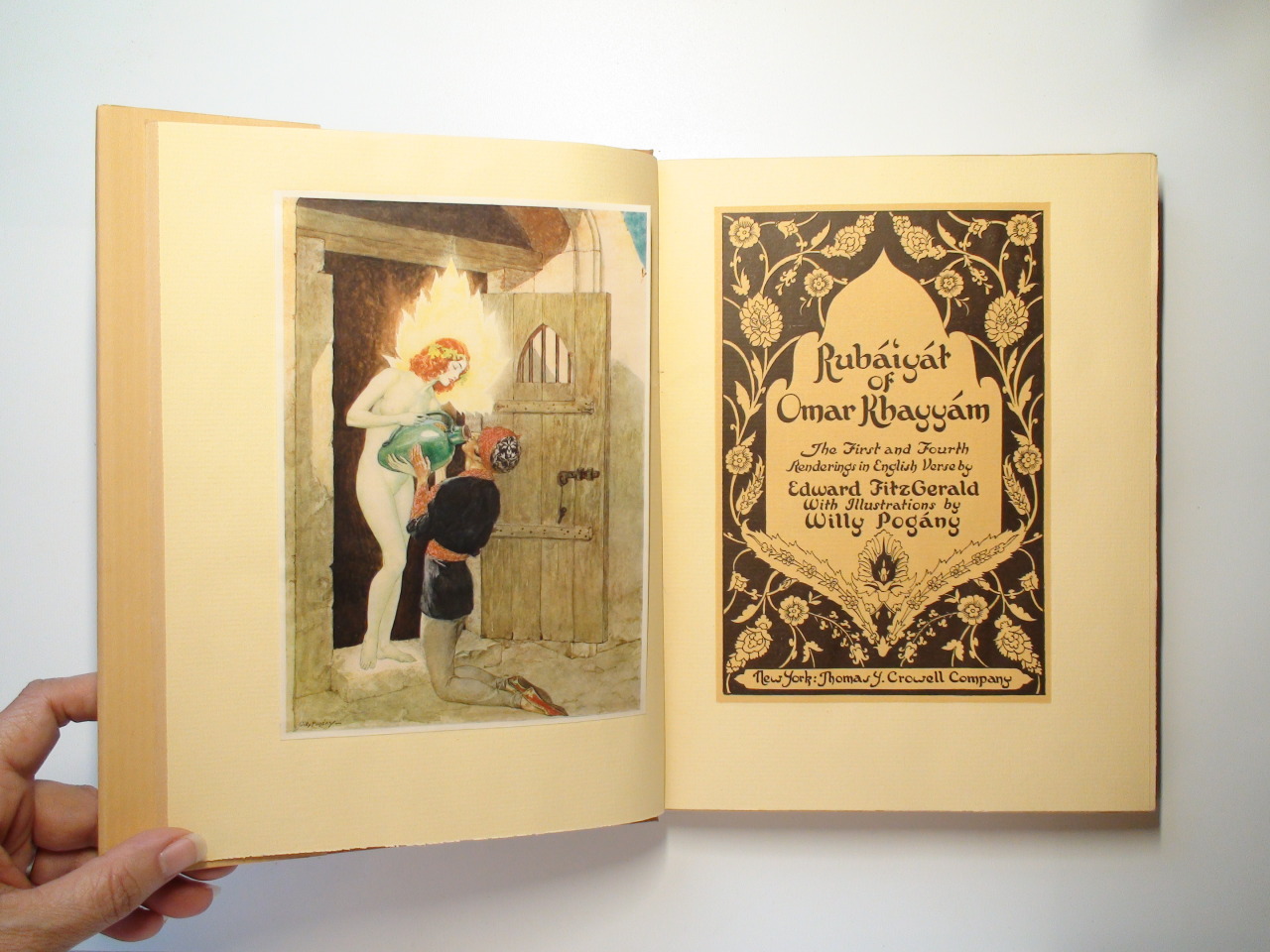
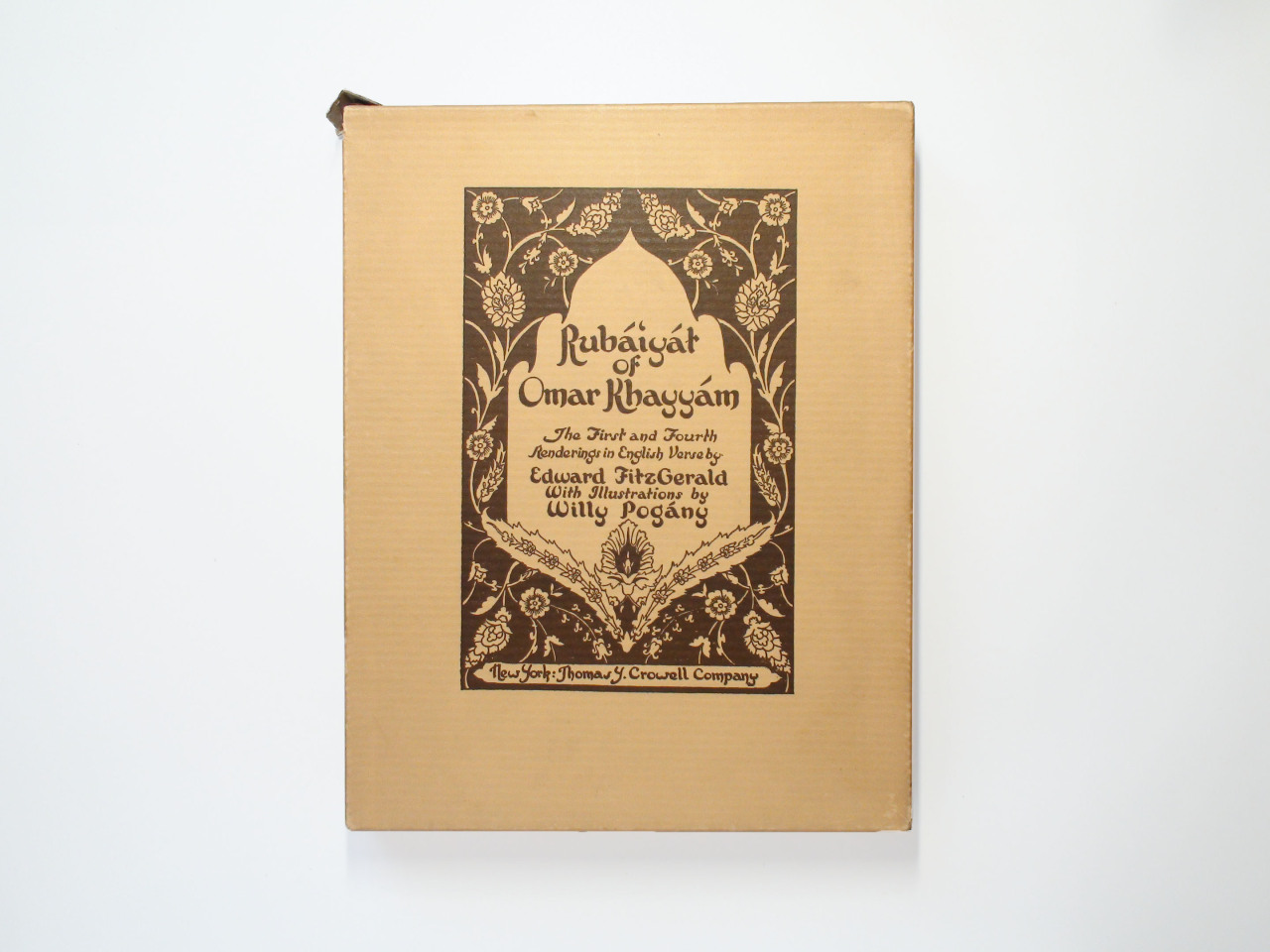
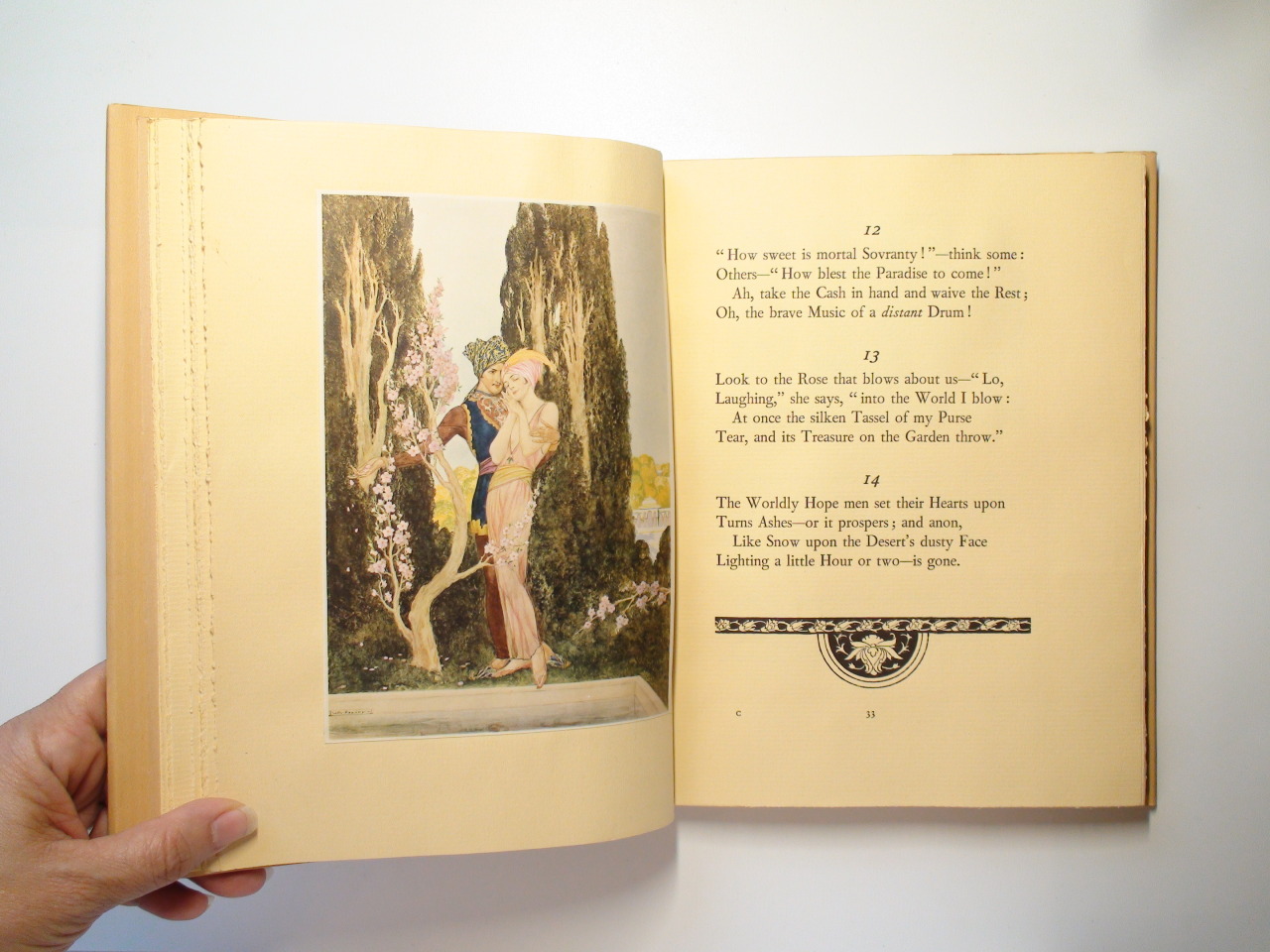
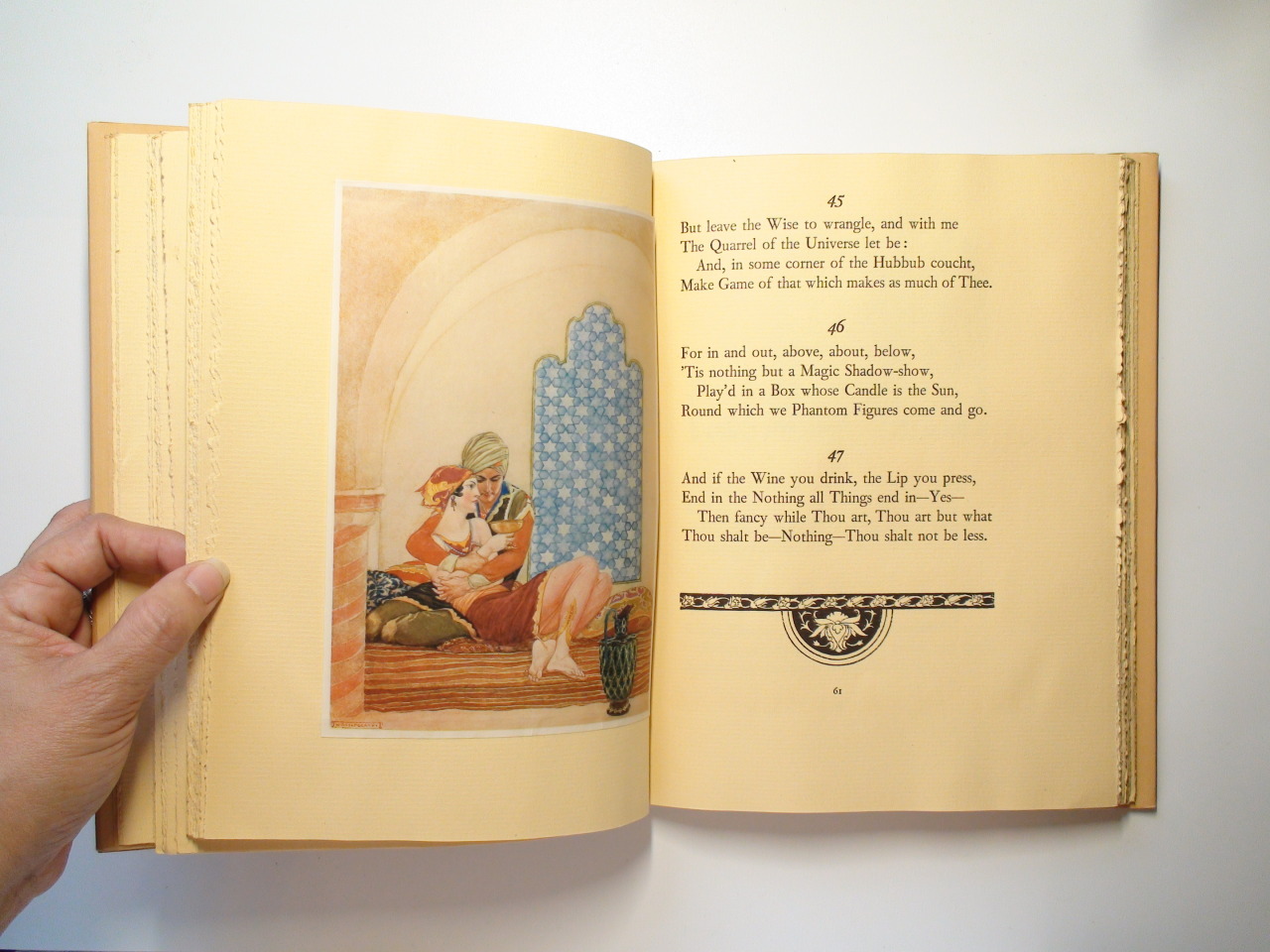
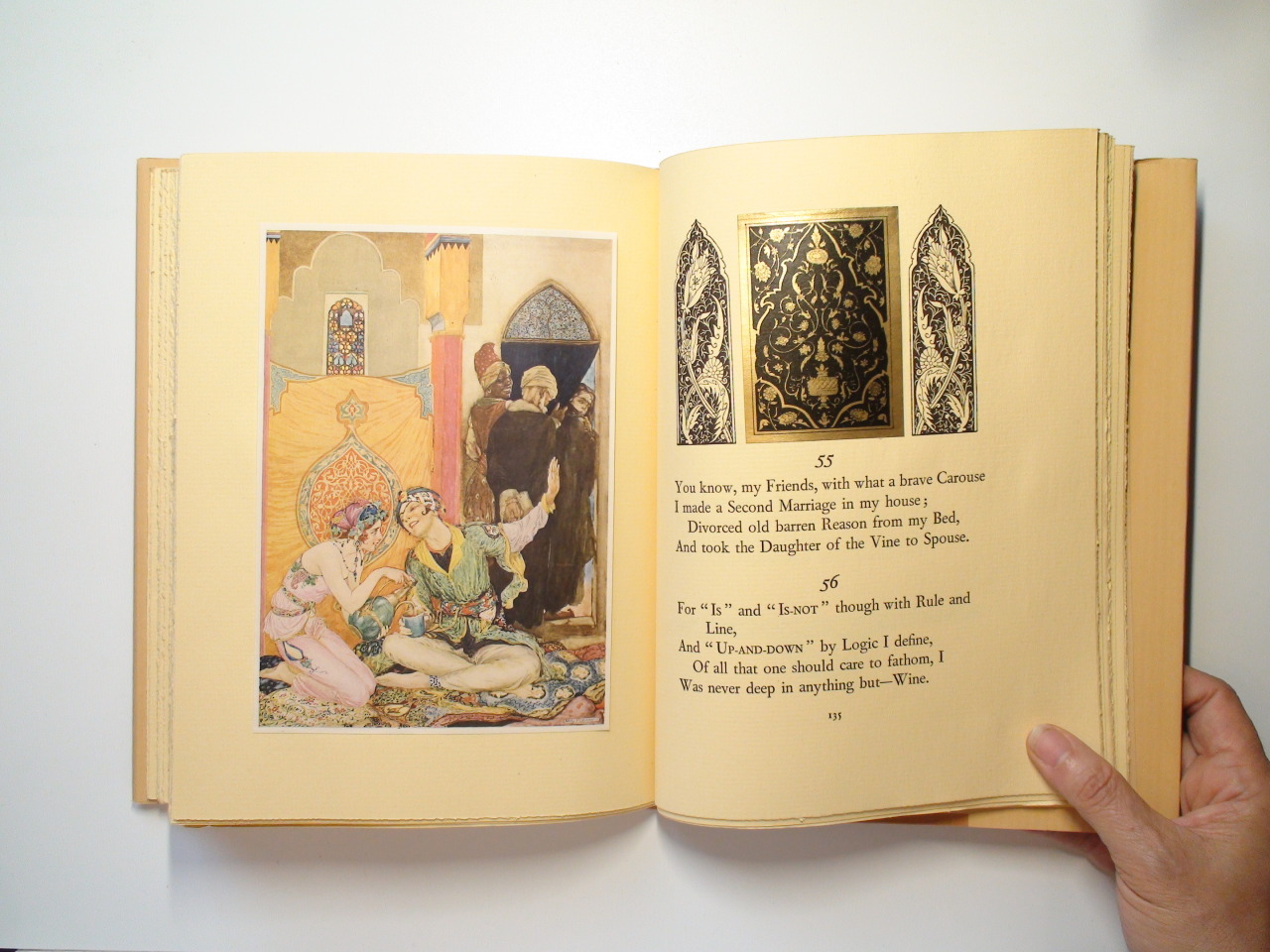
Rubáiyát of Omar Khayyám
The First and Fourth Renderings in English Verse by Edward Fitzgerald
With Illustrations by Willy Pogány
ILLUSTRATED WITH 12 TIPPED-IN COLOR PLATES BY WILLY POGANY AND ADDITIONAL GOLD CHROMOLITHOGRAPHS
Publisher: Printed in Great Britain by R.&. R. Clark for Thomas Y. Crowell Co., New York
1930


Listen
with the night falling we are saying thank you
we are stopping on the bridges to bow from the railings
we are running out of the glass rooms
with our mouths full of food to look at the sky
and say thank you
we are standing by the water thanking it
standing by the windows looking out
in our directions
back from a series of hospitals back from a mugging
after funerals we are saying thank you
after the news of the dead
whether or not we knew them we are saying thank you
over telephones we are saying thank you
in doorways and in the backs of cars and in elevators
remembering wars and the police at the door
and the beatings on stairs we are saying thank you
in the banks we are saying thank you
in the faces of the officials and the rich
and of all who will never change
we go on saying thank you thank you
with the animals dying around us
our lost feelings we are saying thank you
with the forests falling faster than the minutes
of our lives we are saying thank you
with the words going out like cells of a brain
with the cities growing over us
we are saying thank you faster and faster
with nobody listening we are saying thank you
we are saying thank you and waving
dark though it is

Faces of Frida is one of the most extensive curations on the iconic Mexican artist ever assembled and it’s available through the Google Arts and Culture app. Comprised of 800 Frida Kahlo paintings, artifacts, high-resolution images and features, it offers a deep dive into her life, art and legacy. To create the collection, Google teamed up with a network of 33 museums around the world, including Museo Frida Kahlo, the Smithsonian, the V&A and Centre Pompidou. The result is an amazing tour that is free for everyone to enjoy.
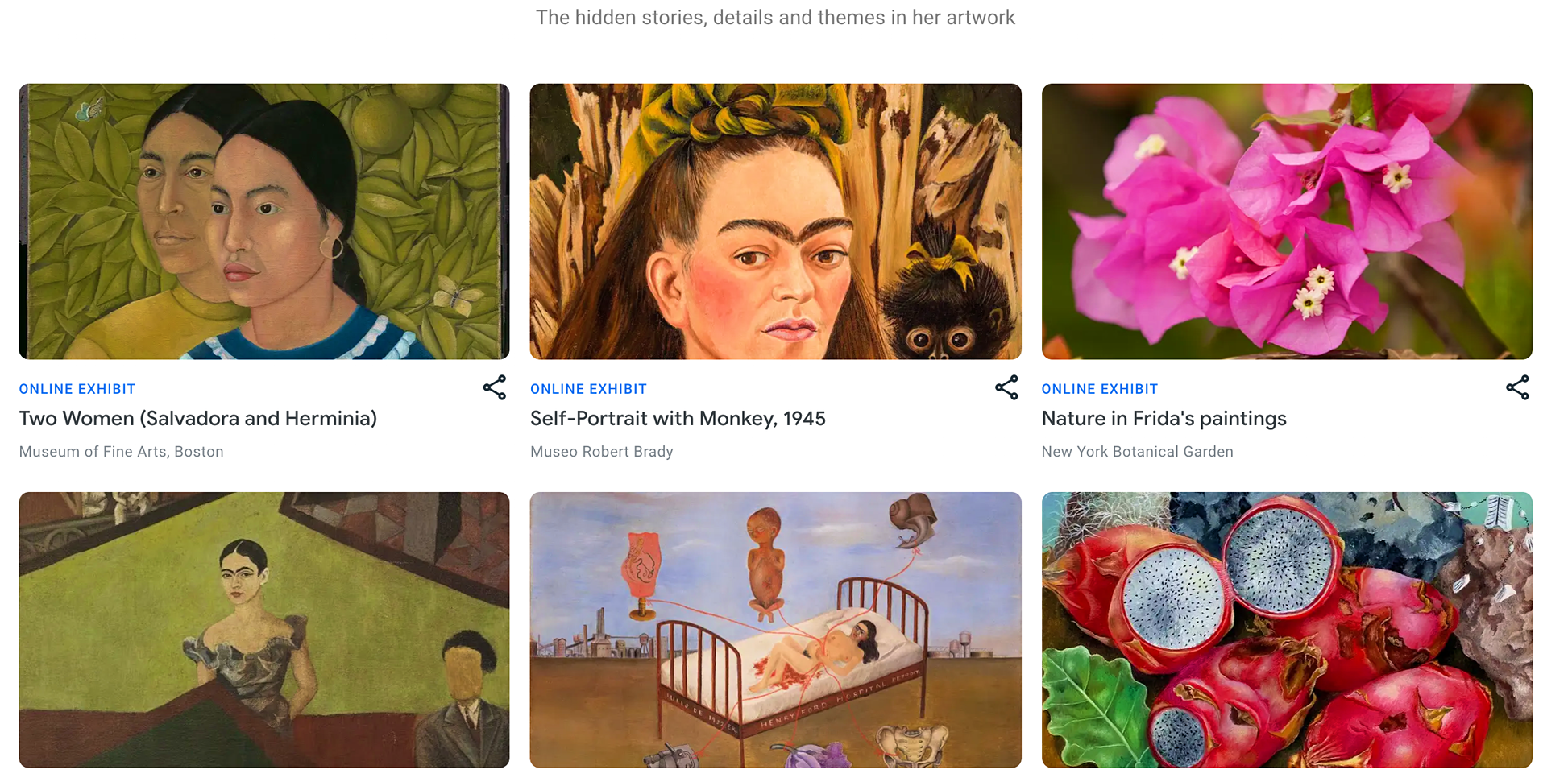
The tour includes editorial content from art historians and experts act as virtual guides, exploring themes like the hidden meanings behind Kahlo’s work, her relationship with politics and insights into her private life. Personal letters, possessions, clothing, journals and photographs are available to browse, alongside her most celebrated works and some never-before-seen pieces from private collections, including the View of New York.
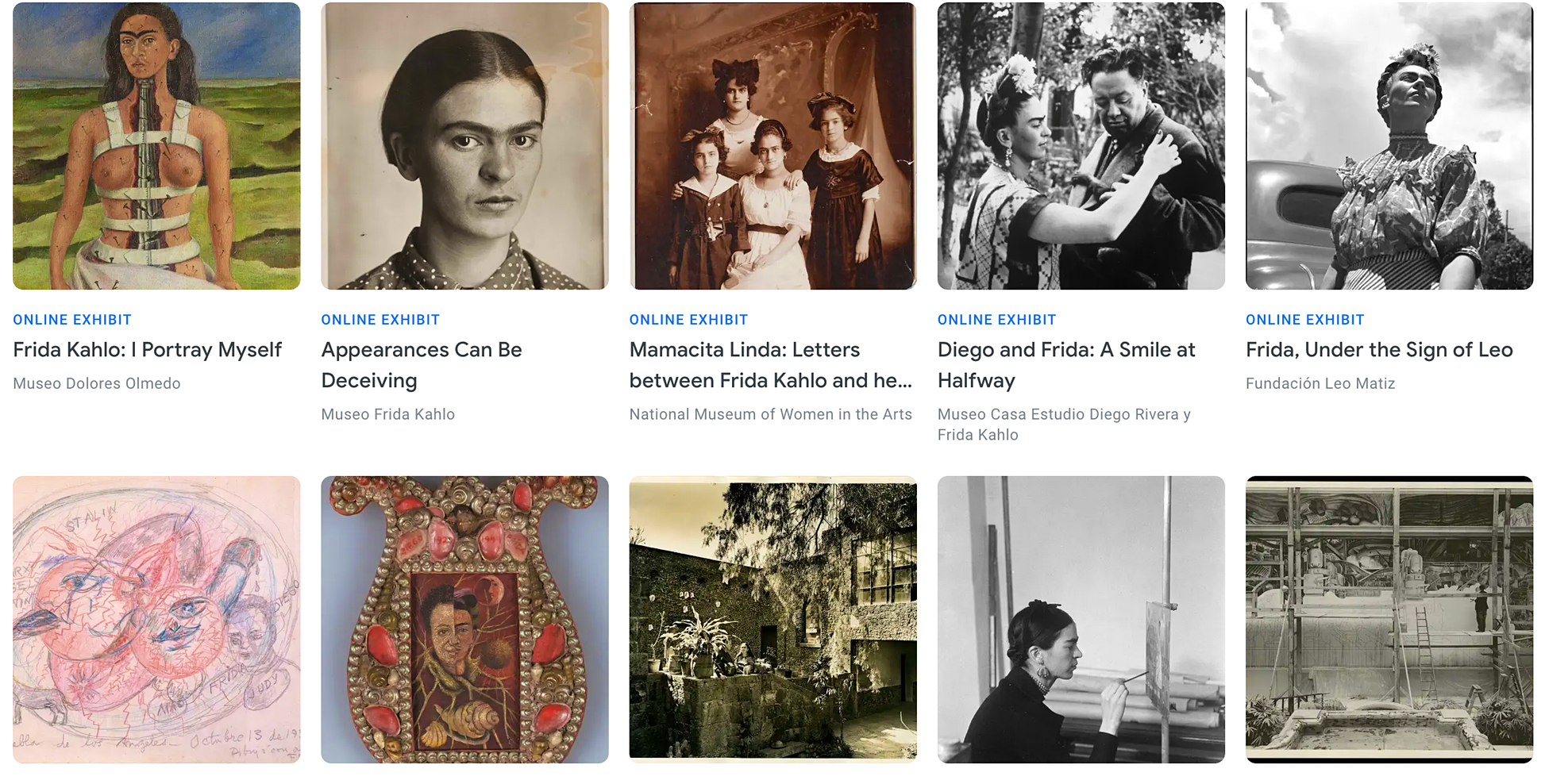
Online visitors can also enjoy five Street View tours of places associated with Kahlo, including Casa Azul (or Blue House) where she spent most of her life, as well as an enhanced Street View experience that tours the displays at the Frida Kahlo Museum. And there’s no need to crane your neck to examine her work in intricate detail. A magnifying glass tool will help visitors zoom in on features with 360-degree views. Access Faces of Frida here.


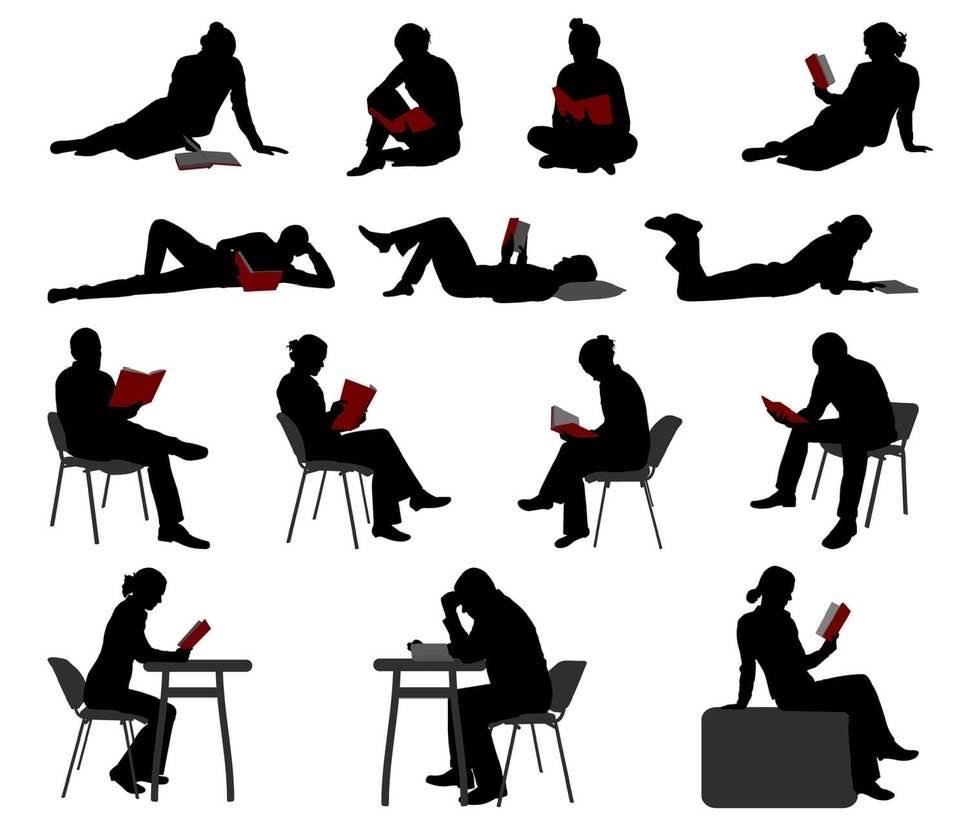
 Travel Between The Pages