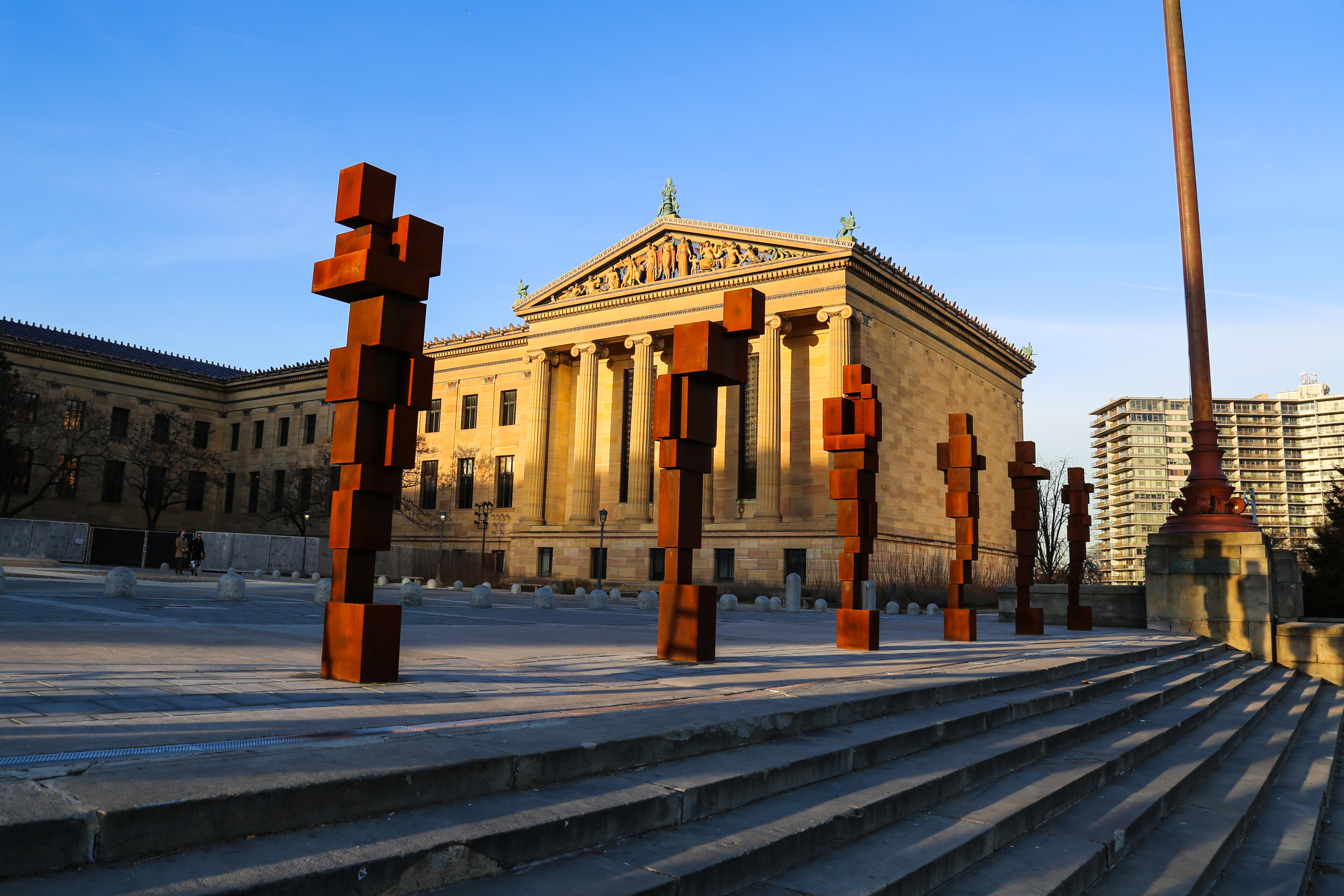
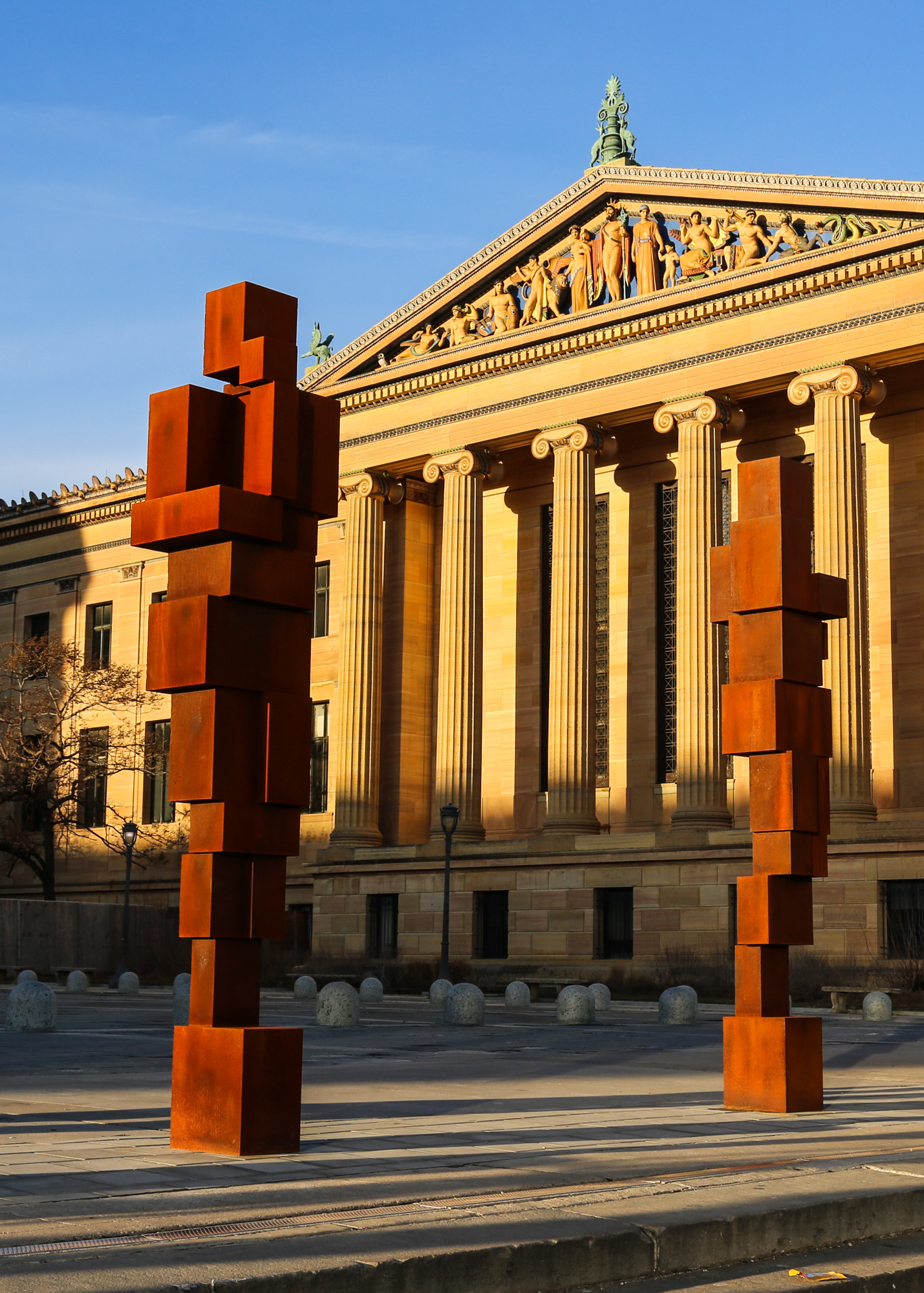
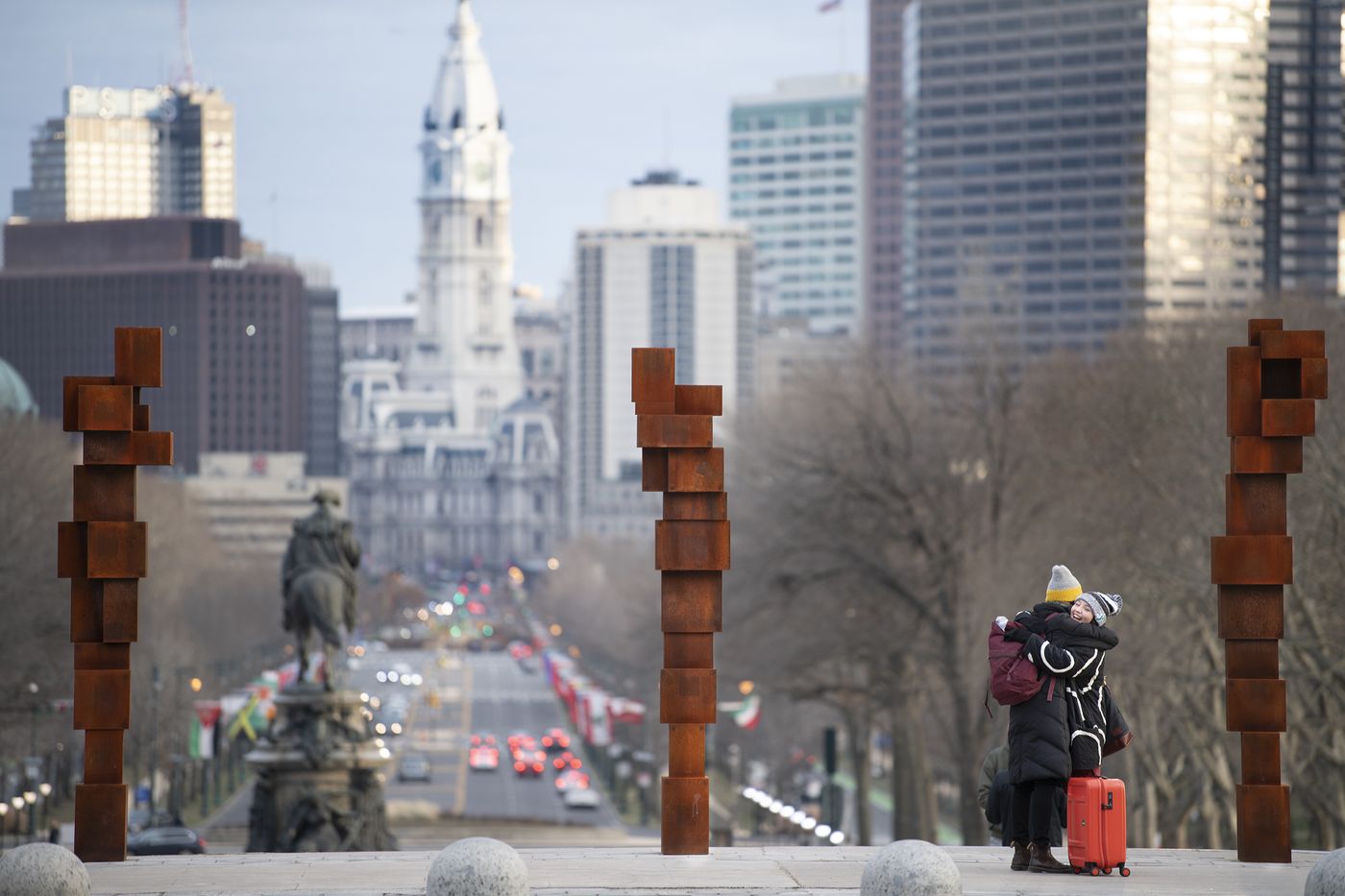
Just before Philadelphia got walloped by the infamous polar vortex, British artist Antony Gormley installed an impressive large-scale series of sculptures called STAND on the iconic steps of the Philadelphia Museum of Art. The huge figures invite engagement from the usual tourist crowd who come to climb the famous “Rocky steps” or even visit our great art museum.
One of my happiest moments was finding one of my books for sale at the iconic City Lights in San Francisco many, many years ago. I am pleased to see that they continue to be a beacon for truth and justice in our new dark age. I am even more pleased to know that the great Lawrence Ferlingetti is still there.
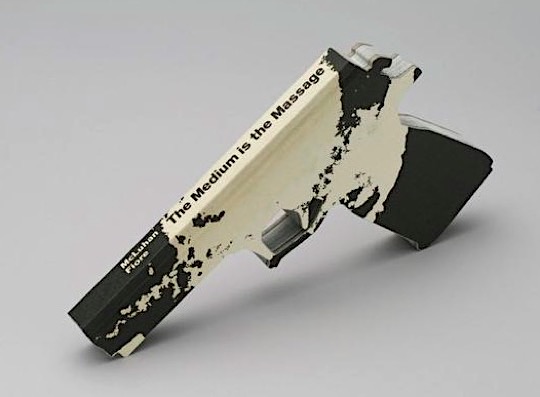
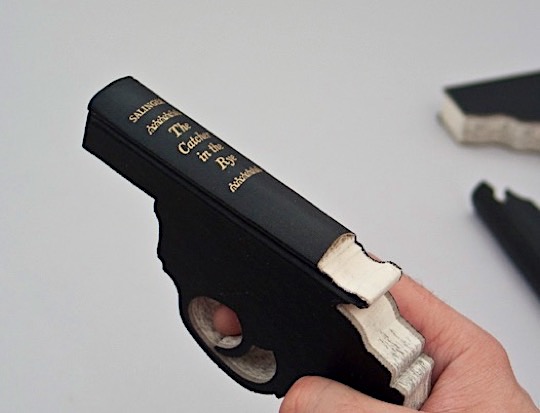
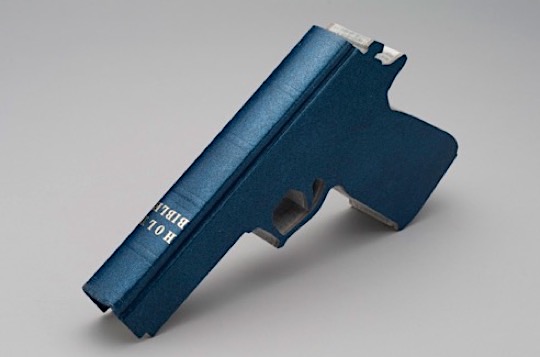
Book Guns is a powerful series of book sculptures created by New York City-based artist Robert The.
“Obsession with the semiotic erosion of meaning and reality led me to create objects that evangelize their own relevance by a direct fusion of word and form. Books (many culled from dumpsters and thrift store bins) are lovingly vandalized back to life so they can assert themselves against the culture which turned them into debris.” – Robert The 1995
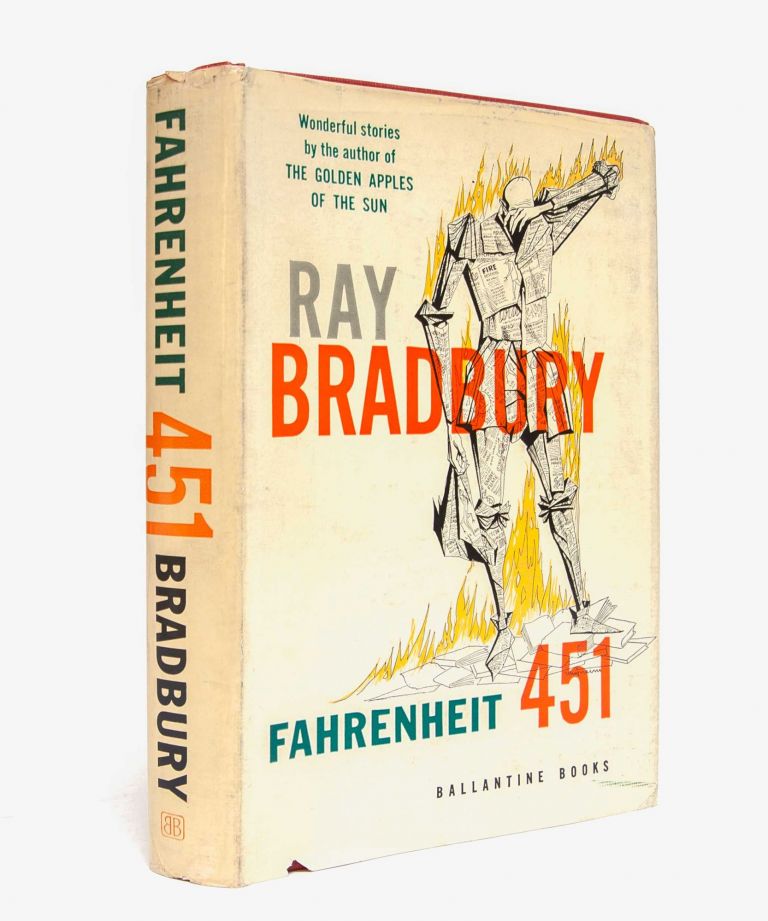
I first discovered the science fiction novels by Ray Bradbury when I was 10 or 11 years old. In retrospect I’m certain that many of the themes of his books went way over my head. But when I read Fahrenheit 451 I got it immediately. In some ways, Bradbury helped to radicalize me very early on.
The novel imagines a future where “firemen” don’t extinguish blazes, but burn books instead. The short animated TED-Ed video below from the University of Wisconsin explains the dystopian world of Fahrenheit 451 in which Bradbury presented an eerily prescient vision of a culture governed by an intrusive surveillance state, censorship, frightening robotics, and scary AI. For a novel published in 1953, it still raises alarms for our dangerous times.
I am a huge fan of the Little Free Library movement and I am also a life-long Doctor Who devotee, so I couldn’t resist this amazing neighborhood library in Minneapolis.









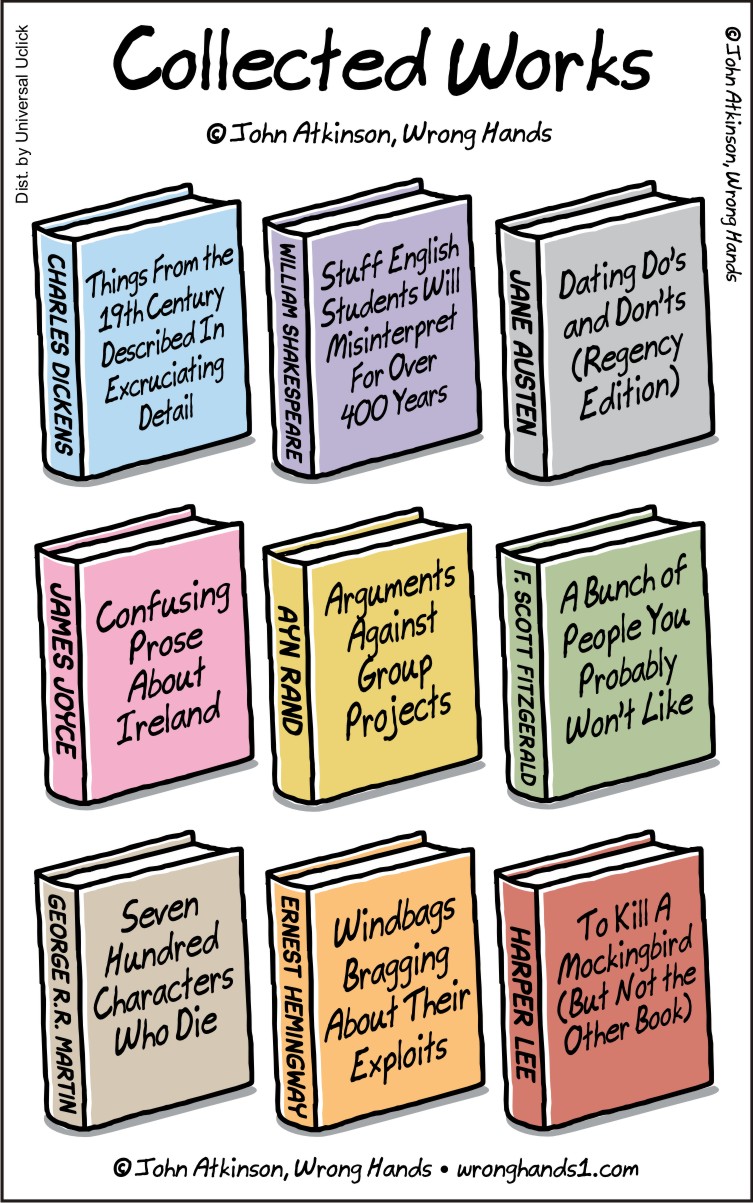


 Travel Between The Pages