Each year, Ólafur Már Björnsson produces a video compilation based on his summer travels and hikes around his native Iceland. His photography covers some areas rarely seen by tourists and only accessible to serious backcountry hikers. This year’s video already has me planning my next trip to Iceland.
I have been a fan of Bram Stoker’s creepy classic Dracula ever since my first reading as a child. Here in Philadelphia, we are fortunate to have a fascinating collection of Stoker’s notes for the book at the wonderful Rosenbach Museum and Library. But I was surprised to learn that in his background research work on the novel the author transgressed basic library etiquette.
Researchers at the London Library have used the author’s original notes and outline to pull books from the library’s collection that Stoker accessed during the 1880s. They have identified books that he defaced with annotations and underling. The video below describes some of the writer’s most appalling misuse of the texts. You can read more about Stoker’s misdemeanors at the London Library website.
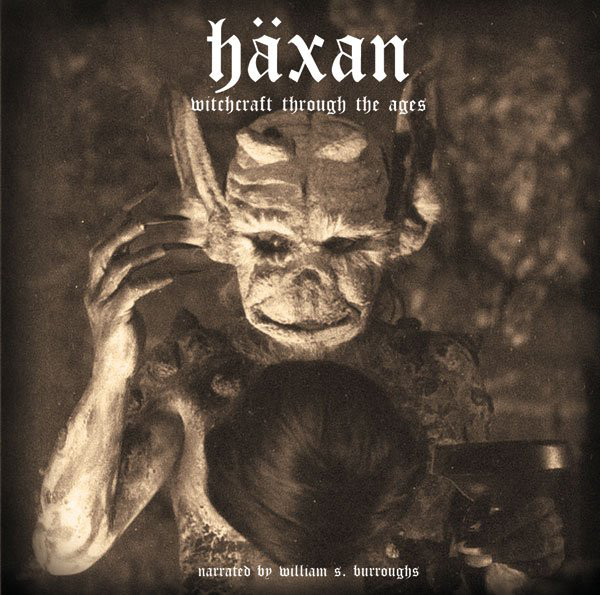
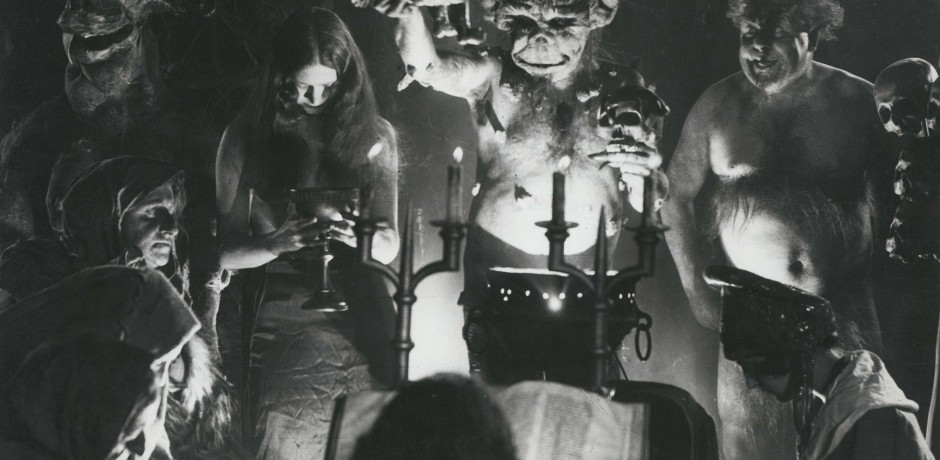
The Witches or Witchcraft Through the Ages, or Häxan, is a Swedish-Danish film that is a curious and groundbreaking mix of documentary and silent horror cinema, written and directed by Benjamin Christensen. Christensen’s vision was unique, basing his film on non-fiction works, mainly the Malleus Maleficarum, a 15th-century treatise on witchcraft he found in a Berlin bookshop, as well as a number of other manuscripts, books, illustrations and treatises on witches and witch-hunting . Häxan was envisaged, as stated in the opening credits, as a “presentation from a cultural and historical point of view in seven chapters of moving pictures”. While the film’s format is centered on its dramatic scenes portrayed by actors, the first chapter, lasting 13 minutes, is a different story. With its documentary style and scholarly tone — featuring a number of photographs of statuary, paintings, and woodcuts — it would have been entirely novel — a style of screened illustrated lecture which wouldn’t become popular till many years later. Reportedly the most expensive film of the Swedish silent film era, Häxan was actually banned in the United States, and heavily censored in other countries. In 1968, an abbreviated version of the film was released. Titled Witchcraft Through the Ages, it featured an eclectic jazz score by Daniel Humair and dramatic narration by the always spooky and unnerving William S. Burroughs.
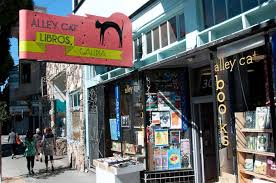
Last week, eleven independent bookstores in San Francisco received a surprising gift—a no strings attached cash grant from the city. San Francisco city government, in partnership with the nonprofit Working Solutions, awarded a total of $103,000 to fund “revitalization” of the eleven shops. Along with the money, the indie bookstores will get assistance from the city to negotiate leasing deals, help with municipal services, technical assistance for marketing, and human resources development.
The lucky booksellers included the popular Green Apple Books, Dog Eared Books, Alley Cat Bookstore, and Stevens Books.
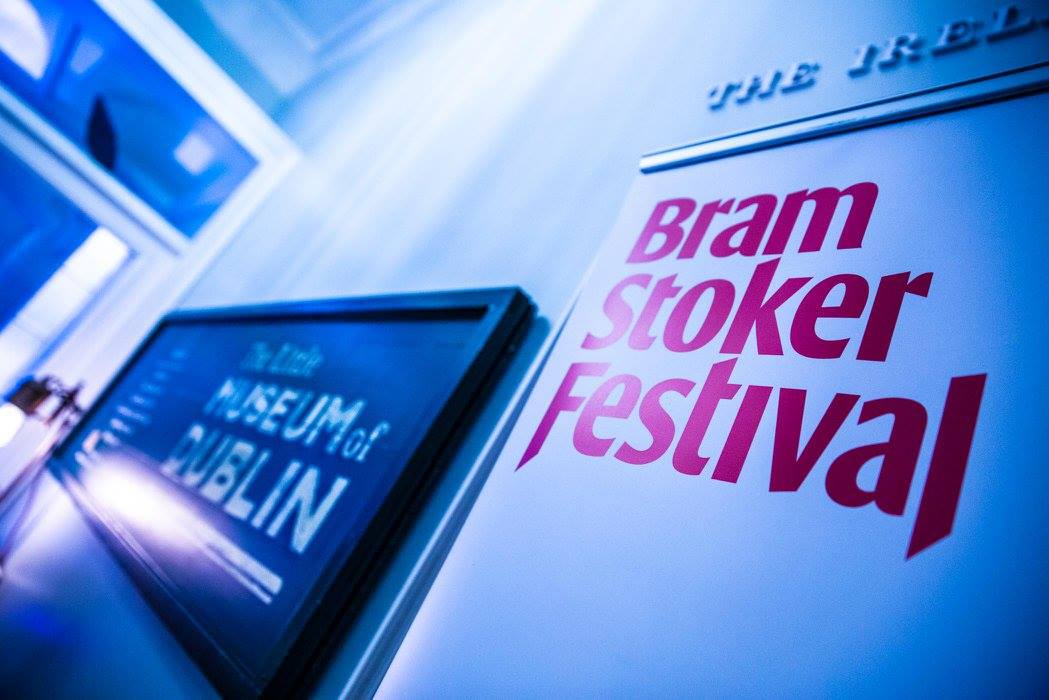
The last weekend in October has become the best time to visit Dublin each year since the advent of the Bram Stoker Festival and Halloween Parade seven years ago. The festivities always include a spectacular costumed parade, theatrical performances, musical events, literary walking tours, a Victorian fair, special museum shows, horror film screenings, and all things Dracula.
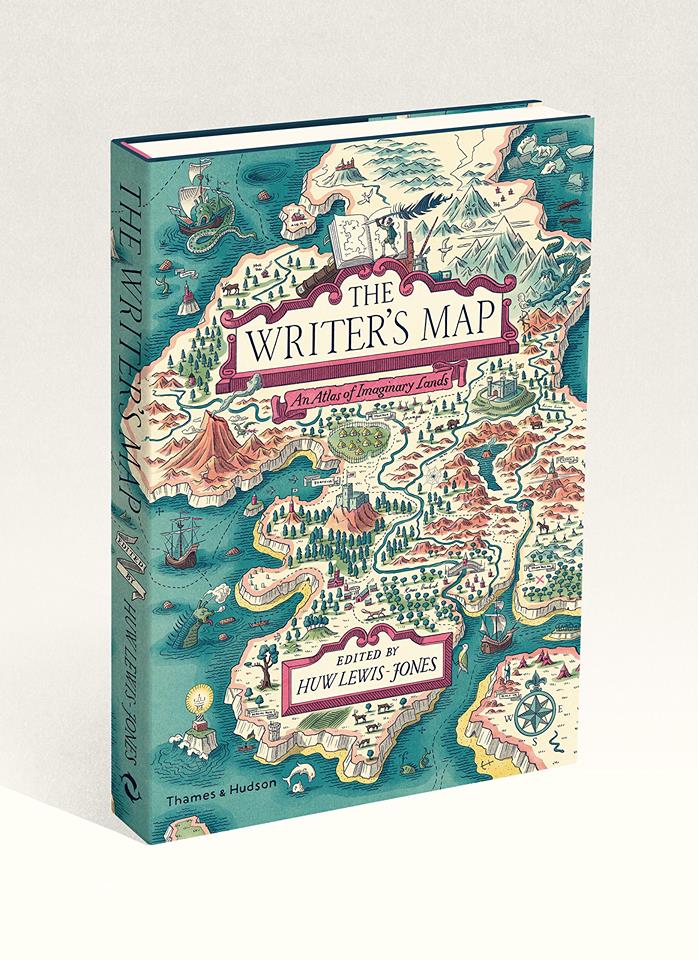
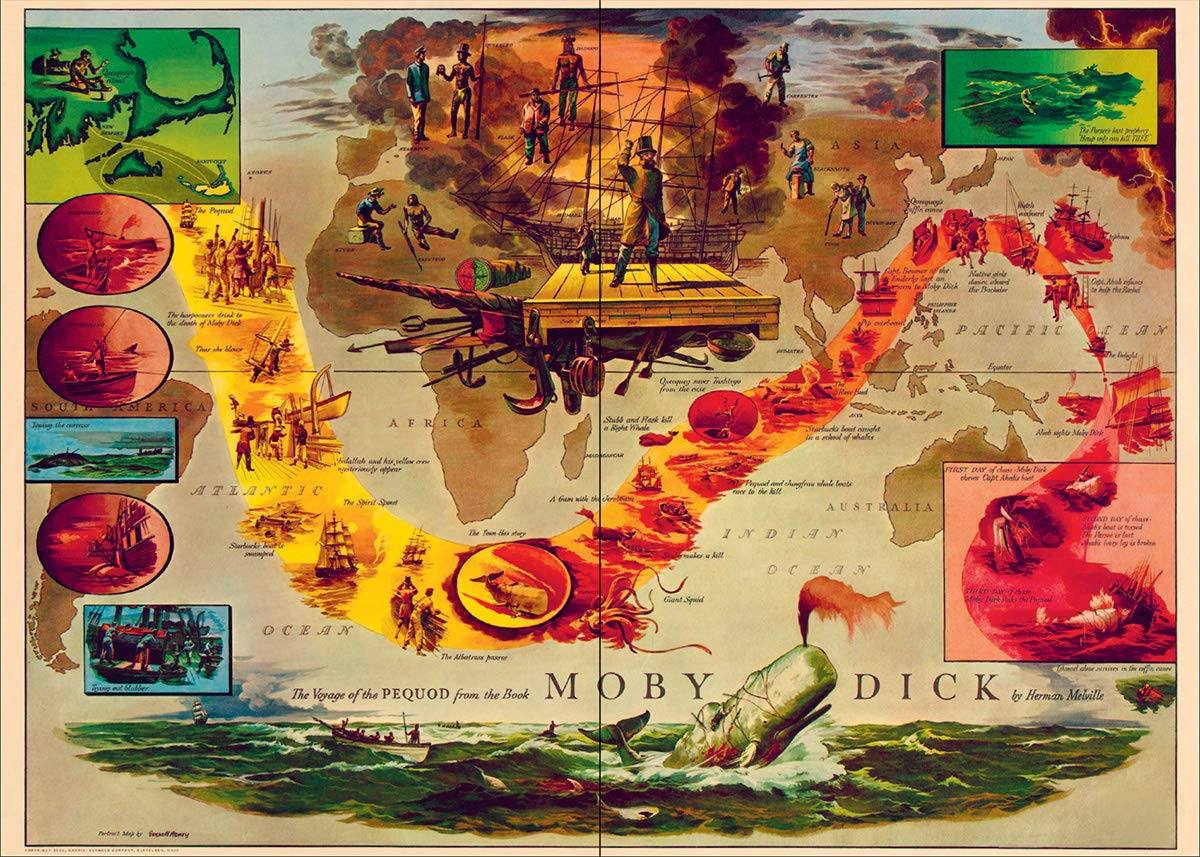
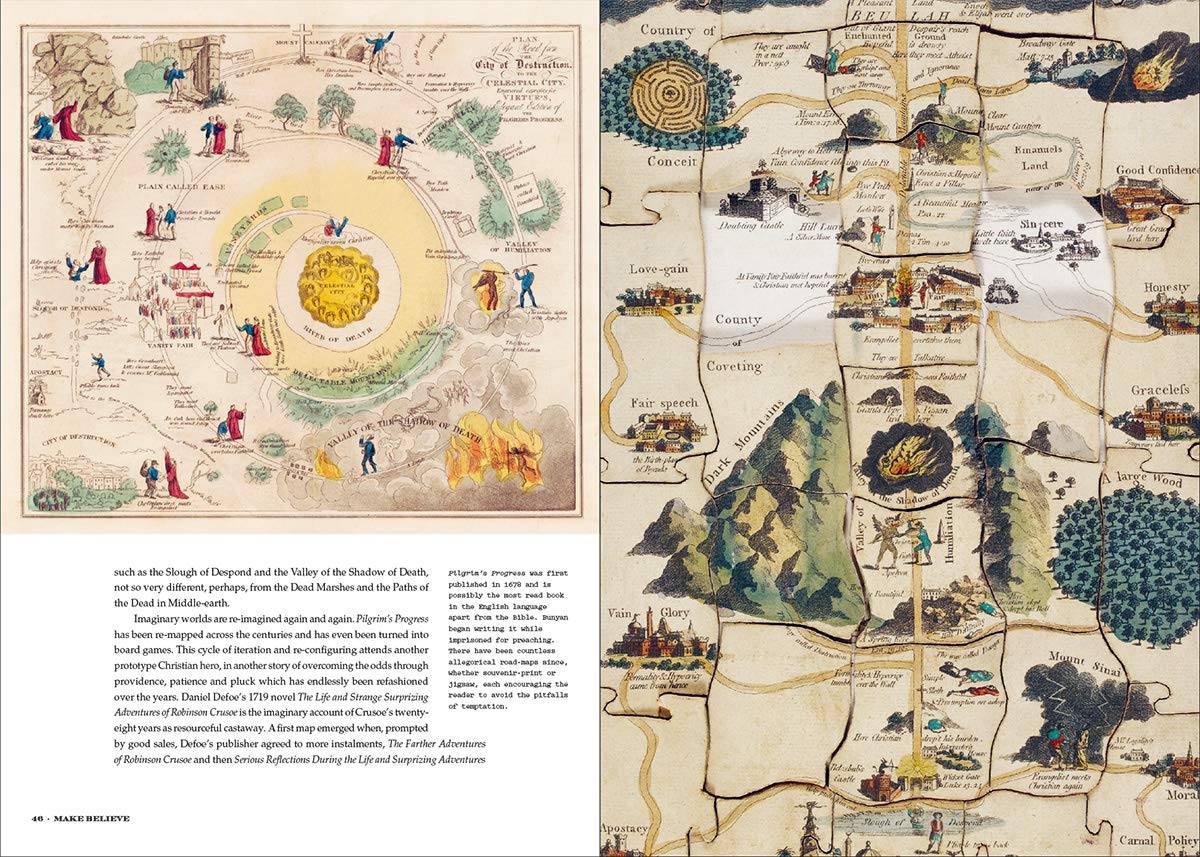
Just published, The Writer’s Map is a marvelous atlas of literary journeys made by authors. The book explores maps that inspired literary works as well as examples of cartography from famous works of fiction and film.
Daniel Reeve recounts his creation of maps for Peter Jackson’s Hobbit movies. Philip Pullman recalls his cartography for his novels. David Mitchell writes about his Mappa Mundi for Cloud Atlas. Robert Macfarlene explores Robert Louis Stevenson’s Treasure Island map.
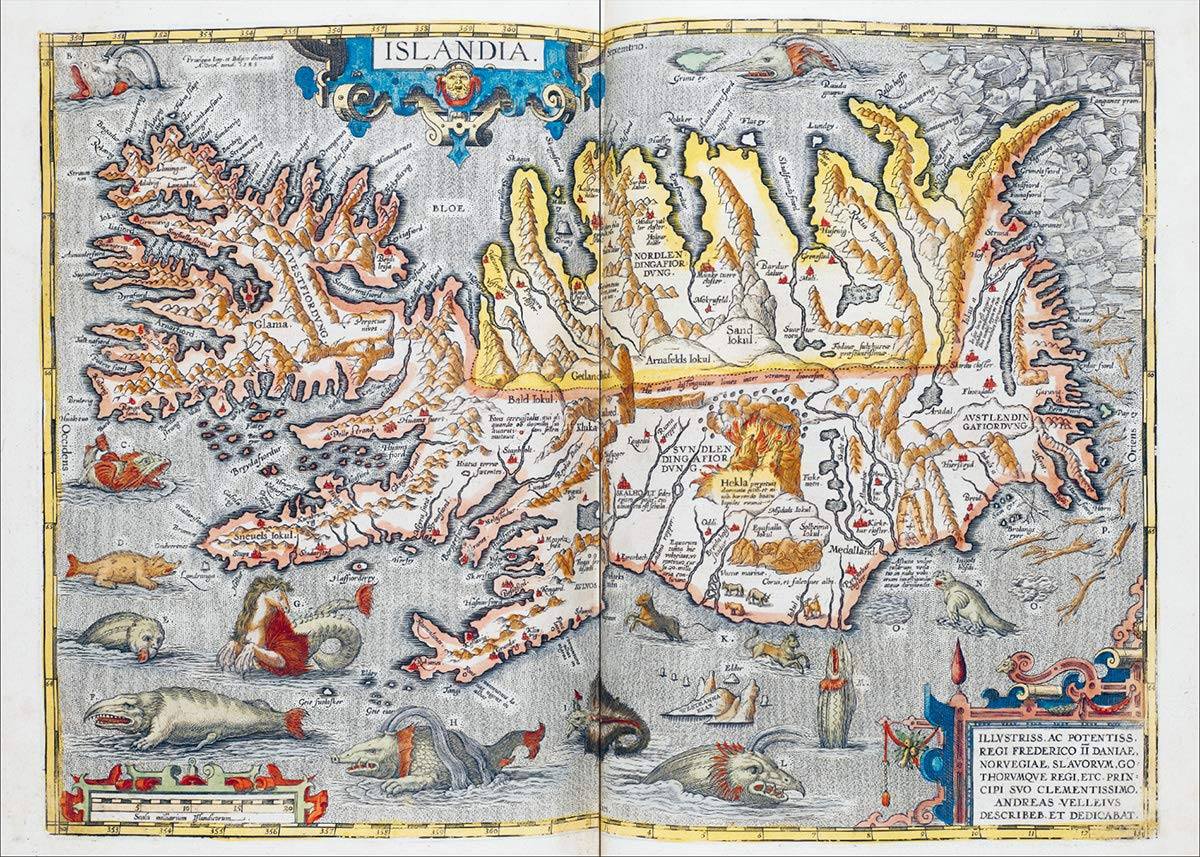
The book also analyzes the “Marauder’s Map” from the Harry Potter series and the importance of Norse maps in old texts.
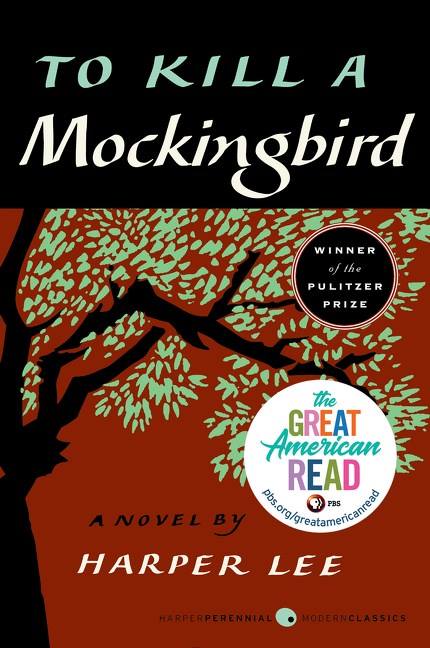
Harper Lee’s classic novel To Kill a Mockingbird was chosen by voters as America’s #1 best-loved novel in “The Great American Read.” The viewers’ voting results were revealed Tuesday night on PBS during the final episode of the eight-part television series and nationwide campaign, which examined the power of books and the joy of reading through the lens of America’s 100 best-loved novels, as voted on by the public.
To Kill a Mockingbird led “The Great American Read” voting from the start, and maintained its advantage over the months of polling, despite strong competition from the five book finalists. Lee’s novel was also at the top of the list of votes in every state except North Carolina (which preferred Outlander) and Wyoming (Lord of The Rings). More than 4 million votes were cast. The top 15 titles were:
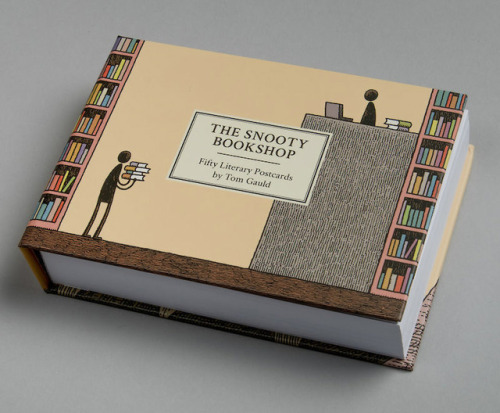
You may have noticed that I am a huge fan of Tom Gauld’s brilliant comics. This week, he released a brand new book of fifty postcards of his best literary cartoons titled The Snooty Bookshop.














 Travel Between The Pages