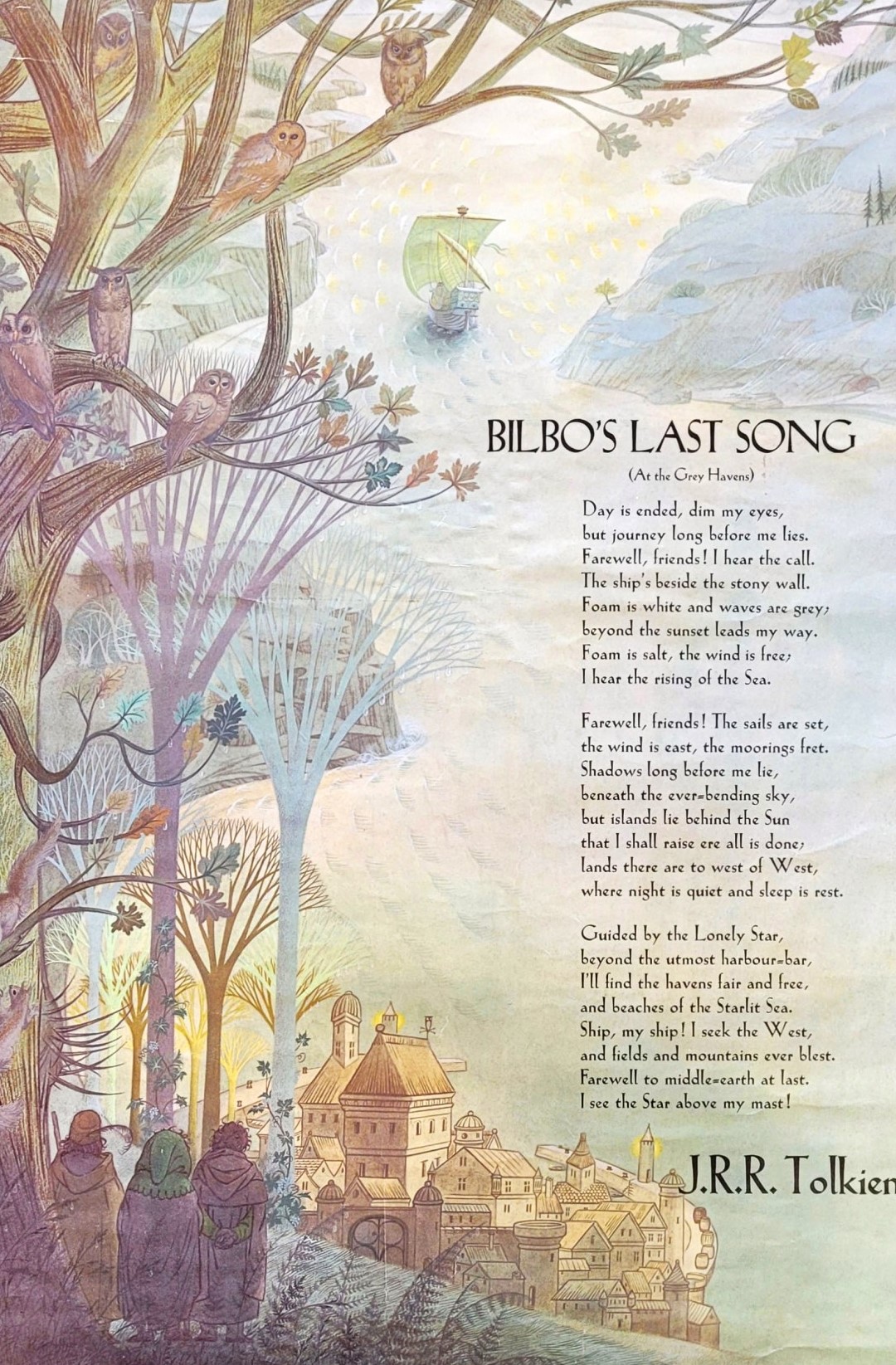
Bilbo’s Last Song (At Grey Havens) is a poem about leaving Middle-Earth. It first appeared, as seen here, as a poster published in 1974 by George Allen & Unwin Ltd., the original English publisher of his famous novels, with illustrations by Pauline Baynes(1922-2008), who illustrated many of Tolkien’s publications. Chronologically, the poem takes place at the end of the last volume of Lord of the Rings, however it was never included in the series.
I have been fortunate enough to have visited glorious Scotland many times, but I only recently heard about the Scottish term thrawn. So, thrawn is a Scottish word that means ‘stubborn’ and unbending. Sometimes it’s an insult but increasingly an admirable characteristic. To believe in yourself is a wonderful thing. This is a joyous short film by the same name.
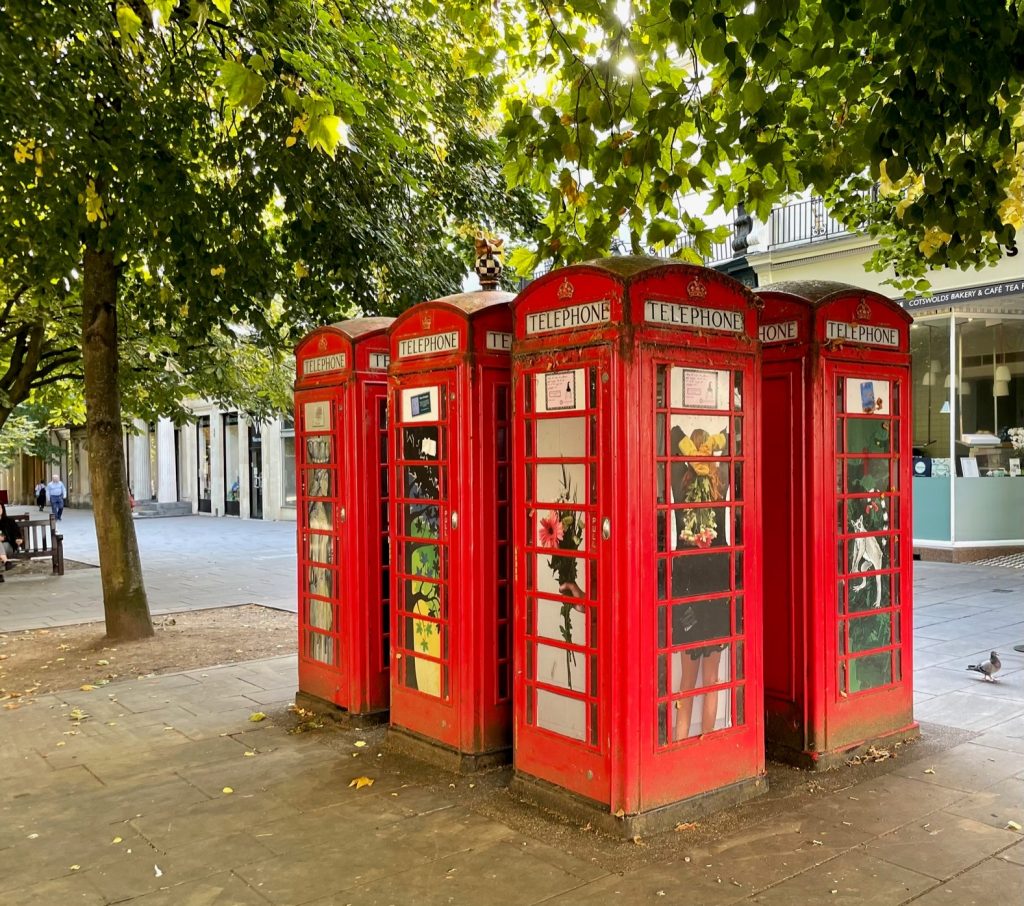
Like many other overseas Anglophiles, I was dead chuffed to finally get to make a call from a genuine red phone box on my first visit to London many decades ago. So, I had a tinge of nostalgia watching the charming short documentary about Rob Pammen, who at the age of 65 is the last painter of the iconic red telephone boxes in London.
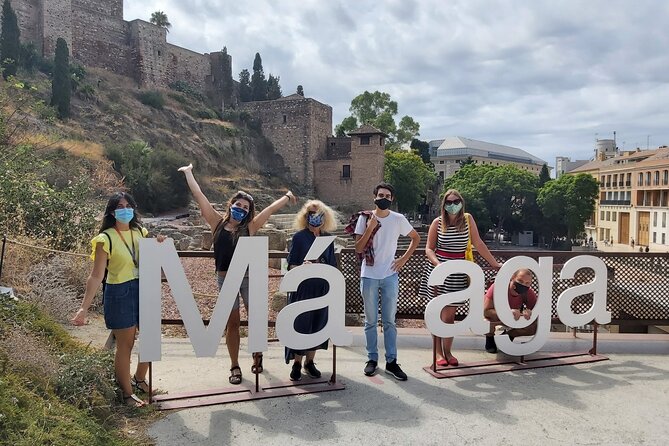
Málaga, in the hugely popular Costa del Sol in the south of Spain, is fed up with tourists and locals have resorted to sticking unfriendly stickers to show their displeasure with the situation. Tourist apartments and buildings are carrying angry words such as “stinks of tourists,” “this used to be my home,” and “go f—ing home”.
It kicked-off when a local bar owner, Dani Drunko, made anti-tourism stickers after his landlord refused to negotiate the rent or sell him the home he had been living in for 10 years. Like many others, it was adapted into a tourist rental. He posted these stickers on apartment buildings and now they’re seen all over the city center, as well as on residential buildings with self-check-in lockboxes for tourists.
I have to admit that I feel pangs of guilt when I read these stories, Although I only visited Malaga once, and that was for just one day more than a decade ago, I certainly contributed to the overtourism problem. On the other hand, if we all stop traveling and stay home, millions of jobs will be lost in the tourism industry. Regarding the housing issue, it might help if we went back to staying in hotels, hostels, and B and Bs, rather than short term homestays such as Airbnb. What’s you’re take on the problem ?
My very first encounter with a Parisian waiter reinforced every stereotypes of French restaurants. To be fair, it was an early morning visit to a railway station café after a night train from Amsterdam. My traveling companions included three other Americans and a Palestinian filmmaker that we meet on the train. Our very first Parisian waiter corrected everyone’s bad French, slammed the dishes onto the tabletop, and at the end of the meal dropped our change onto the table like it burned his hand. Still, one always wants to romanticize their first Paris restaurant experience.
Last week, thousands of spectators gathered to watch more than 200 servers compete in Sunday’s “Course des Cafés,” the newly-revived version of a century-old race. Hordes of Parisian waiters hurtled down the streets of the capital with full trays in hand.
Waiters and waitresses traversed a 1.2-mile loop starting and ending at City Hall, suited up in traditional crisp white shirts, black trousers, neatly tied aprons and in some cases, bow ties. They each carried a tray loaded with a croissant, a full water glass and an empty coffee cup.
The goal: Cross the finish line as quickly as possible without running, spilling or carrying the tray with two hands at the same time.
“Through the streets of the Marais, you will have to slalom with agility, avoid obstacles with a skill worthy of Opera dancers and demonstrate speed without haste,” said Eau de Paris, the city’s public water company and sponsor of the event. “It will not only be about speed but above all balance.”
Judges at the finish line inspected contestants’ trays, docking points for sloshed water, broken dishes and empty glasses, according to the New York Times, which reported that most people finished in under 20 minutes.
Men’s winner Samy Lamrous finished in 13 minutes and 30 seconds, while women’s winner Pauline Van Wymeersch clocked in at 14 minutes and 12 seconds.
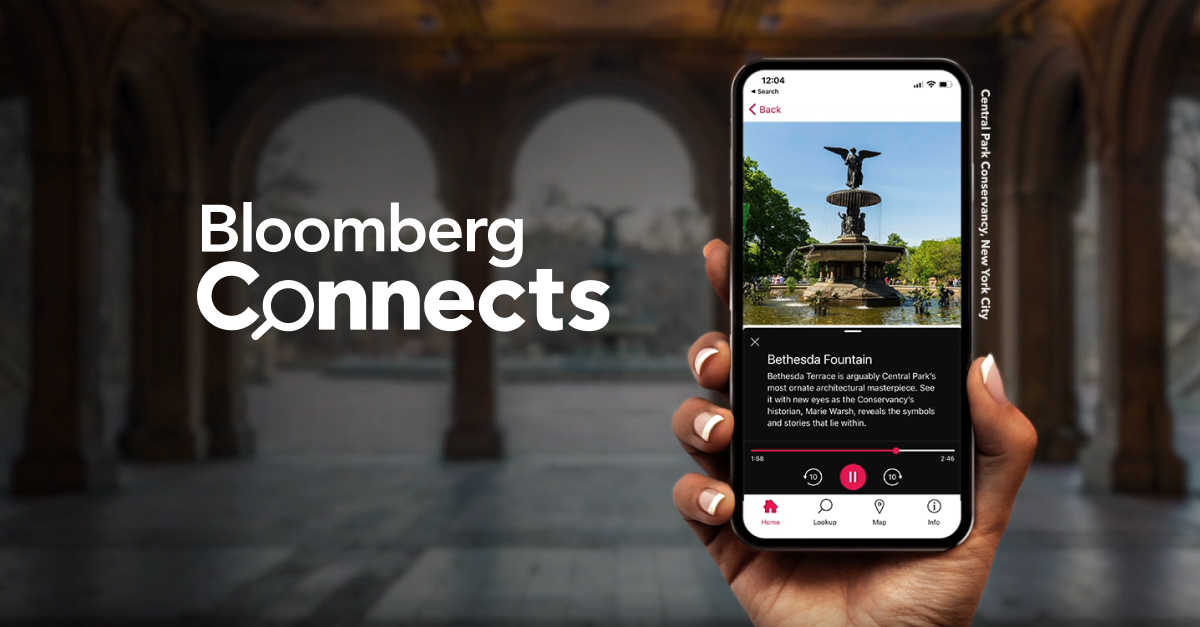
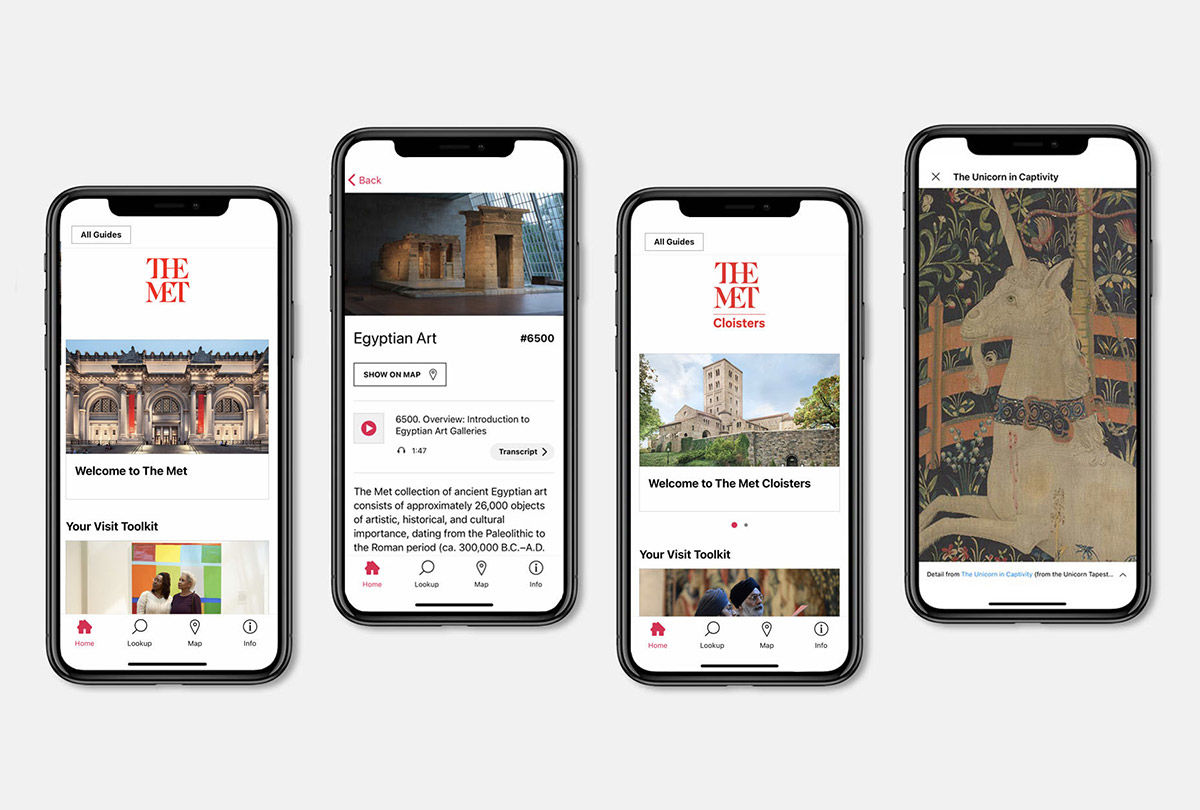
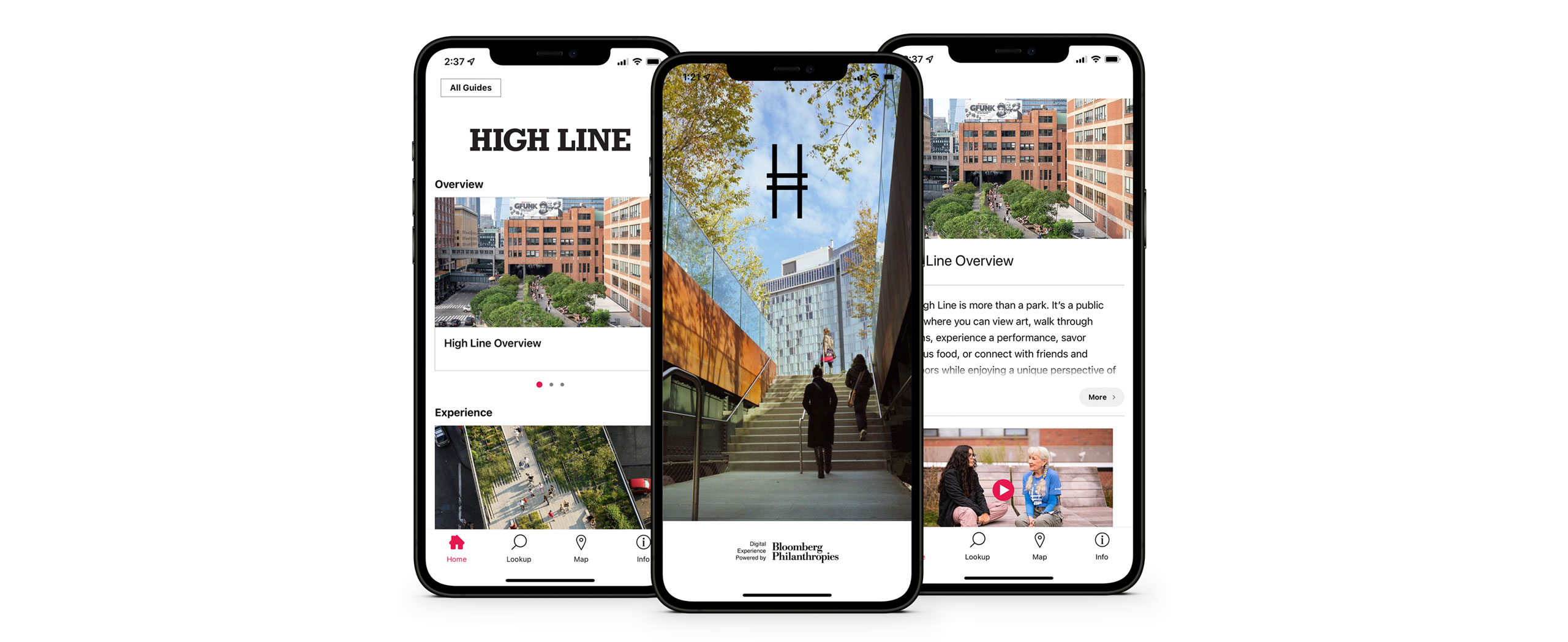
I hesitate to promote apps because so many turn out to be disappointing. However, I really like the Bloomberg Connects app which offers access to exhibitions, collections and renowned artists at over 350 museums and other cultural organizations. Bloomberg Philanthropies created the app as a part of their mission to make art and culture accessible to all – in-person, at-home, anywhere.
The list of institutions and cultural attractions is already impressive and more are being added on a regular basis. The museums and attractions cover nearly 30 nations and regions. The app covers a wide range of sites from sculpture parks to museums, and living history attractions and botanical gardens.
Designer Arvind Sanjeev has designed Ghostwriter , a smartly named answer machine that uses Open AI’s ChatGPT language model to answer queries manually entered by users, based on a modified old Brother typewriter. Tradition meets modernity.
The Ghostwriter is a poetic intervention that allows us to take a moment to breathe and reflect on this new creative relationship we are forming with machines. It tries to ease anxiety around AI by inviting people to co-create with it in a safe space. Thus helping them think, reflect, inspire and create fresh perspectives on this new tool. As Garry Kasparov (the first chess champion who beat an AI) puts it, human-machine centaurs are far more powerful than an individual human or a machine on their own. By interacting with Ghostwriter, creatives understand that true power is unleashed only when a human combines their emotional intellect with the computational brute force of an AI.
Each year on March 25th fans of J.R.R. Tolkien celebrate Tolkien Reading Day. Around the world folks reread the books, discuss them with friends, and participate in Middle Earth related literary events. The Tolkien Society established Tolkien Reading Day in 2003 after Sean Kirst, a newspaper columnist in Syracuse, New York, suggested a Tolkien holiday similar to Bloomsday, which is devoted to James Joyce. The purpose of the observance is to honor the vast literary work of John Ronald Reuel (J.R.R.) Tolkien and to encourage educators and library groups to promote Tolkien reading in their communities and ensure people have access to his works.
Tolkien Reading Day is held on the 25th of March each year. The date of the 25th of March was chosen as the date on which the Ring was destroyed, completing Frodo’s quest and vanquishing the evil Lord Sauron.
The Tolkien Society has created three lesson/interactive plans that you can download for free and use to run events. Focused on our theme of ‘Service and Sacrifice’, they include a range of activities relating to art, literacy, and drama. Click each link to download the plan as a PDF.














 Travel Between The Pages