a book scout listens to his instincts

I recently stumbled on this old story below about a book scout that appeared years ago in The New Yorker magazine. Now you may be unfamiliar with the term “book scout”. I was one and didn’t know that I was one until another one told me that I was. An old school book scout is a person who frequents library book sales, auctions, yard sales, thrift stores, charity shops and just about any location where used books might be sold. Book scouts were traditionally independent agents who would find books for secondhand bookshops or antiquarians. In some case, like mine, book scouts mined the sales for their own book businesses. Sadly, book scouts are a dying breed.

AN OLD-SCHOOL BOOK SCOUT

By Christina Cooke
The New Yorker Online | March 9, 2012

Find the original story here.

Few days pass during which Wayne Pernu does not buy a book, or several hundred. During the summer, he hits as many as a hundred book sales per day in and around Portland, Oregon, cramming volumes into every inch of his car, stacking them on his lap if he runs out of space. For the last twelve years, he’s made a comfortable living reselling titles he’s purchased for quarters at thrift stores and at yard, estate, and library sales. As a book scout who listens to his instincts rather than to technology, Pernu is one of the last of his kind—an old-school purist in a digital world.

We’re at a hole-in-the-wall Internet café on a drizzly Saturday morning checking the weekend’s sale listings online. “You can tell if it’s going to be a good sale by how people phrase their ad,” Pernu says, peering over his thick-framed glasses at the computer screen. At fifty-one, he has dark, slightly receding hair and a taste for vintage clothing, like the snap-up Western shirt and neon-orange Converse sneakers he’s wearing today. “If it says something like ‘Treasures’ you know it’s going to be a lot of junk,” he muses. “If it says, ‘Student moving to Hawaii, lots of good books—philosophy,’ it’s going to be good. And if you want all the good book people to come, you say, ‘Professor died.’”

Though his competitors in the book-scout field rely on bar-code scanners to determine the value of titles, Pernu can tell within a few seconds of taking a book into his hands whether it’s worth anything. “A lot of times I have no idea what I’m buying, but I do know that I should buy it,” he says. His intuition has served him well. Over the years, he has unearthed from piles of unwanted books a signed, first-edition copy of Ayn Rand’s “Atlas Shrugged” (worth two thousand dollars) and two signed, limited-edition, slip-cased copies of Dwight D. Eisenhower’s “Crusade in Europe” (worth between three and five thousand dollars each). And when a scanner-dependent Honduran gang established an aggressive book-buying operation at his favorite thrift-store haunt a few years ago, he survived because the machines know nothing about books published prior to 1972. “I can’t tell you the gorgeous, beautiful books that they just throw back, like an eighteenth-century science book with colored plates of butterflies and bumblebees,” he says. “They’ll throw back thousand-dollar books because they can’t look them up.”

Pernu learned the book trade from the other side of the buying table. In 1989, when he moved to Oregon, he worked a few years as a buyer at Powell’s Books before striking out on his own. He continues to work almost exclusively with the Portland-based book shop, although he could earn much more selling on eBay and Amazon. Pernu says he’d rather spend his time hunting for books than entering data and going to the post office. He’s currently one of the store’s chief independent scouts, turning over between two and three thousand titles per month, about ninety per cent of the books he offers. Other scouts resell about fifty per cent of their stock. According to Powell’s’ used-book buying-table manager, Jay Wheeler, professional scouts like Pernu, who receive up to thirty per cent of books’ resale value, account for less than five per cent of the buying table’s purchases. “There was a time, years ago, when we had so many scouts we couldn’t keep track of them,” Wheeler says. But now there are fewer than twenty.

Wheeler sees book scouting as a dying profession. For one, the Internet has made it easier for libraries, thrift stores, and everyday people to sell books themselves, reducing the number of titles available to professional scouts. In addition, as e-publishing continues to grow, younger generations of readers are less likely to turn to print sources for information. Pernu is aware of these trends, but he stays too busy to dwell on them. He scouts almost every day, and even on vacation, he pulls over when he sees a book-sale sign, in the hope of finding enough merchandise to pay for a tank of gas. He likes the treasure-hunt aspect of his profession, the possibility that a rare, four-thousand-dollar pamphlet by his favorite poet, Basil Bunting, could be buried in the next box he encounters. (Though Bunting is one of several authors whose books he would never sell: “The cold hands of my corpse will be clutching his works as they foist me into a hole in a potter’s field,” he says.)

On the job, Pernu keeps a few principles in mind—first and foremost, the importance of condition. For example, with its original dust jacket, the value of a first-edition “The Great Gatsby” can multiply from two thousand five hundred dollars to more than two hundred thousand. “That little piece of paper on the book is often worth thousands and thousands of dollars, much more than the book itself,” Pernu says. “Specificity is really crucial as well. A book called ‘World History’ isn’t going to do well, but a book called ‘Peruvian Shovel Makers in the Seventeenth Century,’ that’s going to be worth a lot of money to someone. You always get excited when you see something that specific, no matter what it is.”

Standing in the garage of a well-manicured split-level at one of the first sales of the day, Pernu rummages through boxes of books, stacking keepers in the crook of his left arm. “The Lad and the Lion.” Dungeons and Dragons handbooks, a set of five. “The Kama Sutra for 21st Century Lovers.” A pocket rhyming dictionary. “It’s funny, people like rhyming dictionaries,” he says, topping the stack. “Isn’t that sweet?”

 

Posted in Books, Bookstore Tourism, Libraries | Tagged , , | Leave a comment

Endless Winter

“What am I doing here in this endless winter”

Franz Kafka, Diaries

The chilling, but gorgeous video below is Jamie Scott’s third seasonal time-lapse film and the second collaboration with composer Jim Perkins. It is the culmination of 5 years of shooting across New York State and Montreal, Canada.

NB: If the video fails to open in your browser please click here.


Posted in Canada, Film, Photography, USA | Tagged , , | 1 Comment

Fly Beatles Air

Today marks the 60-year anniversary of that epic airport arrival. On Feb. 7, 1964, flight 101 from London Heathrow lands at New York’s Kennedy Airport, triggering the launch of “Beatlemania”. New York City will be celebrating the British invasion at the refurbished Eero Saarinen–designed TWA Hotel at JFK from Feb. 9–11. To honor the commemoration, designer and artist Marlene Weisman created a series of parody Beatles Air travel posters, combining references to song titles and lyrics with hints of TWA typography.

After making my list of destinations mentioned in Beatles lyrics, I sketched out some layout ideas by hand for each poster. Then I scoured digital public domain sites for location visuals, also snagging some PD vintage WPA-era illustrations to possibly use as well—you can see I adapted one for Blue Jay Way. To “up” the vintage factor with an illustrative look, I played around with my finds in Photoshop and Illustrator. And all my type design is done in Illustrator. Of course, I made a deep study of the TWA logo, too—to get FLY Beatles Air just right.

I then prepped them for production, as these are printed as physical 11×17 posters, and will be on display at next weekend’s Fest for Beatles Fans (Feb 9–11).


Posted in Air Travel, Art, History, Music, Tourism, USA | Tagged , , , | Leave a comment

The apple doesn’t fall far from the tree

Regular visitors to Travel Between The Pages are well aware of my appreciation for the fantastical books of Lewis Carroll. I certainly have posted enough different editions of his fabulous work over the years. But have you ever stopped to consider how Charles Lutwidge Dodgson (aka Lewis Carroll) developed a penchant for the whimsical and fantastic. It seems that he inherited the slanted way of seeing the world from his father Charles Sr., who was clergyman for decades. Long before Alice the seven-year-old Charles Jr, who would later adopt the pen name by which he is now known, asked his father to bring home a file, a screwdriver, and a ring from a business trip in Leeds. Charles Sr. replied with a letter containing a scene that would not look out of place in one of Lewis Carroll’s novels, and it’s easy to see how this absurdist bent could have a lasting impression.

Ripon

January 6, 1840

My dearest Charles,

I am very sorry that I had not time to answer your nice little note before. You cannot think how pleased I was to receive something in your handwriting, and you may depend upon it I will not forget your commission.

As soon as I get to Leeds I shall scream out in the middle of the street…

“IRONMONGERS! IRONMONGERS!”

Six hundred men will rush out of their shops in a moment—fly, fly in all directions—ring the bells, call the constables, set the Town on fire.

“I WILL have a file and a screw driver, and a ring, and if they are not brought directly, in forty seconds, I will leave nothing but one small cat alive in the whole Town of Leeds, and I shall only leave that, because I am afraid I shall not have time to kill it.”

Then what a bawling and a tearing of hair there will be!

Pigs and babies, camels and butterflies, rolling in the gutter together—old women rushing up the chimneys and cows after them—ducks hiding themselves in coffee-cups, and fat geese trying to squeeze themselves into pencil cases. At last the Mayor of Leeds will be found in a soup plate covered up with custard, and stuck full of almonds to make him look like a sponge cake that he may escape the dreadful destruction of the Town. Oh! Where is his wife? She is safe in her own pincushion with a bit of sticking plaster on the top to hide the hump in her back, and all her dear little children, seventy-eight poor little helpless infants crammed into her mouth, and hiding themselves behind her double teeth.

Then comes a man hid in a teapot crying and roaring, “Oh, I have dropped my donkey. I put it up my nostril, and it has fallen out of the spout of the teapot into an old woman’s thimble and she will squeeze it to death when she puts her thimble on.”

At last they bring the things which I ordered, and then I spare the Town, and send off in fifty wagons, under the protection of ten thousand soldiers, a file and a screw driver and a ring as a present to Charles Lutwidge Dodgson,

from his affectionate
Papa

Posted in Books, Europe, History, Writing | Tagged , , | 1 Comment

Morality tales and semiotics in space

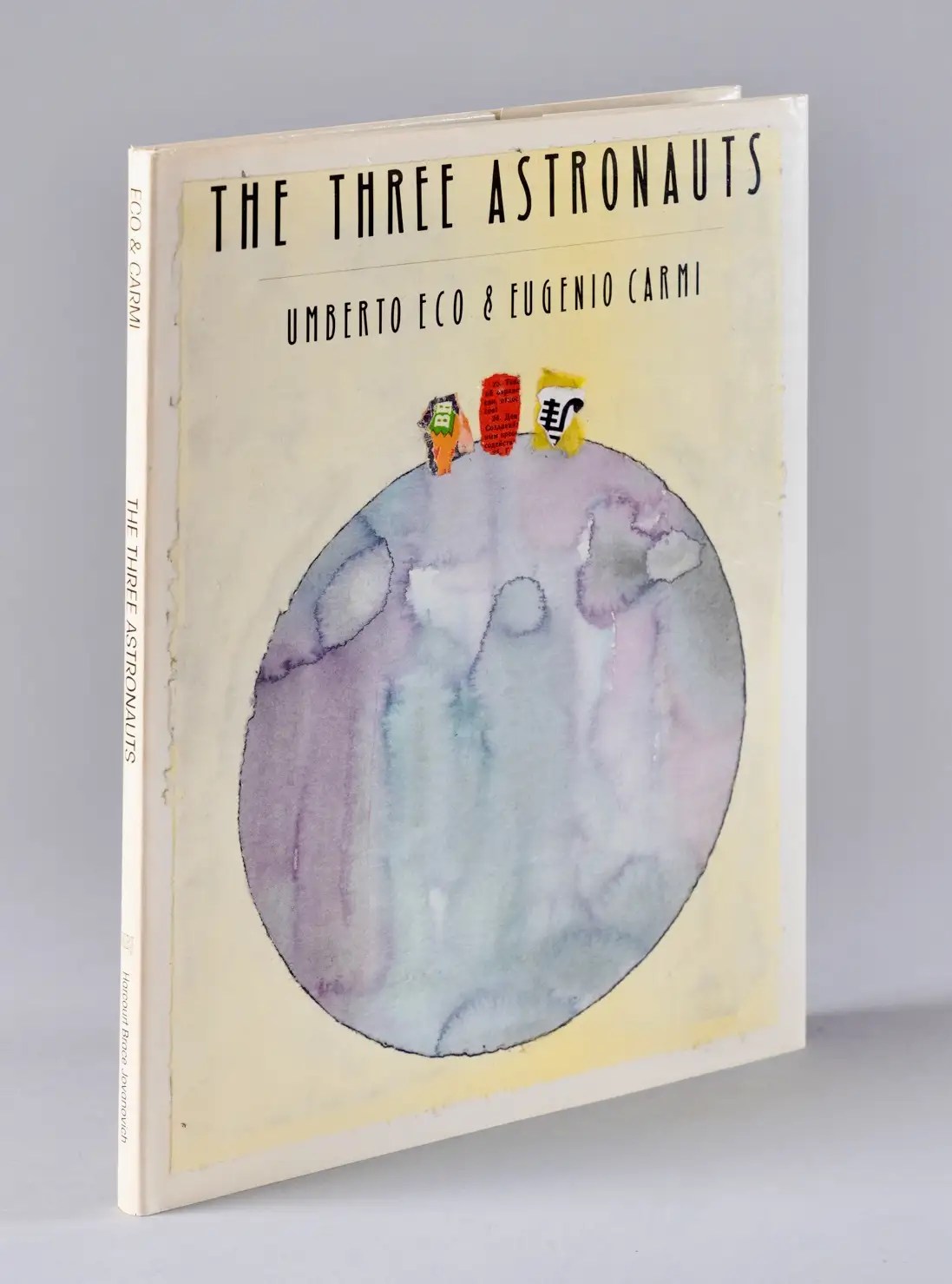
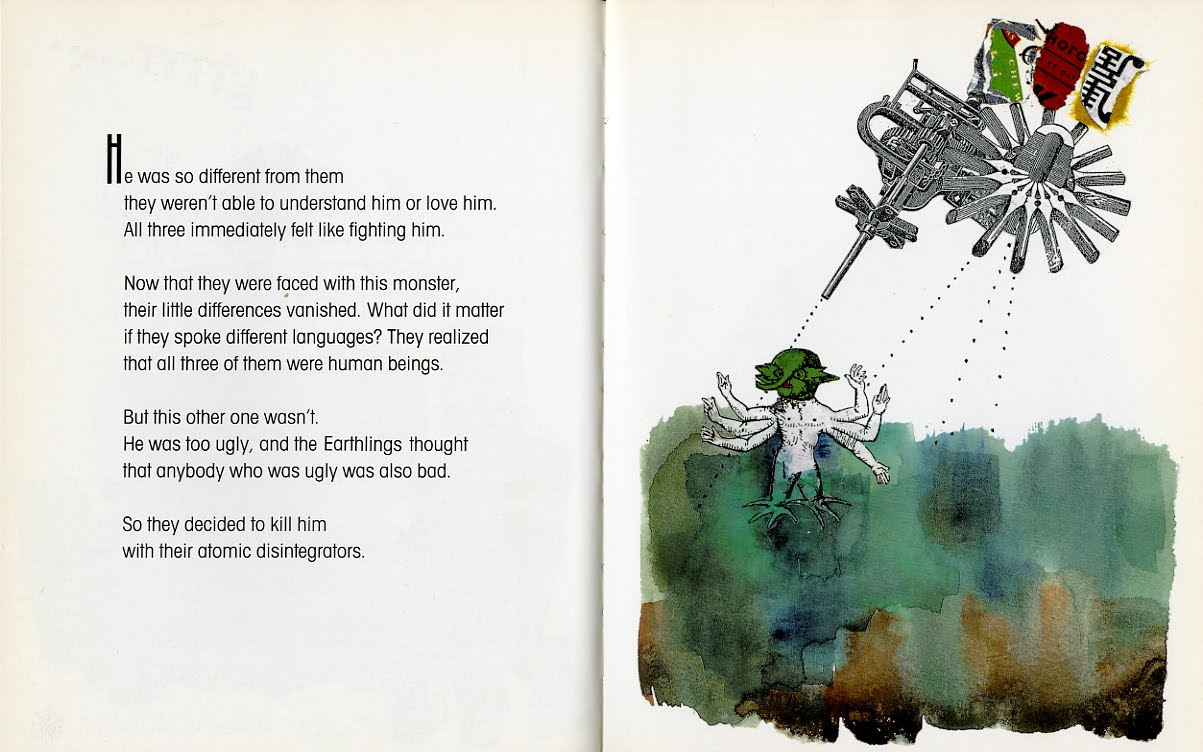
Lately, I have been binge watching a fascinating alternate history sci-fi TV series on the space race. If you get the chance, check out For All Mankind . The first season takes a bit long in establishing the characters and premise, but it’s worth hanging in. The show reached a point (no spoilers) that reminded me of the sweet morality tale disguised as an illustrated children’s book by Umberto Eco with illustrations from Eugenio Carni titled The Three Astronauts or I tre cosmonauti. 


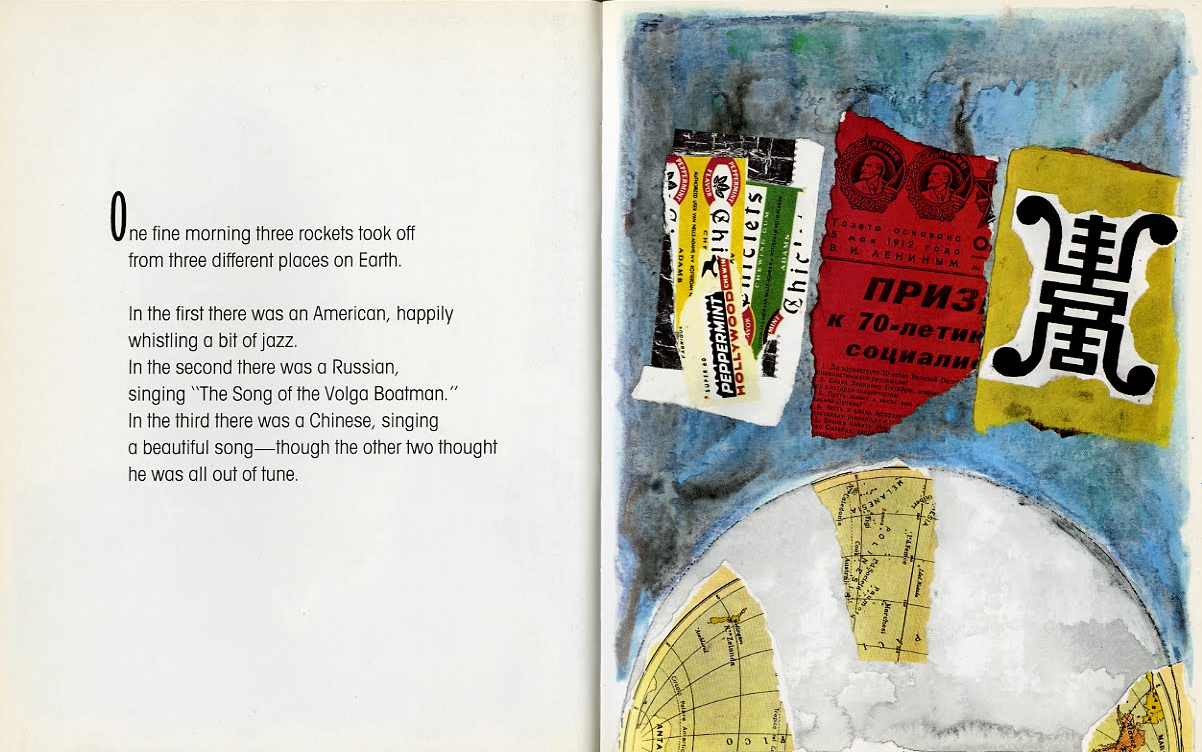
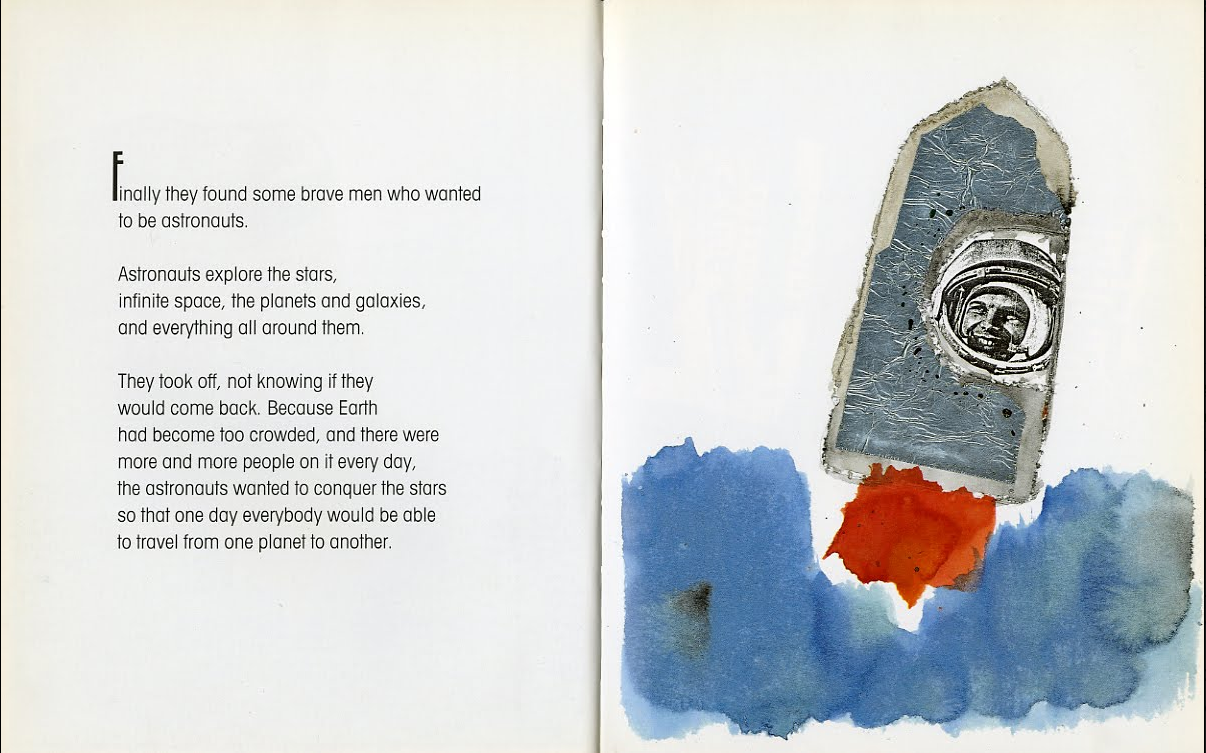
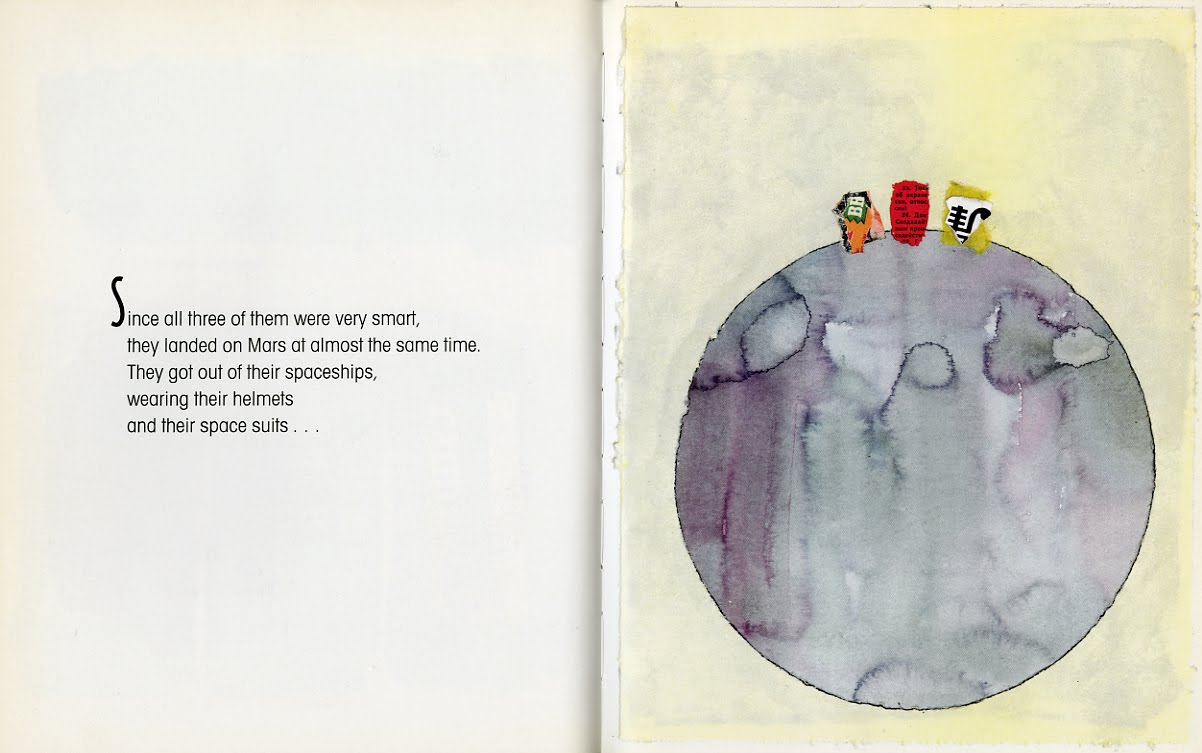
The charming little book  focuses on three astronauts – an American, a Russian, and a Chinese – who each individually depart Earth at the same time on a mission to Mars. Arriving at their destination simultaneously, at first they consider each other to be adversaries, but the desolate conditions of Mars helps them to recognize that their differences are inconsequential when compared to what they share in common. This is reinforced when they meet a six-armed Martian, and not being able to communicate they discover that their rivalry has moved from each other to the actual alien. Happily they soon discover that the Martian has emotions just like their own.

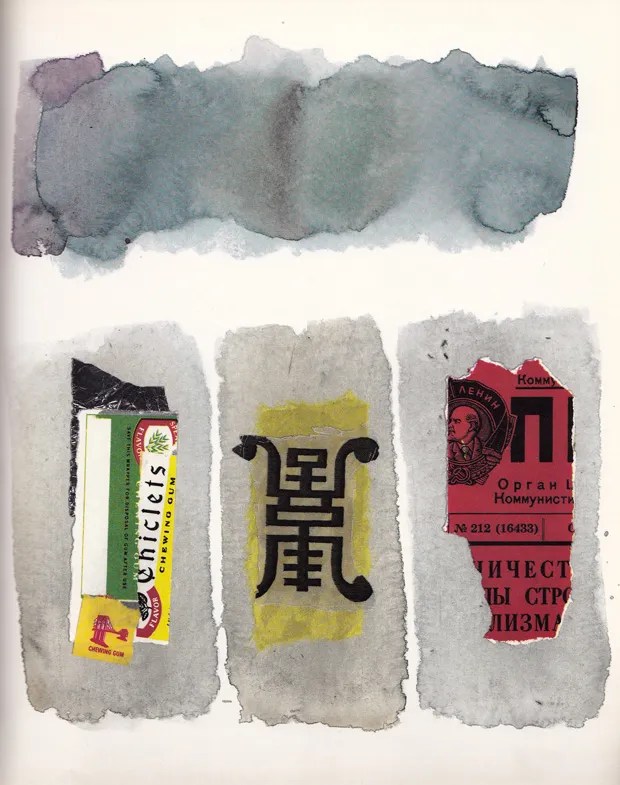
The book’s illustrations are by award-winning artist Eugenio Carmi, and consist of colorful collages and watercolors. Surreal and symbolic, the artwork excellently exemplifies Eco’s story of understanding and compassion. The astronauts are depicted by swatches of colored paper rather than as people; the American as a multicolored box of Chiclets, the Russian a red clipping from Pravda, and the Chinese as a yellow ideogram.

The 1966 first editions are quite expensive, but the 1989 U.S. edition is still relatively affordable and makes a great gift for the budding astronaut in your family.


Posted in Art, Books, Europe, Writing | Tagged , , , , | 1 Comment

Sort of Untranslateable

I recently fell down the rabbit hole of Untranslateable: “Untranslatable is an indie project that delves into the hidden aspects of languages by explaining words, idioms, and expressions contributed by native speakers. It goes beyond traditional translation, offering insights into usage, context, and cultural significance.”

Originally funded by crowdsourcing, the clever project is run by a young graduate student in linguistics who is creating a database of linguistic tropes and idiomatic speech from across the world. I have just learned that there is a word in Finnish for staying in and getting drunk in your underwear rather than going out and socializing. And when you are in Spain and something amazes you just say “Hala Me flipo.” for “I’m flipping out.”

Take a peek, it’s a fun website if you are intrigued by language and idioms. Here’s my fav.


Posted in apps, Writing | Tagged , | 2 Comments

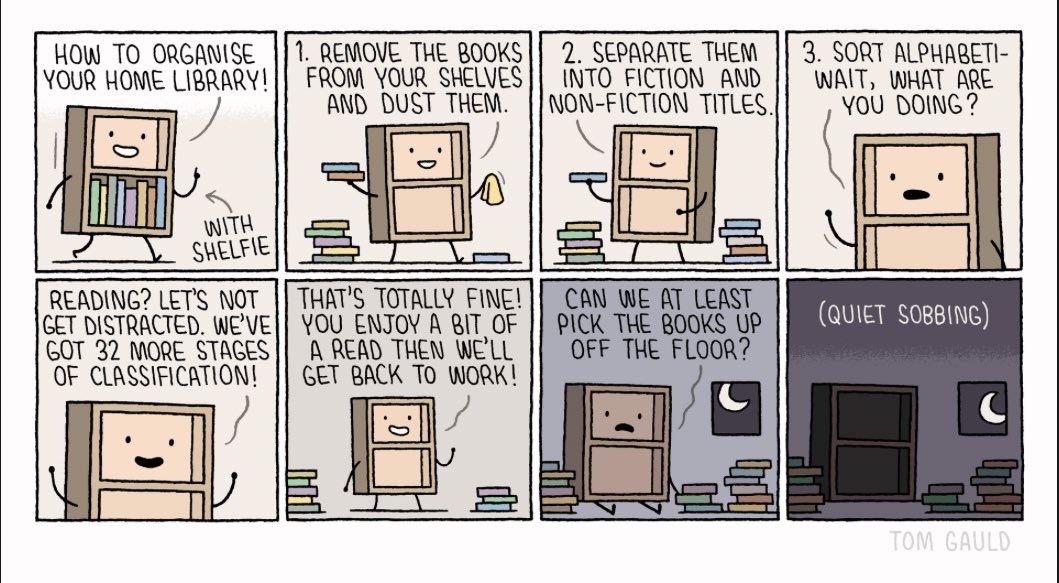
Book Fun


Posted in Animation, Art, Books, Libraries | Tagged , | 1 Comment

Around the World by Railway

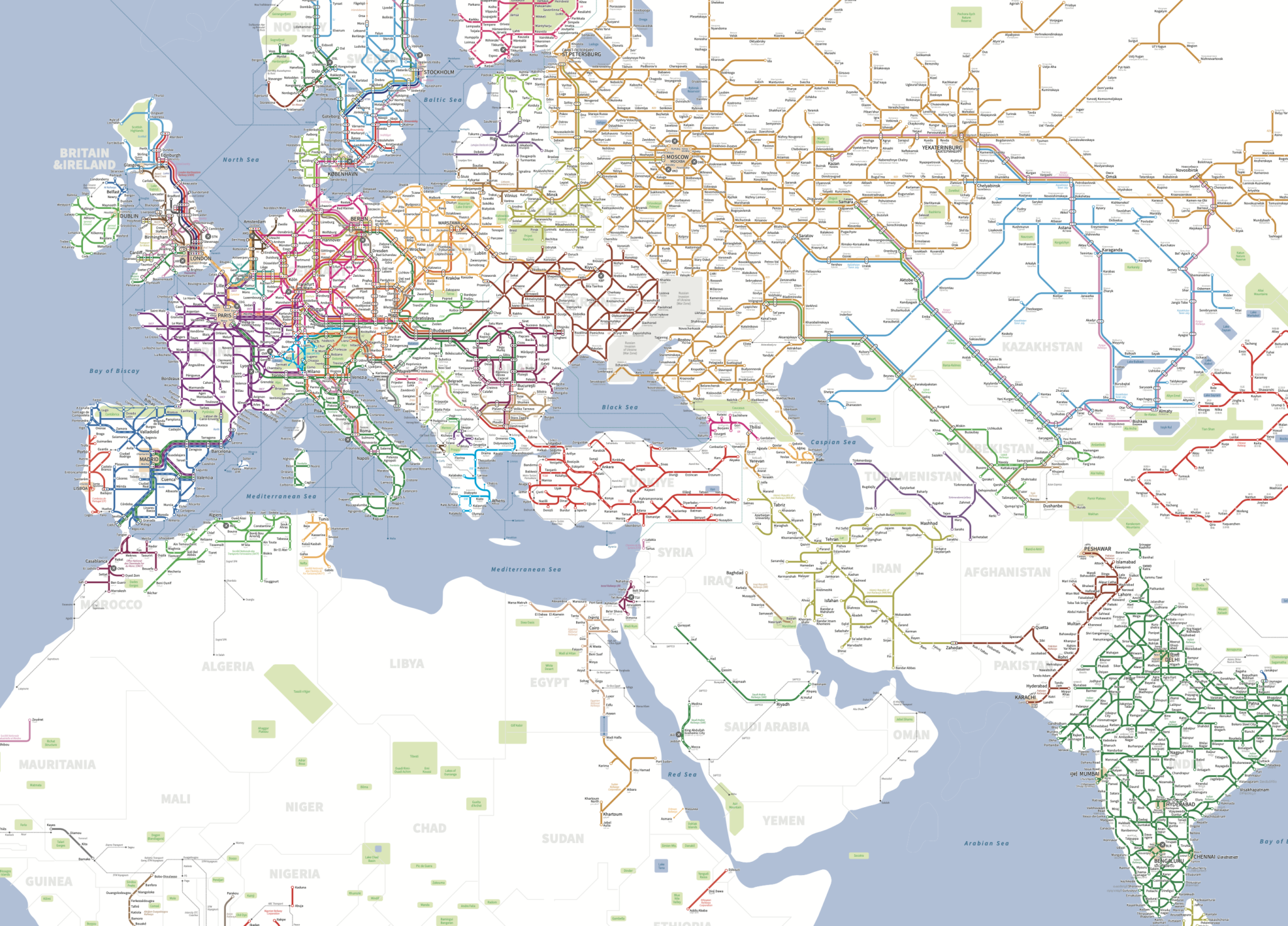
Regular visitors to Travel Between The Pages know that the entire crew (me) here at TBTP World HQ have an enduring interest in maps and train travel. So, when I stumbled upon this ambitious project I was intrigued.

Oregon-based geographer and cartographer Zhaoxu Sui mapped major railways worldwide. This ongoing online map will eventually include ferries and other means of travel. You can grab the full PDF version here.


Posted in Maps, Public Transport, Tech | Tagged , , | Leave a comment

American Fiction

I have been looking forward to the release of the Oscar-nominated film American Fiction. Based on the Percival Everett novel Erasure it stars the great American actor Jeffrey Wright. One scene from the movie was filmed in the Boston bookstore Brookline Booksmith and the shop staff recently shared a clip.

“It’s traditional to list writers, directors, actors, designers, and editors as those responsible for making a film great. Having seen my fair share of movies (and starring in one student film in the late-’90s), I know that it’s really all down to the location scout. Would King Kong have wowed audiences quite so much if he climbed to the top of Boston City Hall? I don’t think so. Similarly, Oscar-nominee American Fiction rests not on its stellar cast or brilliantly adapted screenplay, but on our own Coolidge Corner, and especially that camera shot down aisle 4, right here in Booksmith. We’ve written notes for our acceptance speech, but to be honest we’re probably going to wing it when we’re up there on stage.”


Posted in Books, Bookstore Tourism, Film, movies, USA, Writing | Tagged , | Leave a comment

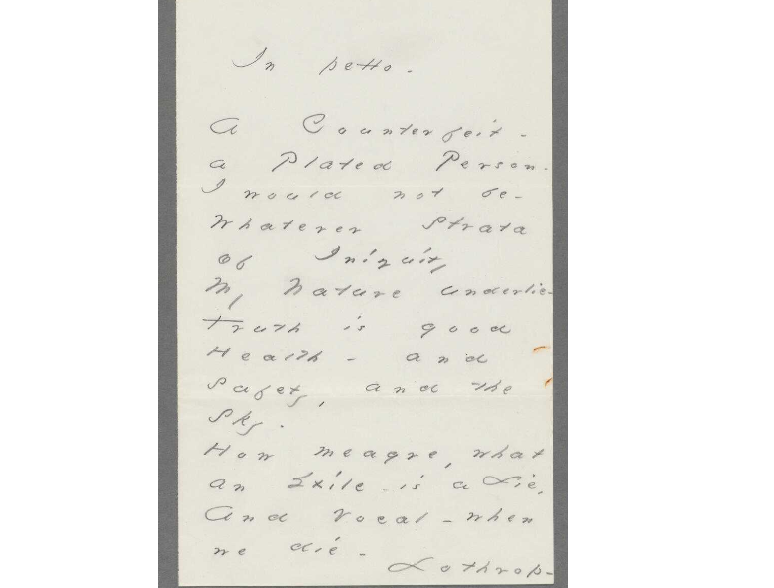
Counterfeit

A Counterfeit — a Plated Person —
I would not be —
Whatever strata of Iniquity
My Nature underlie —
Truth is good Health — and Safety, and the Sky.
How meagre, what an Exile — is a Lie,
And Vocal — when we die —

Emily Dickinson

Posted in Books, USA, Writing | Tagged , | 1 Comment