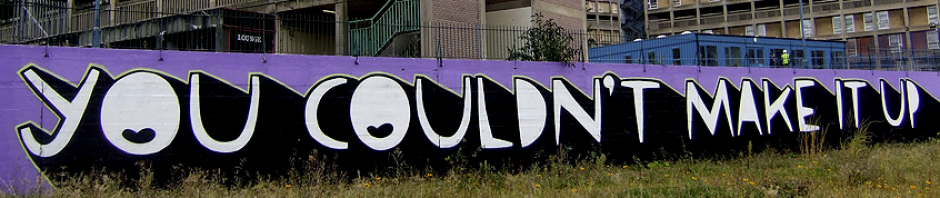

The very clever website Literature Clock will tell you the time via a literary passage. literature-clock.jenevoldsen.com.
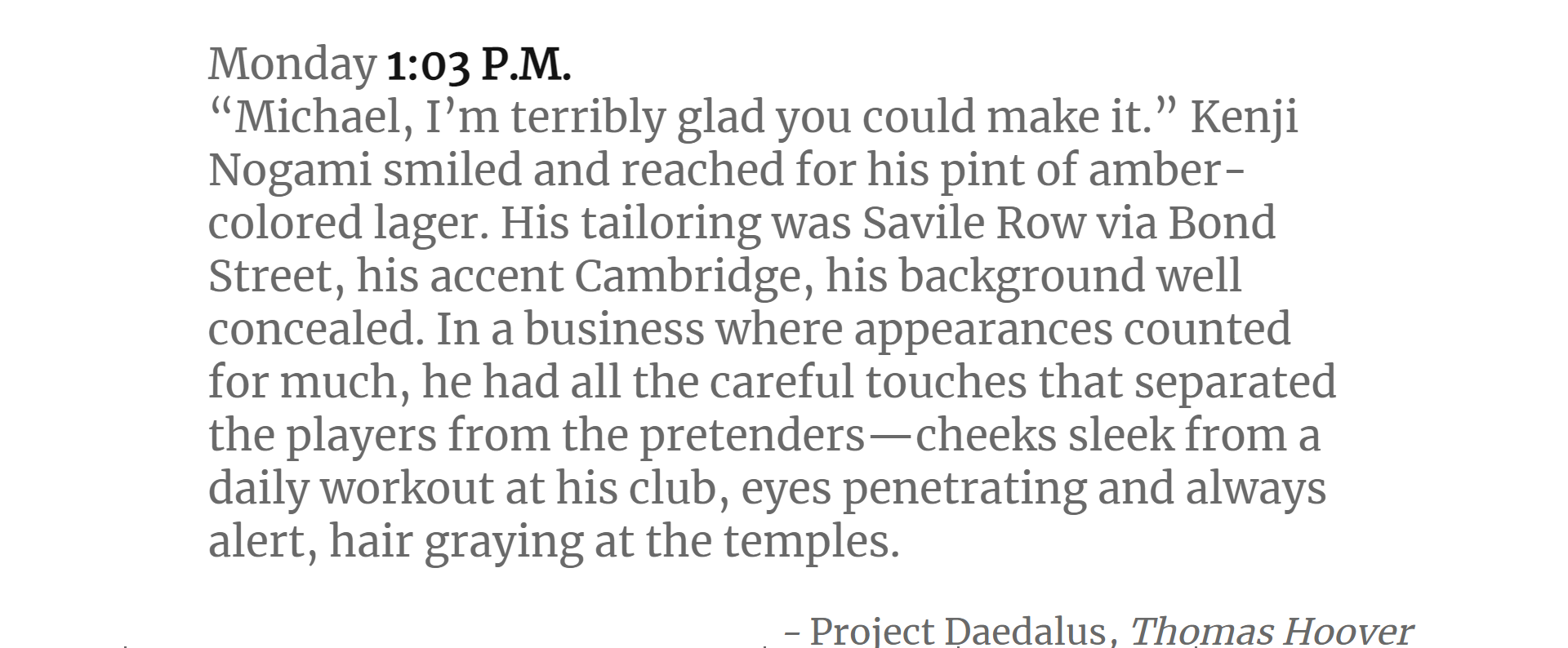

The very clever website Literature Clock will tell you the time via a literary passage. literature-clock.jenevoldsen.com.
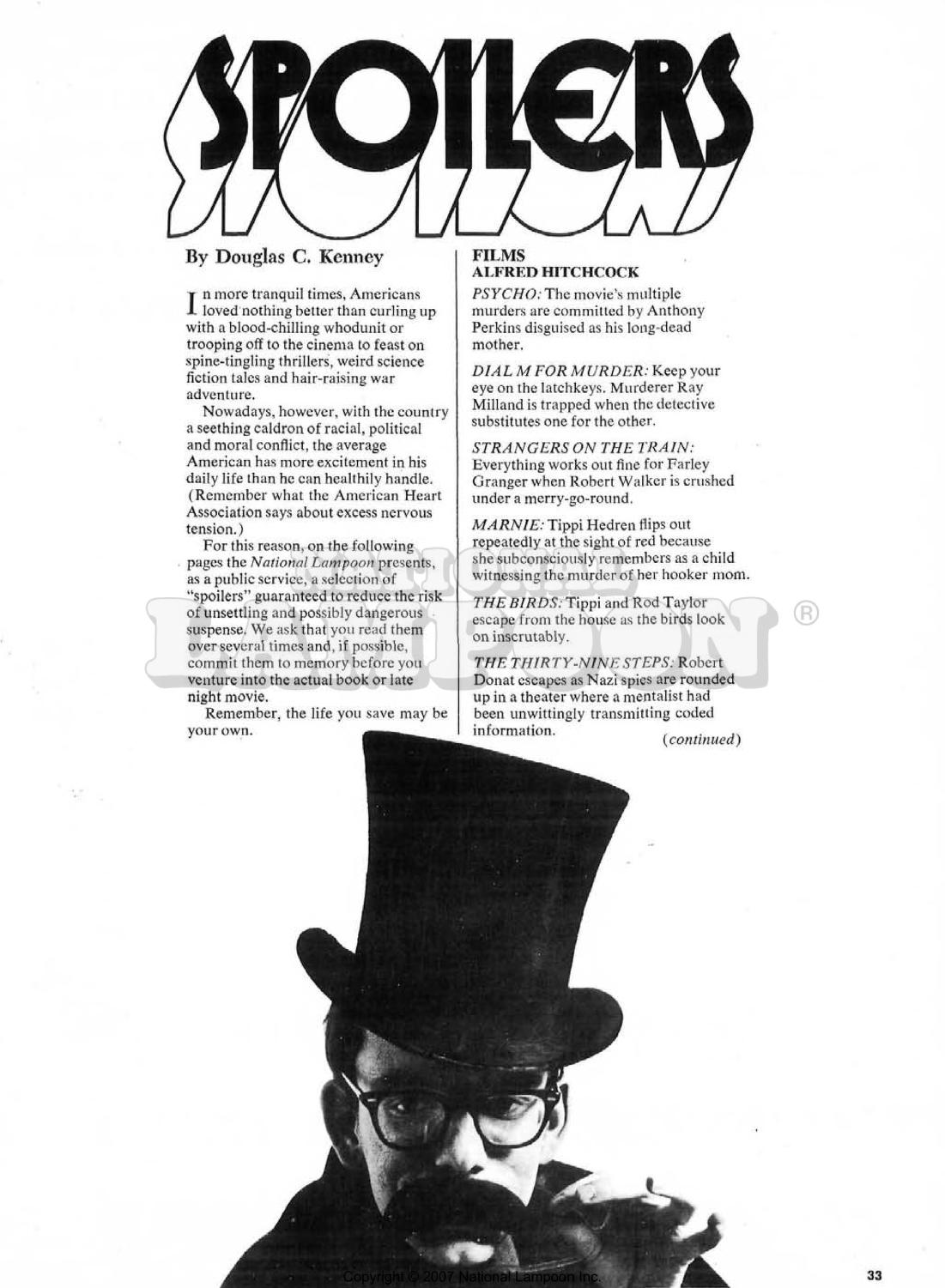
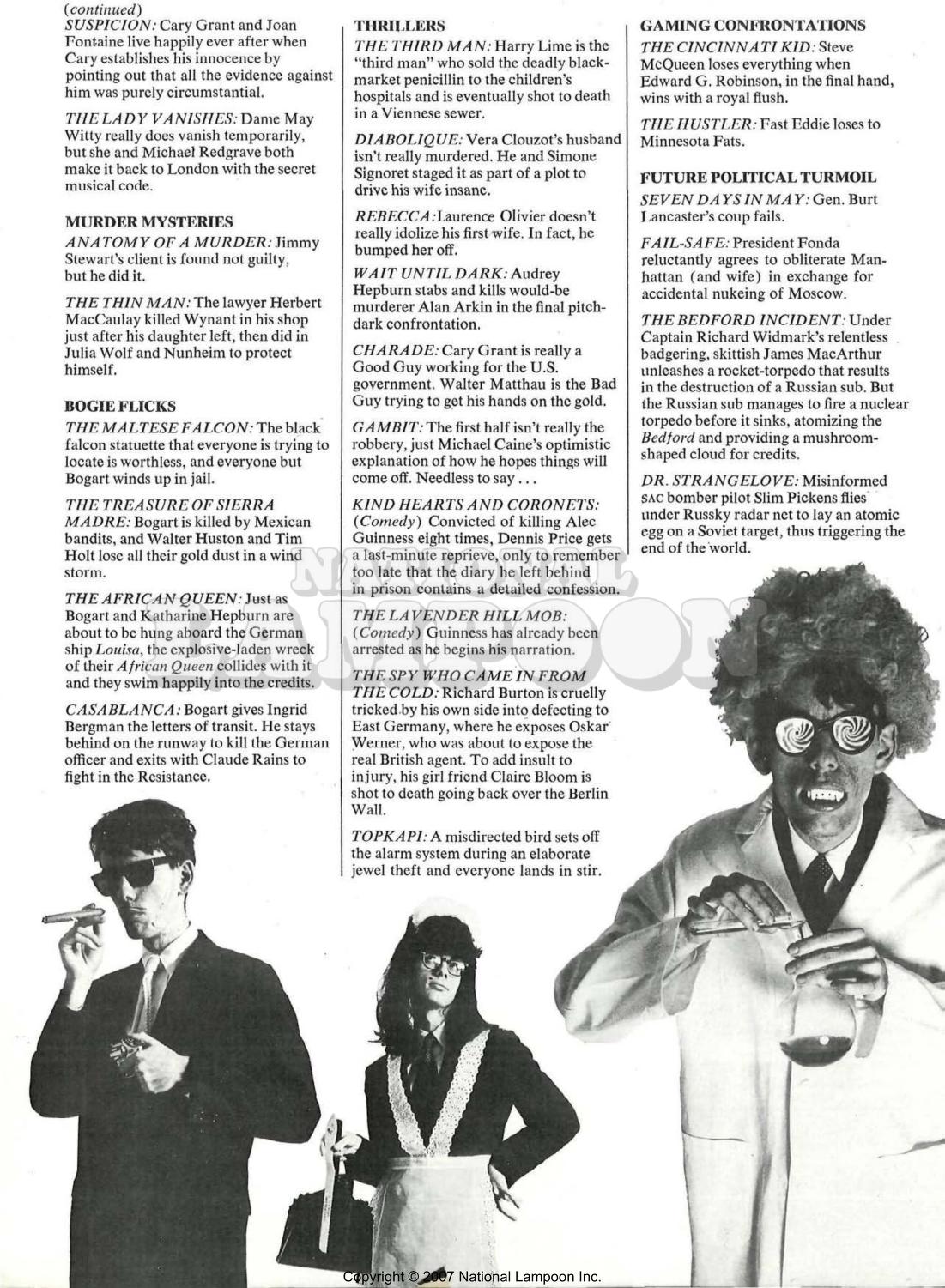
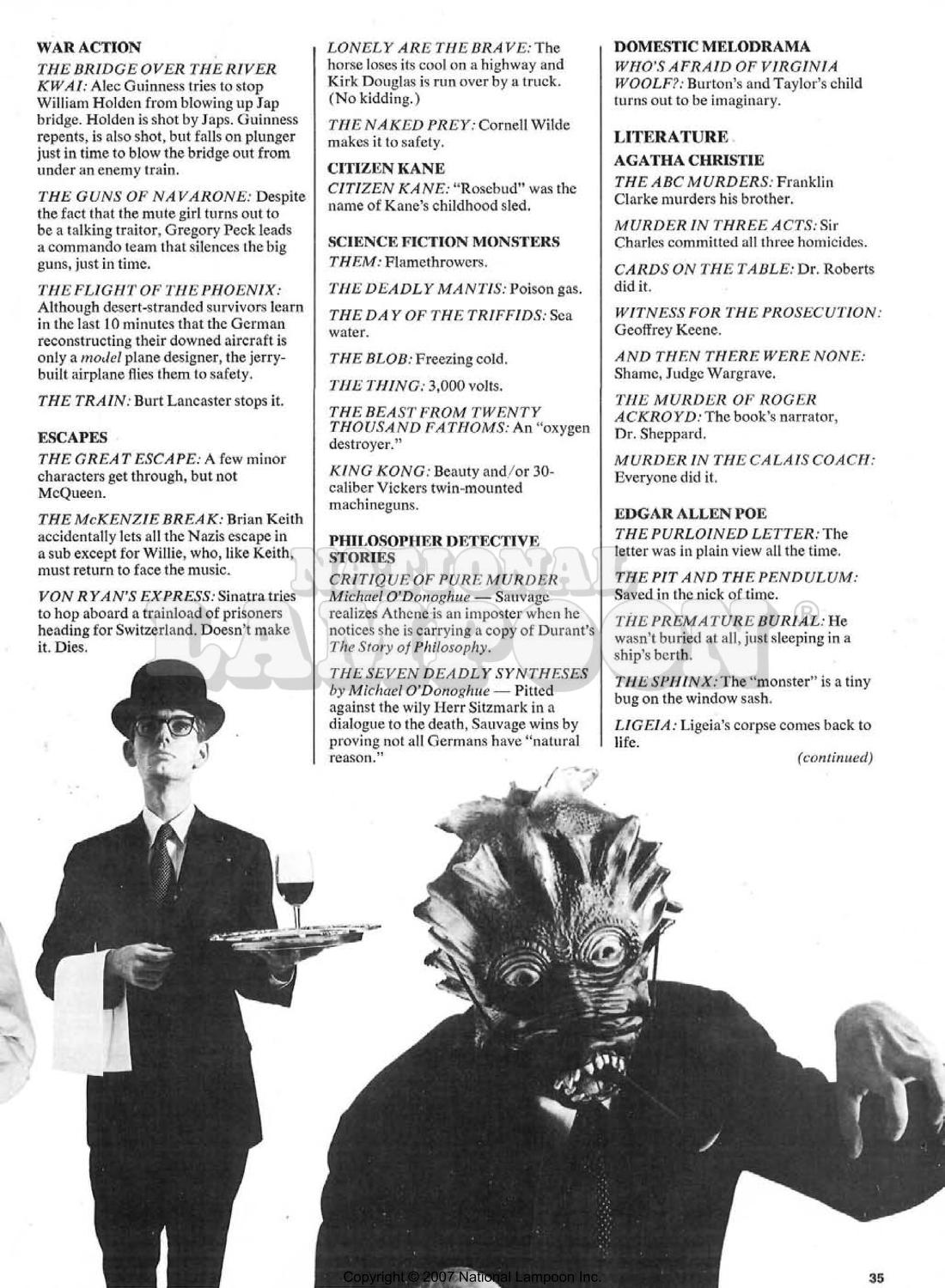
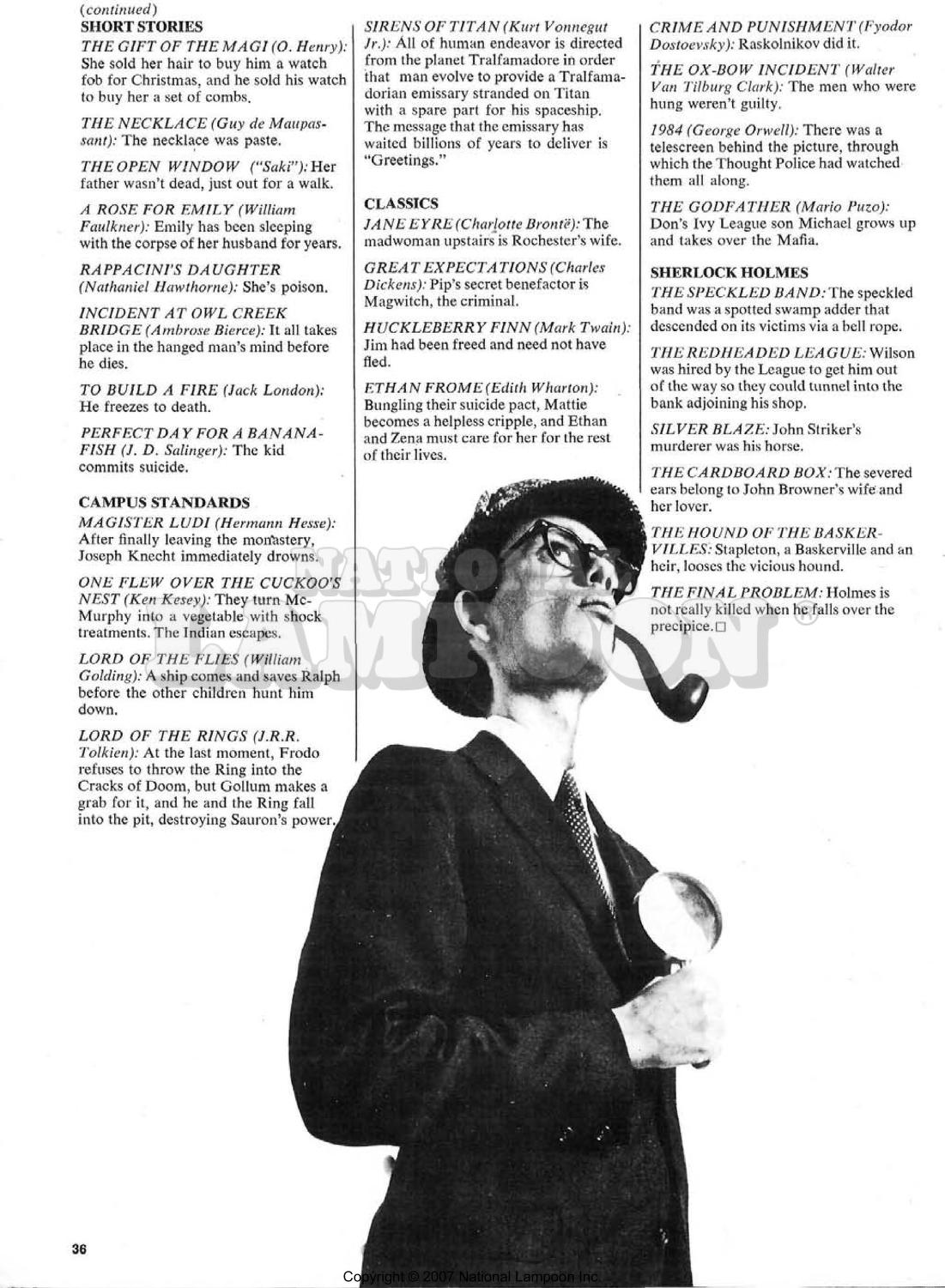
These days it’s nearly impossible to avoid spoilers for films, television shows, or books. Fortunately, some folks have the good graces to warn us with a “spoiler alert.” But have you ever wondered where the term “spoilers” came from ? It appears that the first published use may have been in “Spoilers” by Douglas C. Kenney, appearing in the April 1971 issue of National Lampoon. The article explains that in the then contemporary “seething cauldron of racial, political and moral conflict,” suspenseful plots could be dangerous to our health. It then goes on to reveal the plot twists of over fifty classic novels and movies. Spoiler alert, the original article follows below.

I continue to be amazed by the creativity of book artists. Two wizards of the genre, Peter and Donna Thomas, recently completed a pair of wonderful accordion books with fascinating musical connections.
The first is an accordion-style artist’s book, commissioned by the University of Texas at San Antonio (UTSA) Libraries. “The Real Tejano Conjunto Accordion Book” is the perfect marriage of form and content, as the book describes the history of accordions, accordion books, and the music that developed in and around San Antonio and the Rio Grande Valley.
“We commissioned ‘The Real Tejano Conjunto Accordion Book’ to highlight the importance of the accordion and accordionists in Tejano music,” commented Steph Noell, UTSA special collections librarian, in a press release. “While the format of the book will excite and intrigue people, the content is just as important as it highlights a segment of music and musicians who are major figures in Tejano music but are rarely talked about.”
The book will join more than 250 other artists’ books at UTSA. “Some are readable, and some are just art, but they all stretch the imagination of what we consider a book,” Noell said.
The one pictured below was made to celebrate the 50th anniversary of the American band Los Lobos, known for its eclectic mix of rock, Tejano, and folk.

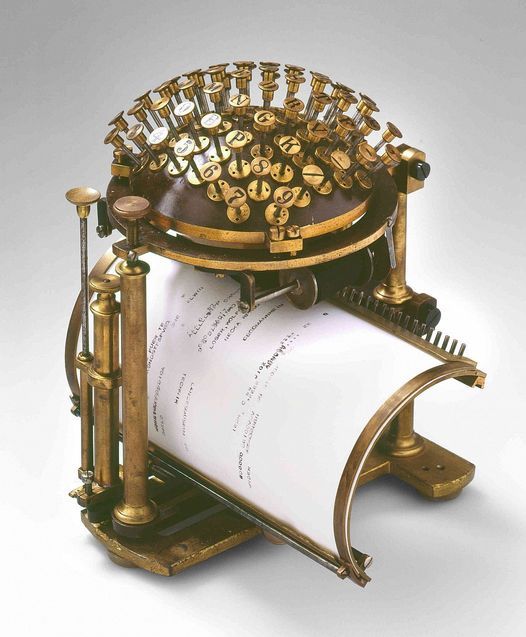
This wild-looking mechanical contraption is a typewriter. It was designed in 1867 and then patented in 1870. For the time, the Malling Hansen Writing Ball was a technological marvel and years ahead of its time. The unique functionality of this typewriter makes it such a sought-after collector’s item these days. The estimated price for this is about $80,000.
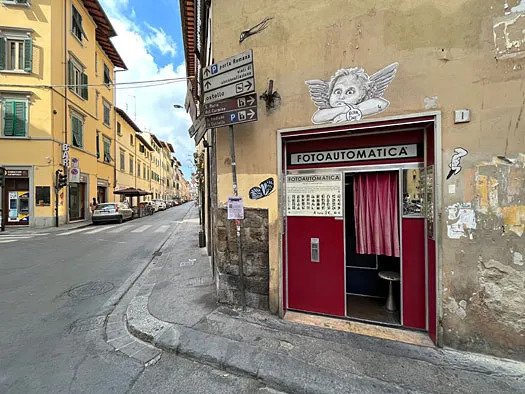
Even though billions of people walk around with a combo camera/phone in their pockets, we still love a good old fashioned photobooth. Whi knew that there was a website completely devoted to the joys of the photobooth. Photobooth.net is the ultimate photobooth resource on the internet.
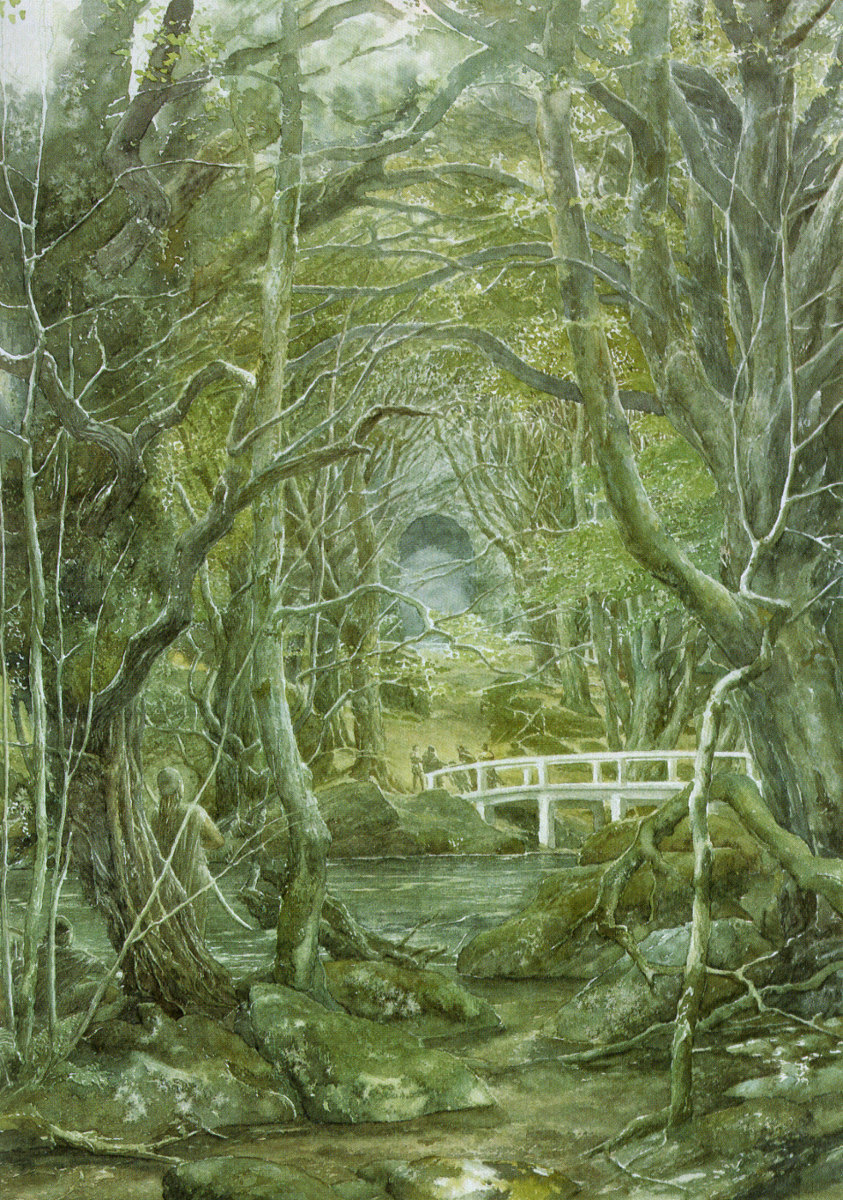
Rediscover Five Forests in Literature (at the excellent Peter Harrington Journal).
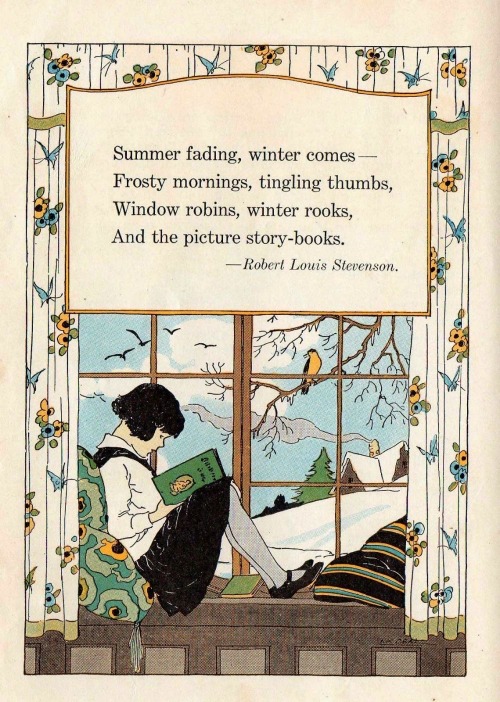
Will the hungry ox stand in the field and not eat of the sweet grass? Will the owl bite off its own wings? Will the lark forget to lift its body in the air or forget to sing? Will the rivers run upstream? Behold, I say—behold the reliability and the finery and the teachings of this gritty earth gift.
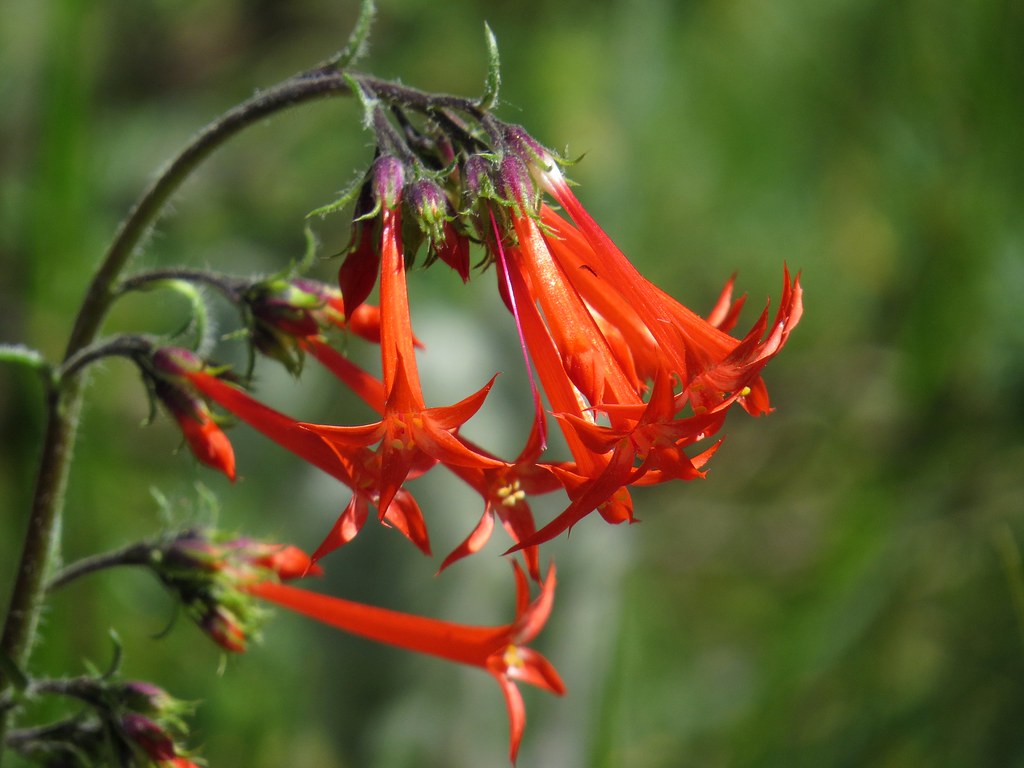
2. Eat bread and understand comfort. Drink water, and understand delight. Visit the garden where the scarlet trumpets are opening their bodies for the hummingbirds who are drinking the sweetness, who are thrillingly gluttonous. For one thing leads to another. Soon you will notice how stones shine underfoot. Eventually tides will be the only calendar you believe in. And someone’s face, whom you love, will be as a star both intimate and ultimate, and you will be both heart-shaken and respectful. And you will hear the air itself, like a beloved, whisper: oh, let me, for a while longer, enter the two beautiful bodies of your lungs.
3. The witchery of living is my whole conversation with you, my darlings. All I can tell you is what I know. Look, and look again. This world is not just a little thrill for the eyes. It’s more than bones. It’s more than the delicate wrist with its personal pulse. It’s more than the beating of the single heart. It’s praising. It’s giving until the giving feels like receiving. You have a life—just imagine that! You have this day, and maybe another, and maybe still another.
4. Someday I am going to ask my friend Paulus, the dancer, the potter, to make me a begging bowl which I believe my soul needs. And if I come to you, to the door of your comfortable house with unwashed clothes and unclean fingernails, will you put something into it? I would like to take this chance. I would like to give you this chance.
5. We do one thing or another; we stay the same, or we change. Congratulations, if you have changed.
6. Let me ask you this. Do you also think that beauty exists for some fabulous reason? And, if you have not been enchanted by this adventure— your life— what would do for you?
7. What I loved in the beginning, I think, was mostly myself. Never mind that I had to, since somebody had to. That was many years ago. Since then I have gone out from my confinements, though with difficulty. I mean the ones that thought to rule my heart. I cast them out, I put them on the mush pile. They will be nourishment somehow (everything is nourishment somehow or another). And I have become the child of the clouds, and of hope. I have become the friend of the enemy, whoever that is. I have become older and, cherishing what I have learned, I have become younger. And what do I risk to tell you this, which is all I know? Love yourself. Then forget it. Then, love the world.
“To Begin With, the Sweet Grass” by Mary Oliver. Text as published in Evidence: Poems (Beacon Press, 2010).

Perspicacious followers of Travel Between The Pages will have long ago noted my interest in history, cartography, archeology, and the city of London. All of these subjects serendipitously come together in the Archaeology of Greater London website, which has interactive maps of London archaeological finds from pre-historic times, through the arrival of the Romans right up until the Middle Ages. Even if you aren’t particularly interested in archaeology the map provides a fascinating insight into how London has developed as a city since the arrival of the Romans in 47 AD.
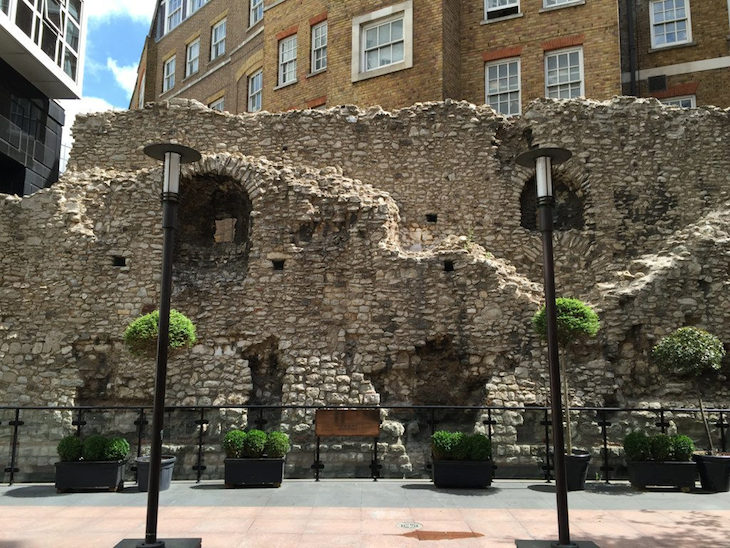
The Archaeology of Greater London is organized into four distinct historical eras: the prehistoric, Roman, Saxon and Medieval. Each historical period has its own map providing an overview of the density of archaeological finds that have been discovered in London from that era of history. If you zoom in on the map colored markers are used to indicate the types of find discovered at different locations in the city.
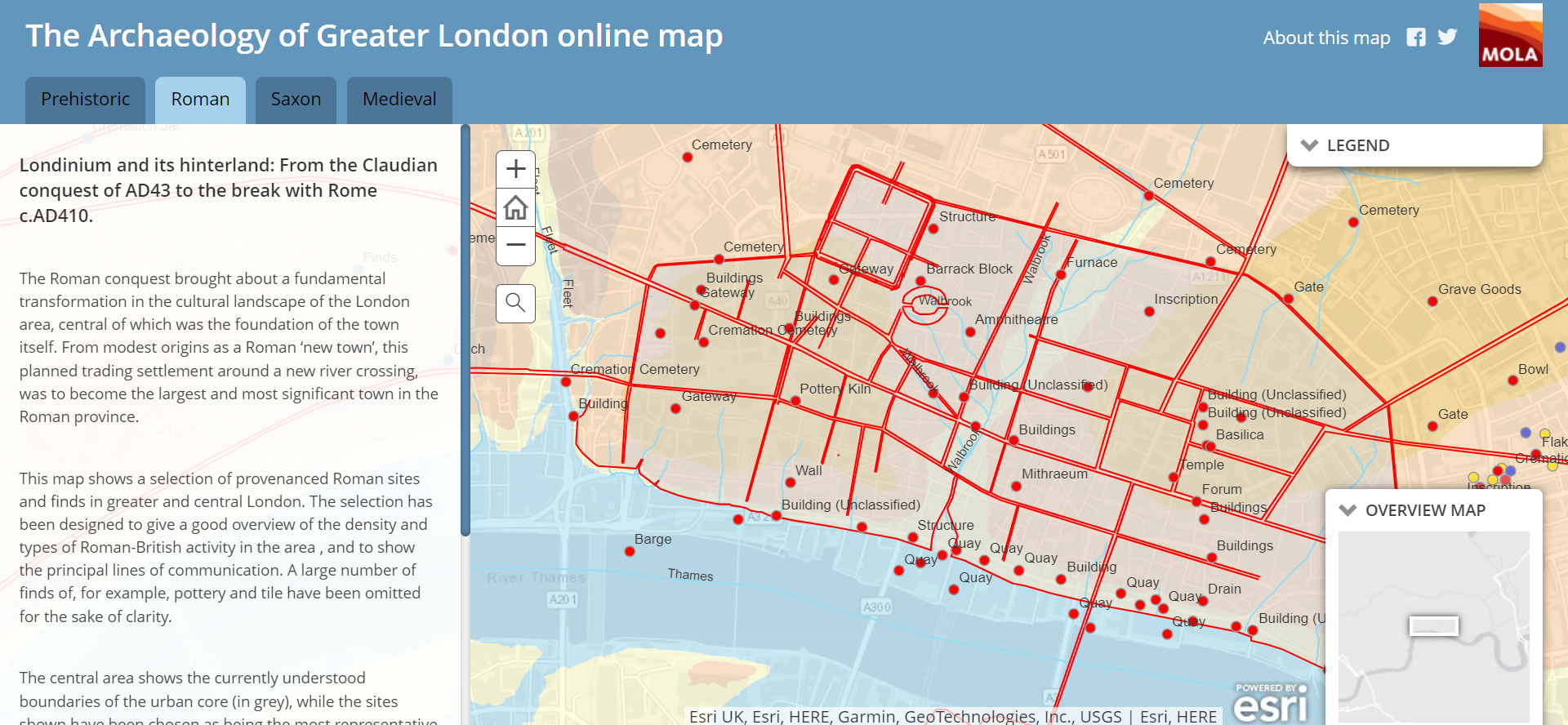
The map for each historical period also reflects the layout of London during that era. For example the course of the Thames and London’s many lost rivers are shown as they were at the time. The city’s boundaries are shown as they were during that time in London’s history and contemporaneous place-names are also used (for example the Medieval ‘Eastceape’ instead of ‘Eastcheap’).
The Archaeology of Greater London was created by the Museum of London Archaeology.

Insomnia
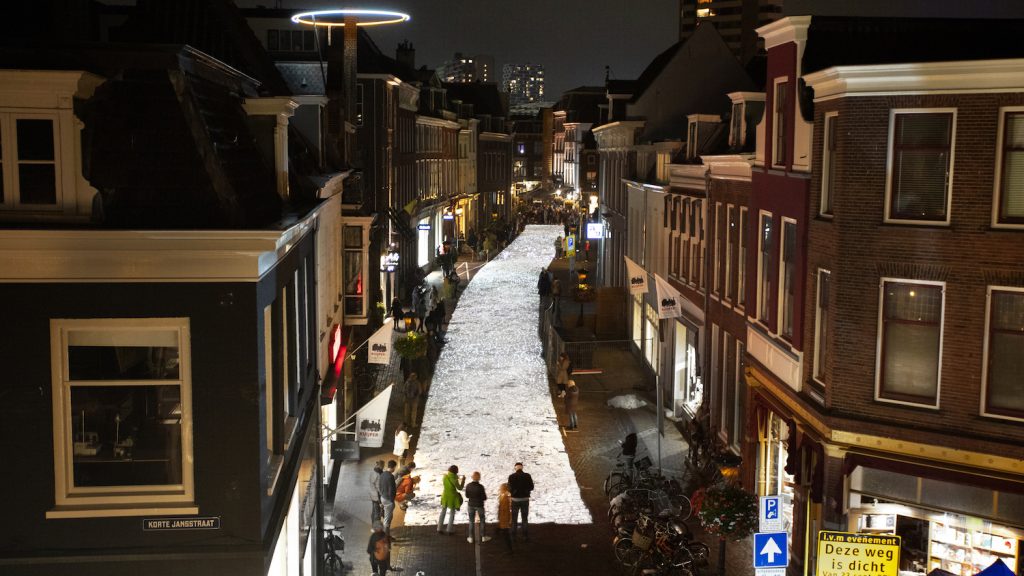
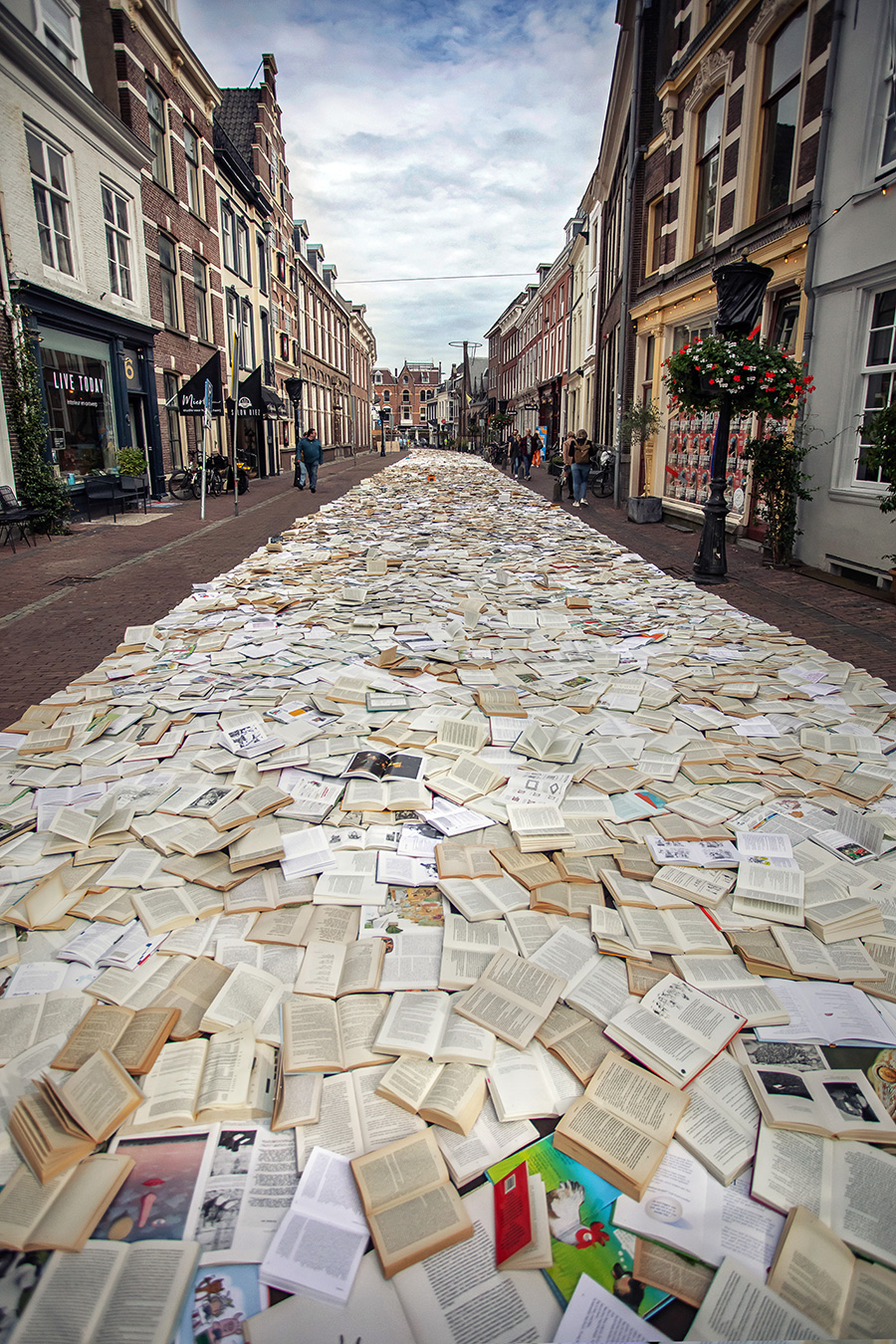
Regular visitors to TBTP are likely aware of my enormous regard for the brilliant installations from the Madrid-based street art collective Luzinterruptus. Somehow I missed their most project titled Literature vs Traffic that they created in one of my favorite cities, Utrecht, Netherlands last September. As participants in the International Literature Festival Utrecht – ILFU, they created an illuminated river of books on a center city street.
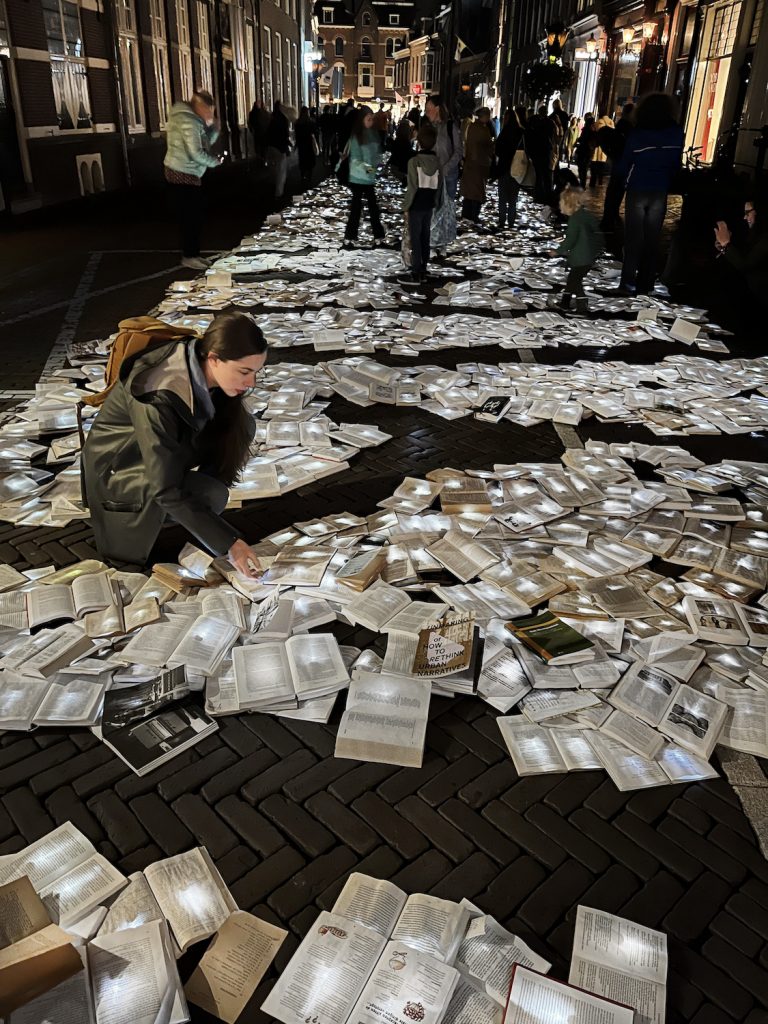
According to the group:
“We want literature to take over the streets and to become the conqueror of all public places, offering passersby a traffic-free area that will, for a few hours, surrender to the humble might of the written word.
Thus, a place in the city usually dedicated to speed, pollution, and noise, shall turn, for one night, into a place of peace, quiet, and coexistence, lighted by the soft dim light issued from the book pages.
The books will be available for those who want to take them, so the installation will recycle itself and will last as long as its users decide to make it disappear.
Cars will eventually re-claim their place. However, those who walked by this place that night will hold the memory of how once books took over it, so they will have a better relationship with it.”
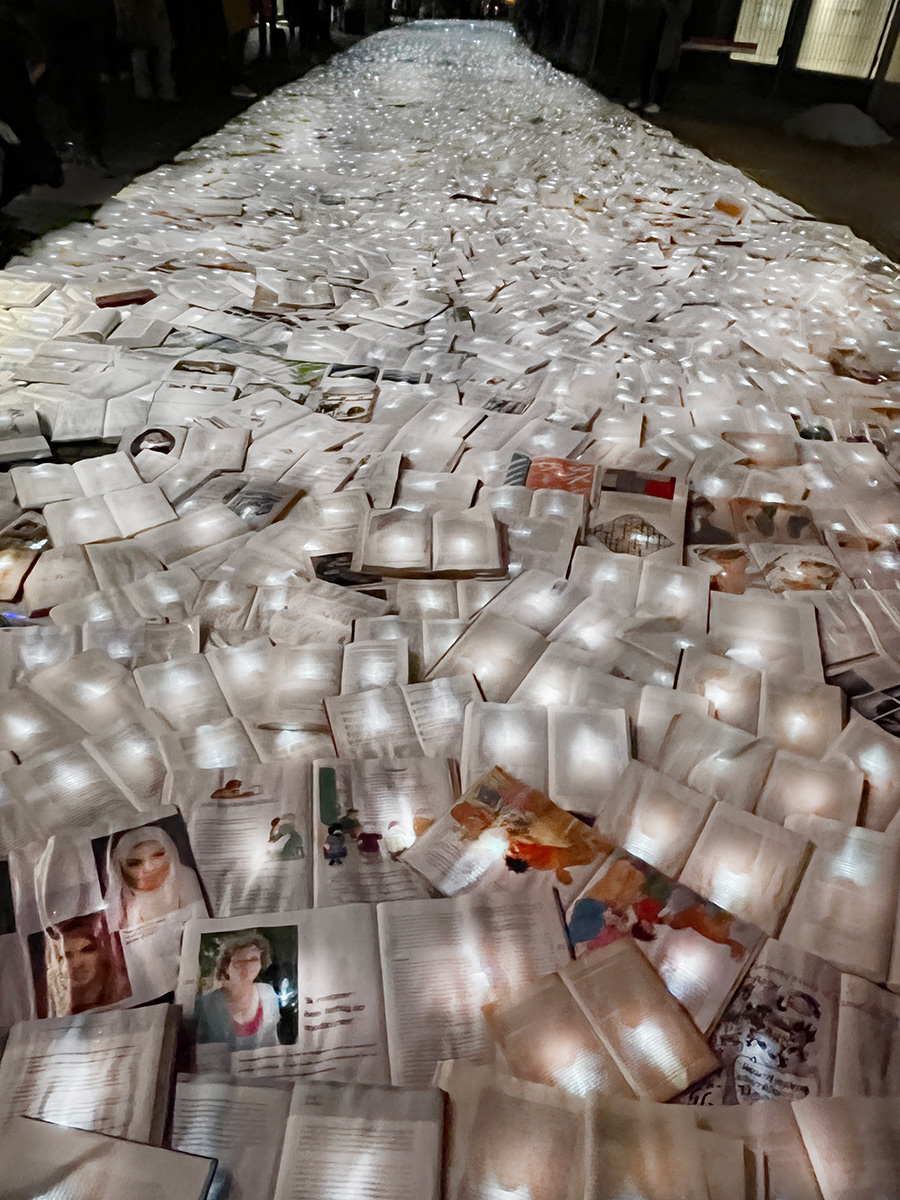
For Literature vs Traffic, they used more than 11,000 books that they gathered over a three month period from local book lovers, libraries, and bookshops. They used the books to create a long stream which was open to the public during the entire day. When night fell, they allowed the public into the installation to examine the books and choose those they liked the most to take back home. The leftover books were donated to local thrift shops.
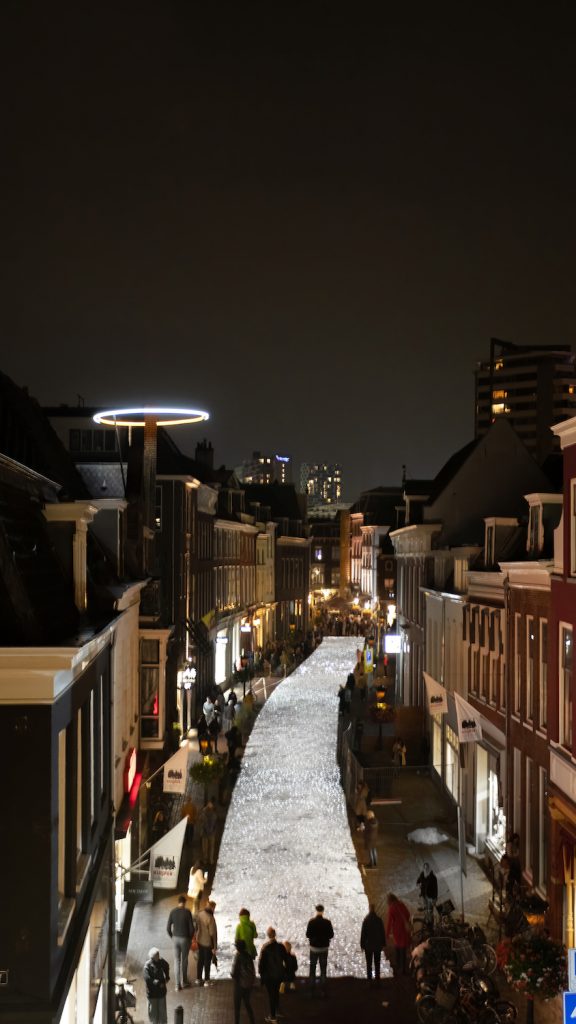
Later that night, 50 volunteers picked up the books that remained on the street. They were carefully stored away and, once the lights were out, they were donated to local thrift stores.
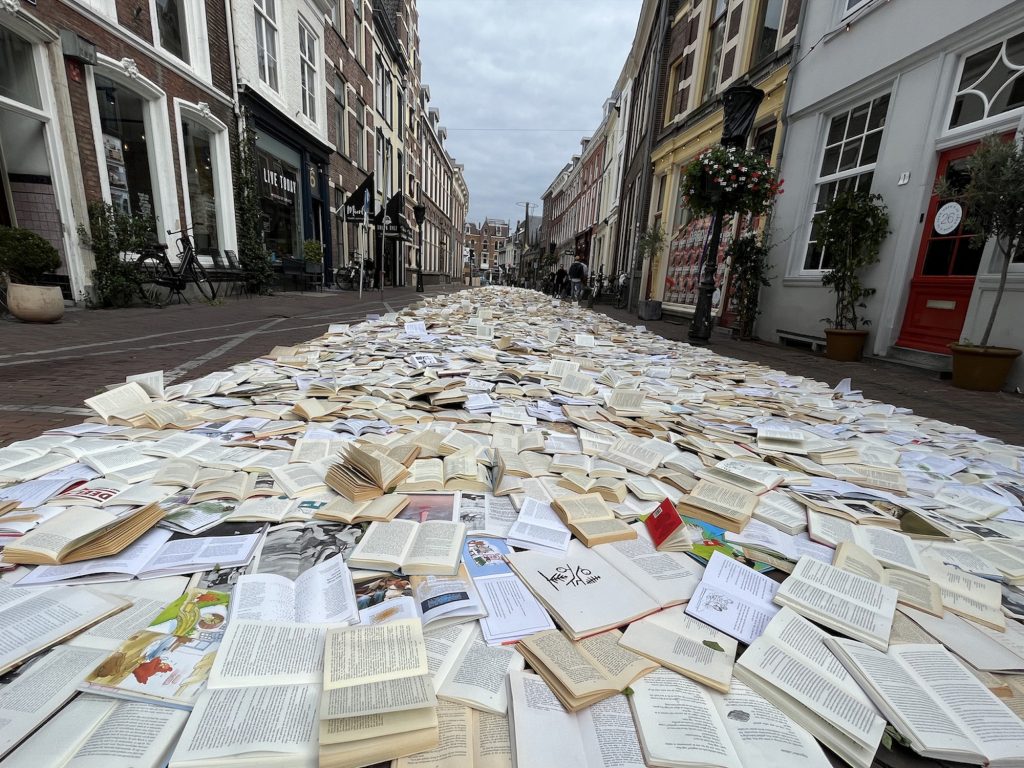
Photographs by Montaña Pulido, Bram van Toor, Rob Schreuder, Jonathan Franzen, Michael Kooren, and Liset Verberne.

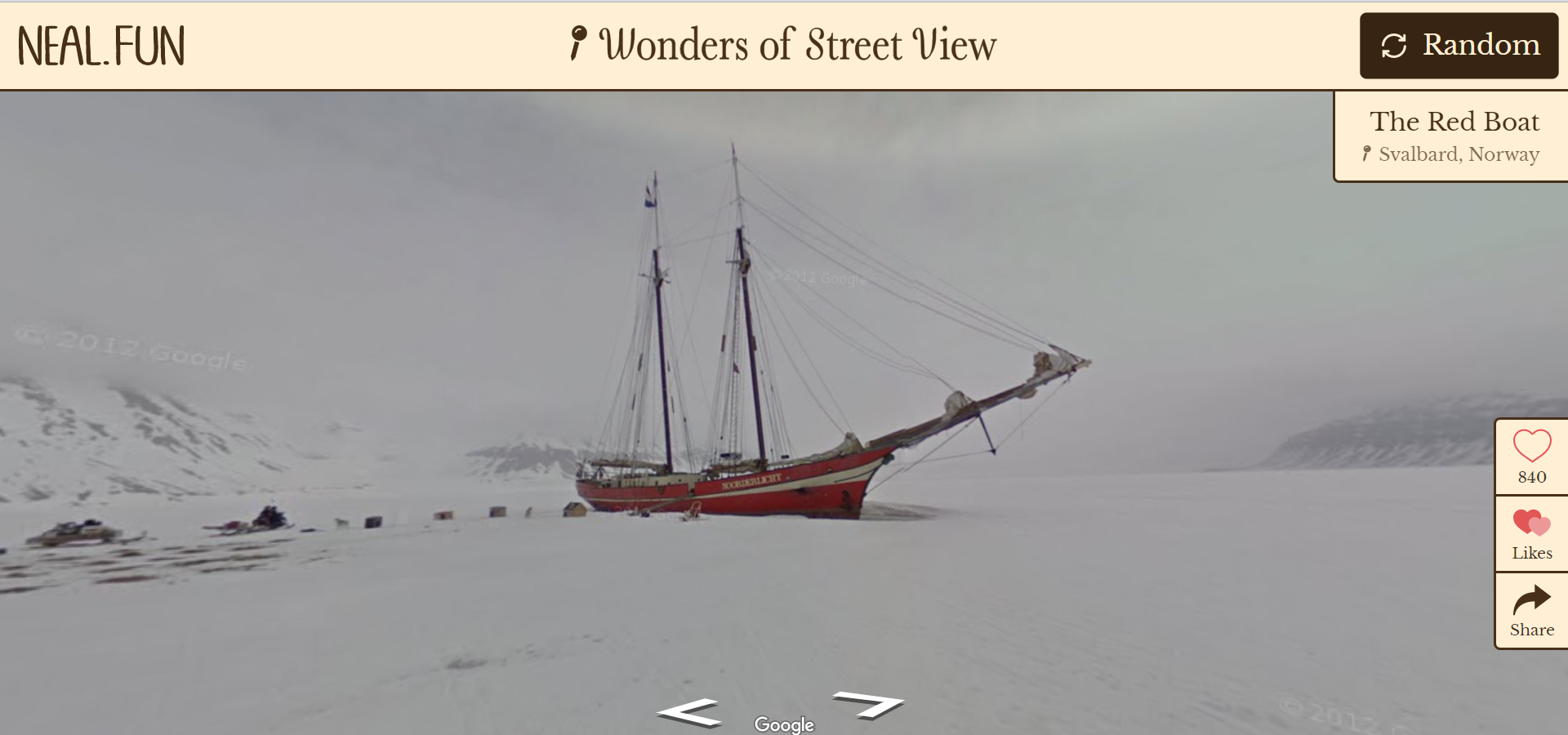
As they say in the oldtimey Noir stories, I have a beef with Neal Agarwal. His new time-stealing website sucked up an hour of my life that I’ll never get back. But I loved it.
The Wonders of Street View: from the self-described creator of “fun internet ephemera” Neal Agarwal is a fantastic rabbithole which does one thing and one thing only, bouncing the user through an amzing selection of bizarre views on Google Streetview. What’s really great about this is that StreetView embeds in the site, meaning not only can you see some weird stuff but you can also navigate around the surrounding environment to get context for the place and geography.



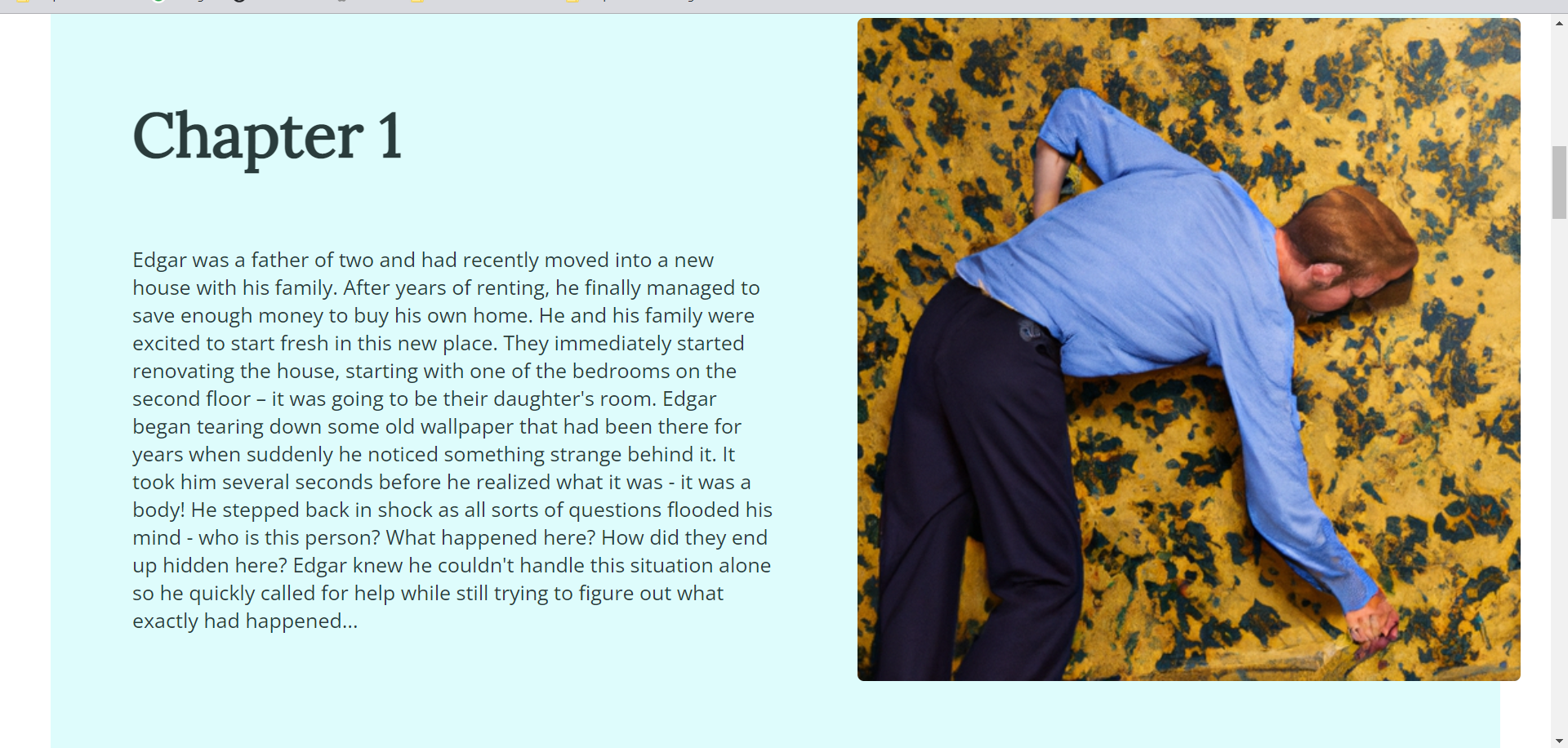
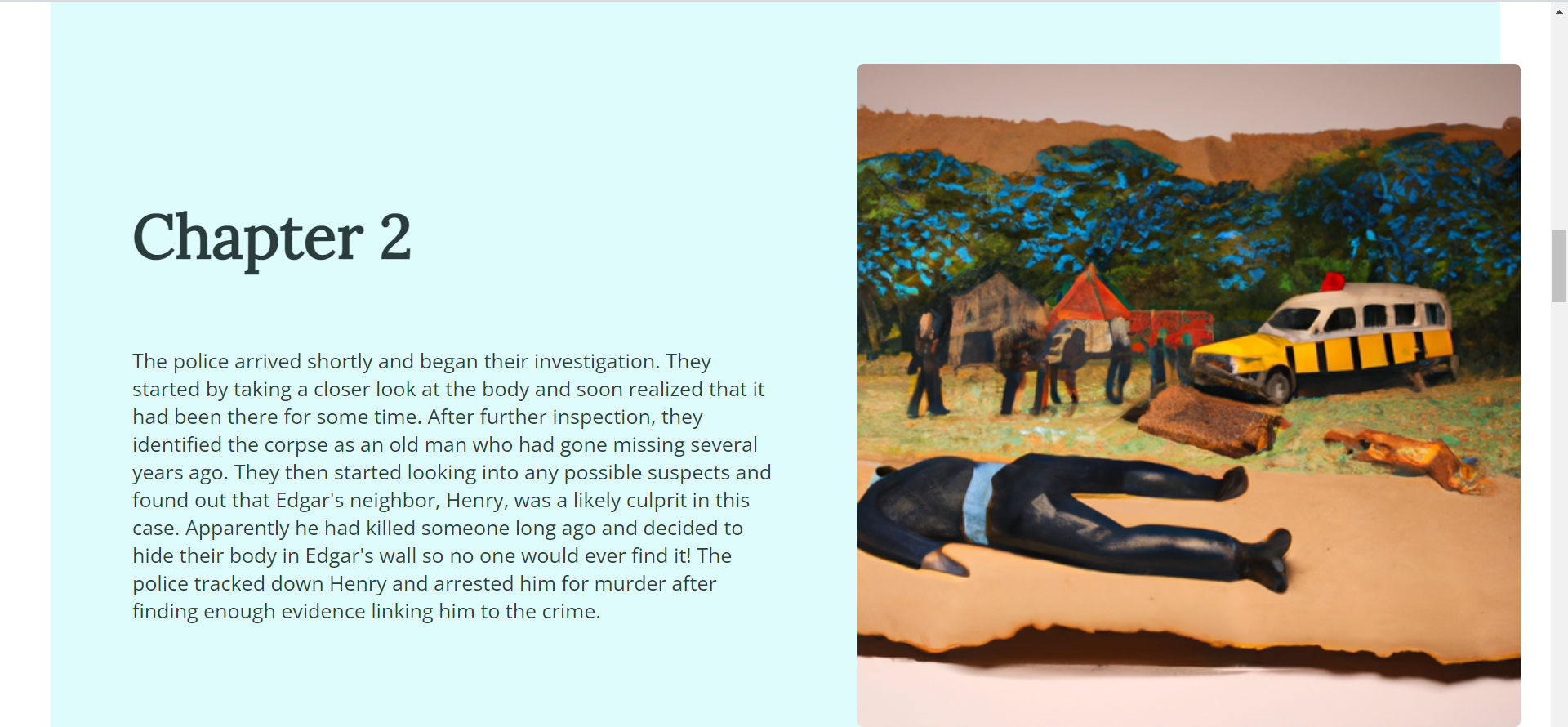
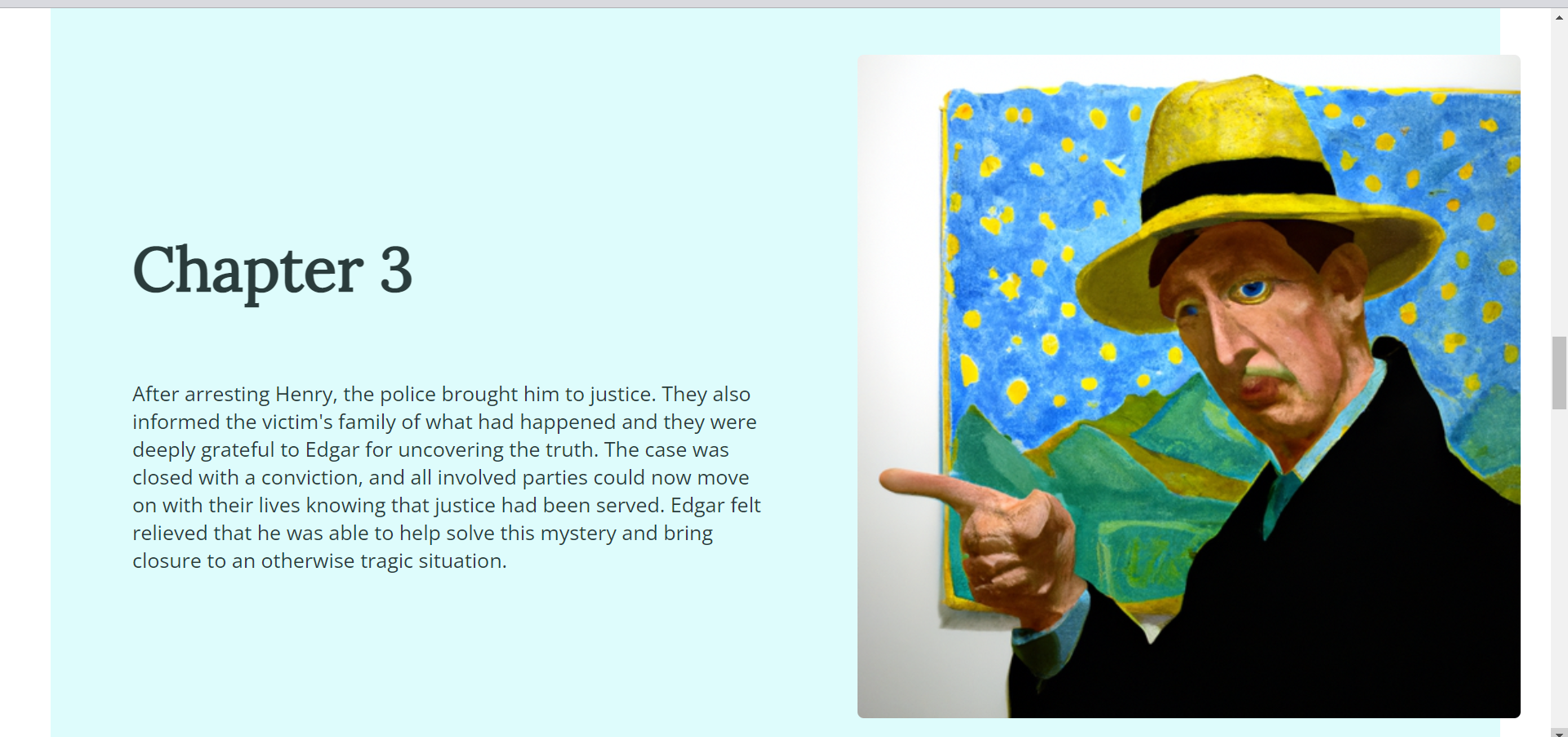
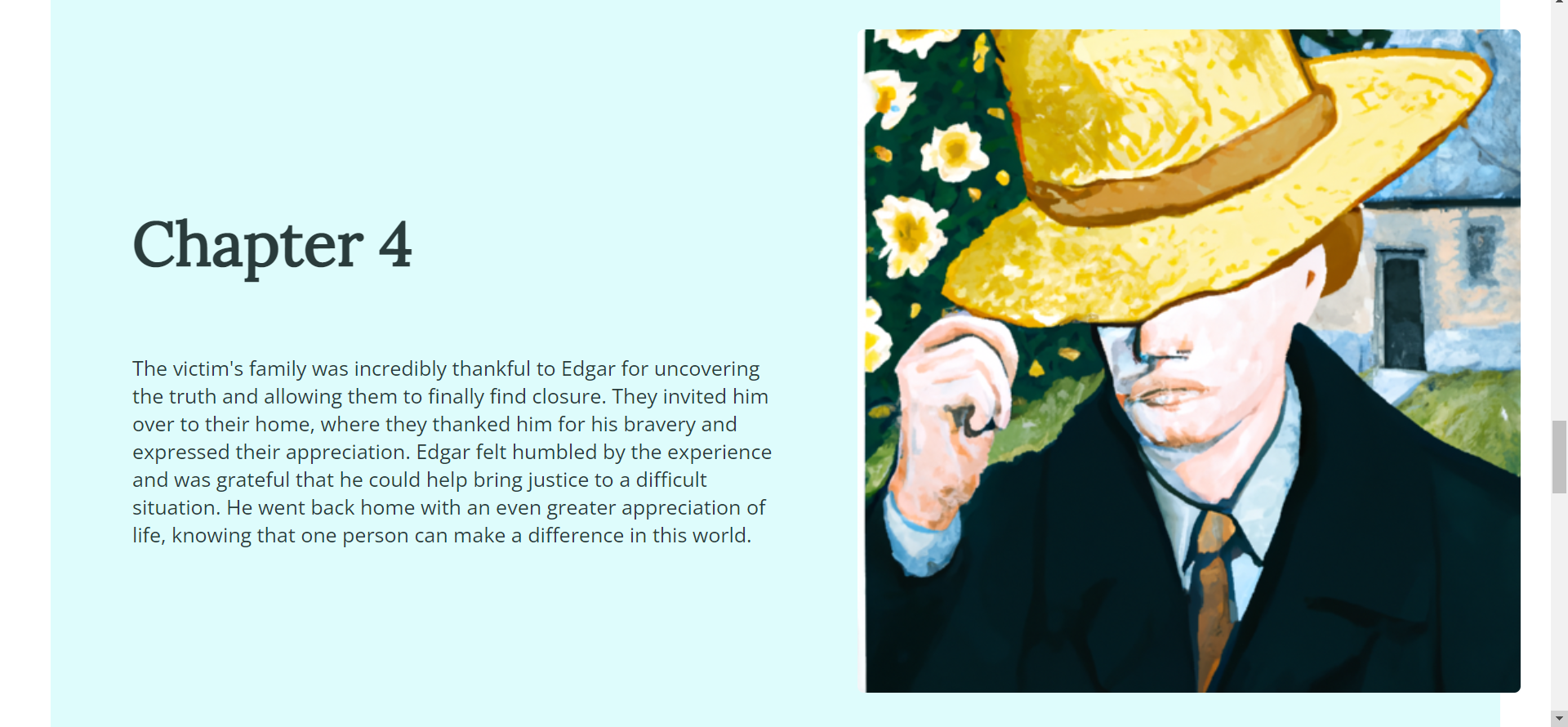
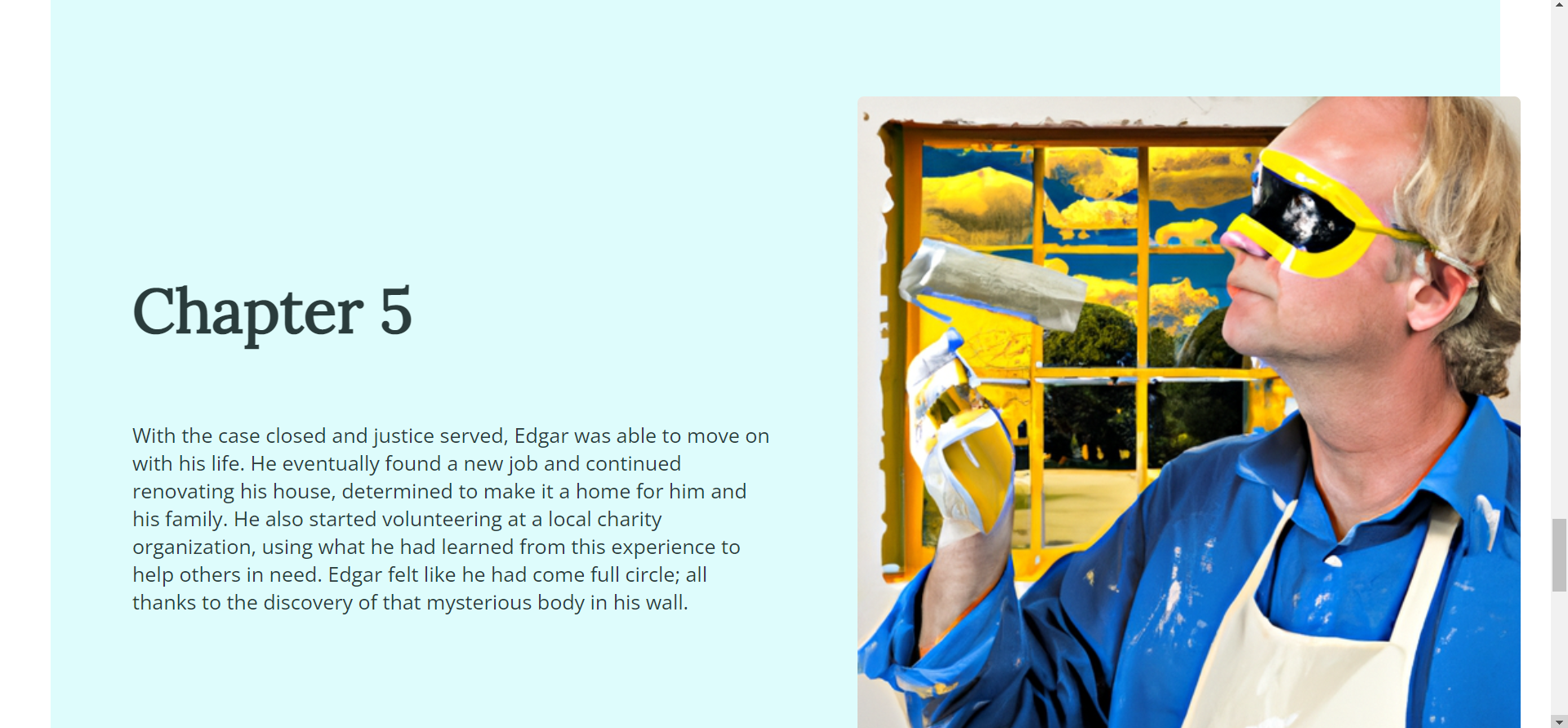
To say that I am ambivalent about the rush to use AI in the arts would be an understatement. In many instances it seems more like an automated plagiarism machine than cutting edge technology. However, I was game to give the new website InstaNovel a spin. The app offers the opportunity to create a custom, illustrated short story for you based on just a few short prompts – you enter a basic plot idea you want the story to follow, give the site an email address, and then wait 2 or 3 days.
InstaNovel uses GPT-3 to “write” the story which is illustrated by Dall-E. Below is the entire short story based on my prompts. I think that it’s simply awful, but you can decide for yourself how the AI did.


 Travel Between The Pages