History is made of maps

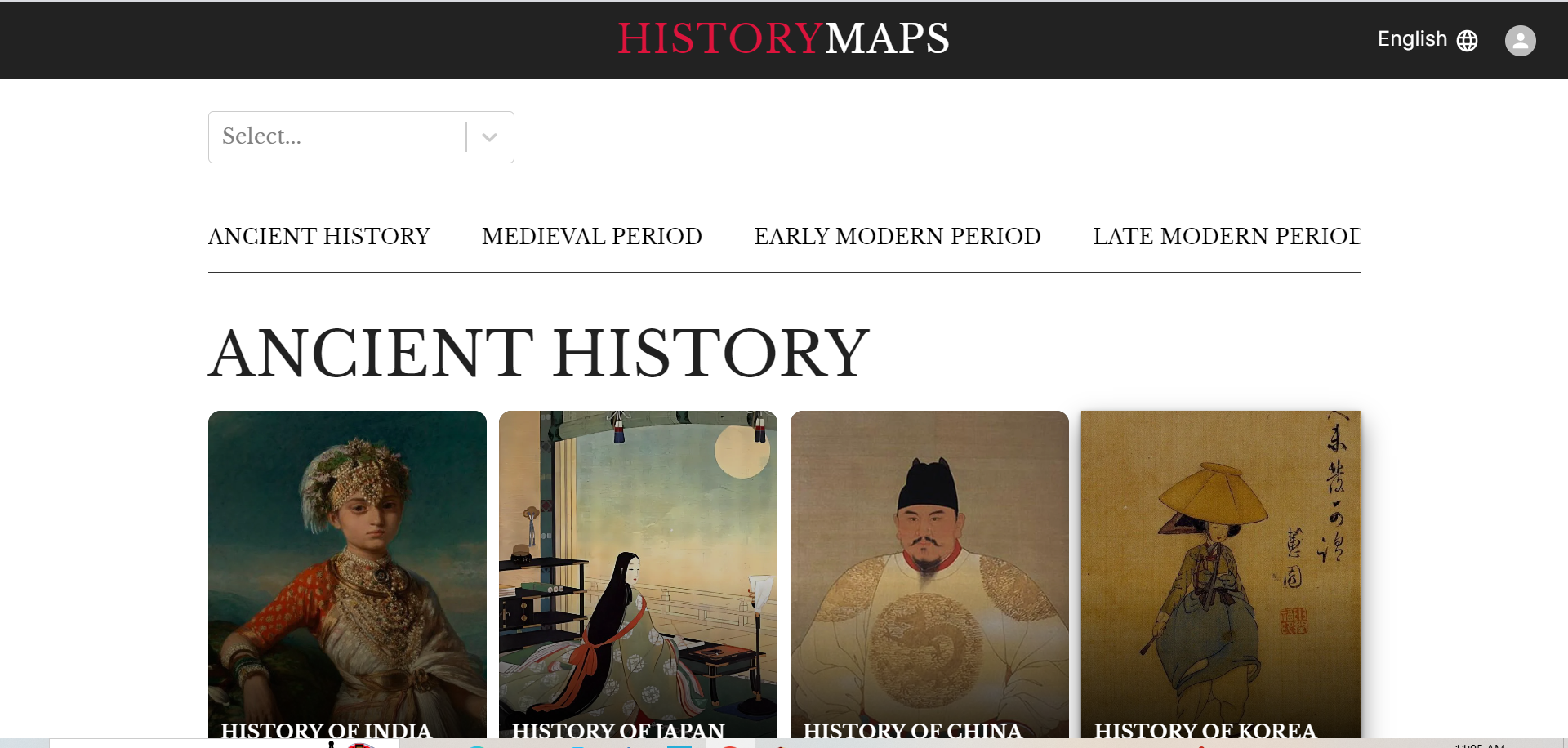
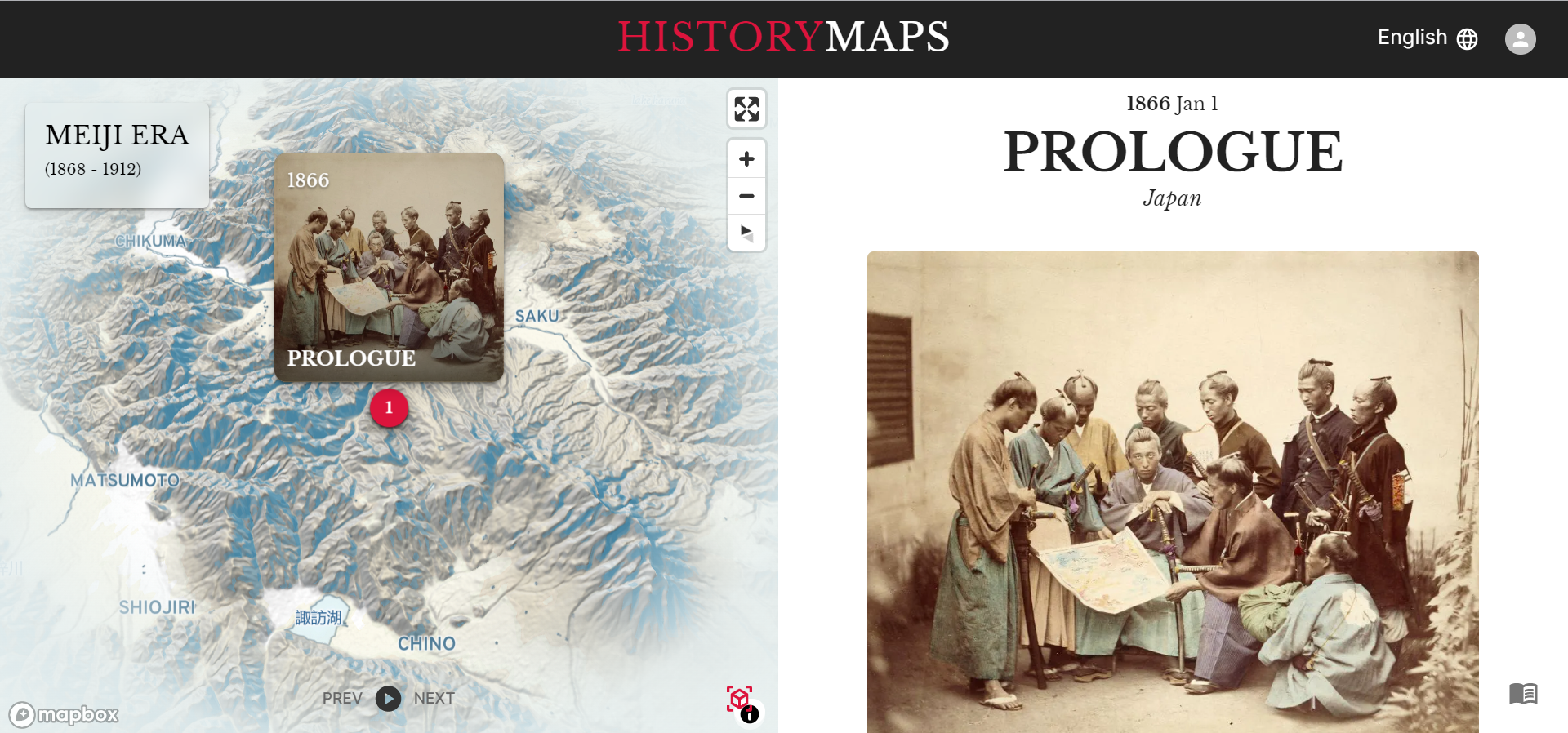
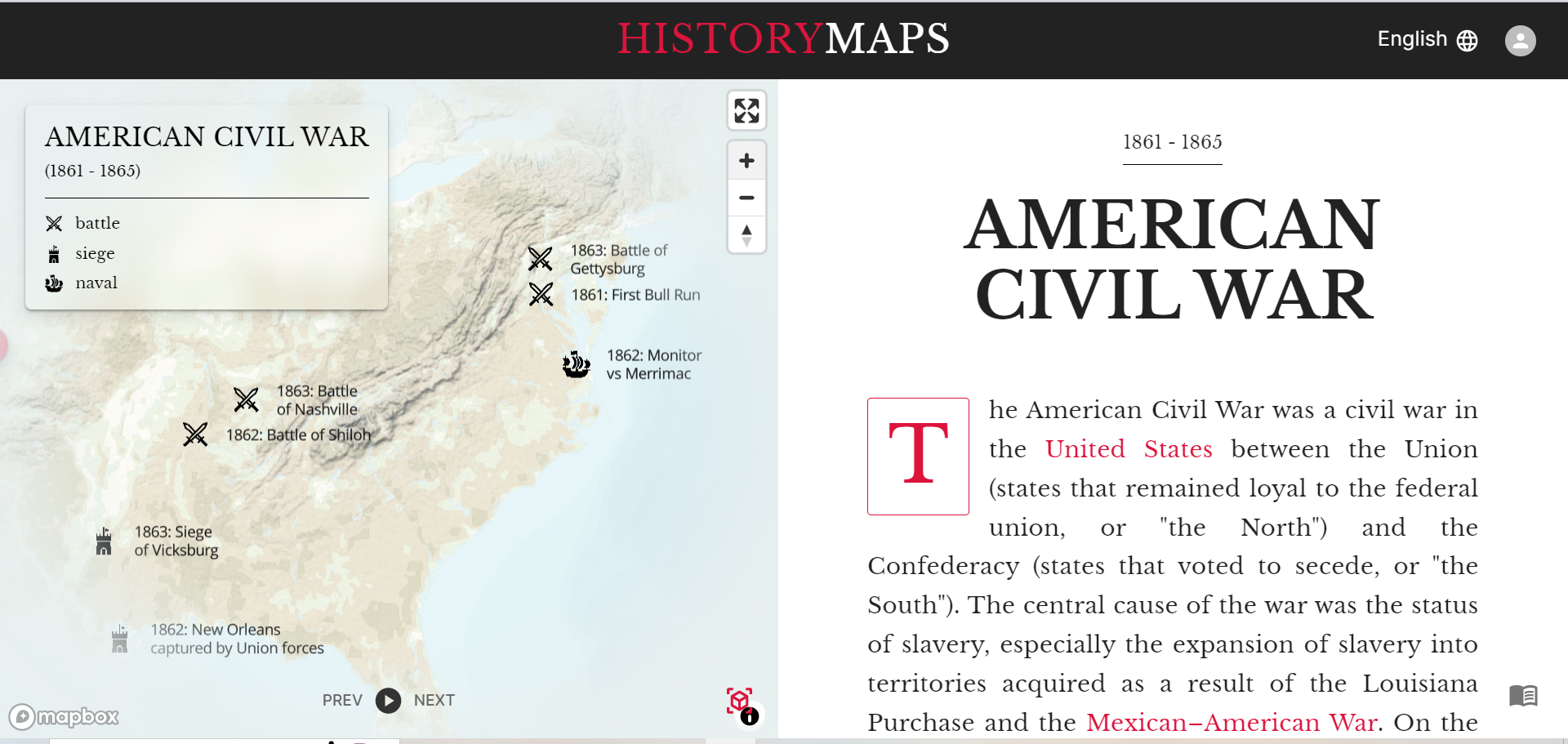
History Maps uses a combination of interactive maps, videos, illustrations and Wikipedia content to explain and guide the user through an impressive collection of historical events. Beware, it’s easy to fall down this rabbit hole and spend an unplanned hour or two exploring this fascinating website.


Posted in Africa, Art, Asia, Canada, Europe, Film, History, Maps, Middle East, Museums, South America, USA | Tagged , , | Leave a comment

In The Stacks (Maisie’s Tune)

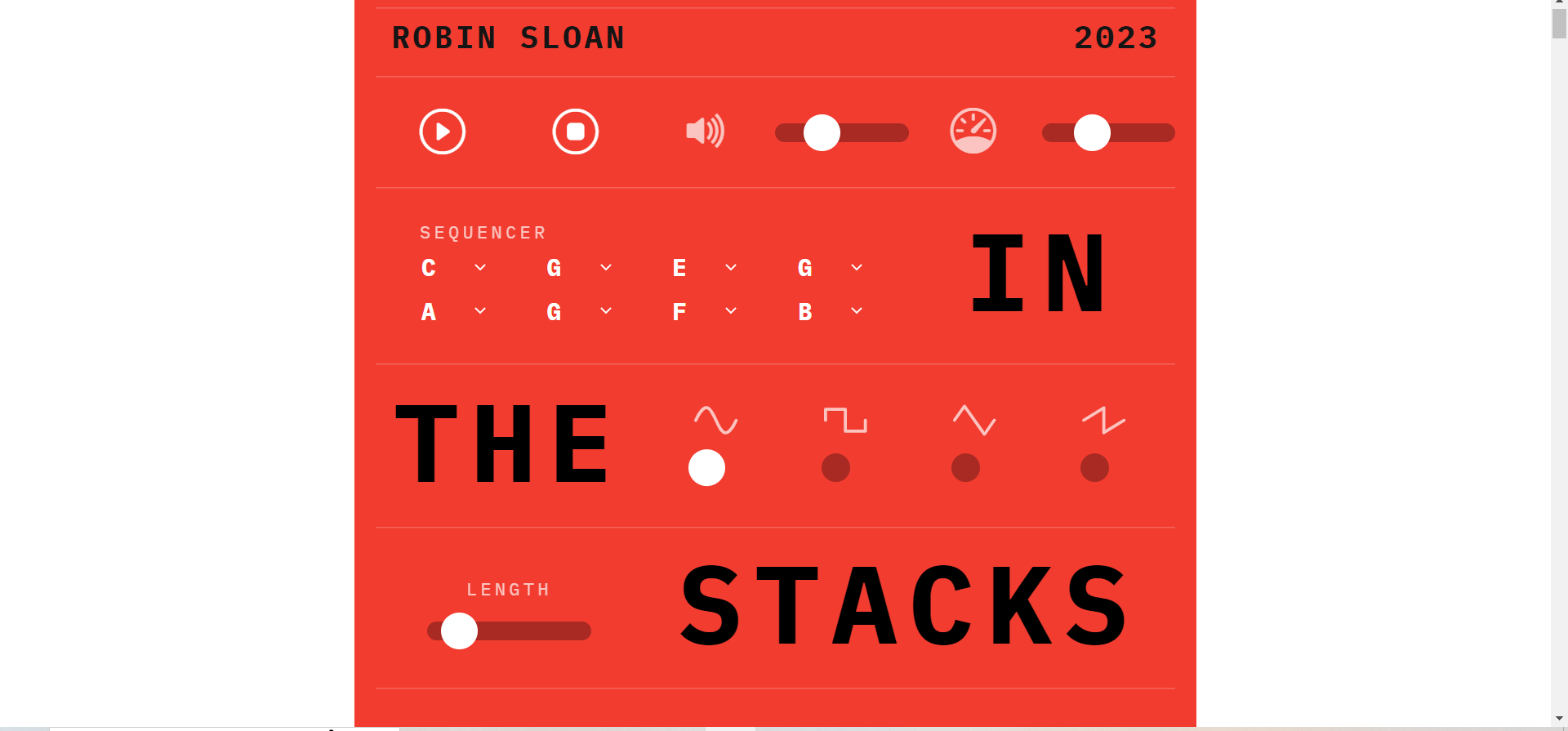
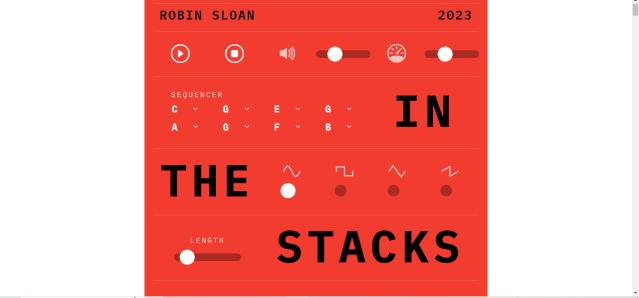
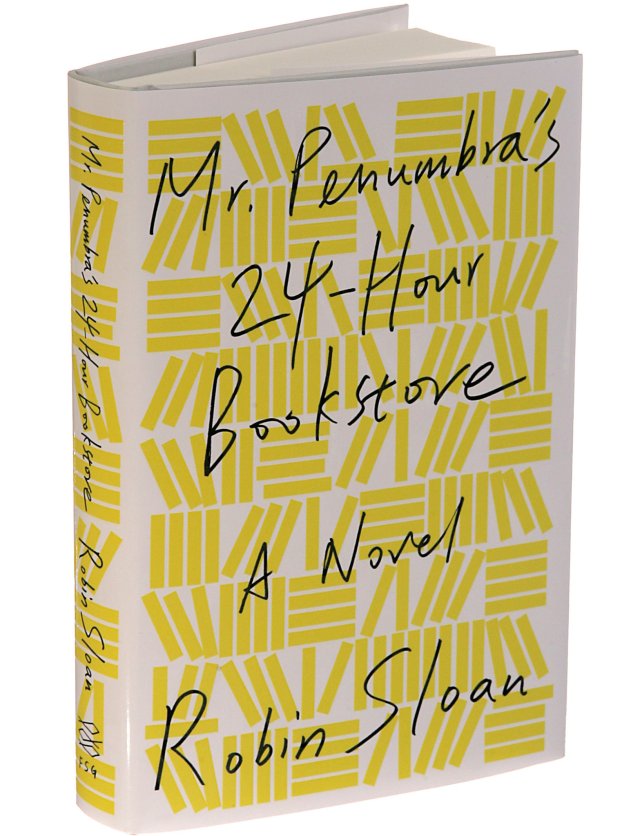
In the Stacks (Maisie’s Tune) by Robin Sloan is both a synthesizer with knobs you can fiddle with and a short story you can read. Here’s a sample, but you can read the entire story by the author of the novels Sourdough and Mr. Penumbra’s 24-Hour Bookstore right here.

I’M A LIBRARIAN, so of course I was picking melted plastic out of the 3D printer when I heard the news that Maisie Martin had died. I wandered out of the maker space, past the robotics lab, around the VR cave, into the music studio. We do have books in this library, lots of them. But these days, we have more than books.

Maisie was dead, so it was time, at last, to break down the synthesizer.

3D printers, LEGO robots, VR goggles: these offerings are not, among well-funded public libraries, uncommon. The Big Red Synthesizer is, by contrast, unique. Before it was Maisie’s instrument, it was my headache.

The music studio, I could handle. Generally, it was reserved by various squads of scruffy teens. They howled and tittered behind the glass and left the production computer’s keyboard greasy with Cheeto dust.

Every so often, one of them would spy the Big Red Synthesizer, enormous, as long as a Fiat, parked against the back wall of the studio control room. It was a fugitive from the 1970s, ancestor to the tools inside the production computer. Packed with knurled knobs set beside pulsing LEDs, it might have been ripped from the cockpit of the Millennium Falcon. Every so often, one of the teens would creep out of the studio to ask: Hey, uh… how do you use that thing?

I would confess: I didn’t know. The synthesizer’s markings, “VCO” and “VCF” and “LFO,” were as inscrutable as an ancient tablet. Jacks yawned open, ready to receive the cables draped over hooks on the wall. According to what logic would those cables be inserted? I had barely weathered the transition to USB-C. I had no idea.

The teens would fiddle. Generally, their efforts produced only silence, and they retreated back into the computer. Once, a girl with stringy hair and long fingers summoned a yowling square wave, so banshee-pure that it punched through the soundproofing and filled the library. I jogged to quiet the noise, but she pulled the plug before I arrived, frightened by her own sound.

There was, as far as I knew, just one patron who understood the use of the Big Red Synthesizer, and her expertise made up for all our ignorance.

Maisie Martin, 83 years old, was a virtuoso.

Her career had bloomed and faded before the internet, so there wasn’t much to find about her, except the stub of a page on the university website naming her a Professor, Emeritus in classics. She had written a book about the muses, far too obscure to be included in our collection. Her hair was cut short, her expression set serious, but she was never unkind. She simply had things to do…

 

Posted in Books, Libraries, Music, USA, Writing | Tagged , , | Leave a comment

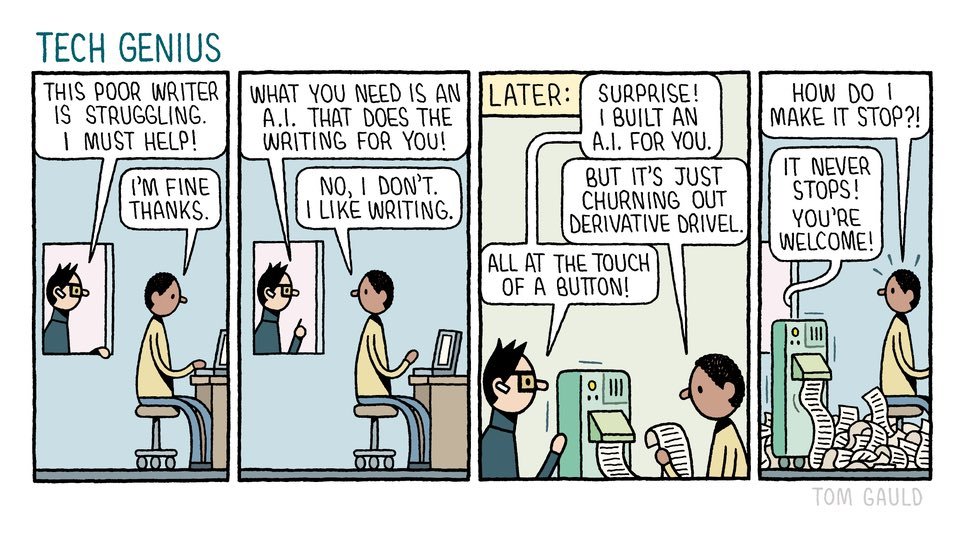
Help for struggling writers


Posted in Art, Books, Tech, Writing | Tagged , , | Leave a comment

United For Ukraine

One of the largest creative agencies in the UK has launched an advertising campaign supporting the rebuilding of Ukraine through  #united24  The Pablo Agency, has created retro-style tourist posters that invite you to Ukraine. They show historical buildings and tourist spots that have been damaged by russian missiles. Using a QR code, you can donate to Ukraine’s rebuilding efforts. 


Posted in Art, Europe, History, Tech | Tagged , | Leave a comment

The Master of Mysteries

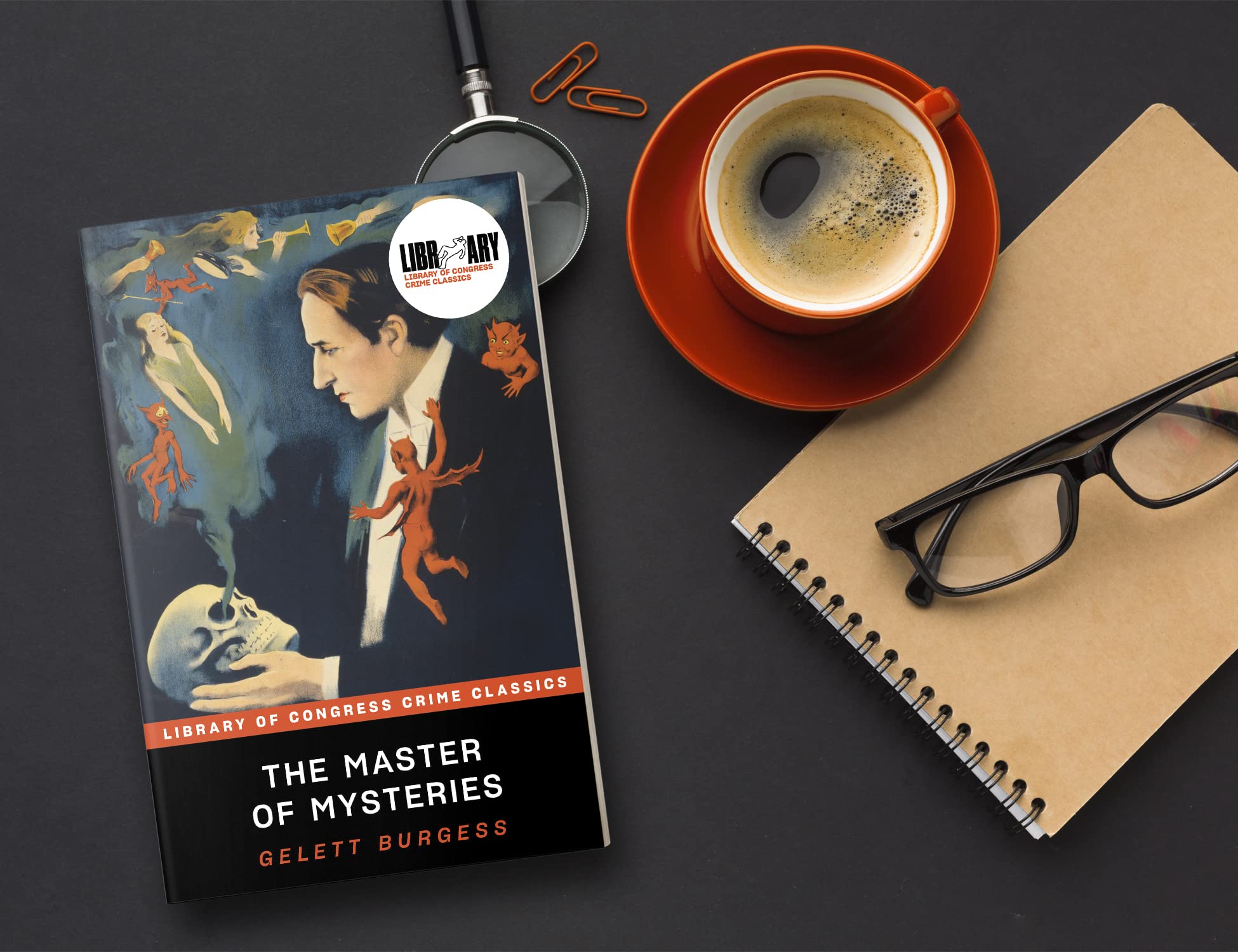
In the newest addition to the Library of Congress Crime Classics series, Gelett Burgess’ Astro the Seer proves that he is “The Master of Mysteries.”  This collection of short stories, originally published in 1912, features victims of crimes who bring their cases to Astro, who, they believe, finds solutions by consulting their auras and psychic vibrations. In reality, as soon as they leave his office, Astro sheds his turban and robe and assumes the role of a private detective. He interviews witnesses, follows suspects, stakes out hideouts and uses scientific methods of the day. However, Astro’s most effective weapon is his hyper-focused attention to minute details of his clients’ appearance and behavior.

Astro’s methods bring to mind another fictional sleuth: Sherlock Holmes, the creation of Arthur Conan Doyle. The appearance of Doyle’s genre-defining detective launched what Crime Classics editor Leslie S. Klinger calls “a tsunami of Holmes imitators,” of which Astro is a notable representative. Like Holmes, Astro demonstrates a wealth of expertise in many fields, employs a specific meditating method to organize his thoughts and heavily relies on his companion, Valeska Wynne. Unlike Holmes, however, Astro trusts his sidekick with serious tasks and occasionally gives Valeska credit, though he never misses a chance to tease her.

With “The Master of Mysteries,” the Library’s Crime Classics series continues its mission of bringing back to light some of the finest, albeit lesser-known, American crime writing from the 1860s to the 1960s. Drawn from the Library’s collections, each volume includes the original text, an introduction, author biography, notes, recommendations for further reading and suggested discussion questions from mystery expert Leslie S. Klinger.

Crime Classics are published by Poisoned Pen Press, an imprint of Sourcebooks, in association with the Library of Congress. “The Master of Mysteries,” published on January 3, 2023.

Posted in Books, History, Libraries, USA, Writing | Tagged , , , | Leave a comment

The price of popularity

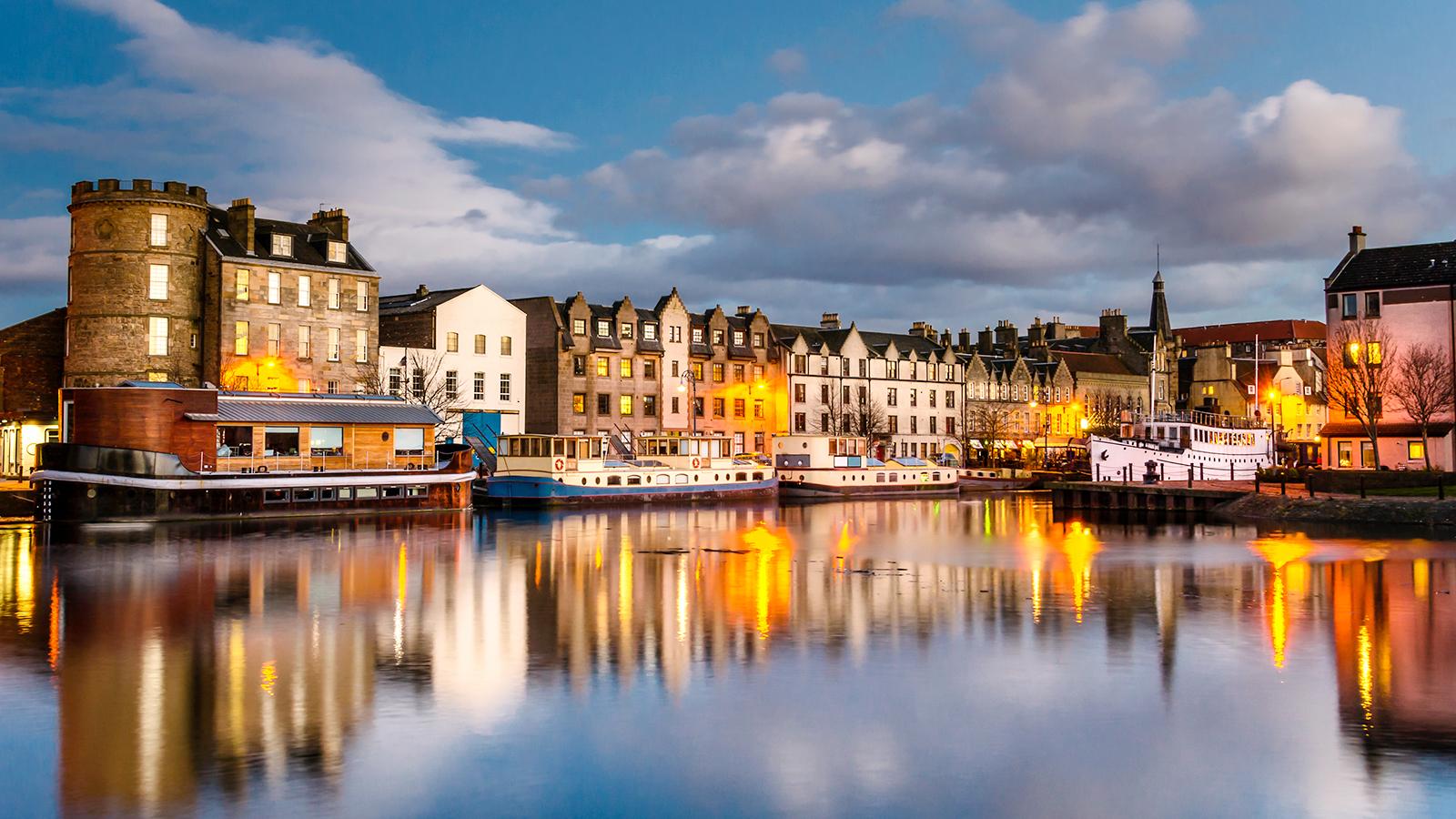
The Shore

by Rob A. Mackenzie

It’s why the tourists arrive and why
Time Out called Leith “one of the world’s
coolest neighbourhoods”; why
the sky is permanently blue and the sun
flaunts the burnished stonework; why
a red light area with two habitations in 1980
had three Michelin restaurants
less than twenty years later; why
the employment exchange where Spud interviews
in Trainspotting is now a renowned
purveyor of luxury cakes; why
gastropubs flood the port in summer
with seats by the waterfront; why
Festival time in August means any blow-up paddling pool
becomes an Air B&B; why
the old men who’d drink pints
from early morning in the Duke’s Head
now drink alone in single rooms; why
the only people buying houses are landlords
and young folk who wear suits in their sleep; why
every third person seems to be an artist
and the shops are full of craft ale; why
the world needs more takeaway coffee,
more chia seeds and acai berries,
more variations on the poshburger; why
the Volunteer Arms, rebranded as The Mousetrap
and tastefully lit, maintains an air of rarefied menace
with every cocktail lifted to lips; why
a night moth’s wing on the other
side of the planet ripples its waters; why
waxwork Queen Victorias float into the Firth of Forth
like upended canoes; why
nine out of ten avocado pizza lovers voted Leith a global
centre of culinary excellence; why
southern consumers demanded
obligatory subtitles for people with accents; why
the path of the destitute is cleared for the president
before they re-elect him; why the locals
are moving to affordable hinterlands halfway
up the Himalayas; why
they’ll never return until the mountains
are levelled as a plain, why
the plains sprout an overwhelming abundance
and those left behind
no longer need to ask why.


Posted in Architecture, Europe, Restaurants, Tourism | Tagged , , , | Leave a comment

To Airbnb or not Airbnb

Like millions of other travelers, I have used the accommodation service with mostly positive results. Lately though, it seems that most stories about Airbnb range from negative to nightmarish. Still, Airbnb remains the most popular rental service in most markets.

Since its launch in 2008, Airbnb has morphed into one of the most popular travel and short-term accommodation apps on the market. In 2021 alone, there were more than 300 million booking made through the app. To visualize just how massive the Airbnb landscape has become in major cities, the graphic above, which was created by Preyash Shah, shows every single listing in New York, London, and Paris.

To make this graphic, Shah used September 2022 data from insideairbnb.com, a website that pulls data directly from the Airbnb app. Once collected, the raw data was then cleaned to include active listings only fitting a few key parameters:

  • Any listing that did not have a review in 2022 was removed
  • The most expensive listings were individually checked to ensure the listing price matched the actual historical price and removed if there was a major discrepancy. This is due to inactive listings that are extremely marked up instead of de-listed

After scrubbing the data, each city’s immediate metro area was left with roughly 20,000 listings. As the data shows, a majority of these listings were for entire apartments. Paris had the biggest share, with about 85% of listings for entire apartments rather than private or shared rooms. This is especially interesting considering that Paris has extremely strict regulations around short-term rentals and Airbnb usage, one being that an Airbnb rental must be someone’s primary residence.


Posted in apps, Europe, Hotels, Maps, Tech, Tourism, USA | Tagged , , , | 1 Comment

I am not a Bot (but this is)

The Latest Bot is an online magazine that is compiled fully automatically by a bot. From the choice of subjects to advertisements, to the texts and photos. No human work is involved. According to the creators, it is an experiment on the impact of artificial intelligence on journalism.

I am not a Luddite, but I am uncomfortable with the onslaught of AI bots unsurping the role of journalists, authors, and artists. Still, I am fascinated by the technology and its applications. What do you think?

How it works

“This is a digital publication that utilizes natural language processing technology (openai and chatGPT technologies) to generate written content.

To generate the actual content of the articles, we start with the titles that have been generated by the algorithm. These titles serve as the jumping-off point for the chatbot to create the texts and images that will be included in the articles. To do this, the chatbot will use its natural language processing capabilities to understand the meaning and context of the titles, and then generate written content and images that are relevant and informative for the reader. The result is a fully-formed article that is ready to be published and shared with the magazine’s audience.

Yes, this text is also autogenerated.”

Posted in apps, Tech, Travel Writing, Writing | Tagged , | 3 Comments

As the world turns

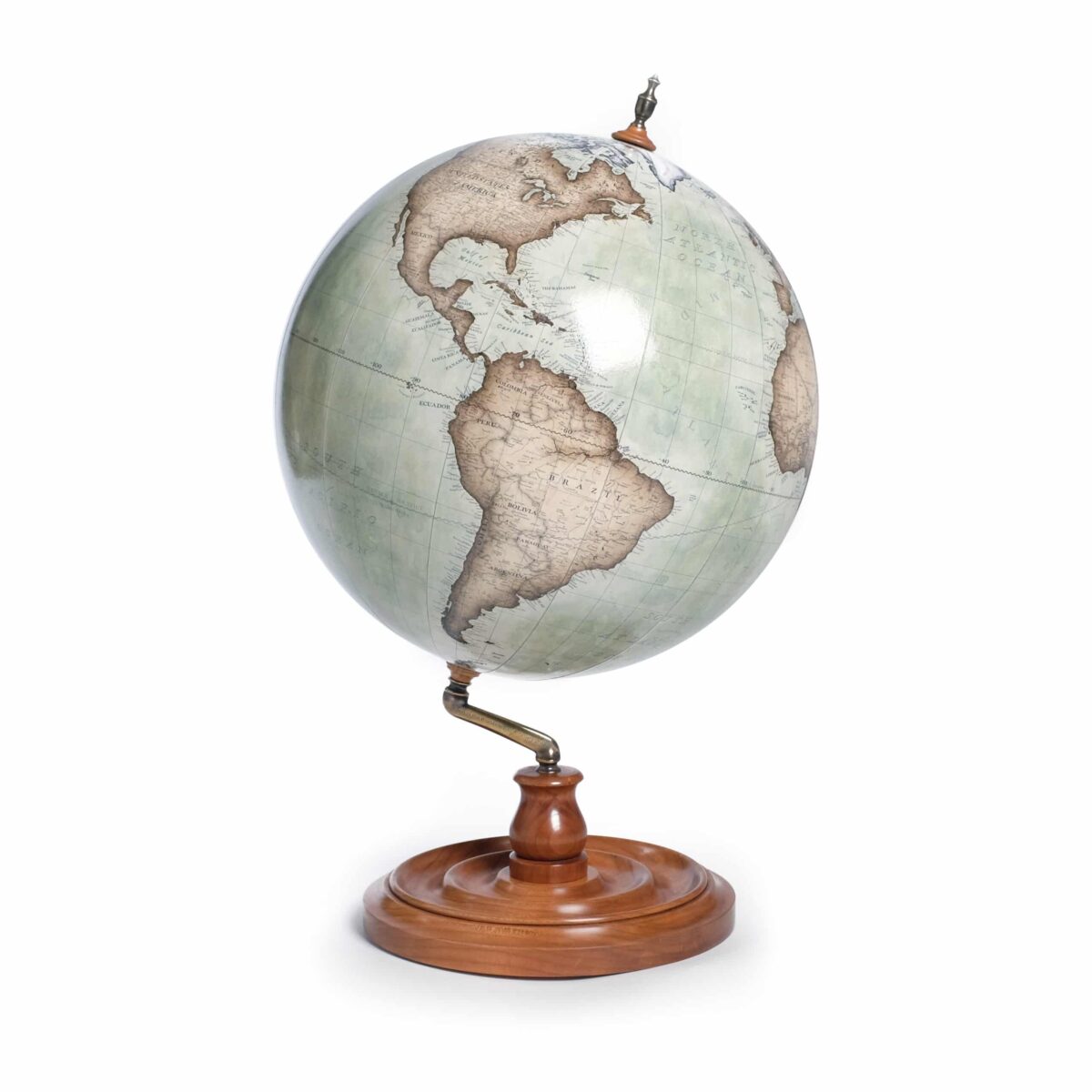
Frequent vistors to Travel Between The Pages are well aware of my life-long fascination with globes and maps. As a young child, I was gifted a small globe much like the one above, albeit much less expensive and detailed, which sat on my bedside table. It was the first thing that I saw each morning and the last that I saw each night. My little globe inspired years of daydreaming about distant lands and a longing for travel. I recently was reminded of my little globe when I ran across a short promotional video (see below) from Bellerby & Co Globemakers.

“…we have a small team of highly trained Globemakers, painters, woodworkers and cartographers, all leaders in their field. Together we create the hand made globes that Bellerby & Co. has come to be recognised for. It is born from a belief that we never compromise. From the wooden and metal bases, to the artwork, the painting and map-making, each piece is expertly crafted using traditional and modern globe-making techniques, and is lovingly produced in our North London studio; each piece is an individual model of style and grandeur and our globes are works of art in their own right.”

https://youtu.be/b17q-NgC7EA

The video is just a vignette.  Here’s the story of Bellerby & Co Globemakers.

Posted in Art, Film, Maps, Tech, Tourism | Tagged , , | 4 Comments

Enough with the GOATs

It’s that time of the year when the faculty of Lake Superior State University releases an annual list of words that they say deserve to be “banished” from our vocabularies over “misuse, overuse and uselessness.”

“Our nominators insisted, and our Arts and Letters faculty judges concurred, that to decree the Banished Words List 2023 as the GOAT is tantamount to gaslighting. Does that make sense?” said Rodney S. Hanley, the university’s president, in a very serious statement announcing the new list.

“Irregardless, moving forward, it is what it is: an absolutely amazing inflection point of purposeless and ineptitude that overtakes so many mouths and fingers,” Hanley added.

Here’s the full list of the school’s banished words for this year:

  1. GOAT
  2. Inflection point
  3. Quiet quitting
  4. Gaslighting
  5. Moving forward
  6. Amazing
  7. Does that make sense?
  8. Irregardless
  9. Absolutely
  10. It is what it is
Posted in Books, USA, Writing | Tagged | Leave a comment