The Answer is Still 42

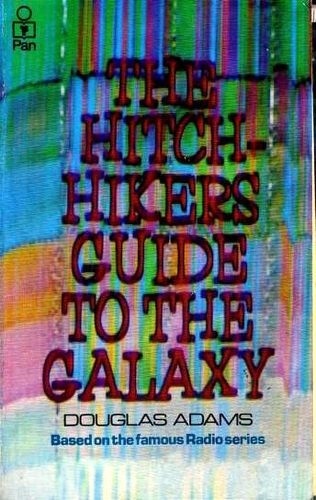
Although the wildely popular comic sci-fi novel The Hitchhiker’s Guide to the Galaxy was published in the UK in 1979, it wasn’t released in the colonies until 1980. This year, legions of fans in North America are celebrating the 42nd anniversary of the book that offered the answer to “Ultimate Question of Life, the Universe, and Everything”, which, after eons of calculations, was given simply as “42”.

For the few folks who haven’t read the book, the story follows the adventures of Arthur Dent, a hapless Briton who escapes the destruction of the Earth by the Vogons (a race of unpleasant and bureaucratic aliens) to make way for an intergalactic bypass. Dent’s adventures intersect with several other characters: Ford Prefect (a humanoid alien and researcher for the eponymous guidebook who rescues Dent from Earth’s destruction), Zaphod Beeblebrox (Ford’s wacky semi-cousin and the Galactic President who has stolen the Heart of Gold — a spacecraft equipped with Infinite Improbability Drive), the depressed robot Marvin the Paranoid Android, and Trillian (formerly known as Tricia McMillan) who is a woman Arthur once met at a party in Islington and who — thanks to Beeblebrox’s intervention — is the only other human survivor of Earth’s destruction.

In their travels, Arthur comes to learn that the Earth was actually a giant supercomputer, created by another supercomputer, Deep Thought. Deep Thought had been built by its creators to give the answer to the “Ultimate Question of Life, the Universe, and Everything”, which, after eons of calculations, was given simply as “42”. Deep Thought was then instructed to design the Earth supercomputer to determine what the Question actually is. The Earth was subsequently destroyed by the Vogons moments before its calculations were completed, and Arthur becomes the target of the descendants of the Deep Thought creators, believing his mind must hold the Question. With his friends’ help, Arthur escapes and they decide to have lunch at The Restaurant at the End of the Universe, before embarking on further adventures.

To document the broader cultural impact of Hitchhiker’s, the website 3 Quarks daily asked a number of public figures in science, the arts, the humanities, and government to reflect on how the book changed their own understanding of life, the universe, and everything. If you are a fan, or just curious about this 42 thing, check out the post here.


Posted in Books, Europe, History, Uncategorized, Writing | Tagged , , | 1 Comment

Book of the Year


Posted in Books, Writing | Tagged , , , | Leave a comment

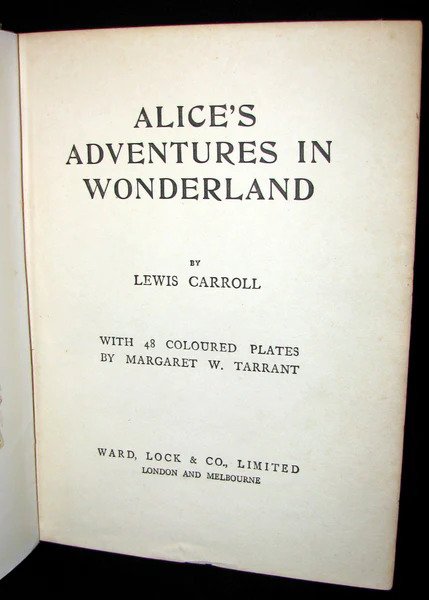
Alice in Wonderland

It’s been a while since I shared another example from the seemingly endless versions of Lewis Carroll’s classic Alice’s Adventure in Wonderland. This version from the 1920s features 48 full-color illustrations by Margaret W. Tarrant. The illustrator: Margaret Winifred Tarrant (1888 – 29 July 1959) was an English illustrator, and children’s author, specializing in depictions of fairy-like children and religious subjects. She began her career at the age of 20, and painted and published into the early 1950s. She was known for her children’s books, postcards, calendars, and print reproductions.


Posted in Art, Books, Europe, Libraries, Writing | Tagged , , | 2 Comments

We shall by morning Inherit the earth

MUSHROOMS
by Sylvia Plath

Overnight, very
Whitely, discreetly,
Very quietly

Our toes, our noses
Take hold on the loam,
Acquire the air.

Nobody sees us,
Stops us, betrays us;
The small grains make room.

Soft fists insist on
Heaving the needles,
The leafy bedding,

Even the paving.
Our hammers, our rams,
Earless and eyeless,

Perfectly voiceless,
Widen the crannies,
Shoulder through holes. We

Diet on water,
On crumbs of shadow,
Bland-mannered, asking

Little or nothing.
So many of us!
So many of us!

We are shelves, we are
Tables, we are meek,
We are edible,

Nudgers and shovers
In spite of ourselves.
Our kind multiplies:

We shall by morning
Inherit the earth.
Our foot’s in the door.

https://vimeo.com/33107001


Posted in Books, USA, Writing | Tagged , , | Leave a comment

First Around The World Trip

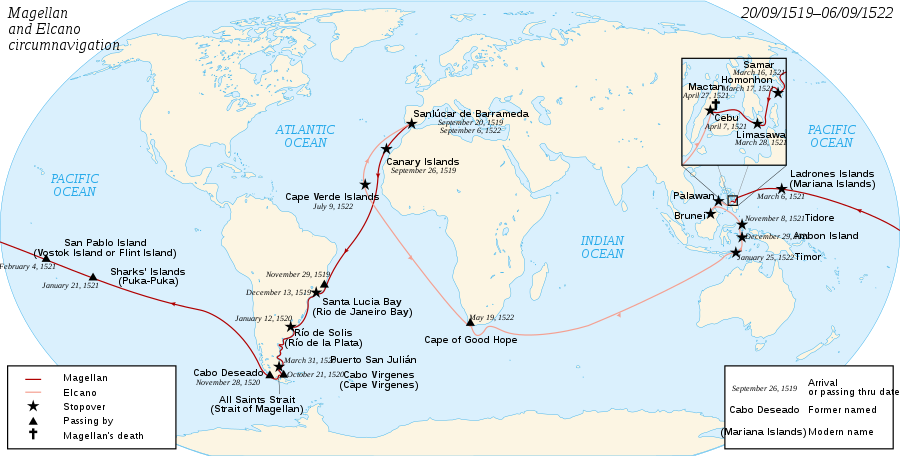
Ever since I was indoctrinated as a young child with filiopietistic reverence for Columbus and the entire panoply of European explorers, I’ve been fascinated by their extraordinary journeys. Recently, I discovered a wonderful website that traces the route of Ferdinand Magellan’s voyage around the globe.

On September 20, 1519, five ships with 239 men (the De Armada de Moluccas) set sail from Sanlúcar de Barrameda in Spain. The goal of the Armada de Moluccas was to establish a new route to the Moluccan Islands, in  presentday Indonesia. On September 6, 1522, only one of those ships, the Victoria, returned to Spain. It was the first ship to circumnavigate the world. Only 18 men returned to Spain on the Victoria. Many of the others died on the voyage, including Captain Ferdinand Magellan, who was killed in the Philippines in April 1521. The First Around the Worldis an interactive site showing the route of the Armada de Moluccas. The map also shows signifigant events of the trip, such as the kidnapping and chaining of two Indians from the Tehuelches tribe, the burning of a village in Guam, and an attack on Mactan Island that killed Captain Magellan.


Posted in Asia, Europe, History, Maps, Tech | Tagged , , , | Leave a comment

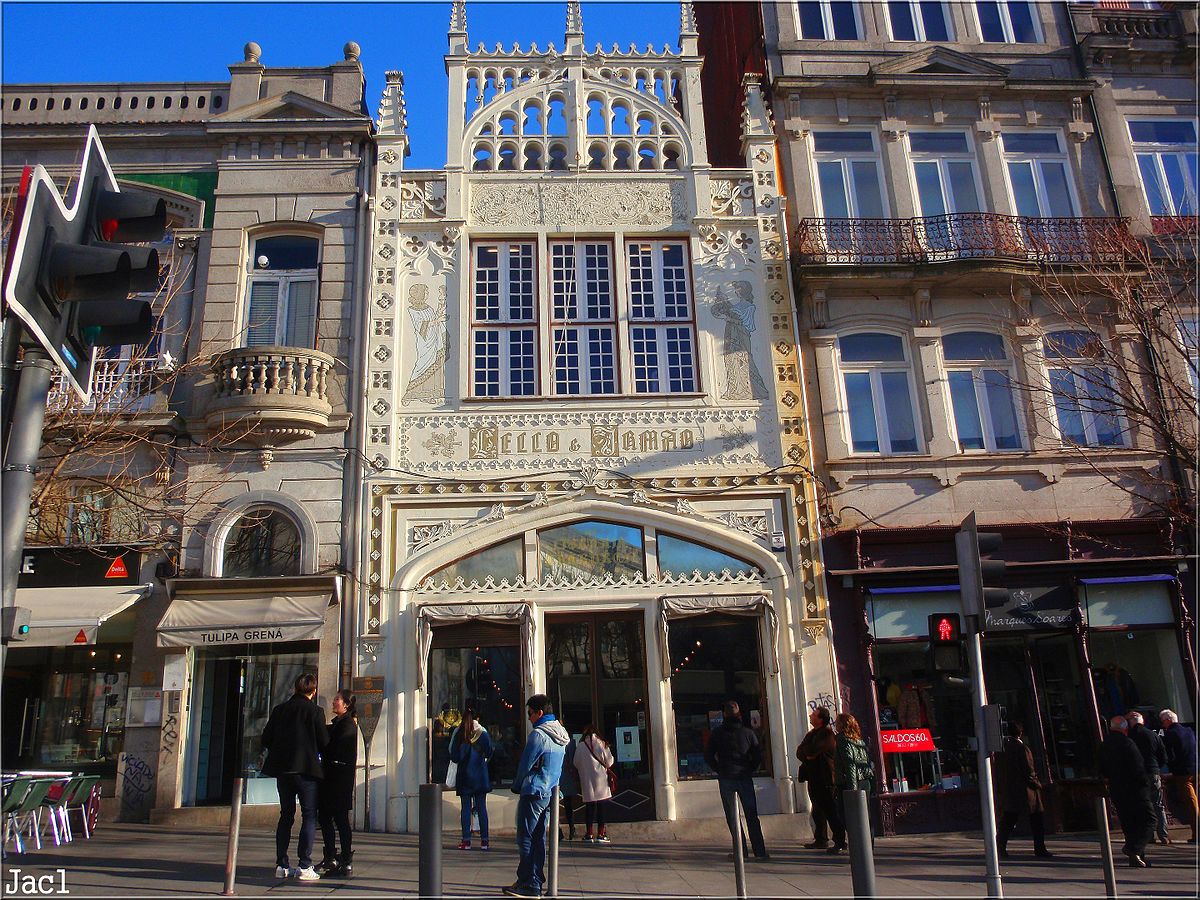
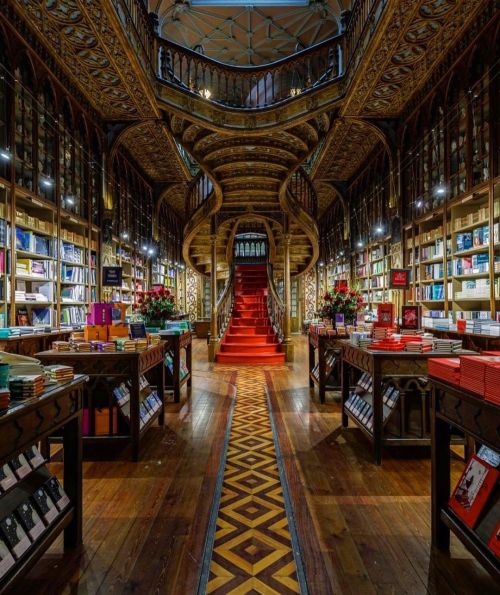
The Most Beautiful Bookstore in the World ?

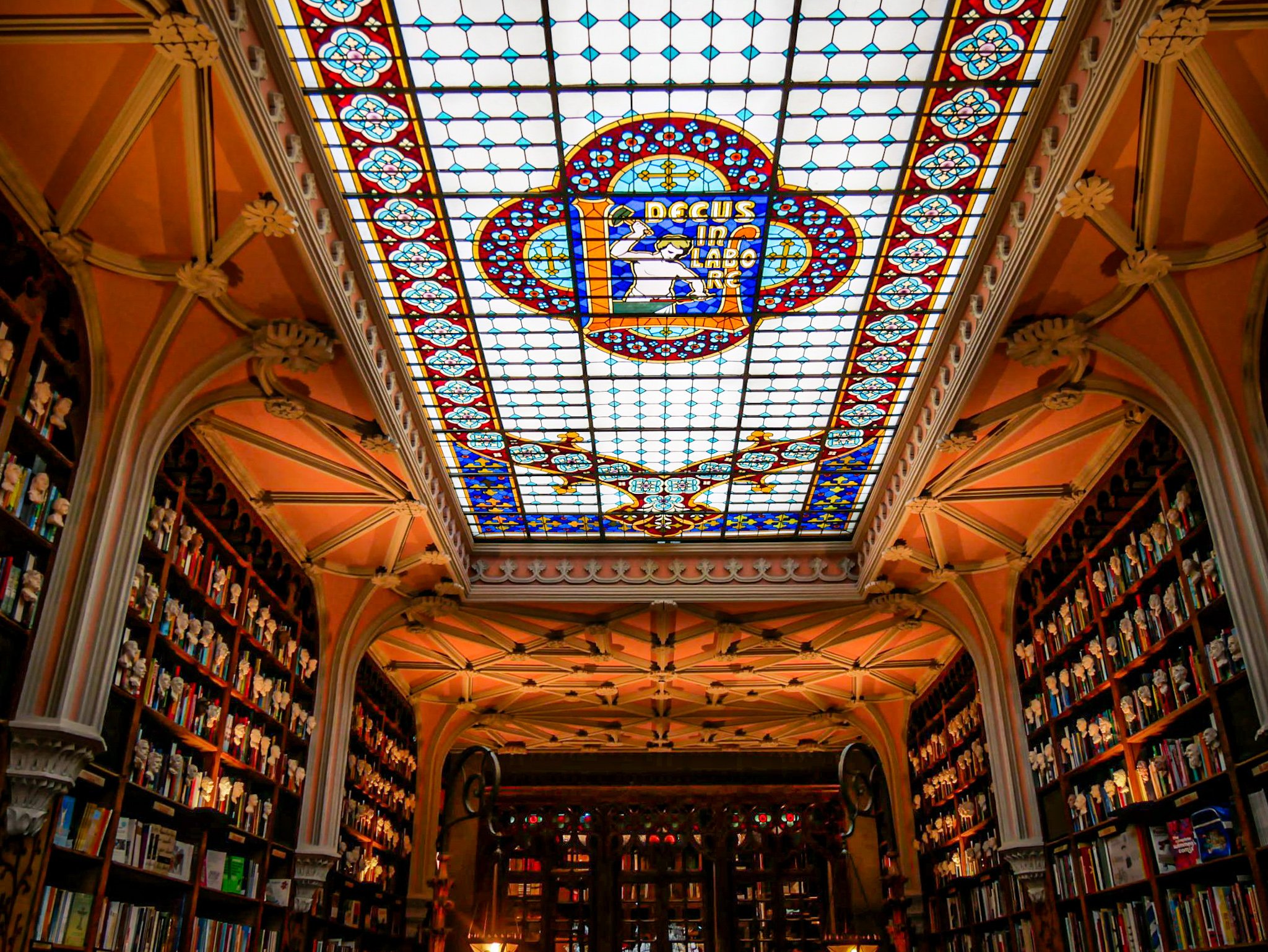
Over the past few decades nearly every listicle on the world’s “most beautiful bookstores” has included the incredible Livraria Lello in Porto, Portugal. I am embarassed to admit that although I was briefly in Porto, I never made it to this stunning bookshop. Recently someone uncovered a photograph which was taken on the store’s launch day in 1906.


Posted in Architecture, Books, Bookstore Tourism, Europe, Photography, Tourism | Tagged , , | Leave a comment

Just a postcard from Kafka

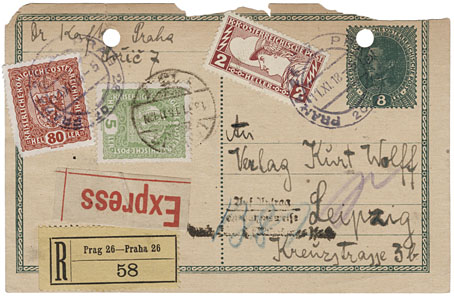
I recently stumbled on this postcard from the German National Library that is dated 1918 from Franz Kafka to his publisher Kurt Wolff. Personally, I never sent postcards to my publisher, but then again he was a terrible person.

And a short story too…

“The Unhappiness of Being a Single Man”

by

Franz Kafka

translation by

Alexander Starritt


It seems a terrible thing to stay single for good, to become an old man who, if he wants to spend the evening with other people, has to stand on his dignity and ask someone for an invitation; to be ill and spend weeks looking out of the corner of your bed at an empty room; always to say goodbye at the door; never to squeeze your way up the stairs beside your wife; to live in a room where the side doors lead only to other people’s apartments; to carry your dinner home in one hand; to be forced to admire children you don’t know and not to be allowed to just keep repeating, “I don’t have any”; to model your appearance and behaviour on one or two bachelors you remember from childhood.

That’s how it’s going to be, except that in reality both today and in the future you’ll actually be standing there yourself, with a body and a real head, as well as a forehead, which you can use your hand to slap.

Posted in Books, Europe, Libraries, Writing | Tagged | Leave a comment

“When coffee is gone, it’s over.”

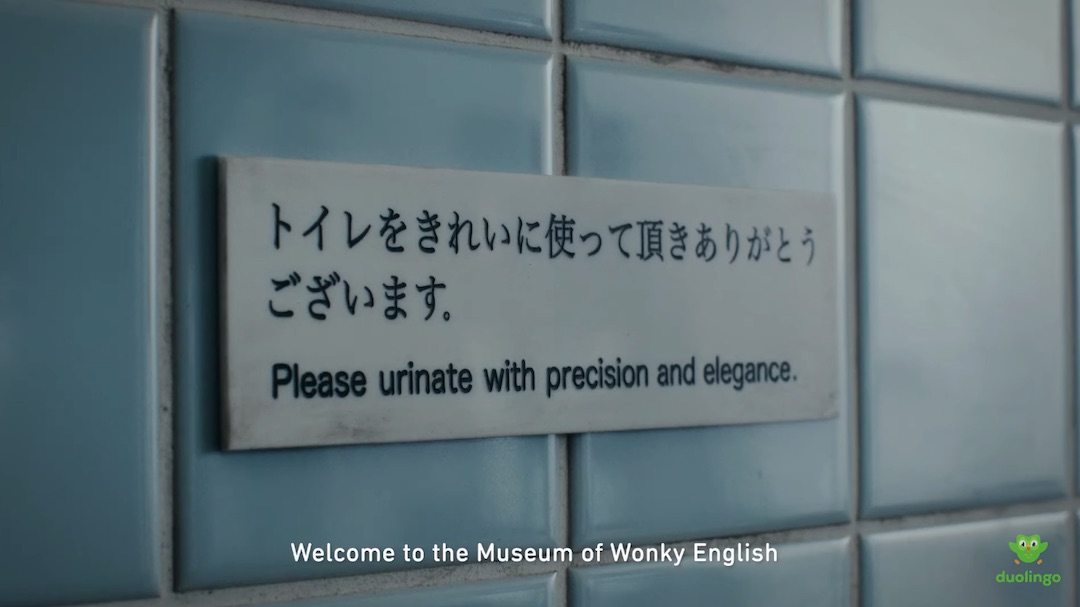
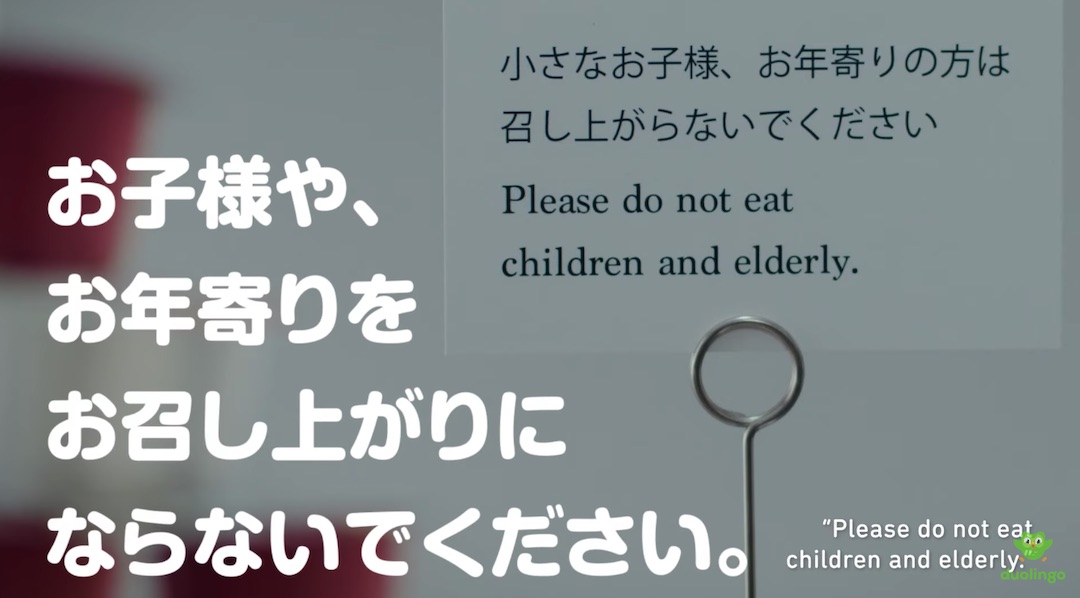
Language-learning app Duolingo has opened a “Museum of Wonky English” in Harajuku, Tokyo, and is giving mundane phrases that have been mistranslated new and novel meanings. Duolingo is inviting people to step into its Museum of Wonky English, a tongue-in-cheek showcase of all the hilarious signs around Japan that have gotten lost in translation.

The good-natured humor of the exhibit is something that Duolingo hopes will inspire people to learn a foreign language and be more careful when translating text. The gallery is dedicated to highlighting how they can help someone in their journey to mastering a new language. And to have a few laughs along the way.

Alongside the exhibit, Duolingo is also inviting fans to send in other misinterpretations they see around Japan to its Twitter, @duolingo_japan, and the best submissions will be featured in the showroom and be rewarded with a free month of Super Duolingo.

NB: If the video above fails to launch, please visit our homepage


Posted in Asia, Museums, Tech, Tourism | Tagged , , | Leave a comment

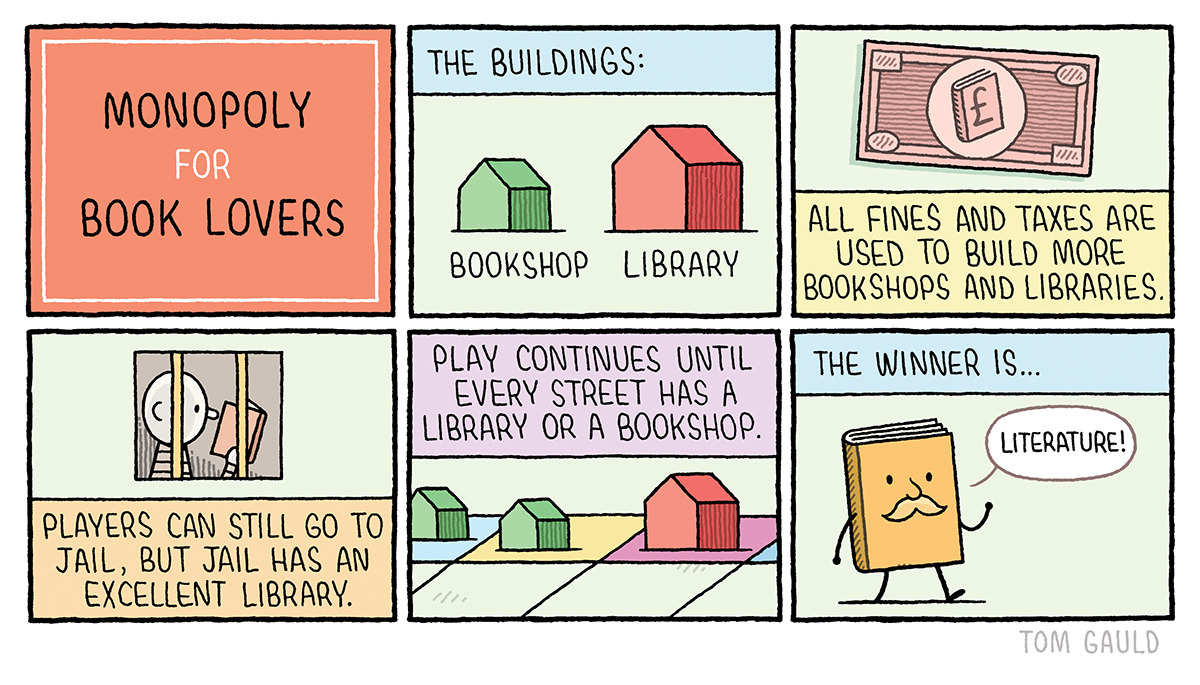
Games for Booklovers


Posted in Art, Books | Tagged , , | Leave a comment

The Very Persistent Gappers of Frip

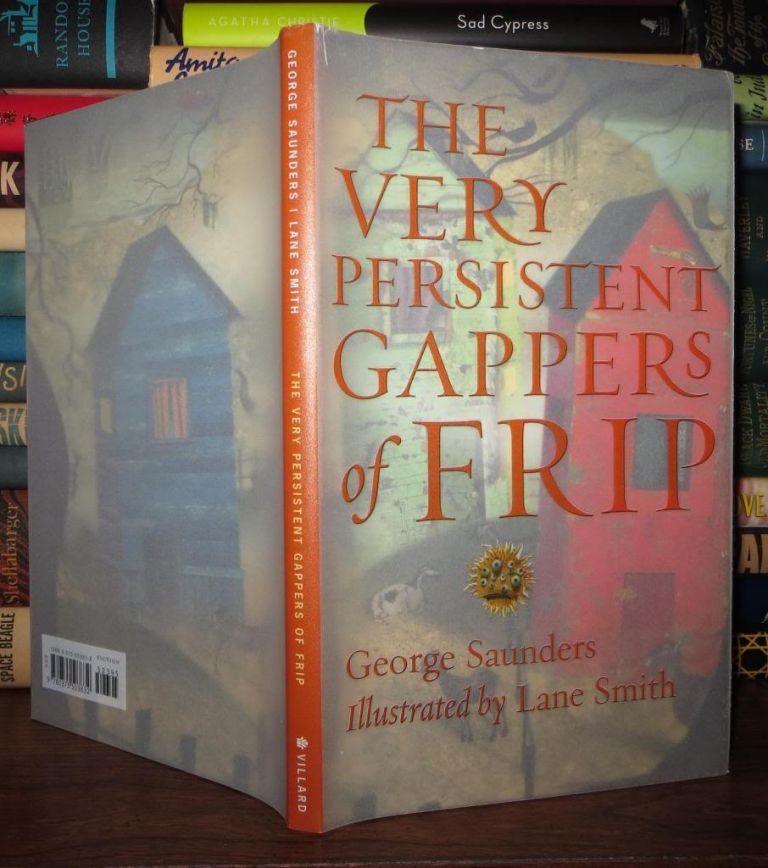
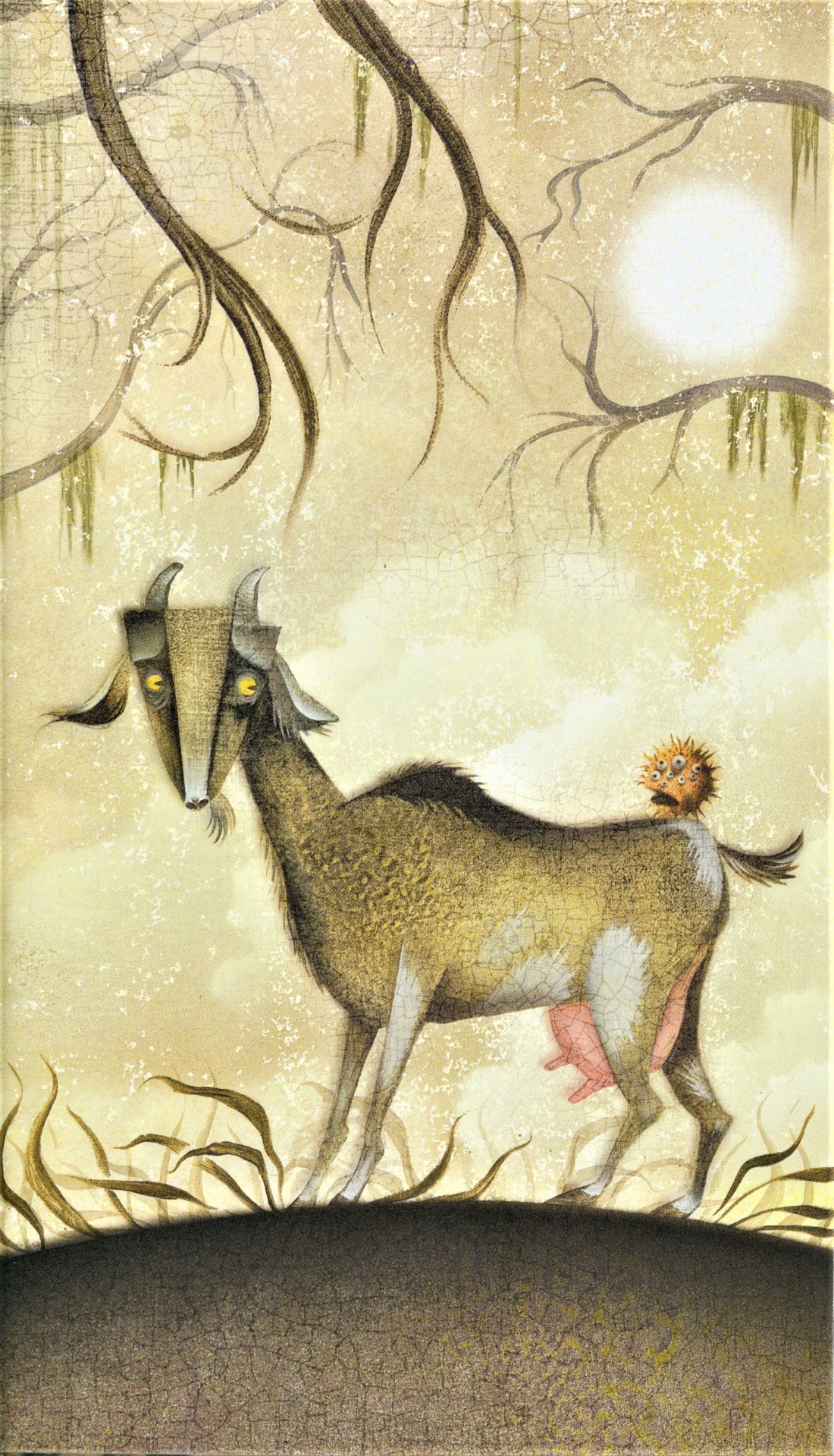
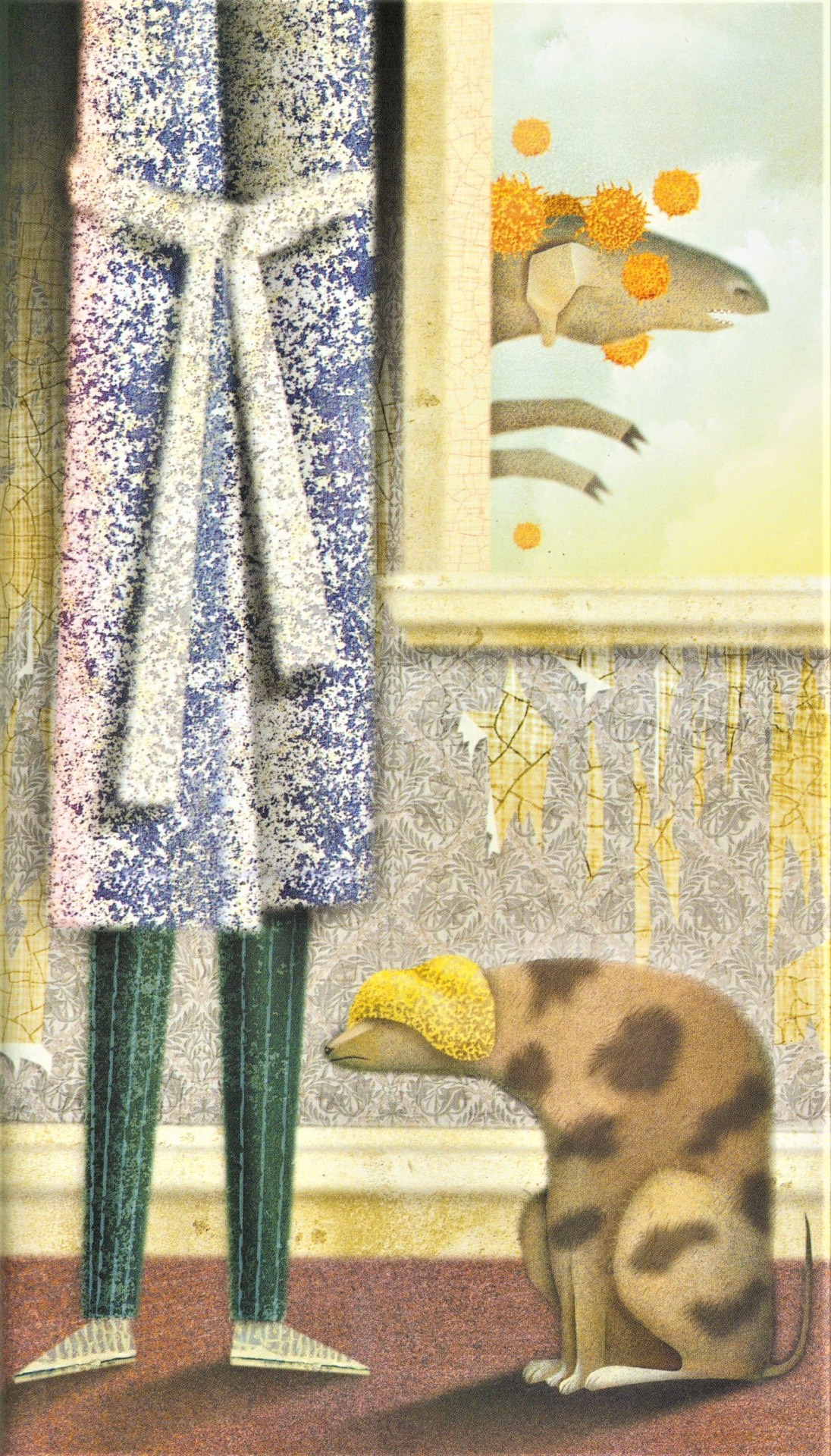
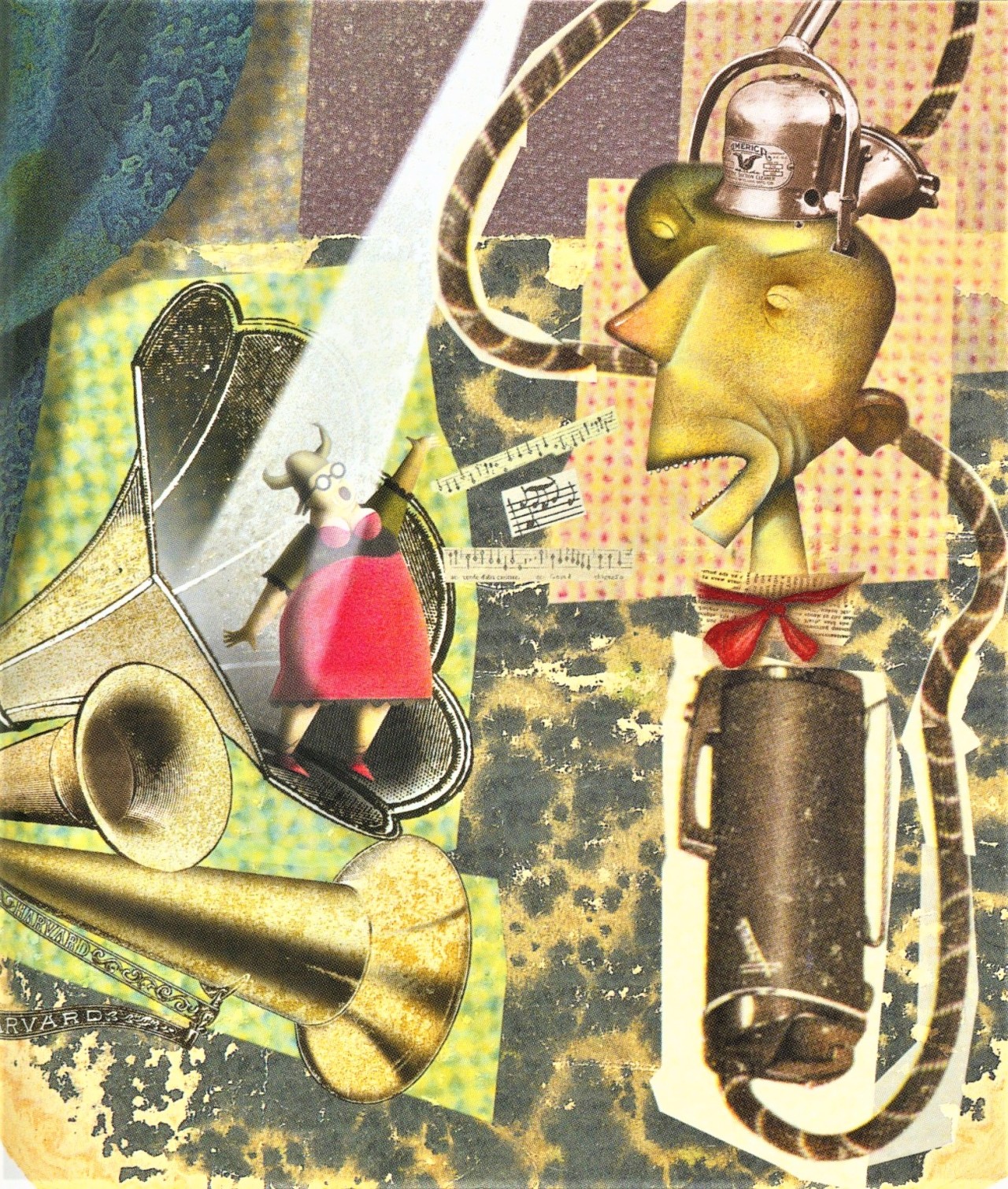
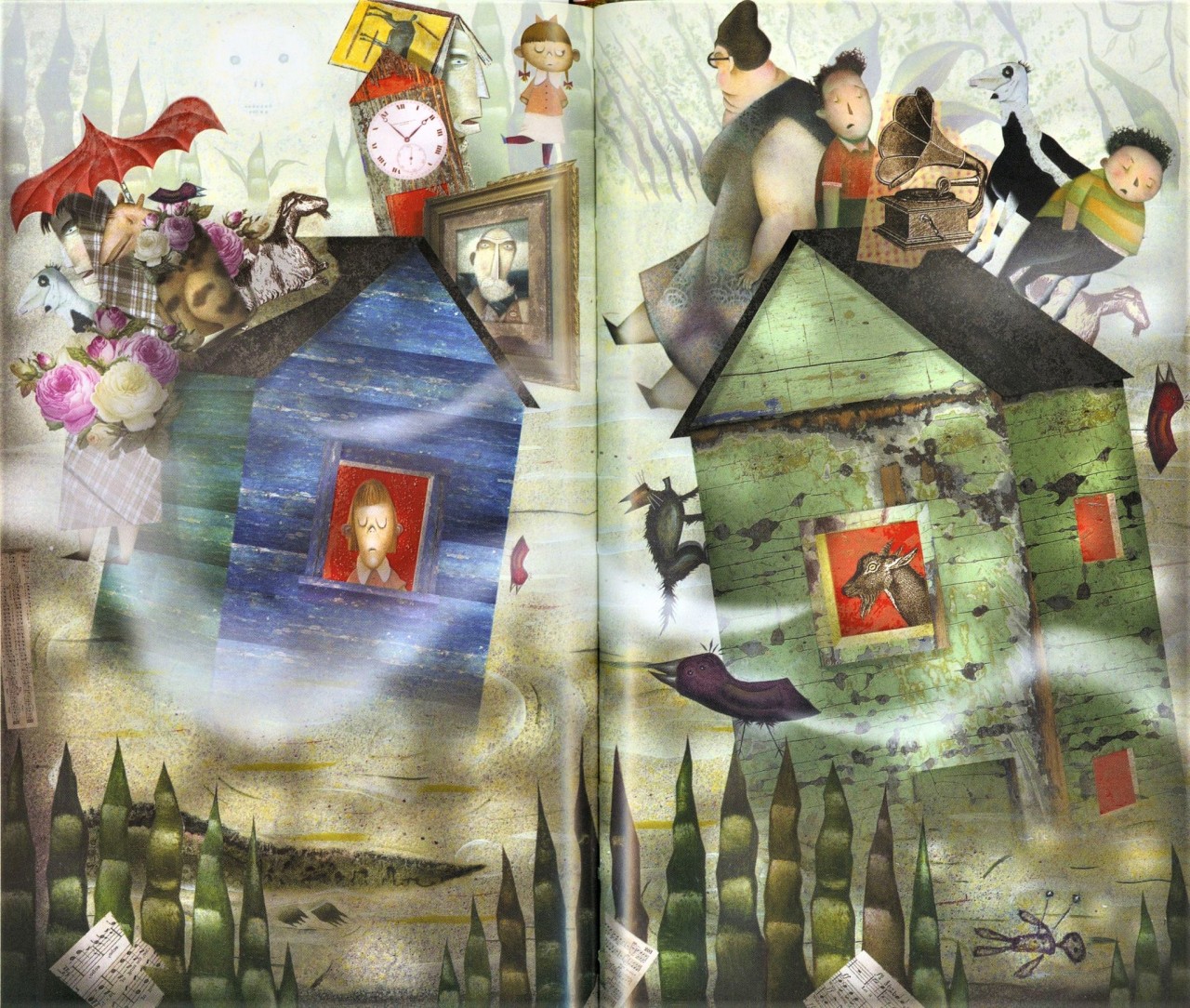
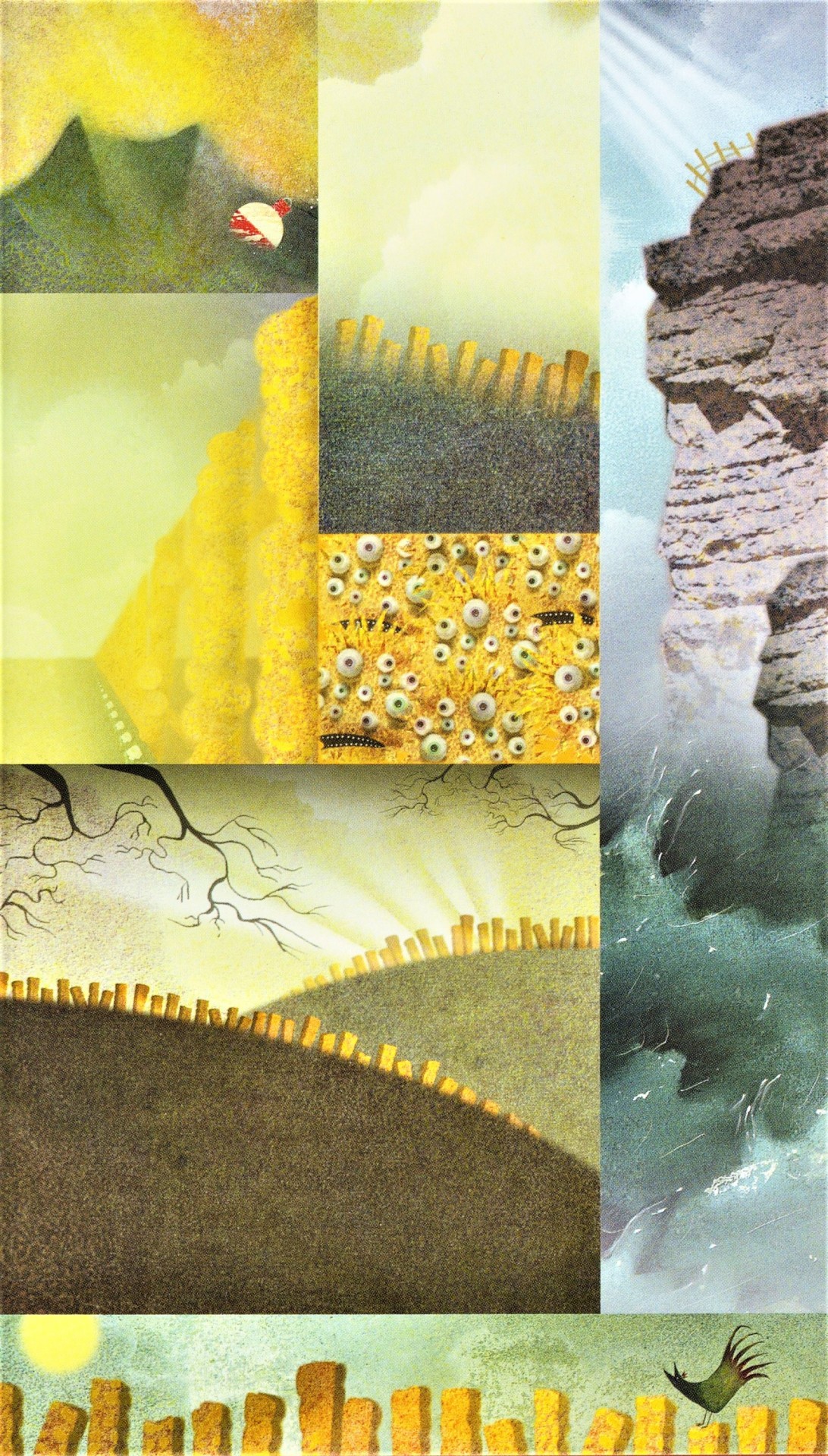
I was today years old when I discovered that America’s greatest living short story writer George Saunders published a children’s book more than 20 years ago. Issued in 2000 by Villard Books, an imprint of Random House, The Very Persistent Gappers of Frip was illustrated by the award-winning children’s book author and illustrator Lane Smith.

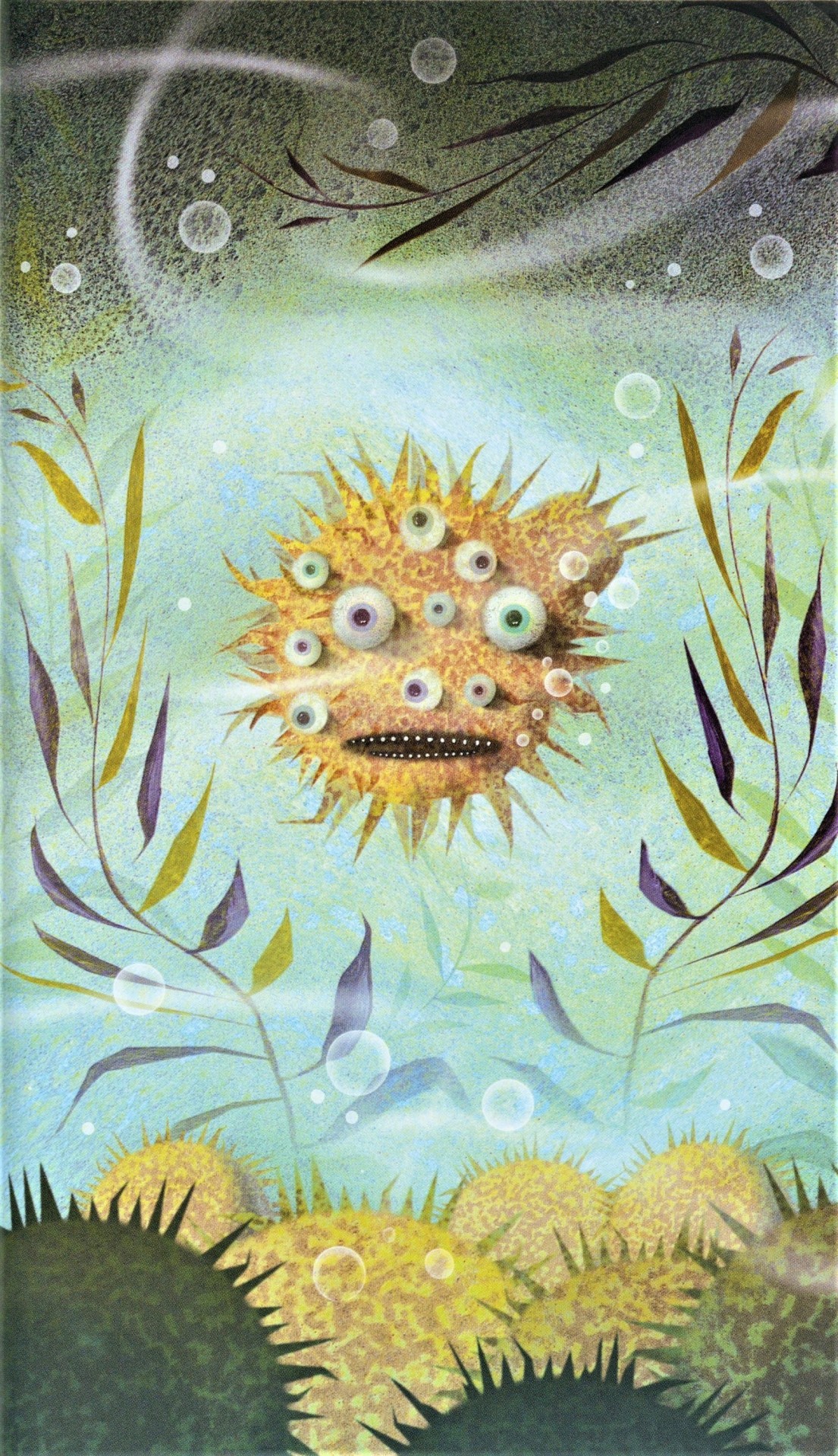
The tiny seaside village of Frip, relies entirely on the production and sale of goat milk. The gappers, an unintelligent lifeform shaped like a spiky fish, crawl up from the sea and grap onto the backs of the goats. The gappers are so excited about the goats that they cling to them and emit a loud, high-pitched shriek of joy when they attach to the poor goats. The children of Frip are tasked with brushing the gappers off of the goats’ backs into their gapper sacks which they then throw  off a cliff back into the sea 8 times a day. When one slightly more intelligent gapper realizes that one of the houses is closer to the sea, they overwhelm the goats in that shack, belonging to Capable and her father, leaving the others untouched and their selfish owners rejoice in their no longer having to deal with the problem. When Capable asks them for help, her neighbors, convinced their good fortune is a manifestation of their own hard work, refuse to help Capable and her father, who is paralyzed with grief over the death of Capable’s mother.

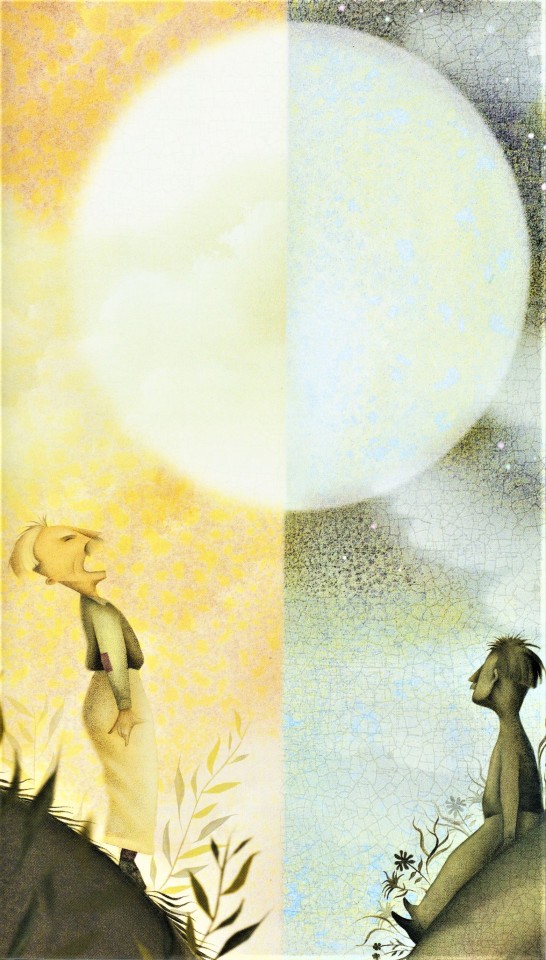
“Earlier that year her mother had died. Since then, her father had very much liked things to stay as they were. At dusk Capable would find him in the yard, ordering the sun to stay up, then sitting sadly in the flower bed when the sun disobeyed him and went down anyway.”

The premise of the gapper pests, which shriek with glee to be near the goats, distressing the goats and threatening the towns goat-milk based economy, is wonderfully silly, while Smith’s eclectic illustrations accentuate the oddness of the situation. In true children’s story fashion, the morals aren’t difficult to tease out: change can be daunting but is a necessary part of life, and everyone benefits when we care for the plight of our neighbors.


Posted in Art, Books, USA, Writing | Tagged , , , | 1 Comment