First Around The World Trip

Ever since I was indoctrinated as a young child with filiopietistic reverence for Columbus and the entire panoply of European explorers, I’ve been fascinated by their extraordinary journeys. Recently, I discovered a wonderful website that traces the route of Ferdinand Magellan’s voyage around the globe.

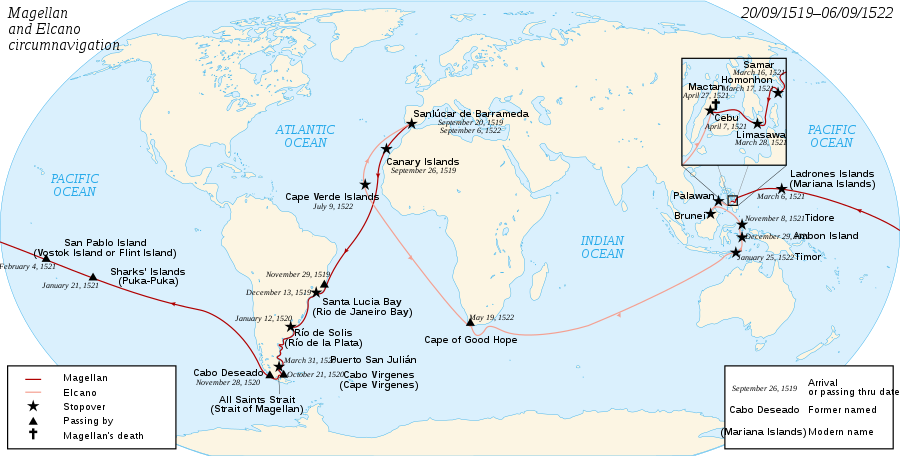
On September 20, 1519, five ships with 239 men (the De Armada de Moluccas) set sail from Sanlúcar de Barrameda in Spain. The goal of the Armada de Moluccas was to establish a new route to the Moluccan Islands, in  presentday Indonesia. On September 6, 1522, only one of those ships, the Victoria, returned to Spain. It was the first ship to circumnavigate the world. Only 18 men returned to Spain on the Victoria. Many of the others died on the voyage, including Captain Ferdinand Magellan, who was killed in the Philippines in April 1521. The First Around the Worldis an interactive site showing the route of the Armada de Moluccas. The map also shows signifigant events of the trip, such as the kidnapping and chaining of two Indians from the Tehuelches tribe, the burning of a village in Guam, and an attack on Mactan Island that killed Captain Magellan.


Posted in Asia, Europe, History, Maps, Tech | Tagged , , , | Leave a comment

The Most Beautiful Bookstore in the World ?

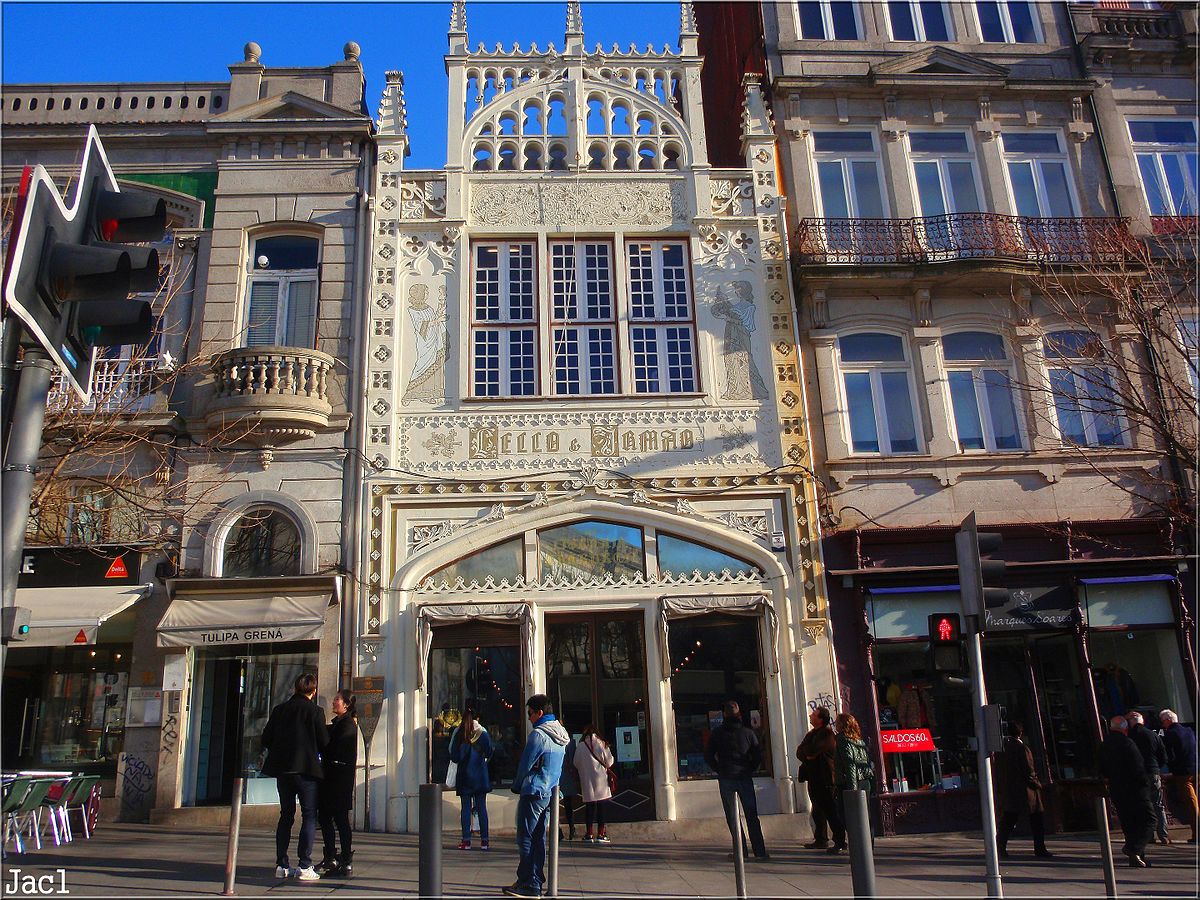
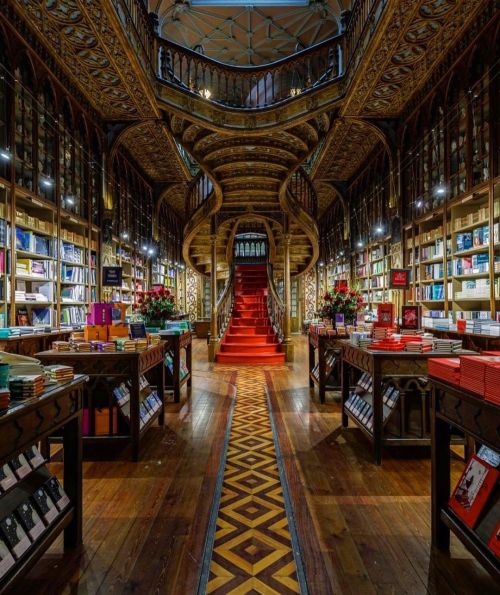
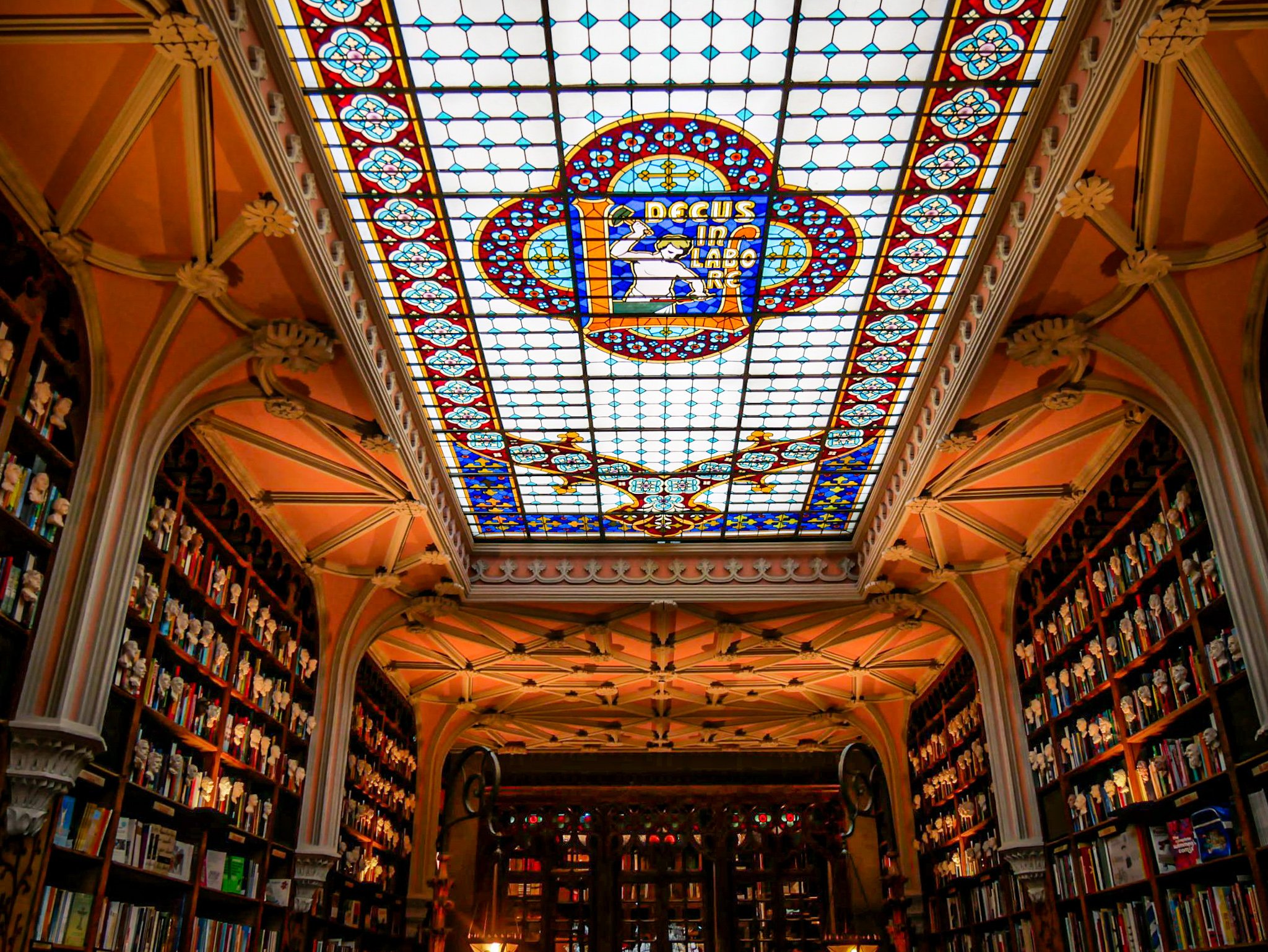
Over the past few decades nearly every listicle on the world’s “most beautiful bookstores” has included the incredible Livraria Lello in Porto, Portugal. I am embarassed to admit that although I was briefly in Porto, I never made it to this stunning bookshop. Recently someone uncovered a photograph which was taken on the store’s launch day in 1906.


Posted in Architecture, Books, Bookstore Tourism, Europe, Photography, Tourism | Tagged , , | Leave a comment

Just a postcard from Kafka

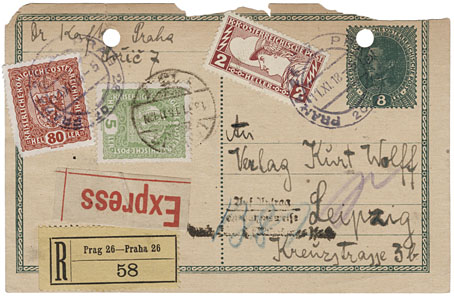
I recently stumbled on this postcard from the German National Library that is dated 1918 from Franz Kafka to his publisher Kurt Wolff. Personally, I never sent postcards to my publisher, but then again he was a terrible person.

And a short story too…

“The Unhappiness of Being a Single Man”

by

Franz Kafka

translation by

Alexander Starritt


It seems a terrible thing to stay single for good, to become an old man who, if he wants to spend the evening with other people, has to stand on his dignity and ask someone for an invitation; to be ill and spend weeks looking out of the corner of your bed at an empty room; always to say goodbye at the door; never to squeeze your way up the stairs beside your wife; to live in a room where the side doors lead only to other people’s apartments; to carry your dinner home in one hand; to be forced to admire children you don’t know and not to be allowed to just keep repeating, “I don’t have any”; to model your appearance and behaviour on one or two bachelors you remember from childhood.

That’s how it’s going to be, except that in reality both today and in the future you’ll actually be standing there yourself, with a body and a real head, as well as a forehead, which you can use your hand to slap.

Posted in Books, Europe, Libraries, Writing | Tagged | Leave a comment

“When coffee is gone, it’s over.”

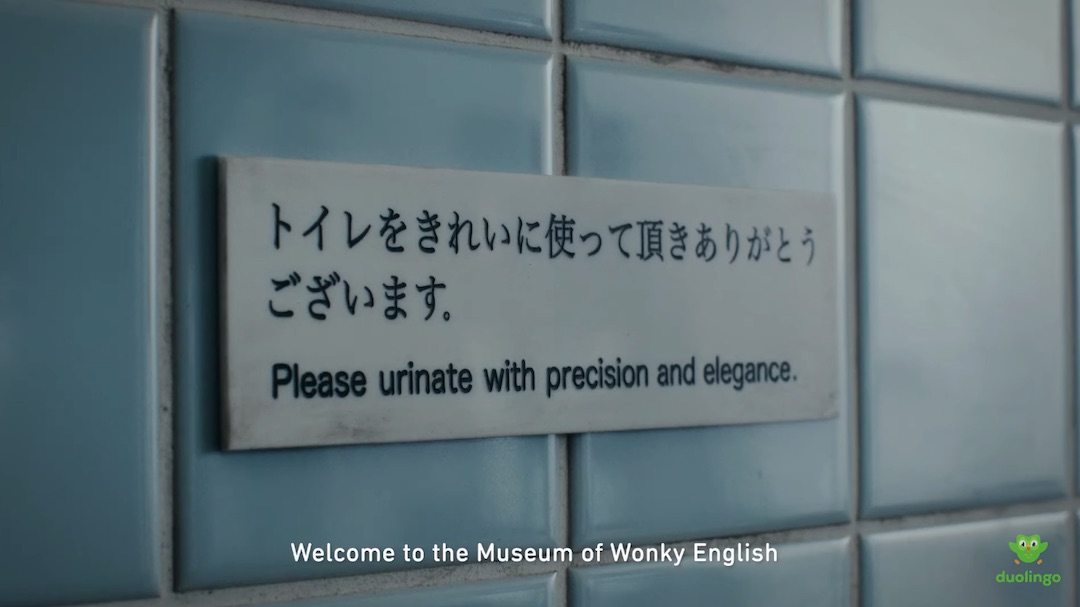
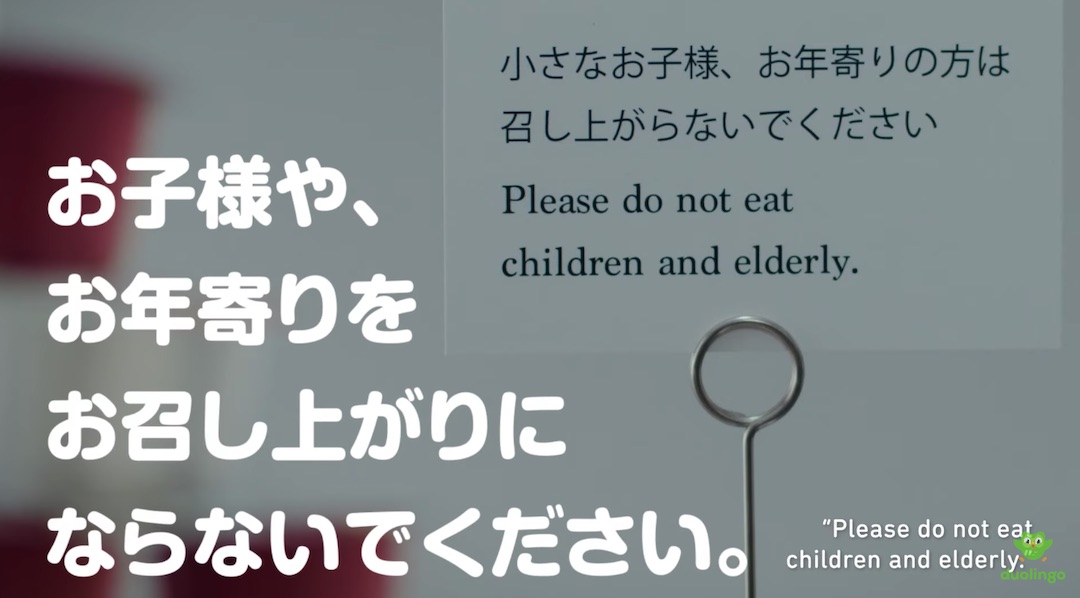
Language-learning app Duolingo has opened a “Museum of Wonky English” in Harajuku, Tokyo, and is giving mundane phrases that have been mistranslated new and novel meanings. Duolingo is inviting people to step into its Museum of Wonky English, a tongue-in-cheek showcase of all the hilarious signs around Japan that have gotten lost in translation.

The good-natured humor of the exhibit is something that Duolingo hopes will inspire people to learn a foreign language and be more careful when translating text. The gallery is dedicated to highlighting how they can help someone in their journey to mastering a new language. And to have a few laughs along the way.

Alongside the exhibit, Duolingo is also inviting fans to send in other misinterpretations they see around Japan to its Twitter, @duolingo_japan, and the best submissions will be featured in the showroom and be rewarded with a free month of Super Duolingo.

NB: If the video above fails to launch, please visit our homepage


Posted in Asia, Museums, Tech, Tourism | Tagged , , | Leave a comment

Games for Booklovers


Posted in Art, Books | Tagged , , | Leave a comment

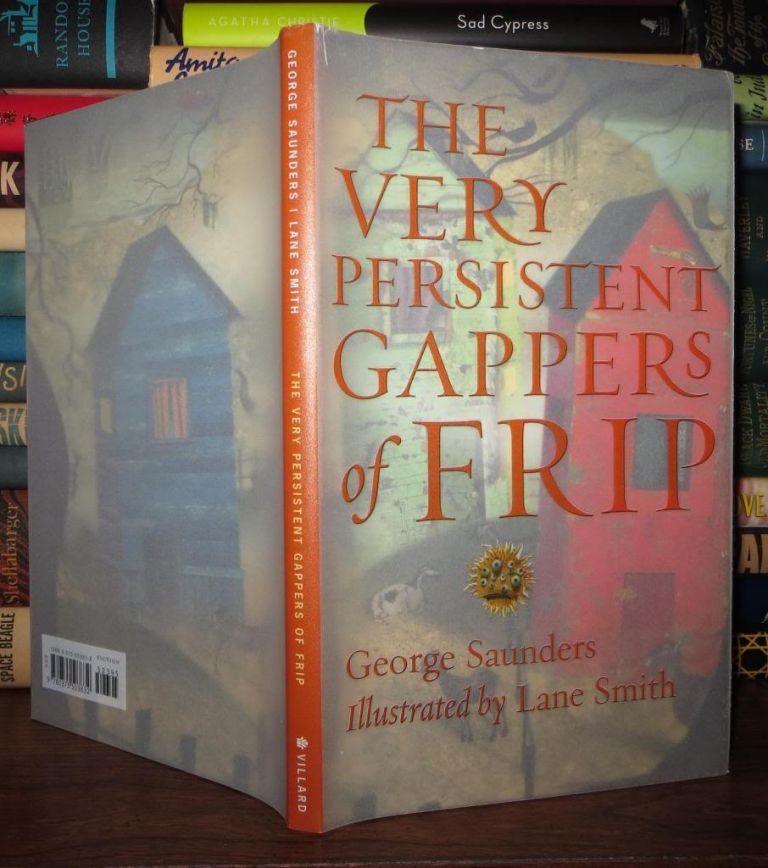
The Very Persistent Gappers of Frip

I was today years old when I discovered that America’s greatest living short story writer George Saunders published a children’s book more than 20 years ago. Issued in 2000 by Villard Books, an imprint of Random House, The Very Persistent Gappers of Frip was illustrated by the award-winning children’s book author and illustrator Lane Smith.

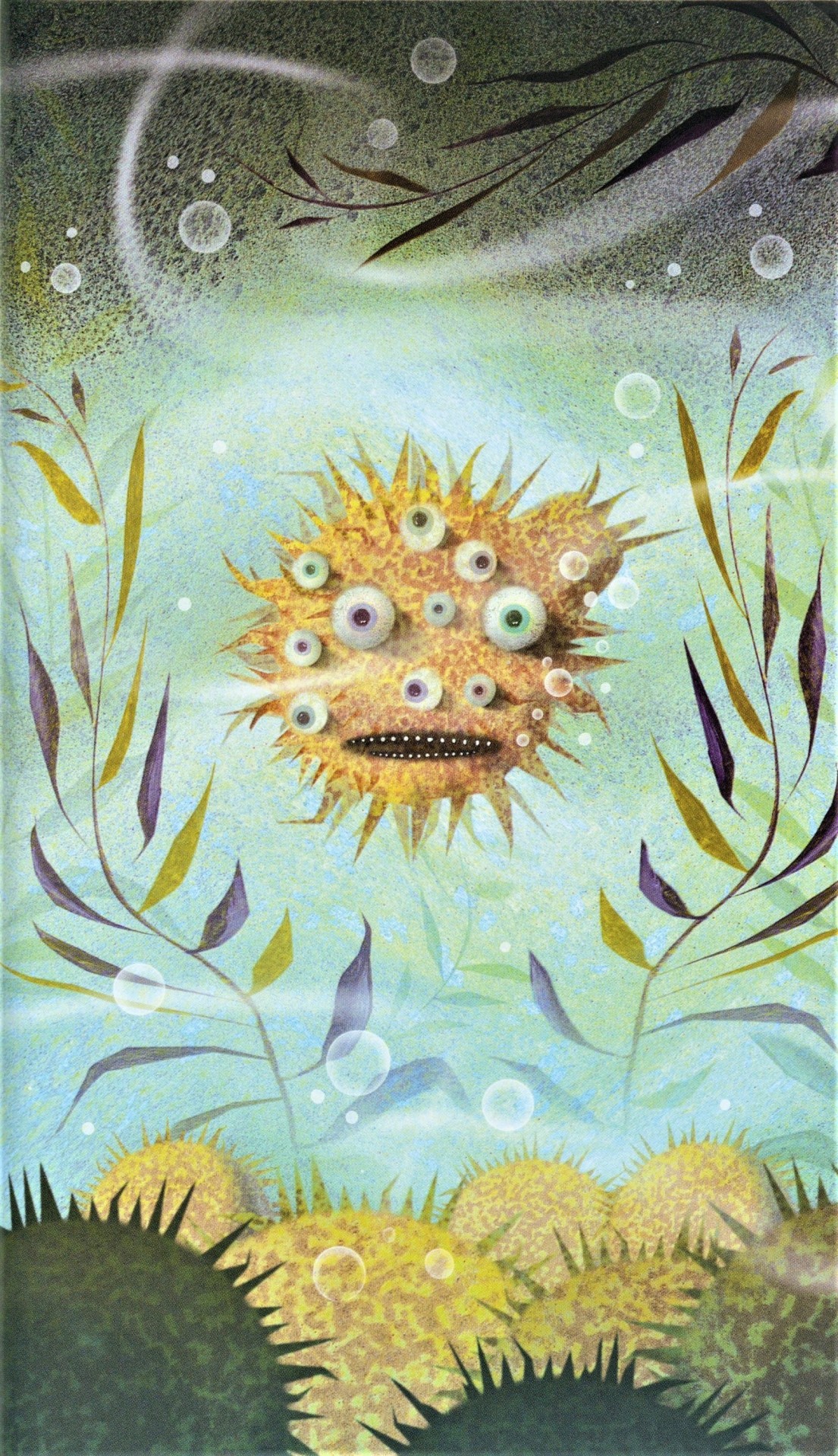
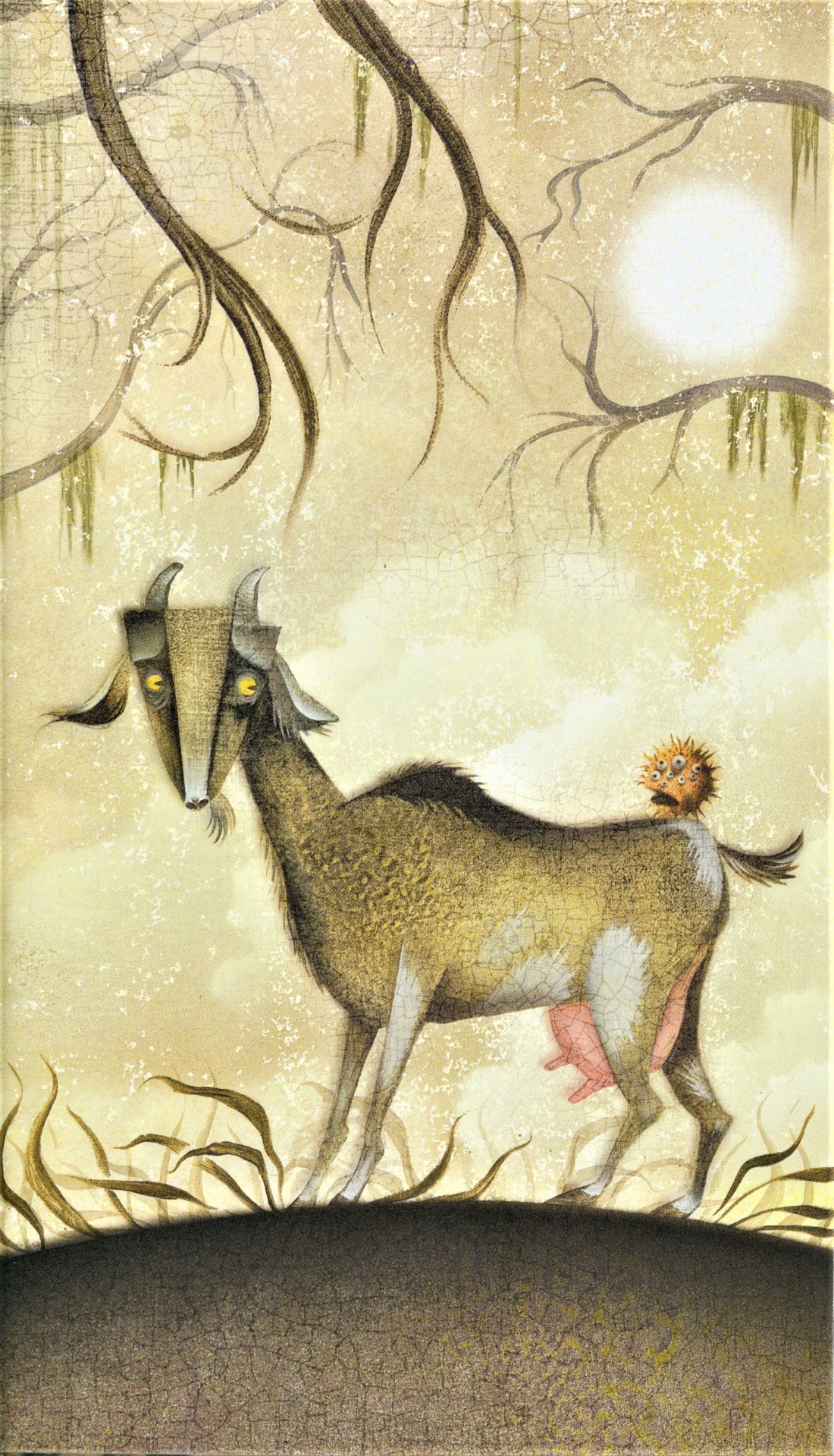
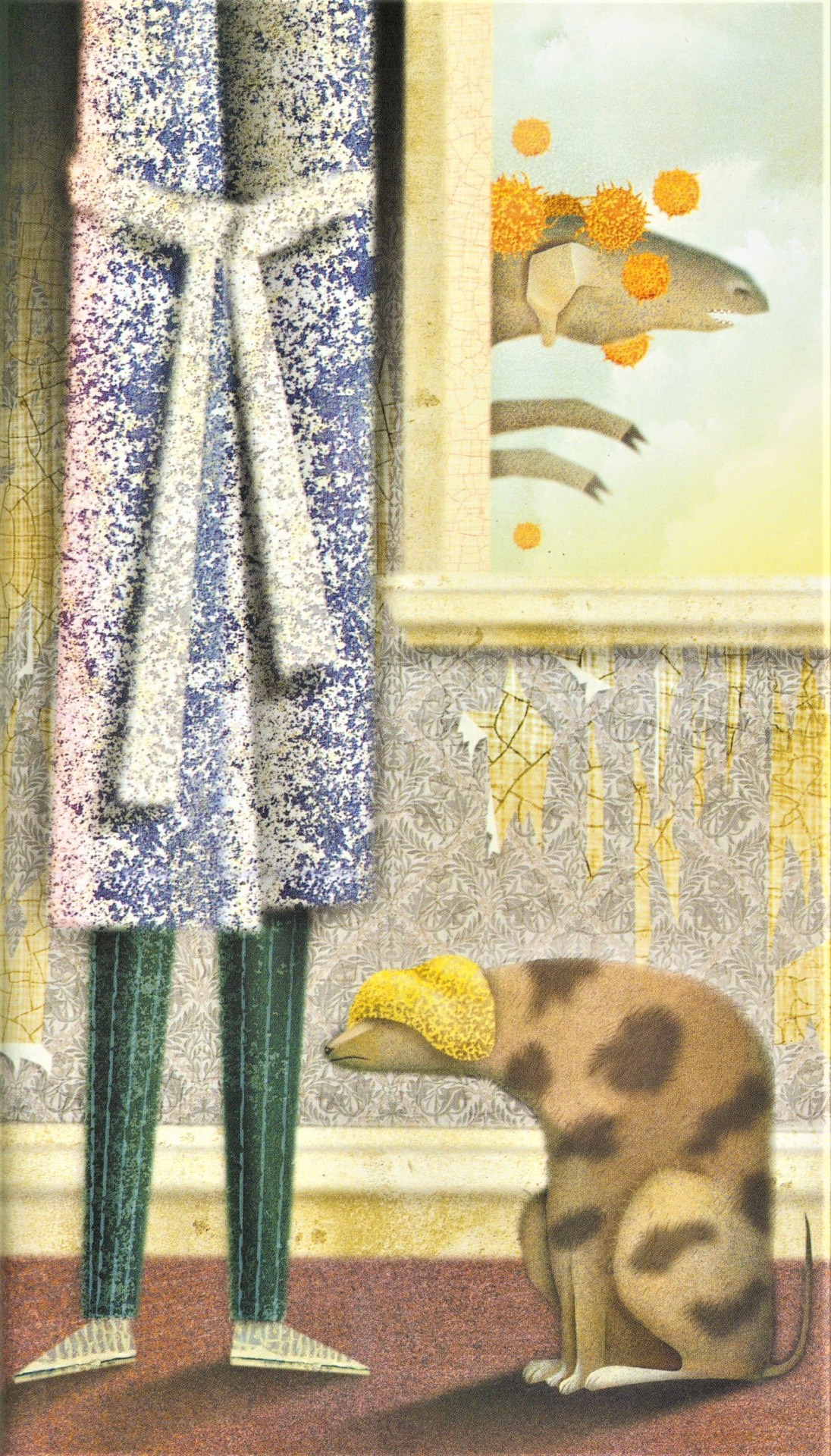
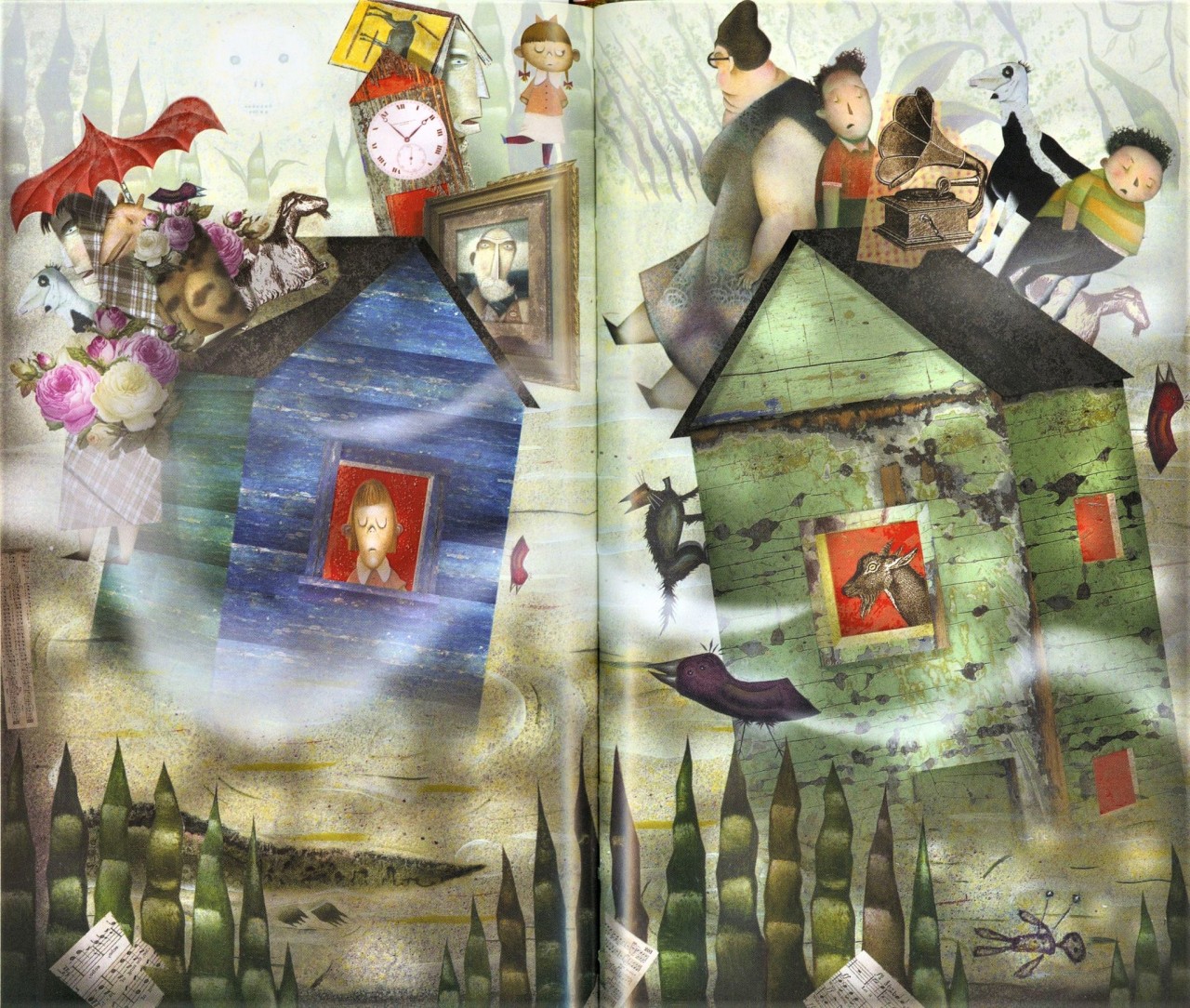
The tiny seaside village of Frip, relies entirely on the production and sale of goat milk. The gappers, an unintelligent lifeform shaped like a spiky fish, crawl up from the sea and grap onto the backs of the goats. The gappers are so excited about the goats that they cling to them and emit a loud, high-pitched shriek of joy when they attach to the poor goats. The children of Frip are tasked with brushing the gappers off of the goats’ backs into their gapper sacks which they then throw  off a cliff back into the sea 8 times a day. When one slightly more intelligent gapper realizes that one of the houses is closer to the sea, they overwhelm the goats in that shack, belonging to Capable and her father, leaving the others untouched and their selfish owners rejoice in their no longer having to deal with the problem. When Capable asks them for help, her neighbors, convinced their good fortune is a manifestation of their own hard work, refuse to help Capable and her father, who is paralyzed with grief over the death of Capable’s mother.

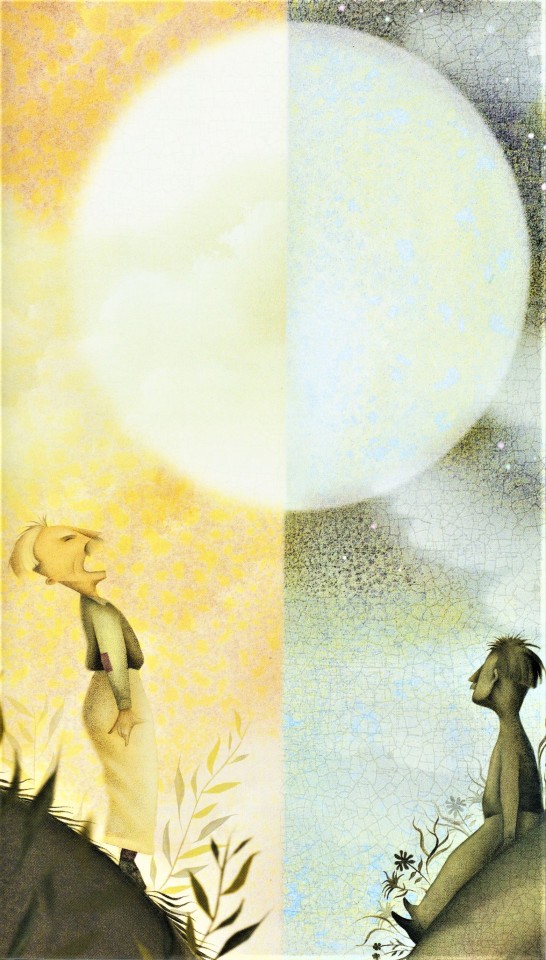
“Earlier that year her mother had died. Since then, her father had very much liked things to stay as they were. At dusk Capable would find him in the yard, ordering the sun to stay up, then sitting sadly in the flower bed when the sun disobeyed him and went down anyway.”

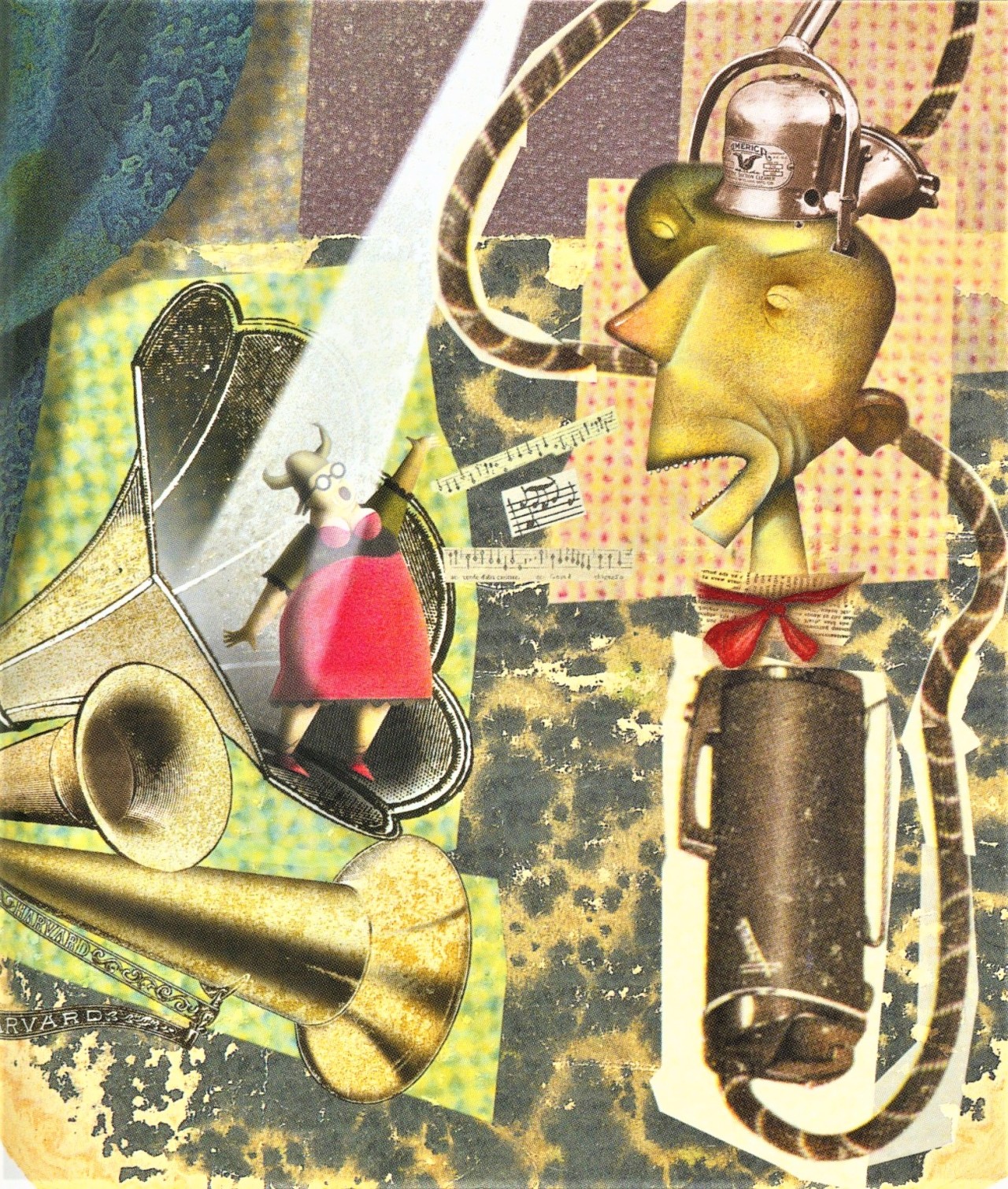
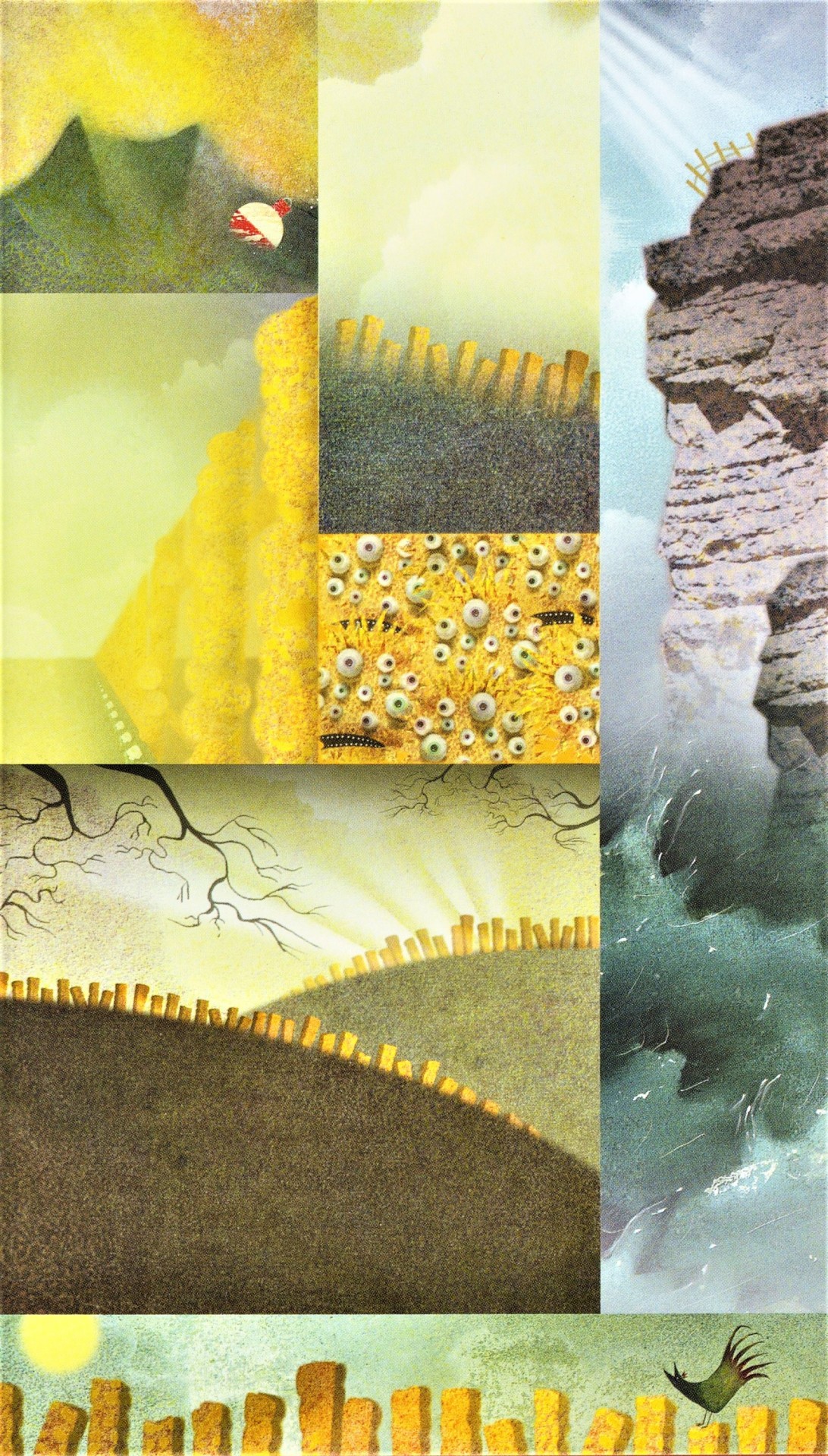
The premise of the gapper pests, which shriek with glee to be near the goats, distressing the goats and threatening the towns goat-milk based economy, is wonderfully silly, while Smith’s eclectic illustrations accentuate the oddness of the situation. In true children’s story fashion, the morals aren’t difficult to tease out: change can be daunting but is a necessary part of life, and everyone benefits when we care for the plight of our neighbors.


Posted in Art, Books, USA, Writing | Tagged , , , | 1 Comment

Recognition At Last

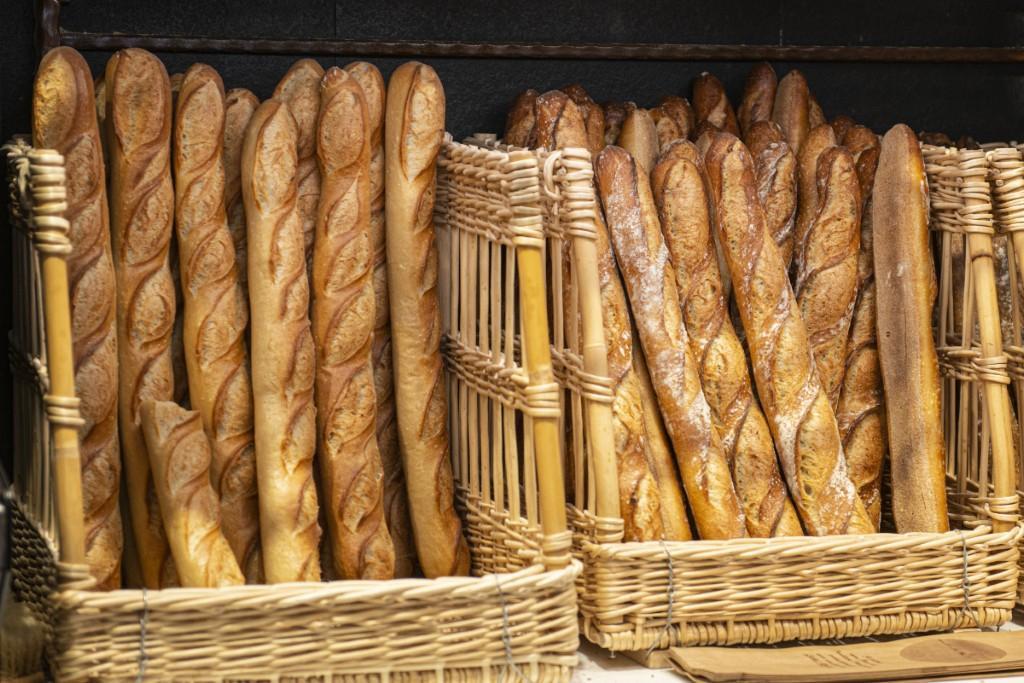
Each day, nearly 12 million French consumers visit a bakery and leave with an iconic loaf of bread. Each year, French bakeries produce more than 6 billion baguettes.

It is an international symbol recognized as part of the daily life in France. The baguette was listed yesterday as an intangible heritage of humanity by Unesco. The organization, which above all honors the traditions to be safeguarded more than the products themselves, has distinguished the craftsmanship and the culture surrounding this essential element of French culture.

With its crispy crust and tender middle, the baguette, which appeared at the beginning of the 20th century in Paris, is today the primary bread consumed in the country.

On Twitter, President Emmanuel Macron hailed “250 grams of magic and perfection in our daily lives. A French way of life”, adding: “We have been fighting for years with bakers and the world of gastronomy for its recognition. The baguette is now a UNESCO intangible heritage! ”

“This is recognition for the community of artisan bakers and pastry chefs. (…) The baguette is flour, water, salt, yeast and the know-how of the craftsman”, welcomed by the president of the National Confederation of Bakery-Pastry, Dominique Anract.

“It is indeed a kind of consecration,” stated Priscilla Hayertz, a baker in Paris. “It’s a basic product that affects all socio-cultural categories, whether you’re rich, poor… it doesn’t matter, everyone eats baguettes.”

“Great recognition for our craftsmen and these unifying places that are our bakeries! “, added the Minister of Culture, Rima Abdul Malak. With this inscription, “Unesco emphasizes that a food practice can constitute a heritage in its own right, which helps us to form a society”, declared Audrey Azoulay, director general of this UN agency.
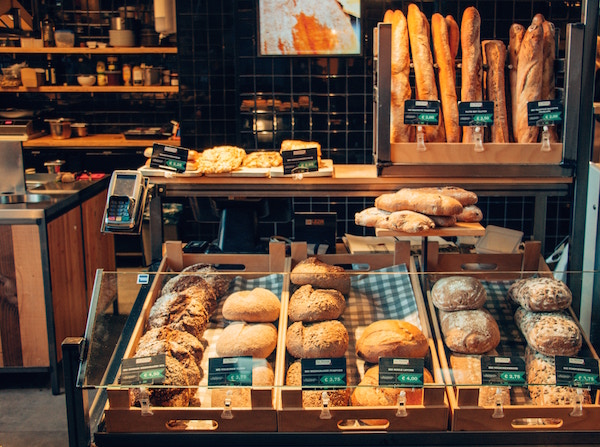
This recognition is particularly important given the threats to traditional baking, by industrialization and the decline in the number of bakeries, especially in rural communities. In 1970, there were some 55,000 artisanal bakeries (one bakery for 790 inhabitants) compared to 35,000 today (one for 2,000 inhabitants), i.e. an average disappearance of four hundred bakeries per year for fifty years.

Constantly evolving, the “traditional” baguette is strictly governed by a 1993 decree, which aims to protect artisan bakers and at the same time imposes very strict requirements on them, such as the ban on additives. It is also the subject of national competitions.

The word baguette appeared at the beginning of the 20th century and it was only between the World Wars that it became commonplace. Sadly, baguette consumption is on decline in France, while it’s growing around the world.


Posted in Europe, History, Restaurants | Tagged , , , , | Leave a comment

Chain Gang

When the public library in Rawicz, Poland needed to move its entire collection from it’s 70 year-old library to a new building 350 meters away it put out a call for help from the local community. On November 25, 2022, more than 600 volunteers showed up to form a human chain to pass 3,400 parcels of books. It took them just two hours to complete the project, which transfered more than 100,000 books in record time.

Adrianna Kaczmarek, the director of the Public Library of Rawicz, said:

 The action was supposed to involve 470 people. We recalculated the route from the old place to the new one and decided: that’s enough. But people continued to appear, over 600 came.

More info (in Polish): Rawicz. “Łańcuch rąk” przeniósł książki do nowej biblioteki


Posted in Books, Europe, Libraries | Tagged , , | 2 Comments

What’s the Word

Merriam-Webster  dictionary reports that its word of the year is the manipulative, misdirecting term that causes the target to question the surety of their own sanity, is taken from the title of the George Cukor 1944 classic film Gaslight. Although in wide use of late, look ups are still exponentially high for the term gaslighting. Other terms that caused people to consult the dictionary this past year were oligarch—driven by the Russian invasion of Ukraine and attendant sanctions, codify, as in enshrining laws once taken for settled.


Posted in USA, Writing | Tagged , , , , | Leave a comment

Some You May Like, Some You May Need

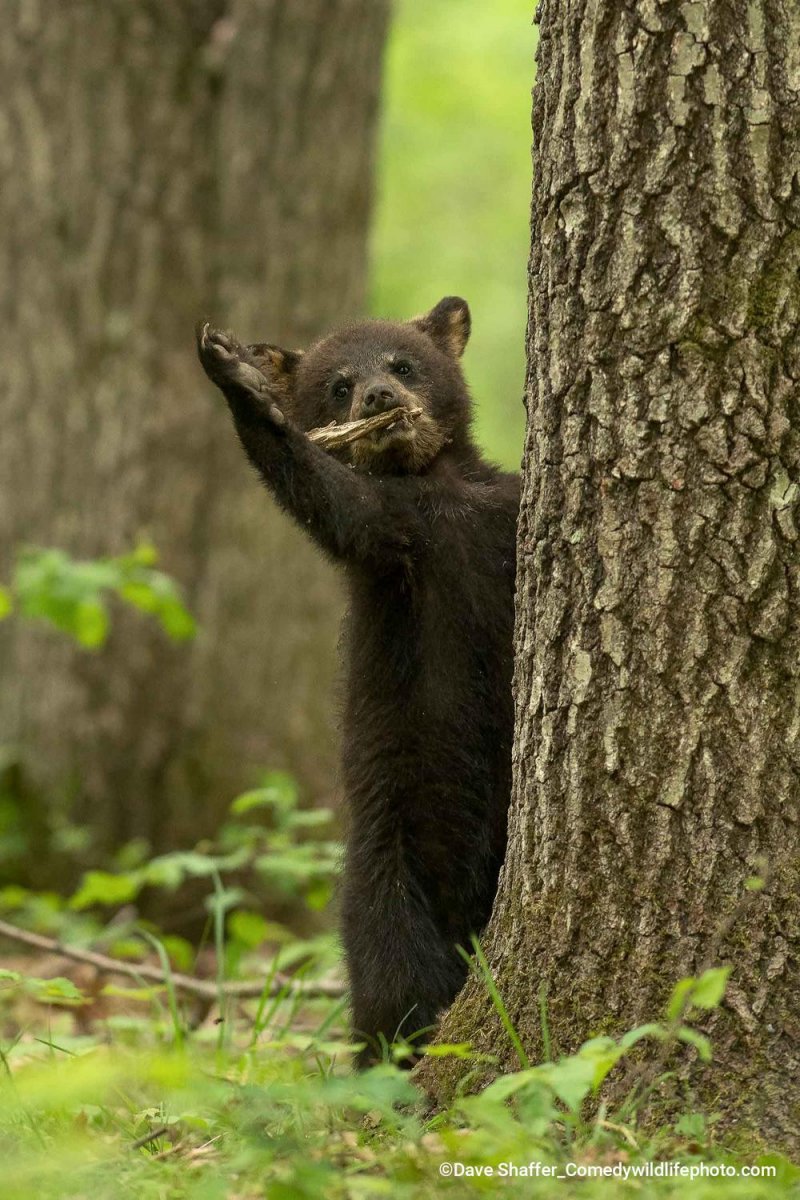
What better way to start the week than unexpected photographs of animals being amusing from the 2022 Comedy Wildlife Photography Awards.

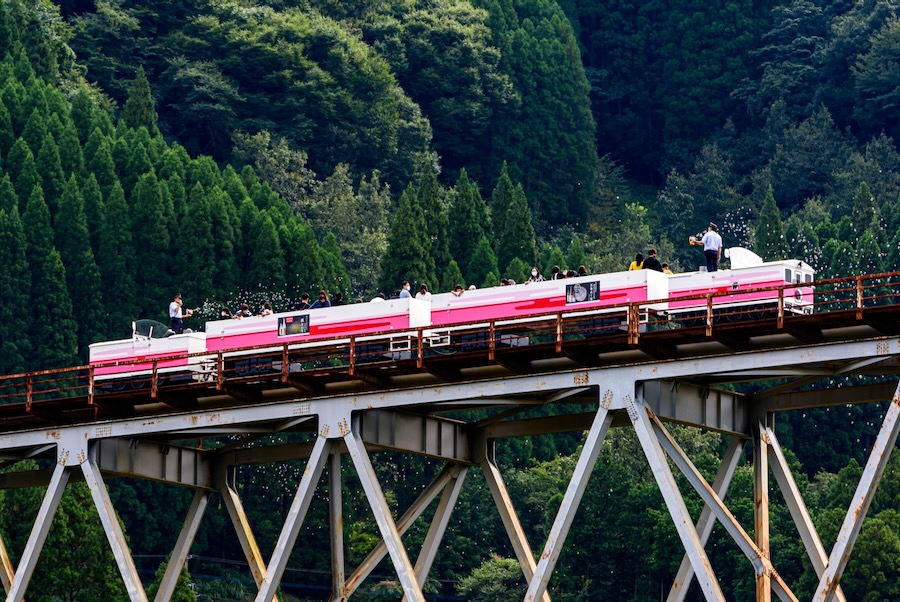
Who wouldn’t love to spend an afternoon riding a tourist train in Japan’s verdant countryside powered by leftover ramen broth.

This past week here in the U.S. of A. we have been celebrating our Thanksgiving holiday. In recent years this has become an increasingly fraught project for many of us who recognize the horrific tragedy of the European colonization of the Americas. On a brighter note, there has been a recent revival of support for indigenous people and cultures, including a new found appreciation of native foods. Last week, the Indigenous-owned restaurant ʔálʔal Cafe opened in Seattle, joining other Native-owned eateries in the city like the pop-up Native Soul and acclaimed food truck Off the Rez. You can read all about it here.

From the diary of the Nobel Laureate in the PARIS REVIEW: From ‘Diary, 1988’ by Annie Ernaux, translated by Alison L. Strayer and new in our Spring 2022 issue.

CHAPTER 1. Loomings.

Call me Ishmael. Some years ago – it’s none of your business how many – being mostly broke, and bored with the land part of the world, I thought I would sail around a little and look at the watery part of the world. I’m probably the most mentally healthy person you know. Whenever I feel my face getting grim; whenever it is a damp, drizzly November in my soul; whenever I find myself accidentally reading the ads in the window of funeral homes, and following funeral processions through traffic; and especially when I’m hangry, and only my extremely strong moral principles stop me from deliberately going out in public and methodically slapping people’s earbuds out – then I know it’s high time to get to sea, ASAP. This is my substitute for getting in fights. I’m too mentally healthy to kill myself; I quietly and considerately put myself on a ship and sail myself away instead. There is nothing surprising in this. Everyone feels exactly the same way, and if they don’t, they’re lying.
You think I’m lying? Exhibit A: a city. Go to your local coastal city. Everyone is looking at the water. They drive over from other neighborhoods just to come to the water. They make a day of it. They’re not doing anything, they’re just staring at the ocean. Why? Is it because they all work office jobs? No! Here come more of them! They cram themselves up to the edge of the water and stare at it. WHAT DO THEY WANT? WHAT ARE THEY LOOKING AT. Perhaps the ships themselves all packed together, each one with several compasses on it, creates some kind of critical mass – all of the small compass-magnets on all the ships in the harbor combining into one really big magnetic field – and the people get sucked into the field and trapped there. That’s science.

Exhibit 2: the countryside with lakes in it. Every path you follow in the countryside brings you to some water, such as a stream. There is magic in it. If you take your standard fool with ADHD dissociating in the middle of a supermarket and put them outside and give them a shove, they’ll automatically lead you to water (if there is any nearby) (try it). Another good experiment to try is to get lost in the great American desert in a caravan supplied with a metaphysical professor! Try it in the great American desert at home!

Yes, as everyone knows, meditation and water are a match made in heaven. Married forever. That’s science.

I Don’t Know What I am Doing

“I don’t know what I’m doing. And if you don’t know what to do, there’s actually a chance of doing something new. As long as you know what you’re doing, nothing much of interest is going to happen.”
– Philip Glass

Scripts and more from famous and less famous films  and television series are collected on screenplays.io .


Posted in Asia, Books, Photography, Restaurants, Tourism, USA | Tagged | 1 Comment