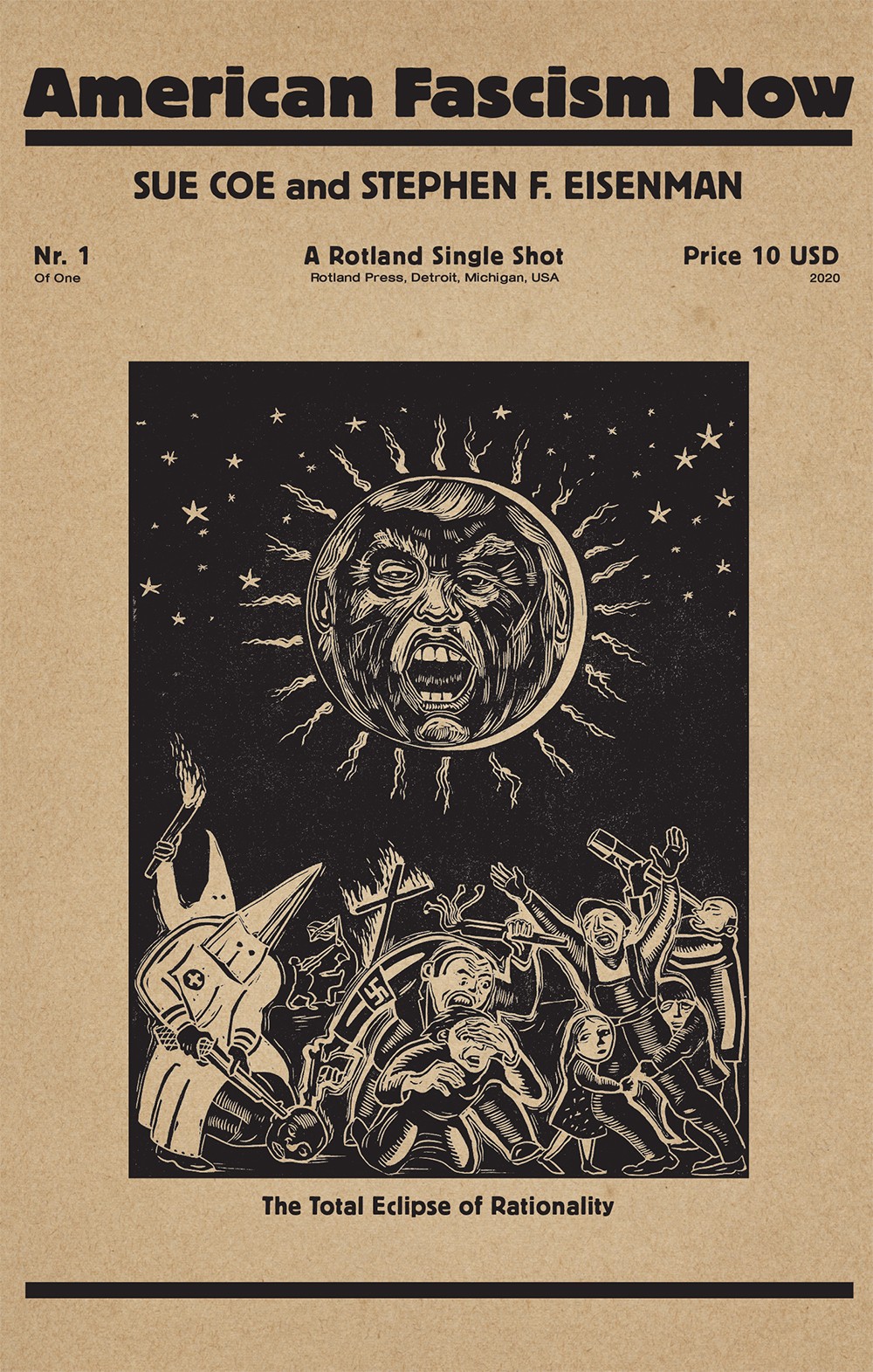
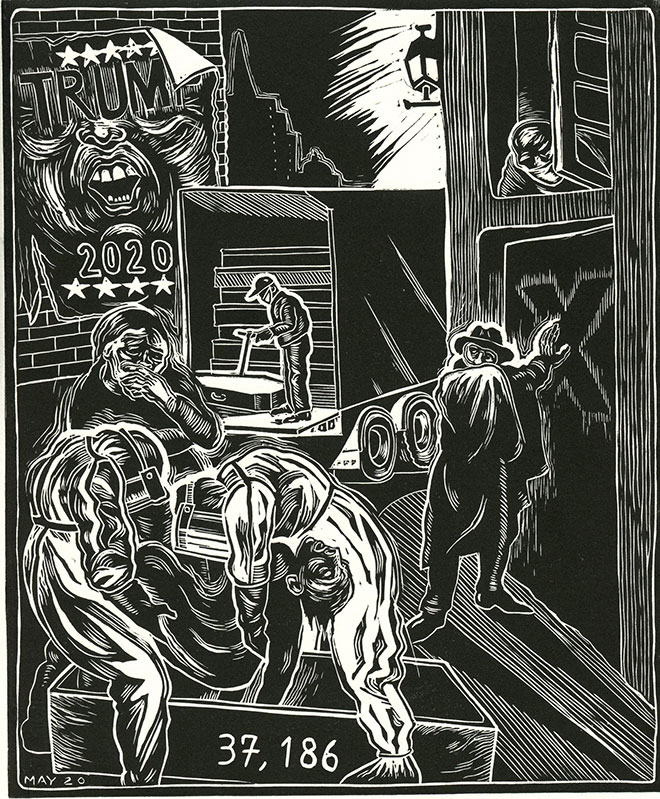
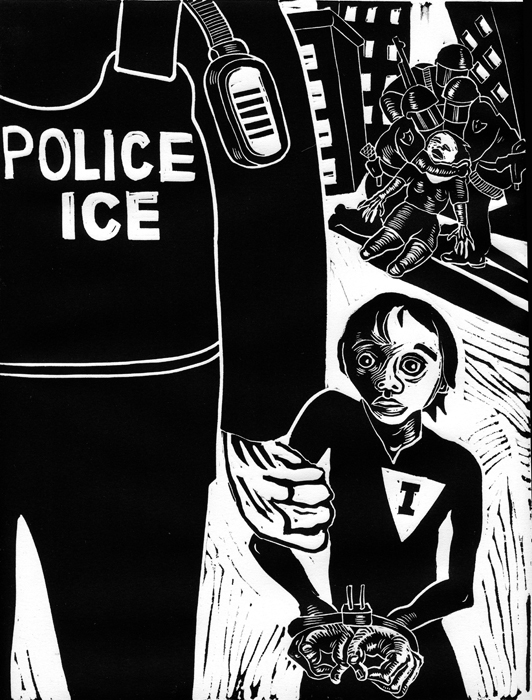
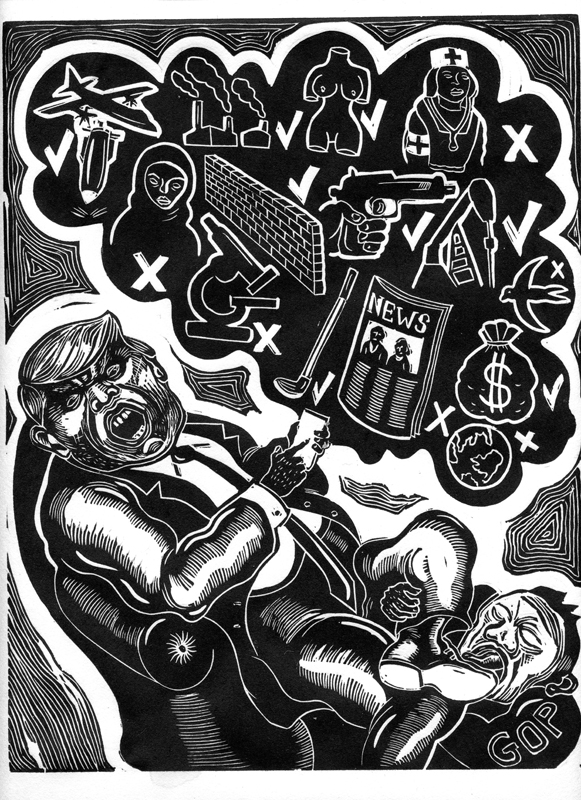
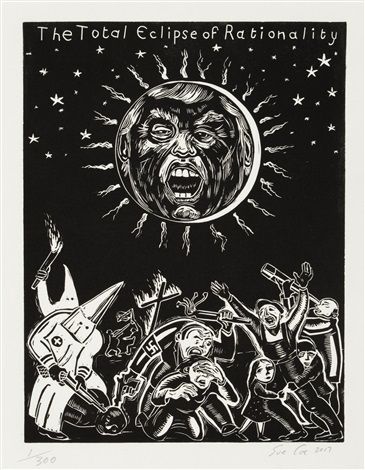
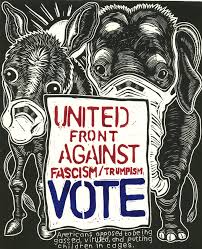
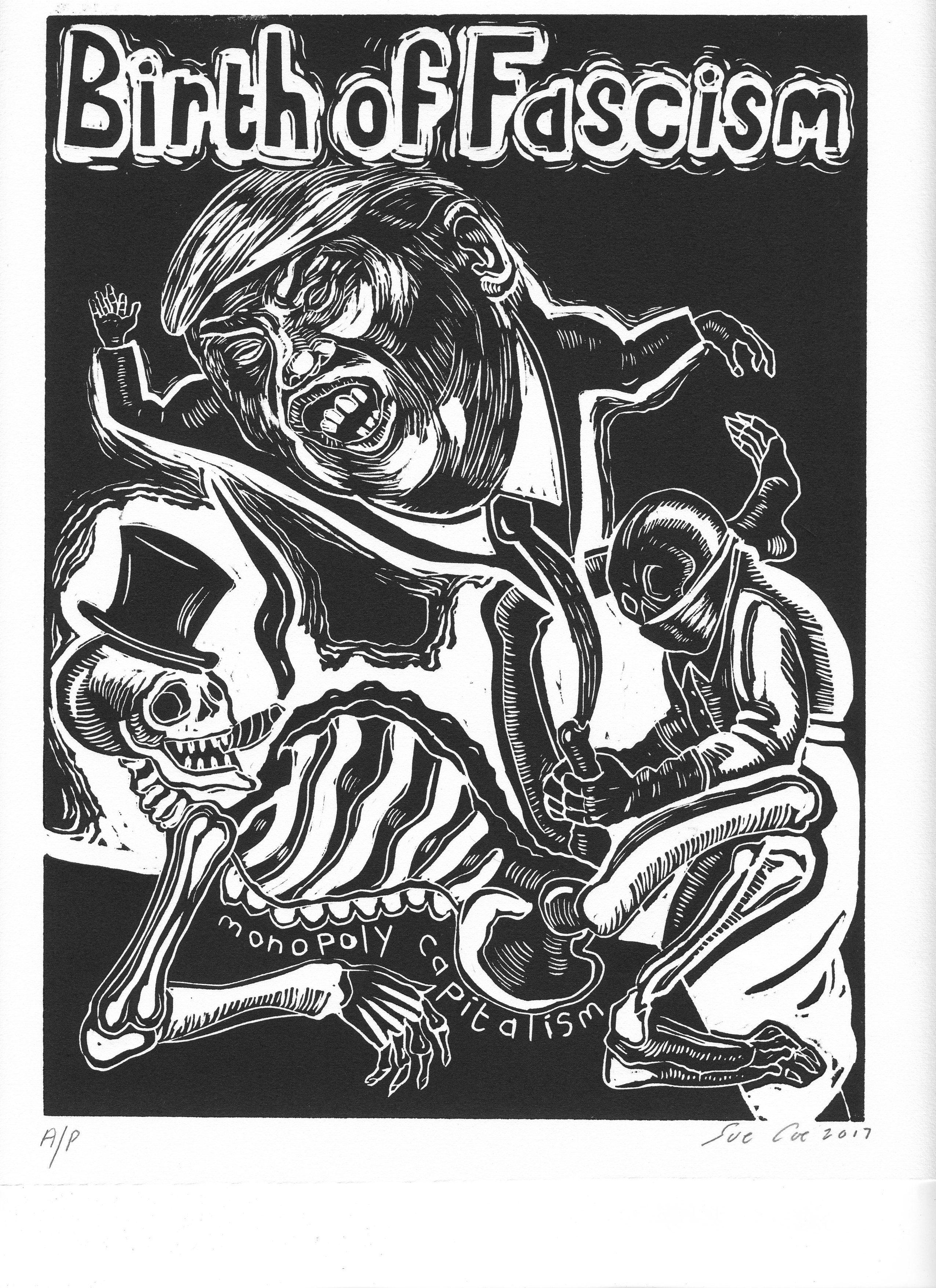
American Fascism Now (Rotland Press) offers a chilling look at the United States in 2020, with powerful linocut prints by Sue Coe and text by historian Stephen F. Eisenman. The frightening book chronicles a country on the verge of a political and cultural abyss. It’s no coincident that the book has the look and feel of 1920s and 30s German texts.
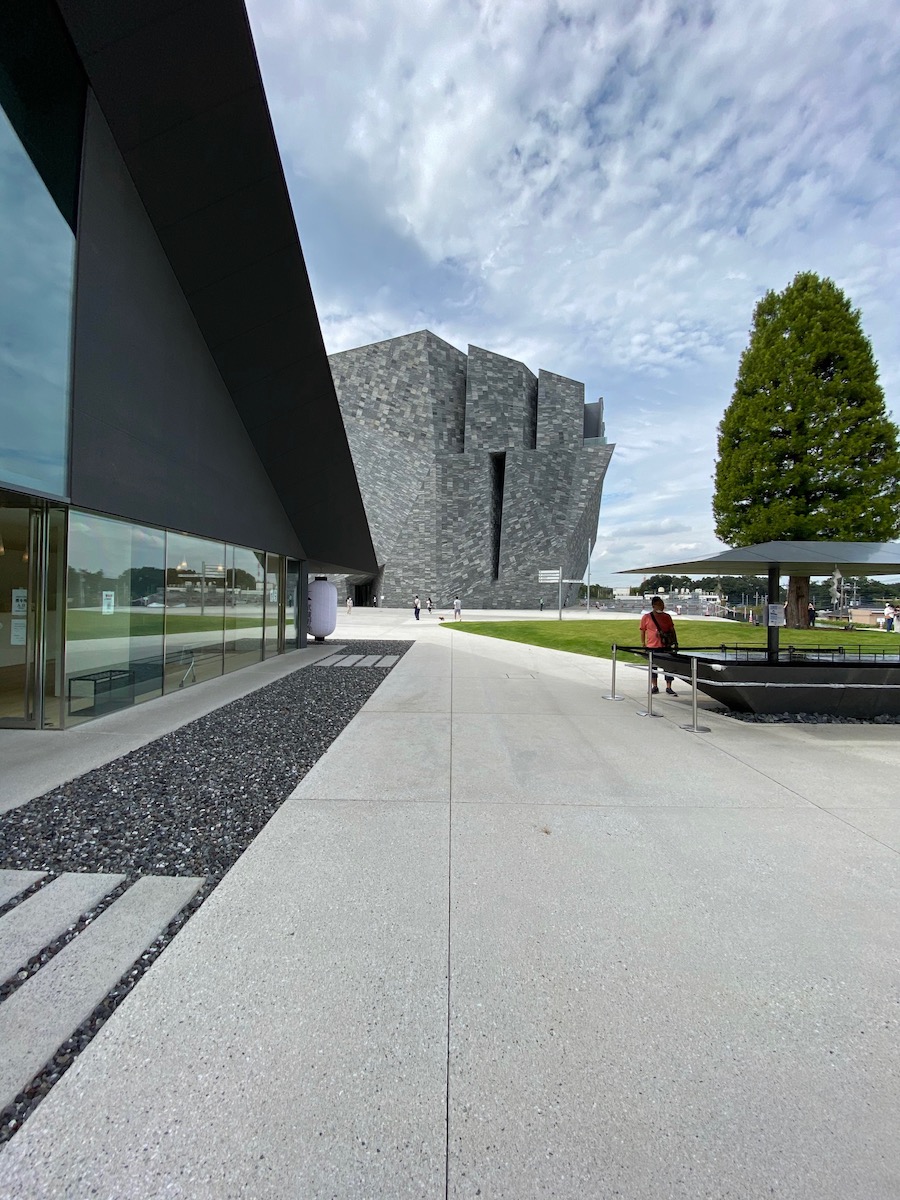
Here at TBTP World HQ, we still sorely miss visiting libraries and museums. So, we are forced to live vicariously for now through virtual travel. We were intrigued to learn about this amazing new project outside of Tokyo that launched on August 1, 2020. The stunning Kadokawa Musashino Museum is part art museum and part library inside of a monolithic granite structure that was designed by Kengo Kuma for Kadokawa, a major publisher of manga and fiction.
A highlight of the institution is the Bookshelf Theater Library, a dramatic space occupying sections of the 4th and 5th floor. With 26 foot floor-to-ceiling bookshelves, the soaring library will accommodate 50,000 books. Inside the imposing building there are 5 floors consisting of various sections dedicated to books, anime, art and cartoons.
Who is ever at home in oneself.
Land without mercy. Interstates
set flickering by night. When I speak to you
I can feel a storm falling blackly to the roads,
the pelting rains the instant they
hit. Devotion is full of arrows.
Most weeks I am no more than the color of the walls
in the room where we sit, or I am blind to clocks,
restless, off-guard, accomplice to the weathers
that burn and flee, foamless, across a sky
that was my past, that is
what I was. I am always too close.
I am not sure I will ever be
wholly alive. Still—we are faithful.
Small birds hook their flights into the fog.
The heat crosses in shoals over these roads
and this evening the cottonwoods may sway
with that slow darkgold wind
beyond all urgency. I am listening to you.
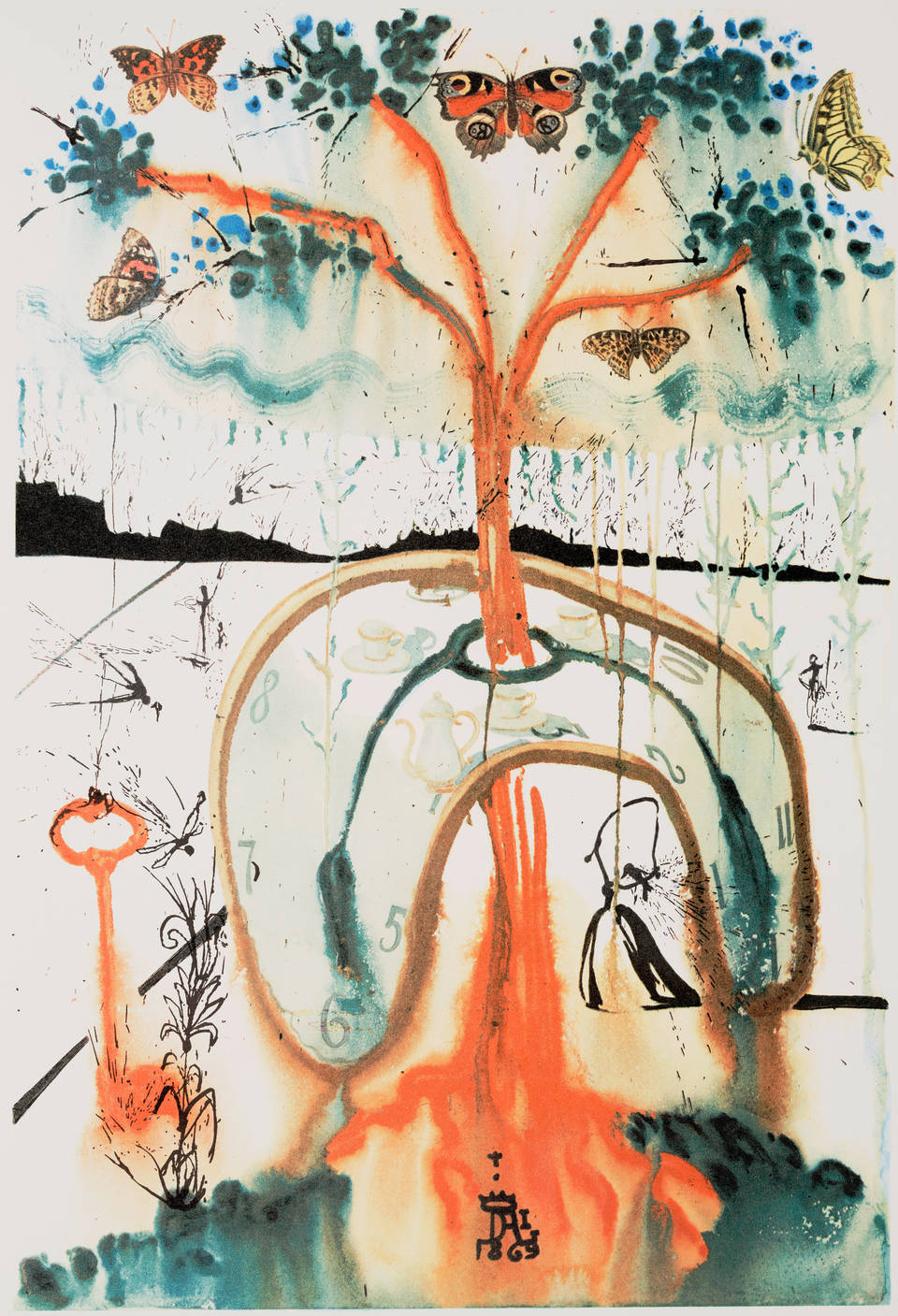
London’s grand Victoria and Albert Museum has created its first-ever VR event, a marvelous little preview for its highly anticipated exhibition Alice: Curiouser and Curiouser, with special effects that bring the psychedelic wonders of the 19th century iconic novel to life. The free event will launch on October 22nd at 2pm GMT and will take place in a digital landscape inspired by the V&A’s amazing collections. Virtual visitors must enter the digital experience as avatars and will be able to interact with one another. There will also be a tour of the show by curator Kate Bailey through the exhibition’s five main sections, where objects from the show will materialize in the space, and the setting will transform with live effects. The event will also be broadcast live on the museum’s YouTube channel.
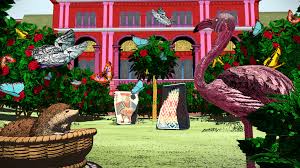
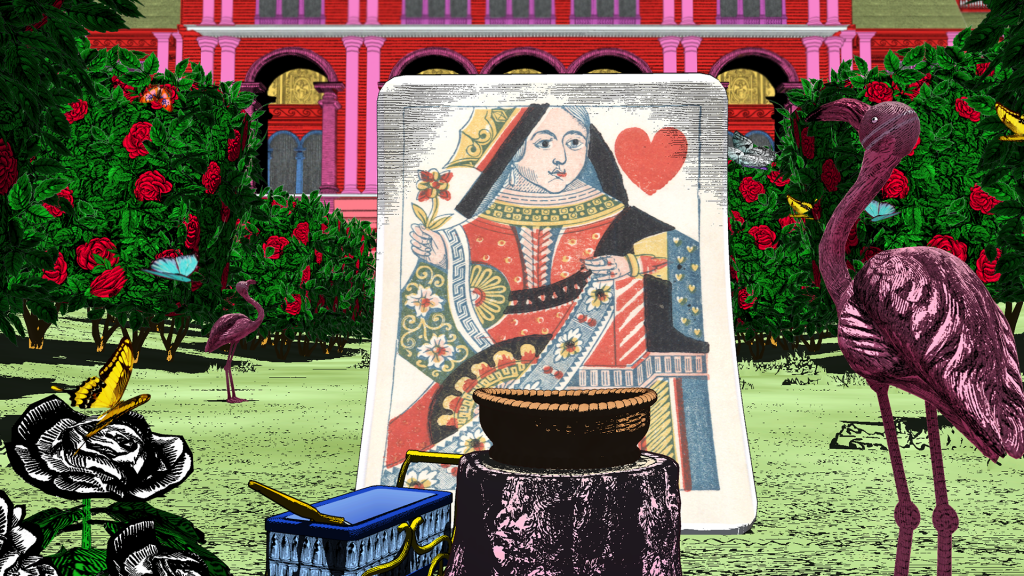
The V & A is also launching Curious Alice, a downloadable VR experience to support the exhibition. Illustrations by Icelandic artist Kristjana Williams made for the exhibition’s publication are animated and free to explore by visitors. The scenes depict Alice’s fantastic adventure, while the White Rabbit character is the visitor’s personal guide for the experience.
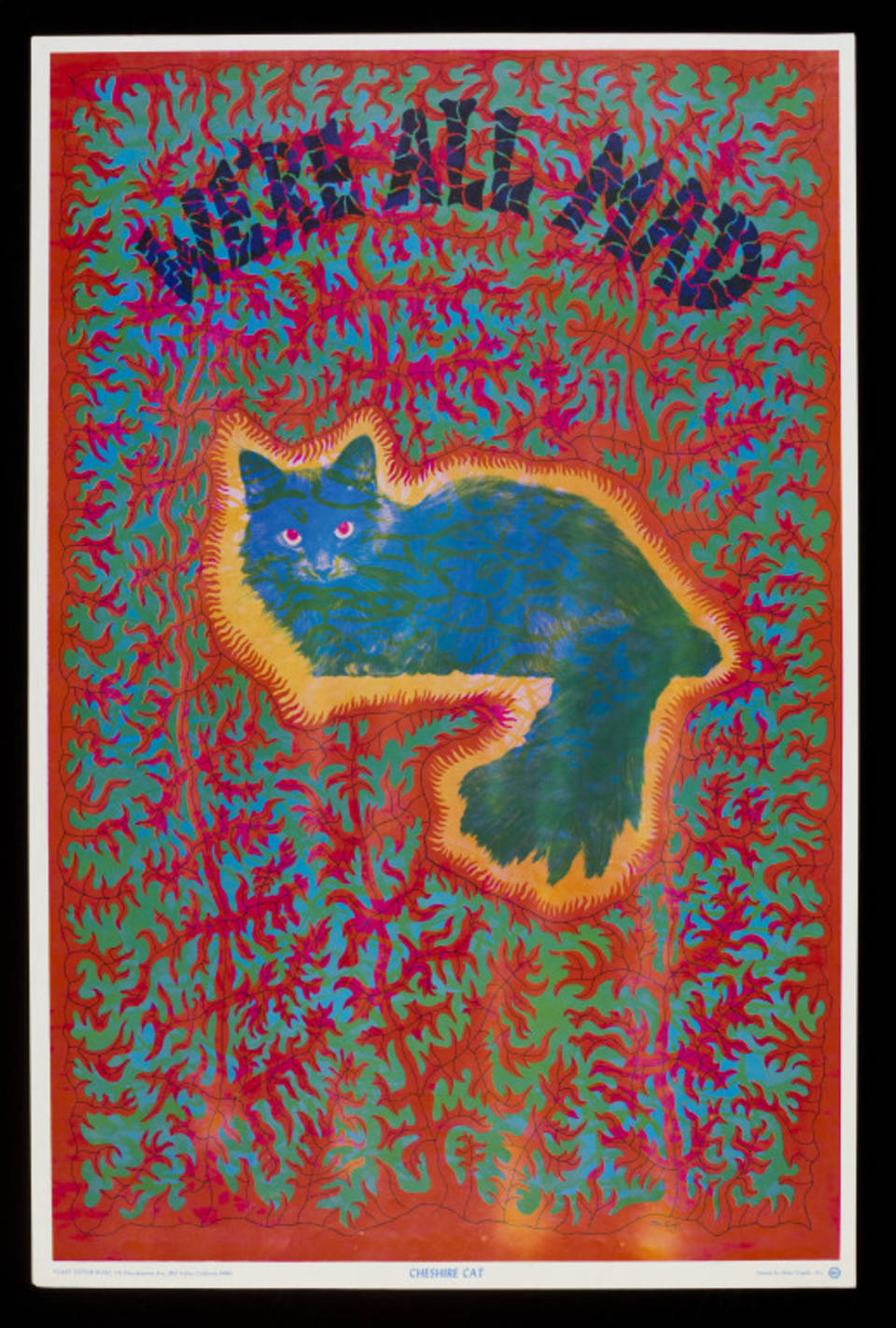
E.3796-2004 Poster Cheshire Cat; ‘Cheshire cat’, psychedelic poster by Joseph McHugh, published by East Totem West. USA, 1967 Joseph McHugh East Totem West; Orbit Graphic Arts California 1967
When the physical exhibition opens on March 27,2021, the museum will launch another VR experience named A Curious Game of Croquet, for use on headsets within the exhibition.
In order to participate in the free launch event on October 22nd, virtual visitors must register and create an avatar before the launch, or join the event to be broadcast on the V&A’s YouTube channel.
Banned Books Week is an annual event celebrating the freedom to read. Banned Books Week was launched in 1982 in response to a sudden surge in the number of challenges to books in schools, bookstores and libraries. Typically held during the last week of September, it highlights the value of free and open access to information. Banned Books Week brings together the entire book community — librarians, booksellers, publishers, journalists, teachers, and readers of all types — in shared support of the freedom to seek and to express ideas, even those some consider unorthodox or unpopular.
Banned Books Week 2020 will be held September 27 – October 3. The theme of this year’s event is “Censorship is a dead end. Find your freedom to read!”
By focusing on efforts across the country to remove or restrict access to books, Banned Books Week draws national attention to the harms of censorship. The ALA Office for Intellectual Freedom (OIF) compiles lists of challenged books as reported in the media and submitted by librarians and teachers across the country. The Top 10 Challenged Books of 2019 are:
George by Alex Gino
Reasons: challenged, banned, restricted, and hidden to avoid controversy; for LGBTQIA+ content and a transgender character; because schools and libraries should not “put books in a child’s hand that require discussion”; for sexual references; and for conflicting with a religious viewpoint and “traditional family structure”
Beyond Magenta: Transgender Teens Speak Out by Susan Kuklin
Reasons: challenged for LGBTQIA+ content, for “its effect on any young people who would read it,” and for concerns that it was sexually explicit and biased
A Day in the Life of Marlon Bundo by Jill Twiss, illustrated by EG Keller
Reasons: Challenged and vandalized for LGBTQIA+ content and political viewpoints, for concerns that it is “designed to pollute the morals of its readers,” and for not including a content warning
Sex is a Funny Word by Cory Silverberg, illustrated by Fiona Smyth
Reasons: Challenged, banned, and relocated for LGBTQIA+ content; for discussing gender identity and sex education; and for concerns that the title and illustrations were “inappropriate”
Prince & Knight by Daniel Haack, illustrated by Stevie Lewis
Reasons: Challenged and restricted for featuring a gay marriage and LGBTQIA+ content; for being “a deliberate attempt to indoctrinate young children” with the potential to cause confusion, curiosity, and gender dysphoria; and for conflicting with a religious viewpoint
I Am Jazz by Jessica Herthel and Jazz Jennings, illustrated by Shelagh McNicholas
Reasons: Challenged and relocated for LGBTQIA+ content, for a transgender character, and for confronting a topic that is “sensitive, controversial, and politically charged”
The Handmaid’s Tale by Margaret Atwood
Reasons: Banned and challenged for profanity and for “vulgarity and sexual overtones”
Drama written and illustrated by Raina Telgemeier
Reasons: Challenged for LGBTQIA+ content and for concerns that it goes against “family values/morals”
Harry Potter series by J. K. Rowling
Reasons: Banned and forbidden from discussion for referring to magic and witchcraft, for containing actual curses and spells, and for characters that use “nefarious means” to attain goals
And Tango Makes Three by Peter Parnell and Justin Richardson illustrated by Henry Cole
Reason: Challenged and relocated for LGBTQIA+ content.
Doggy Bags, is a new public art installation on Broadway NYC’s Manhattan Garment District. The sculptures by New York-based artist Will Kurtz are entitled Doggy Bags and are all create from recycled materials. The works on display are diverse breeds including an English bulldog named Harriet, chihuahua called Harriet, a pug named Maisy, a bassett hound called Stanley, and a bull mastiff known as Daphne. The installation is part of a year-round program from the Garment District Alliance and this autumn there is an added impetus: to welcome New Yorkers and visitors back to Manhattan.
Doggy Bags is situated on Broadway between 38th and 40th Street. The Garment District Art on the Plazas installations are supported through Arterventions. It will be up through November 20th.
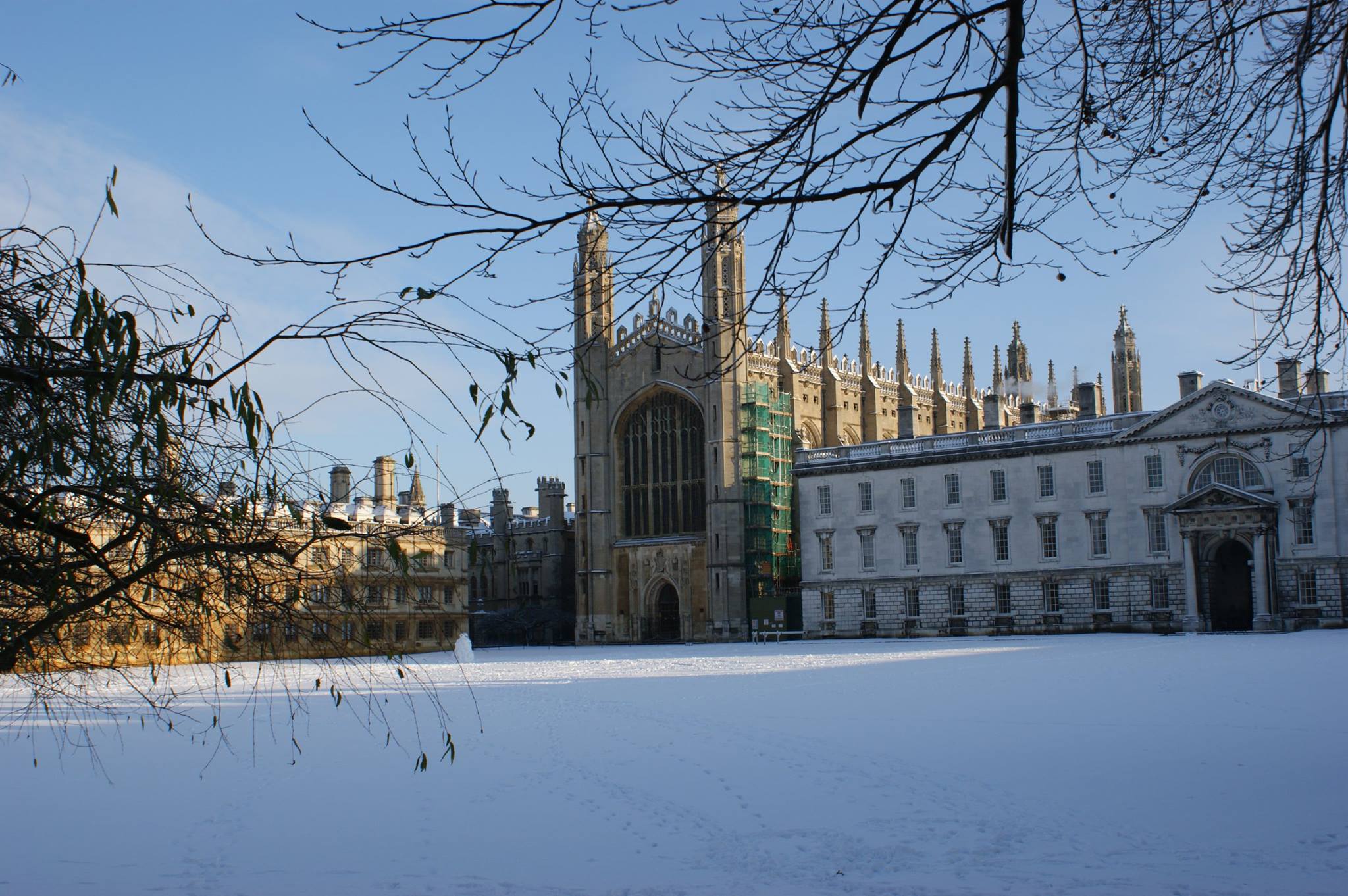
After recently spending more than an hour making minor repairs to a damaged 19th century book, I have an even greater appreciation for book conservation professionals. This nine minute video shows how King’s College Library Cambridge conserves its collection of rare English literature.
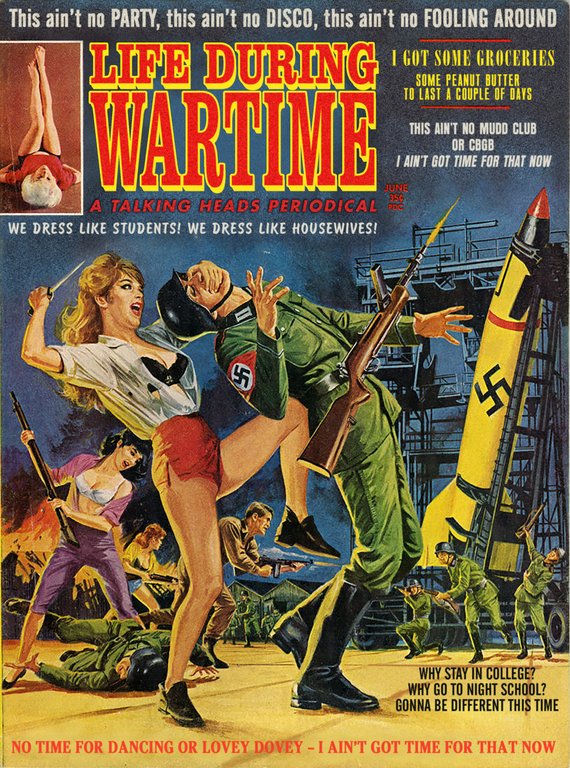
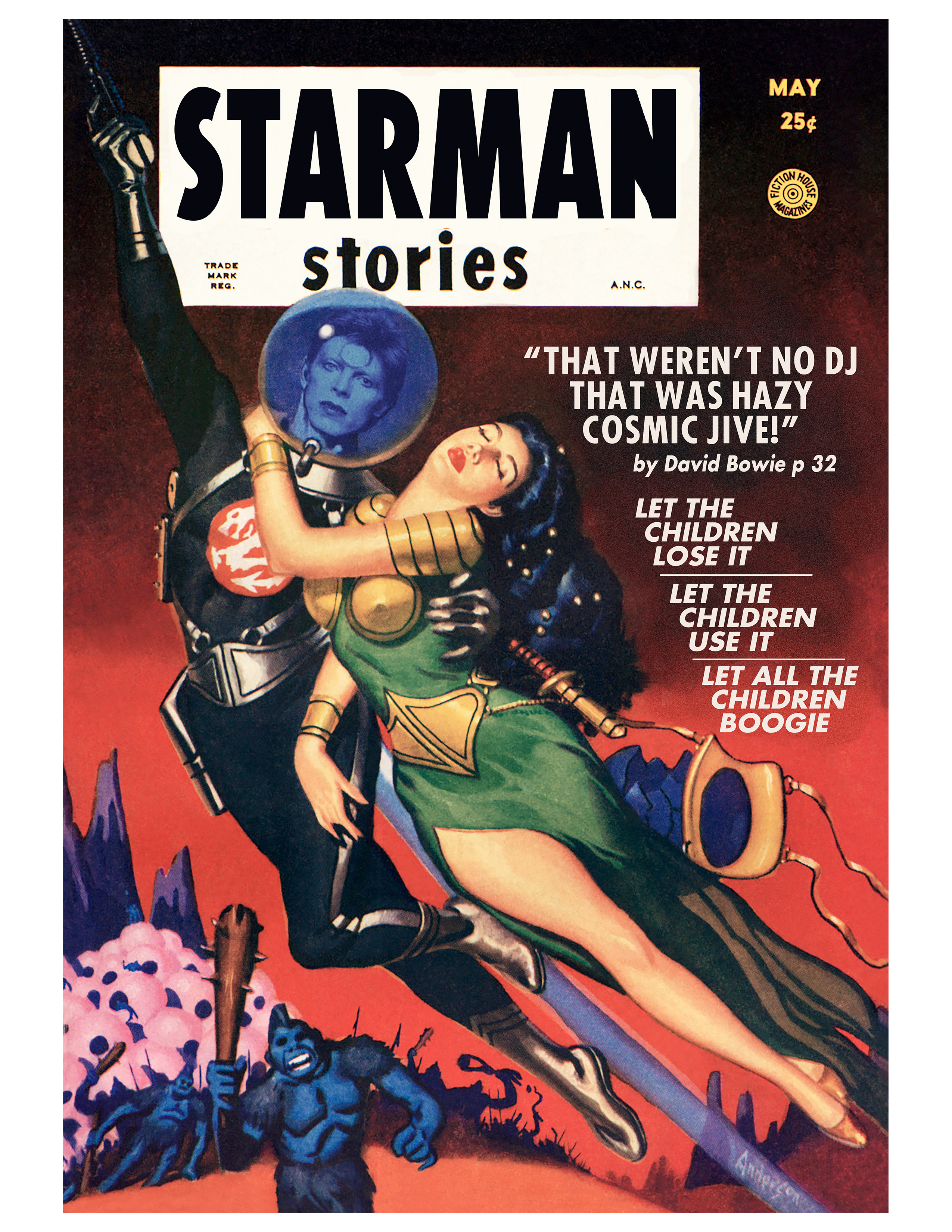
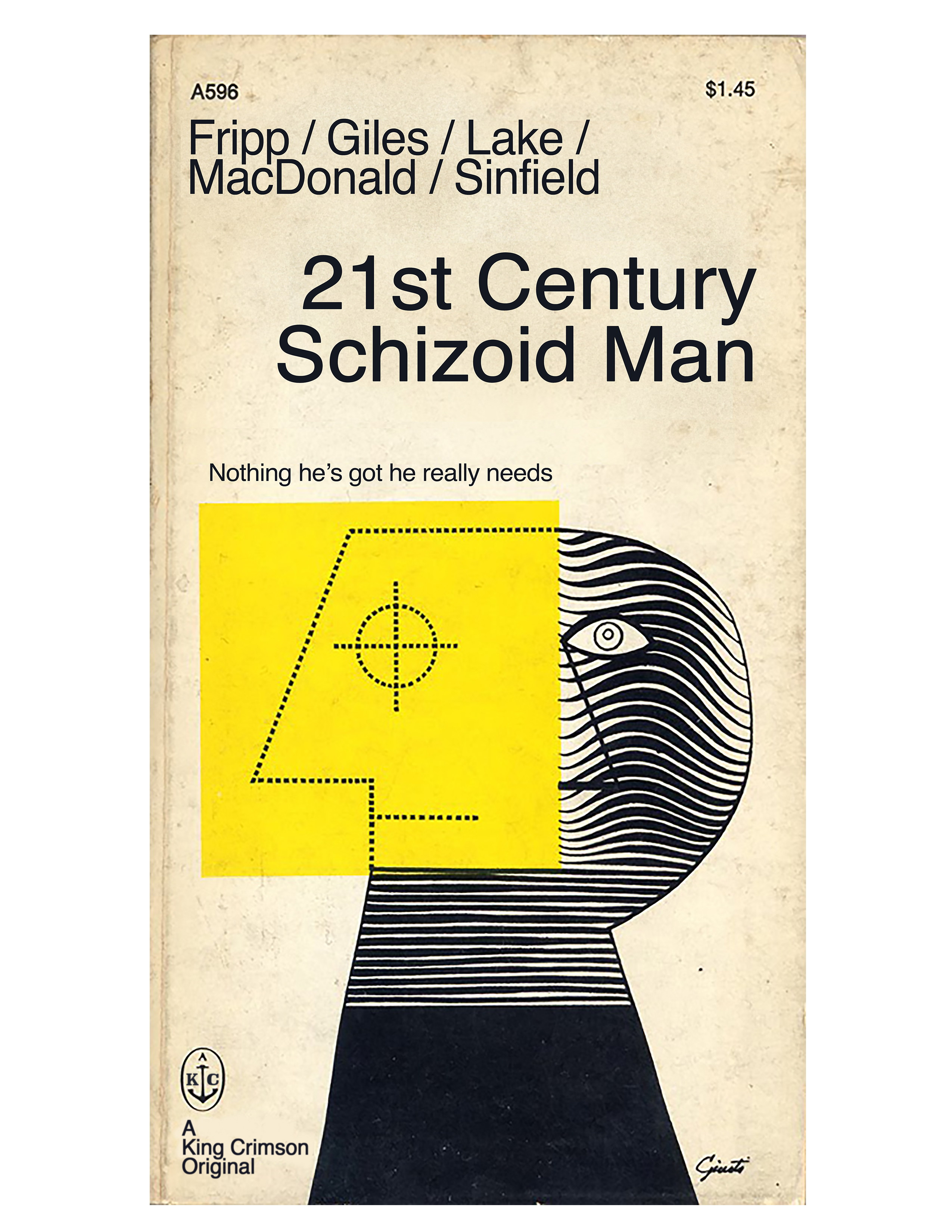
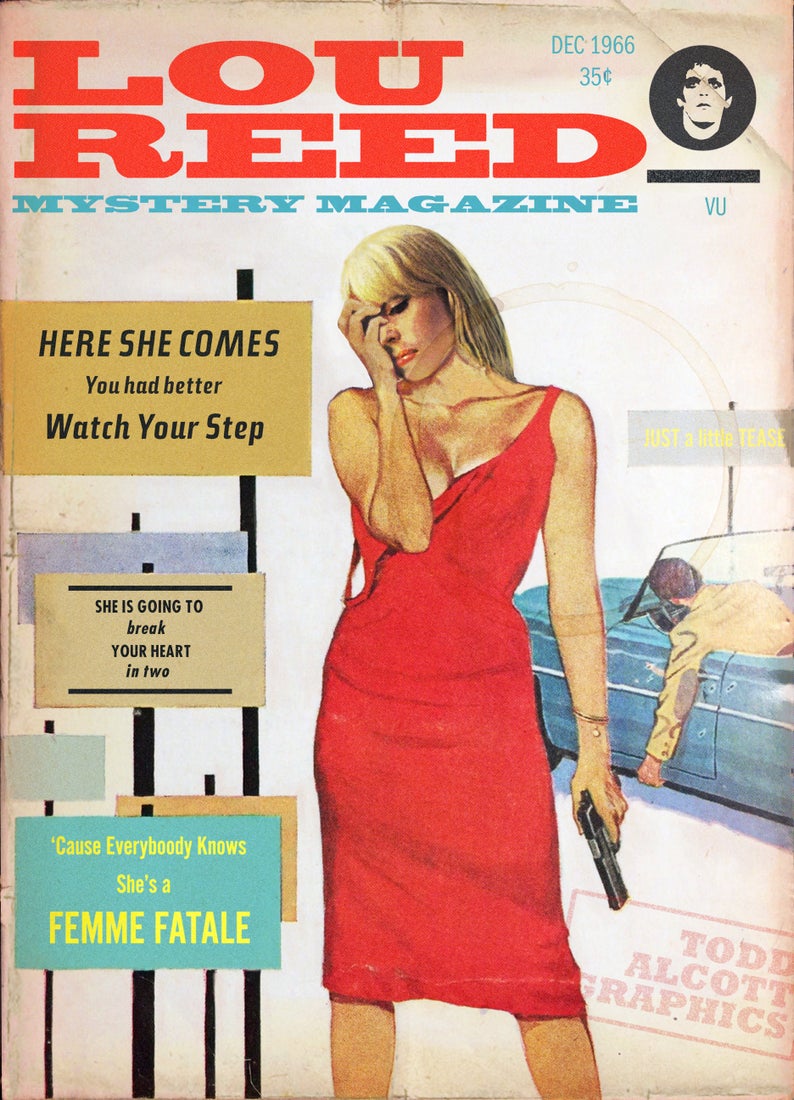
Screenwriter Todd Alcott, creates these wonderful digital mashups that combine the language of pop music and the visual language of 20th century pulp fiction paperbacks.
While Alcott finds many of his vintage book covers online, he still discovers a few gems in secondhand bookstores and has a soft spot for the battered originals.
I’d never understood pulp design until I started this project. As I started looking at it, I realized that the aesthetic of pulp is so deeply attached to its product that it’s impossible to separate the two. And that’s what great design is, a graphic representation of ideas. When I started examining the designs, to see why some work and some don’t, I was overwhelmed with the sheer amount of artistry involved in the covers. Pulp was a huge cultural force, there were dozens of magazines and publishers, cranking out stuff every month for decades, detective stories and police stories and noir stories and mysteries. It employed thousands of artists, writers and painters and illustrators. And the energy of the paintings is just off the charts. It had to be, because any given book cover had to compete with the ten thousand other covers that were on display. It had to grab the viewer fast, and make that person pick up the book instead of some other book. I love all kinds of midcentury stuff, but nothing grabs you the way a good pulp cover does.













 Travel Between The Pages