The feeling of communion in the libraries

Most English speakers are familiar with the American author E.B. White from his contributions to the iconic writing guide The Elements of Style or through his classic children’s books such as Charlotte’s Web. During World War II, he received a request from the Writers’ War Board to opine on the meaning of democracy. Here’s his response:

We received a letter from the Writers’ War Board the other day asking for a statement on “The Meaning of Democracy.” It presumably is our duty to comply with such a request, and it is certainly our pleasure.

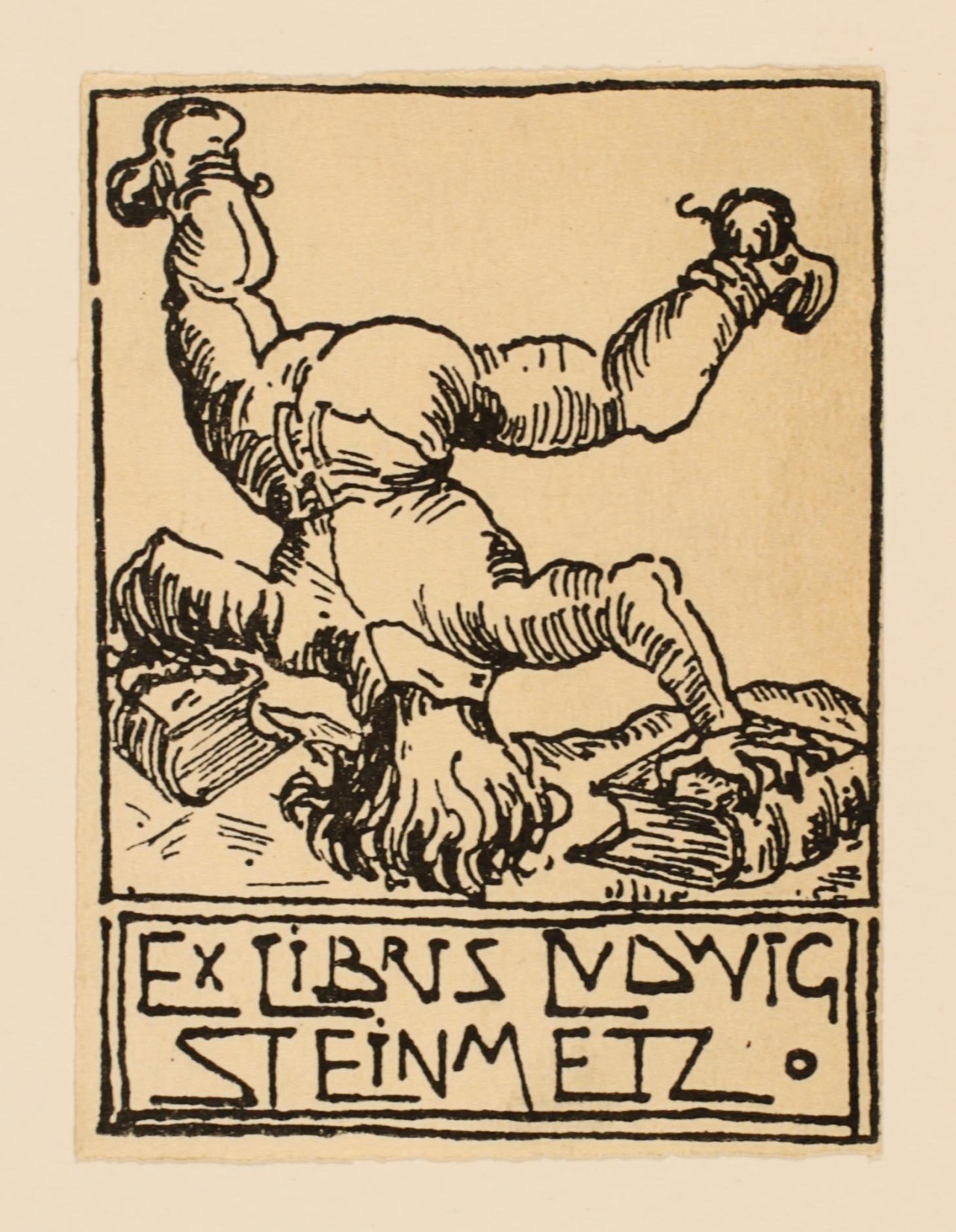
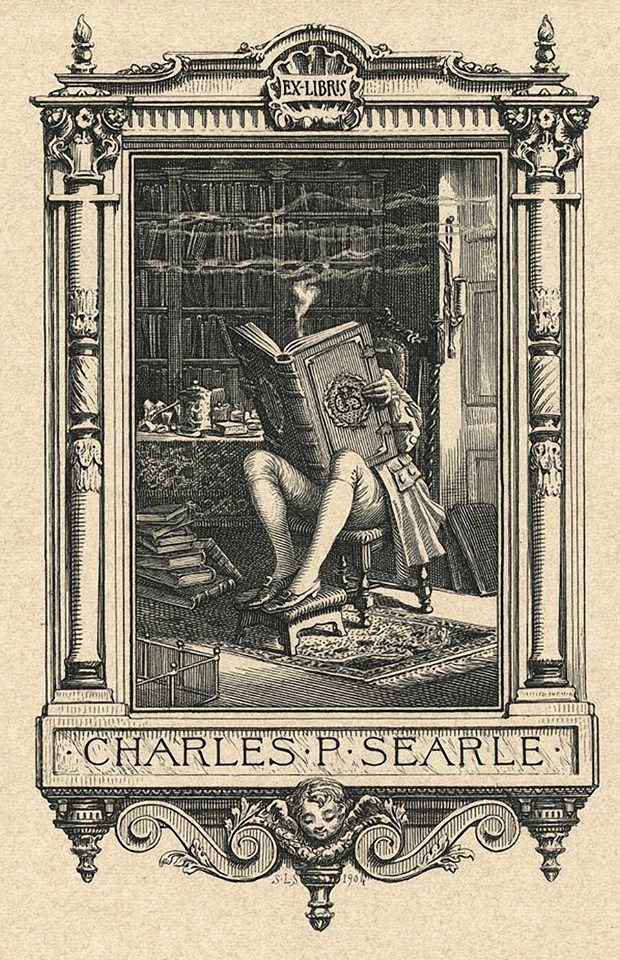
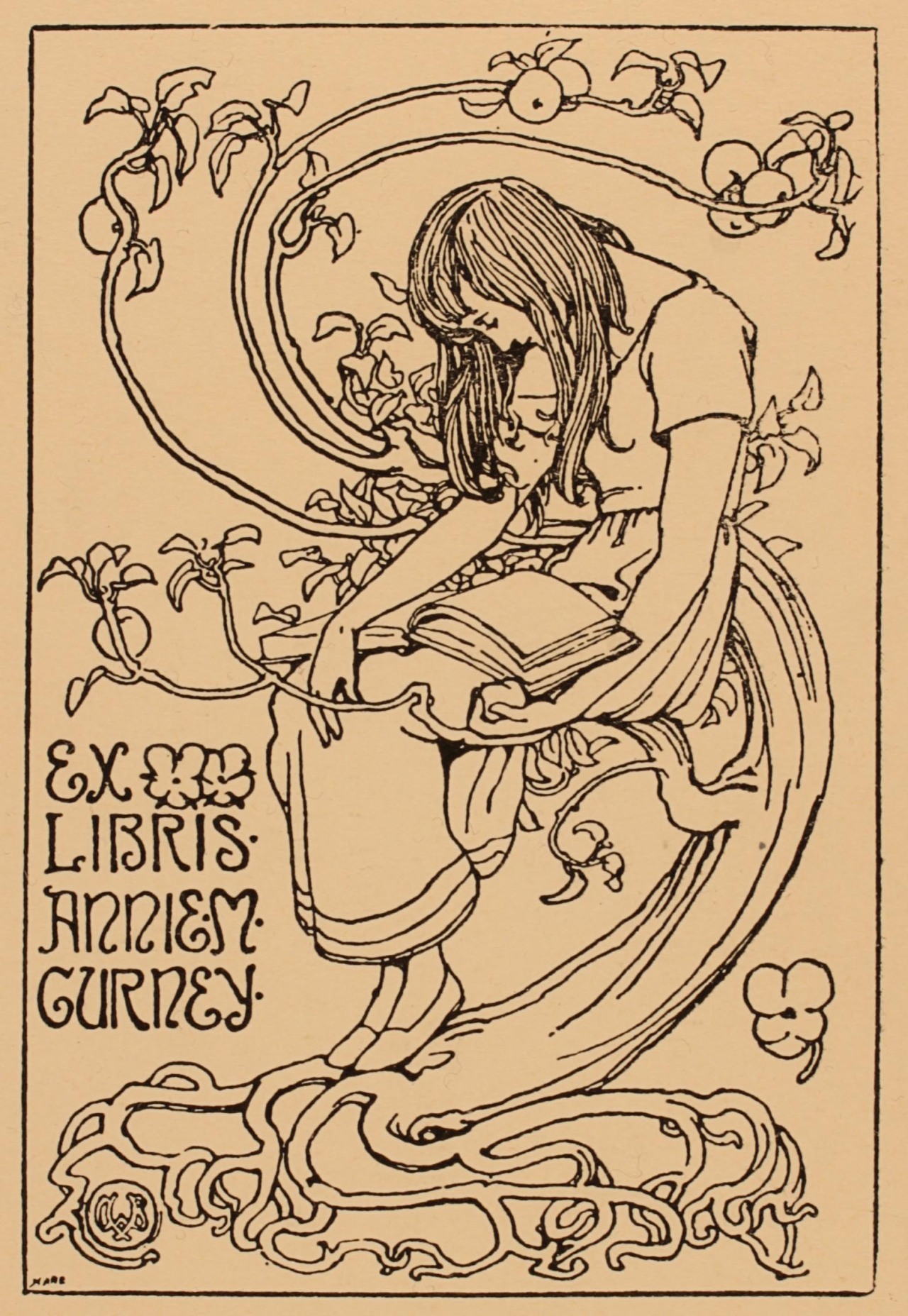
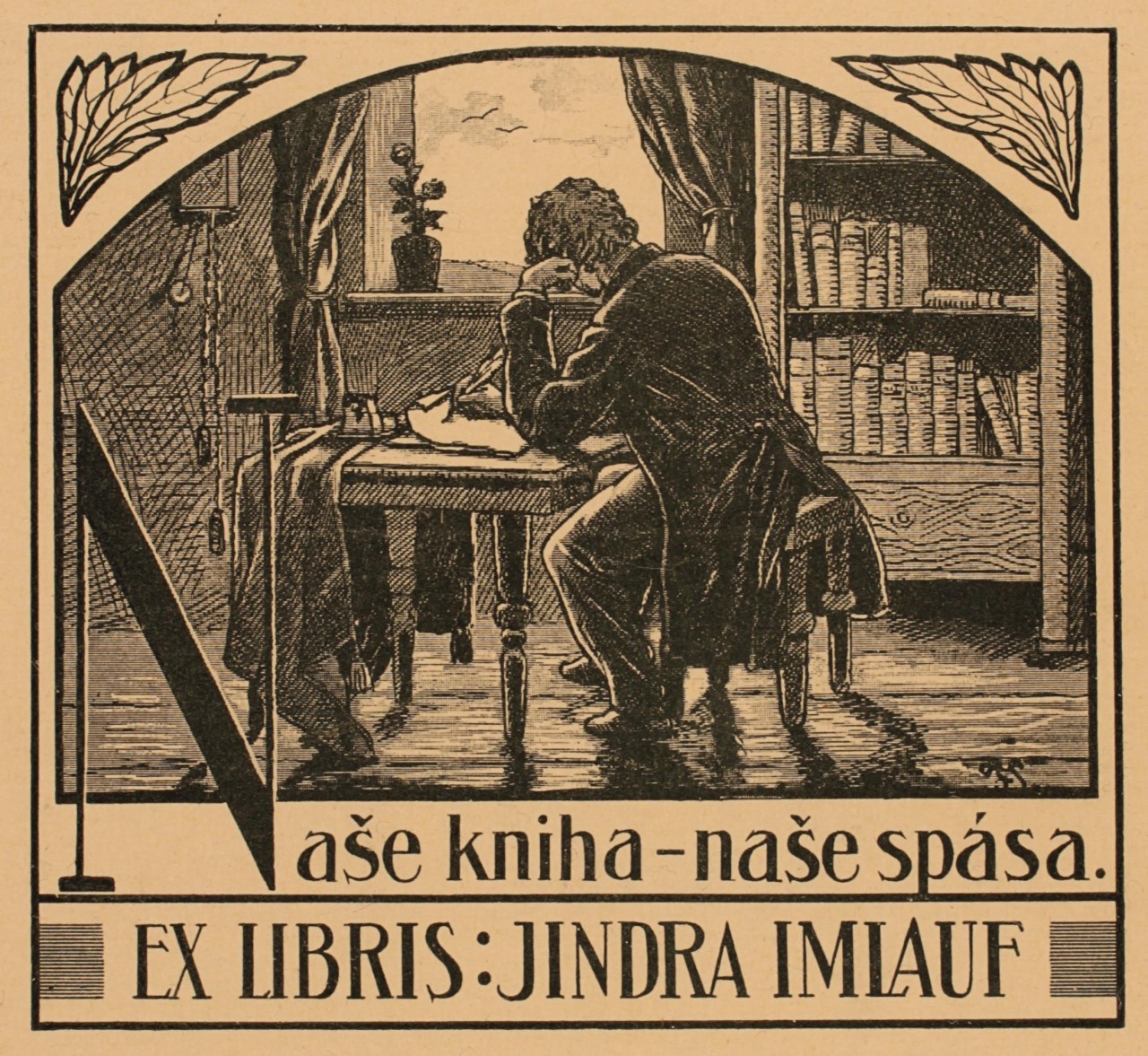
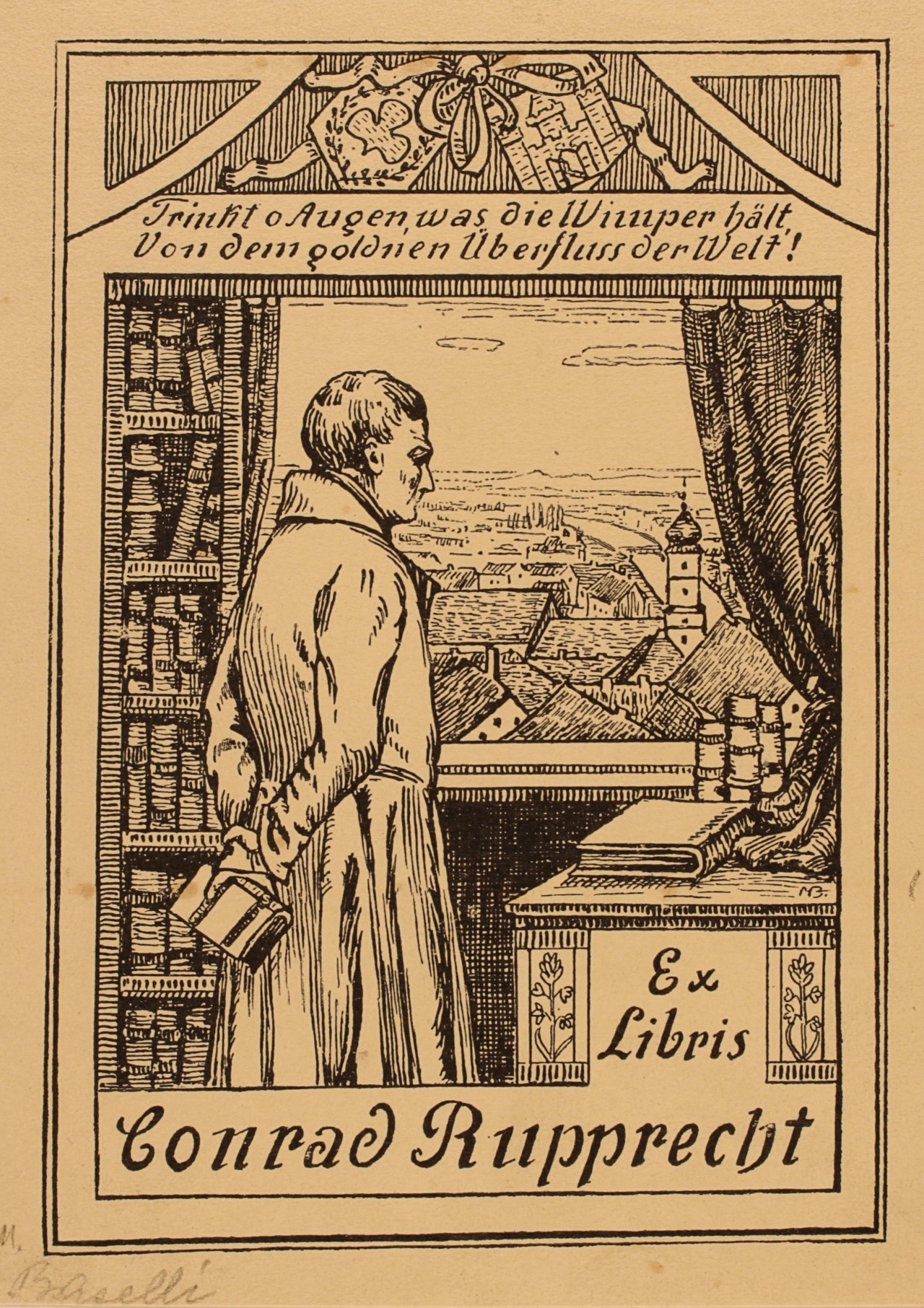
Surely the Board knows what democracy is. It is the line that forms on the right. It is the don’t in don’t shove. It is the hole in the stuffed shirt through which the sawdust slowly trickles; it is the dent in the high hat. Democracy is the recurrent suspicion that more than half of the people are right more than half of the time. It is the feeling of privacy in the voting booths, the feeling of communion in the libraries, the feeling of vitality everywhere. Democracy is a letter to the editor. Democracy is the score at the beginning of the ninth. It is an idea which hasn’t been disproved yet, a song the words of which have not gone bad. It’s the mustard on the hot dog and the cream in the rationed coffee. Democracy is a request from a War Board, in the middle of a morning in the middle of a war, wanting to know what democracy is.


Posted in Books, Freedom of Speech, History, Libraries, USA, Writing | Tagged , , | Leave a comment

stealing the sun

A few years ago I had the opportunity to do some traveling in British Columbia and Alaska. While I was there I became intrigued by the art, culture, and mythologies of the indigenous peoples of the region, including the Tlingt and Haida. Of course I bought some local First Nations art work as souvenirs and had the chance to visit a few artists’ studios in the process. One of the pieces that I found in southeastern Alaska depicted the story of how the Raven stole the sun (see below) and brought light to our world. The stamp depicted above is a new release from the United States Postal Service that shows the very same story.


The USPS commissioned Rico Lanáat’ Worl, a Tlingit and Athabascan artist, to create a stamp. Over at his web site, Worl tells a short version of the traditional story that his image is based on. Here’s a brief explanation:

Raven and the Box of daylight is a traditional Tlingit story that is very popular and a great bridge into learning about our culture. Here is a abbreviated version of the story:

Raven is the Trickster. A time ago there was no celestial light sources. People lived in darkness. Raven heard of a chieftain who owned a collection of items of great light. Things which would light up the world. Raven decided to become a part of this household.

Raven is a Transformer.

He transformed into a pine needle and the chieftain’s daughter drank him in a glass of water. she became pregnant. nine months later she gave birth to baby raven. in the child’s youth he loved the boxes of family treasure which held the sun, the moon, and the stars. he cried to play with them. he begged to play with them. with time, the grandfather could not say no any longer. Raven was allowed to play with the box of stars. Not long after, he freed the stars. Raven was in big trouble. He cried. He cried for forgiveness. After time he asked to play with the next box. Raven promised not to open the second box, but he did. The moon was free. Raven cried. He cried for forgiveness. A grandparent’s love is immeasurable. He let Raven play with the box of daylight.

Raven brought the sun, the moon, and the stars to the universe.

Posted in Art, Canada, Tourism, USA | Tagged , , , , | 5 Comments

Down the Glen

Nearly a year ago, Irish musician Patrick Dexter began posting online videos of himself playing the cello. Since then, his open-air recitals, shot outside his picturesque cottage in Mayo on the rural west coast, have been viewed millions of times. The video below is a performance of a traditional Irish tune alternately know as “The Foggy Dew” and “Down the Glen.” By either name, it’s absolutely beautiful.

But wait there’s more…

The video  below for Polish pianist Hania Rani by Paris-based filmmaker Neels Castillon is so perfect it feels like a dream.

Posted in Europe, Film, Music | Tagged , | Leave a comment

If you see a train this evening…

If you see a train this evening,
Far away against the sky,
Lie down in your wooden blanket,
Sleep, and let the train go by.

Trains have called us, every midnight,
From a thousand miles away,
Trains that pass through empty cities,
Trains that have no place to stay.

No one drives the locomotive,
No one tends the staring light,
Trains have never needed riders,
Trains belong to bitter night.

Railway stations stand deserted,
Rights-of-way lie clear and cold:
What we left them trains inherit,
Trains go on, and we grow old.

Let them cry like cheated lovers,
Let their cries find only wind.
Trains are meant for night and ruin.
We are meant for song and sin.

Thomas Pynchon, 
Gravity’s Rainbow, 1973

Posted in Books, Public Transport, USA, Writing | Tagged , | 1 Comment

Collective Nouns


Posted in Animation, Art, Books, Writing | Tagged , , , | Leave a comment

A Specter is Haunting Texas

The constant news stories this past week about the pitiful state of the State of Texas reminded me of the little known post-apocalyptic science fiction satire by the way under appreciated author Fritz Leiber. In the very dark, but humorous book the protagonist Scully Christopher Crockett La Cruz is an actor, fortune seeker and adventurer from the long isolated orbital technocratic democracies of Circumluna and the Bubbles Congeries. He lands in what he believes to be Canada to reclaim family mining interests only to discover that Canada is now North Texas and what is left of civilization in North America is ruled by primitive, backslapping, bigger than life anti-intellectual “good ole boys” convinced of their own moral superiority.

In the tortured version of history known to the giant hormone-boosted Anglo-Saxon inhabitants who rule a diminutive Mexican underclass, the original Texas, or Texas, had actually secretly ruled the pre-nuclear war United States since 1845.

Texas escaped the nuclear destruction of the rest of the United States because of the foresight of Lyndon the First. An enormous bunker then known as the Houston Carlsbad Caverns-Denver-Kansas City-Little Rock Pentagram and now referred to simply as the Texas Bunker had saved the heartland during a war that destroyed both American coasts, Europe, Russia, China, and Africa. Texas then conquered the rest of the continent, although Hawaii and Cuba remain stubbornly “unconquered”.

The novel was originally published as a three-part serial in the magazine Galaxy Science Fiction in 1968. I haven’t run across any reasonably priced first editions, but it’s possible to read the entire three-part serialization as originally published at the Internet Archive.

Posted in Books, USA, Writing | Tagged , , , | Leave a comment

Murder on the Orient Express

This Murder on the Orient Express book sculpture was created by Thomas Wightman as promotional material for the Agatha Christie remake of the film by 20th Century Fox. The film was one of the many adaptations of the now classic Agatha Christie mystery.

Posted in Animation, Books, Europe, movies, Uncategorized | 1 Comment

Two Ways To Avoid Suffering

Despina by Ricardo Binacho

The inferno of the living is not something that will be; if there is one, it is what is already here, the inferno where we live every day, that we form by being together. There are two ways to escape suffering it. The first is easy for many: accept the inferno and become such a part of it that you can no longer see it. The second is risky and demands constant vigilance and apprehension: seek and learn to recognize who and what, in the midst of the inferno, are not inferno, then make them endure, give them space.


Posted in Architecture, Art, Books, Europe | Tagged , | 2 Comments

Still Standing

Regular visitors to Travel Between The Pages may recall previous stories about San Francisco’s fabled Arion Press. The charming video below recounts a visit to the historic 101 year old printer. If you love books, and I know that you do, you will definitely enjoy the film.


Posted in Books, USA, Writing | Tagged , | Leave a comment

Guess Where

City Guesser is a geography based browser game that strives to provide an exceptional travel and guessing experience by allowing participants to guess where in the world they are from short video clips. I spent way to much time at this, but not to brag, I had an amazing success rate. Try your hand at City Guesser, it’s free and mildly addicting.


Posted in Africa, Asia, Europe, Maps, Middle East, South America, Tech, Tourism, USA | Tagged , , | 2 Comments