I draw the line at canal water coffee

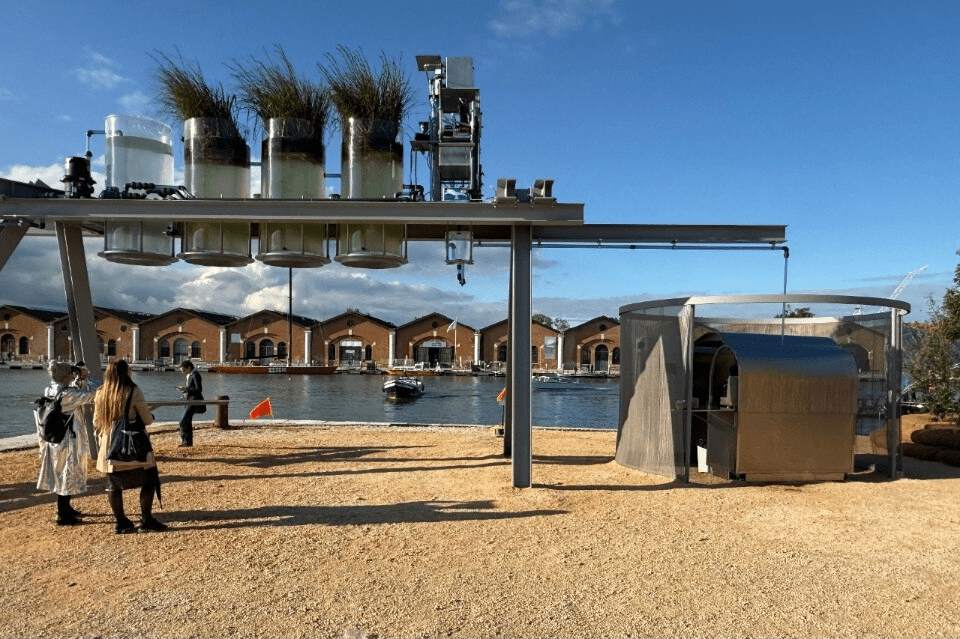
I’ve been to Venice a few times, but never once considered consuming the murky canal water in any form. So, I was shocked to read that the design studio Diller Scofidio + Renfro is celebrating the Venice Biennale Architecture 2025 by using the canal water to brew coffee.

They created a fascinating filtration system, as Matthew Burgos writes in designboom:

“The hybrid eco-machine filters the sludge from the canals and removes toxins from the water before using it to make espressos.

After the filtration process, the machine divides the water into two separate but connected streams. In the first path, the water goes through an artificial wetland with salt-tolerant plants and good bacteria. These work their science to clean the water naturally, all the while keeping the minerals in them. As for the second path, it’s where reverse osmosis and UV light treatment take place. The former filters the canal water to remove salt and tiny particles from it. The latter uses UV rays to kill germs in the water. Once the process is over, the water is purified. It is ready then to be turned into coffee made from the city’s canals, served only at the Venice Biennale Architecture 2025.”
 

Posted in Uncategorized | Tagged , | 1 Comment

Read the Room

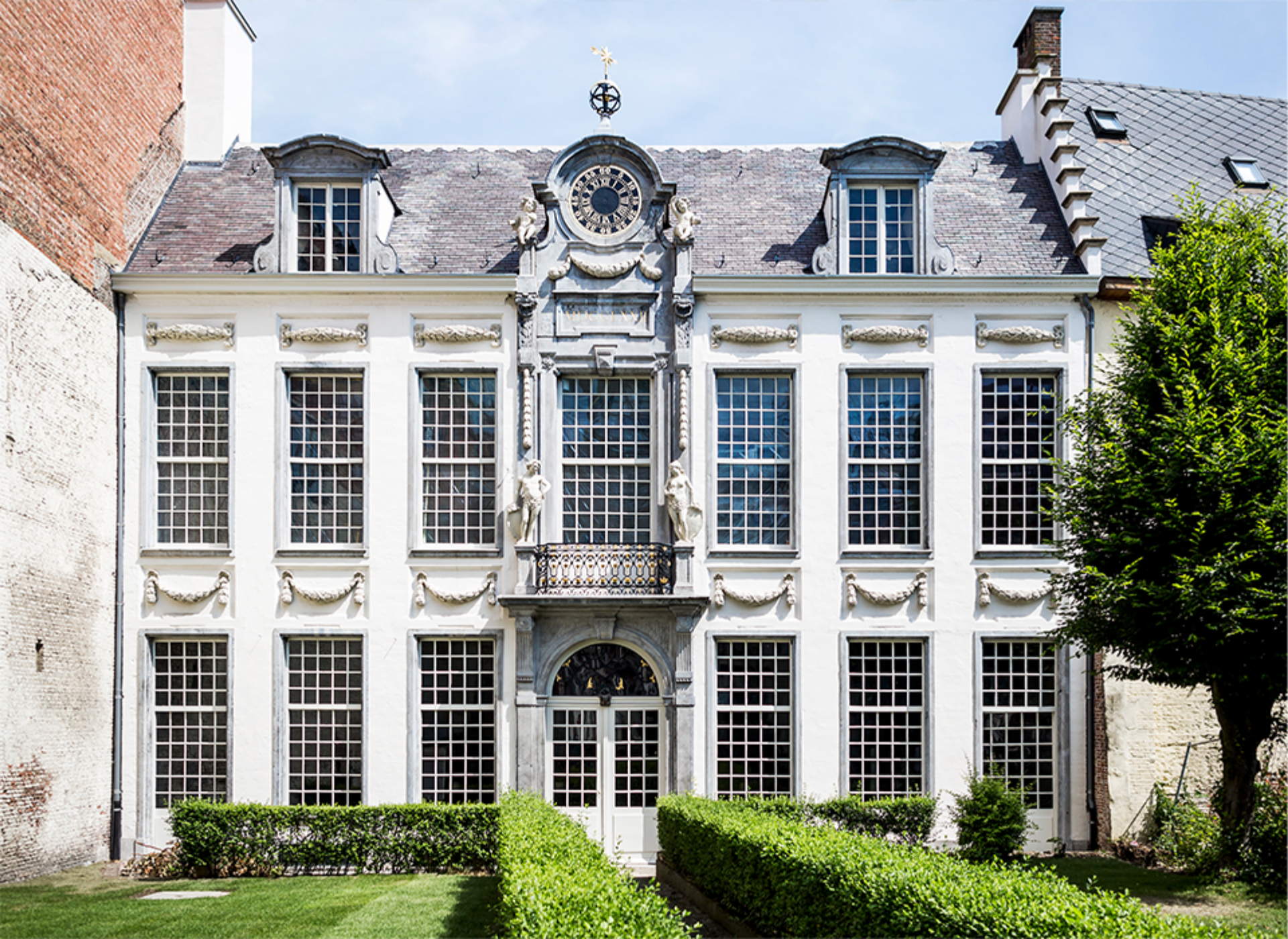
Den Wolsack with the associated Hofkamer in the garden is a monumental building at Oude Beurs 27 in Antwerp . The street was renamed Wolstraat in the 14th century, and the term Den Wolsack also dates from that period when the wool industry flourished. The current mansion Den Wolsack largely dates from the 18th and 19th centuries and was built in (neo)classical style. At the back of the garden of den Wolsack is the Hofkamer, a prestigious state room from 1772 where important guests were received. The Hofkamer put the wealth of the owner in the spotlight. The showpiece of De Hofkamer is without a doubt the majestic ceiling painting ‘gods on Mount Olympus’ ( Flemish Masters in Situ ) , the largest ceiling painting on canvas in Western Europe. De Hofkamer was restored between 2013 and 2017 . The first floor of the Hofkamer was given a new purpose thanks to a work of art by Koen van den Broek. On the first floor of Den Wolsack is the book toilet, a luxurious toilet room with old books. Den Wolsack is the headquarters of Herita (the former Flemish Heritage Foundation). Since 2002, Den Wolsack has been protected as a monument . (via Wikipedia)

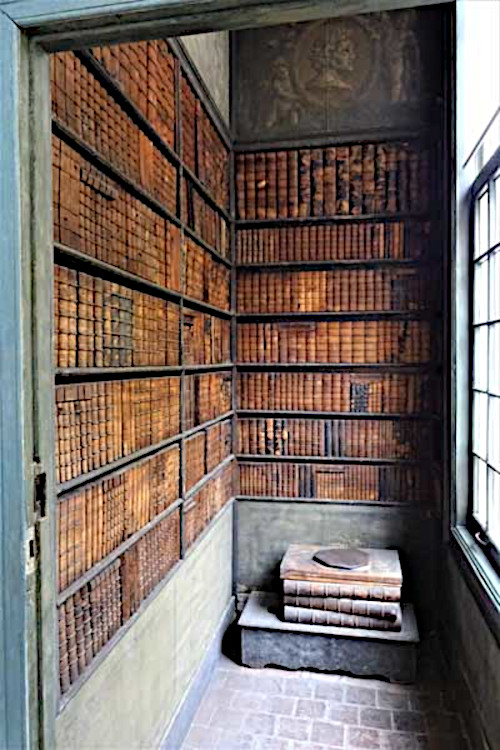
In 1772, wool merchant François Adrien Van den Bogaert commissioned a garden pavilion for Den Wolsack, his house in Antwerp. On the first floor is a bibliophile’s lavatory, in which the bowl is concealed in a fancifully rendered stack of books.

The volumes on the surrounding shelves aren’t real; they’re made of wood covered with leather.

Posted in Uncategorized | Tagged , | Leave a comment

Maps explain so much

Wen-Jen Deng, “Globalization at table” (2023), embroidery, indigo dyeing, burlap fabric, mixed media.

Countries where the capital is not the largest city (red)

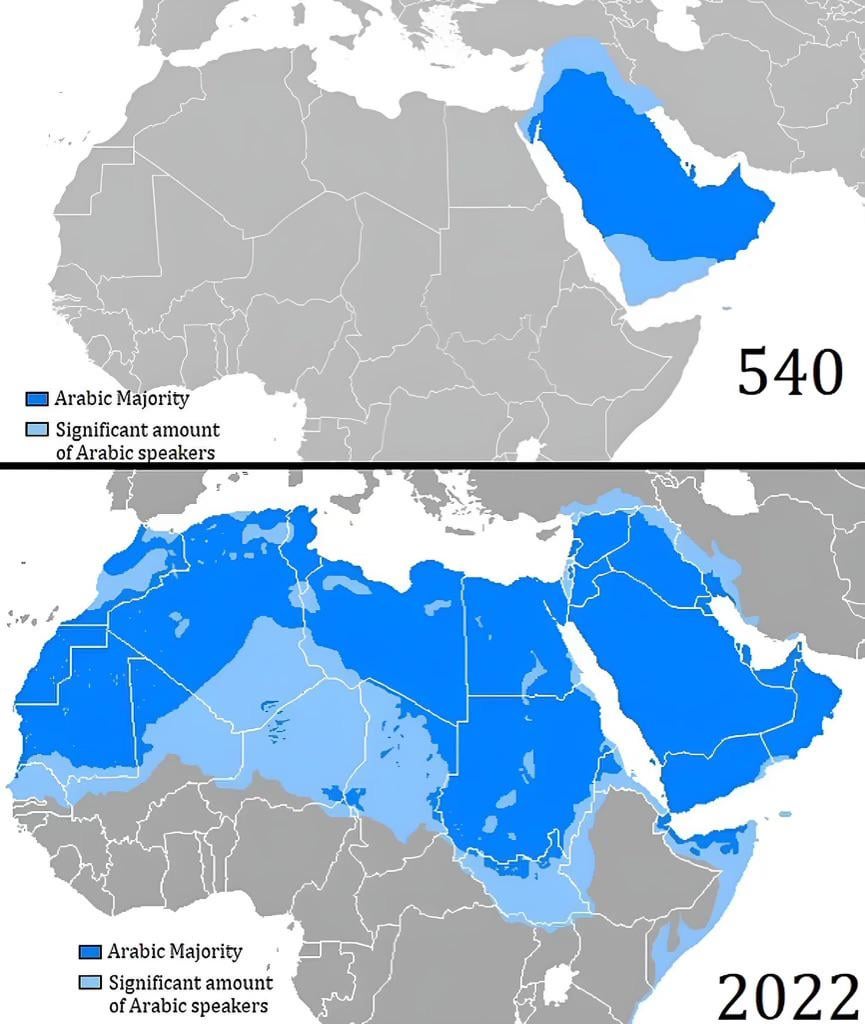
Arab colonialism

London 1895


Posted in Uncategorized | Tagged , , , , , | Leave a comment

Under Zurich

When I think of Zurich, biking is not the first thing that comes to mind. However, in the years since I spent time there, a robust bike culture has grown and thrived. Which explains why the new Zürich Stadttunnel  for bicycles makes sense. The new tunnel has parking and lockers and is attached to the train station. The video below explains how it came about and how to use it.


Posted in Uncategorized | Tagged , , | Leave a comment

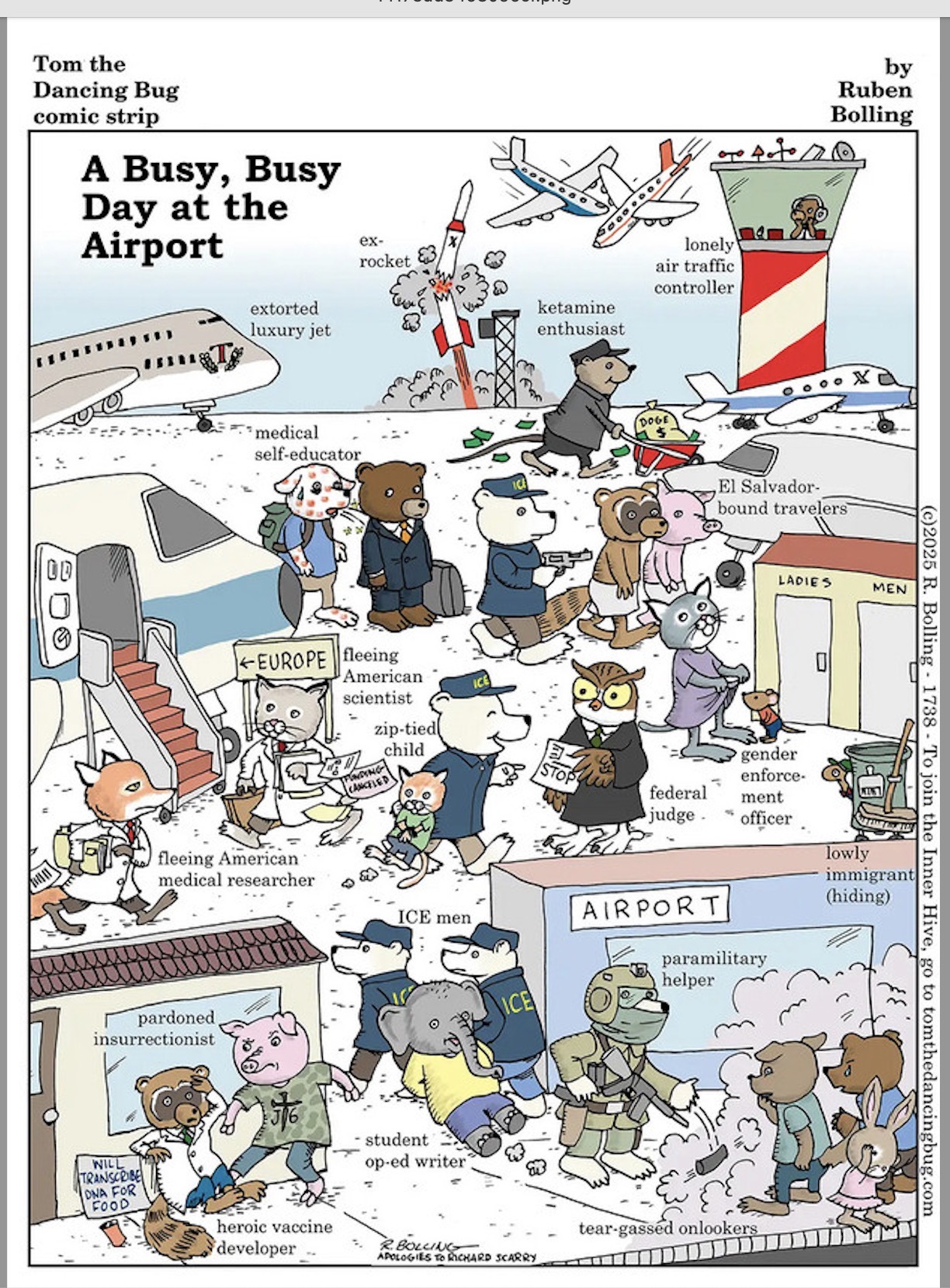
Funny, Not Funny


Posted in Uncategorized | Tagged , , | Leave a comment

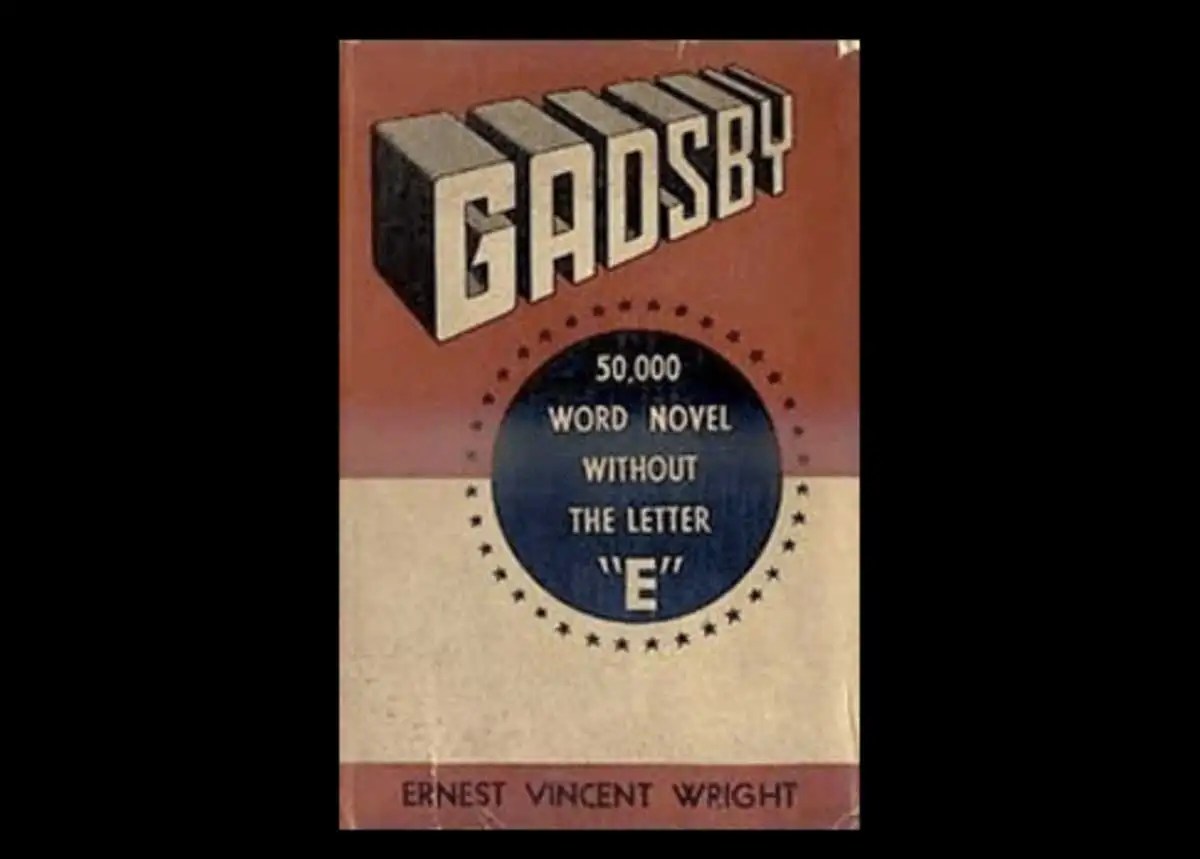
Not to be confused with The Great Gatsby

I was today years old when I learned about Ernest Vincent Wright’s 1939 novel written without a single letter e. The 50,000-word self-published book Gadsby tells the tale of a determined 50-year-old who rallies young people to revitalize his dying town of Branton Hills. Wright had to perform linguistic gymnastics to create a book without using the most common letter in English. He couldn’t use simple words like “the,” “he,” or “she.” Numbers one, three, five and everything between six and thirty were off-limits. To write in past tense without “-ed” endings, he relied on creative constructions like “did walk” instead of “walked.” He transformed famous quotes  into lipograms. Instead of William Congreve’s original line, “Musick has charms to soothe a savage breast”, Wright writes that music “hath charms to calm a wild bosom.” And Keats’ “a thing of beauty is a joy forever” became “a charming thing is a joy always.”

La Disparition (A Void) is a 1969 lipogrammatic French novel partly inspired by Gadsby that likewise omits the letter “e” and is 50,000 words long. Its author, Georges Perec, was introduced to Wright’s book by a friend of his in Oulipo, a multinational constrained-writing group. Perec was aware from Wright’s lack of success that publication of such a work “was taking a risk” of finishing up “with nothing [but] a Gadsby“. As a nod to Wright, La Disparition contains a character named “Lord Gadsby V. Wright”, a tutor to protagonist Anton Voyl; in addition, a composition attributed to Voyl in La Disparition is actually a quotation from Gadsby.

Posted in Uncategorized | Tagged , , | 2 Comments

The Japanese Aesthetic

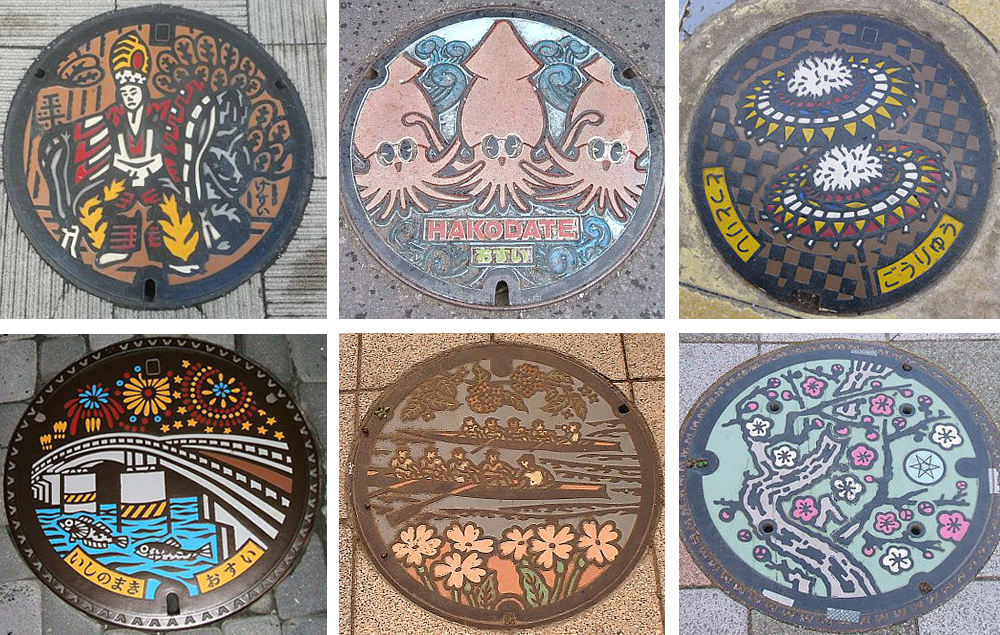
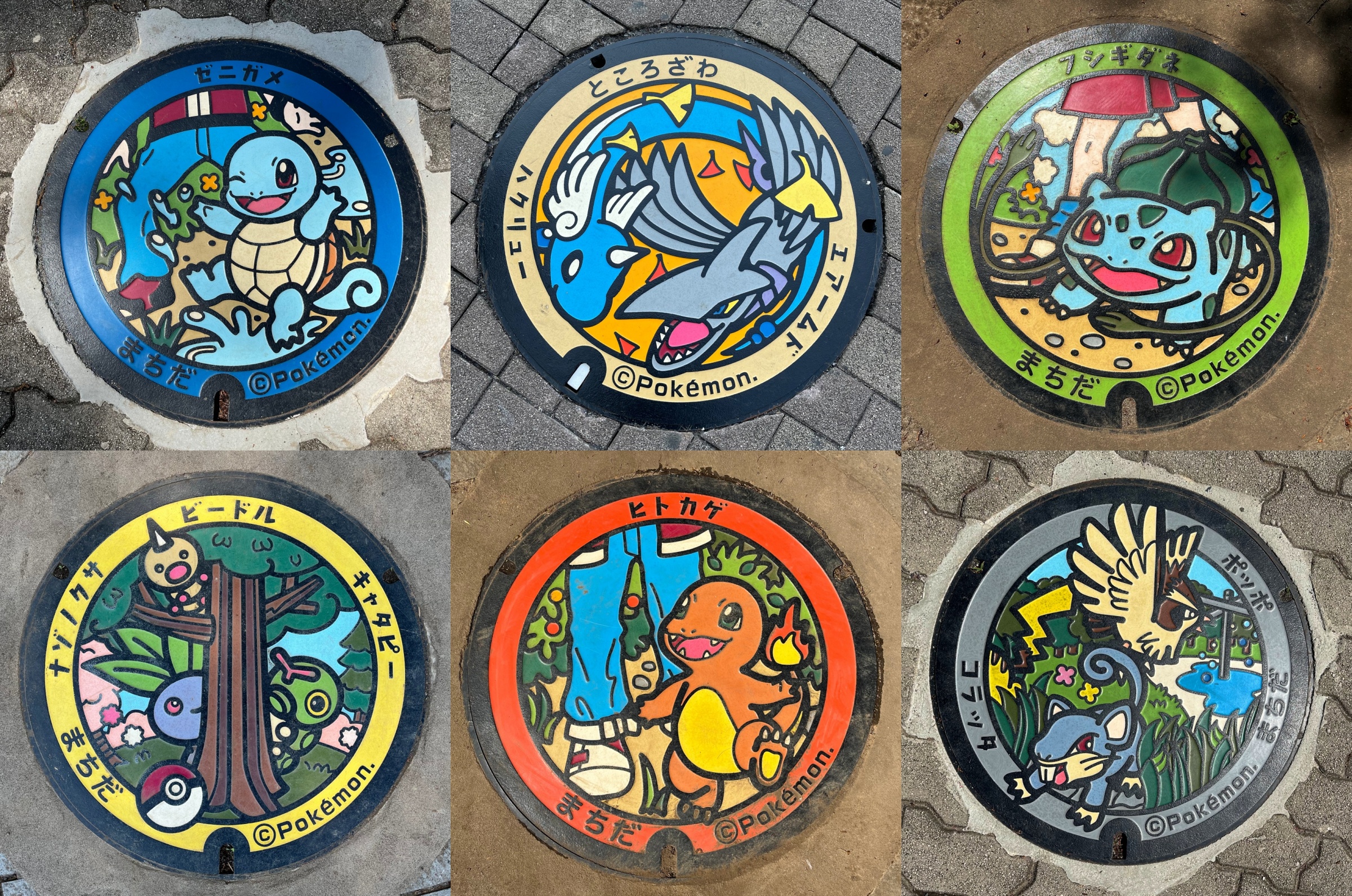
Traveling around Japan can be a challenging exercise in deciding what to attend to and where to look. The commitment to design and  to aesthetic solutions to  otherwise banal infrastructural objects is well beyond what we have come to expect or accept in North America. Even the design of ordinary fixtures such as manhole covers is at another level.

In the 1980s when municipalities were invited to design their own manhole covers, challenging cities to make the mundane interesting. I spotted evidence everywhere that I went in Japan that the phenomenon continues to add vivid, unexpected designs to everyday surfaces.

In the video below, Process X documents how some of the beautifully designed covers are created.


Posted in Uncategorized | Tagged , , | Leave a comment

A Visit To Narnia (with guest star)


Posted in Books, Europe, Maps, Writing | Tagged , , | Leave a comment

Incomprehensible

Over the years I have had the opportunity to visit the UK many times and on every trip I find myself baffled by the overwhelming variety of accents and dialects. Patrick Foote of Name Explain investigated why the UK, a relatively small geographical area, has so many accents. In Australia, there are only 3, but in the European part, England, Wales, Scotland and Northern Ireland, the number of different accents is enormous. How come there are so many different accents? Watch the video and you will get the answer.


Posted in Europe, History, Maps, Tourism | Tagged , , , , | 2 Comments

Apologies in advance

Apologies in advance for what may be a flurry of random posts about my recent experiences while traveling in Japan. I had so many wonderful experiences and also moments of recognition involving random things that I stumbled upon.

In that vein, while riding an elevator in a Tokyo hotel I noticed Braille signage and wondered about the development of the system for the Japanese language and its history. So, I did a little research and found out how Louis Braille’s system was modified for languages that use characters, specifically for Japan. Japanese Braille developed only after Braille was popularized in the West, as it took time to decipher how to transfer a system made for Latin, alphabetic languages. In an article on the History Workshop website, Wei Yu Wayne Tan explores the global significance of inventing Japanese Braille, and how it was adapted; the key, it turns out, was to adapt Braille to phonetic characters called kana that could be used in writing to represent the sounds of a vast number of kanji characters. Braille was introduced to Japan in the Meiji period (1868-1912), and the first Braille newspaper, Tenji Mainichi (Braille Mainichi), was founded in Osaka in 1922.

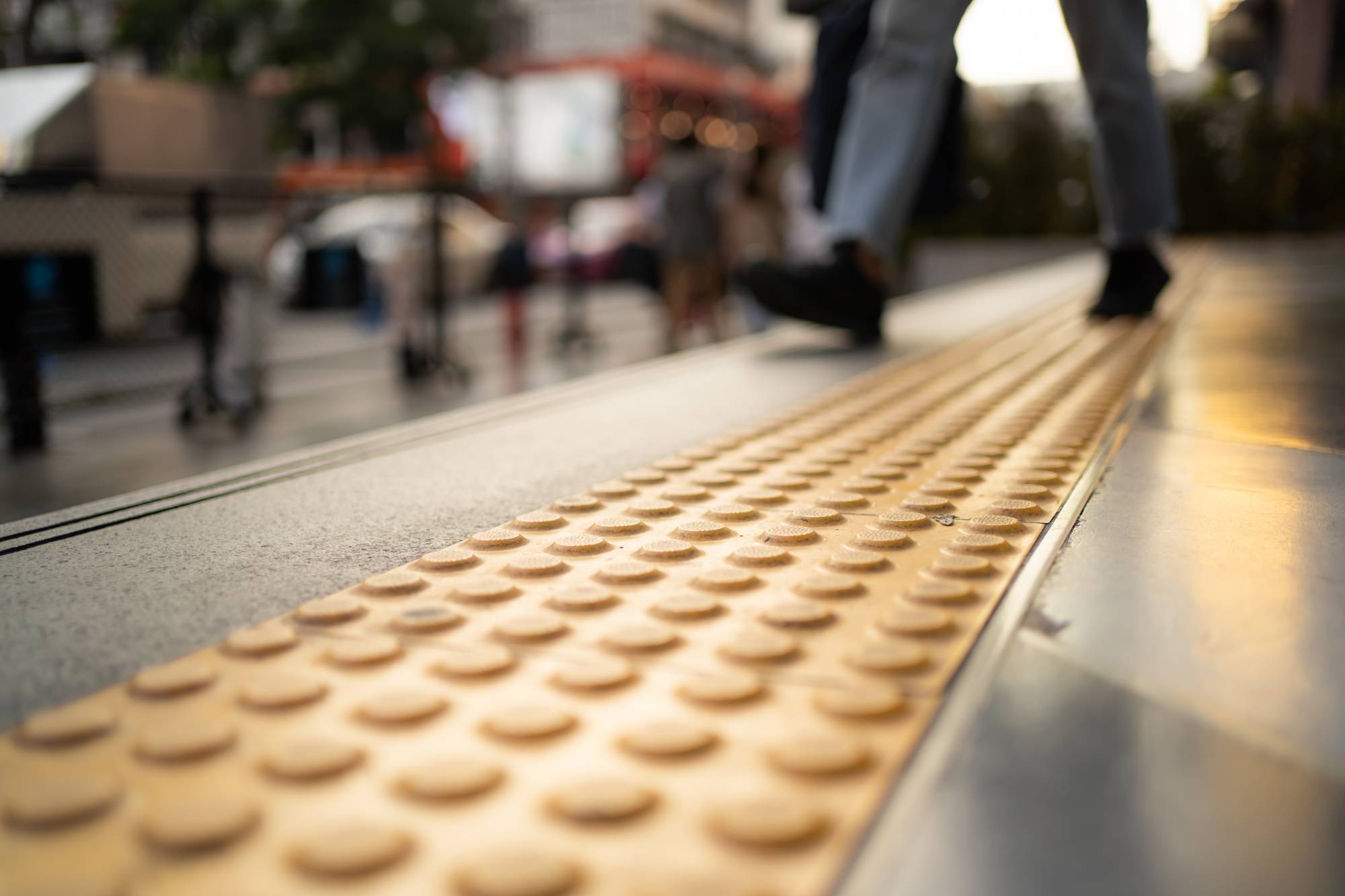
As a person coping with a serious visual disability, I appreciated the many efforts in Japan to assist the Blind and visually disabled. One noticeable effort is the application of easily recognized walkway inserts everywhere with yellow raised bumps that are unmissable.

Posted in Asia, Books, History, Tech, Tourism, Writing | 1 Comment