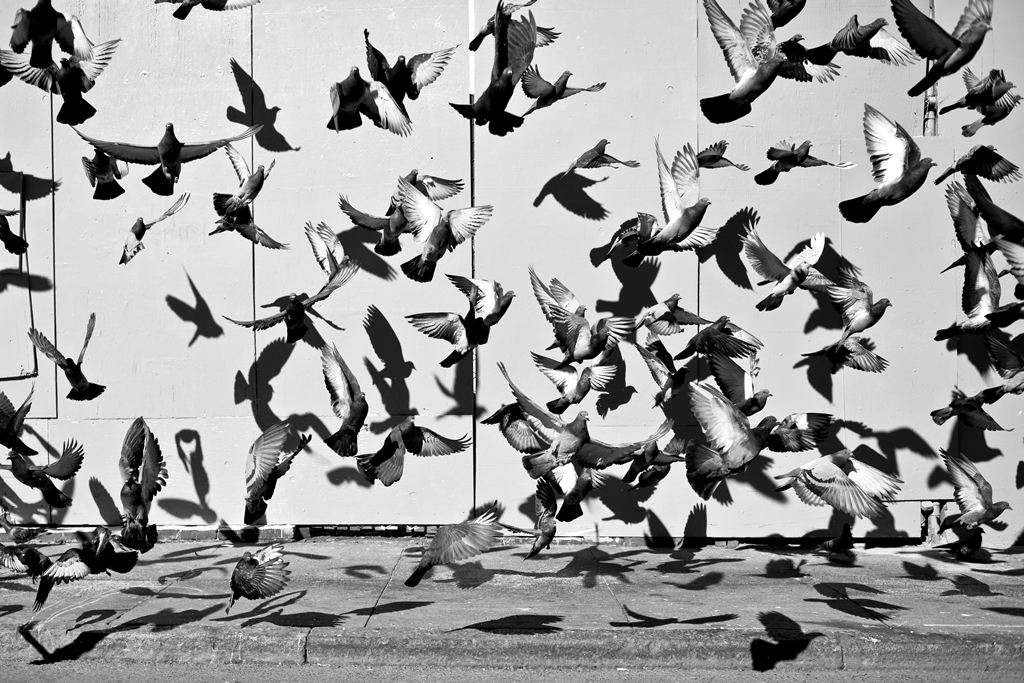
If you are a fan of street art, you may enjoy this story of Chinese street art collective IDT ‘s 1,200 mile journey through Southern China and Tibet leaving samples of their work along the way. The project, called “On the Road—Graffiti in Vagrancy”, was 50 day oddessy underwritten by Converse. This 30-minute film documents the trip by NAN, SINIC and WHYYY:
As a longtime Vonnegut fan, I was very impressed by this cleverly designed poster created by New Jersey graphic designer Maya Eilam. The ingenious visual represents Kurt Vonnegut’s early theories regarding archetypal story lines in Western literature.
For more than thirty years, mild-mannered, innocuous Mark Landis has managed to dupe unsuspecting museum curators in more than twenty U.S. states into accepting his forged artworks. Most of the institutions are blissfully unaware that they’ve been taken in by this milquetoast, miscreant from Mississippi. Maybe it has something to do with the disguises that he adopts when presenting his conterfeit masterpieces, or maybe the offers seem too good to scrutinize too closely? Either way, Landis has never financially profited from his enterprise, so no harm no foul.
This intriguing documentary on Landis and his career in art forgery is from the online interview magazine called The Avant/Garde Diaries.
Travis Jensen is a street photographer who brings an unvarnished perspective to images of San Francisco and its inhabitants. His earnest and emotional photos of the street scene in the city may not match our orthodox, tourist bureau view of one of America’s most loved cities, but he opens a window on a world that visitors rarely see or acknowledge.
This documentary on Jensen’s work is called Brainstorm: Travis Jensen and was produced by kayo corp.
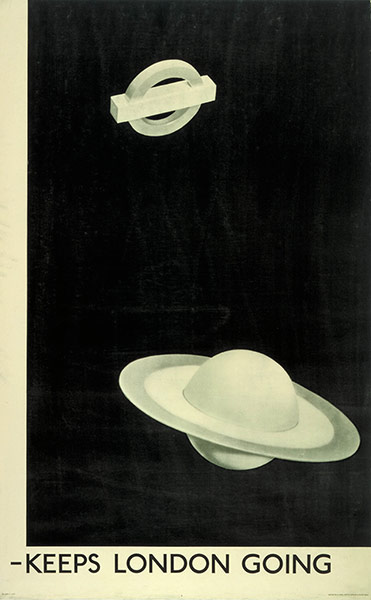
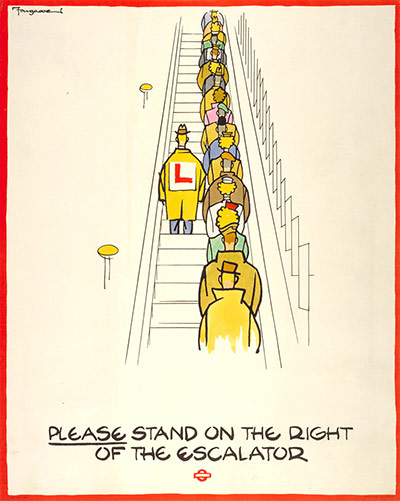
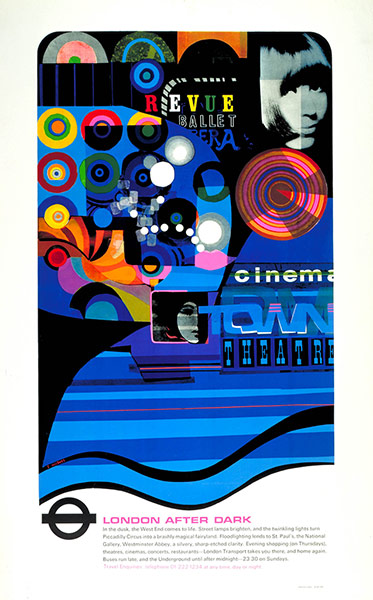
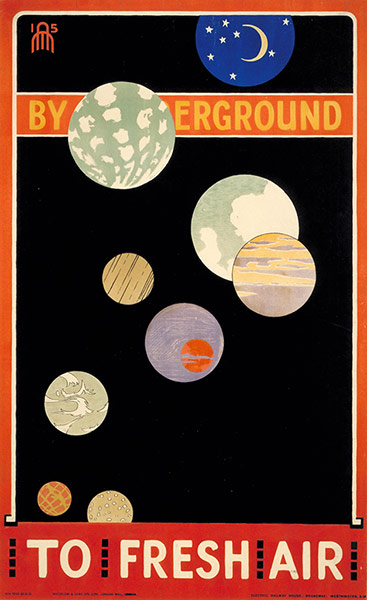
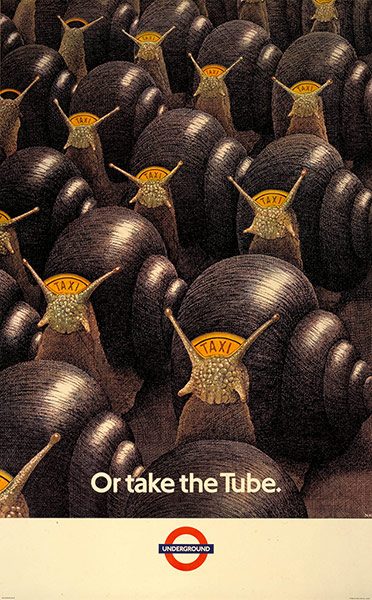
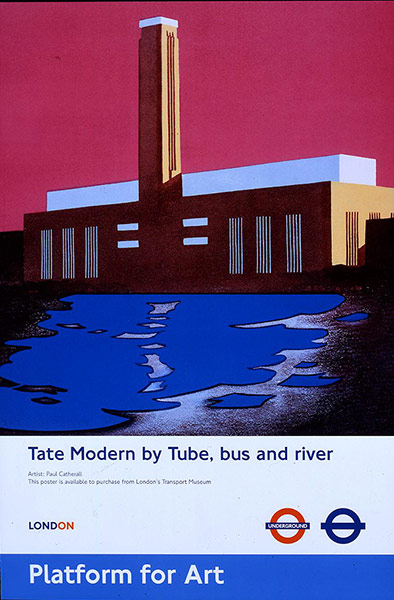
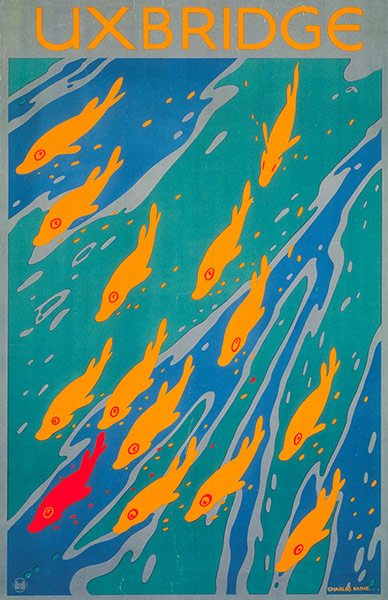
Earlier this month we marked the 150th anniversary of London’s iconic Underground network. As we noted, the London Transport Museum will be hosting a show highlighting the rich visual language of Tube related poster art. Featuring an amazing group selected from the London Transport Museum’s archive of more than 5,000 posters, Poster Art 150—London Underground’s Greatest Designs runs from Feb. 15 through Oct. 27,2013.
The six components of the show will be: Love Your City, Capital Culture, Finding Your Way, Bright London, Away From It All and Keeps London Going.
On February 1, 1913, more than 150,000 curious New Yorkers crowded into the new Grand Central Terminal to gape at the city’s revolutionary transportation hub. Situated in the heart of Manhattan at Park Avenue and 42nd Street, the marvel of Beaux Arts architecture was an awe-inspiring secular cathedral and a marvel of modern engineering.
The opening of Grand Central inaugurated a golden era in American rail travel that has long ago faded. Today 275,000 passengers a day pass through the terminal, but sadly the only trains that stop at Grand central are run by the suburban Metro-North Railroad.
A year-long centennial celebration begins today at the spectacular terminal with a multi-media installation, exhibitions, concerts and special tours. There’s even a book dedicated to the 100th anniversary: Grand Central Terminal: 100 Years of A New York Landmark by Anthony W. Robbins.
By the way, although hundreds of trains visit daily, Grand Central is not actually a station, but is a terminal because trains start and stop their routes there rather than passing through.
This wonderful series of posters by Evan Robertson illustrates lines from iconic texts. The New York City-based graphic designer has selected deft lines from writers such as Edgar Allan Poe and Virginia Woolf and turned them into literature-inspired works of art. You can see more of his work and learn about purchasing copies of the poster art for yourself at Robertson’s websiteObvious State.
Norwegian NRK broadcaster and filmmaker Eirik Solheim created a series of entrancing videos based on trips on Norway’s Nordlandsbanen, the nation’s northernmost railway. This 800km-long railway, which is celebrating its 50th anniversary this year, links the fabulous city of Trondheim with Bodø in the far north.
The goal of the project was to create one video that seamlessly overlapped and synched to incorporate all four seasons. The short version of the final video, titled Nordlandsbanen: Minute by Minute, Season by Season, is hypnotizing.
If you’ve got the time to spare, there’s a 55 minute version on the NRK TV website. And here’s another slice of the project:
The short film below, which premieres this week at Sundance, was directed by Goran Dukic and is based on Israeli writer Etgar Keret‘s short story “What Do We Have in Our Pockets”. The tw0-page story is included in Keret’s terrific 2012 collection Suddenly, A Knock On The Door.
If you haven’t read any of Keret’s mind-bending short fiction, start with his early collections The Nimrod Flipoutor The Girl on the Fridge. But for now, you can read “What Do We Have in Our Pockets ?” at failbetter.com .
According to Keret:
“In this project, Dov Alfon and I are trying to do something that’s supposed to be the literary version of the music video. Basically we’re trying to get filmmakers to express reading. We believe that it’s a new kind of storytelling that can bring people who are not natural readers closer to literature, and advance the idea that stories are there, waiting to be read, and don’t necessarily have to be threatening.
People relate to literature like it is castor oil for bones, like music and cinema are fun, and literature strengthens your bones. We’re trying to say that it isn’t so,” said Keret.
“Goran Dukic worked my book ‘Kneller’s Happy Campers,’ into a feature with Tom Waits. We approached him about it, and he made a video called ‘What do we have in our pockets,’ and in the meantime, we’re very happy that it has received almost 150,000 views in just a few days, and we are getting lots of tweets expressing support from literary magazines. The movie will also compete at Sundance,” continued Keret.
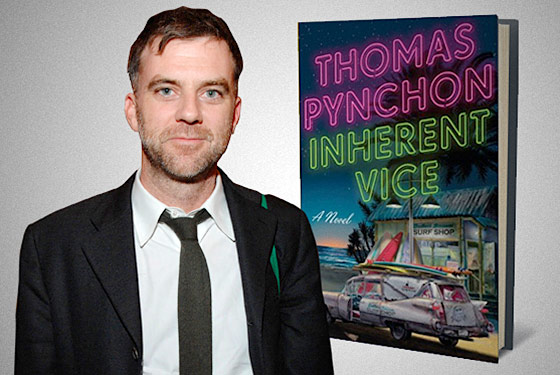
While trolling the net for more information on Thomas Pynchon‘s upcoming title The Bleeding Edge, I ran across a brief interview with director Paul Thomas Anderson regarding his work on the film version of Inherent Vice. Anderson describes his film of Pynchon’s novel as “like a Cheech and Chong movie”.
I wish that I could muster some enthusiasm for the film, and for Pynchon’s forthcoming novel, but after Inherent Vice it’s doubtful. I mean, have you read Inherent Vice ? What a disenchanting book. Take a look at the original book trailer for Inherent Vice, reportedly narrated by the reclusive author, and you’ll get some sense of my dismay.