Jeff Friesen is an award-winning Canadian photographer based in Halifax, Nova Scotia. His imaginative work has been published in National Geographic, American Photo, Popular Photography and Canadian Geographic. His amazing project, “Beyond Here”, started on a whim, but evolved as Friesen abandoned traditional landscape methods and began fiddling with long exposures and other manipulations.
You can see more of “Beyond Here” on Friesen’s website and even purchase prints of these beautiful images.
I really love this short film shot by freelance photographer and video editor Andrew Clancy. The video is based on one year of random filming around New York City. It’s not flashy or artsy, but simply a heartfelt slice of life take on America’s greatest urban center. You can find out more about Clancy at his website The Clancy Connection. And by the way, the accompanying song, “We Don’t Eat”, is by Irish singer James Vincent McMorrow.
This week marks the annual period of the Hajj, one of the most important pillars of the Islamic religion. Each year millions of Muslims travel to the ancient city of Mecca, Saudi Arabia to fulfill their sacred obligation. The pilgrimage is comprised of several rites, including the ritual stoning of Shaitan, circling the sacred Kaabaand kissing the Black Stone.
Vice Magazinefounder Surooh Alvi accompanied his parents on the Hajj and surreptitiously recorded The Mecca Diaries, with a smuggled-in minicam. The extraordinary 14-minute documentary is an eye-opening experience for non-Muslims.
You won’t find any of these marvelous one-of-a-kind maps in your typical travel guidebook, but they make exceedingly clever ways to interact with geographic places. Some of the very talented creators of these diverse and idiosyncratic maps are professional illustrators and artists, while others are passionate amateurs. But they all share a mad love for maps and for travel. Check-out their websites to see more of these amazing works of art.
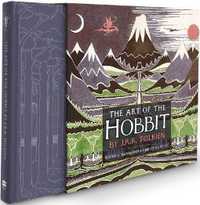
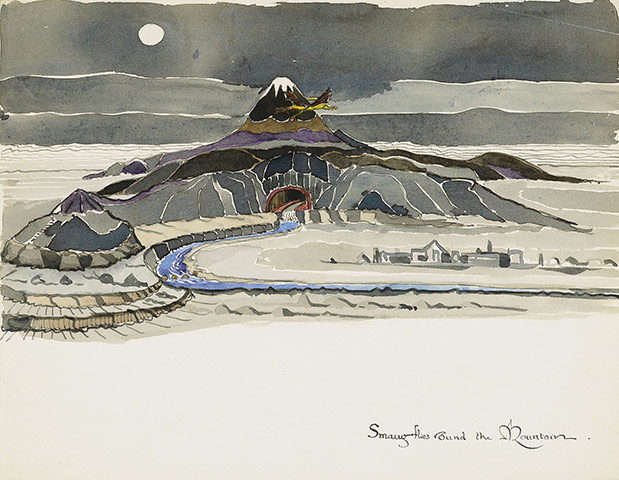
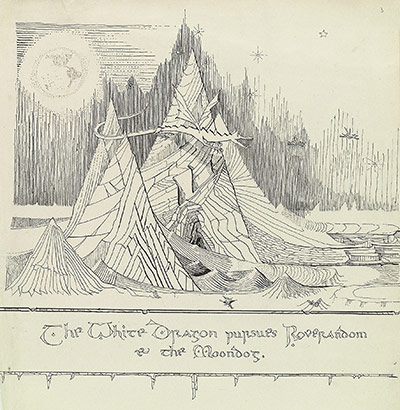
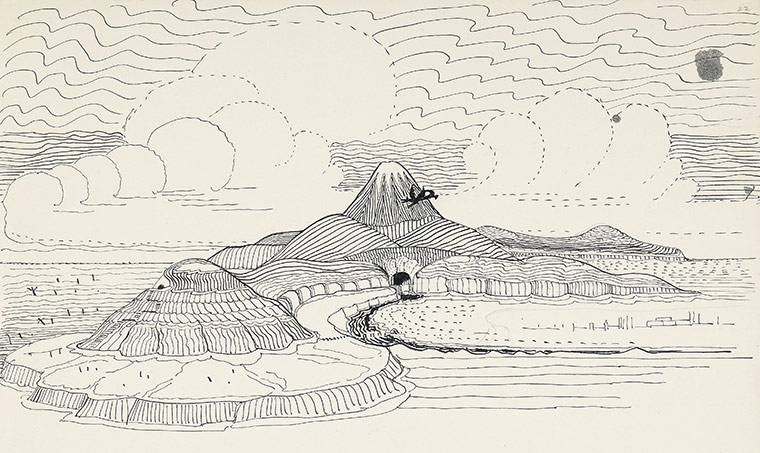
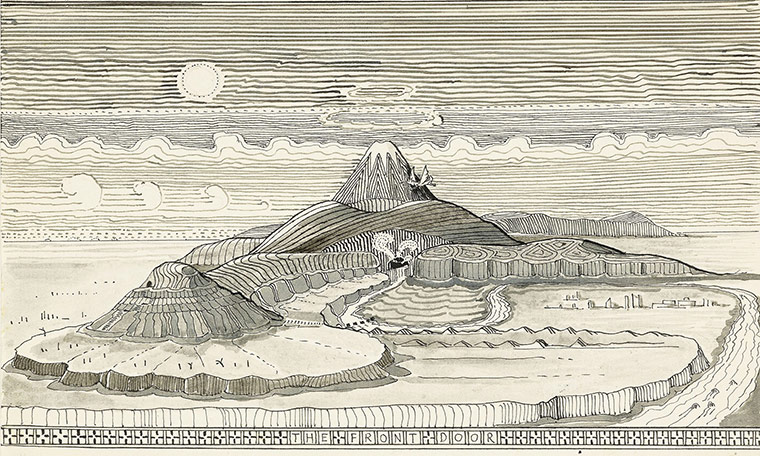
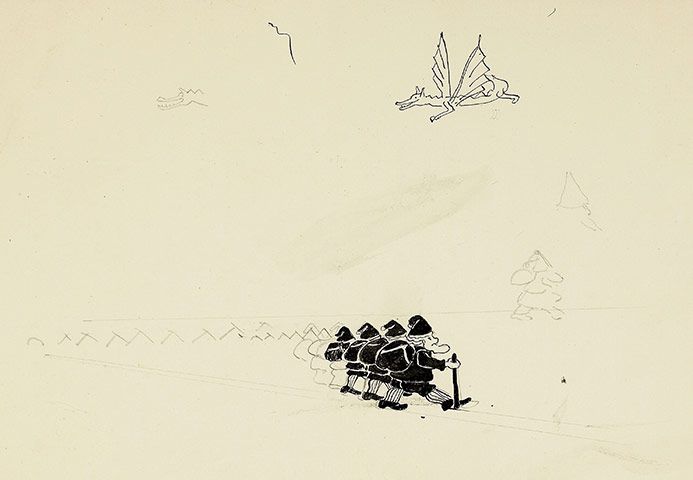
To celebrate the 75th anniversary of the publication of The Hobbit by J.R.R. Tolkien, HarperCollins has just released The Art of The Hobbit edited by Wayne G. Hammond and Christina Scull. The sumptuous art book contains a complete collection of 110 drawings, paintings, sketches, maps and illustrations by Tolkien never published together before. In fact, many of the works were hidden away in an archive at the Bodleian Library in Oxford since Tolkien’s death.
The beautiful slipcase edition includes the original sketches for the first edition covers by the author. Tolkien was an accomplished amateur artist whose admiration for the illustrator Arthur Rackham clearly shows in the art work for The Hobbit.
Although The Hobbit was actually published in September, 1937, HarperCollins is kicking-off the 75th anniversary celebrations a wee bit early to capitalize on the upcoming release of the Peter jackson film of The Hobbit.
Lit Drift is a website with the daunting mission of making literature fun and accessible in the digital age. Run by writers, the site offers free e-books, articles, recommendations, writing tools, games and a series of sixty-second video versions of classic novels. The ever increasing series includes: The Catcher in the Rye, Romeo and Juliet, The World According to Garp, the Heart of Darkness and The Lord of the Rings trilogy.
LA-based photographer and cinematographer Joe Capra spent seventeen days during the month of June this year traveling alone around Iceland. During his 2,900 mile solo adventure he shot an astounding 38,000 + photographs. The result is this stunningly beautiful film of one of the world’s most amazing landscapes.
You can see more of Capra’s work, and purchase prints, at his website Scientifantastic.
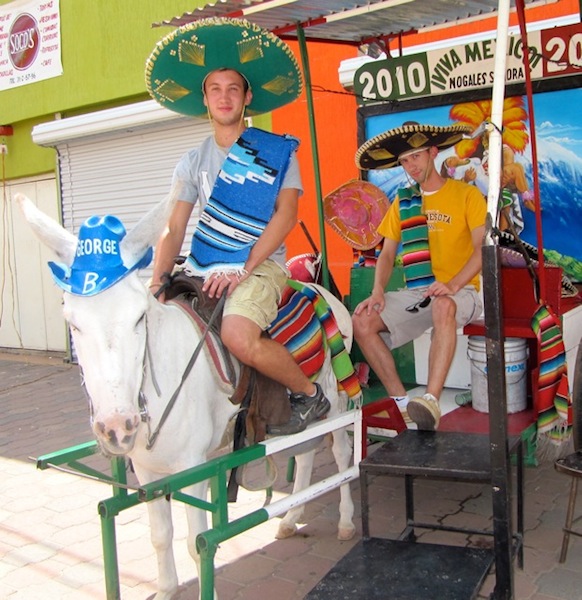
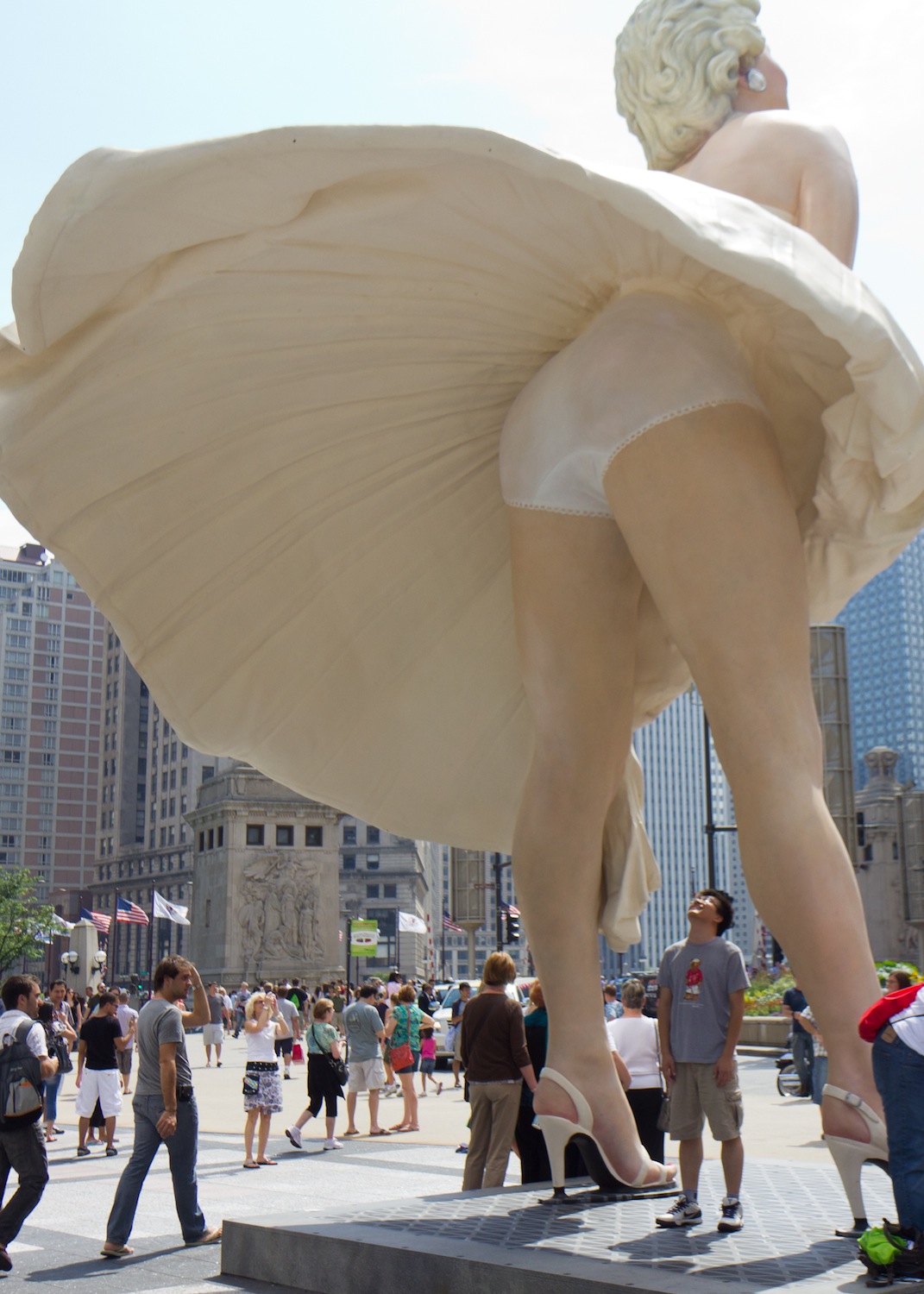
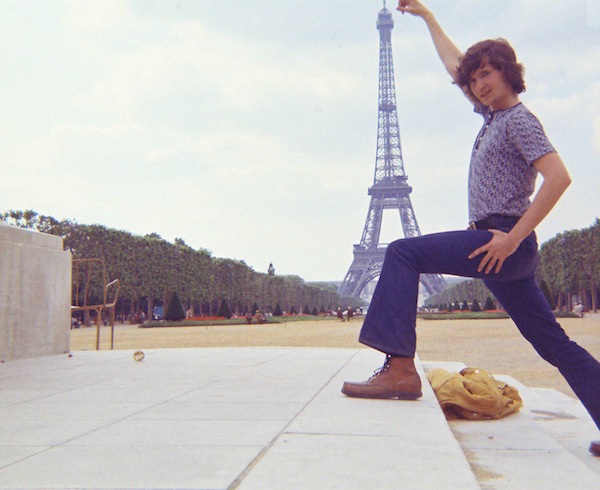
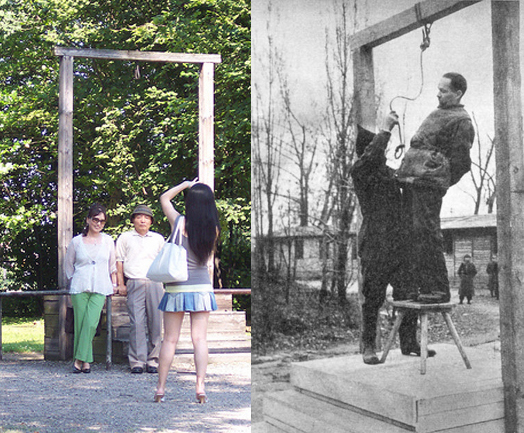
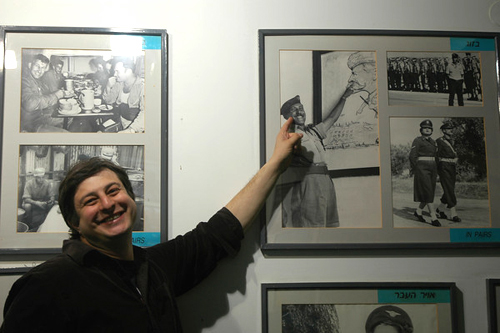
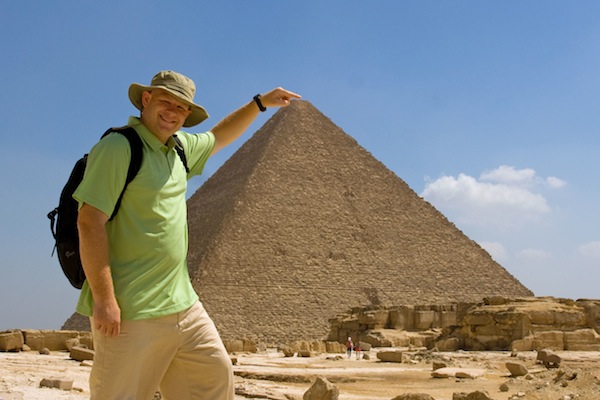
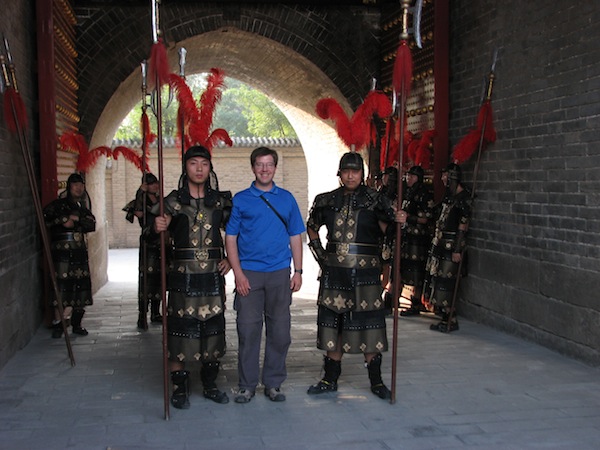
Let’s face it, when we travel we all become tourists. But are we all destined to become tacky tourists, who take tacky tourist photos ? The hilarious website Tacky Tourist Photos, curated by Darren Garnick and Peter Koziell, seems to suggest that we are all at the very least vulnerable to the temptations of tacky tourism.
The site, which has photos from more than a dozen countries and twice as many U.S. states, is dedicated to tacky tourist photographs, tacky tourist poses, tacky tourist attractions and just plain tacky behavior by travelers.
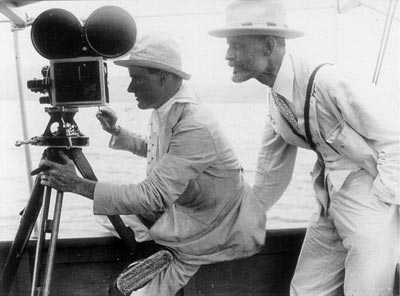
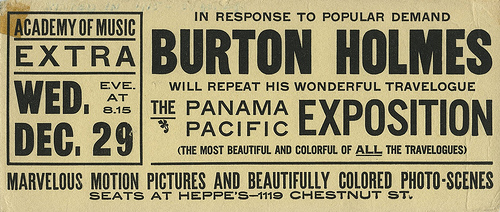
Long before Rick Steves and Peter Greenberg showed us how to travel, Burton Holmes was delighting audiences with original travelogues and short films. The fascinating Burton Holmes Archivehas a treasure trove of information about early travel writing and the earliest travel films.
“The Burton Holmes Archive is the world’s largest repository of films, photographs, programs, scrapbooks, and other ephemera related to the life and career of Burton Holmes, the “Father of the Travelogue”.
Burton Holmes coined the term “Travelogue” in 1904 to advertise his unique live stage presentations combining stories of his travels with slides and motion pictures. Sophisticated and elegantly attired, Holmes became the world’s most famous traveler during the first half of the 20th century through his books, magazine articles, lectures and films. Born into a prosperous Chicago family in 1870, Holmes turned a chance encounter in the early 1890’s with John L. Stoddard, the then reigning 19th century travel lecturer, into a lifelong career. Each summer for over fifty years Holmes would roam the globe and then tour American auditoriums in the winter; during the 1945-46 season alone, at age 75, he gave 157 two-hour lectures. Slowed by ill health and television, Holmes retired to Hollywood in 1952 and died there in 1958. His company, Burton Holmes International, survived into the 1970s.”
You can discover some of Holmes’ film clips from the 20s and 30s on Youtube.



















 Travel Between The Pages