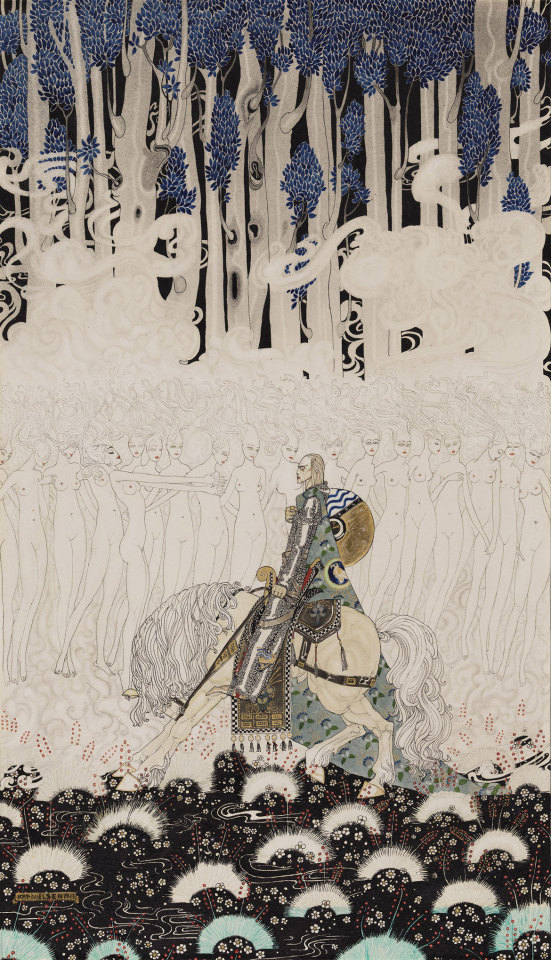
Fairy tales are about trouble, about getting into it and out of it, and trouble seems to be a necessary stage on the route of becoming. All the magic and glass mountains and pearls the size of houses and princesses beautiful as the day and talking birds and part-time serpents are distractions from the tough core of most of the stories, the struggle to survive against adversaries, to find your place in your world, and to come into your own. Difficulty is always a school, though learning is optional. Fairy tales are almost always the stories of the powerless, of youngest sons, abandoned children, orphans, of humans transformed into birds and beasts or otherwise enchanted away from their own selves and lives. Even princesses are chattels to be disowned or sold by fathers, punished by stepmothers, or claimed by princes, though they often assert themselves in between and are rarely as passive as the cartoon versions. Fairy tales are children’s stories not in who they were made for but in their focus on the early stages of life, when others have power over you and you have power over no one.
The Faraway Nearby by Rebecca Solnit