The Wacky Wonders of Street View

As they say in the oldtimey Noir stories, I have a beef with Neal Agarwal. His new time-stealing website sucked up an hour of my life that I’ll never get back. But I loved it.

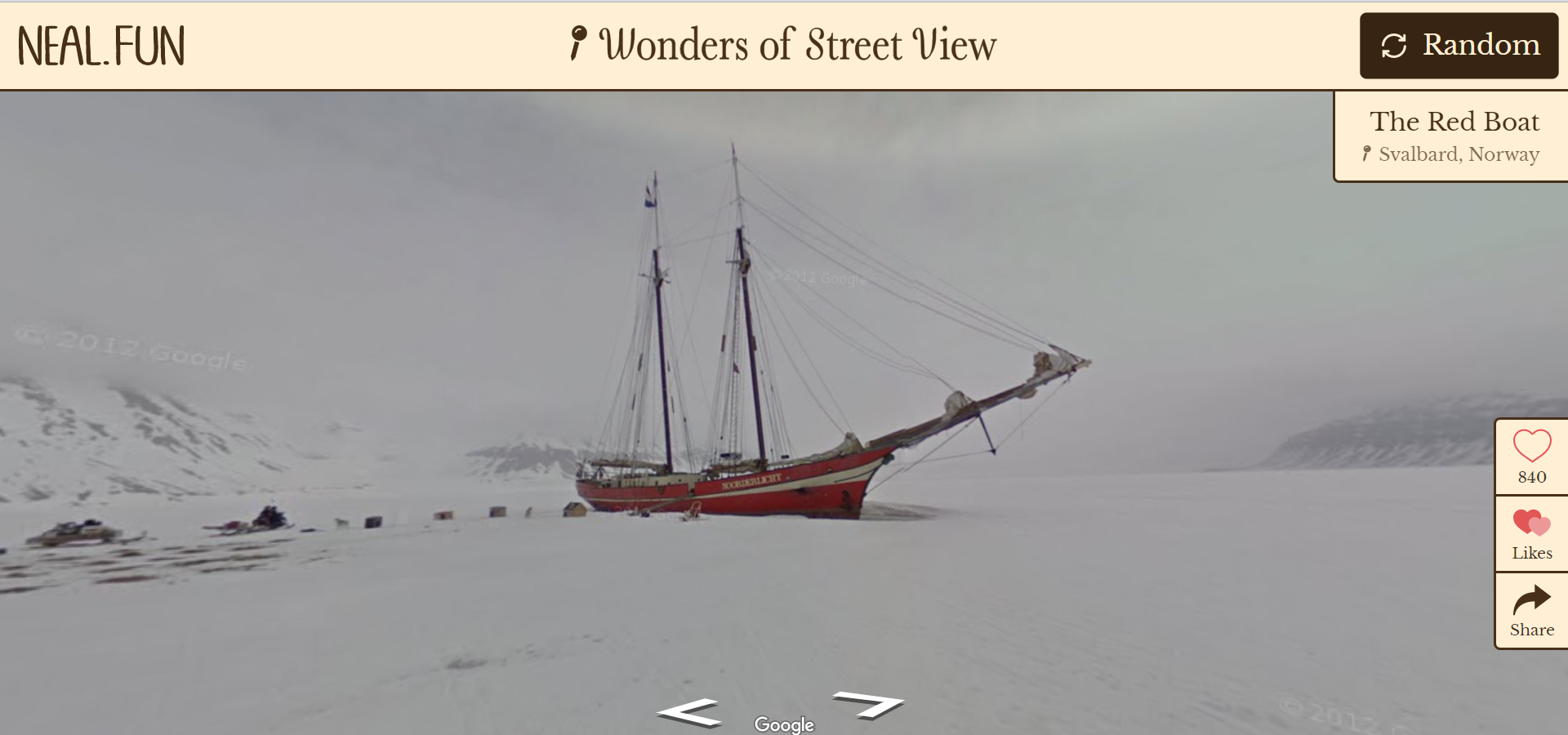
The Wonders of Street View: from the self-described creator of “fun internet ephemera” Neal Agarwal is a fantastic rabbithole which does one thing and one thing only, bouncing the user through an amzing selection of bizarre views on Google Streetview. What’s really great about this is that StreetView embeds in the site, meaning not only can you see some weird stuff but you can also navigate around  the surrounding environment to get context for the place and geography.


Posted in apps, Photography, Tech | Tagged , , | Leave a comment

My AI Tale

To say that I am ambivalent about the rush to use AI in the arts would be an understatement. In many instances it seems more like an automated plagiarism machine than cutting edge technology. However, I was game to give the new website InstaNovel a spin. The app offers the opportunity to create a custom, illustrated short story for you based on just a few short prompts – you enter a basic plot idea you want the story to follow, give the site an email address, and then wait 2 or 3 days.

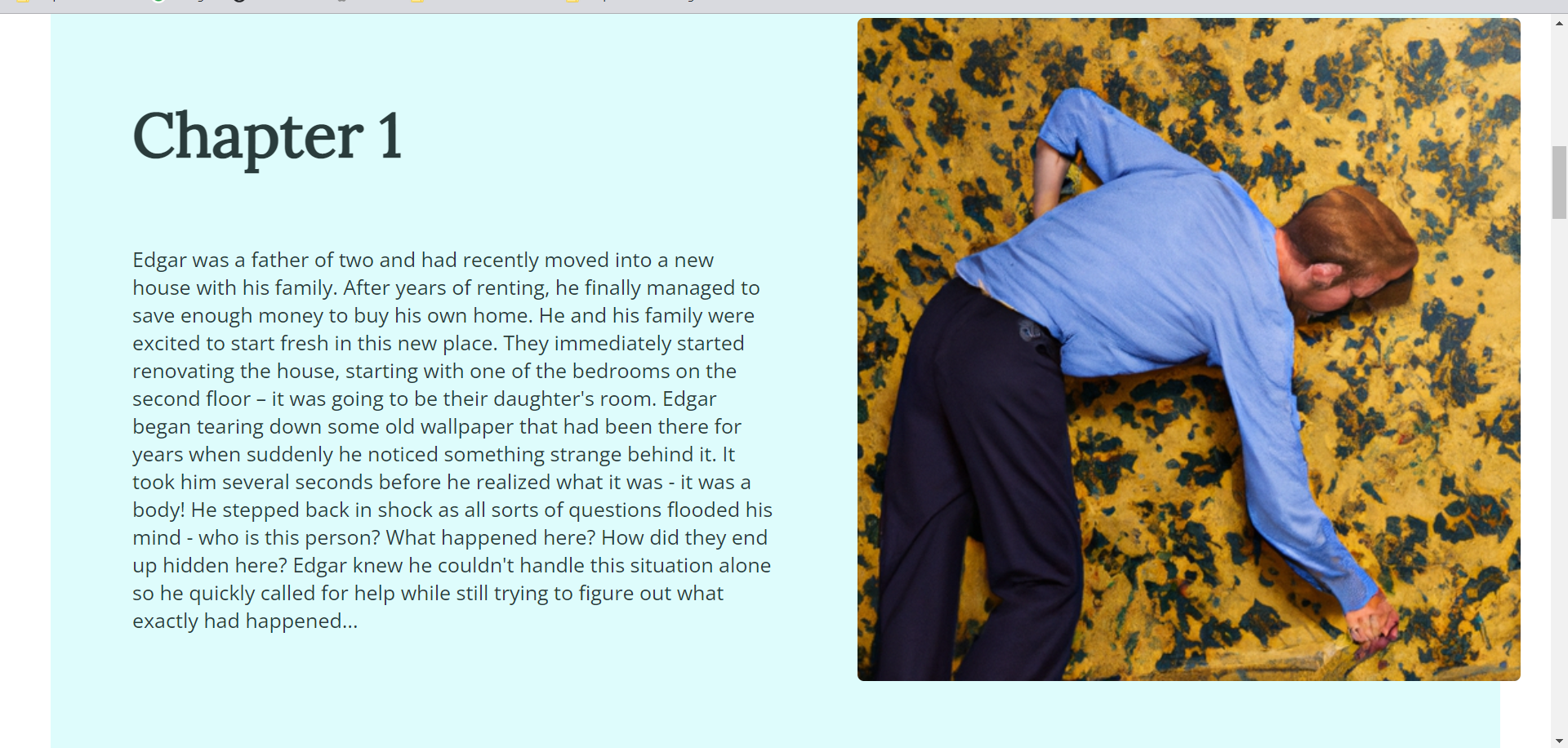
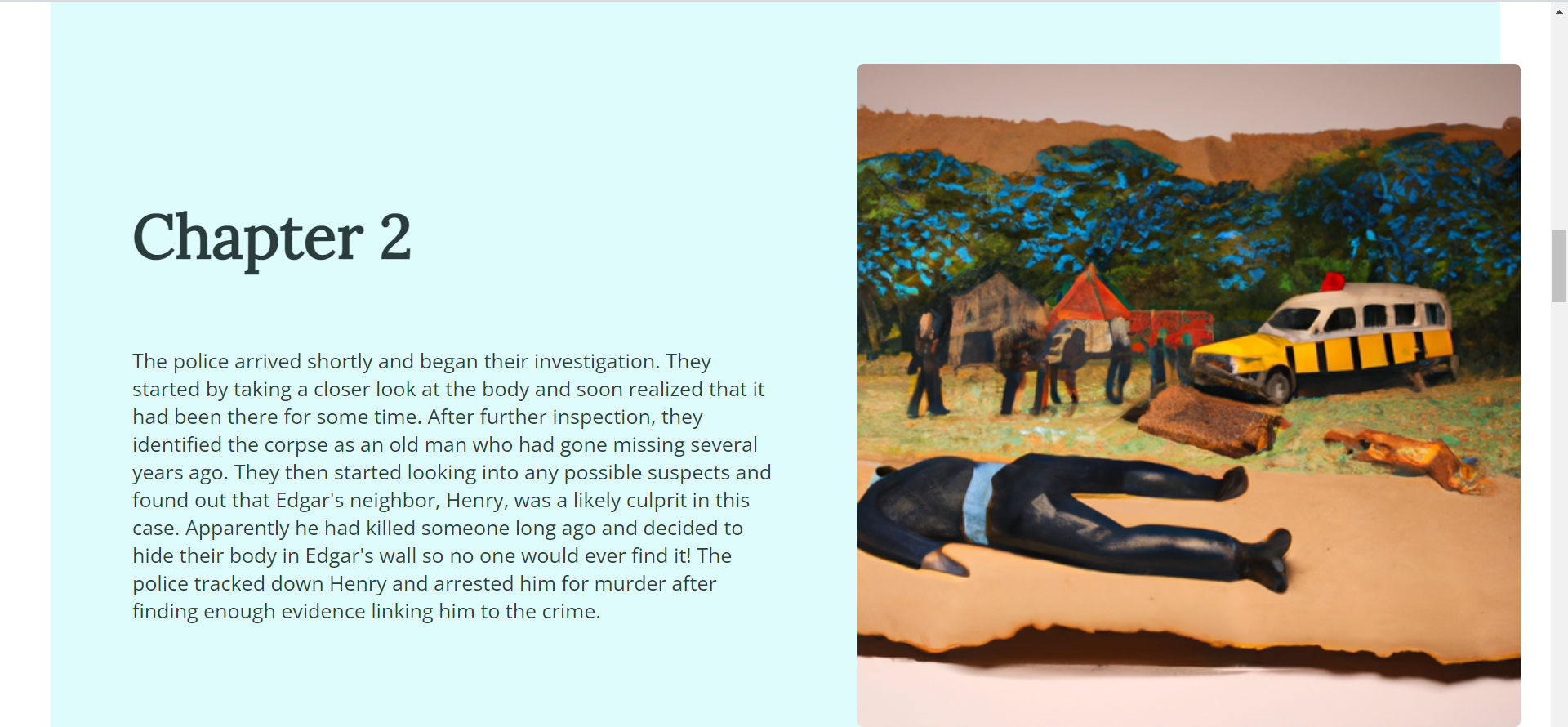
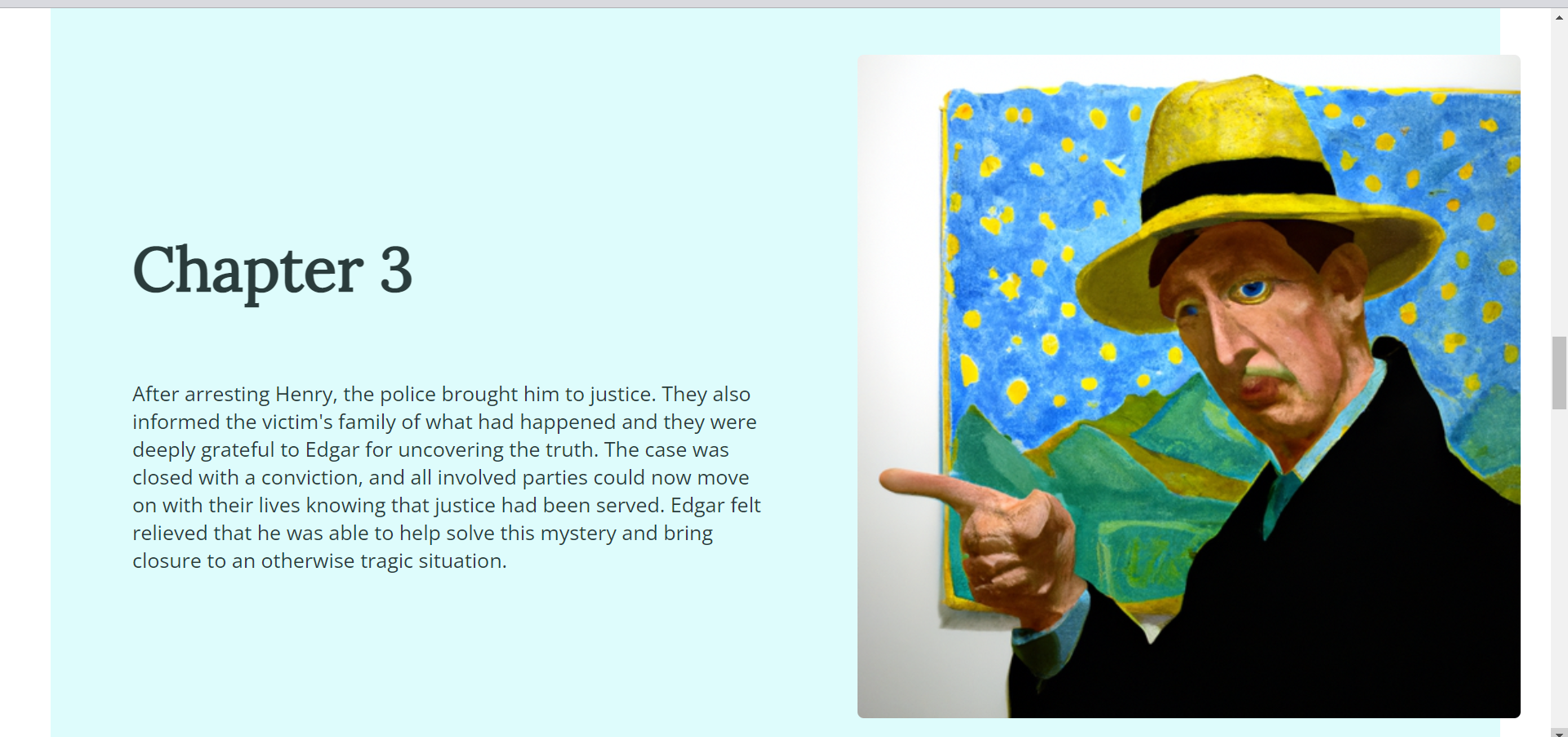
InstaNovel uses GPT-3 to “write” the story which is illustrated by Dall-E. Below is the entire short story based on my prompts. I think that it’s simply awful, but you can decide for yourself how the AI did.


Posted in apps, Books, ebooks, Tech, Writing | Tagged , , , | 9 Comments

“what I said was that writing makes everything clearer and worse.”

“Not His Best”

by

Joy Williams

from 99 Stories of God


Franz Kafka once called his writing a form of prayer.

He also reprimanded the long-suffering Felice Bauer in a letter: “I did not say that writing ought to make everything clearer, but instead makes everything worse; what I said was that writing makes everything clearer and worse.”

He frequently fretted that he was not a human being and that what he bore on his body was not a human head. Once he dreamt that as he lay in bed, he began to jump out the open window continuously at quarter-hour intervals.

“Then trains came and one after another they ran over my body, outstretched on the tracks, deepening and widening the two cuts in my neck and legs.”

I didn’t give him that one, the Lord said.

NOT HIS BEST

Posted in Art, Books, Europe, Writing | Tagged , | Leave a comment

Stephen King Rules

Stephen King is widely considered to be royalty when it comes to popular fiction writing. In recent years, he has also become a voice for political sanity in the U.S., as well. So when King shares writing tips, we all pay attention. Below are King’s top twenty rules from On Writing. About half of these relate directly to revision. The other half cover the intangibles—attitude, discipline, work habits. A number of these suggestions reliably pop up in every writer’s guide, but when the guy who has sold more than 350 million books offers suggestions it is smart take notice.

1. First write for yourself, and then worry about the audience. “When you write a story, you’re telling yourself the story. When you rewrite, your main job is taking out all the things that are not the story.”

2. Don’t use passive voice. “Timid writers like passive verbs for the same reason that timid lovers like passive partners. The passive voice is safe.”

3. Avoid adverbs. “The adverb is not your friend.”

4. Avoid adverbs, especially after “he said” and “she said.”

5. But don’t obsess over perfect grammar. “The object of fiction isn’t grammatical correctness but to make the reader welcome and then tell a story.”

6. The magic is in you. “I’m convinced that fear is at the root of most bad writing.”

7. Read, read, read. ”If you don’t have time to read, you don’t have the time (or the tools) to write.”

8. Don’t worry about making other people happy. “If you intend to write as truthfully as you can, your days as a member of polite society are numbered, anyway.”

9. Turn off the TV. “TV—while working out or anywhere else—really is about the last thing an aspiring writer needs.”

10. You have three months. “The first draft of a book—even a long one—should take no more than three months, the length of a season.”

11. There are two secrets to success. “I stayed physically healthy, and I stayed married.”

12. Write one word at a time. “Whether it’s a vignette of a single page or an epic trilogy like ‘The Lord of the Rings,’ the work is always accomplished one word at a time.”

13. Eliminate distraction. “There should be no telephone in your writing room, certainly no TV or videogames for you to fool around with.”

14. Stick to your own style. “One cannot imitate a writer’s approach to a particular genre, no matter how simple what that writer is doing may seem.”

15. Dig. “Stories are relics, part of an undiscovered pre-existing world. The writer’s job is to use the tools in his or her toolbox to get as much of each one out of the ground intact as possible.”

16. Take a break. “You’ll find reading your book over after a six-week layoff to be a strange, often exhilarating experience.”

17. Leave out the boring parts and kill your darlings. “(kill your darlings, kill your darlings, even when it breaks your egocentric little scribbler’s heart, kill your darlings.)”

18. The research shouldn’t overshadow the story. “Remember that word back. That’s where the research belongs: as far in the background and the back story as you can get it.”

19. You become a writer simply by reading and writing. “You learn best by reading a lot and writing a lot, and the most valuable lessons of all are the ones you teach yourself.”

20. Writing is about getting happy. “Writing isn’t about making money, getting famous, getting dates, getting laid or making friends. Writing is magic, as much as the water of life as any other creative art. The water is free. So drink.”

Posted in Books, USA, Writing | Tagged , | Leave a comment

Around the world in just 72 days, 6 hours, 11 minutes, and 14 seconds

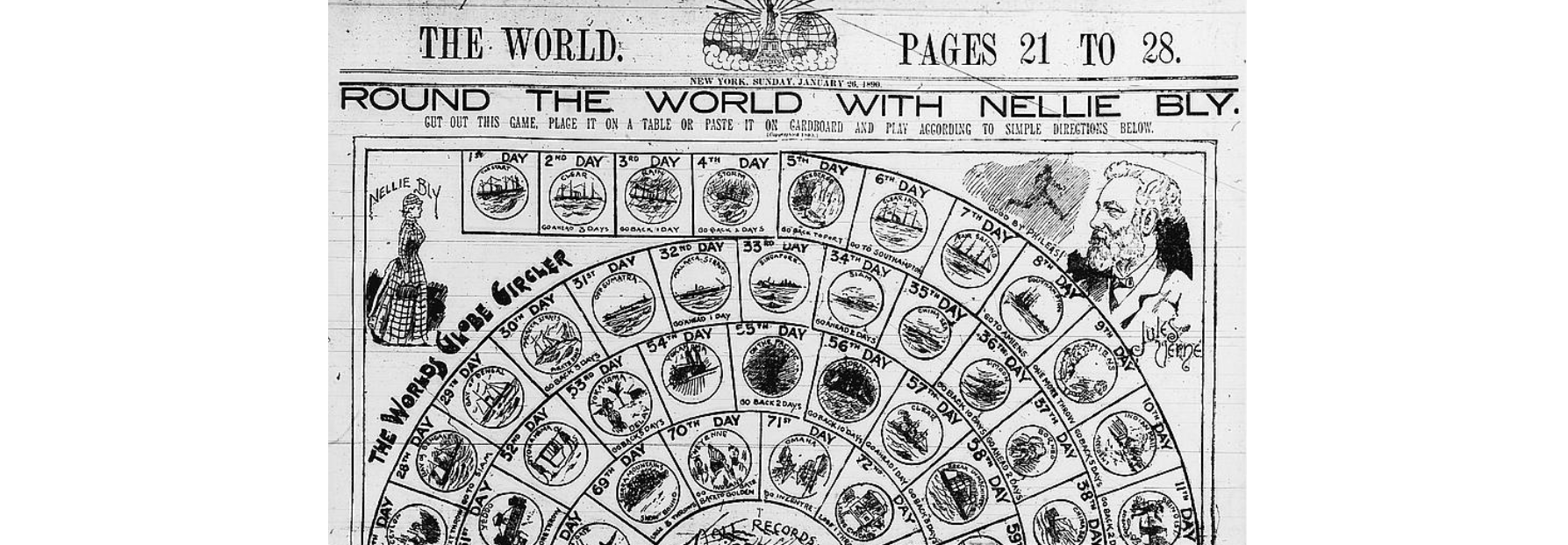
On this day in 1890, New York City police cleared a path through a cheering throng for reporter Nellie Bly as she stepped off a train just 72 days, 6 hours, 11 minutes, and 14 seconds after setting sail east to prove she could circle the globe in less than 80 days.

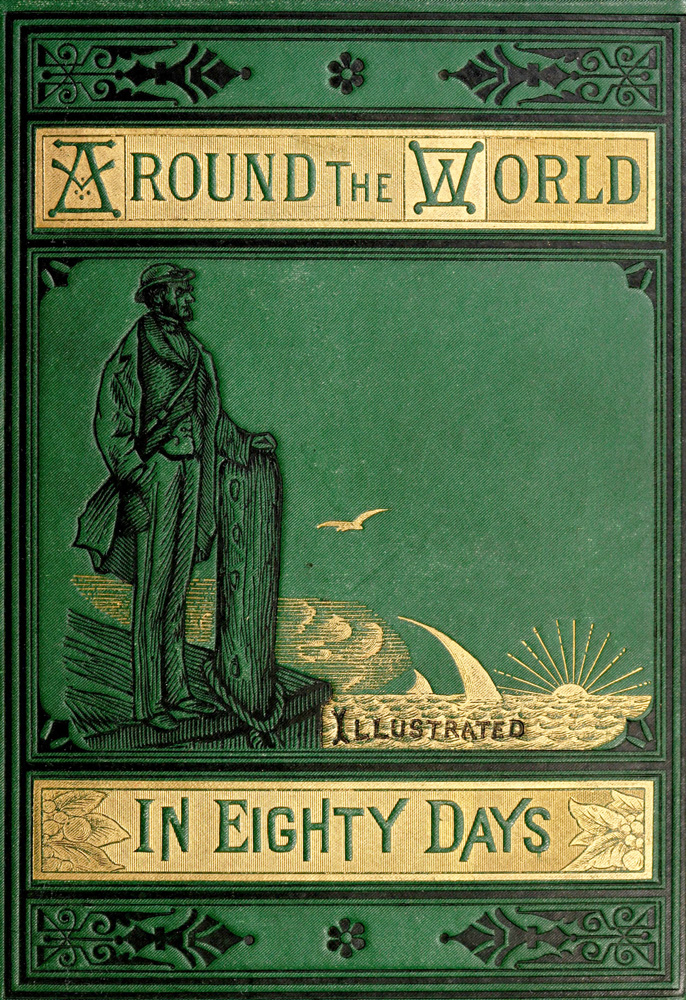
Bly, born Elizabeth Cochrane, challenged the fictional record of Phileas T. Fogg, hero of Jules Verne’s Around the World in Eighty Days, at the suggestion of her employer, the New York World. As Bly traveled via ship, train, jinricksha, sampan, horse, and burro, the World carried daily articles about her journey and offered a trip to Europe to the person who could come closest to guessing her finish time. The paper received nearly 1,000,000 entries and circulation boomed.


No stranger to fame, the daring Miss Bly had already made a name for herself by exposing the deplorable conditions of an insane asylum on New York’s Blackwell’s Island. Bly researched the story by feigning insanity and having herself committed for ten days. Her exposé on the asylum and later reports on slum life brought about needed reforms and helped pave the way for women in journalism.


Posted in Books, Europe, History, Public Transport, Tourism, Travel Writing, USA, Writing | Tagged , , , , | 2 Comments

And so much satisfaction when a train goes by.

Living at the End of Time
–Robert Bly
There is so much sweetness in children’s voices,
And so much discontent at the end of day,
And so much satisfaction when a train goes by.
I don’t know why the rooster keeps crying,
Nor why elephants keep raising their trunks,
Nor why Hawthorne kept hearing trains at night.
A handsome child is a gift from God,
And a friend is a vein in the back of the hand,
And a wound is an inheritance from the wind.
Some say we are living at the end of time,
But I believe a thousand pagan ministers
Will arrive tomorrow to baptize the wind.
There’s nothing we need to do about John. The Baptist
Has been laying his hands on earth for so long
That the well water is sweet for a hundred miles.
It’s all right if we don’t know what the rooster
Is saying in the middle of the night, nor why we feel
So much satisfaction when a train goes by.
Posted in Books, USA, Writing | Tagged | Leave a comment

Who reads what where

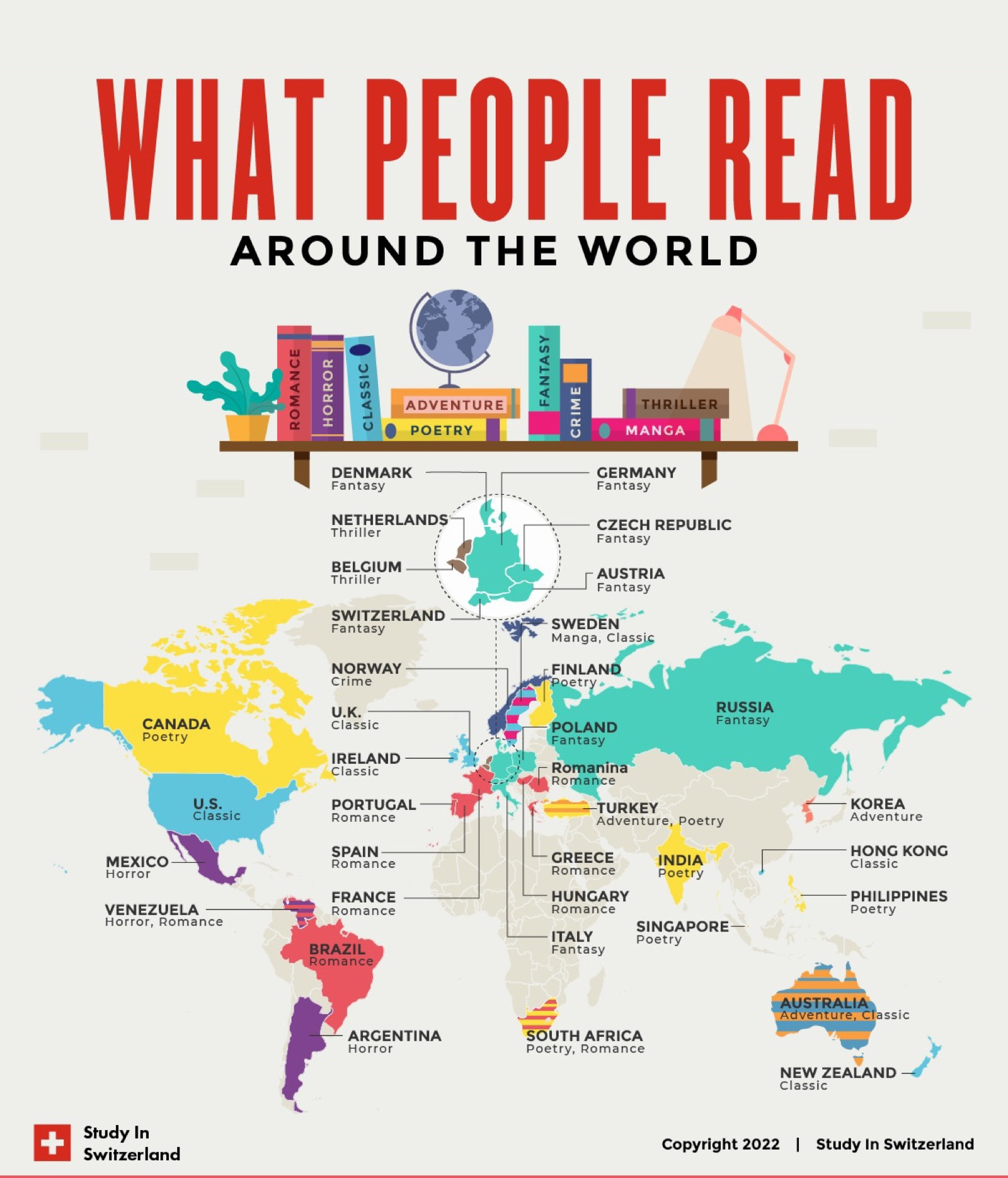
I’m a sucker for a clever infographic, especially if it pertains to books or reading. The graphic above shows which reading genres are most popular in 36 countries around the world.

To collect the data, the folks at Study In Switzerland blog used the Google web search volume for each book genre in different countries.

Here are some of the significant discoveries :

▸ In Dutch-speaking countries, the thriller novel genre dominates, whereas in Norway, crime fiction dominates.

▸ Romance, classic, and poetry books are among the most popular books among readers worldwide.

▸ Fantasy books are the most popular in Europe, while horror books are most read in Latin countries.

▸ You are more likely to find classic books in the homes of people who speak English as their first language.

▸ In Asia poetry is more popular than any other reading genre.

Studying in Switzerland is a guide that tries to give international students a full idea of what it’s like to study, live, and pay for their new academic Swiss lives.


Posted in Africa, Asia, Books, ebooks, Europe, USA, Writing | Tagged , , | 2 Comments

Historic Peregrinations

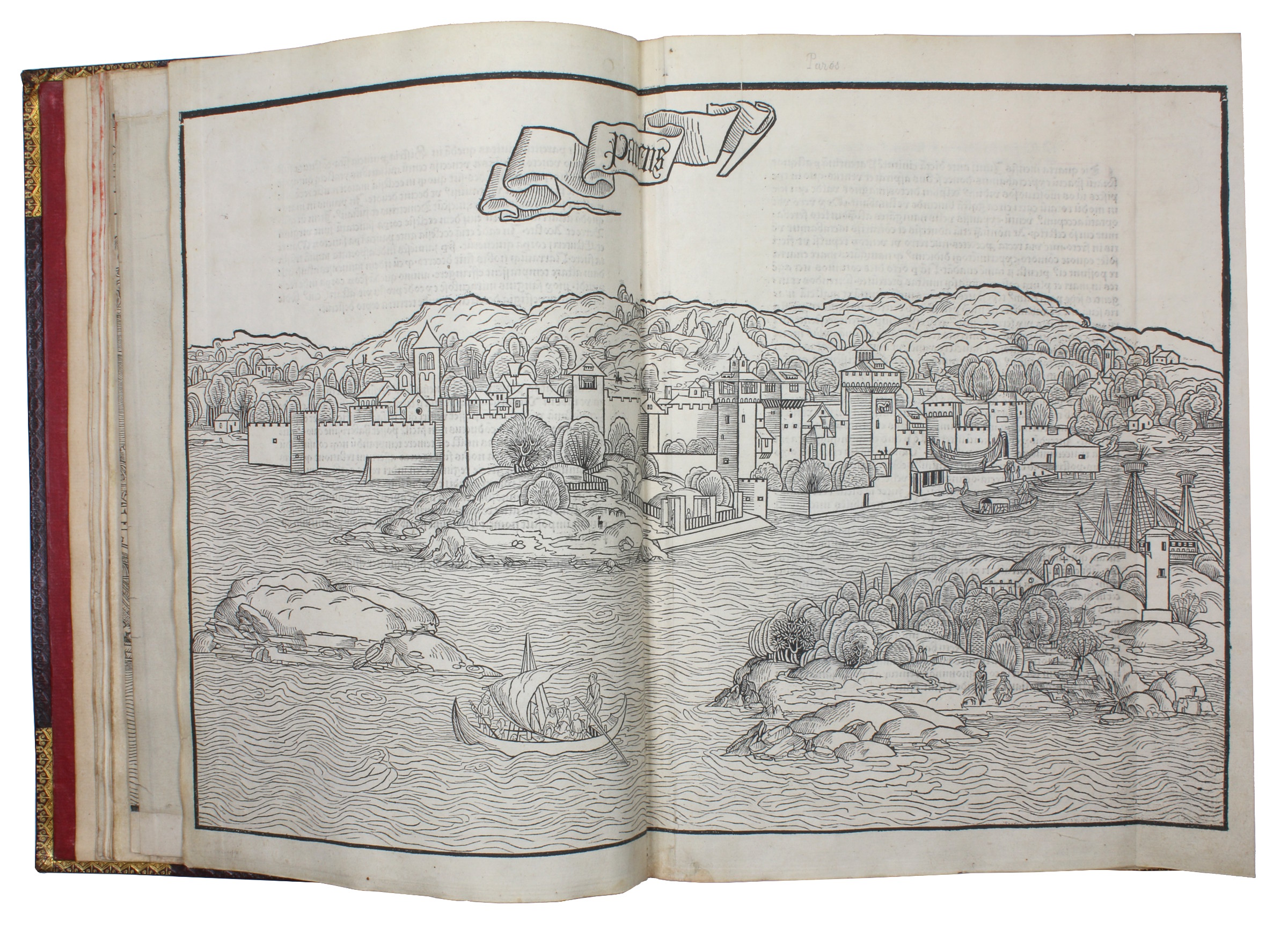
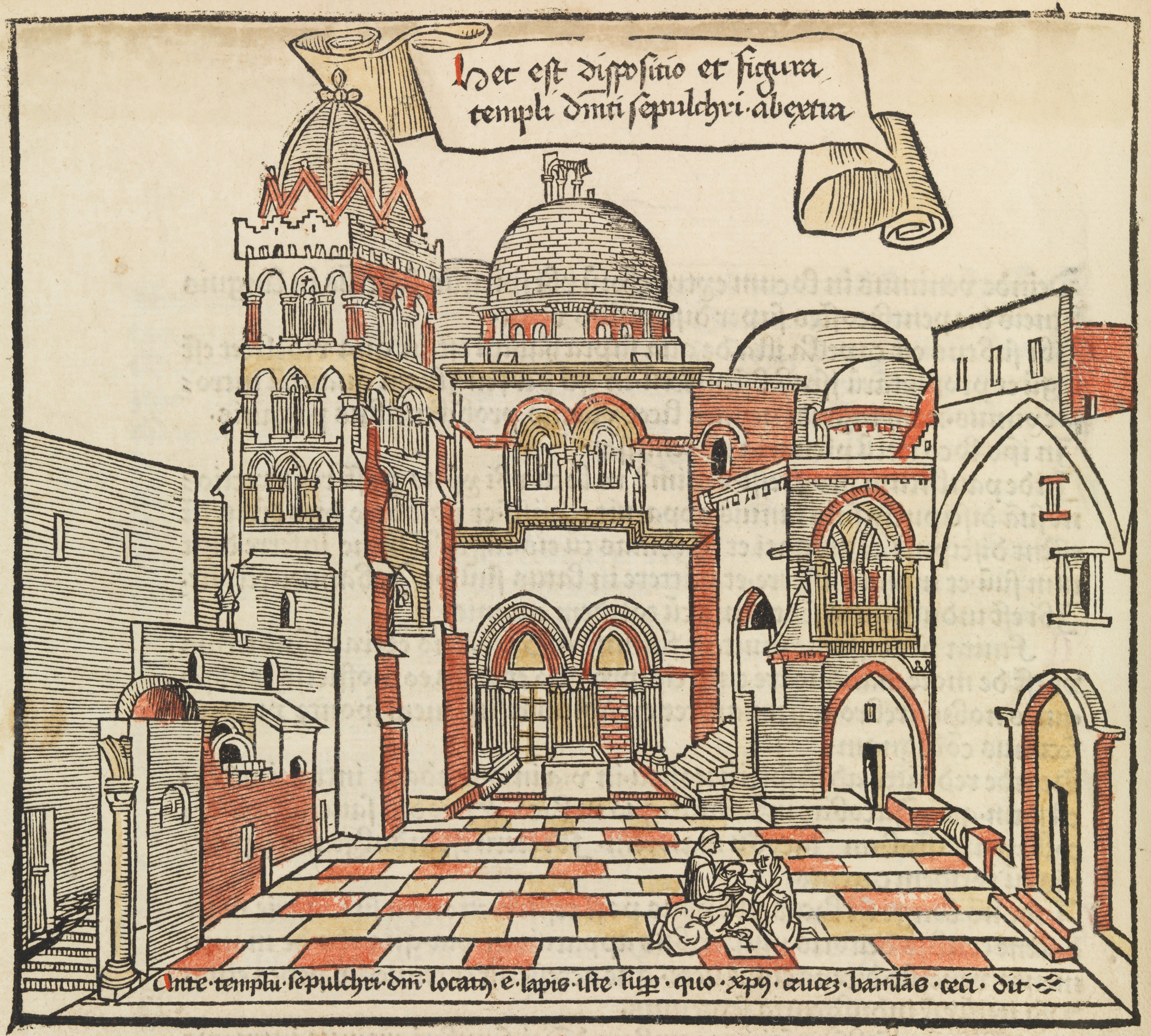
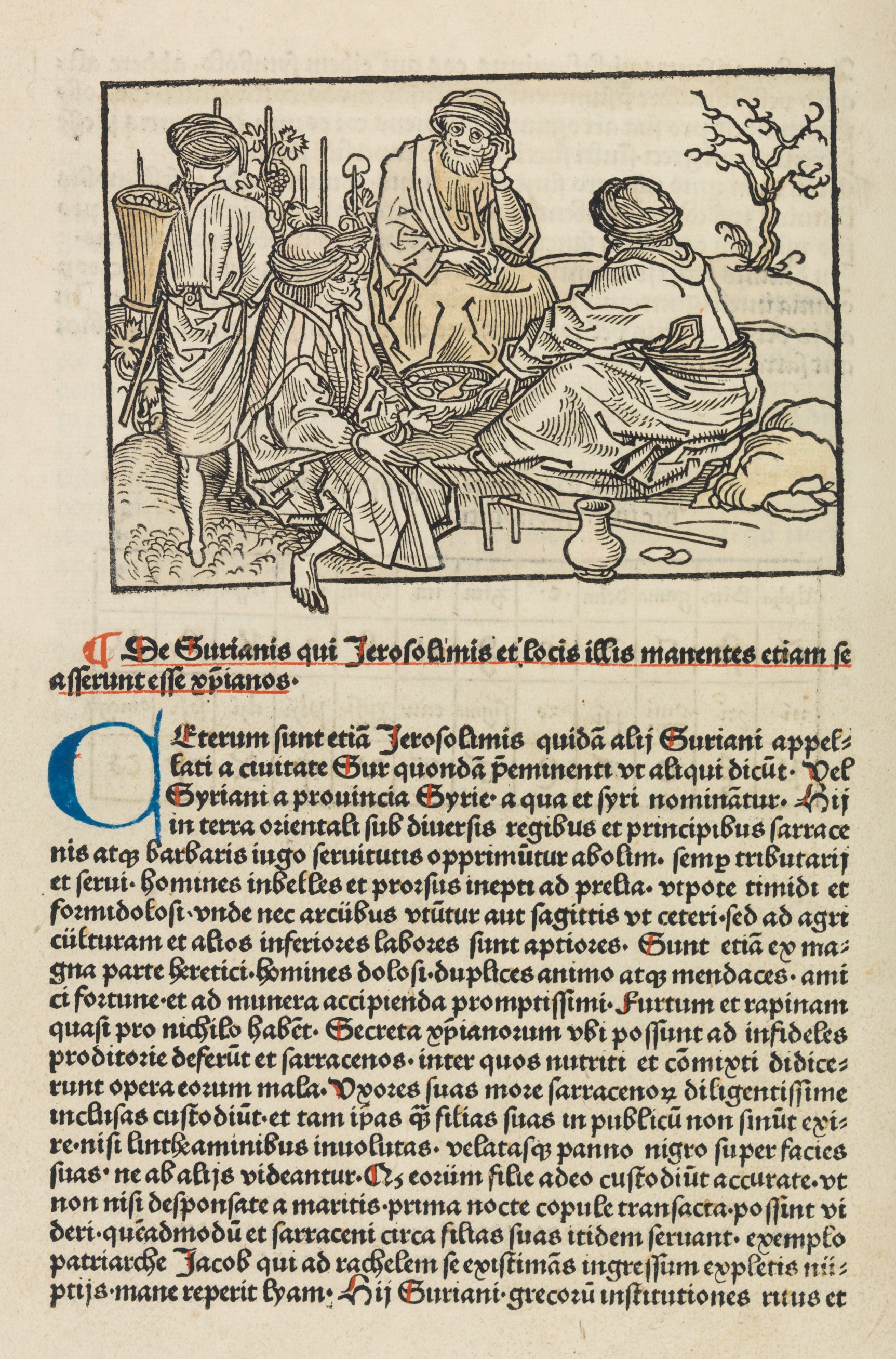
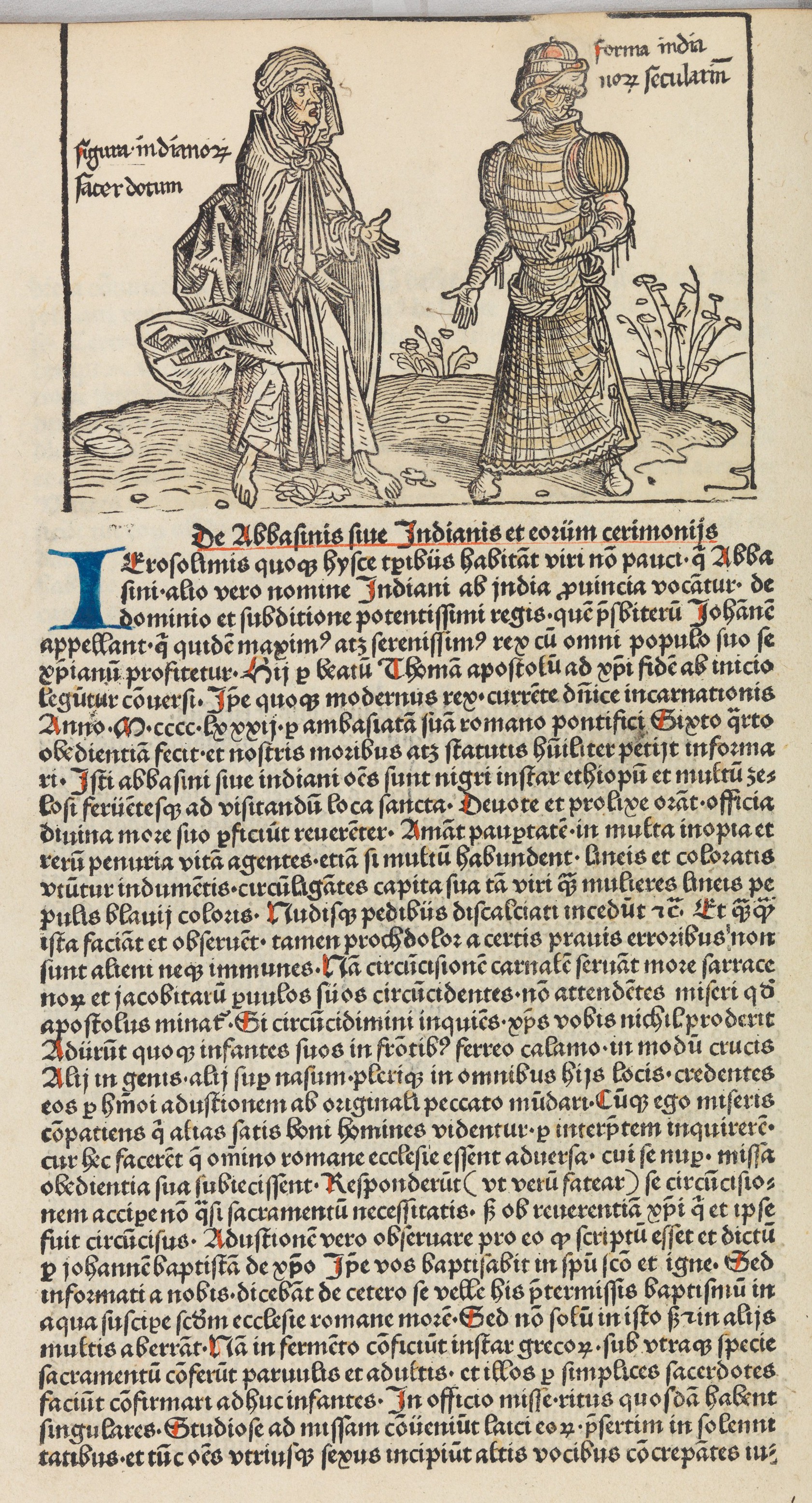
Shifting Borders: A Journey to the Centre of our World(s) at the Treasures of the Brotherton Gallery in Leeds, England, focuses on the world of travel, guidebooks, and historic maps as well as contemporary artists’ books. For my money the highlight of this exhibition is Bernhard von Breydenbach’s Peregrinatio in terram sanctam (Mainz, 1486).

Published in 1486 by Peter Schlöffer the Elder, the groundbreaking volume was the first known printed and illustrated travel guide. Von Breydenbach made the pilgrimage in 1483-4, taking with him Erhard Reuwich of Utrecht, a “skillful artist”, to make drawings of the sights.

Leaving in April 1483 and arriving back in January 1484, they went first to Venice, where they stayed for three weeks. They then traveled by ship to Greece before heading to Israel. Following visits to sights in the Holy Land, they traveled to Egypt and Ethiopia.

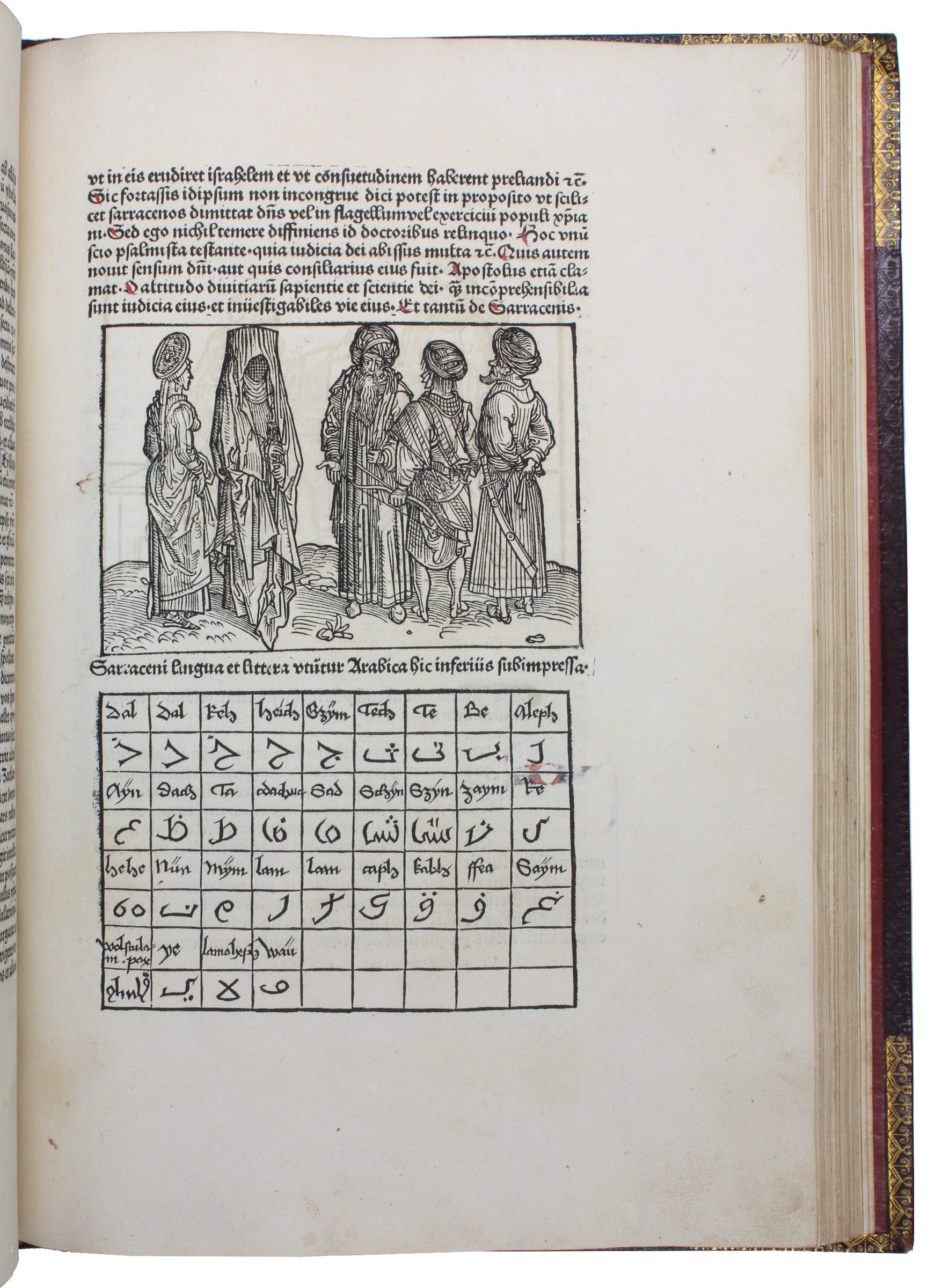
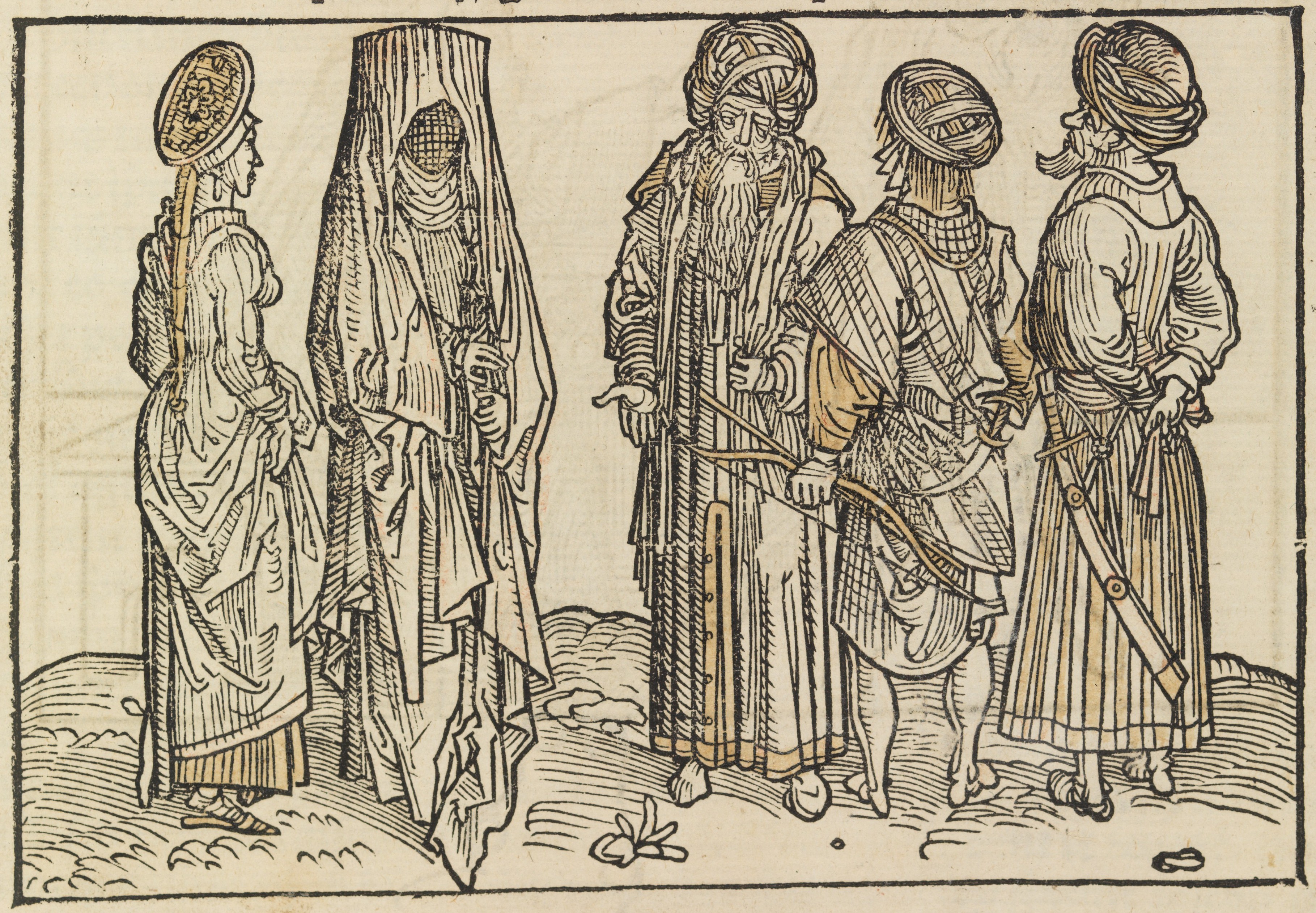
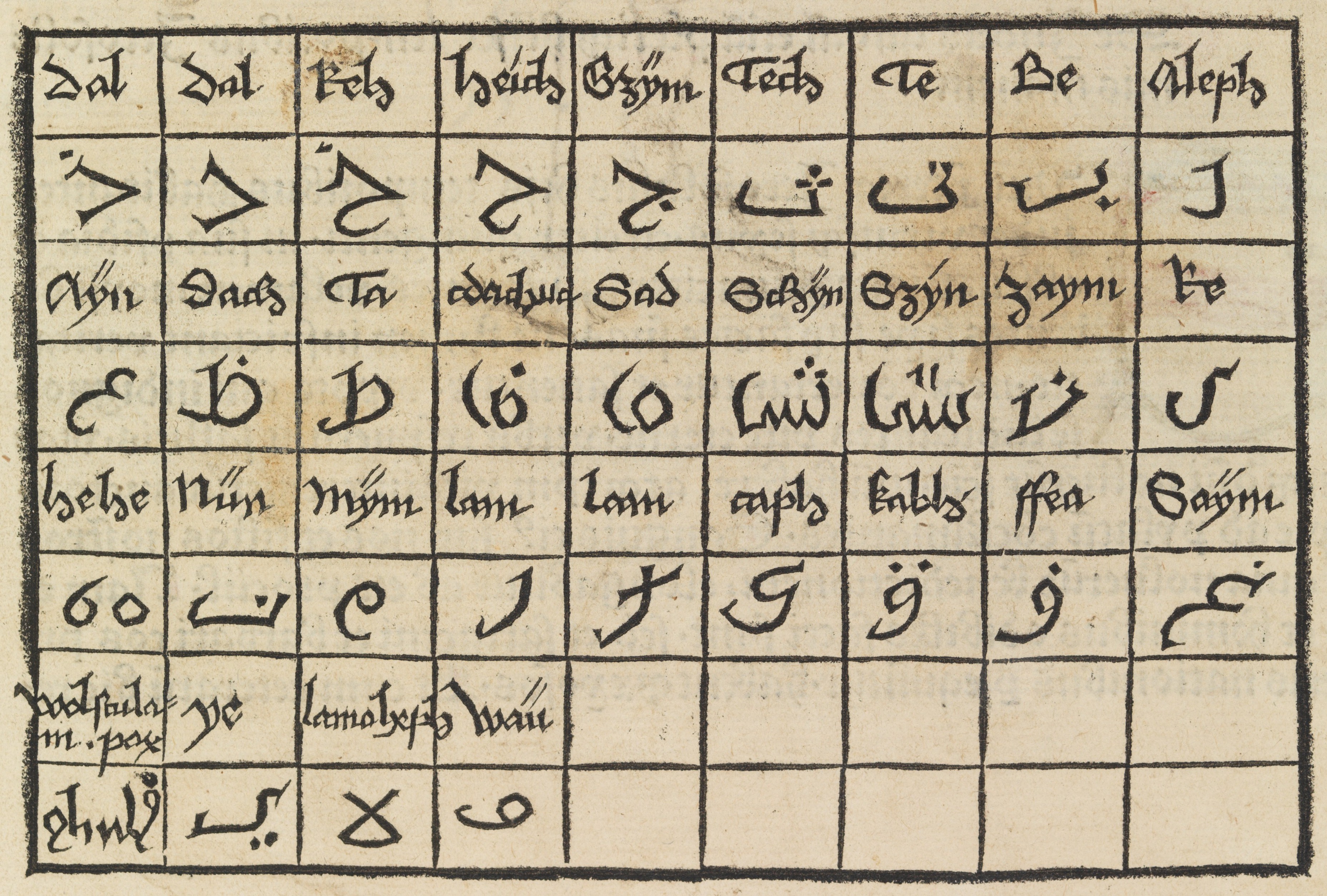
The Peregrinatio in terram sanctam featured five large fold-out woodcuts, including a spectacular panoramic view of Venice, where they had stayed for three weeks. The book also contained a three-block map of Israel and Egypt, centered on a view of Jerusalem, and panoramas of five other cities: Corfu, Rhodes, Modon, Iraklion, and Parenzo. The book also featured studies of Middle Eastern costumes and alphabets. Images of exotic animals seen on the trip were also included.

The book became a bestseller and was reprinted at least thirteen times over the next three decades, including printings in France and Spain, for which the illustration blocks were shipped out to the local printers. The first German language edition was published within a year of the Latin one, and it was also translated into French, Dutch and Spanish before 1500. Additional text-only editions and various abridged editions were also published over the following three centuries. In November 2013 a digital facsimile was available from Universitäts und Landesbibliothek Darmstadt at this linkOffsite Link.

If you would like to have your very own copy of a First Edition, I can get you one for less than $500,000 (including shipping).


Posted in Art, Asia, Books, Europe, History, Maps, Middle East | Tagged , , , | 1 Comment

Not That Orient Express

I am not a cruiseship kind of traveler, but I might make an exception for the sleek new vessel from the Orient Express train people. The new cruiseship, Silenseas, is a luxury ship modeled after historic 19th century vessels. Renowned for highend trains, the Orient Express partnered with Chantiers de l’Atlantique to develop the cruiser, which is both luxurious and technologically cutting-edge.

The Silenseas is 721 feet long with 54 suites on board, with two swimming pools, two restaurants, a speakeasy, an Amphitheatre-Cabaret, a recording studio, a spa, and much more. The luxury hospitality company promises to deliver the same opulence to future sea-faring travelers as its train passengers.

The ship has an over 16,000 square feet ‘SolidSail’ mast system that will aid it in getting to and from its destinations. This is boosted by a secondary hybrid propulsion system that runs on liquified gas.

The Orient Express expects Silenseas to hit the open waters sometime in 2026.


Posted in Europe, Public Transport, Tech, Tourism | Tagged , , | 2 Comments

What’s That Smell: Europe’s Olfactory Heritage

It is commonly accepted that our sense of smell is linked directly to our emotions and our memories. The year-old project Odeuropa is applying state-of-the-art AI techniques to historical texts and image datasets that span four centuries of European history, to identify and trace how smell was expressed in different languages, with what places it was associated, what kinds of events and practices it characterised, and to what emotions it was linked.

The curated research is being used to create novel ways of exploring European cultural heritage. These new storylines are being developed for varied formats for different audiences: as an online ‘Encyclopaedia of European Smell Heritage’, as ‘interactive notebook’ demonstrators, and in the form of toolkits and training documentation describing best-practices in olfactory museology.

The goal of the Odeuropa project is to show that critically engaging our sense of smell and our scent heritage is an important and a viable means for connecting and promoting Europe’s tangible and intangible cultural heritage.

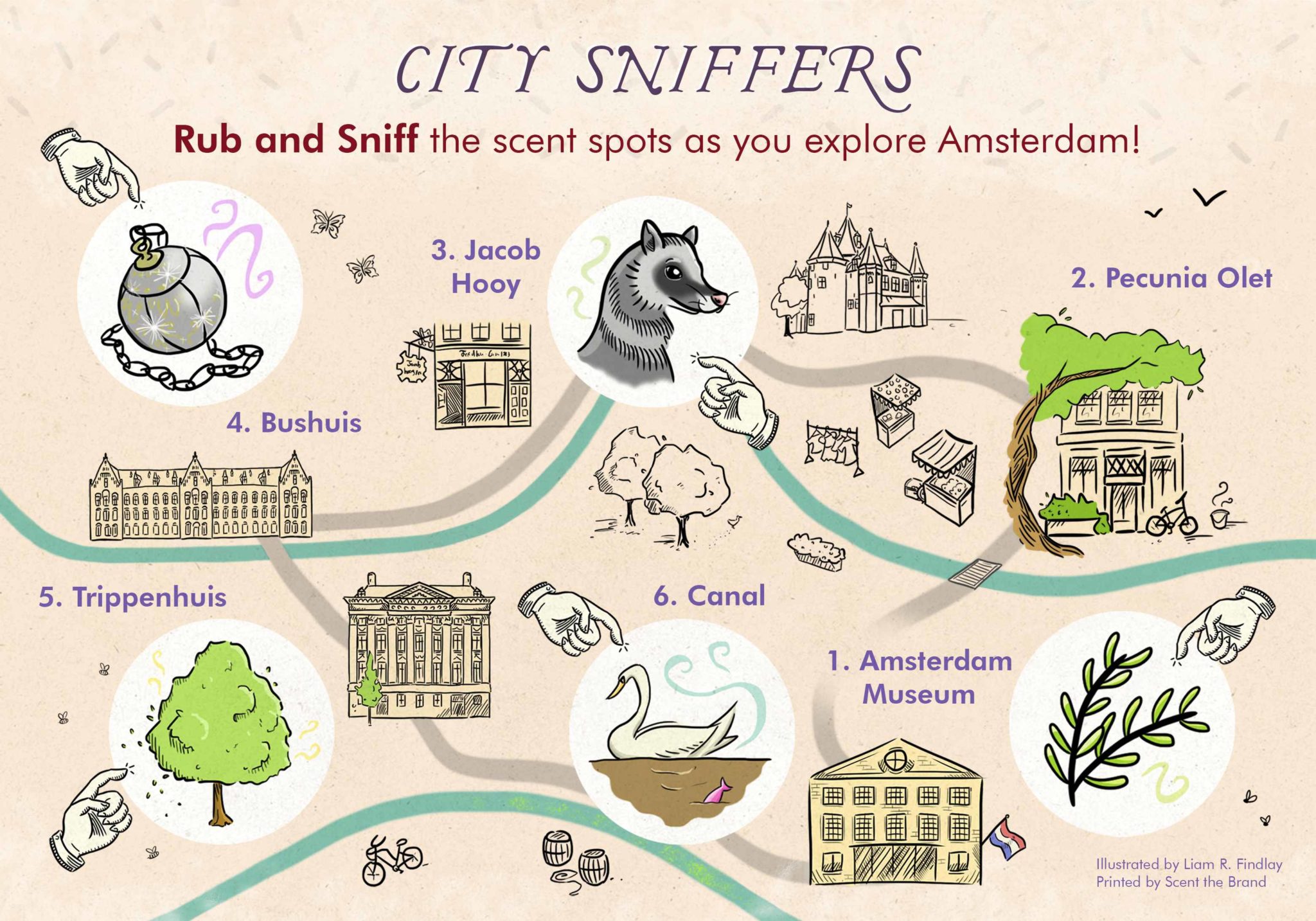
Check out the Smell Explorer for a olfactory European tour. Or Launch of City Sniffers: A smell tour of Amsterdam’s ecohistory cpmplete with scratch and sniff maps.


Posted in Europe, History, Maps, Museums, Tech, Tourism | Tagged , , , , | 1 Comment