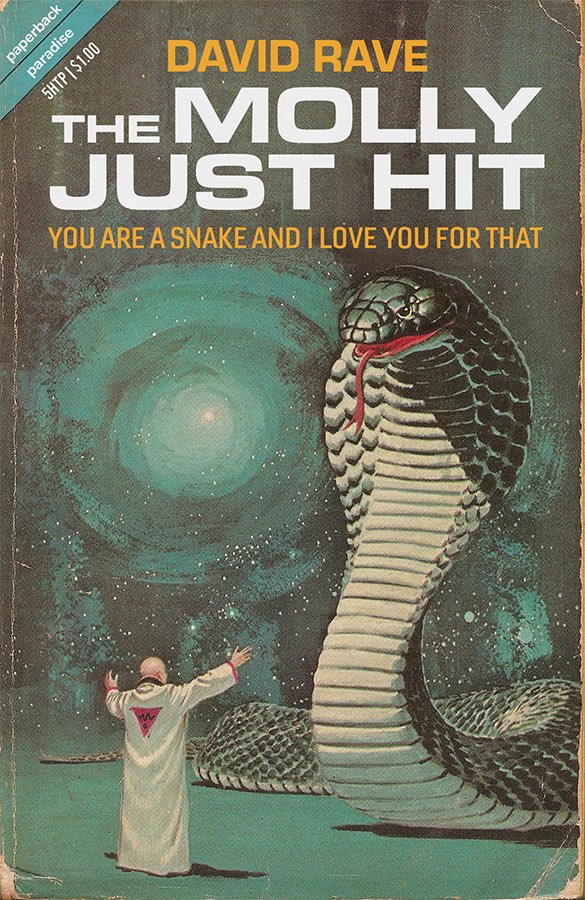
Almost Paradise

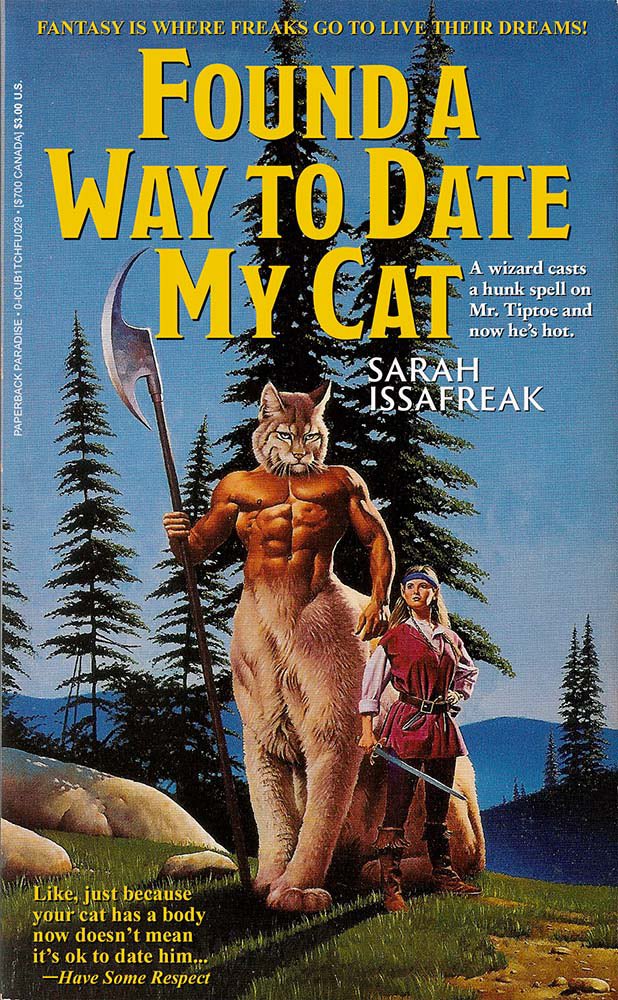
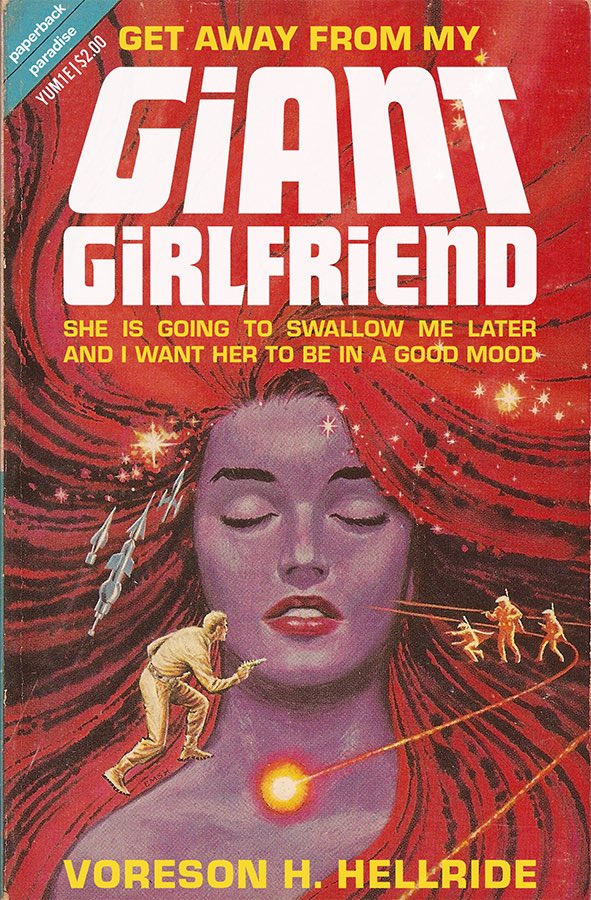
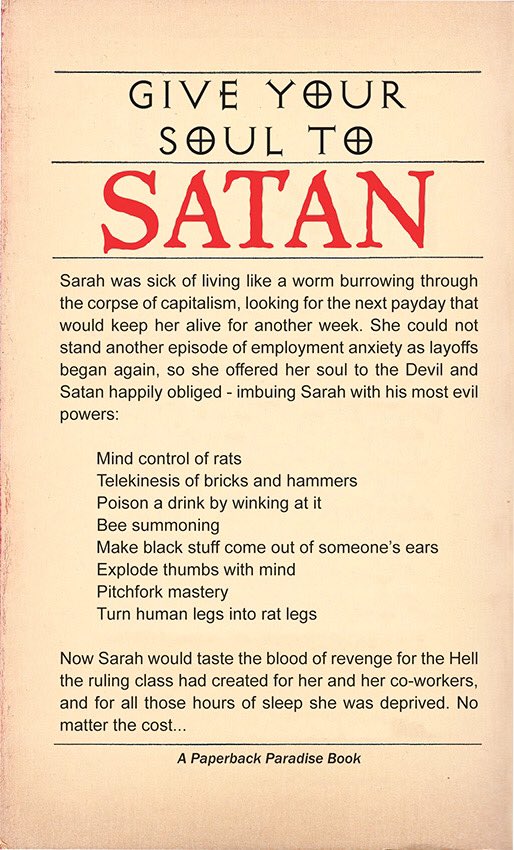
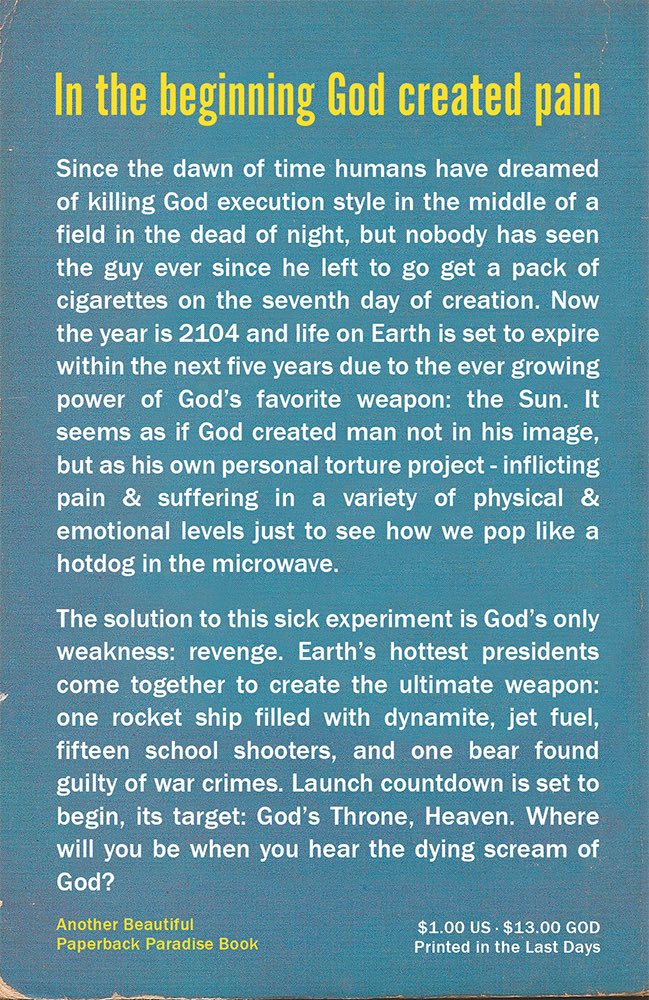
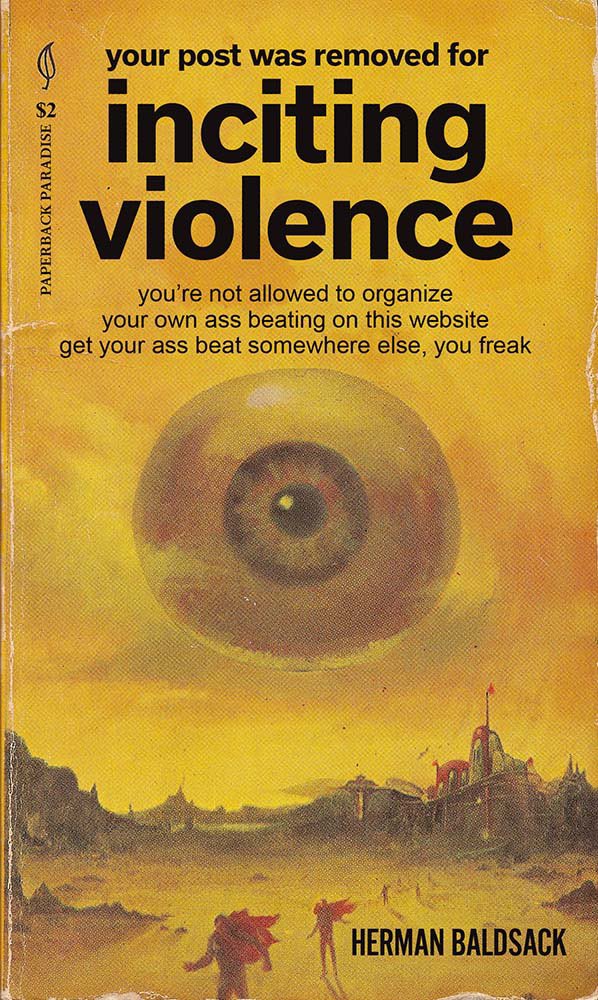
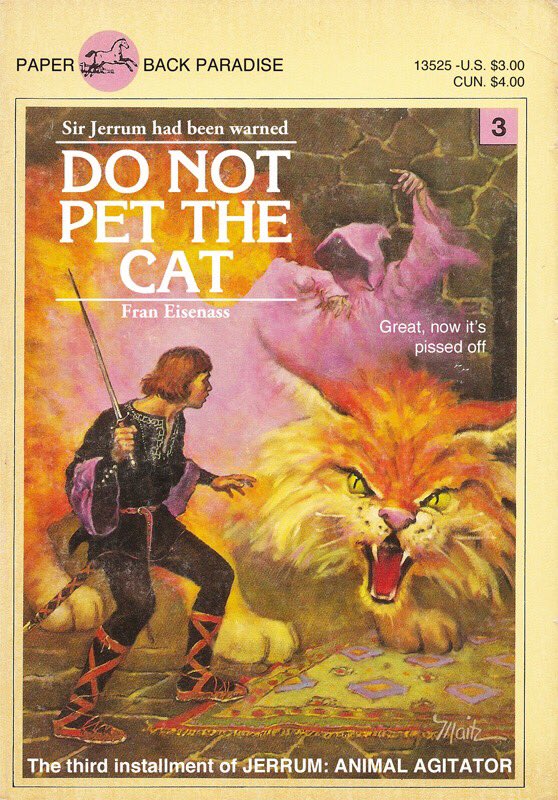
It’s always a happy day when a Tweet from Paperback Paradise pops up in my Twitter feed. I know that I’ve posted about the project before, but one can never have enough bibliophile humor. The graphic designer Domi creates the wildly popular Twitter and Instagram accounts @PaperbackParadise. He sources real paperback books that he then reworks on Photoshop. His parodies typically come with a helping of absurdist dark humor. Not for the faint of heart, Paperback Paradise can be raunchy, crude or even morbid. Domi finds humor in places others might not go.
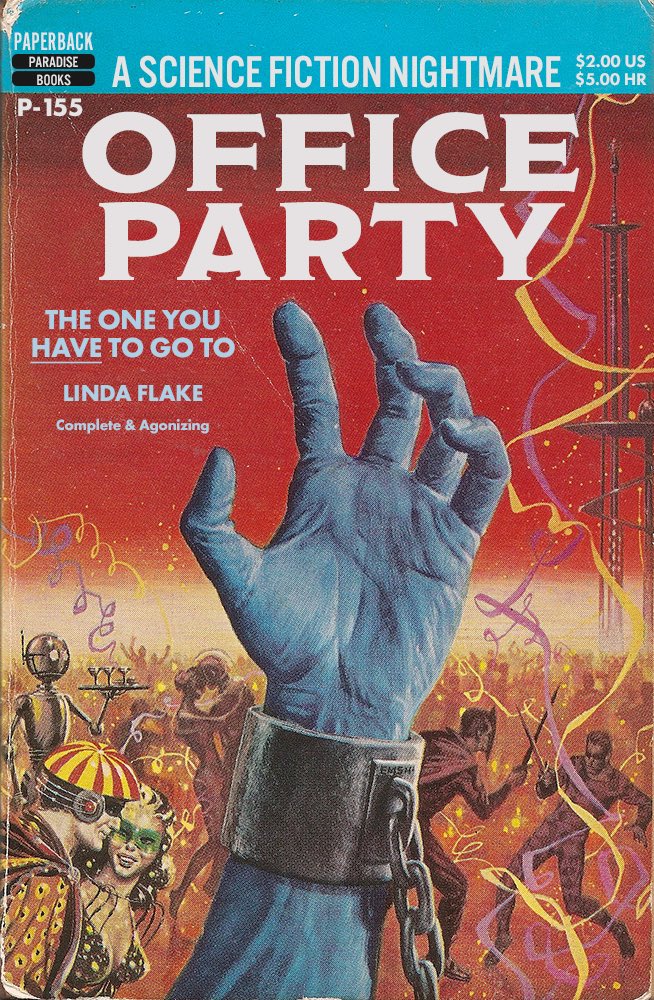
What makes Ppaerback Paradise so effective is Domi’s ability to reinterpret the covers so realistically. His recreations of pulp and genre covers is so artfully accomplished that the viewer might not even realize that they are actually photoshopped.
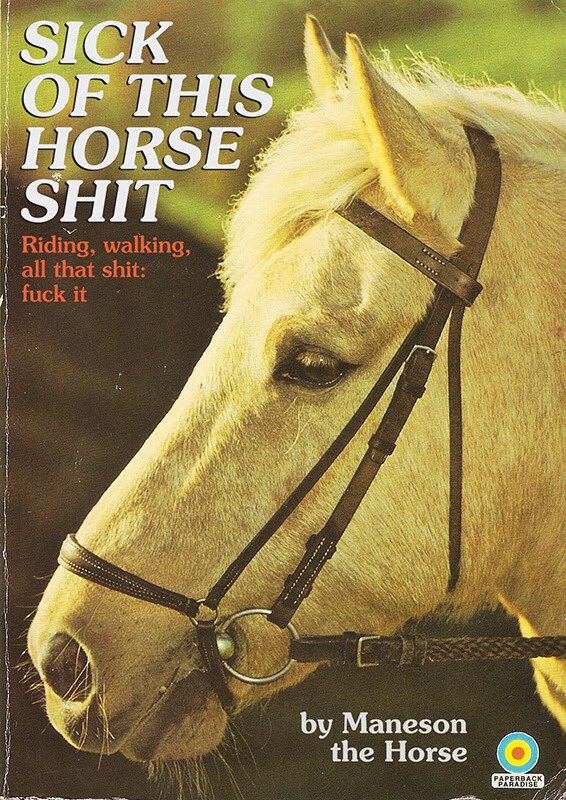
Domi began working on his reinterpreted covers years ago when he worked in a comic book store. Eventually he switched from superhero comic covers to pulp paperbacks to mine the vast number of books begging for a rework.
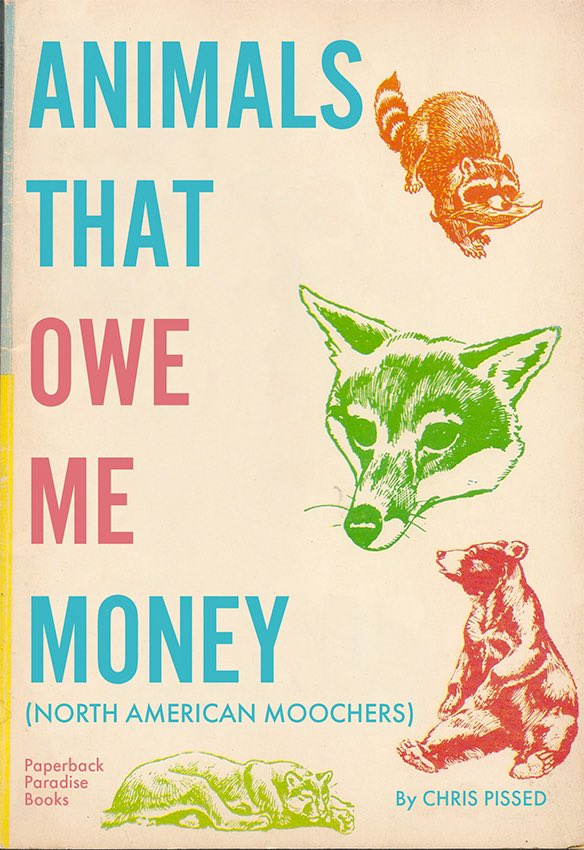
Paperback Paradise has a huge following on Instagram and on Twitter. Domi also sells merchandise including bookmarks, stickers, prints, and apparel that feature his covers online.


Posted in Art, Books | Tagged , , , , , | Leave a comment

your one wild and precious life

Who made the world?
Who made the swan, and the black bear?
Who made the grasshopper?
This grasshopper, I mean—
the one who has flung herself out of the grass,
the one who is eating sugar out of my hand,
who is moving her jaws back and forth instead of up and down—
who is gazing around with her enormous and complicated eyes.
Now she lifts her pale forearms and thoroughly washes her face.
Now she snaps her wings open, and floats away.
I don't know exactly what a prayer is.
I do know how to pay attention, how to fall down
into the grass, how to kneel down in the grass,
how to be idle and blessed, how to stroll through the fields,
which is what I have been doing all day.
Tell me, what else should I have done?
Doesn't everything die at last, and too soon?
Tell me, what is it you plan to do
with your one wild and precious life?

—Mary Oliver

NB: if the video above fails to launch, please visit our homepage.

Posted in Books, USA, Writing | Tagged , | Leave a comment

Compounding Your Pejoratives

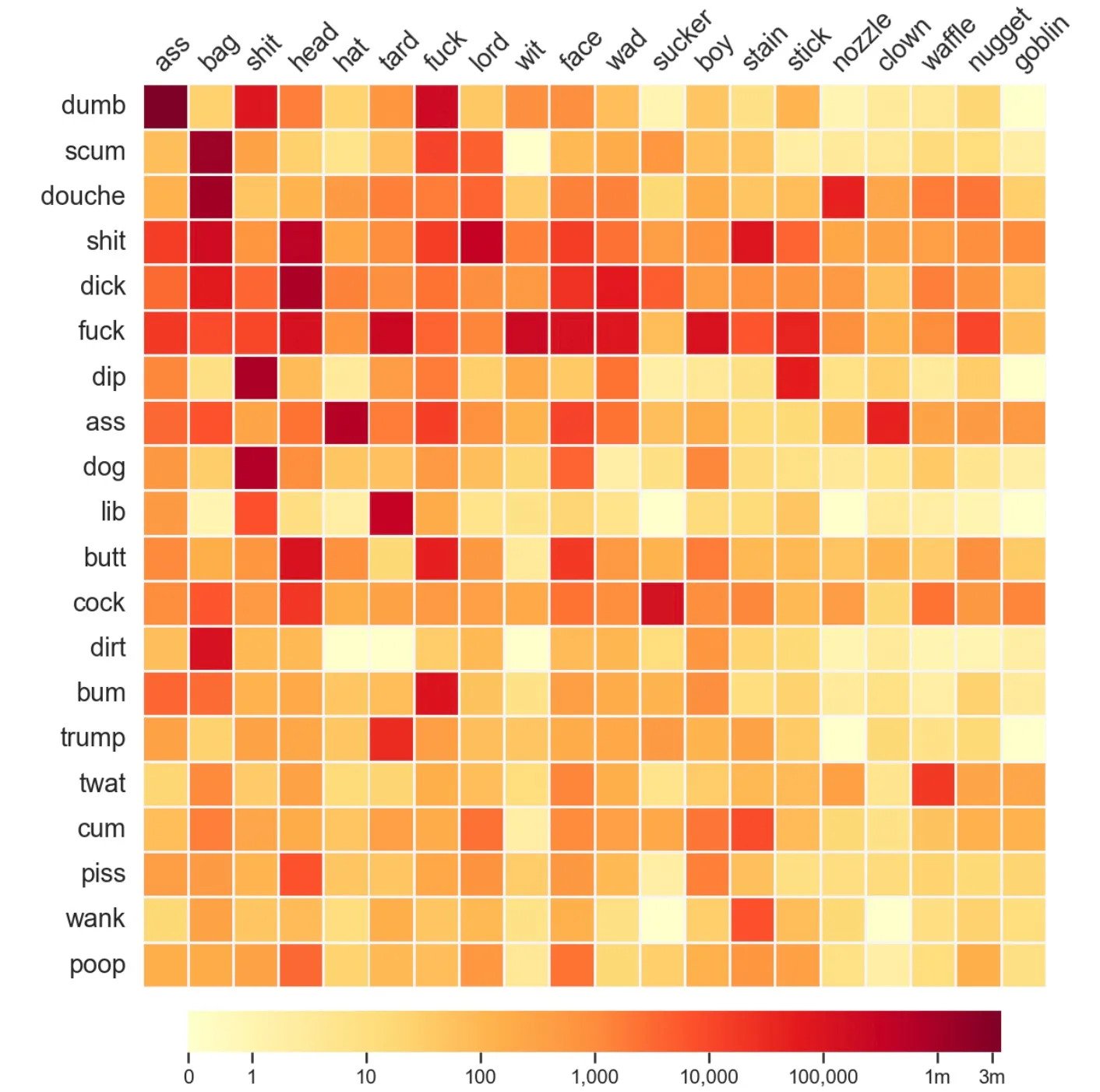
I have recently found myself reaching for both colorful and acceptable pejoratives when commenting on social media sites. This is partly due to the necessity of avoiding Twitter jail, but also to liven the mood. The terrific chart above was created by Colin Morris who noted that a certain form of compound pejoratives—two words such as “buttface”, “shitlord”, “douchebag”—are found in diverse yet formulaic proliferation. According to Morris:

I collected lists of around 70 prefixes and 70 suffixes (collectively, “affixes”) that can be flexibly combined to form insulting compounds, based on a scan of Wiktionary’s English derogatory terms category. The terms covered a wide range of domains, including:

scatology (fart-, poop-)
political epithets (lib-, Trump-)
food (-waffle, -burger)
body parts (butt-, -face, -head, -brains)
gendered epithets (bitch-, -boy)
animals (dog-, -monkey)

So have at it. Treat your favorite social media trolls to some inventive insults.


Posted in USA, Writing | Tagged , , , | Leave a comment

The Grim Reader


Posted in Animation, Art, Books | Tagged , , | Leave a comment

Librarians on Horseback

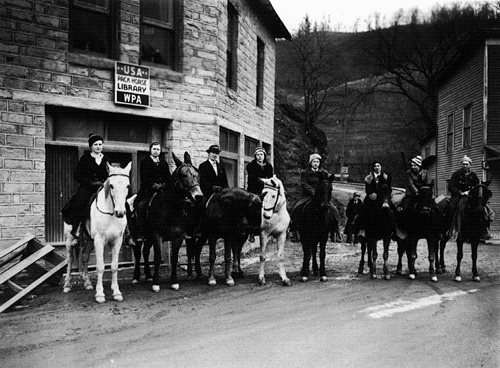
The Pack Horse Library Project was a  wonderful Works Progress Administration (WPA) project that delivered books to remote regions in the Appalachian Mountains between 1935 and 1943. The program created thirty libraries and served more than 100,000 people in rural communities.

NB: If for some reason the video above does not launch in your email version of the blog, please click on the link

Posted in Books, Film, History, Libraries, USA | Tagged , , | 1 Comment

How Does Venice Work

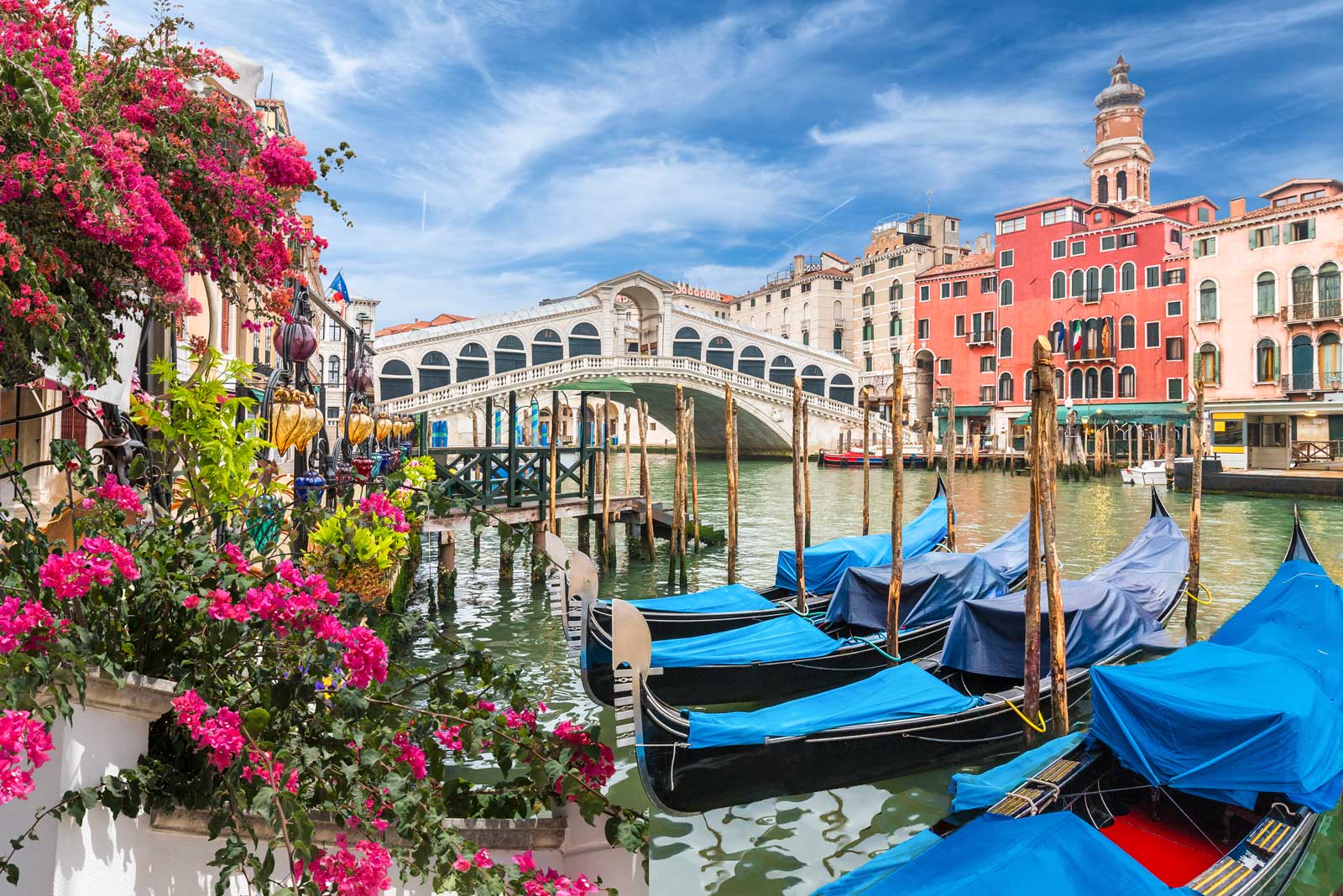
Venice is a romantic and intriguing destination, but its unique situation and history make for a myriad of challenges. The canals, the sewers, the buildings, the bridges and the rest of the Venice’s infrastructure has all been engineered to deal with a singularly difficult environment: not-particularly-solid ground constantly battered by salt water. In the short film below, the many mysteries of how the city works and what steps have been taken over the centuries to ensure the smooth function of the city are revealed.


Posted in Architecture, Europe, Film, History, Public Transport, Tech, Tourism | Tagged , | 2 Comments

Emily Dickenson Gamified

I have never been much of a gamer, but I had to check out this bizarre video game based on the poetry of Emily Dickenson. Emily Blaster: is a little shooting game in which you attempt to piece together selected poems by Emily Dickinson by shooting words out of the sky. This is seemed to be a clever way of introducing kids to Dickenson’s verse, however it turned out to be the promotion for a recently released book.

To celebrate the release of Gabrielle Zevin’s Tomorrow, and Tomorrow, and Tomorrow, Knopf built a real-life version of one of the games featured in the book. According to the author: “The game was inspired by the poetry of Emily Dickinson and by edutainment games of the 1980s, like Math Blaster! I liked the slight subversiveness of making a game where the object was to shoot poetry, and I thought that Emily Dickinson’s compact verse style and memorable phrasings would make for perfect targets. Emily Dickinson’s poem “That Love Is All There Is” is featured in EmilyBlaster, and it also provides the epigraph for the novel. I’ve been obsessed with this poem for roughly half my life: Dickinson begins with a riddle about love and answers it with a machine-based metaphor. I joked to my editor that this poem is basically Tomorrow, and Tomorrow, and Tomorrow, but in four lines.”

Play the game here.


Posted in Books, USA, Writing | Tagged , , | 1 Comment

Paris to Zermatt in only 20 hours

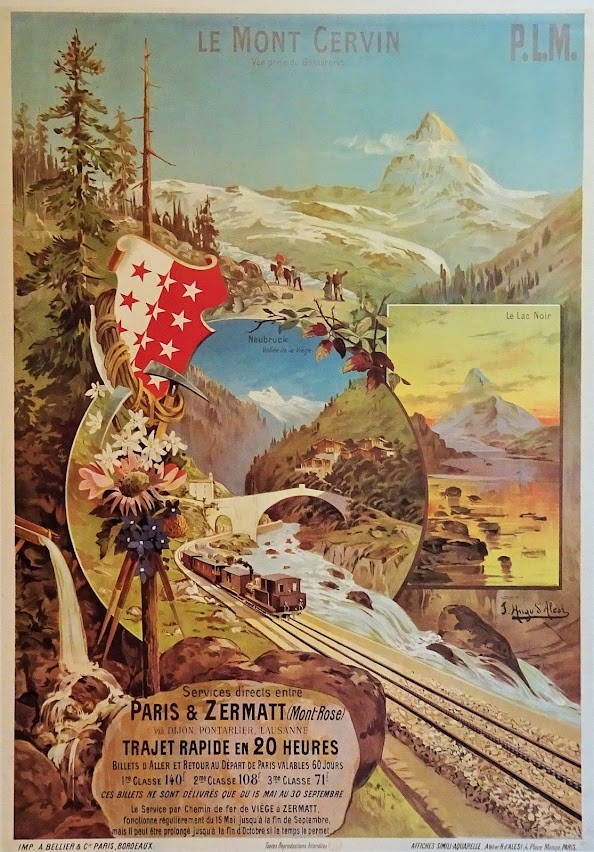
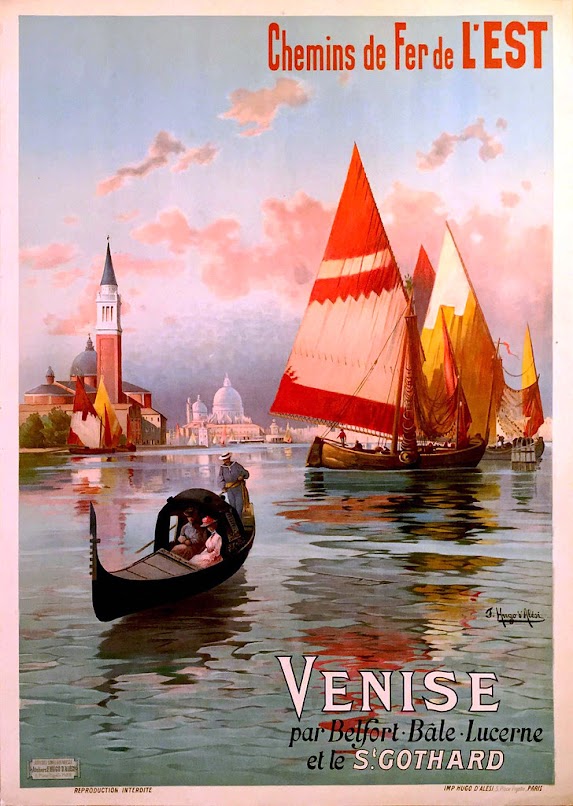
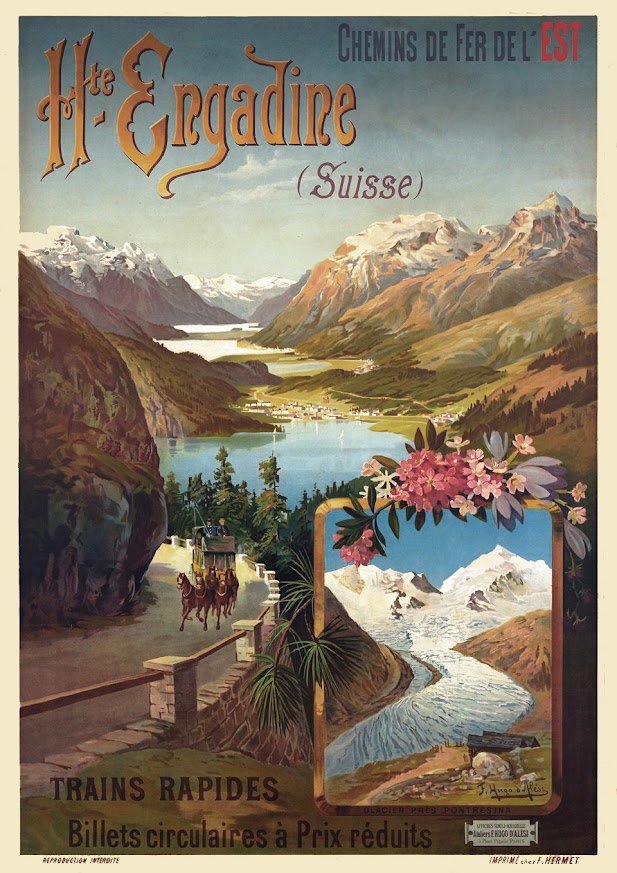
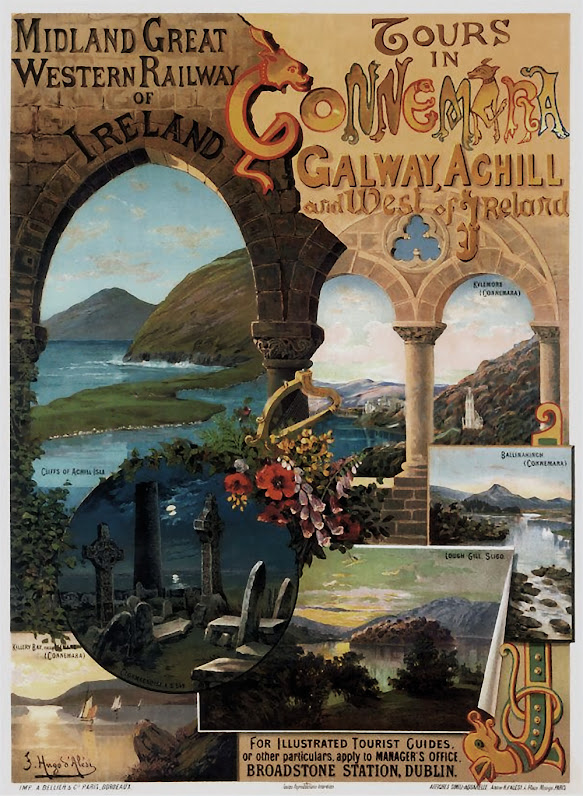
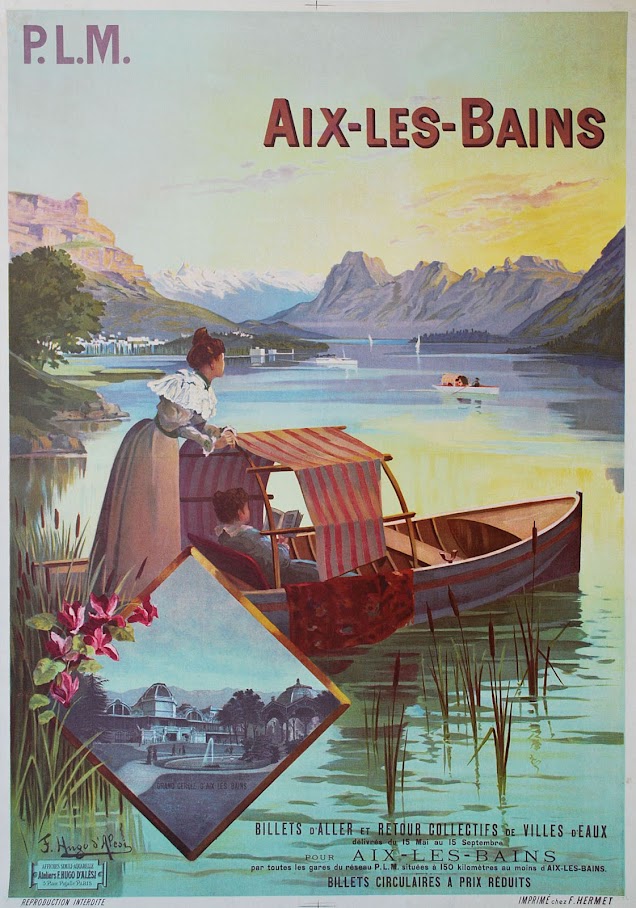
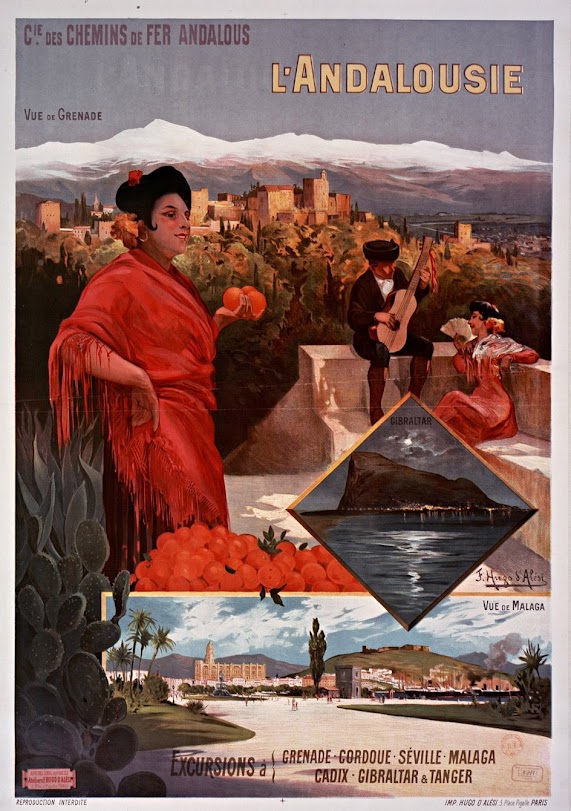
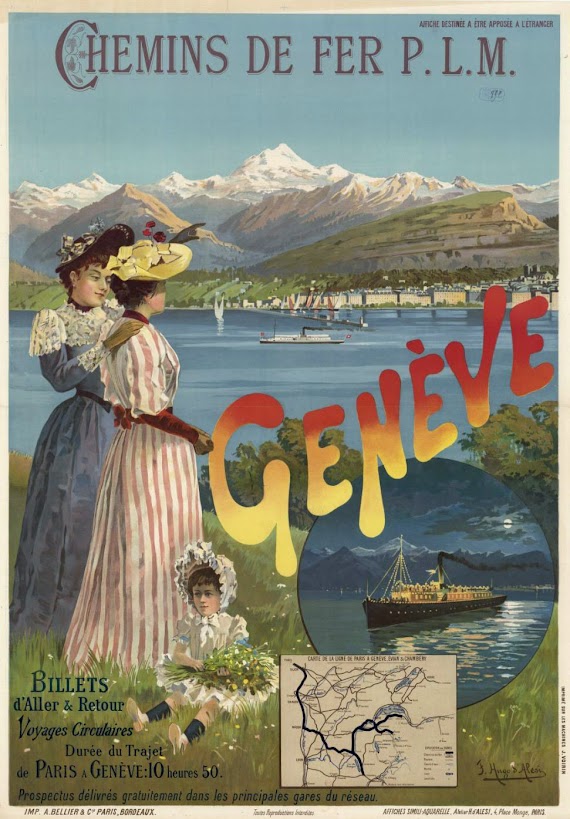
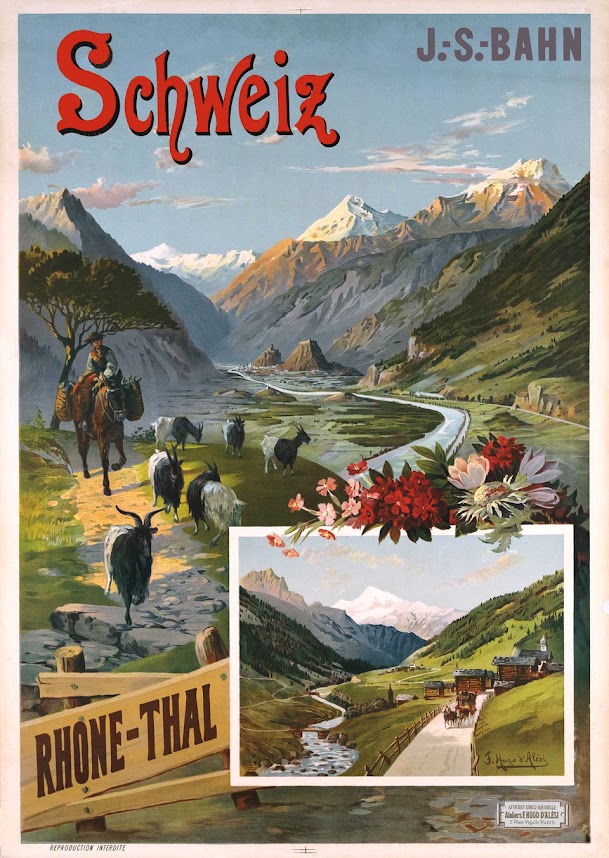
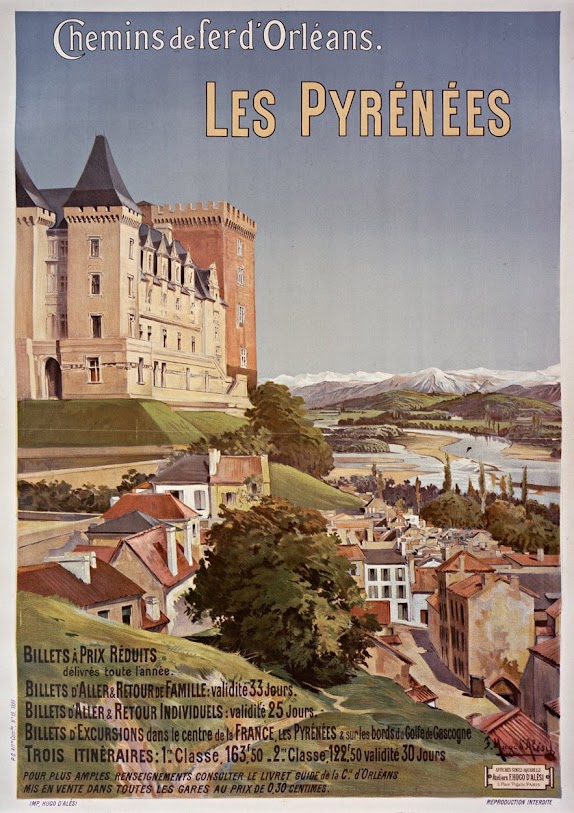
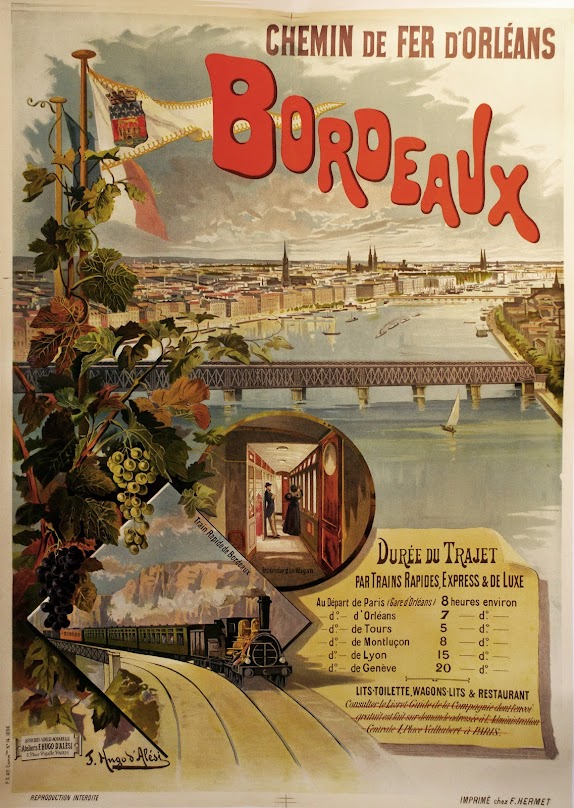
Regular visitors to Travel Between The Pages are well aware that I am a sucker for travel posters. I especially love historic tourism and railway advertising artwork. Recently, I fell down a rabbithole exploring the brilliant poster art by the Romanian-born Frédéric Hugo d’Alési who was one of the earliest artists to design posters for the French railway companies. These extraordinary works of art were printed using a process akin to chromolithography, called simile-aquarelle (“faux watercolour”), that required up to 20 different colours to render the final image, making them much more richly printed, detailed and painterly than the travel posters from subsequent decades.  D’Alési created hundreds of posters for the railway companies in France, Switzerland, and Ireland.


Posted in Art, Europe, History, Public Transport, Tourism | Tagged , , , , , | 1 Comment

When Life Imitates Art

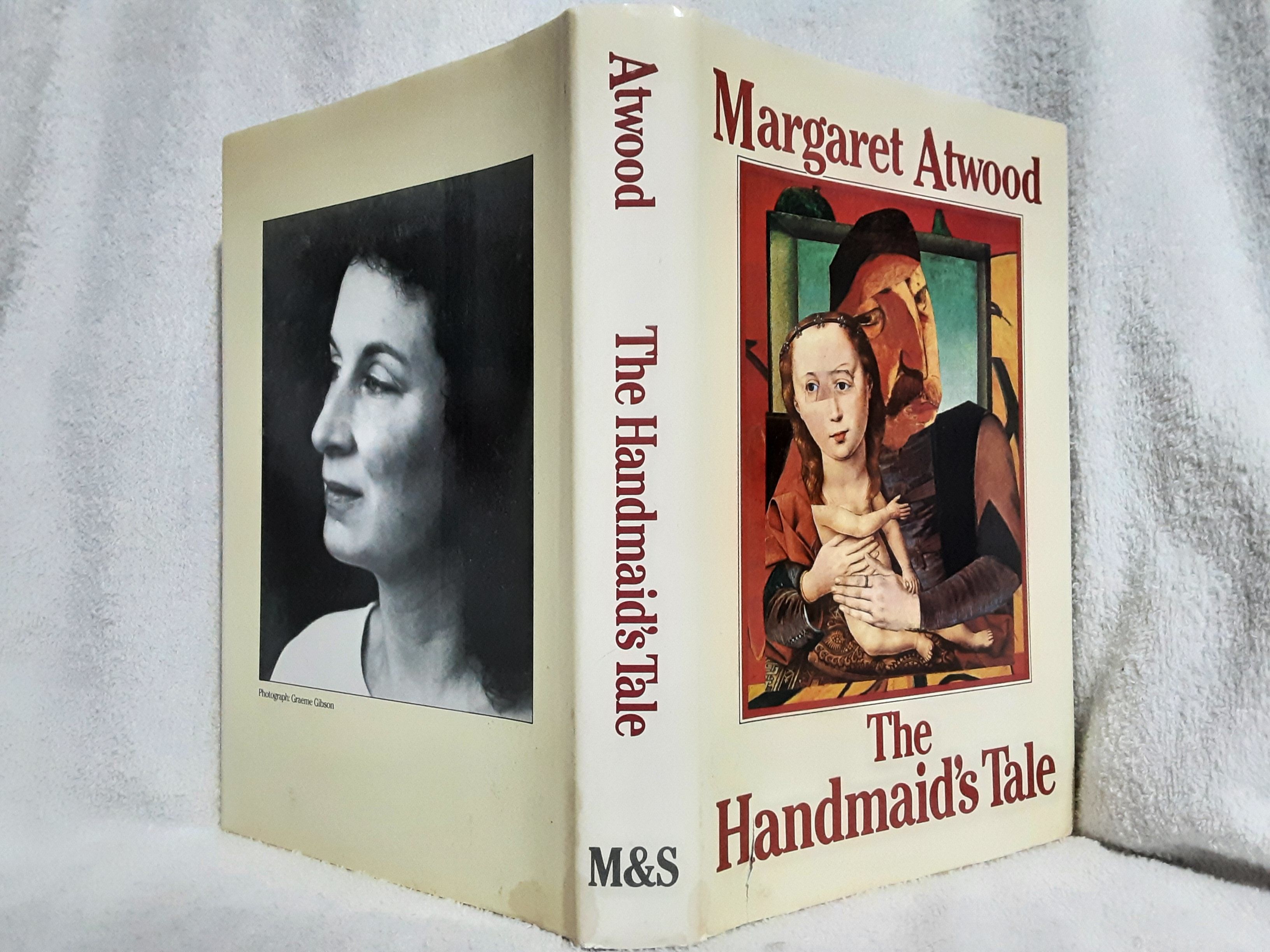
Margaret Atwood :  “I’m waiting for the first lawsuit. I’m waiting, you know, for the lawsuit in which the family of the dead woman sues the state… And I’m also waiting for a lawsuit that says if you force me to have children I cannot afford, you should pay for the whole process. They should pay for my prenatal care. They should pay for my, otherwise, very expensive delivery. You should pay for my health insurance. You should pay for the upkeep of this child after it is born. That’s where the concern seems to cut off with these people. Once you take your first breath, it’s out the window with you. And, it is really a form of slavery to force women to have children that they cannot afford and then to say that they have to raise them… People have to decide what kind of world they want to live in. Are we in favor of forced childbirth? Because that’s the world that we are going to get if we shut down reproductive rights. Right to life is one way of putting it. Forced childbirth is another way.”

Posted in Books, Canada, USA, Writing | Tagged , , | Leave a comment

Travel can be shattering

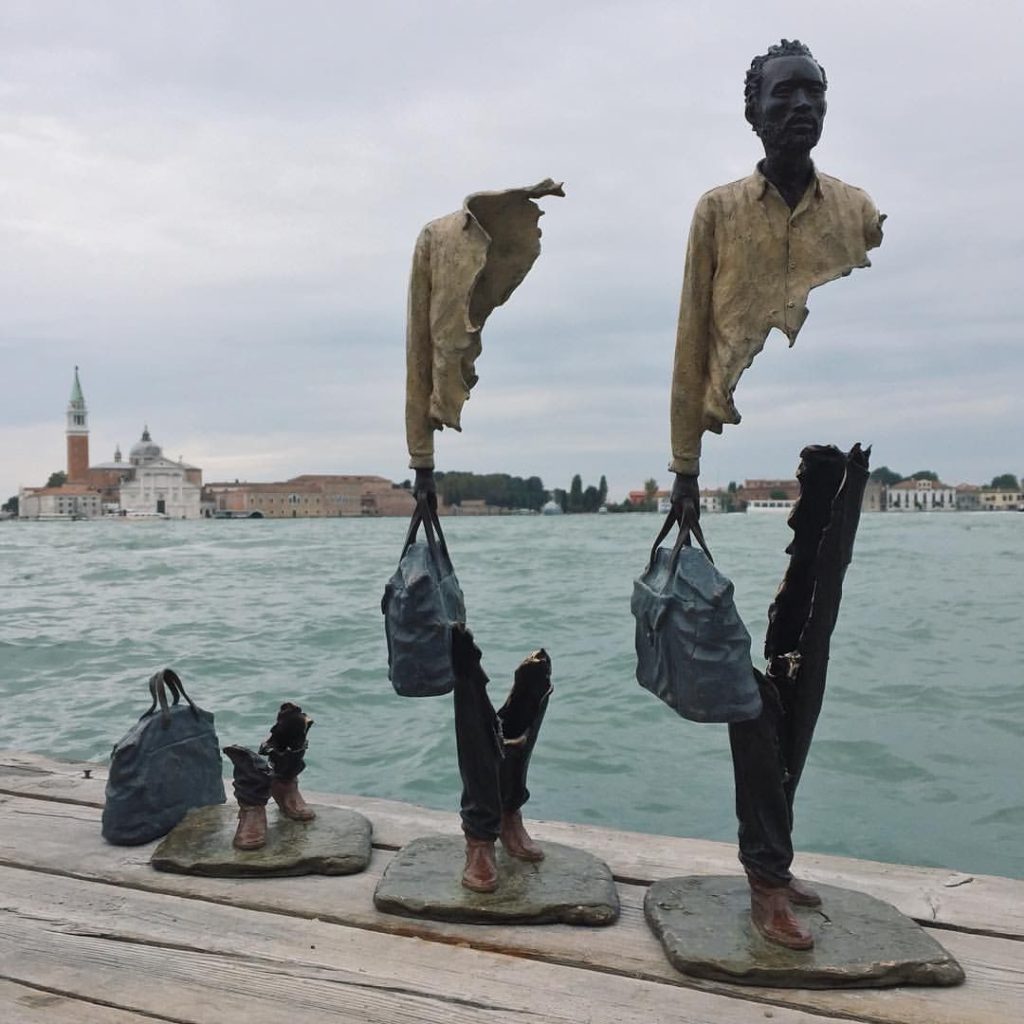
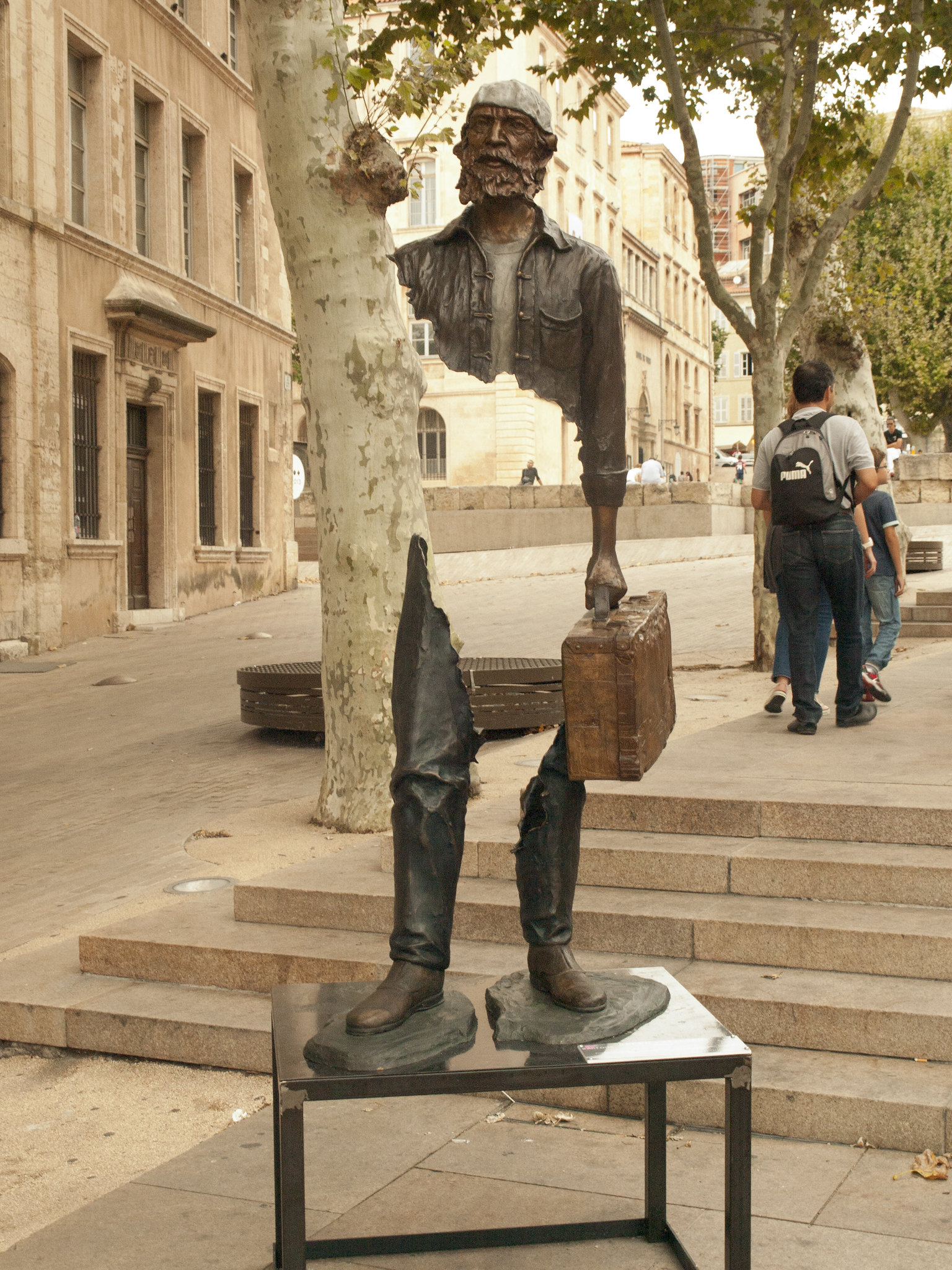
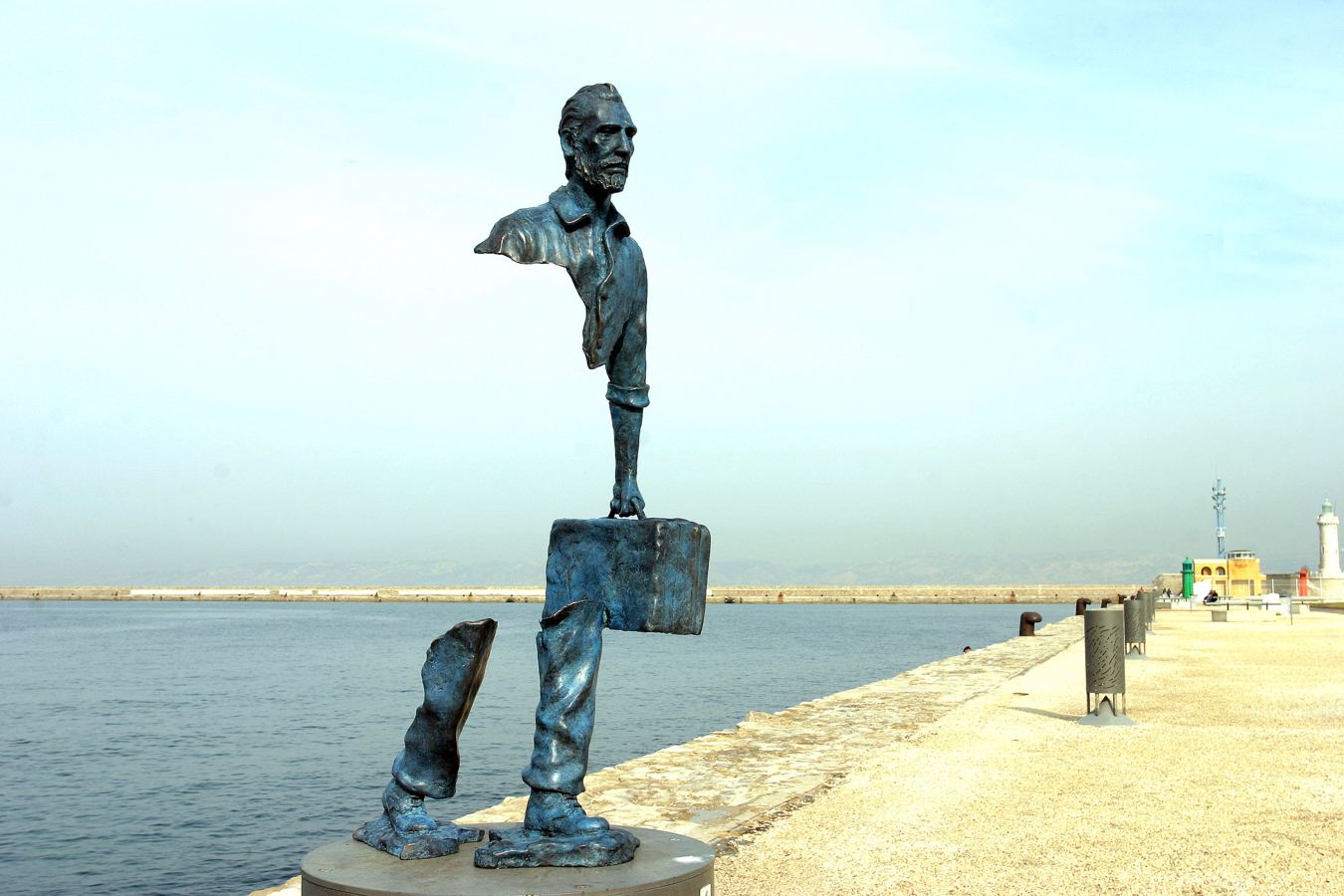
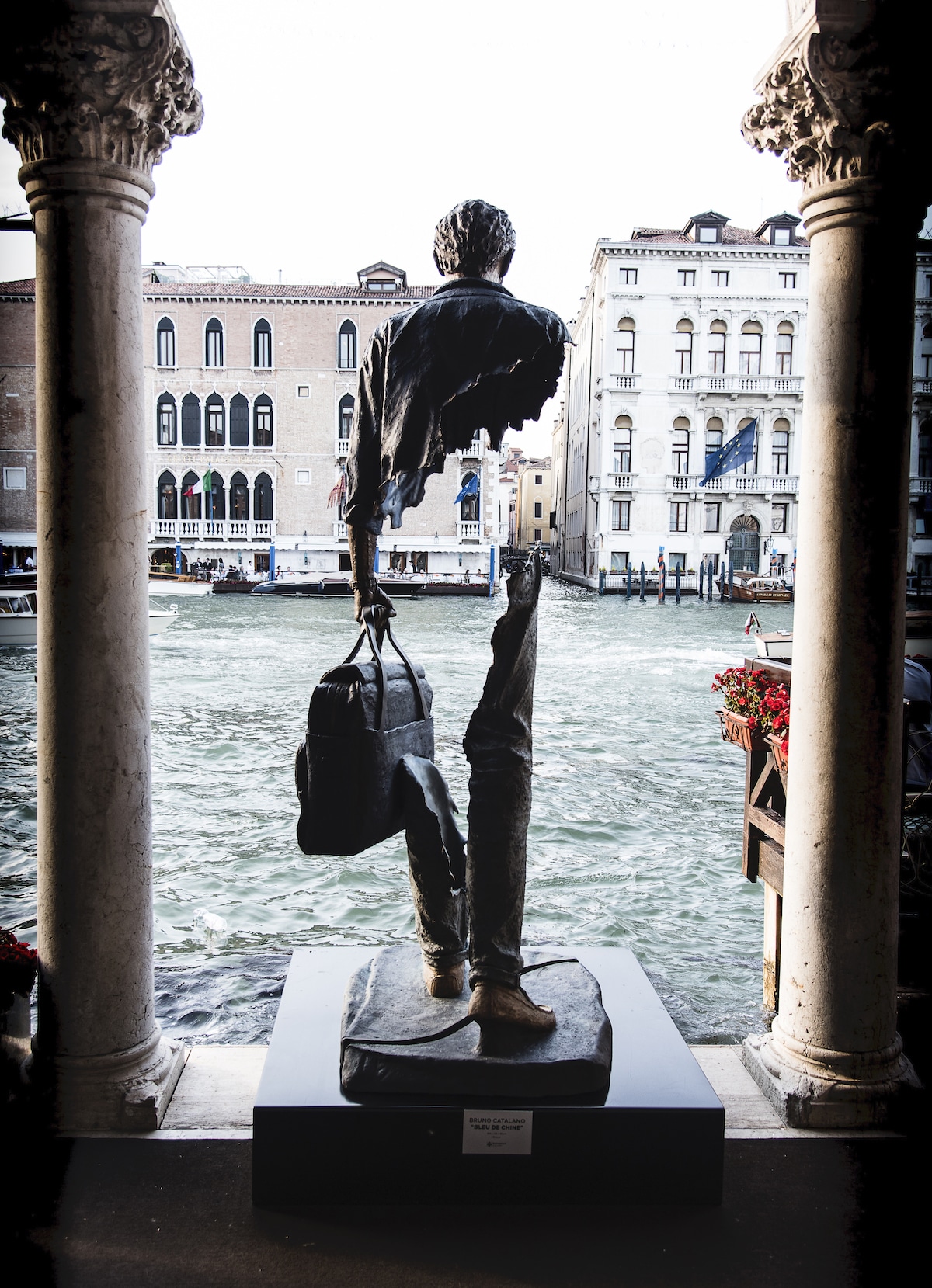
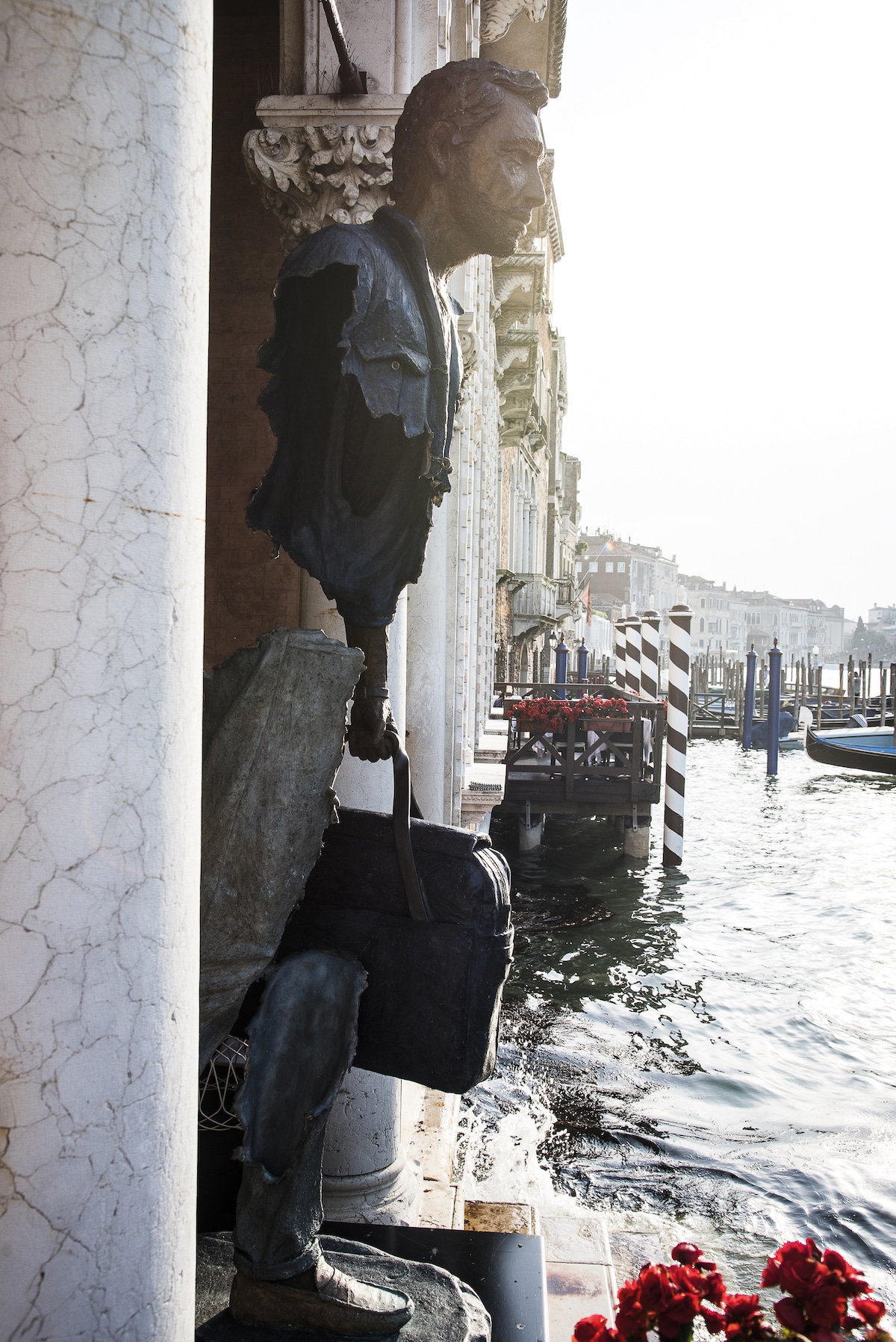
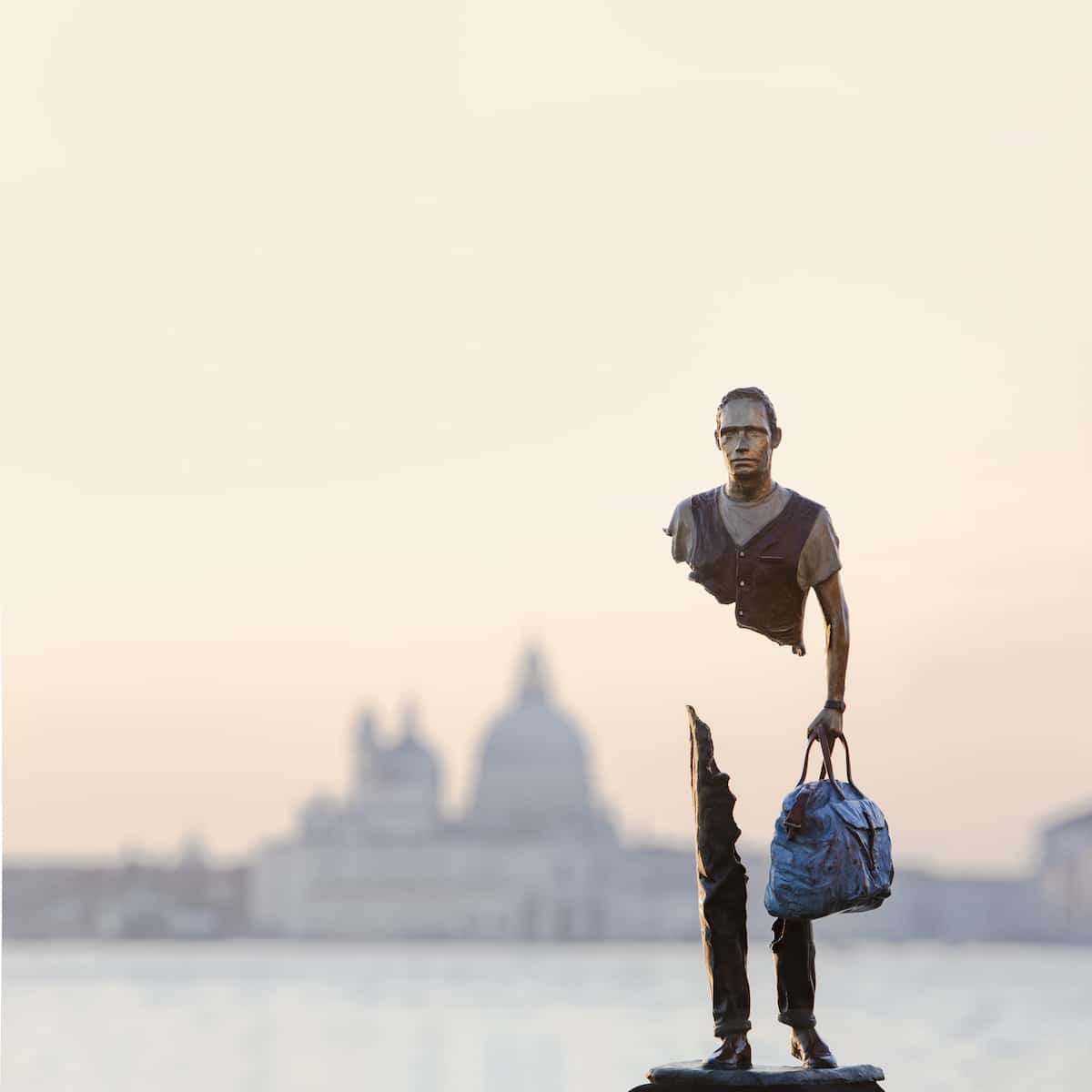
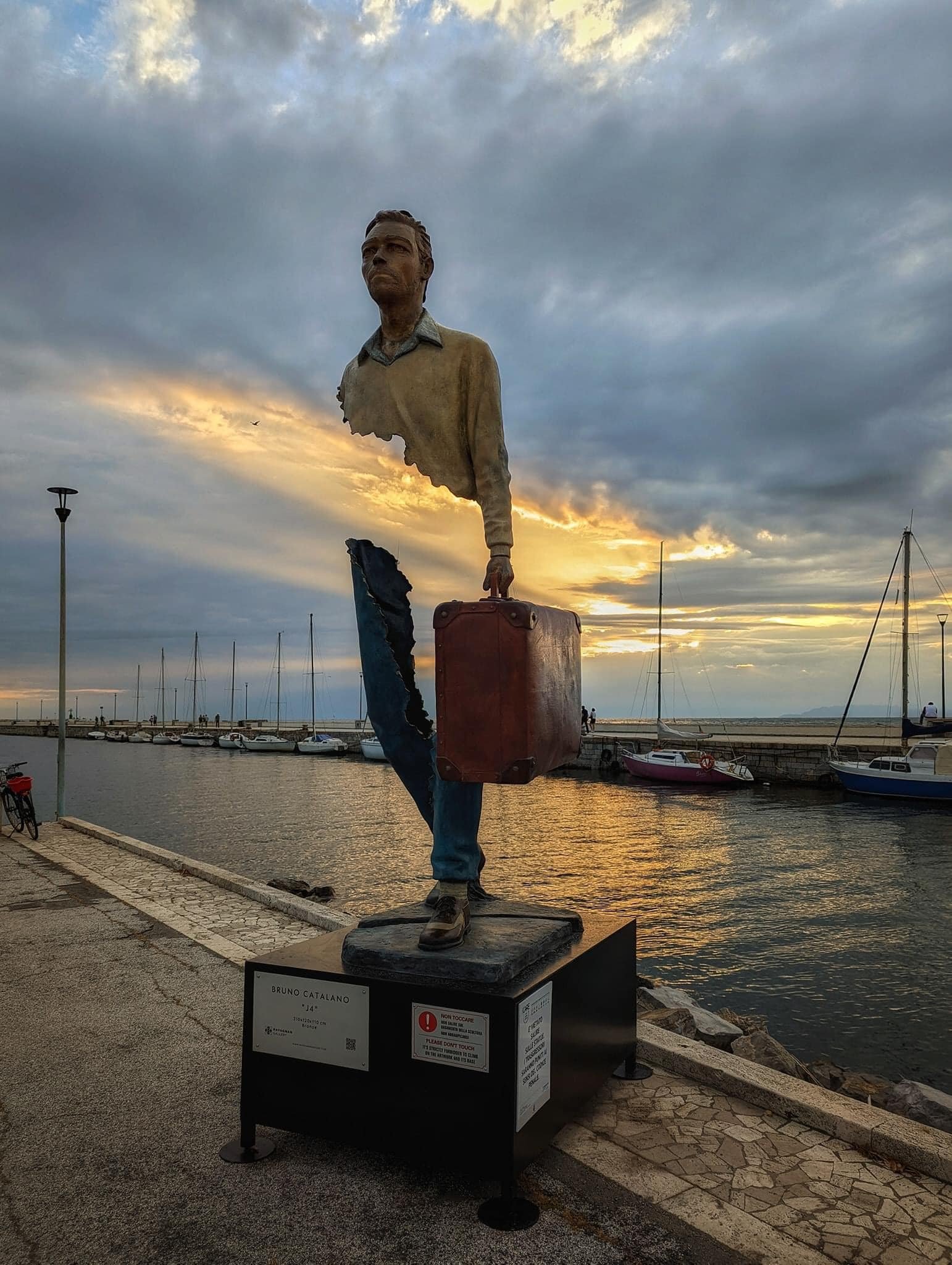
At one time or another even the most veteran travelers can feel a little fragmented by the experience. Sculptor Bruno Catalano masterfully captures those feeling of disruption many of us feel during our travels.

Catalano was born in Morocco to a Sicilian family. At ten, he and his family moved to France. At twenty, he became a sailor. He says that all his travels made him feel that part of him was gone and will never return.


Posted in Art, Europe, Tourism | Tagged , , | 2 Comments