WHAT KIND OF DAYS ARE THESE
Adrienne Rich
WHAT KIND OF DAYS ARE THESE
Adrienne Rich
Way back in the antedeluvian days of the last century, I spent quite a bit of time in Washington D.C.. So much so that I eventually wrote a travel guidebook for budget travelers to the U.S. capital. During my book research I survey DC visitors and discovered that a clear majority of them named the Lincoln Memorial as their favorite historical site. Personally, I have always felt that the memorial to America’s greatest President is extraordinarily moving. This month the United States marks the centennial of the Lincoln Memorial. This monument to our 16th President was dedicated on Memorial Day (then Decoration Day) in 1922 and its one hundred year birthday falls on Memorial Day this year. The Lincoln Memorial is visited by millions every year in Washington, D.C., and has been the site for many memorable speeches and events over time.
On May 30, 1922, approximately 50,000 people gathered around the base of the memorial and some along the Reflecting Pool. Three main speakers addressed the crowd, and were broadcast to as many as 2 million over the radio: Chief Justice William Howard Taft, President Warren G. Harding and Dr. Robert Russa Moton, principal of the Tuskegee Institute. Dr. Moton delivered the keynote address for the dedication. Ironically they spoke to a segregated crowd about the discrimination African Americans continued to face.
In attendance that day amongst the crowds were veterans of the U. S. Civil War from the North and the South, as well as Lincoln’s eldest son, Robert Todd Lincoln. For this month’s celebration the National Park Service, will hold a ceremony “Building on Lincoln’s Vision of Unity and Equality” at the Lincoln Memorial to highlight the full range of meaning behind the Lincoln Memorial, from its original meaning as a memorial to Lincoln’s life and contribution as savior of the Union to becoming a symbol of civil rights. Participants will include Lincoln historian Harold Holzer; Dr. Edna Greene Medford, noted Lincoln scholar from Howard University; Dr. Charlotte Morris, president of Tuskegee University; and actor Steven Lang of Avatar, Gettysburg and Gods and Generals fame. The ceremony will also include musical accompaniment from the United States Marine Quintet and singer/actress Felicia Curry, who recently played Marian Anderson at the Ford’s Theatre production of My Lord, What a Night.
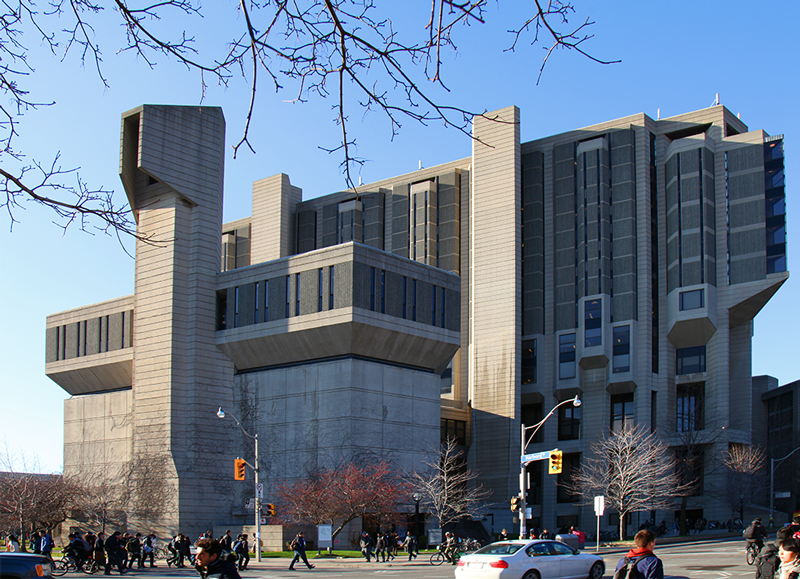
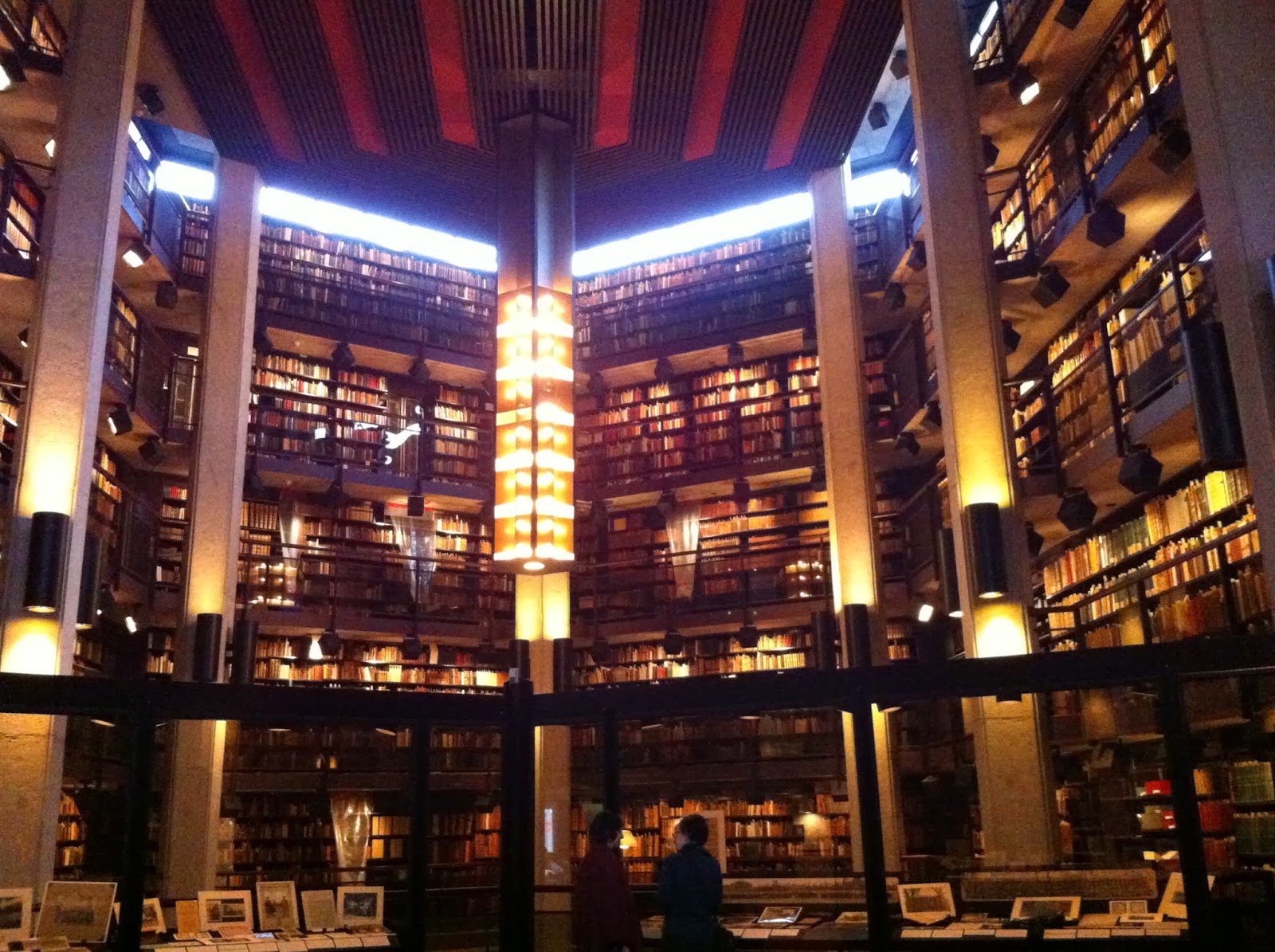
The exterior of the Thomas Fisher Library offers little clue to the extraordinary treasures inside. Now we can take a ten-minute, behind-the-scenes tour through the Thomas Fisher Rare Book Library in Toronto, Canada, where we can discover a First Folio, the first handwritten draft of Margaret Atwood’s The Handmaid’s Tale, rare manuscripts, Leonard Cohen’s notebooks, and items from its extensive Alice in Wonderland collection. NB: If the video below fails to launch, please visit out home page.
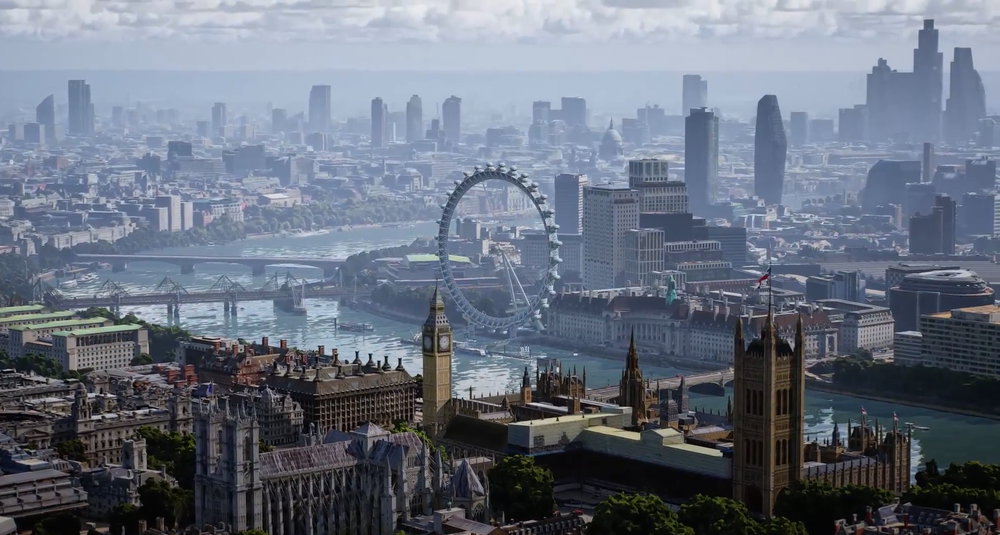
I don’t know about you, but I seem to use Google Maps almost daily. It’s hard to imagine traveling without it any more. Now Google Maps is adding a novel way to navigate cities in the form of highly detailed digital models that look like 3D films. Here’s how “Immersive View” is described by Google’s VP of Maps on the Google Blog:
Thanks to advances in computer vision and AI that allow us to fuse together billions of Street View and aerial images to create a rich, digital model of the world — we’re introducing a whole new way to explore with Maps. With our new immersive view, you’ll be able to experience what a neighborhood, landmark, restaurant or popular venue is like — and even feel like you’re right there before you ever set foot inside. So whether you’re traveling somewhere new or scoping out hidden local gems, immersive view will help you make the most informed decisions before you go.
The first cities to get the simulation view will be Los Angeles, London, New York, San Francisco, and Tokyo. Check it out in the very cool short video below:
NB: If the video clip does not appear in your subscription version of TBTP, please visit the home page here.
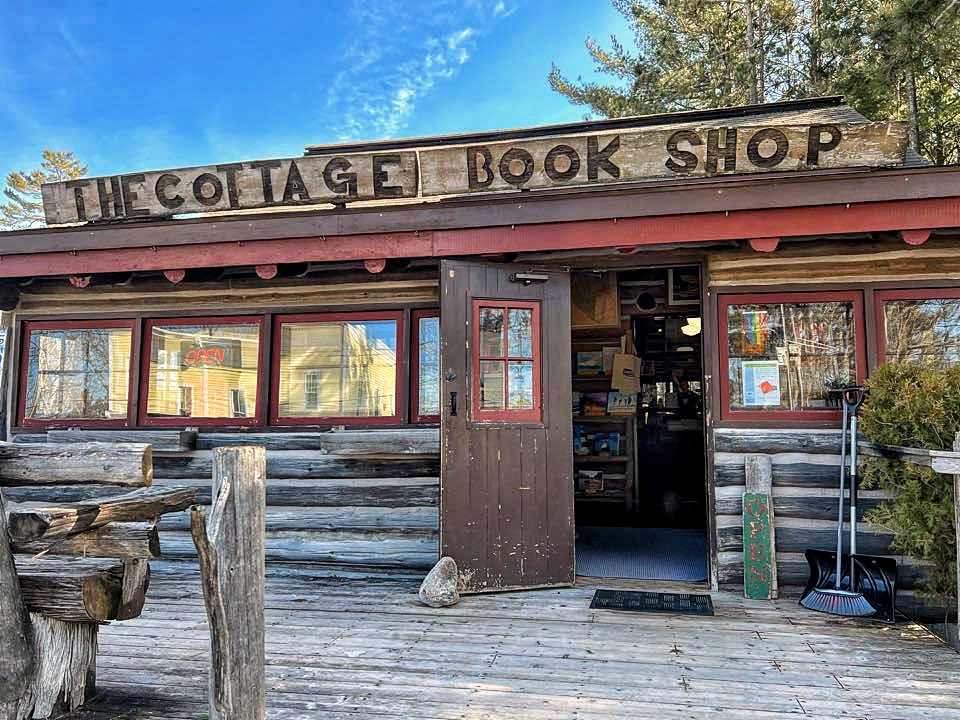
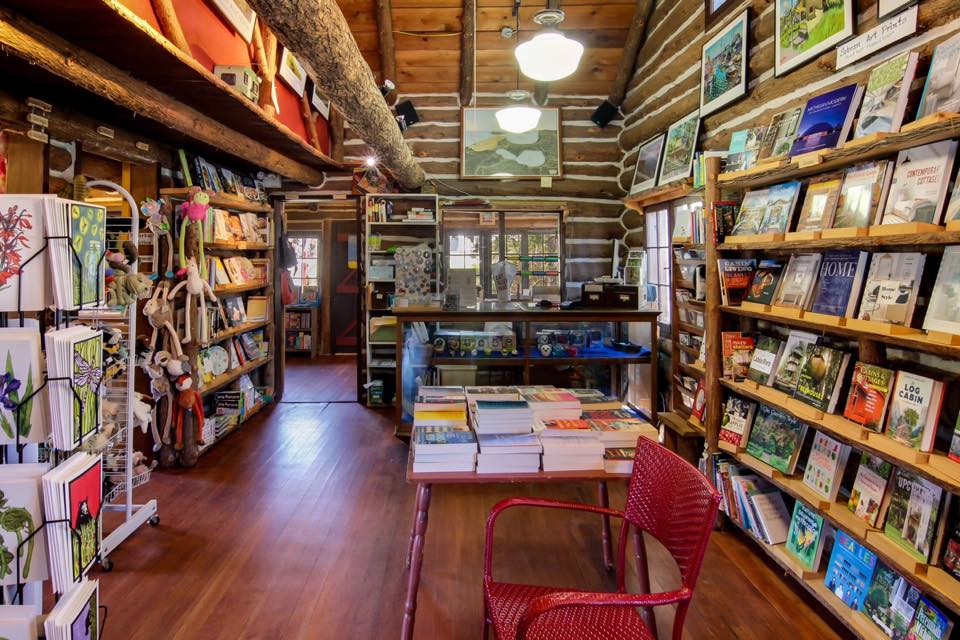
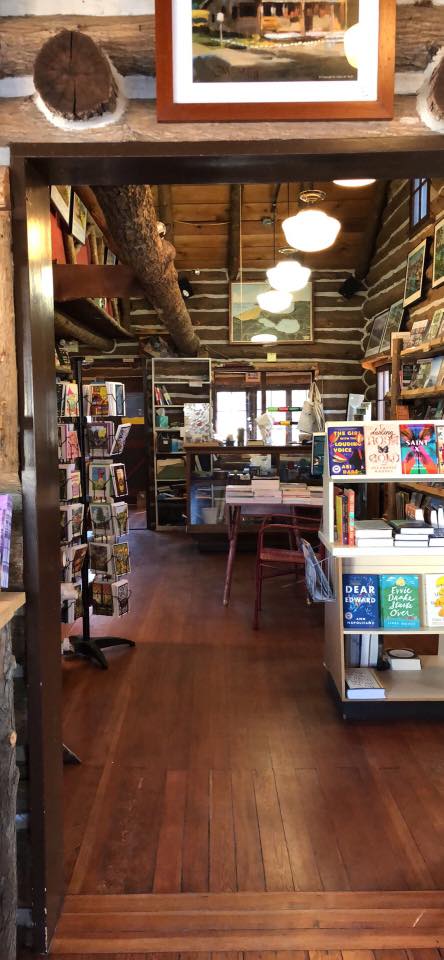
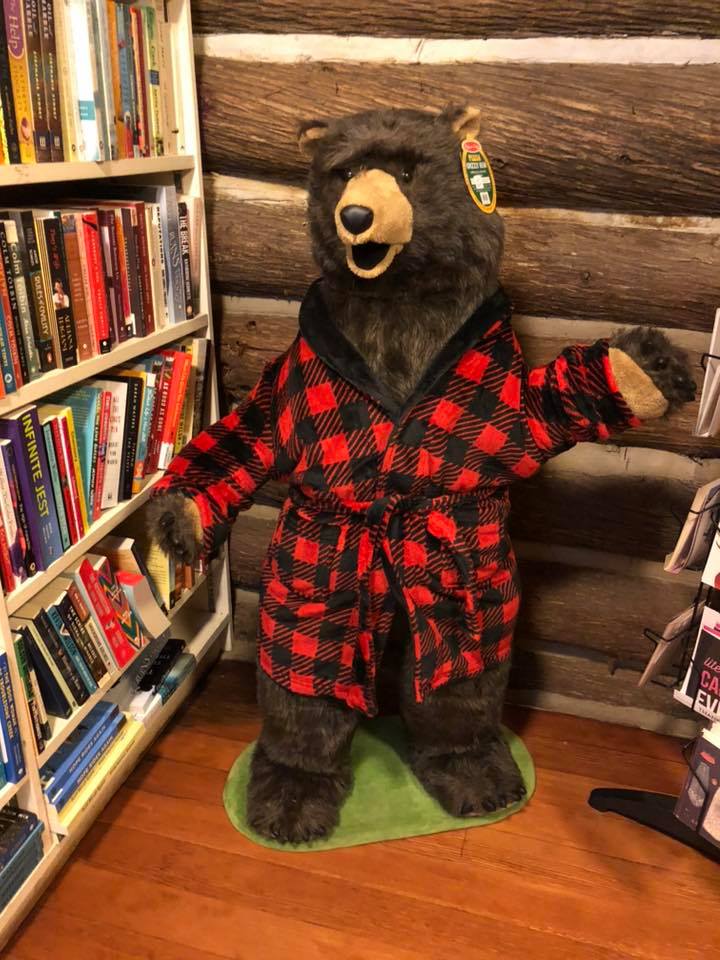
I have not had the pleasure of book browsing at the Cottage Book Shop, but thanks to TBTP reader Gwen S. I’m happy to share it with you. The bookstore is located in the heart of Sleeping Bear Dunes National Lakeshore in Glen Arbor, Michigan. Glen Arbor, nestled in the heart of the Sleeping Bear Dunes National Lakeshore, boasts the world’s largest moving sand dune, 77, 000 acres with 64 miles of Lake Michigan shoreline and South and North Manitou Islands. There are pristine lakes, rivers, wetlands, forests, and vintage farmlands. In 2011 it was voted the “Most Beautiful Place in America.”
The charming book shop is situated in a historic log cabin that was originally a family home. Today the Cottage Book Shop is a quaint home for a well curated selection of books. They specialize in fiction, children’s books, and local interest titles.
The coolest doorway in Paris is at number 29 Avenue Rapp .
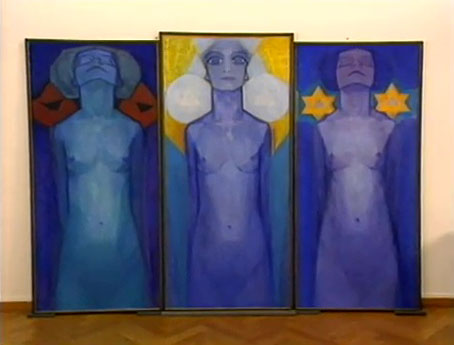
Mondrian’s mysticism: Evolution (1910–1911)
A NEW NATIONAL ANTHEM
Ada Limón
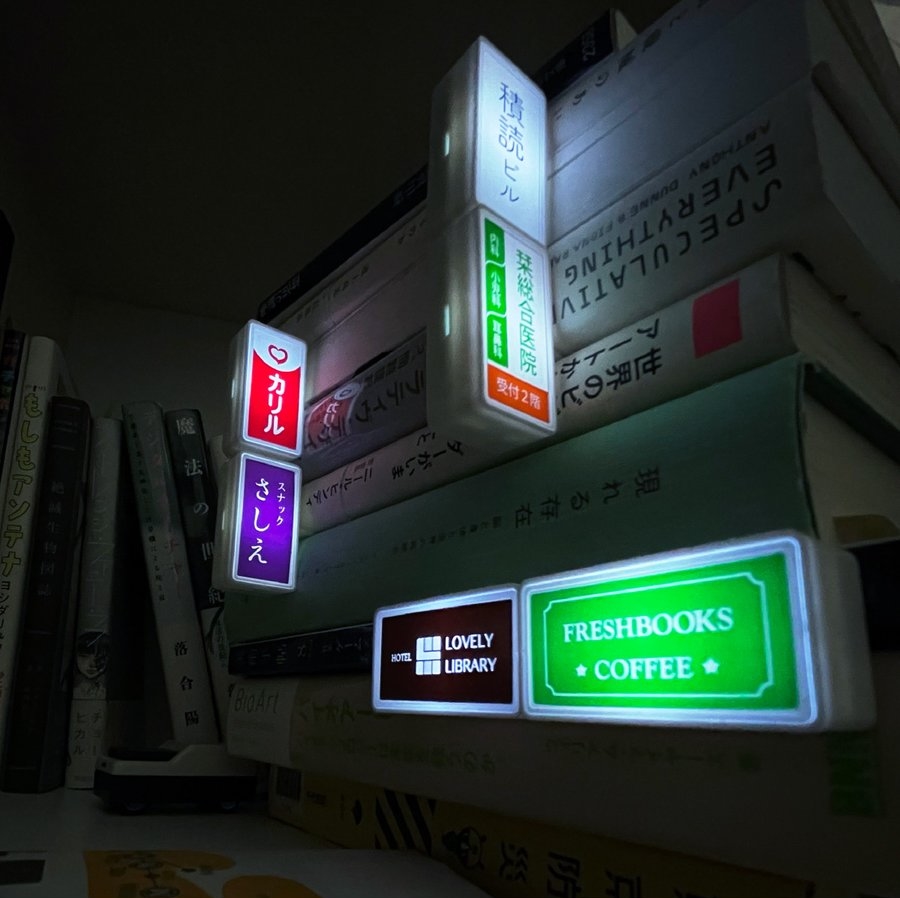
Inspired by the Japanese word tsundoku (積読), which refers to the books we buy that accumulate without being read, “neon signs of tsundoku city” are a series of seven miniature capsule toys that replicate the ubiquitous shop signs of Tokyo. They include a coffee shop, hotel, bar, hospital, and a multi-tenant sign that reads “tsundoku bldg,” each with their own battery so as to illuminate a dark room.
They were designed by Ekoda Works, known for their sometimes-ridiculous but always humorous product design, and distributed by Bushiroad Media, who operates capsule toy vending machines across Japan.
If you suddenly and unexpectedly feel joy,
don’t hesitate. Give in to it. There are plenty
of lives and whole towns destroyed or about
to be. We are not wise, and not very often
kind. And much can never be redeemed.
Still, life has some possibility left. Perhaps this
is its way of fighting back, that sometimes
something happens better than all the riches
or power in the world. It could be anything,
but very likely you notice it in the instant
when love begins. Anyway, that’s often the case.
Anyway, whatever it is, don’t be afraid
of its plenty. Joy is not made to be a crumb.
– Mary Oliver
Photographer Kien Lam quit his job and over the next 343 days he visited 17 countries, taking 6237 photographs from which he created the wonderful timelapse below. NB: If the video does not launch in your email, please click on the link for TBTP homepage.
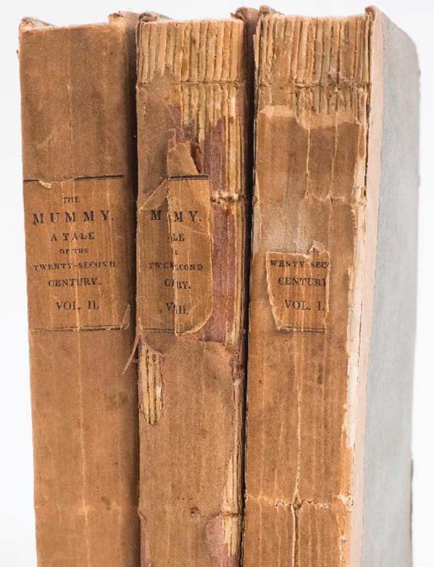
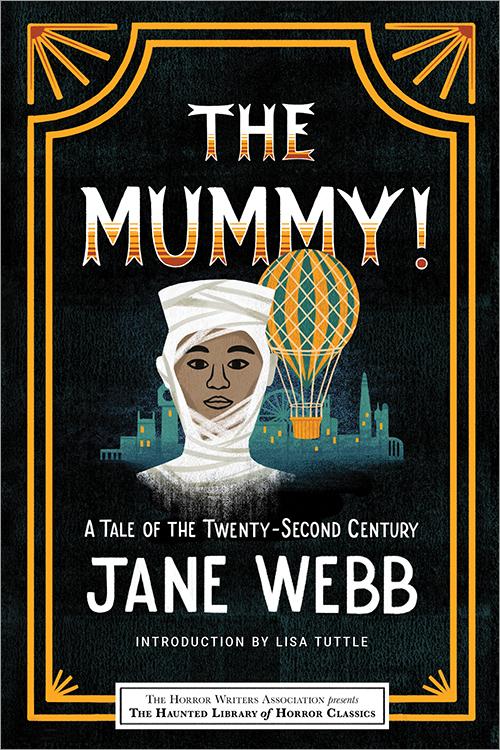
The 1827 novel, The Mummy: A Tale of the Twenty-Second Century, by Jane Webb, was reissued last month as part of the Haunted Library of Horror Classics series. Originally issued as a three-volume pocket-sized novel, the book concerns the Egyptian mummy of Cheops, who is brought back to life in the year 2126. The groundbreaking sci-fi book describes a future filled with wildly advanced technology.
The author Jane Webb (1807-1858) was a young Englishwoman influenced by Mary Shelly’s seminal 1818 novel Frankenstein; or, The Modern Prometheus. The Mummy is now considered a foundational work of science fiction—complete with futuristic inventions—set in 2126. Webb did not describe a future as a minimally changed version of her contemporary period, but a world with dramatic changes in technology, society, and even fashion. The women wear pants and sport hair ornaments with controlled flames. In Webb’s 2126, doctors are steam-powered automatons, a version of the internet is predicted, and the dead came be revivified.
You can discover this overlooked sci-fi classic by purchasing the recently released new edition or read it for free at Project Gutenberg.
“lastly, three apples fell from the sky; one for our story’s heroes, one for the person who told their tale, and one for those who listened and promise to share. And with that, they all achieved their hearts’ desires. Let us now step up and settle into their thrones.” (Gökten üç elma düşmüş; biri onların, biri anlatanın, diğeri de dinleyenlerin başına. Onlar ermiş muradına, biz çıkalım kerevetine.) Turkish
“and they lived well, and we lived better” (και ζήσανε αυτοί καλά και εμείς καλύτερα) Greek
“this is the end, run away with it” (itt a vége, fuss el véle) Magyar
“and I was there [at the wedding] too, and drank mead and wine.” (a ja tam byłem, miód i wino piłem.) Polish
“snip snap snout, the tale is finished” (snipp snapp snute, så er eventyret ute” Norwegian
“my story went to other homes, god bless the mothers and fathers of its listeners” (Çîroka min çû diyaran, rehmet li dê û bavê guhdaran.) Kurdish
” and they lived happily and ate partridges ” (y vivieron felices y comieron perdices) Spanish
” thin is the leaf, broad is the way, say your [story] now that I said mine” (stretta è la foglia, larga è la via, dite la vostra che ho detto la mia) Italian
“my tale has finished, it has returned to go and come home.” (tamtis noe lat / dok ba muaan yi wa) Ankwe
“and if they haven’t died yet, then they’re still alive today” (und wenn sie nicht gestorben sind, dann leben sie noch heute) German
Virtual Vacation is a web directory that pulls together the dozens of walking, driving, hiking and other point-of-view videos scattered across the web where people explore unique places with a camera in hand. Beware, it’s easy to fall down this rabbit hole and an hour can fly by. I particularly enjoyed playing the City Guesser game where you’re thrown into a random urban environment and have to guess which city you’re in. Not to brag, but I crushed it.