Never open a book with the weather

I’ve been a fan of the late novelist Elmore Leonard for as long as I can remember. While his humor always showed through, I think it was his efforless prose that grabbed my attention. It’s a fool’s errand to try and tease-out what makes great writing, but Leonard was kind enough to leave us a very specific how-to list.

1. Never open a book with weather.

If it’s only to create atmosphere, and not a character’s reaction to the weather, you don’t want to go on too long. The reader is apt to leaf ahead looking for people. There are exceptions. If you happen to be Barry Lopez, who has more ways to describe ice and snow than an Eskimo, you can do all the weather reporting you want.

2. Avoid prologues.

They can be annoying, especially a prologue following an introduction that comes after a foreword. But these are ordinarily found in nonfiction. A prologue in a novel is backstory, and you can drop it in anywhere you want.

There is a prologue in John Steinbeck’s ”Sweet Thursday,” but it’s O.K. because a character in the book makes the point of what my rules are all about. He says: ”I like a lot of talk in a book and I don’t like to have nobody tell me what the guy that’s talking looks like. I want to figure out what he looks like from the way he talks. . . . figure out what the guy’s thinking from what he says. I like some description but not too much of that. . . . Sometimes I want a book to break loose with a bunch of hooptedoodle. . . . Spin up some pretty words maybe or sing a little song with language. That’s nice. But I wish it was set aside so I don’t have to read it. I don’t want hooptedoodle to get mixed up with the story.”

3. Never use a verb other than ”said” to carry dialogue.

The line of dialogue belongs to the character; the verb is the writer sticking his nose in. But said is far less intrusive than grumbled, gasped, cautioned, lied. I once noticed Mary McCarthy ending a line of dialogue with ”she asseverated,” and had to stop reading to get the dictionary.

4. Never use an adverb to modify the verb ”said” . . .

. . . he admonished gravely. To use an adverb this way (or almost any way) is a mortal sin. The writer is now exposing himself in earnest, using a word that distracts and can interrupt the rhythm of the exchange. I have a character in one of my books tell how she used to write historical romances ”full of rape and adverbs.”

5. Keep your exclamation points under control.

You are allowed no more than two or three per 100,000 words of prose. If you have the knack of playing with exclaimers the way Tom Wolfe does, you can throw them in by the handful.

6. Never use the words ”suddenly” or ”all hell broke loose.”

This rule doesn’t require an explanation. I have noticed that writers who use ”suddenly” tend to exercise less control in the application of exclamation points.

7. Use regional dialect, patois, sparingly.

Once you start spelling words in dialogue phonetically and loading the page with apostrophes, you won’t be able to stop. Notice the way Annie Proulx captures the flavor of Wyoming voices in her book of short stories ”Close Range.”

8. Avoid detailed descriptions of characters.

Which Steinbeck covered. In Ernest Hemingway’s ”Hills Like White Elephants” what do the ”American and the girl with him” look like? ”She had taken off her hat and put it on the table.” That’s the only reference to a physical description in the story, and yet we see the couple and know them by their tones of voice, with not one adverb in sight.

9. Don’t go into great detail describing places and things.

Unless you’re Margaret Atwood and can paint scenes with language or write landscapes in the style of Jim Harrison. But even if you’re good at it, you don’t want descriptions that bring the action, the flow of the story, to a standstill.

And finally:

10. Try to leave out the part that readers tend to skip.

A rule that came to mind in 1983. Think of what you skip reading a novel: thick paragraphs of prose you can see have too many words in them. What the writer is doing, he’s writing, perpetrating hooptedoodle, perhaps taking another shot at the weather, or has gone into the character’s head, and the reader either knows what the guy’s thinking or doesn’t care. I’ll bet you don’t skip dialogue.

My most important rule is one that sums up the 10.

If it sounds like writing, I rewrite it.


Posted in Books, USA, Writing | Tagged , , | Leave a comment

One ring to rule them all

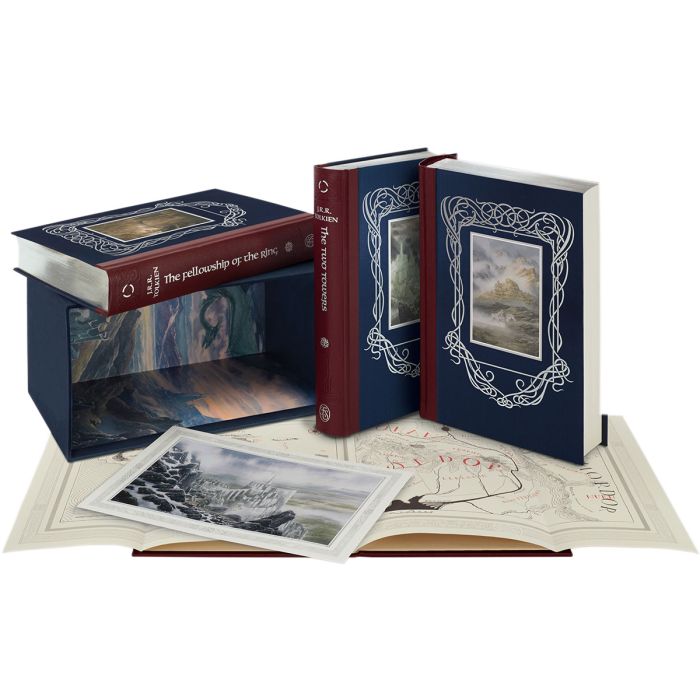
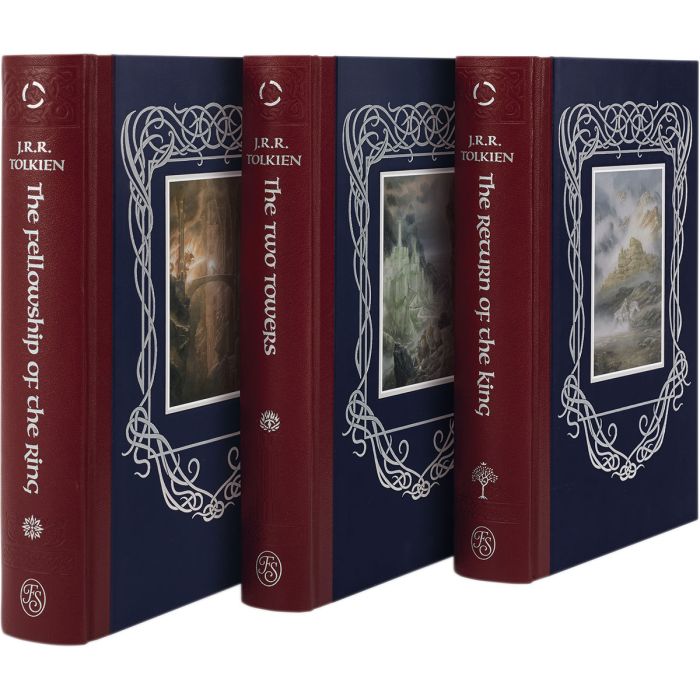
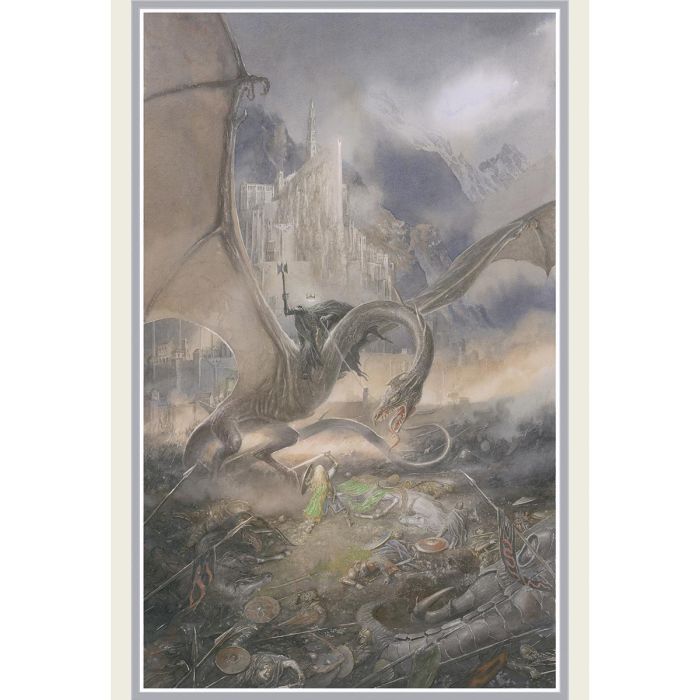
Who am I to disagree with George R.R. Martin’s assessment that “The Lord of the Rings is the mountain that leans over every other fantasy written since.” A book of that magnitude deserves a stunning new edition for every generation and the Folio Society has release a fitting one for the 21st century.

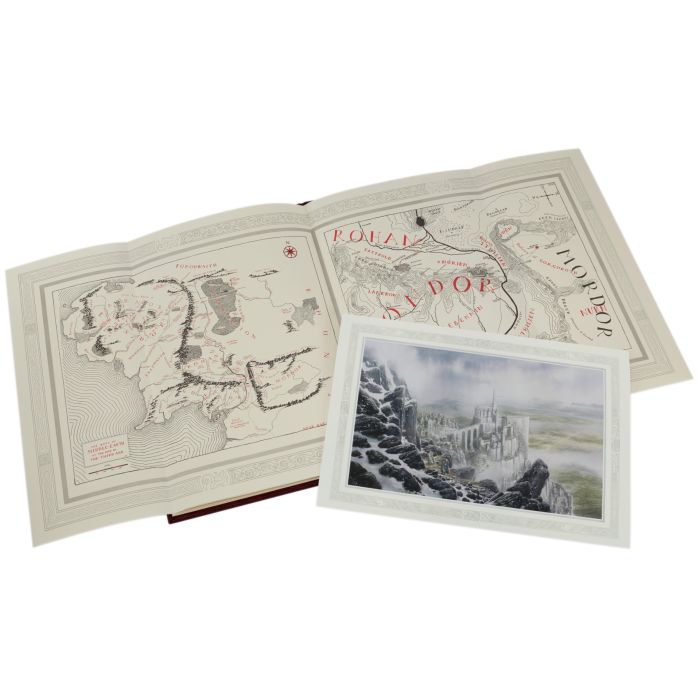
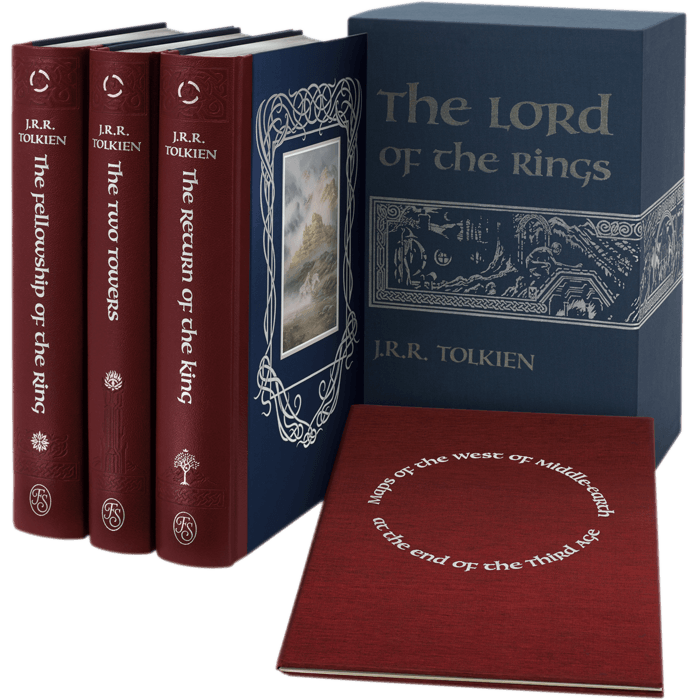
Lavishly illustrated with artwork by Alan Lee, this fabulous three-volume set is presented in a silver-blocked slipcase (lined with a hidden illustration) with a new art print exclusive to this edition and a pair of maps drawn by Christopher Tolkien, printed together and presented in a cloth-covered case. Each volume is quarter-bound in burgundy calfskin leather blocked in silver, with an illustrated inset label, silver page tops and a burgundy satin ribbon marker. The text – printed in black and burgundy – is the most up to date and academically rigorous available, and is accompanied by a new preface written exclusively for this edition by the artist.

Alan Lee’s work is synonymous with the worlds of J. R. R. Tolkien, having defined the visual setting of Middle-earth for a generation. Peter Jackson’s film adaptations introduced this epic story to an even wider audience, and Lee won the 2004 Academy Award for his Art Direction of these cinematic masterpieces. All of Lee’s illustrations have been reproduced to the artist’s exacting standards, in a scale and quality never seen before, and have been augmented by entirely new images, roundels and borders.

Strictly limited to 1,000 sets, the limitation page has been tipped in by hand and numbered and signed by Alan Lee. Every set comes with a beautiful art print, presented in a translucent folder printed with a burgundy design.

The majestic scale of the landscapes and the atmosphere Lee captures on the page – all in exquisite watercolour and pencil – make him the only choice to illustrate this, the ultimate edition of The Lord of the Rings.

Posted in Art, Books, Film, Writing | Tagged , , , | Leave a comment

Words Are Music To A Bibliophile

I recently had an email from a former book customer asking if I could recommend a bibliopegist. My first response was: What’s a bibliopegist. I was only a little embarassed to admit that I didn’t know that it was another word for bookbinder. This of course led me down the rabbit hole of terminology relating to books and writing that were either not in common use or were just plain interesting.

There is bibliopole meaning a dealer in books such as secondhand, out of print, antiquarian, or rare. I guess that sums me up in a word.

Then there is collectanea meaning literary items forming a collection.

I have more than once been called a bibliotaph or a person that hoards or stashes books.

There are less colorful ways of describing a voracious reader than omnilegent. 

Bibliogenesis is a wonderful term for the production of books.

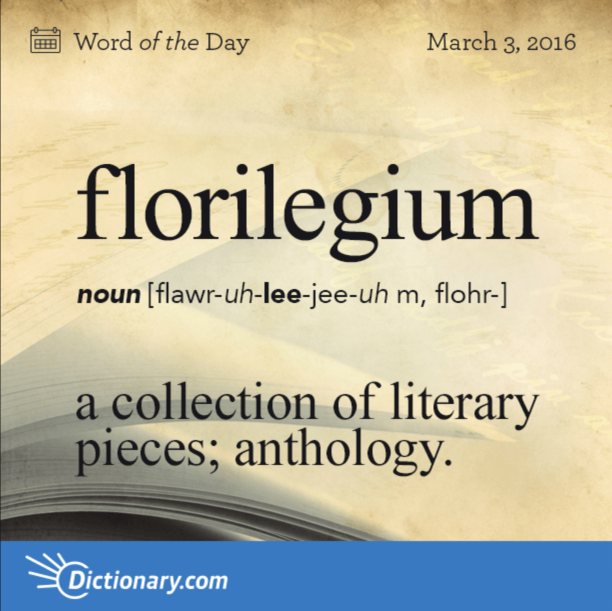
In medieval Latin a florilegium was a compilation of excerpts or sententia from other writings and is an offshoot of the commonplacing tradition. The word is from the Latin flos and legere: literally a gathering of flowers, or collection of fine extracts from the body of a larger work. Wikipedia

Finally, who wouldn’t want to own the appellation bibliolater, one who is avidly devoted to books.


Posted in Books, Writing | Tagged , , , | Leave a comment

Amsterdam in the Alps

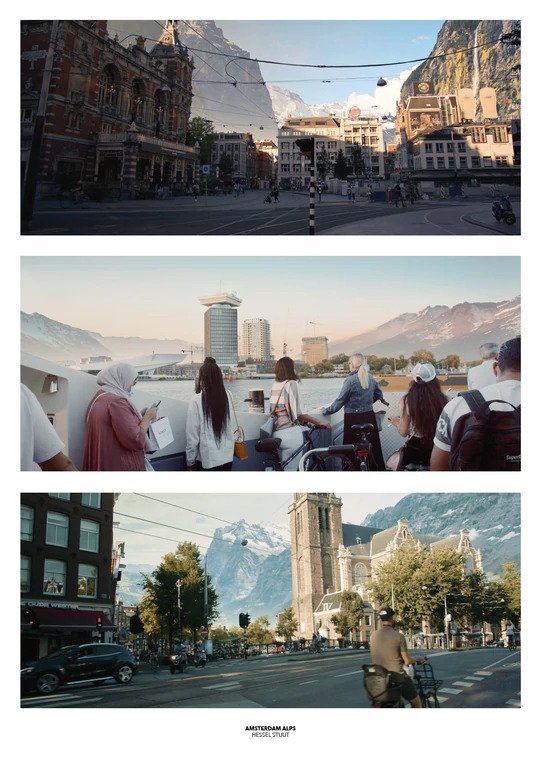
As I have mentioned numerous times, I am a big fan of Amsterdam. It’s the city outside of the United States that I have visited most often and genuinely love. So, I was shocked to discover an alternative version of Amsterdam that somehow exists in the Alps. Actually, the artist Hessel Stuut created this alternate reality and shared his vision in a video (below). He also sells prints of Amsterdam in the mountains.

NB: If for some reason the video does not appear in your email version of this post, please check it out on the website.

Posted in Art, Europe, Film, Photography, Tourism | Tagged , | 1 Comment

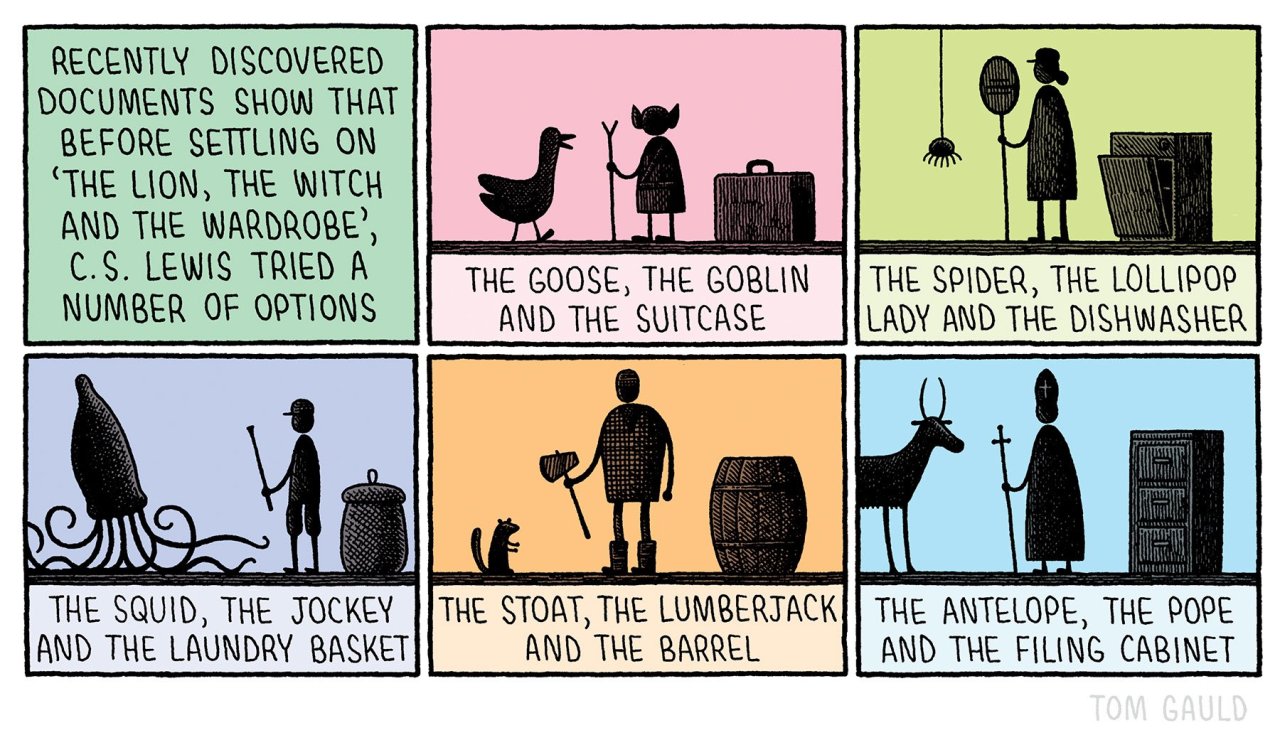
The Lion, The Witch and The Wardrobe


Posted in Art, Books, Europe, Writing | Tagged , , | Leave a comment

“Where they burn books, they will also ultimately burn people.”

Sadly, book banning and even book burning continues to be in the news here in the USA. Just this week, I saw a video of members of a State legislature demanding the books that they found objectionable be removed from community libraries and actually be publically burned. This insanity always brings to mind the famous and prescient quote from the German poet Heinrich Heine, “Where they burn books, they will ultimately burn people.” It also reminds me of the story of Kurt Vonnegut’s response to the burning of his novel Slaughterhouse -Five by a school board in North Dakota in 1973.

Ever since first being published in 1967, Kurt Vonnegut’s semi-autobiographical, antiwar classic, Slaughterhouse-Five, has been and continues to be banned from classrooms and libraries. In 1973, Bruce Severy, a teacher at Drake High School, North Dakota, attempted to assign the novel to his English class. However, the head of the school board, Charles McCarthy, had other ideas. He demanded that all thirty-two copies be burned in the school’s furnace. On November 16, 1973, an angry and disappointed Vonnegut wrote to McCarthy to make his feelings known.

November 16, 1973
Dear Mr. McCarthy:

I am writing to you in your capacity as chairman of the Drake School Board. I am among those American writers whose books have been destroyed in the now famous furnace of your school.

Certain members of your community have suggested that my work is evil. This is extraordinarily insulting to me. The news from Drake indicates to me that books and writers are very unreal to you people. I am writing this letter to let you know how real I am.

I want you to know, too, that my publisher and I have done absolutely nothing to exploit the disgusting news from Drake. We are not clapping each other on the back, crowing about all the books we will sell because of the news. We have declined to go on television, have written no fiery letters to editorial pages, have granted no lengthy interviews. We are angered and sickened and saddened. And no copies of this letter have been sent to anybody else. You now hold the only copy in your hands. It is a strictly private letter from me to the people of Drake, who have done so much to damage my reputation in the eyes of their children and then in the eyes of the world. Do you have the courage and ordinary decency to show this letter to the people, or will it, too, be consigned to the fires of your furnace?

I gather from what I read in the papers and hear on television that you imagine me, and some other writers, too, as being sort of ratlike people who enjoy making money from poisoning the minds of young people. I am in fact a large, strong person, fifty-one years old, who did a lot of farm work as a boy, who is good with tools. I have raised six children, three my own and three adopted. They have all turned out well. Two of them are farmers. I am a combat infantry veteran from World War II, and hold a Purple Heart. I have earned whatever I own by hard work. I have never been arrested or sued for anything. I am so much trusted with young people and by young people that I have served on the faculties of the University of Iowa, Harvard, and the City College of New York. Every year I receive at least a dozen invitations to be commencement speaker at colleges and high schools. My books are probably more widely used in schools than those of any other living American fiction writer.

If you were to bother to read my books, to behave as educated persons would, you would learn that they are not sexy, and do not argue in favor of wildness of any kind. They beg that people be kinder and more responsible than they often are. It is true that some of the characters speak coarsely. That is because people speak coarsely in real life. Especially soldiers and hardworking men speak coarsely, and even our most sheltered children know that. And we all know, too, that those words really don’t damage children much. They didn’t damage us when we were young. It was evil deeds and lying that hurt us.

After I have said all this, I am sure you are still ready to respond, in effect, “Yes, yes— but it still remains our right and our responsibility to decide what books our children are going to be made to read in our community.” This is surely so. But it is also true that if you exercise that right and fulfill that responsibility in an ignorant, harsh, un-American manner, then people are entitled to call you bad citizens and fools. Even your own children are entitled to call you that.

I read in the newspaper that your community is mystified by the outcry from all over the country about what you have done. Well, you have discovered that Drake is a part of American civilization, and your fellow Americans can’t stand it that you have behaved in such an uncivilized way. Perhaps you will learn from this that books are sacred to free men for very good reasons, and that wars have been fought against nations which hate books and burn them. If you are an American, you must allow all ideas to circulate freely in your community, not merely your own.

If you and your board are now determined to show that you in fact have wisdom and maturity when you exercise your powers over the education of your young, then you should acknowledge that it was a rotten lesson you taught young people in a free society when you denounced and then burned books— books you hadn’t even read. You should also resolve to expose your children to all sorts of opinions and information, in order that they will be better equipped to make decisions and to survive.

Again: you have insulted me, and I am a good citizen, and I am very real.

Kurt Vonnegut

In 2014, Benedict Cumberbatch read Vonnegut’s powerful letter at the annual Hay Literary Festival.

Posted in Books, Freedom of Speech, History, Libraries, USA | Tagged , , , , , | Leave a comment

Forgotten Books, Forgotten Stories

Last month, I found a very interesting piece in Smithsonian Magazine titled “How Much Medieval Literature Has Been Lost Over the Centuries,” which linked to six-minute video from the American Association for the Advancement of Science and the journal Science about how much medieval literature has been lost over the past 500+ years. The video describes how group of European scholars has applied an ecological theory — the “unseen species model” — to try to determine the survival rate of medieval manuscripts. The estimate is about 9 percent overall; English literature is even lower. The topic sounds dry, but even non-bibliophiles will find it fascinating.

NB: If the video does not appear in your email. please check it out directly on the blog website.

Posted in Art, Books, Europe, History, Libraries, Tech | Tagged , , , | 2 Comments

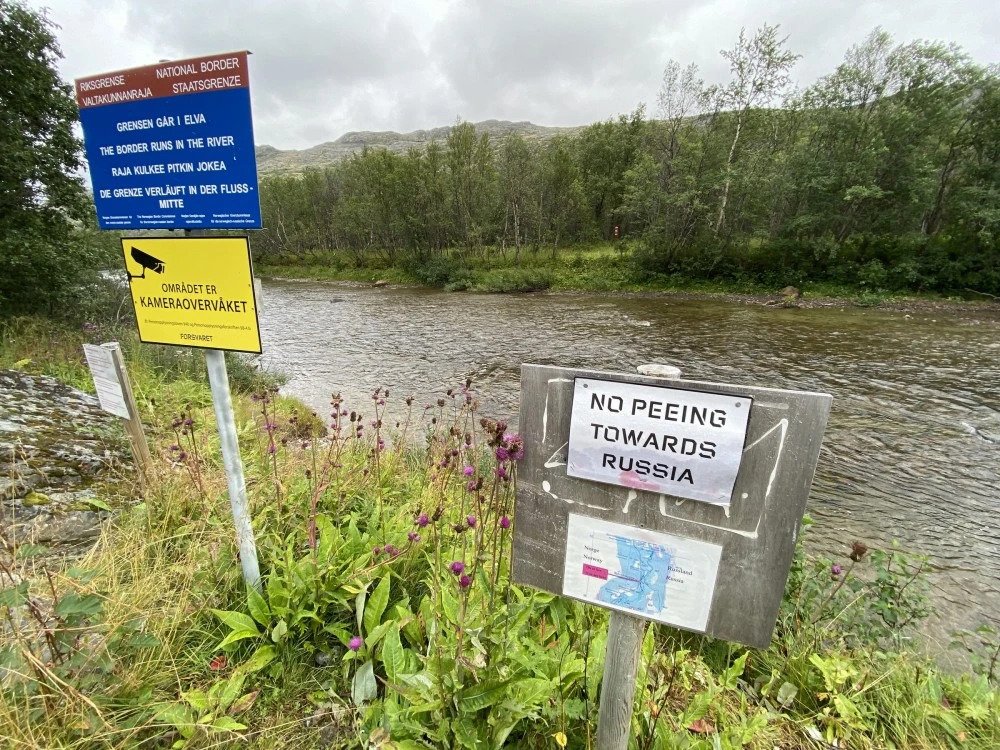
Do Not Pee Towards Russia

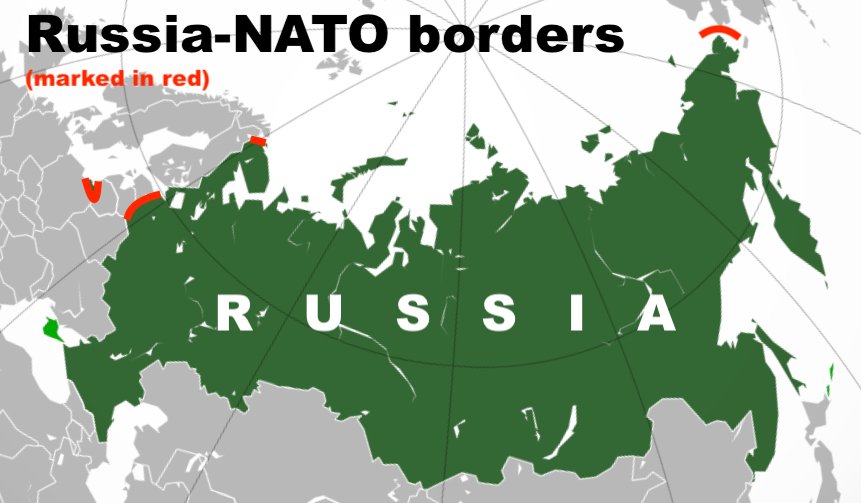
The brutal and unprovoked Russian invasion of Ukraine has led to serious discussions about expanding NATO and frequent examinations of existing European borders. Russia has land borders with fourteen countries, but just five of them are currently NATO members. Ironically, the longest unchanged border is between Norway and Russia.

Norway’s land border with Russia is just 123 miles (198 km) long and is the northernmost portion of the NATO-Russia land border. Over the years,  Norway has maintained a careful attitude toward their neighbor. In the fact, the Russo-Norwegian border hasn’t changed since 1826 and that Norway is the only neighbor with which Russia has never been at war.

In 1950, Norway passed the so-called riksgrenseloven, a law designed to manage its border with the Soviet Union. The law, which is still on the books, specifically prohibits:

  • “offensive behavior directed at the neighboring state or its authorities”;
  • photographing the neighbor’s territory at a distance of up to 1,000 meters from the border; and
  • conversation or other communication across the border between persons who do not have permission from the relevant authority.


Posted in Europe, History, Maps, Uncategorized | Tagged , , , | Leave a comment

Haunted Library

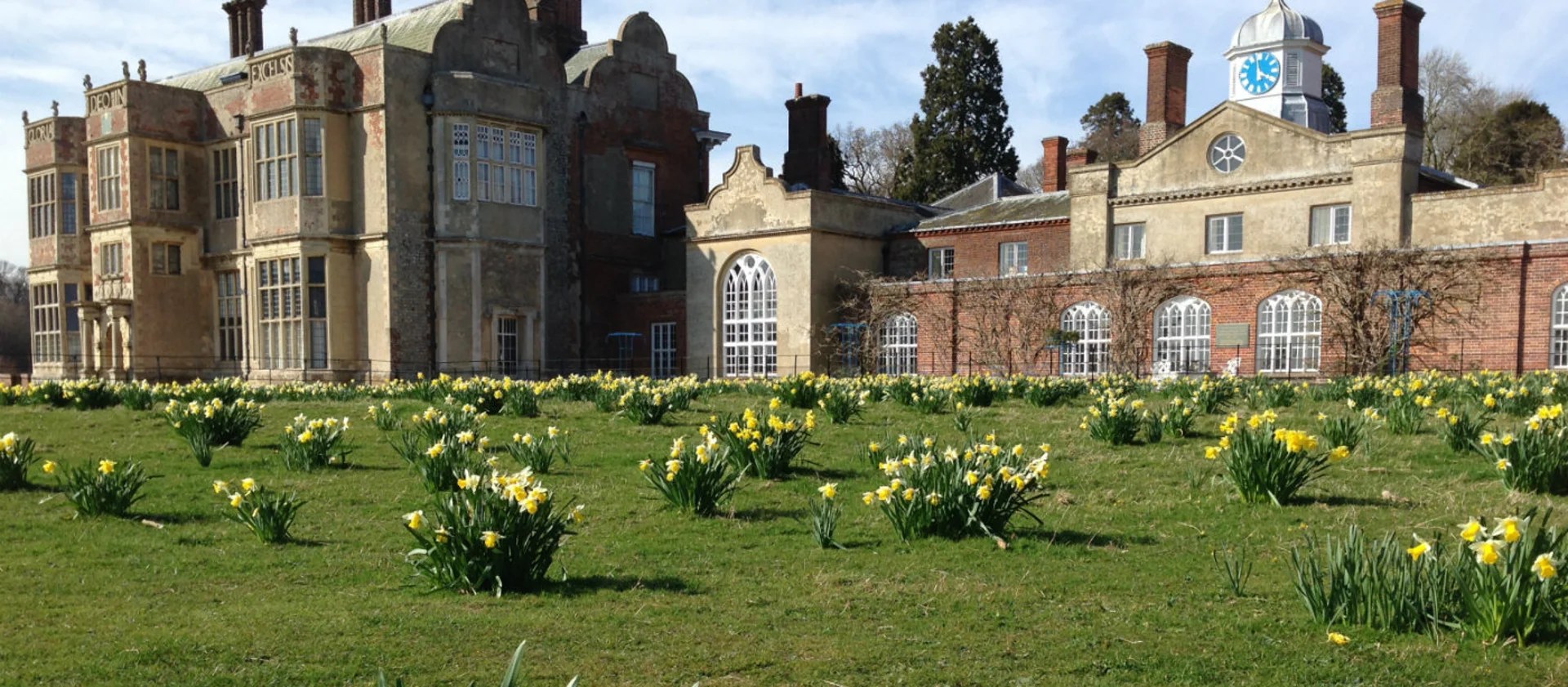
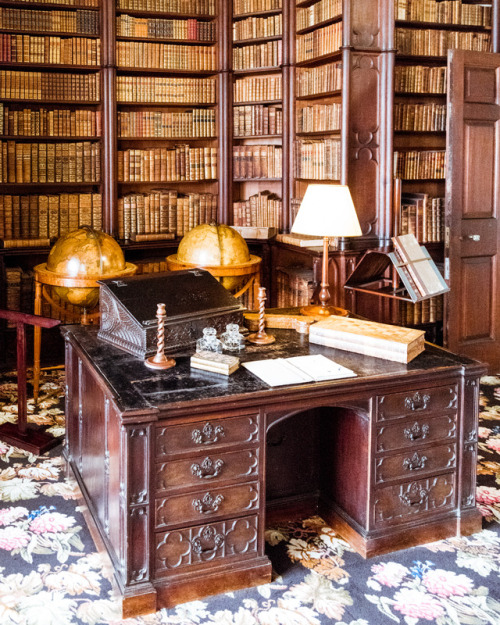
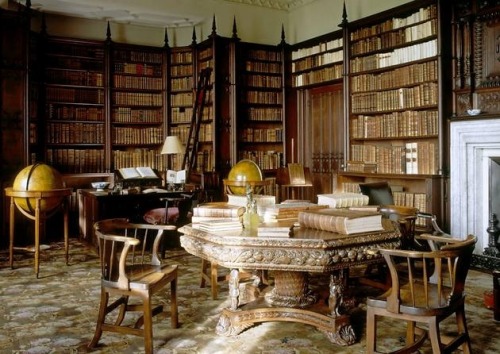
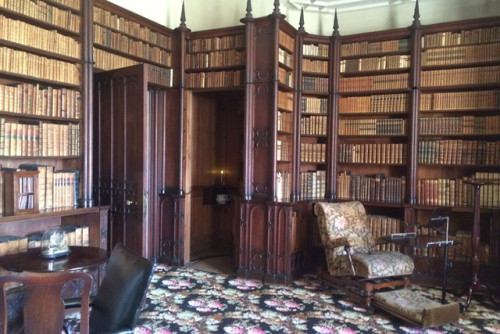
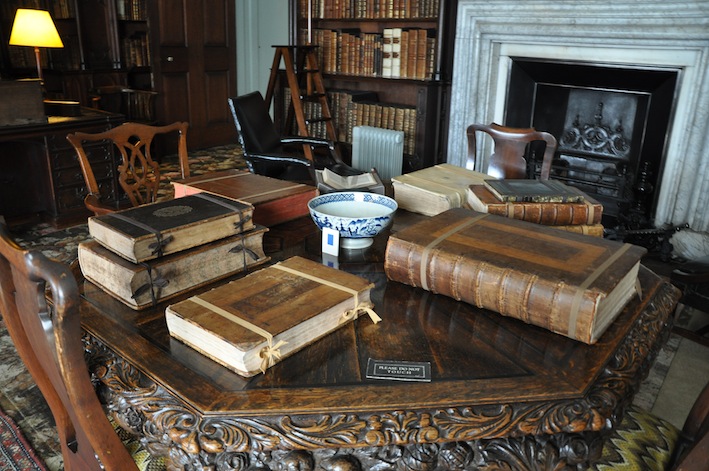
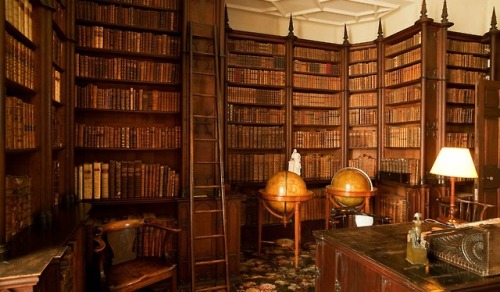
Who doesn’t love an old fashioned haunted library. I recently learned about the library at Felbrigg Hall, a 17th-century country house in Norfolk, England that is home to a genuine bibliophile ghost. Set in a grand National Trust country home, the library was designed in the 1750s by architect James Paine. It houses about 5,000 books, terrestrial and celestial globes and a secret door. The elegant librsry is also reputed to be haunted by former owner William Windham III(1750-1810), a lover of books who died of injuries sustained while attempting to rescue a friend’s library collection from a fire. According to local legend, his spirit is known to appear if the correct combination of his favourite books are laid out on the library table. Visitors to the house claim to have seen the apparition sitting at the library table or in his favorite library chair book in hand.


Posted in Architecture, Books, Europe, History, Libraries, Museums, Tourism | Tagged , , , | 1 Comment

A little water music

Bergen Norway is a stunningly beautiful small city with lots to offer any visitor. One morning last year the town was treated to a unique musical event that was created by the Native American composer Raven Chacon. Four ships in the harbor collaborated on “Chorale” which as performed on the ships’ fog horns. It’s worth checking out the video below just for a glimpse of Bergen.


Posted in Europe, Film, Music, Public Transport, Tourism | Tagged , | 1 Comment