A festival for us (bibliophiles)

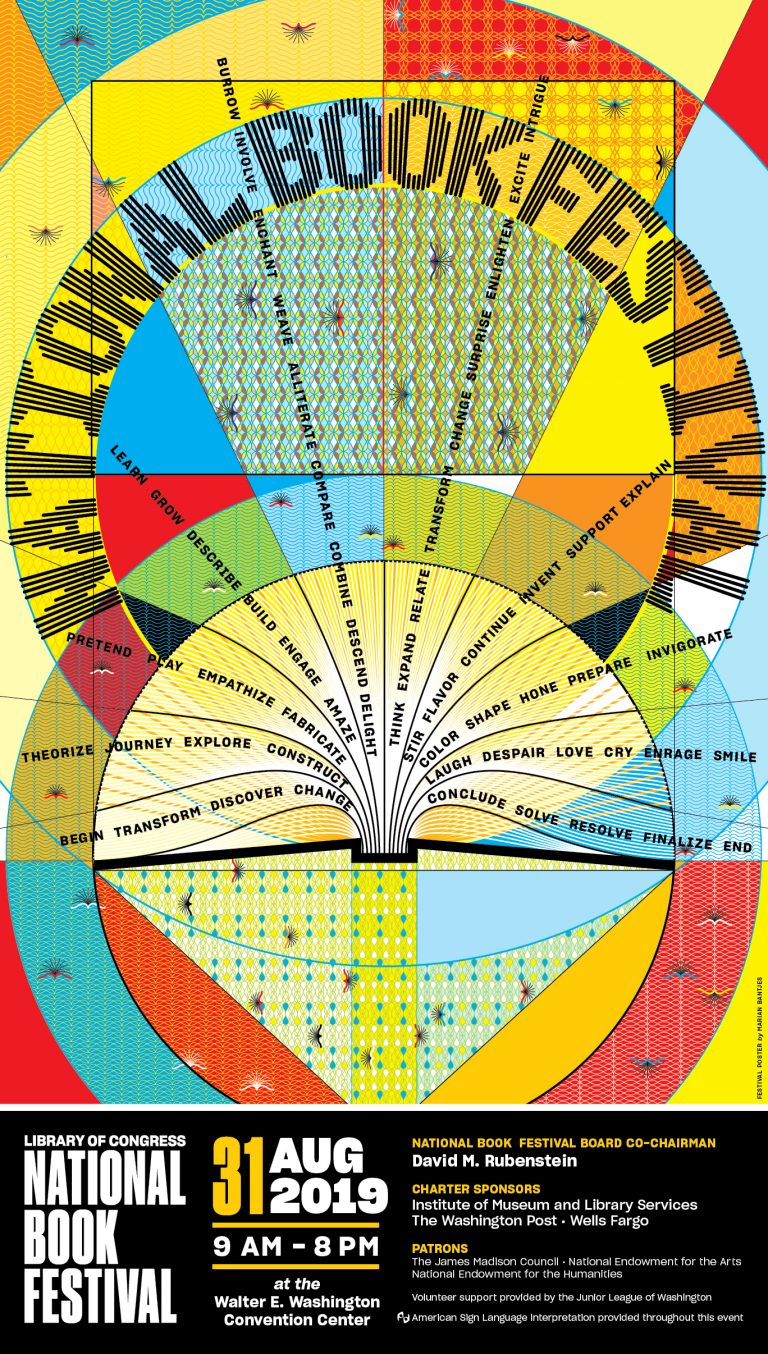
Now that it’s officially August, I was checking to see when the National Book Festival was happening in Washington D.C. and I found the wonderful poster for this year’s event. If you can make it to DC, it’s always worth braving the Capital summer miasma for the festival.


Posted in Books, Tourism, USA, Writing | Tagged , , | Leave a comment

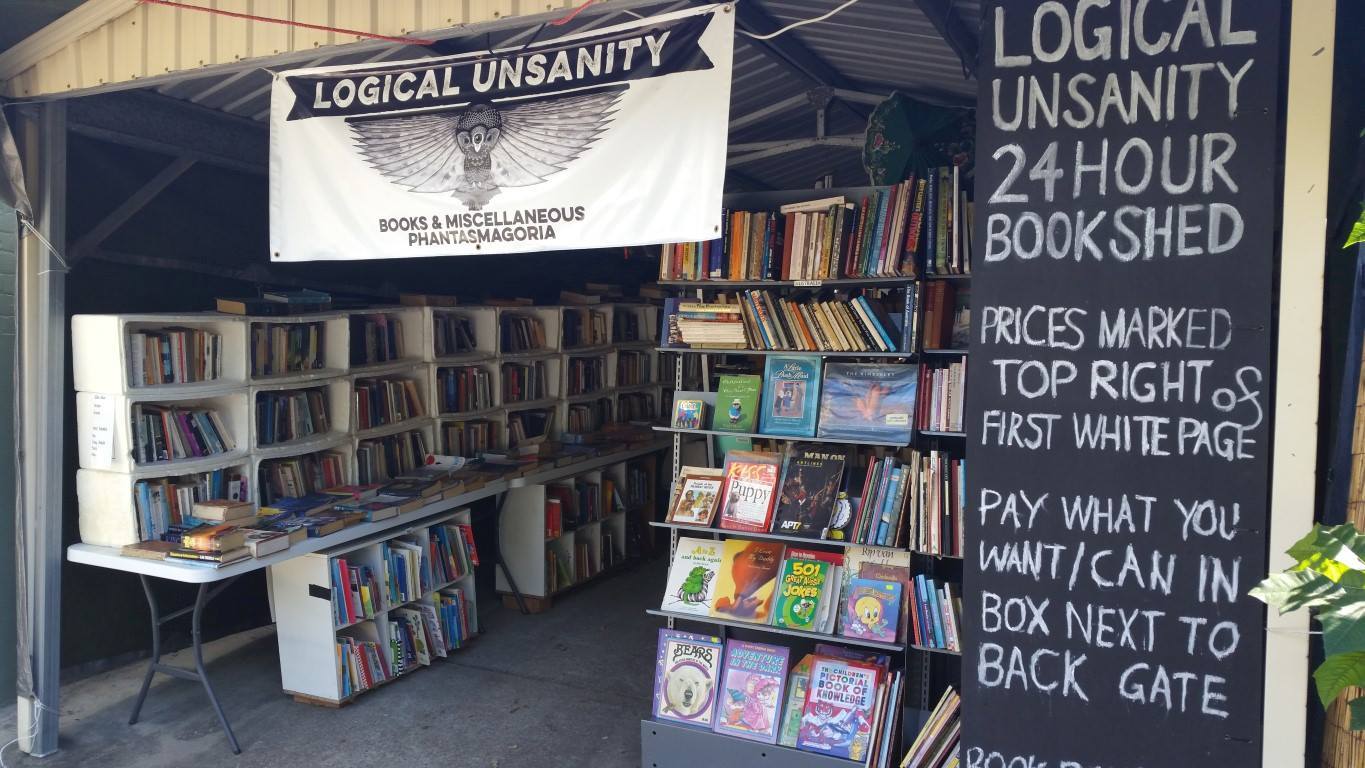
Logical Unsanity at the 24 Hour Book Shed

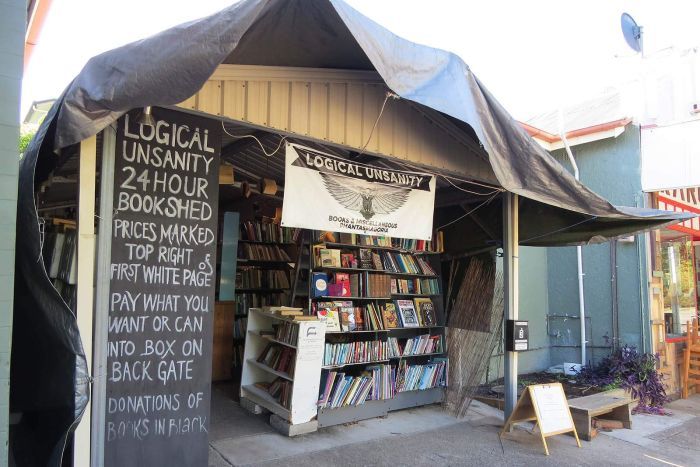
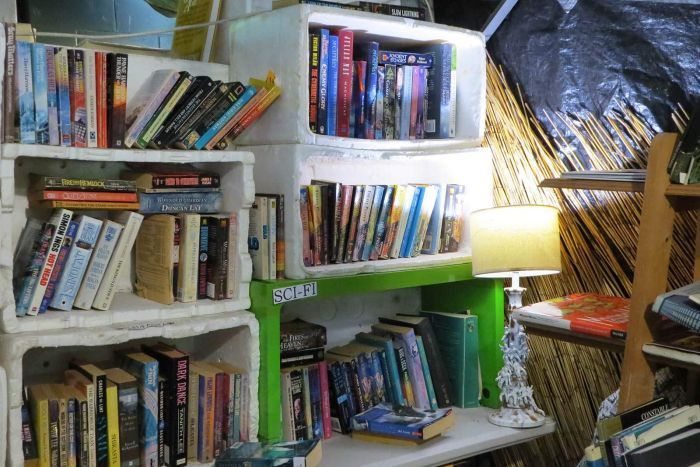
Yarran Jenkins owns a successful, traditional antiquarian bookshop in Brisbane, Australia called The Book Merchant Jenkins, but he also operates a shop called the Bardon 24-hour Book Shed. For the past five years, Jenkins has stocked his “pay-what-you-want-or-can” bargain book barn with inexpensive secondhand titles. Located in the suburb of Bardon, the Logical Unsanity Books and Miscellaneous Phantasmagoria is a sometimes leaky, but always welcoming, hideaway for insomniacs, a sanctuary for bibliophiles, and an outlet for anyone searching for a reasonably priced read whatever their budget.  Jenkins acknowledges that some customers don’t actually pay for the books that they choose, but notes that more people donate their secondhand books to the shed than pilfer.

Posted in Books, Bookstore Tourism | Tagged , , | 1 Comment

There and back again

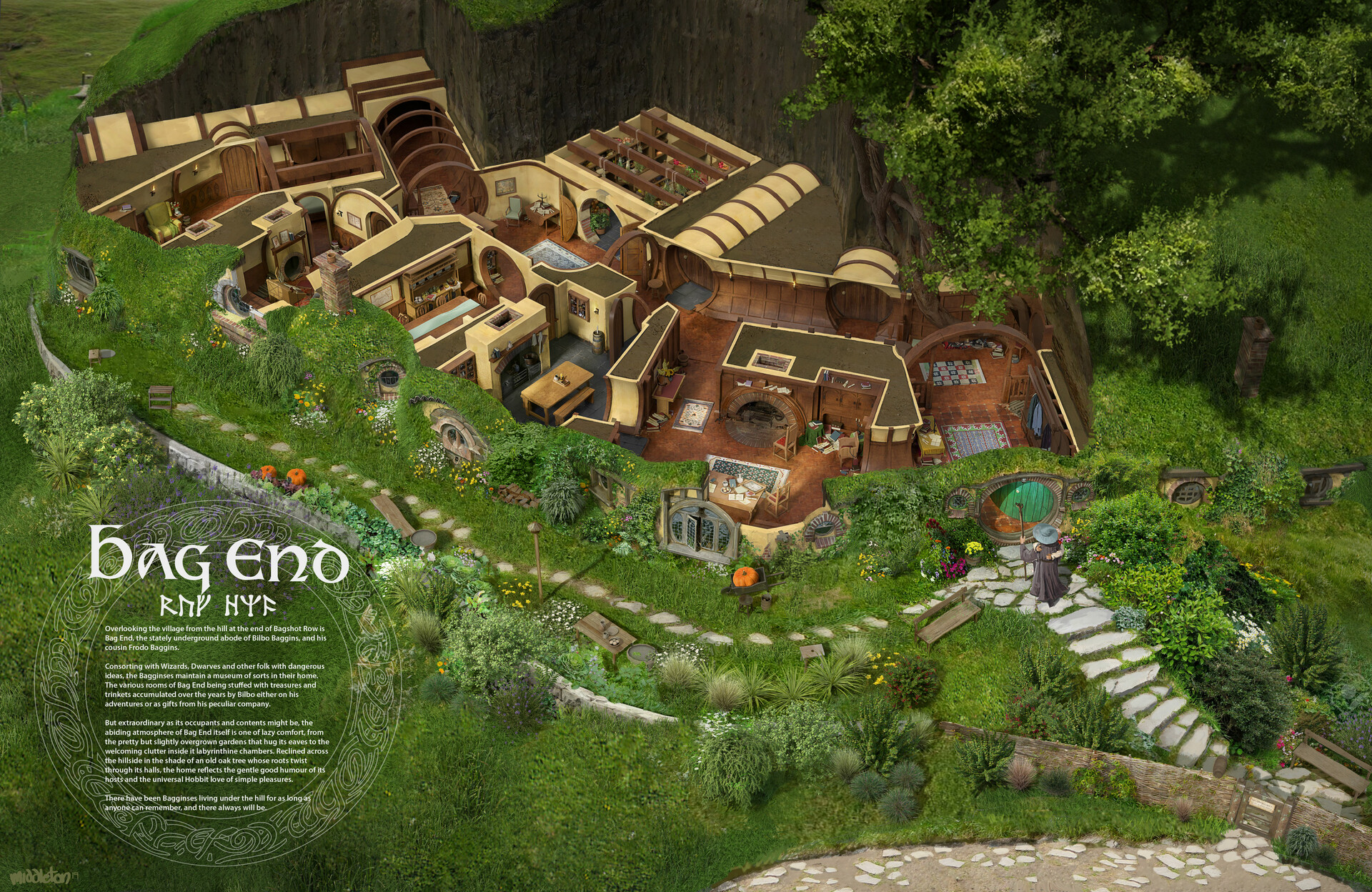
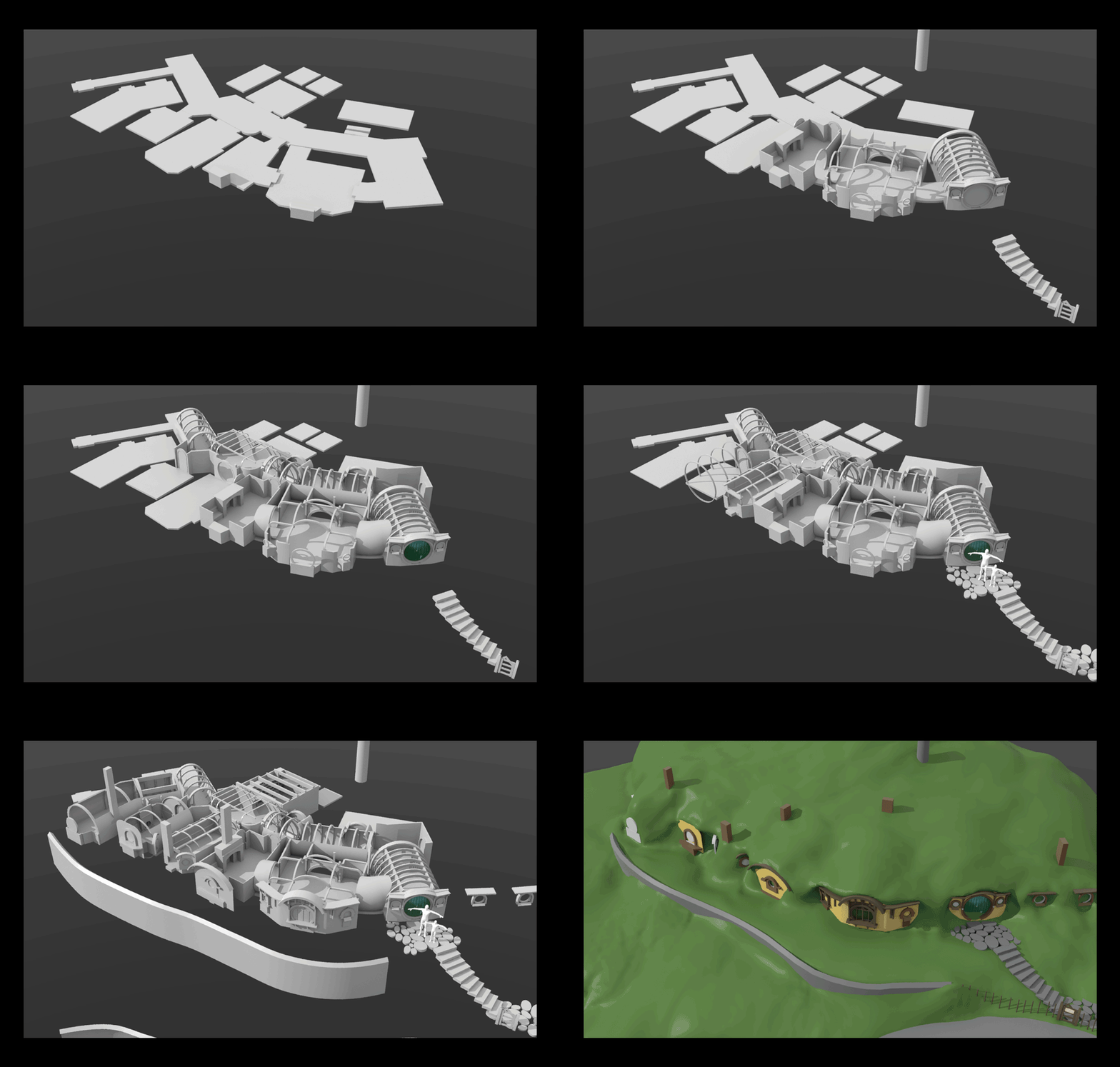
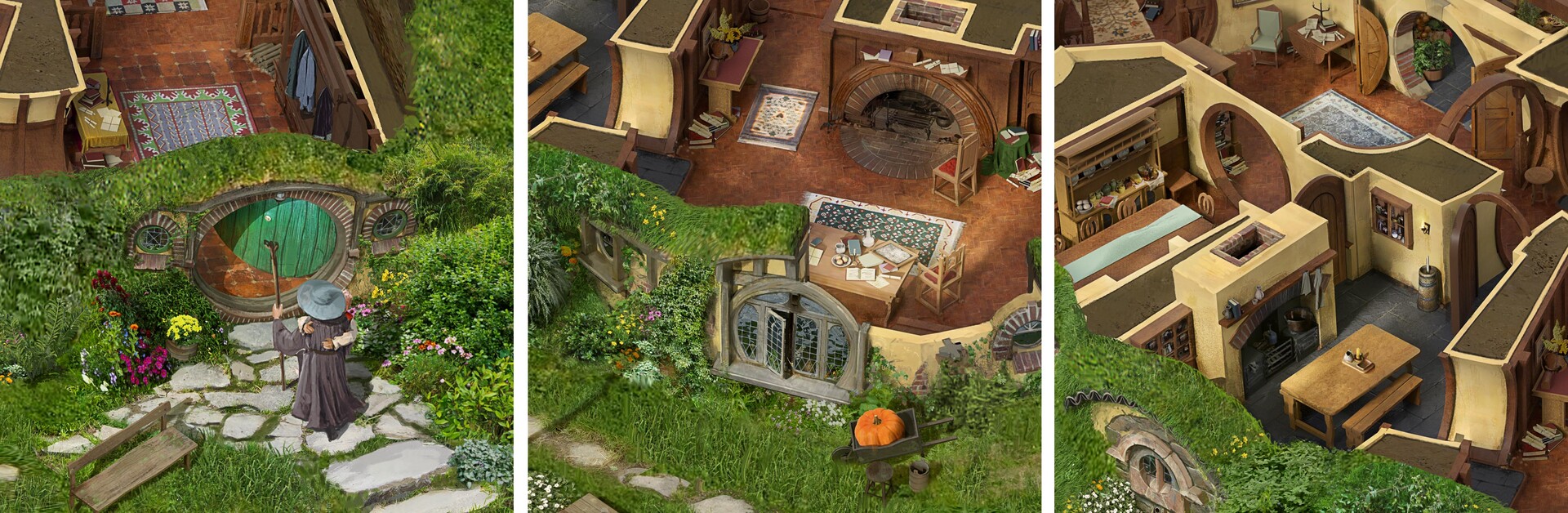
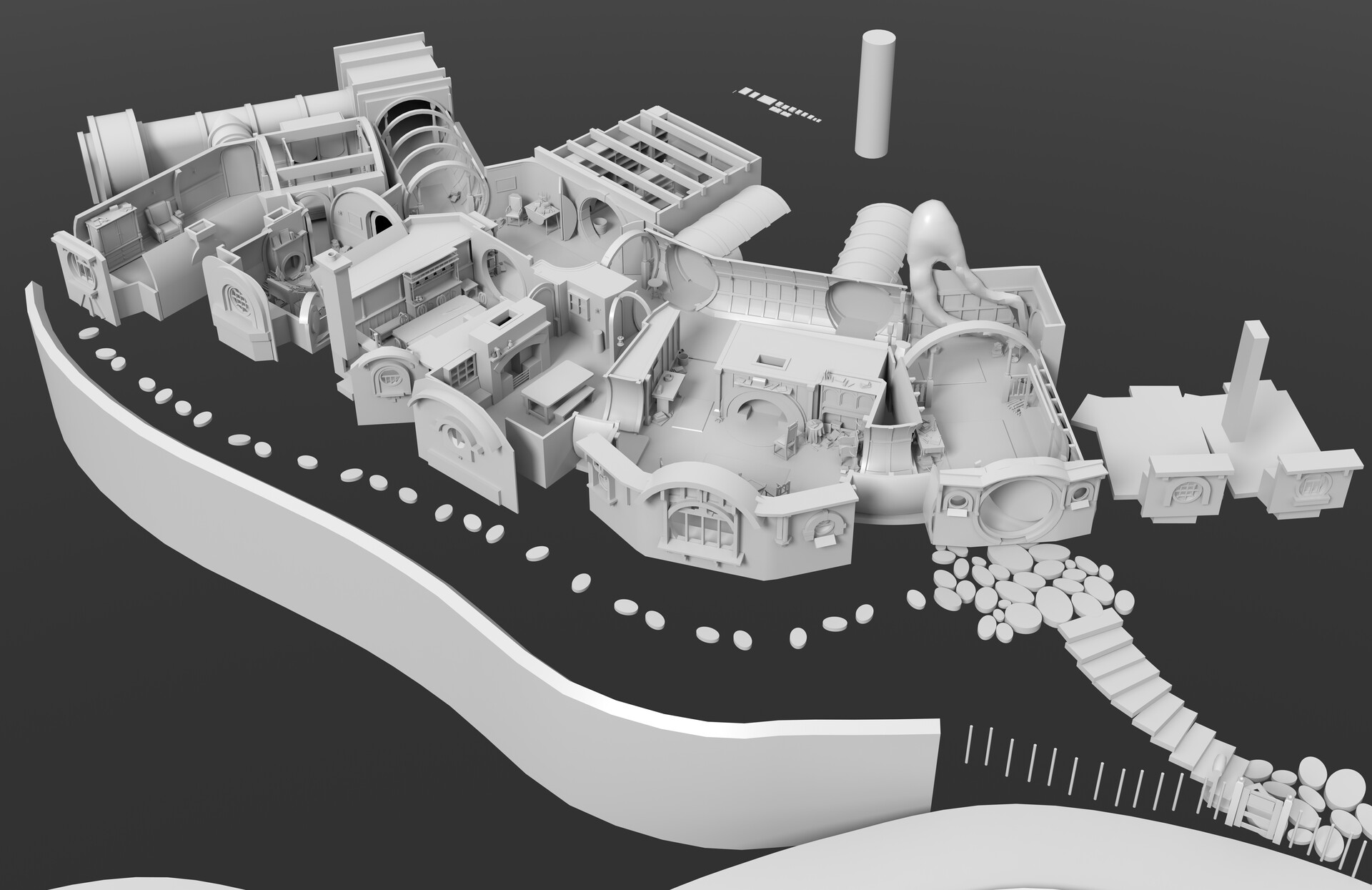
I’m in the midst of planning a road trip around New Zealand for later this year and was exploring Lord of the Rings and Hobbit related film sites. In the process, I stumbled upon these wonderful cross section drawings of Bag End—the ancestral home of Frodo and Bilbo Baggins—created by Adam Middleton who is a senior concept artist at Weta Workshop studio in Wellington. If you are a Tolkien fan like me, you will want to check-out Middleton’s page at Artstation for more related work.

Posted in Architecture, Art, Books, Film, movies, Tourism | Tagged , , , , | Leave a comment

The City Within

The City Within by Toronto-based artist Natalie Draz is a brilliant artists’ book and city map simultaneously. This kinetic piece is housed in a plain pine box with what first appears to be an irregularly shaped booklet , but expands into a freestanding rib-cage structure juxtaposing letterpress and intaglio prints. Draz’s city in a box is based on elements of downtown Montreal. The video below shows the artist interacting with one of the limited edition books:

Cities and maps are common inspirations in Natalie Draz’s work, as she “illustrates and papercuts cities that exist between reality and her own perspectives”. Check her website for more of her terrific work and to find out how to own some for yourself.

Posted in Art, Books, Canada, Maps | Tagged , , , | 1 Comment

Surrealist Sunday

From French Surrealist writer and artist Gisèsle Prassinos’s early collection La Sauterelle arthritique (The Arthritic Grasshopper).


Posted in Art, Books, Europe, Writing | Tagged , , | Leave a comment

Reclaiming the Middle Seat

Anyone who has ever been stuck in middle seat hell will applaud the S1 (AKA the “Slip-Slide Seat”) clever redesign of airline middle seats from Colorado’s Molon Labe Designs. It sits a little back from the seats to either side, is slightly wider, and has slightly lower arm-rests—and in some configurations, it allows the aisle seat to be slid over it, temporarily widening the aisles and speeding boarding and unloading.

The “Slip-Slide Seat” has just had limited approval from the FAA and an unidentified airline in the U.S. will be trialing it on 50 planes by the end of 2020. The seats are heavier than regular seats and don’t recline, and are intended for short-haul flying. The company is working on other models for long-haul flights.

Posted in Air Travel, Public Transport, Tourism | Tagged , | 1 Comment

Arrivederci e grazie per le buone letture

Sicilian author Andrea Camilleri, who died last week at age 93, is probably best known as the author of 27 novels and multiple short story collections starring police officer Inspector Salvo Montalbano, many of which take place in the fictional town of Vigata, Sicily. Camilleri based Vigata on his home town of Porto Empedocle, which honored the popularity of the Montalbano series by officially changing its name to Porto Empedocle Vigata between 2003 and 2009.  Although he was a successful screenwriter, Camilleri didn’t write his first novel until he was 53 years old. His first two  books were unsuccessful, but his third, The Hunting Season, became a bestseller. His fourth novel, The Shape of Water, was the first story with Inspector Salvo Montalbano.

I first discovered the wonderful world of Vigata and Inspector Montalbano by accident about 20 years ago, when I stumbled across a secondhand paperback copy of The Shape of Water . I was hooked from the first chapter and have every book in the series. Camilleri’s Monttalbano series always offered a quick fun read, but with a social conscience and a message.

Thirteen years ago, Camilleri wrote a final Montalbano novel in which the sometimes irascible detective is irretrievably killed off, to avoid the fate of Arthur Conan Doyle’s Sherlock Holmes. The name Montalbano is a tribute to Spanish author Manuel Vázquez Montalbán (1939-2003), whose Detective Carvalho was also a gastronome and used to highlight local culture and issues.

If you haven’t yet discovered the joy of an afternoon with Inspector Montalbano and the crew from Vigata’s police station, a great place to start is with the Penguin paperback Death in Sicily, which offers the first three novels in the series.


Posted in Books, Europe, Writing | Tagged , , , | 3 Comments

Rules for Writing

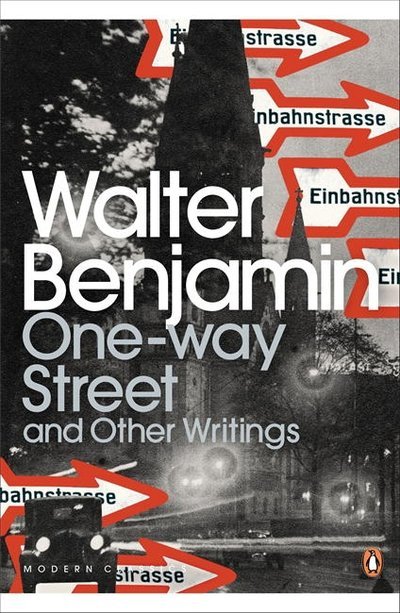
Thirteen simple rules for writing from the tragic genius Walter Benjamin.

I. Anyone intending to embark on a major work should be lenient with themselves and, having completed a stint, deny themselves nothing that will not prejudice the next.

II. Talk about what you have written, by all means, but do not read from it while the work is in progress. Every gratification procured in this way will slacken your tempo. If this régime is followed, the growing desire to communicate will become in the end a motor for completion.

III. In your working conditions avoid everyday mediocrity. Semi-relaxation, to a background of insipid sounds, is degrading. On the other hand, accompaniment by an etude or a cacophony of voices can become as significant for work as the perceptible silence of the night. If the latter sharpens the inner ear, the former acts as a touchstone for a diction ample enough to bury even the most wayward sounds.

IV. Avoid haphazard writing materials. A pedantic adherence to certain papers, pens, inks is beneficial. No luxury, but an abundance of these utensils is indispensable.

V. Let no thought pass incognito, and keep your notebook as strictly as the authorities keep their register of aliens.

VI. Keep your pen aloof from inspiration, which it will then attract with magnetic power. The more circumspectly you delay writing down an idea, the more maturely developed it will be on surrendering itself. Speech conquers thought, but writing commands it.

VII. Never stop writing because you have run out of ideas. Literary honour requires that one break off only at an appointed moment (a mealtime, a meeting) or at the end of the work.

VIII. Fill the lacunae of inspiration by tidily copying out what is already written. Intuition will awaken in the process. Nulla dies sine linea [“no day without a line” (Apelles ex Pliny)] — but there may well be weeks.

X. Consider no work perfect over which you have not once sat from evening to broad daylight.

XI. Do not write the conclusion of a work in your familiar study. You would not find the necessary courage there.

XII. Stages of composition: idea — style — writing. The value of the fair copy is that in producing it you confine attention to calligraphy. The idea kills inspiration, style fetters the idea, writing pays off style.

XIII. The work is the death mask of its conception.
 

Posted in Books, Europe, Writing | Tagged , | Leave a comment

Philadelphia: Word on the Street

 Philly-based street artist Marisa Velázquez-Rivas  has launched a series of wheatpaste street art work around town titled Smash the Fash , which depicts Nazi and white supremacist symbols being crushed by a hand with some impressive nails.

In a Facebook post about her new series, she wrote: “Respeta existencia o espera resistencia. Filadelfia es antifascista.”  ( “Respect existence or expect resistance. Philadelphia is antifascist.”)

Posted in Art, USA | Tagged , , | Leave a comment

Picture yourself on a boat on a river…

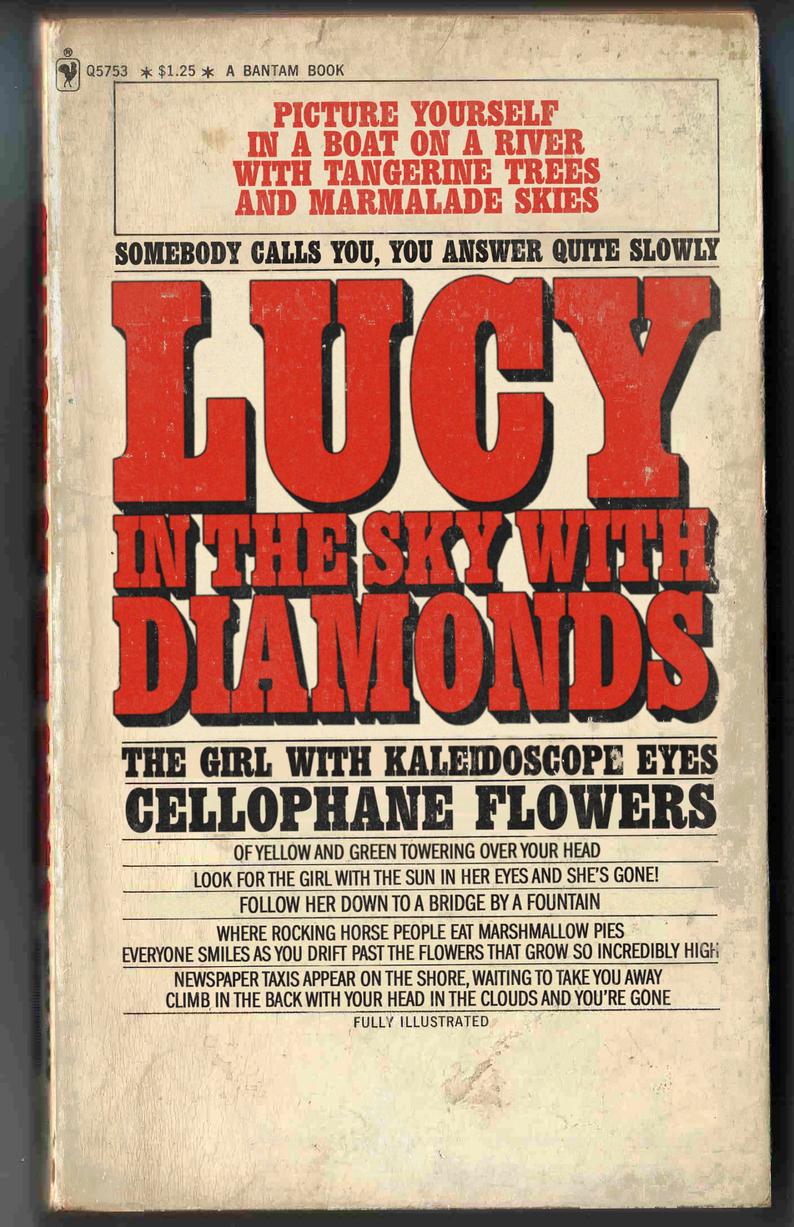
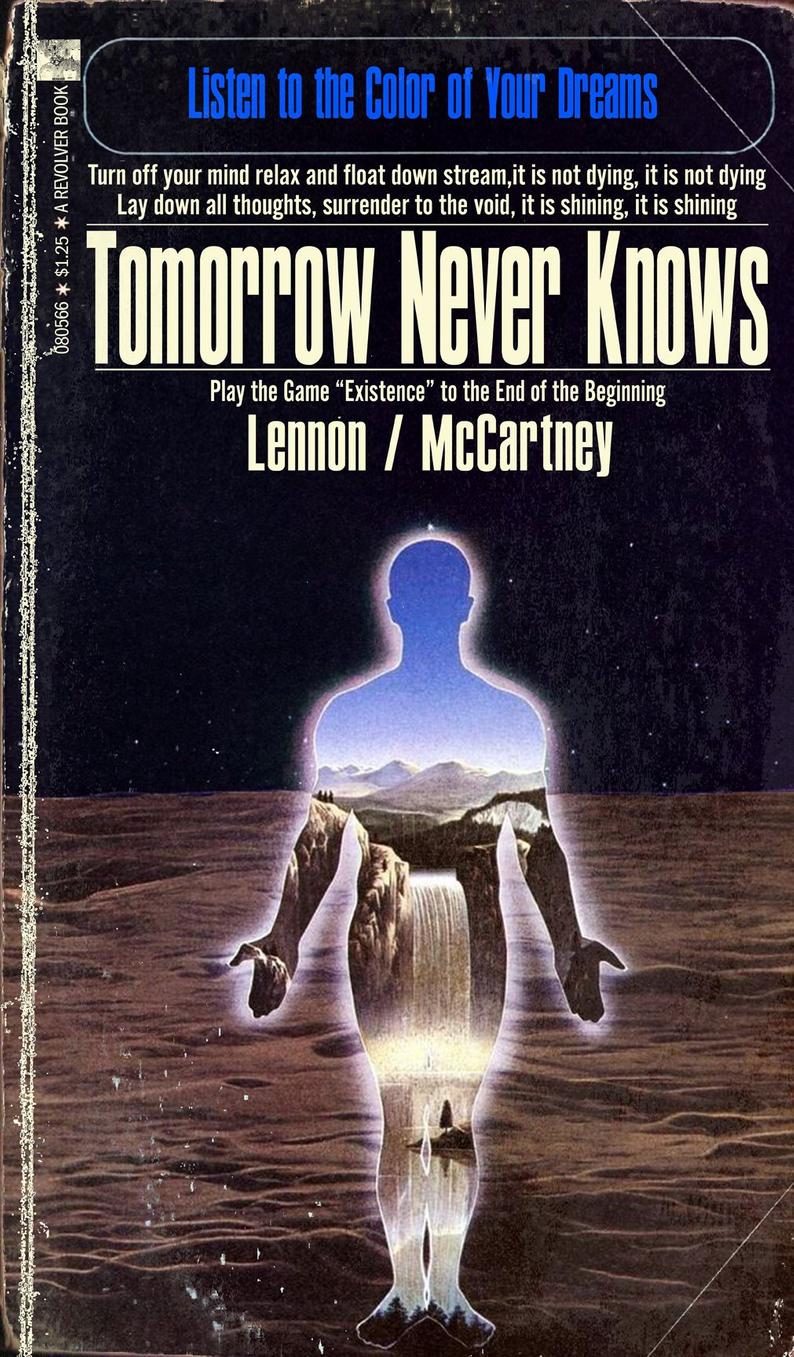
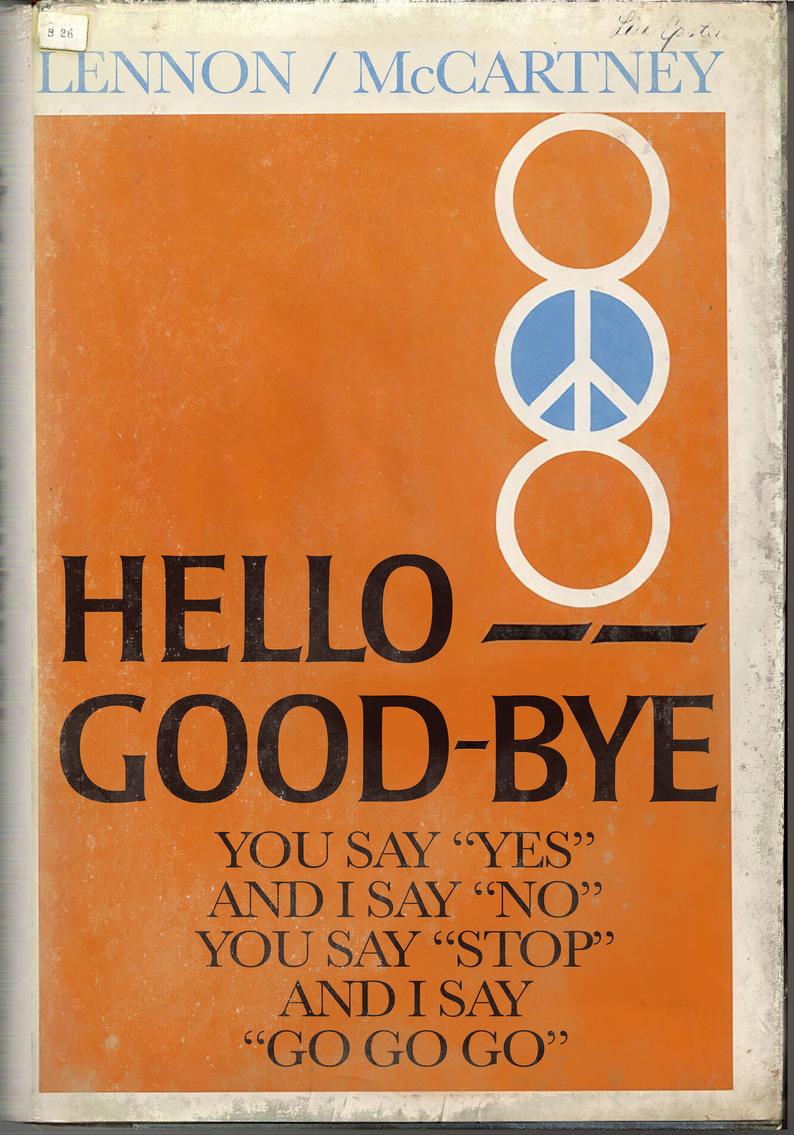
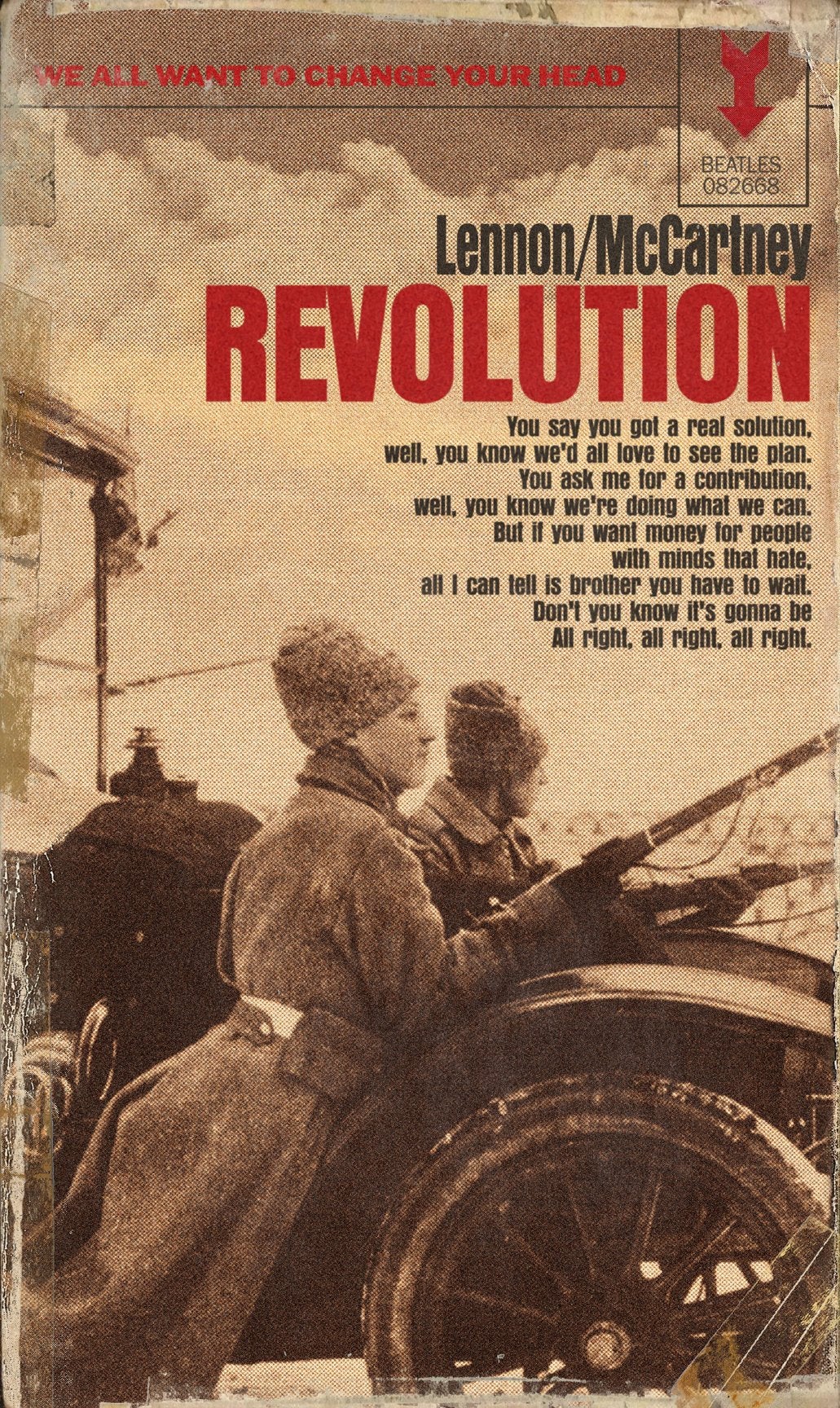
You all know that I’m a big sucker for clever mash-ups that include book cover art. Well, it will be no surprise that I love writer and graphic artist Todd Alcott’s crazy re-imaginings of classic Beatles tunes and paperback books. If you like these, check-out his etsy storefront to get prints.


Posted in Art, Books, Music | Tagged , , | Leave a comment