American Weirdo

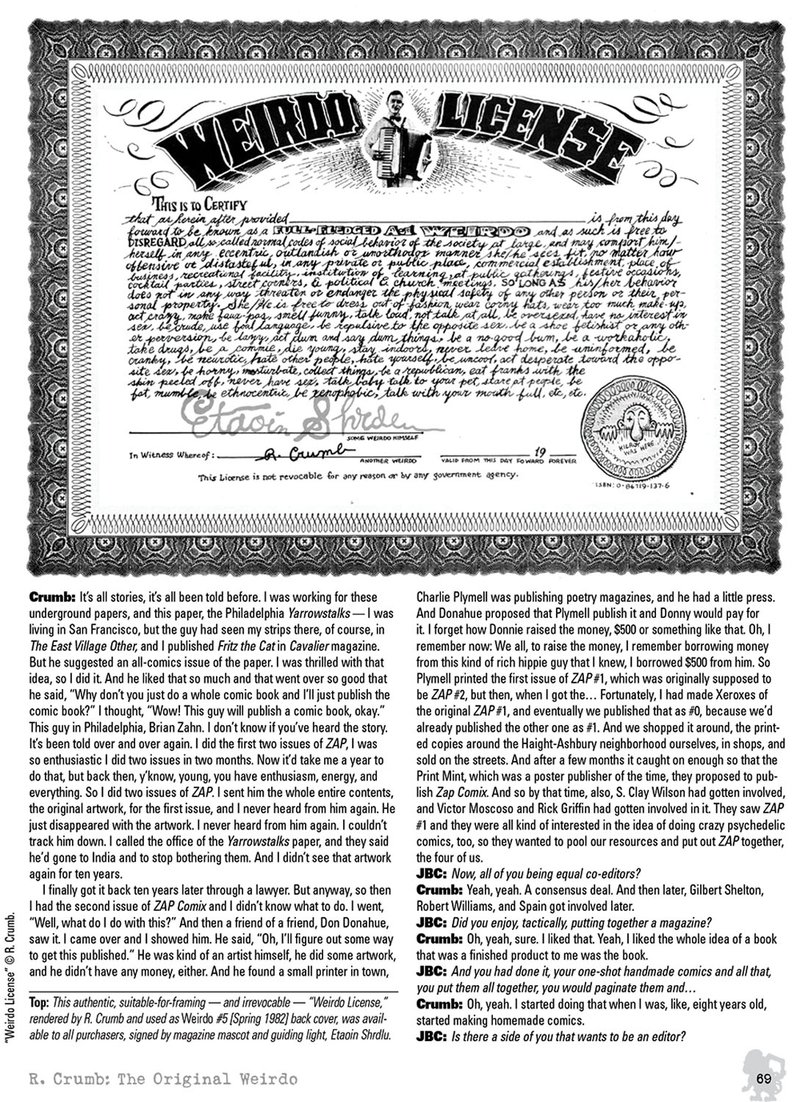
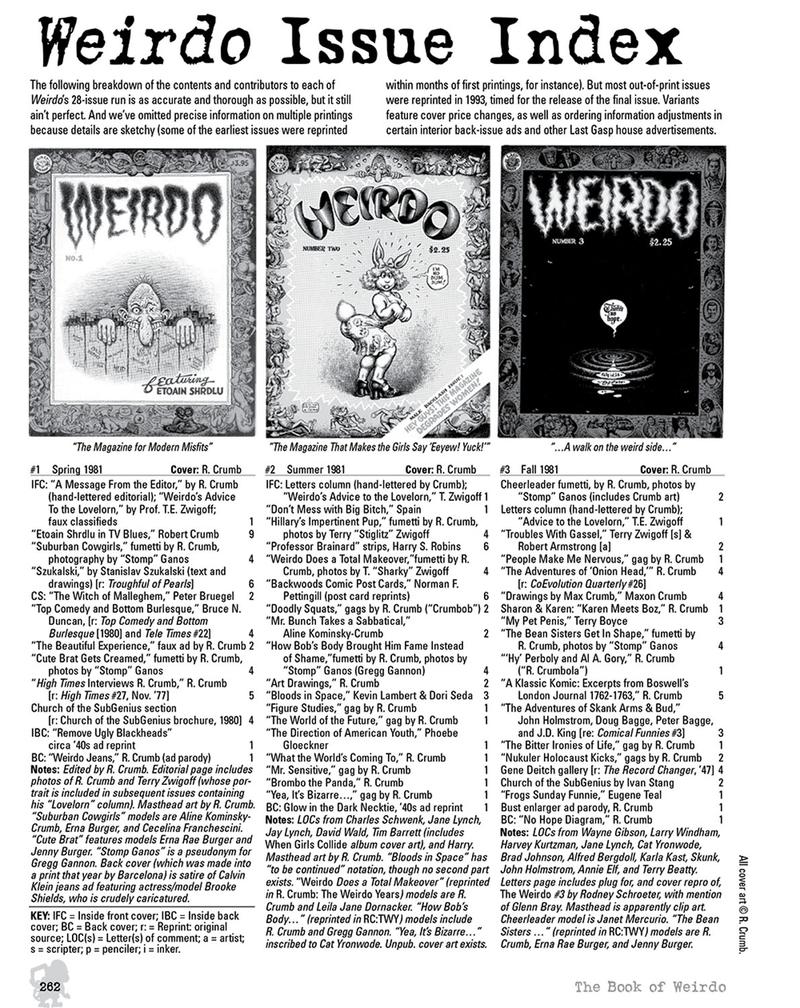
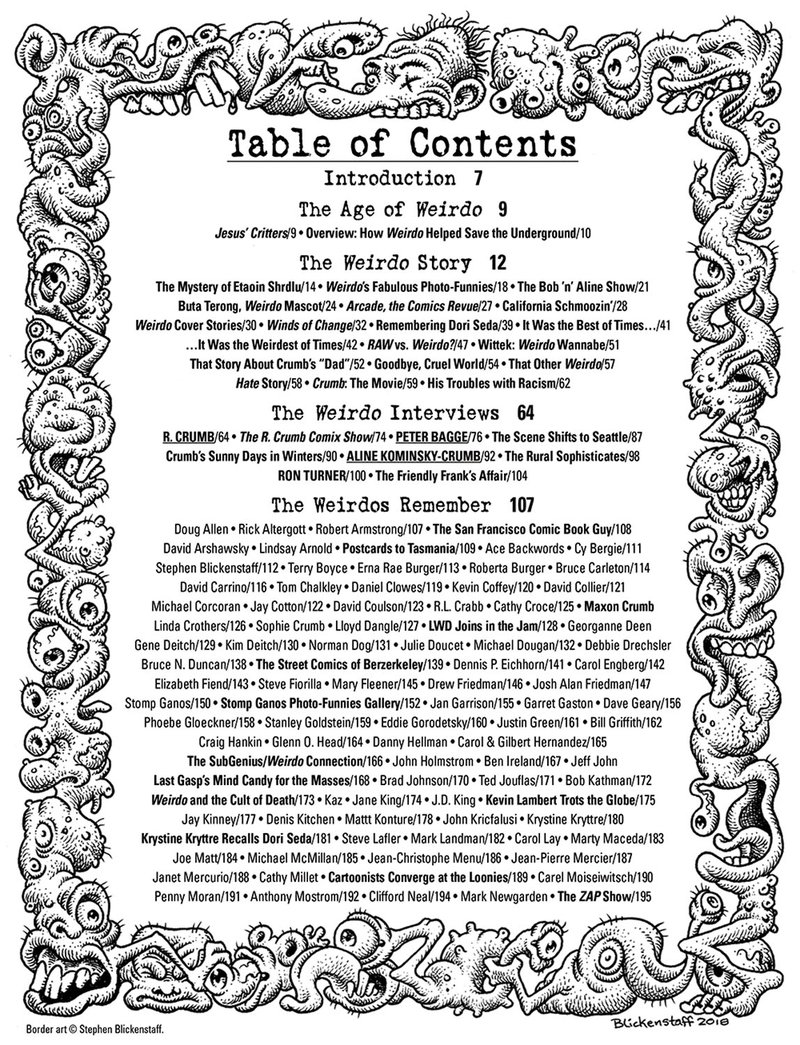
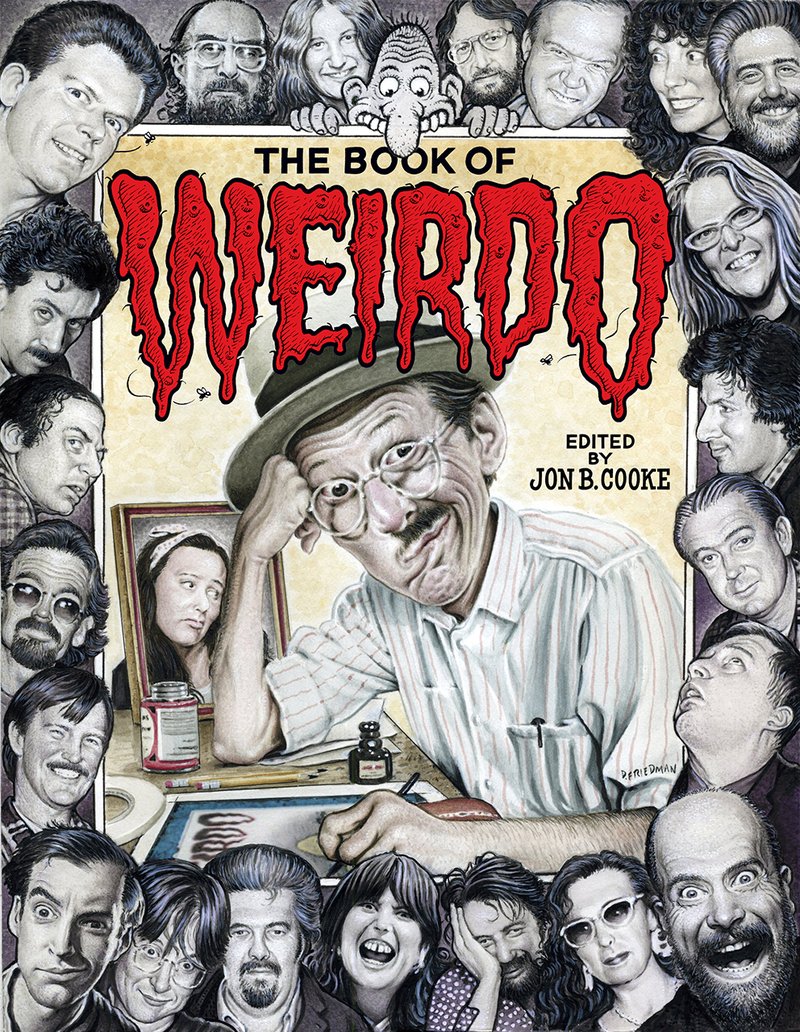
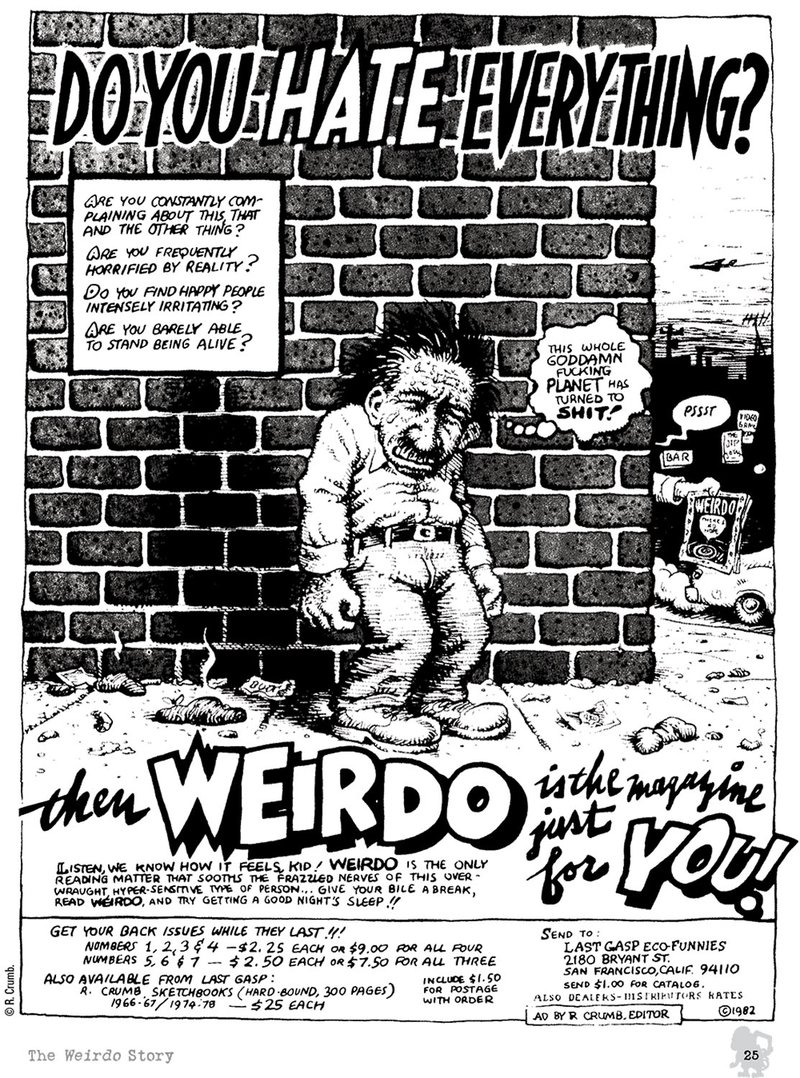
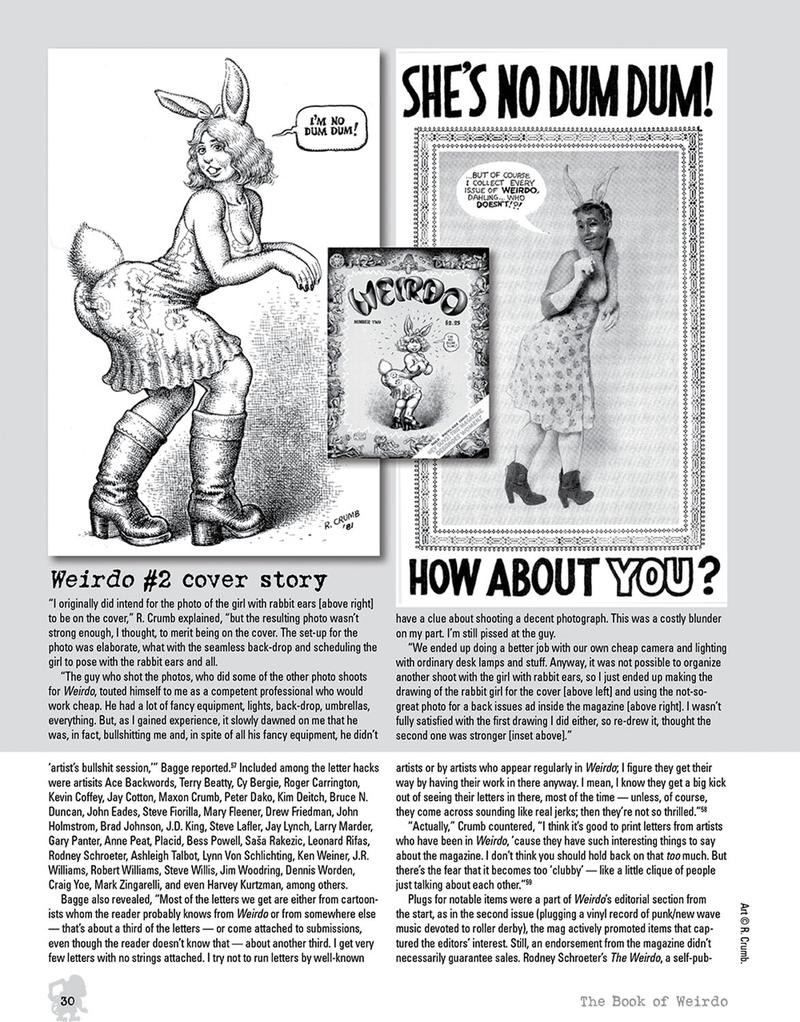
This weekend I stumbled upon this terrific retrospective on the way under-appreciated alternative comics series created by R. Crumb in the 1980s. Weirdo bridged the cultural and generational gap between the “underground comix” of the 1960s and the later so-called “alternative comics”. If you are a comic book fan, especially a Robert Crumb devotee, it’s a book worth checking out. Here’s a link to the publisher’s website and a blurb about the book.

The Book of Weirdo is the definitive (as well as hugely entertaining) examination of Weirdo magazine, renowned underground comix cartoonist Robert Crumb’s legendary humor comics anthology from the 1980s. Crumb himself has called the retrospective “a great book” and “the definitive work on the subject.”

A “low-brow” counterpoint to Art Spiegelman and Francoise Mouly’s rather high-falootin’ RAW, Weirdo influenced an entire generation of cartoonists, and served as a creative refuge for underground comix veterans and training ground for new creators, and this book features the comprehensive story of the fondly-recalled magazine, along with testimonials from over 130 of the mag’s contributors, plus interviews with Weirdo’s three editors ― R. “Keep on Truckin’” Crumb, Peter “Hate” Bagge, and Aline “The Bunch” Kominsky-Crumb ― as well as publisher “Baba Ron” Turner.

This 288-page hardcover book is as much a comprehensive history of the alternative comics scene of the 1980s and early ’90s ― from New York City punk to Seattle grunge ― as it is the story of a single magazine, an exhaustive retrospective that includes rare and unseen artwork from that era, as well as new comics from modern-day artists paying homage to the great oddball mag. In its time, the periodical featured the finest work of many artists, particularly the best material by R. Crumb himself, Weirdo’s founder and best known for ZAP Comix, Fritz the Cat, and Mr. Natural, and a man widely heralded as the greatest cartoonist of all time.

In 1981, amidst a seismic shift to the right in the country, Crumb responded by unleashing the savagely irreverent and satirical Weirdo onto the great multitude, and he generously welcomed to its pages not just his ZAP Comix underground cohorts, but also an entirely new generation of iconoclastic cartoonists. It was an irreverent, outrageous, often politically-incorrect, and taboo-challenging anthology that showcased Crumb’s finest ― and most controversial ― material. It was gut-busting, hysterical, and frequently offensive. But, most of all, it was FUNNY! Though it finally gave up the ghost by 1993, in its time, Weirdo was one of the very best of its kind… a showcase for outsiders, freaks, and (naturally) weirdos. In fact, truth to tell, it’s the ONLY one of its kind!
Posted in Art, Books, USA, Writing | Tagged , , , , , , | 1 Comment

Street Art Fortified

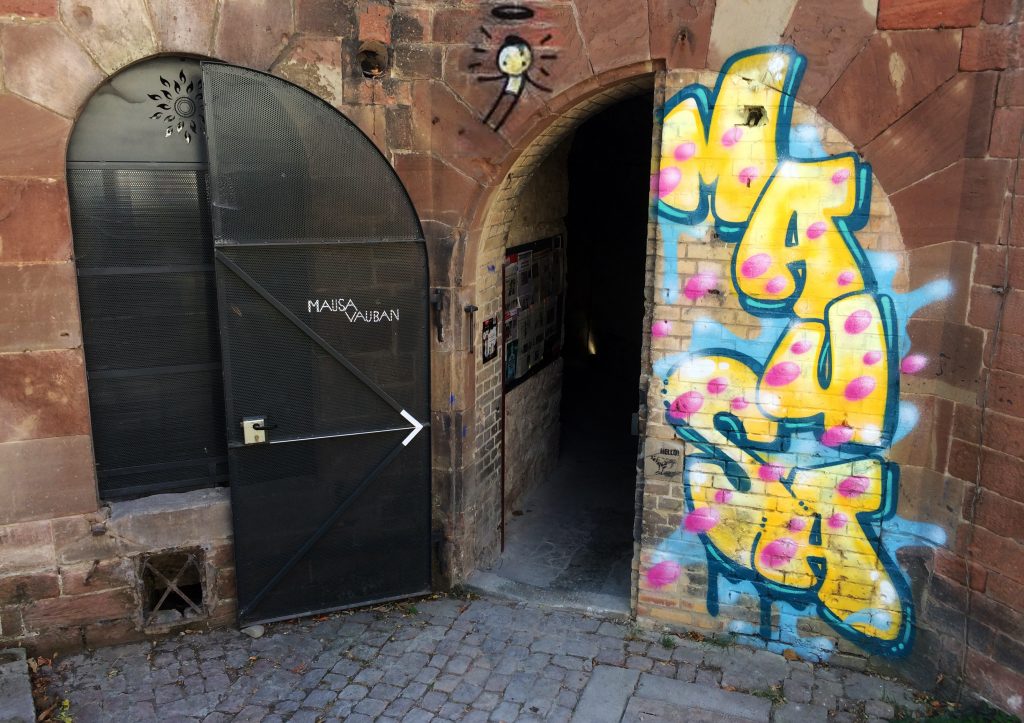
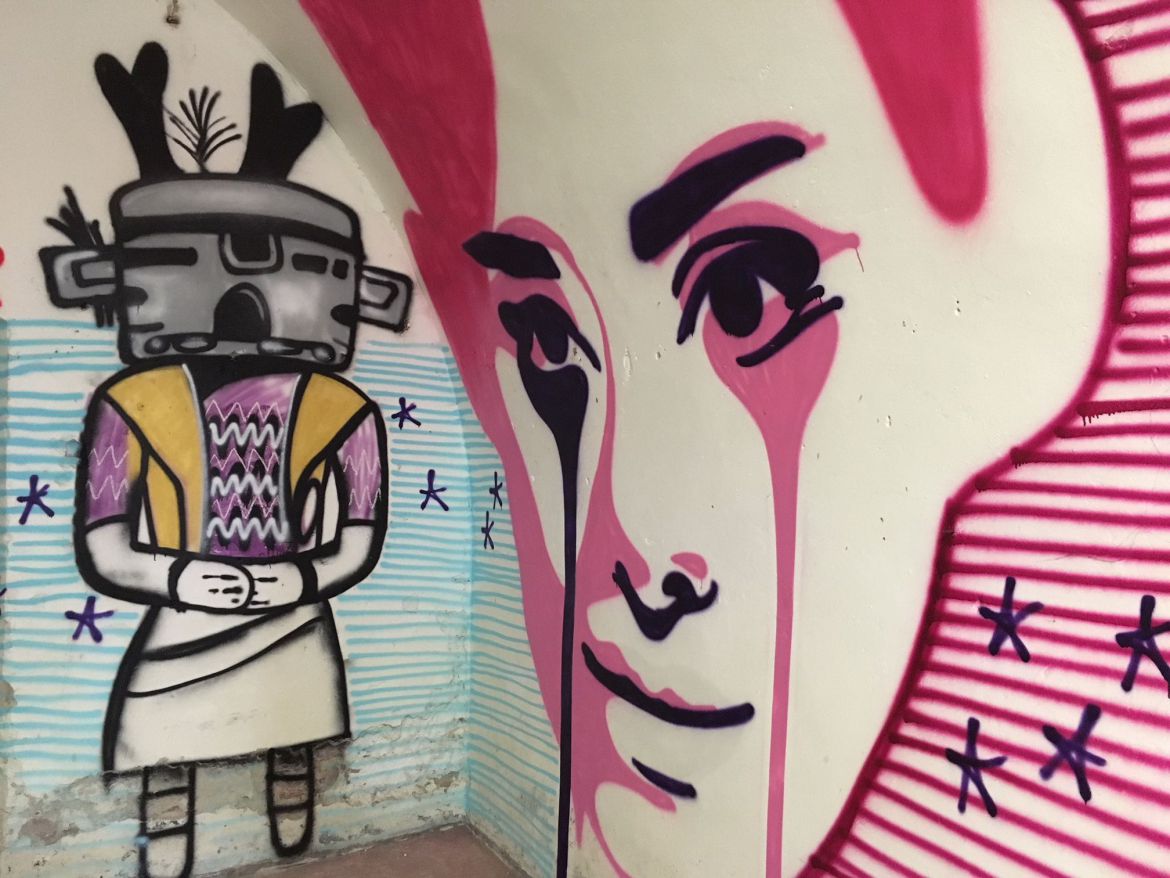
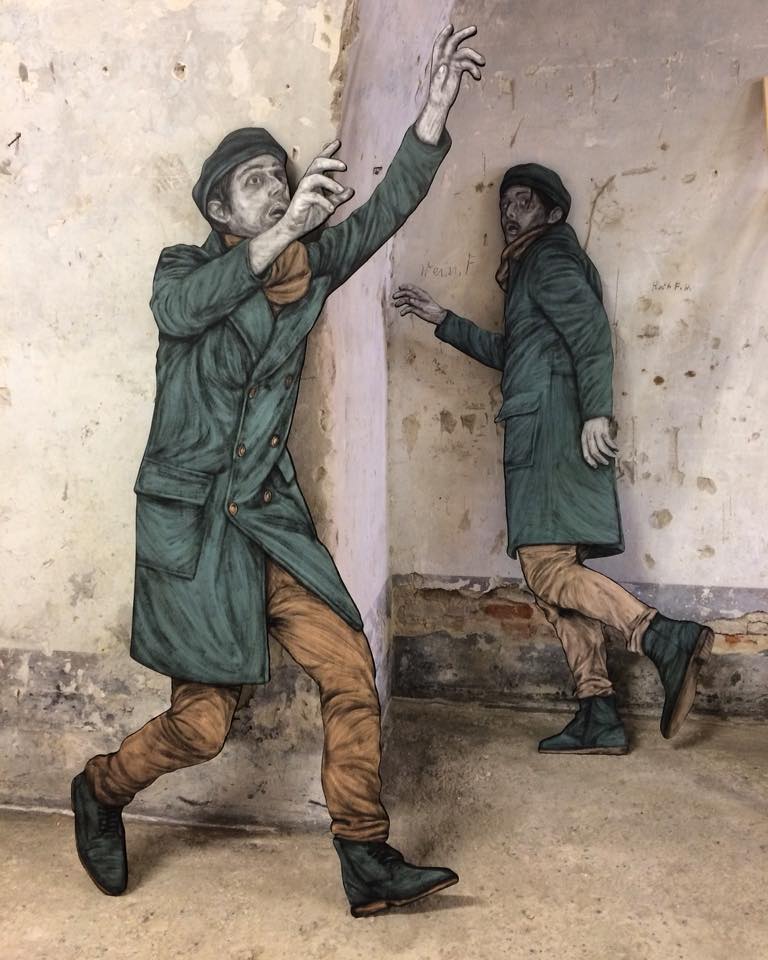
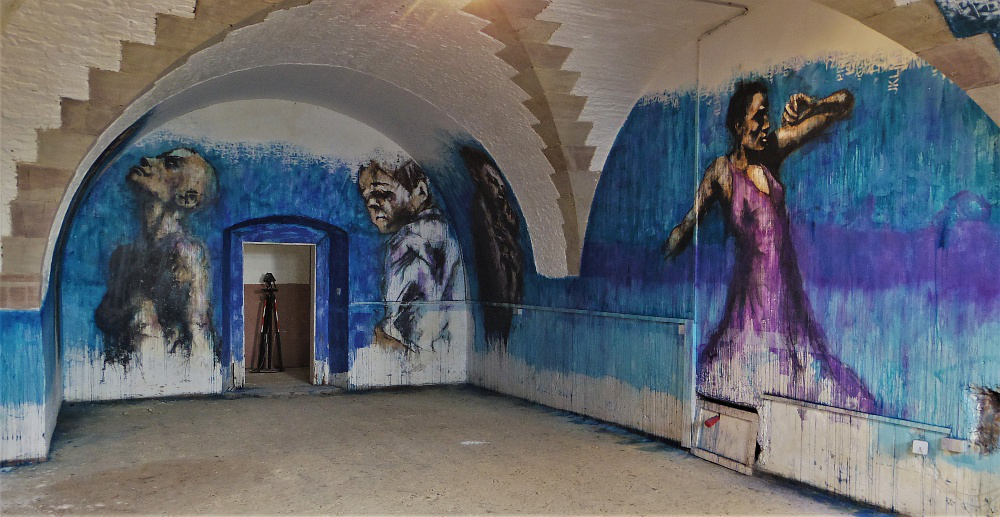
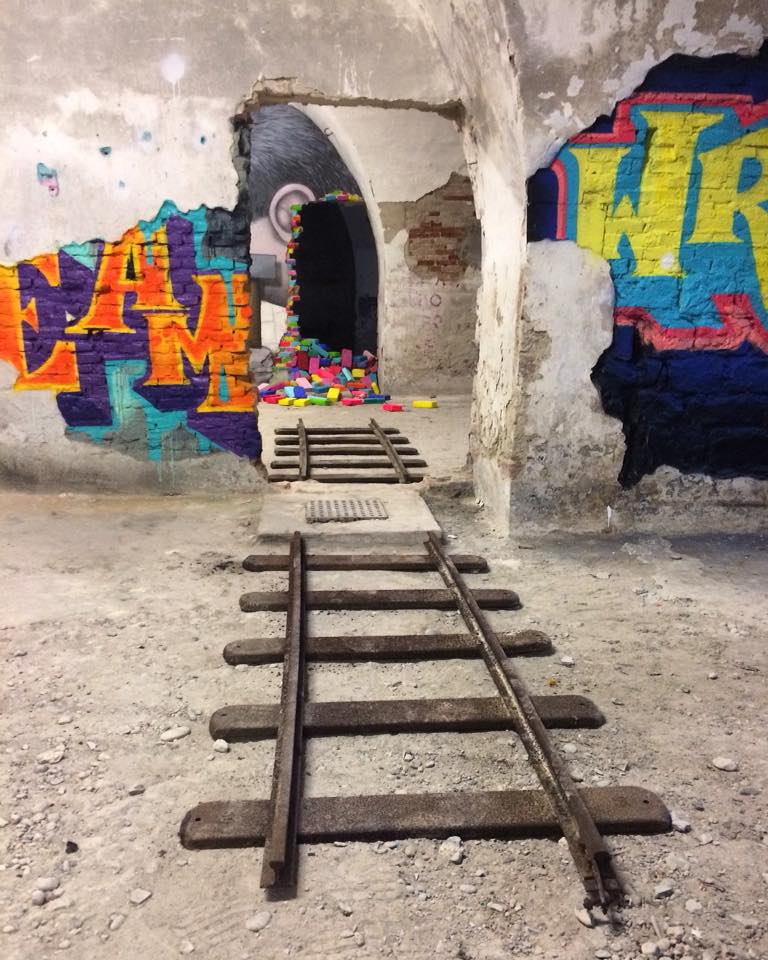
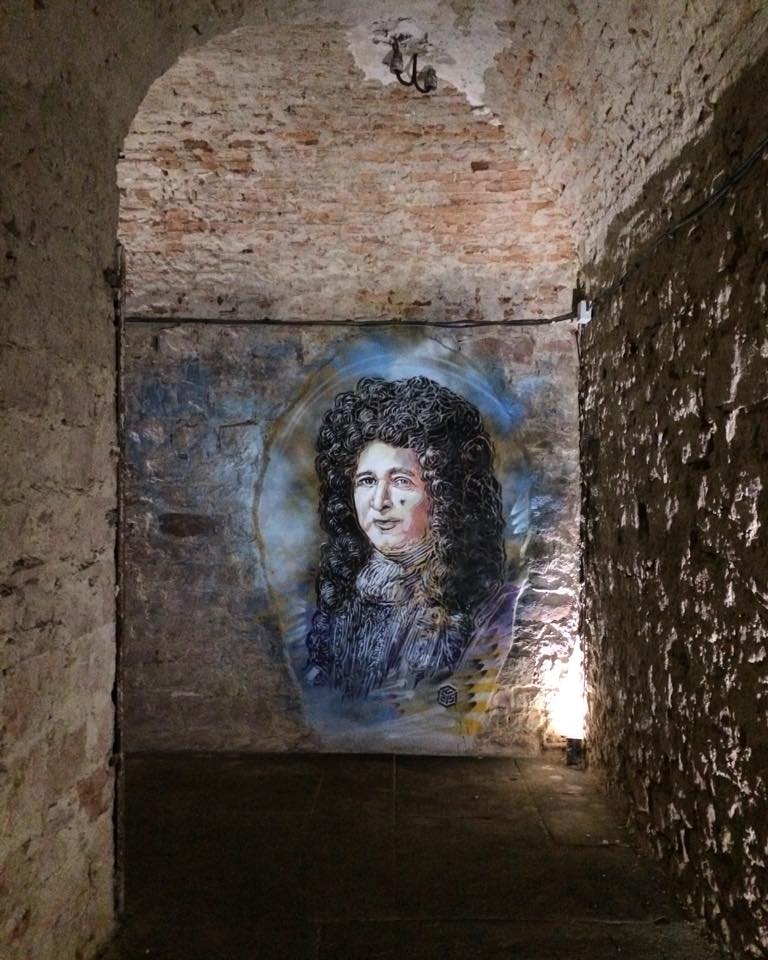
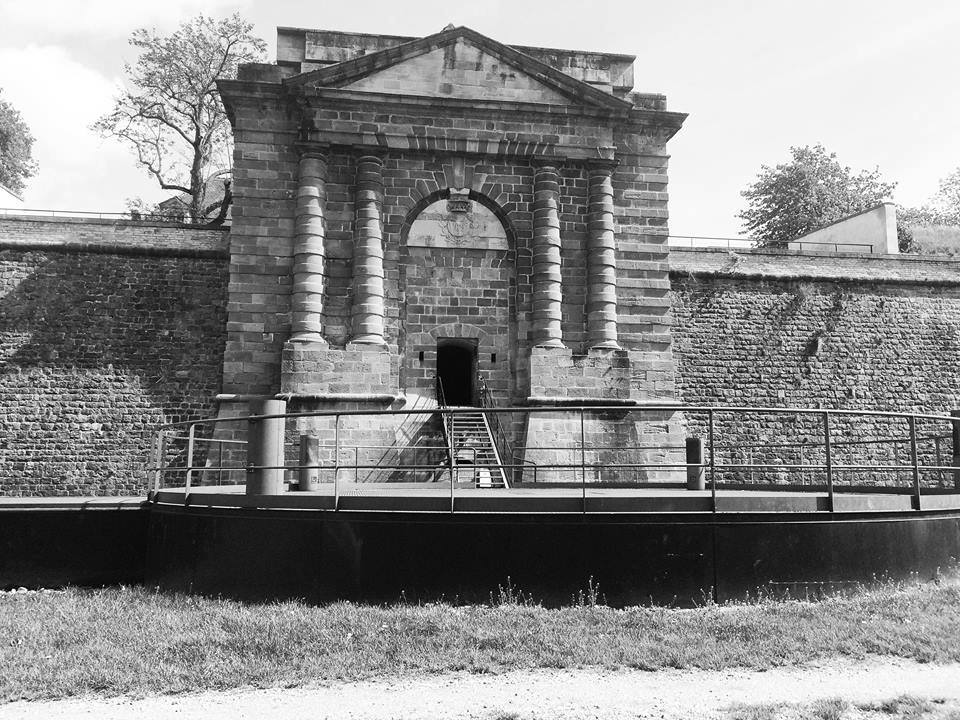
What a brilliant setting for the second museum dedicated to street-art in France, located in the town of Neuf-Brisach (Haut-Rhin), and inaugurated on July 7, 2018, the Musee D’Art Urbain et De Street Art (MAUSA) is situated in the 18th century Vauban fortress. The UNESCO World Heritage site, just south of Strasbourg, inside the citadel has more than 2 kilometers of galleries  displaying the work of celebrated European street artists like SethMesnagerGuy DenningLevalet , Pure Evil and Denis Meyers. I’m just waiting for Banksy to show-up before I visit.


Posted in Architecture, Art, Europe, Museums | Tagged , , , | Leave a comment

We Can Be Heroes

Writer Todd Alcott has a brilliant side gig reimagining David Bowie songs as pulp fiction-style books. His clever bookcovers reference classic paperback books. You can see more of the covers at Alcott’s Etsy site and even purchase your own copies.

Posted in Art, Books, Music | Tagged , , , , | Leave a comment

Slow Down You Look Too Fast

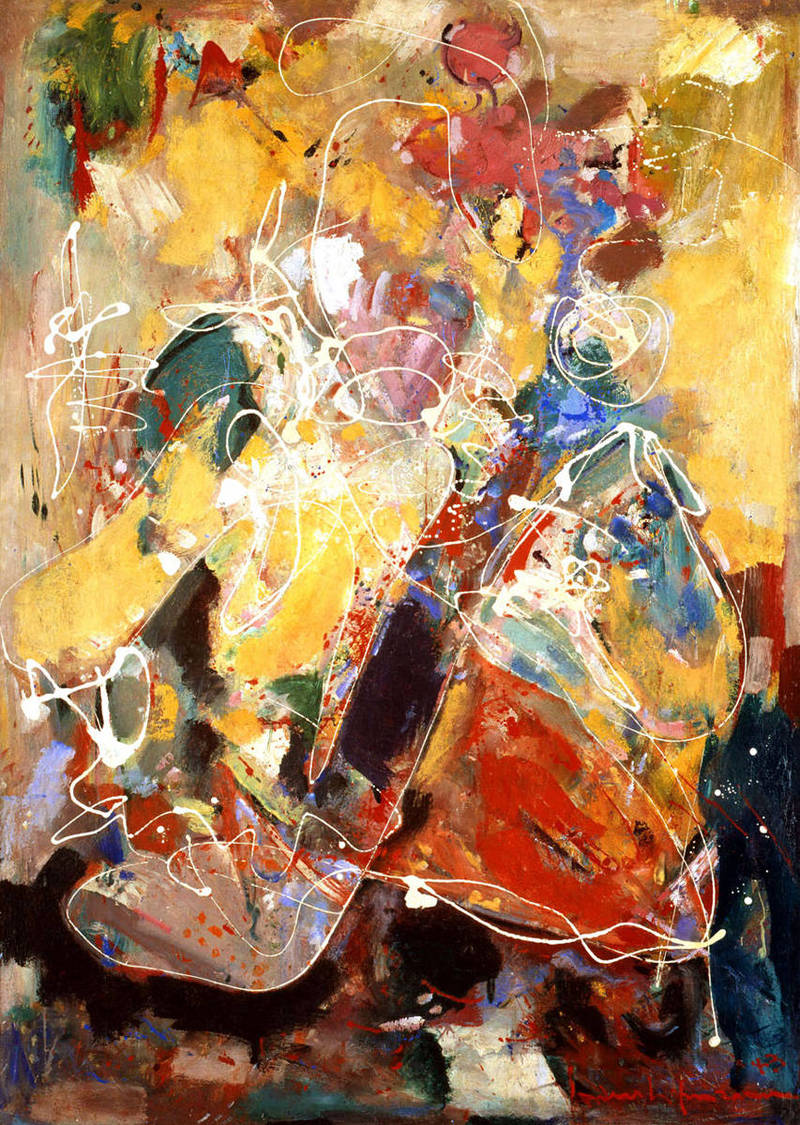
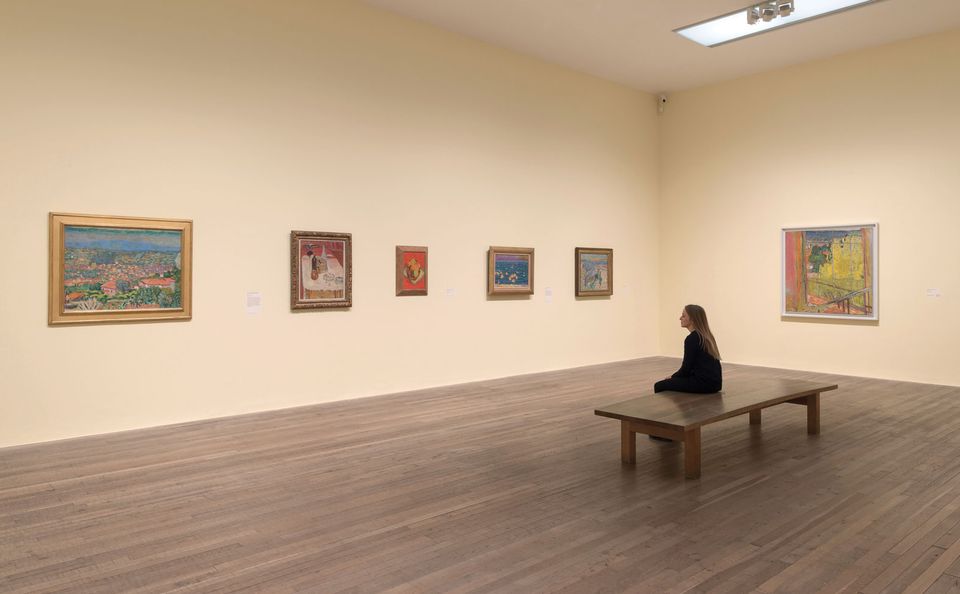
Today, art museums, galleries, and other institutions around the world are marking the annual Slow Art Day with a wide variety of tours, activities and events that all encourage visitors to take more time with art. The concept is quite simple, by spending more more time with works of art we can make a more mindful connection. The annual Slow Art Day is the brainchild of Phil Terry who founded the event in 2009. Terry was motivated by the trend by museums towards blockbuster shows that herd visitors through exhibitions like cattle without providing time to engage with the art. He got the idea for a slow art day while visiting New York City’s Jewish Museum, where he spent an hour with Hans Hoffman’s painting Fantasia. 

Over the last decade, Slow Art Day has been embraced by hundreds of institutions and has inspired events across the globe, even in Antarctica. Terry describes the slow art movement as an “open-source idea” that museums and galleries can build on.

Once again, this year hundreds of venues have committed to participate in Slow Art Day. Check out the website to find one near you.

Posted in Art, Museums, Tourism | Tagged , , , , | Leave a comment

Friday Funnies

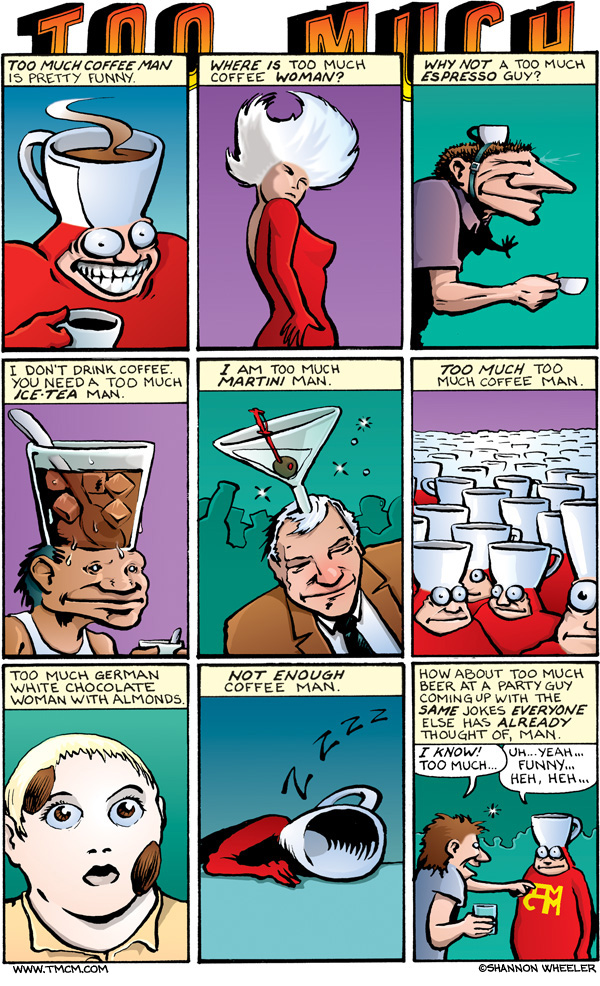
Some of you may know that about a year ago I joined the ranks of the coffee-obsessives and began roasting my own coffee beans. So far, I’ve subjected my friends and family members to my experiments without too much complaint. In fact, I seem to be getting the hang of both the art and science of coffee bean roasting. Although I’ve been buying lots of green beans and roasting at least twice a week, my actual coffee consumption hasn’t increased all that much. Well maybe by 20% .

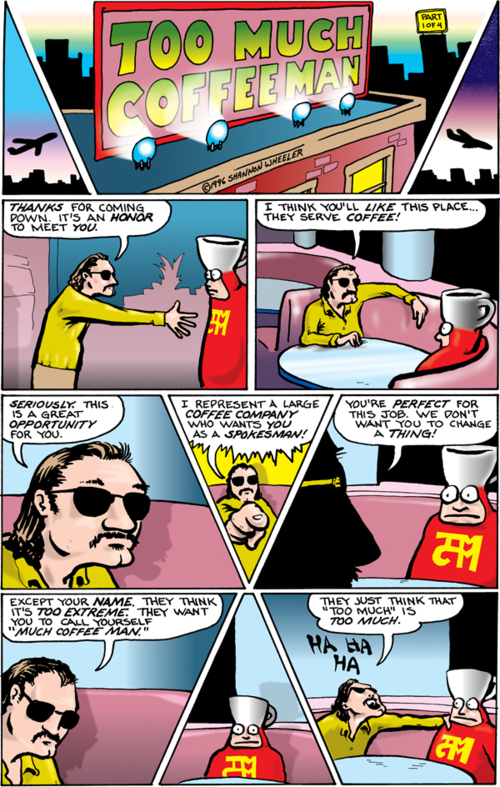
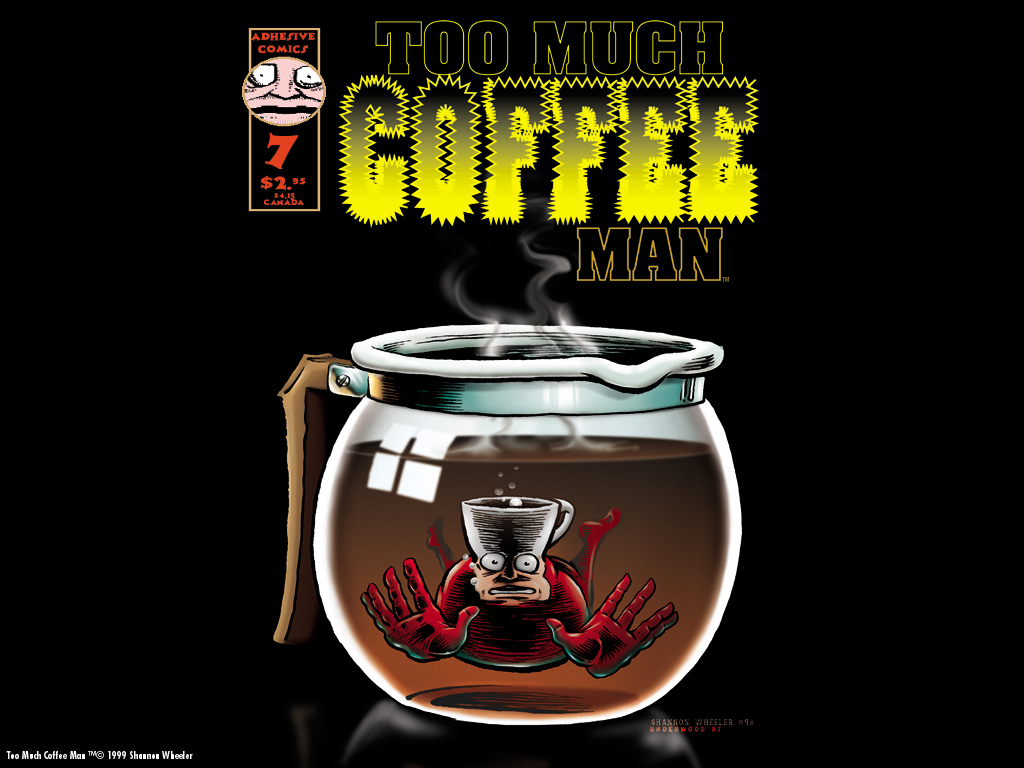
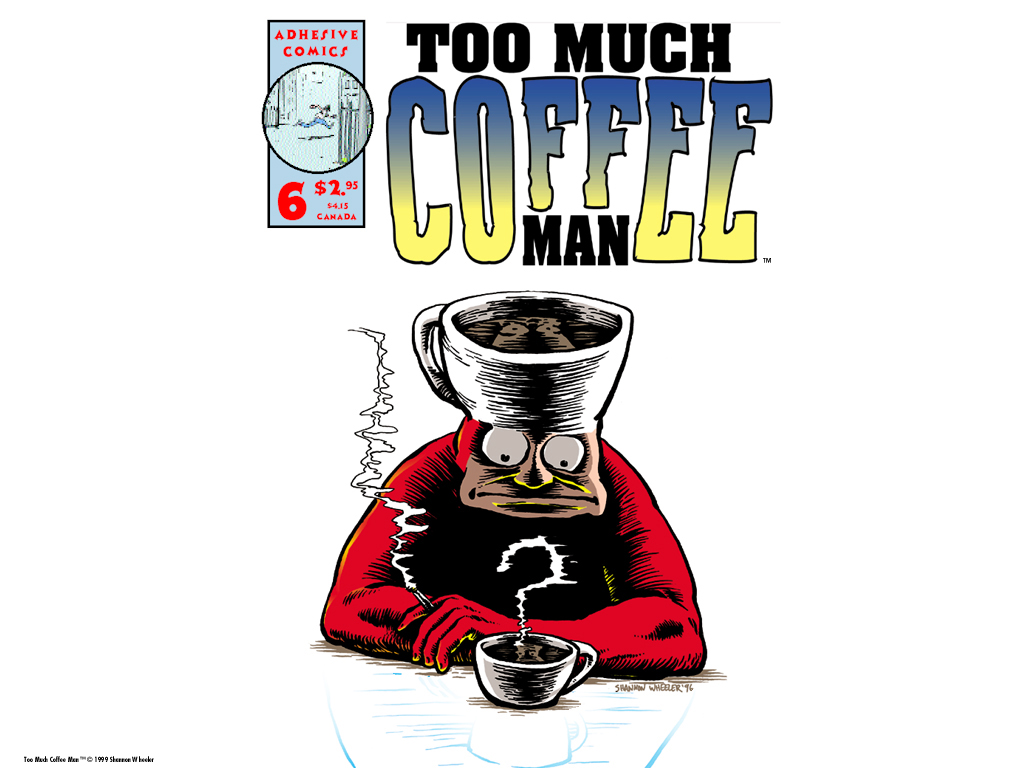
It should come as no surprise that my new favorite comic is Too Much Coffee Man. The star is an American satirical superhero created by cartoonist Shannon Wheeler way back in 1991. Too Much Coffee Man wears what appears to be a spandex version of old-fashioned red “long johns” with a large mug attached atop his head. Of course, he is a stressed-out Everyman who is in a constant state of anxiety about the woes of the world, American politics, and our sorry culture.

Too Much Coffee Man has appeared as a weekly single page comic in alternative newspapers, zines, and books. It has even been turned into an opera, really. You learn all about the caffeinated hero and even find out about purchasing his books at creator Shannon Wheelers website.

Posted in Animation, Art, Books, USA | Tagged , | 3 Comments

Look for the Book Label

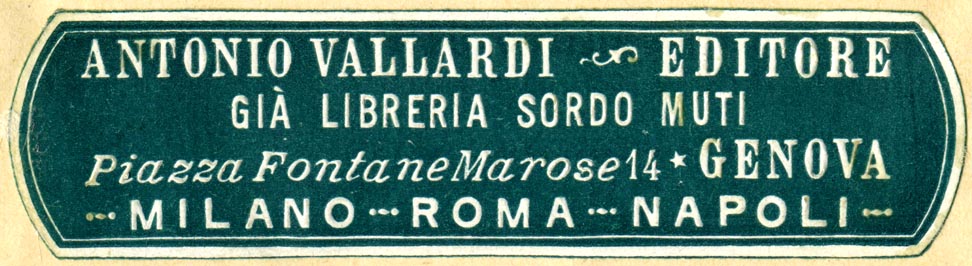
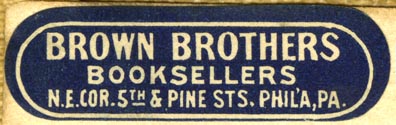
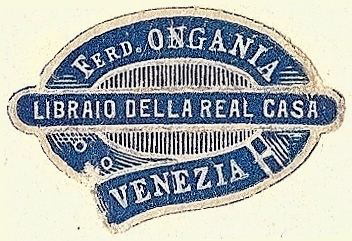
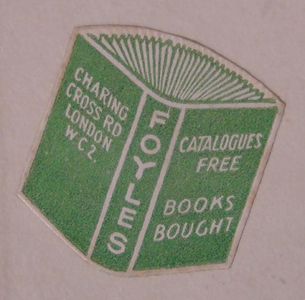
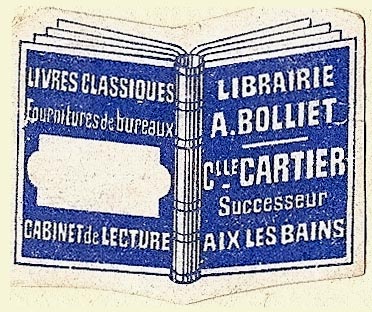
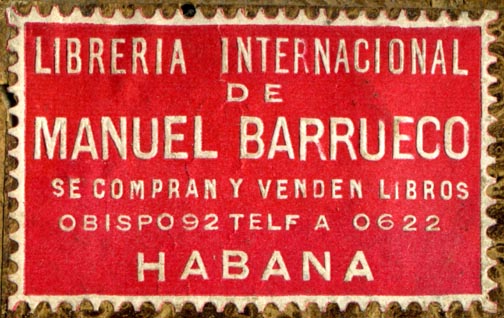
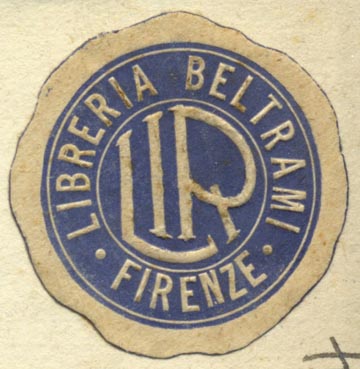
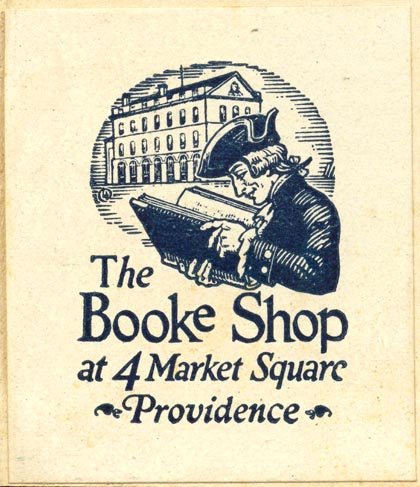
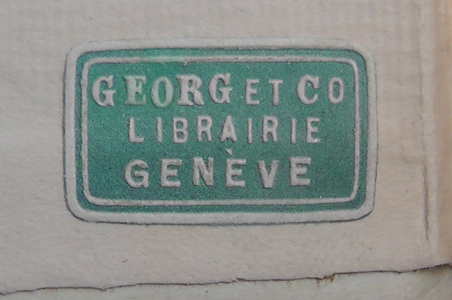
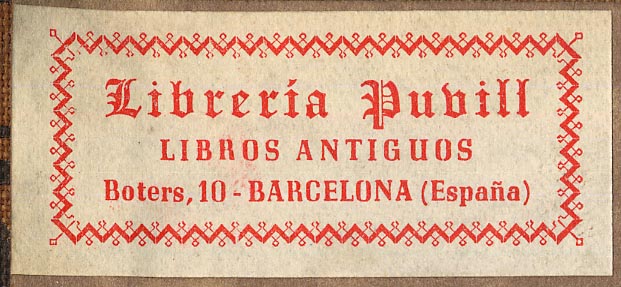
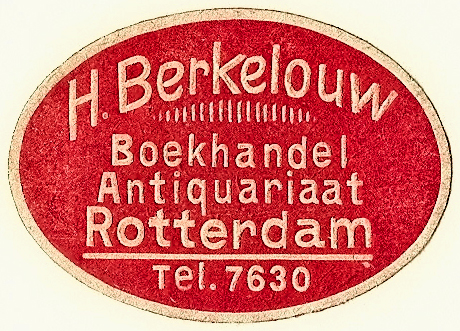
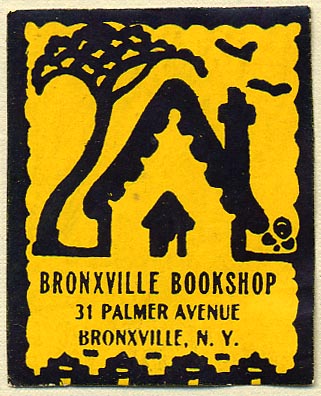
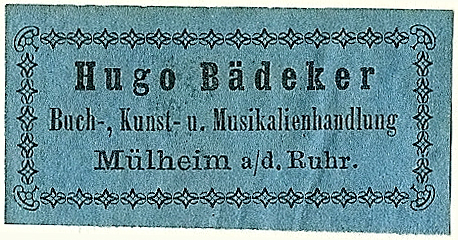
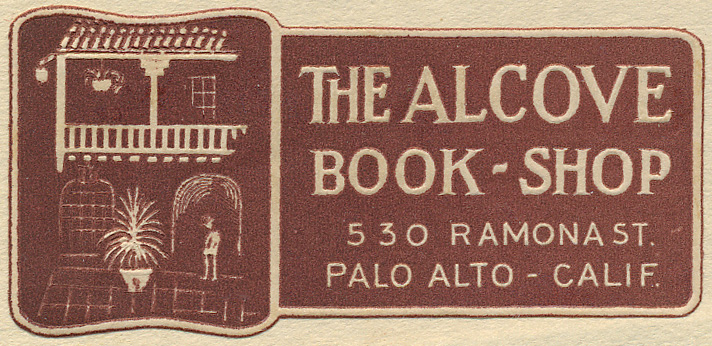
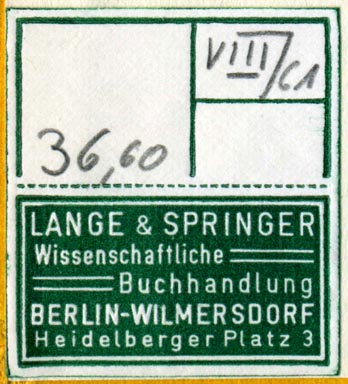
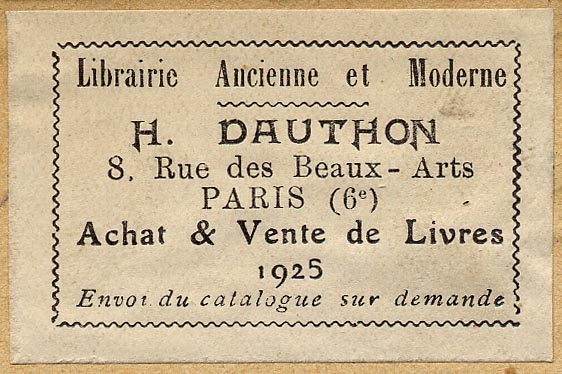
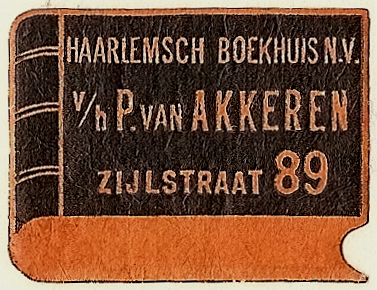
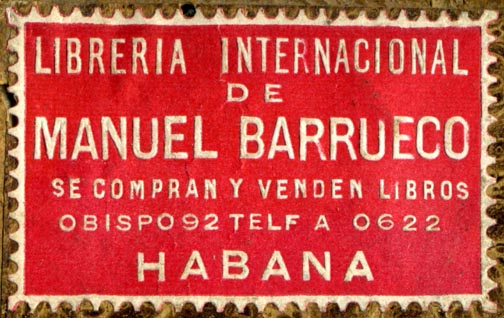
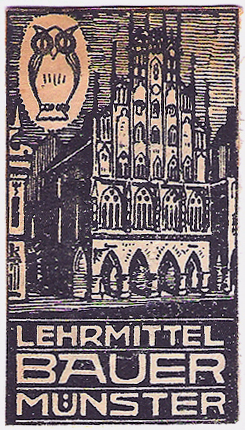
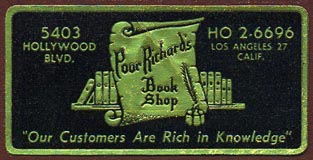
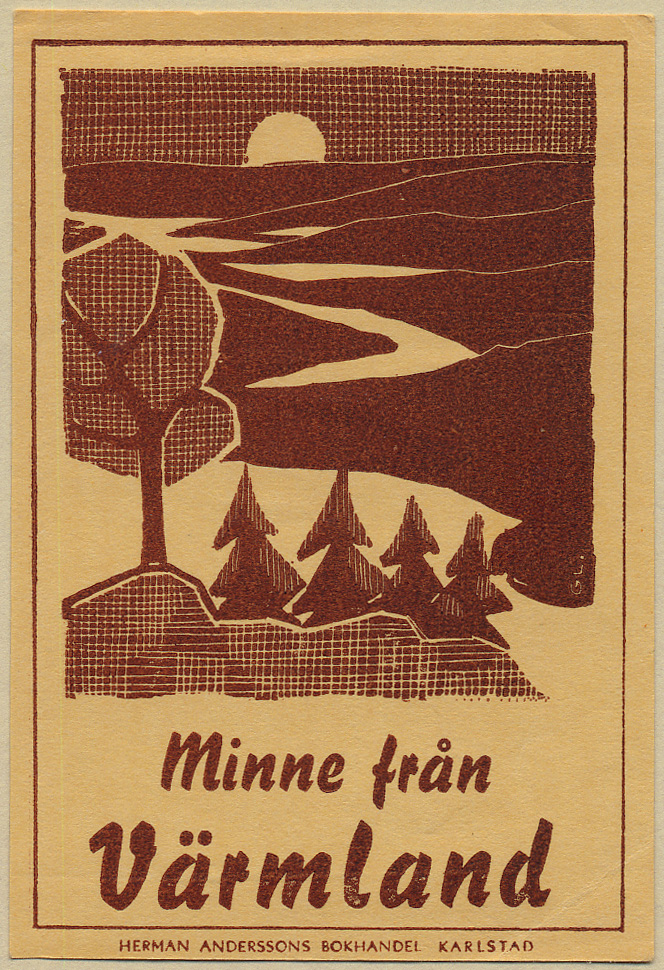
Over the many years that I have been collecting and selling antiquarian and secondhand books, I have been intrigued by the small booksellers’ labels that were once a fixture in the book trade. These are typically diminutive, usually small rectangles or circles of paper or foil, discretely pasted to the front or back endpapers of a book. Sometimes they are simple inked stamps.

While I have always noted the bookseller labels in the volumes that I have sold or kept in my personal library, I have refrained from removing the labels to start my own collection. My view has been that the labels became part of the book once the seller affixed them and that they provide a clear line of provenance. Although some collectors will reject an antiquarian book with a permanently glued bookseller’s label.


I recently ran across some collections of these little pieces of the book trade’s history and thought that I’d share some examples.


Posted in Art, Books, Bookstore Tourism, Europe | Tagged , , , , | Leave a comment

Let This Darkness Be a Bell Tower

Let This Darkness Be a Bell Tower

Quiet friend who has come so far,

feel how your breathing makes more space around you.
Let this darkness be a bell tower
and you the bell. As you ring,

what batters you becomes your strength.
Move back and forth into the change.
What is it like, such intensity of pain?
If the drink is bitter, turn yourself to wine.

In this uncontainable night,
be the mystery at the crossroads of your senses,
the meaning discovered there.

And if the world has ceased to hear you,
say to the silent earth: I flow.
To the rushing water, speak: I am.

Sonnets to Orpheus II, 29

Posted in Books, Europe, Writing | Tagged , , | Leave a comment

Best Bookstore of the Year

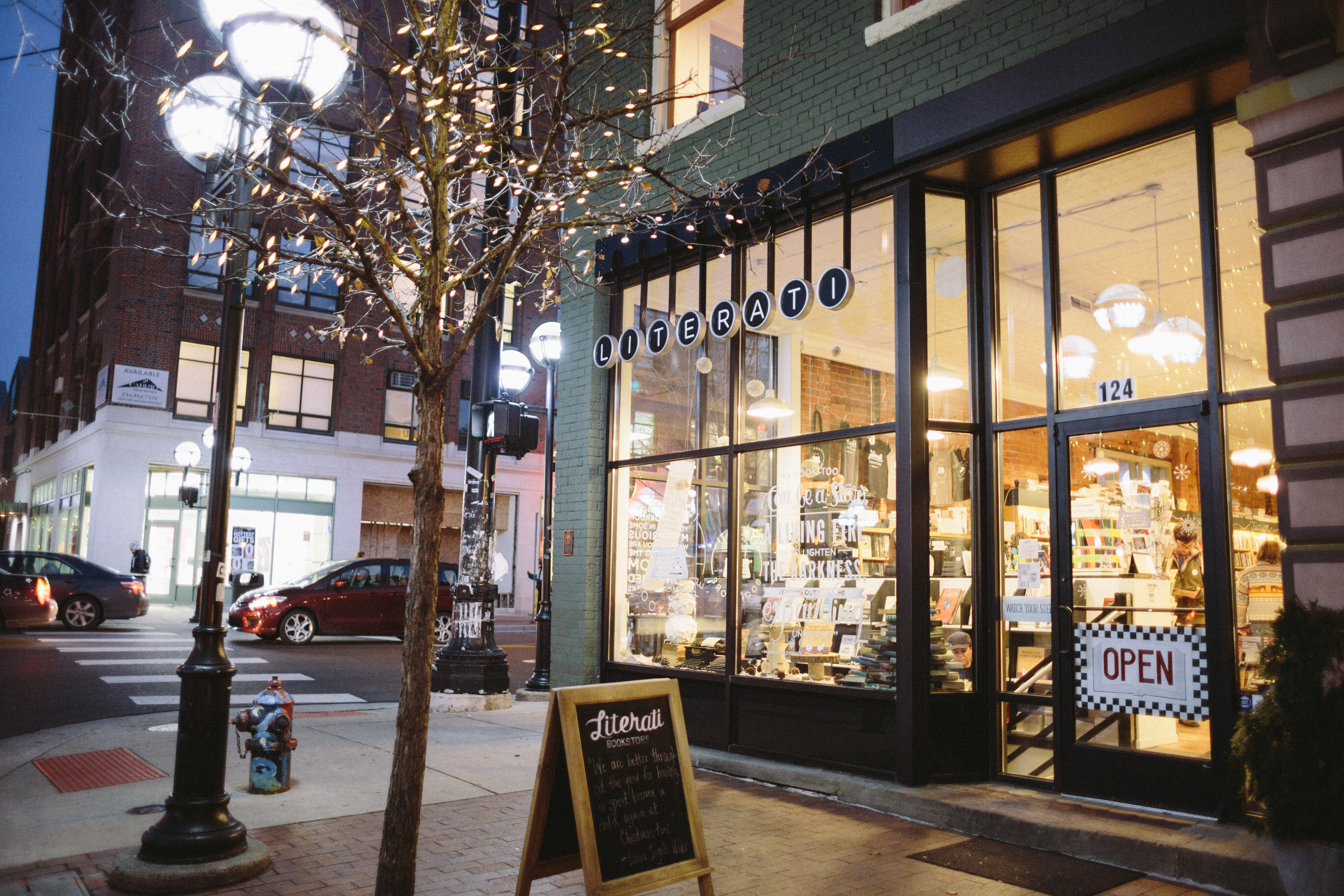
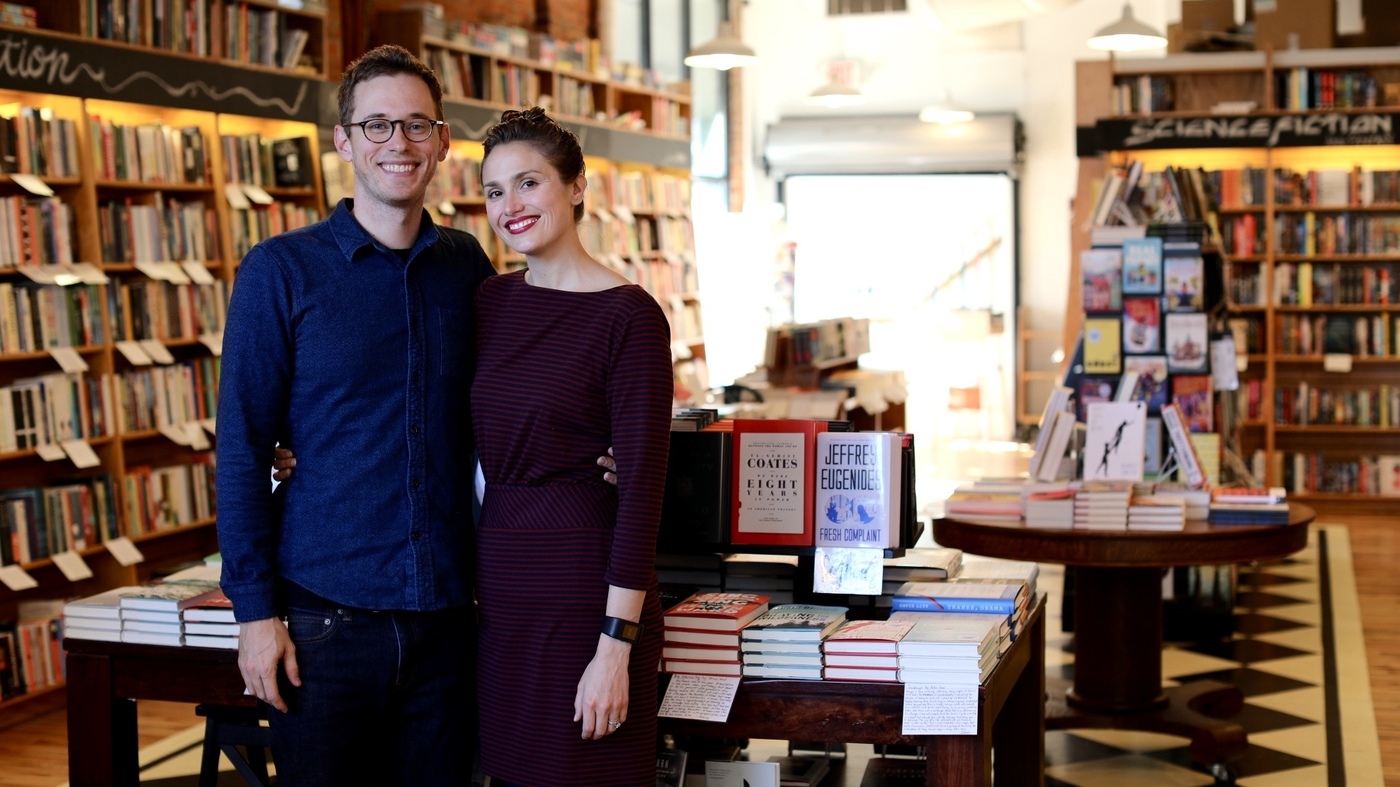
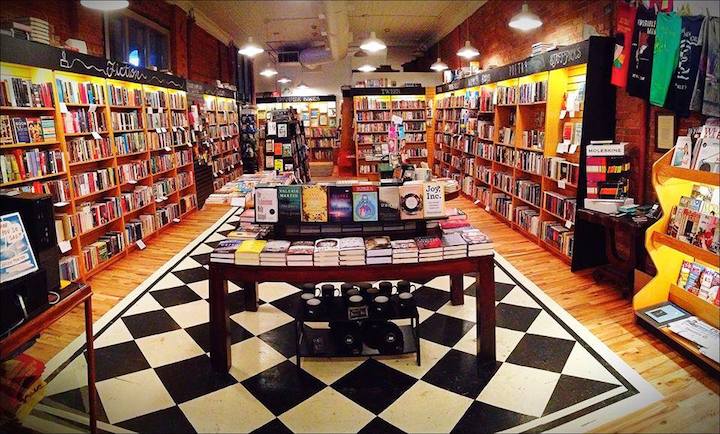
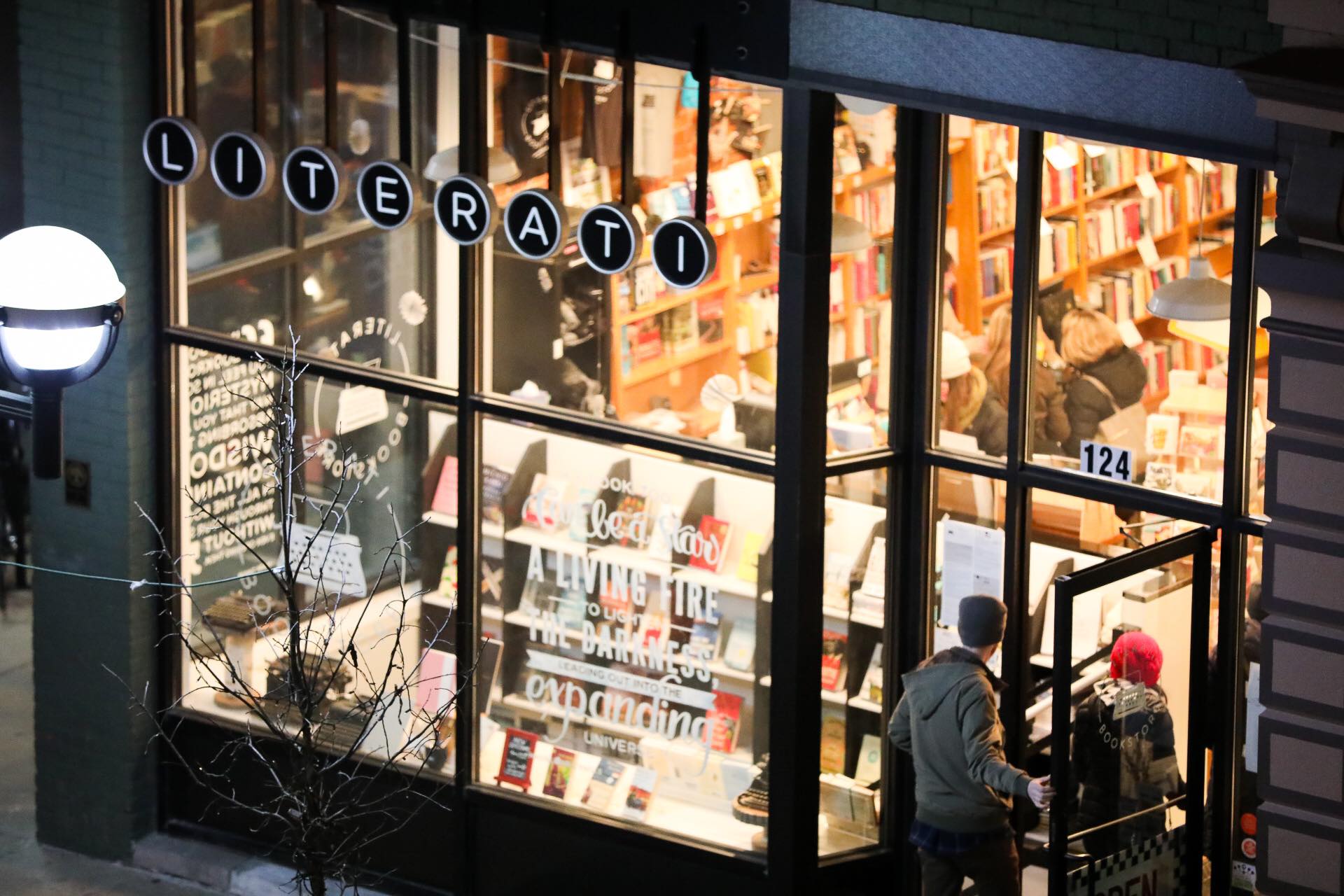
Literati Bookstore in Ann Arbor, Michigan has been named PW‘s Bookstore of the Year. Literati which opened in 2013 celebrated the store’s fifth anniversary last April.  Brooklyn transplant co-owners Hilary and Michael Gustafson posted on Facebook: “When we opened Literati we knew the importance of bookstores in our own lives and hoped to continue the long tradition of bookselling in Ann Arbor. We wanted to foster the idea that bookstores are places where people gather, where people discover new ideas, attend readings of an author they’ve never heard about before, and where people can surprise themselves. These ideas of community, curiosity, and a craving to interact with real people at a real bookstore are not new, and they did not begin here at Literati, but we feel incredibly lucky to work every day to keep them alive.”

Mike and Hilary Gustafson in their bookstore, Literati.


Posted in Books, Bookstore Tourism, USA | Tagged , , , | Leave a comment

Wordless Novel (no fooling)

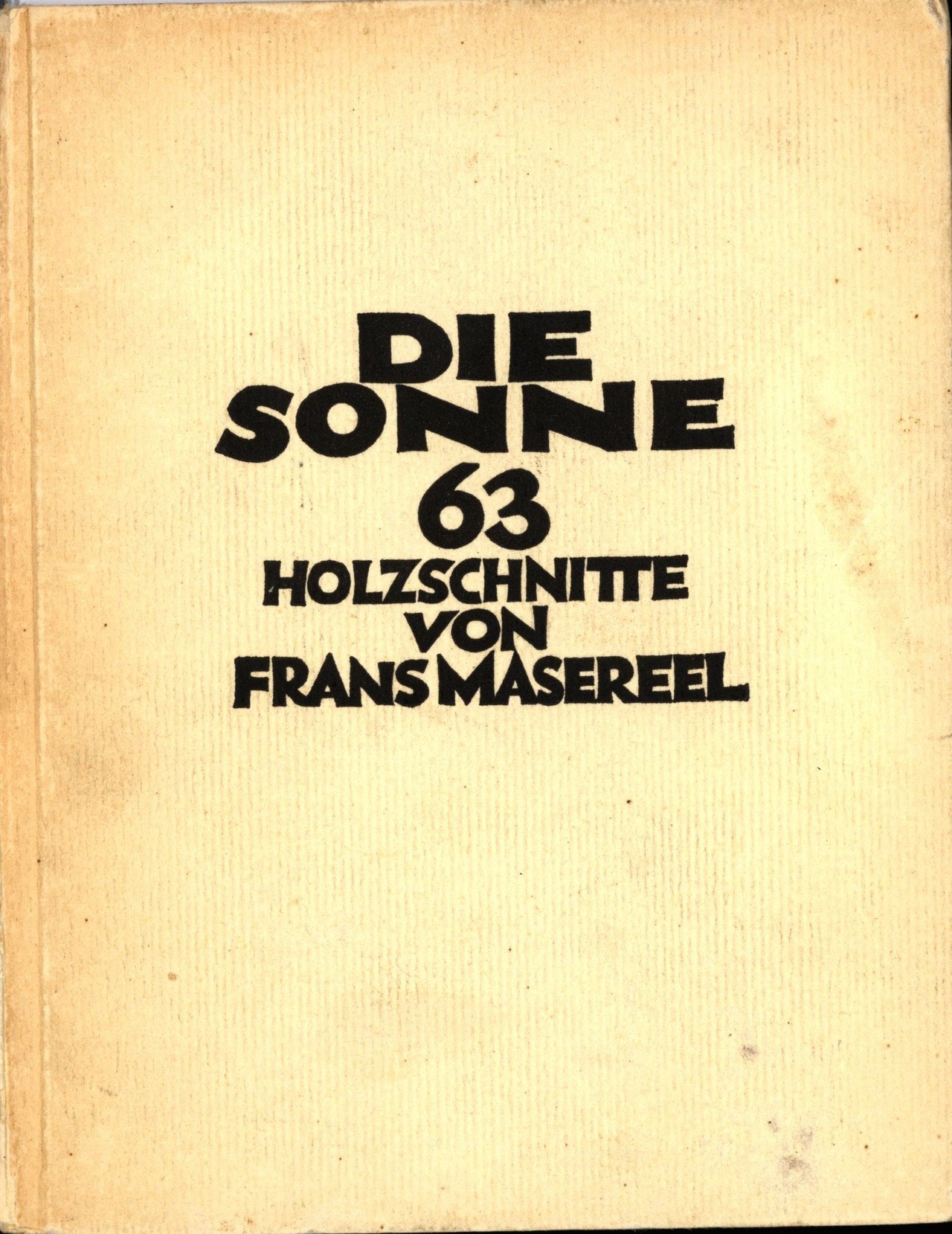
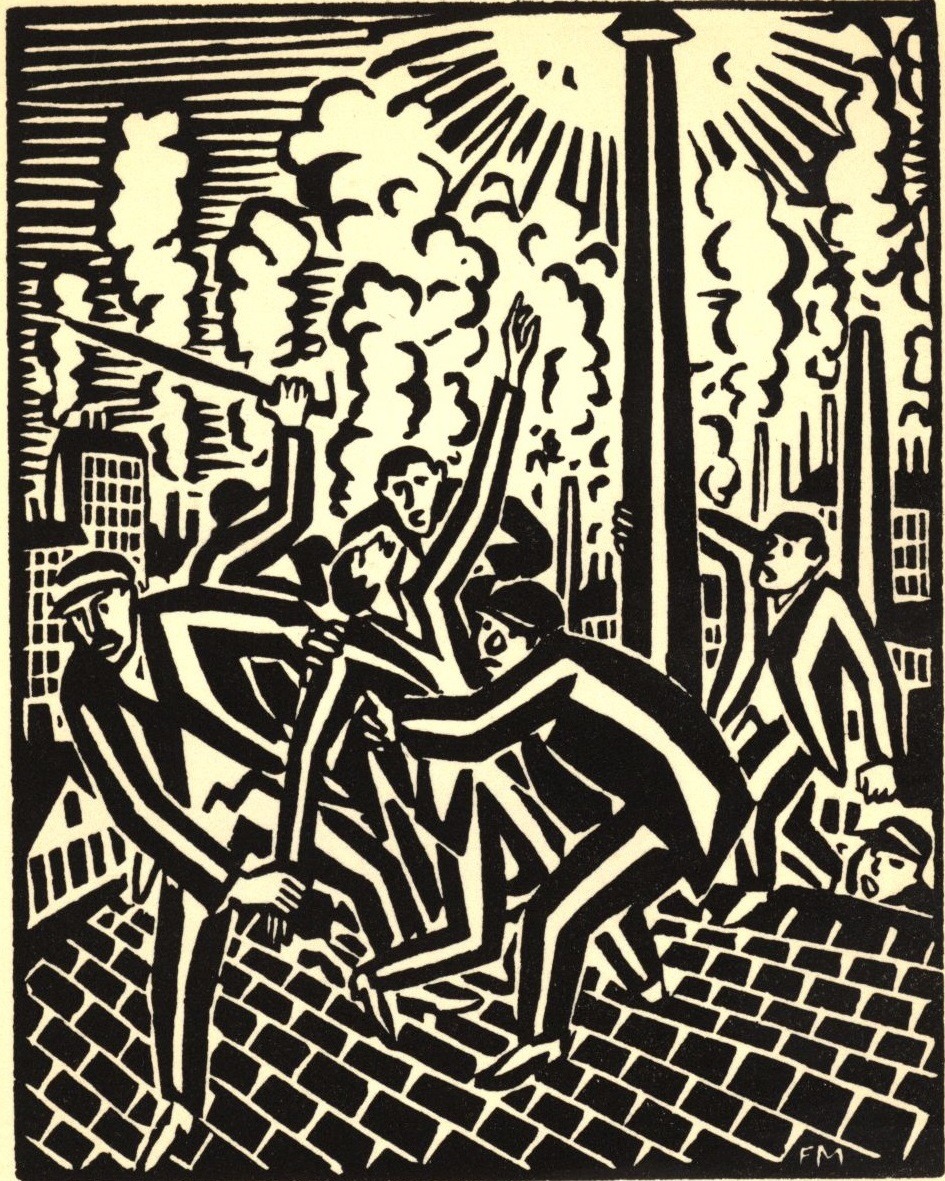
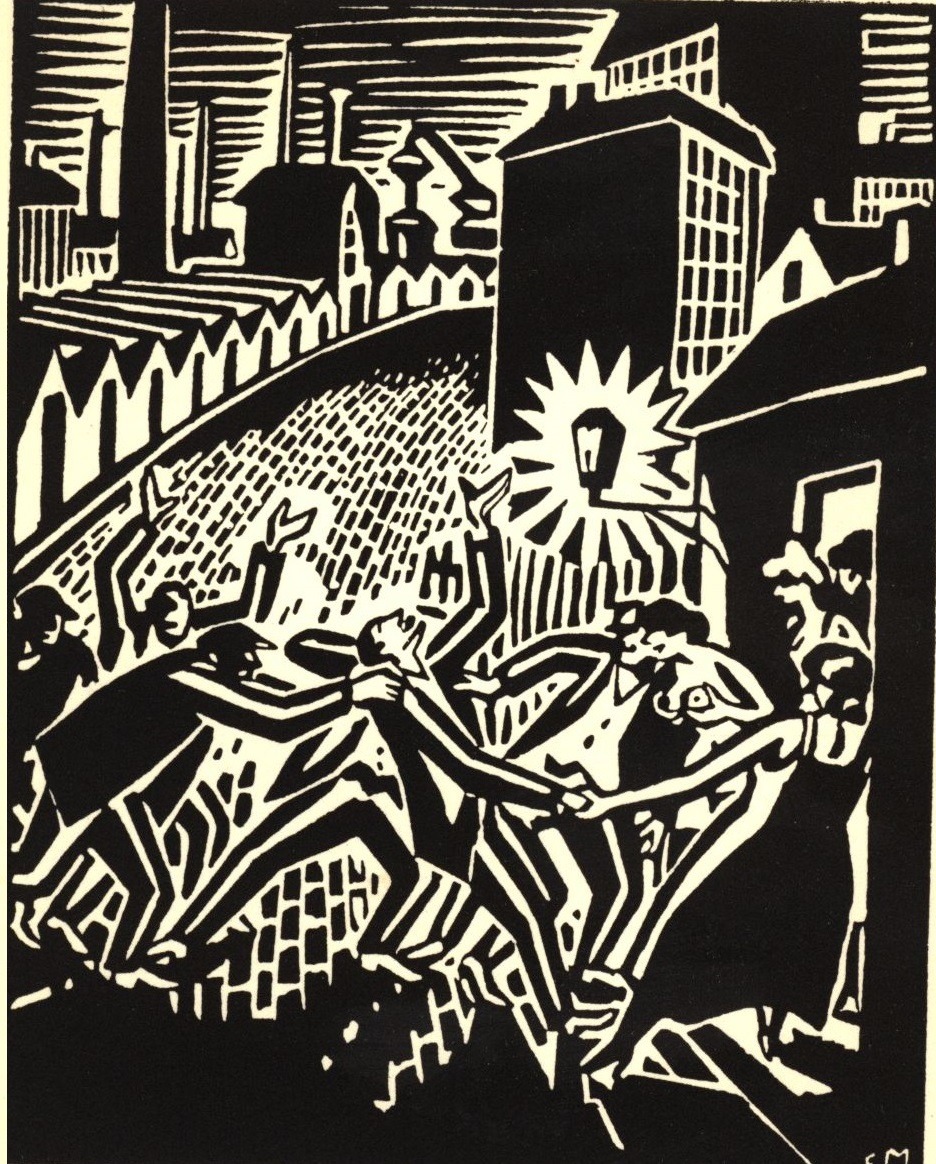
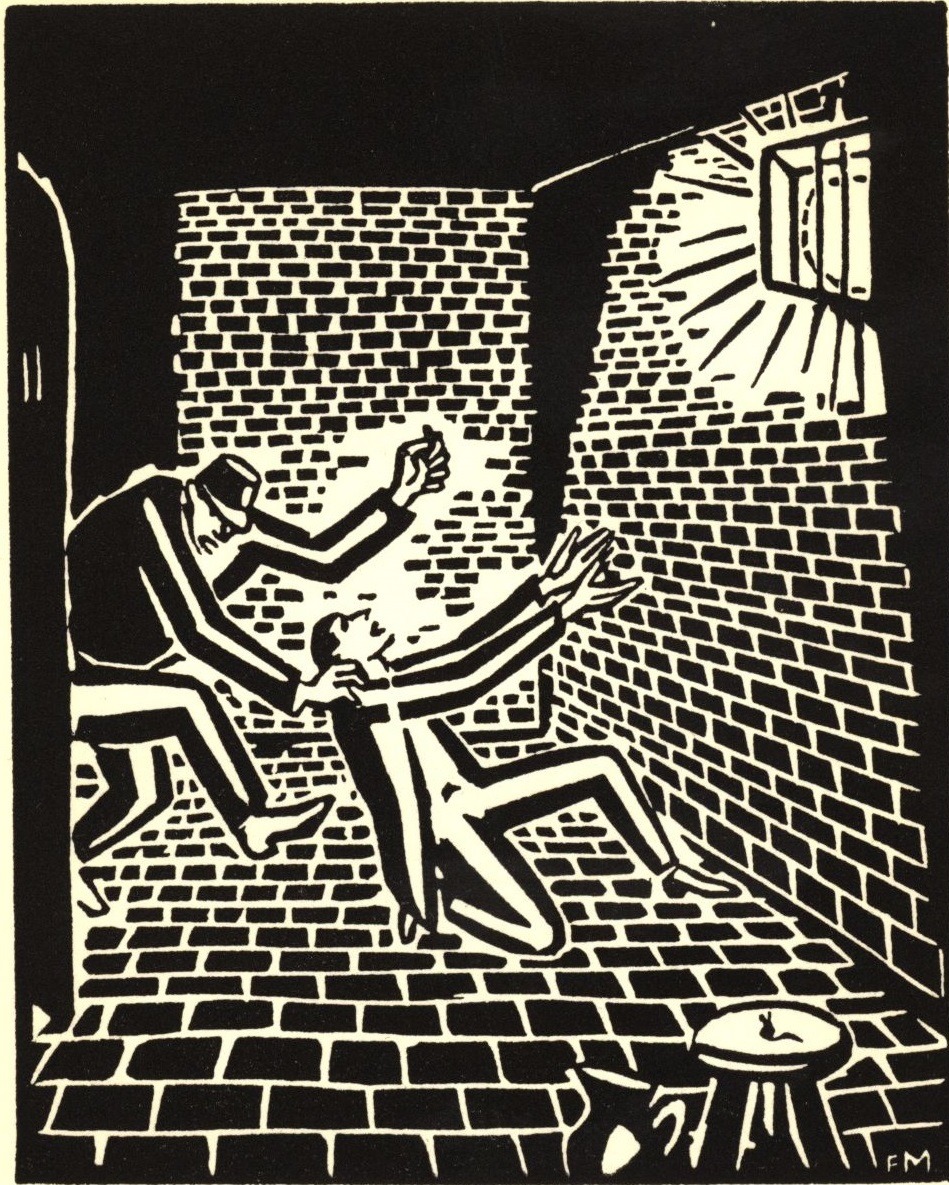
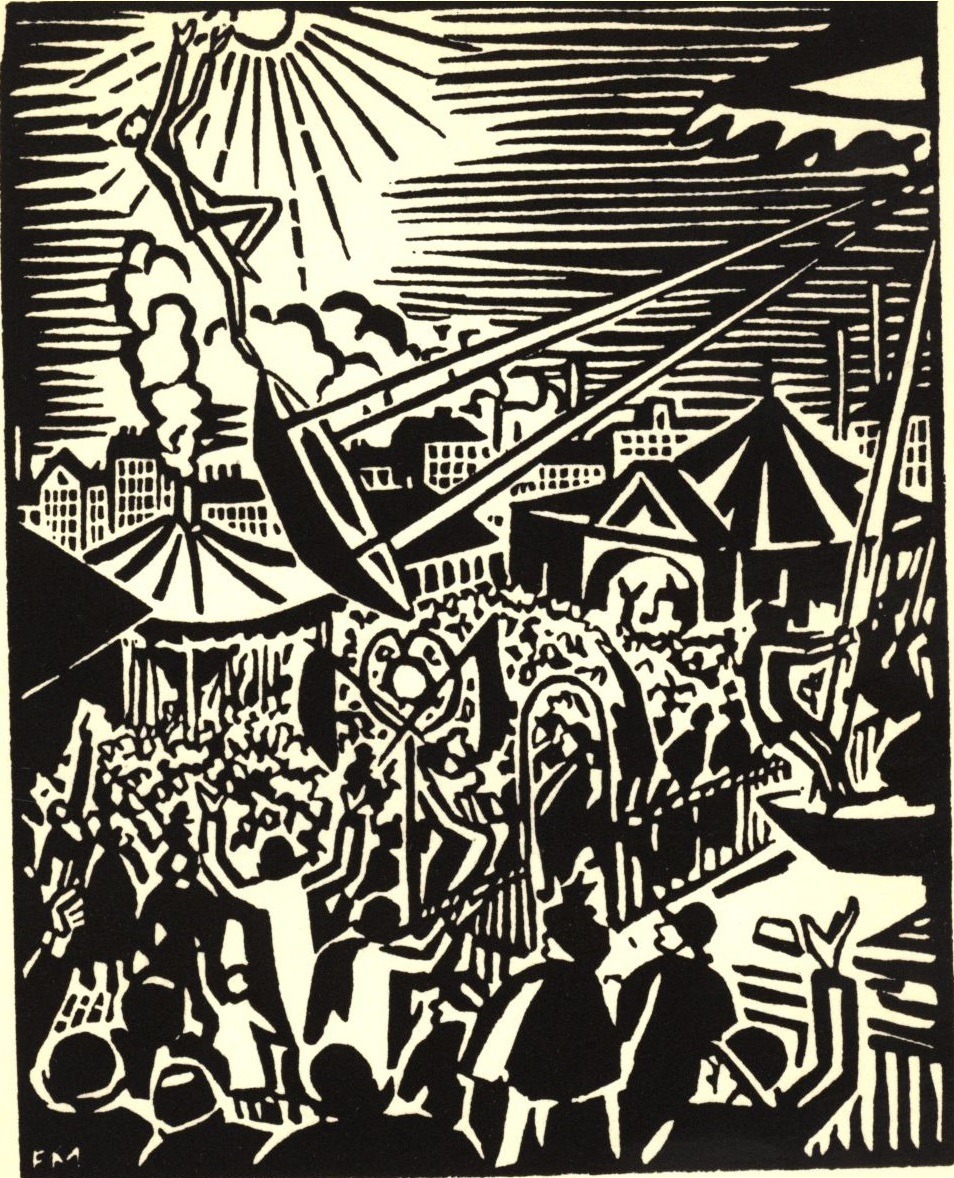
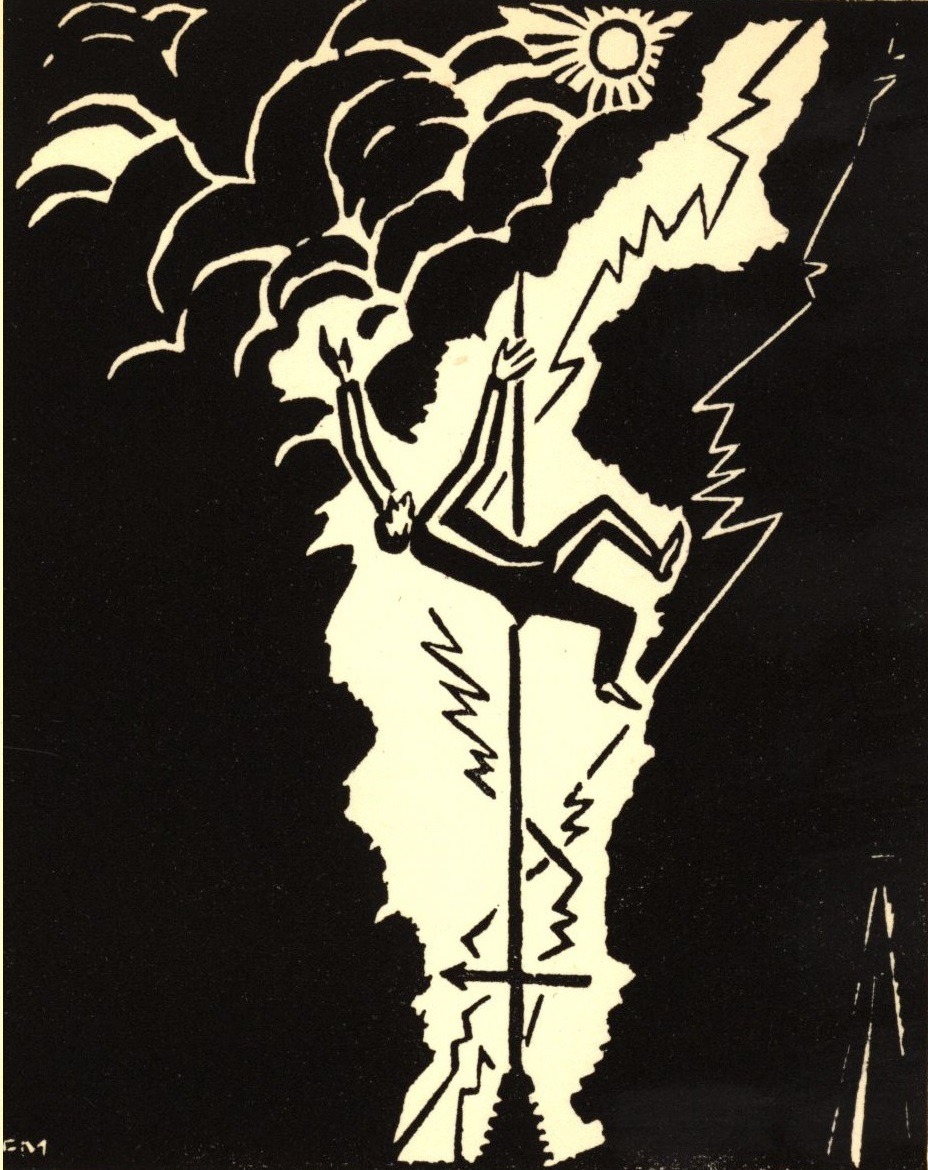
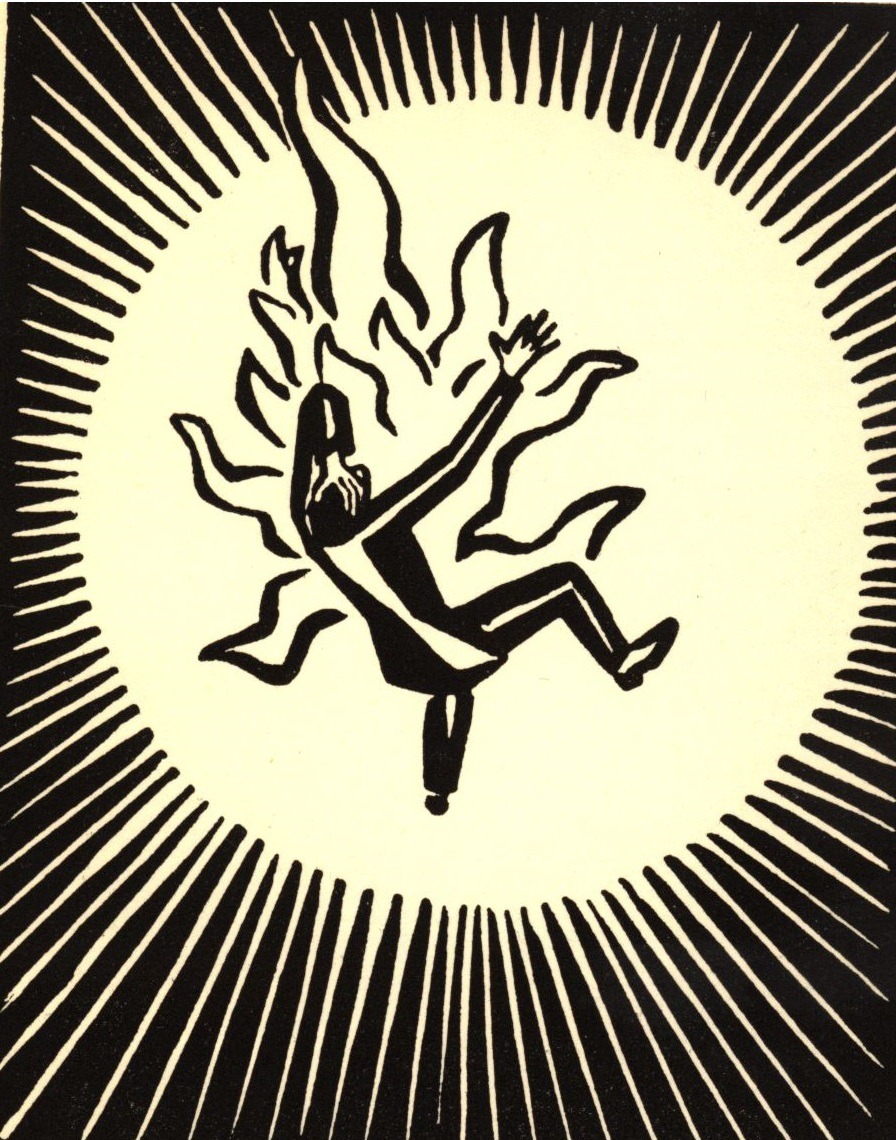
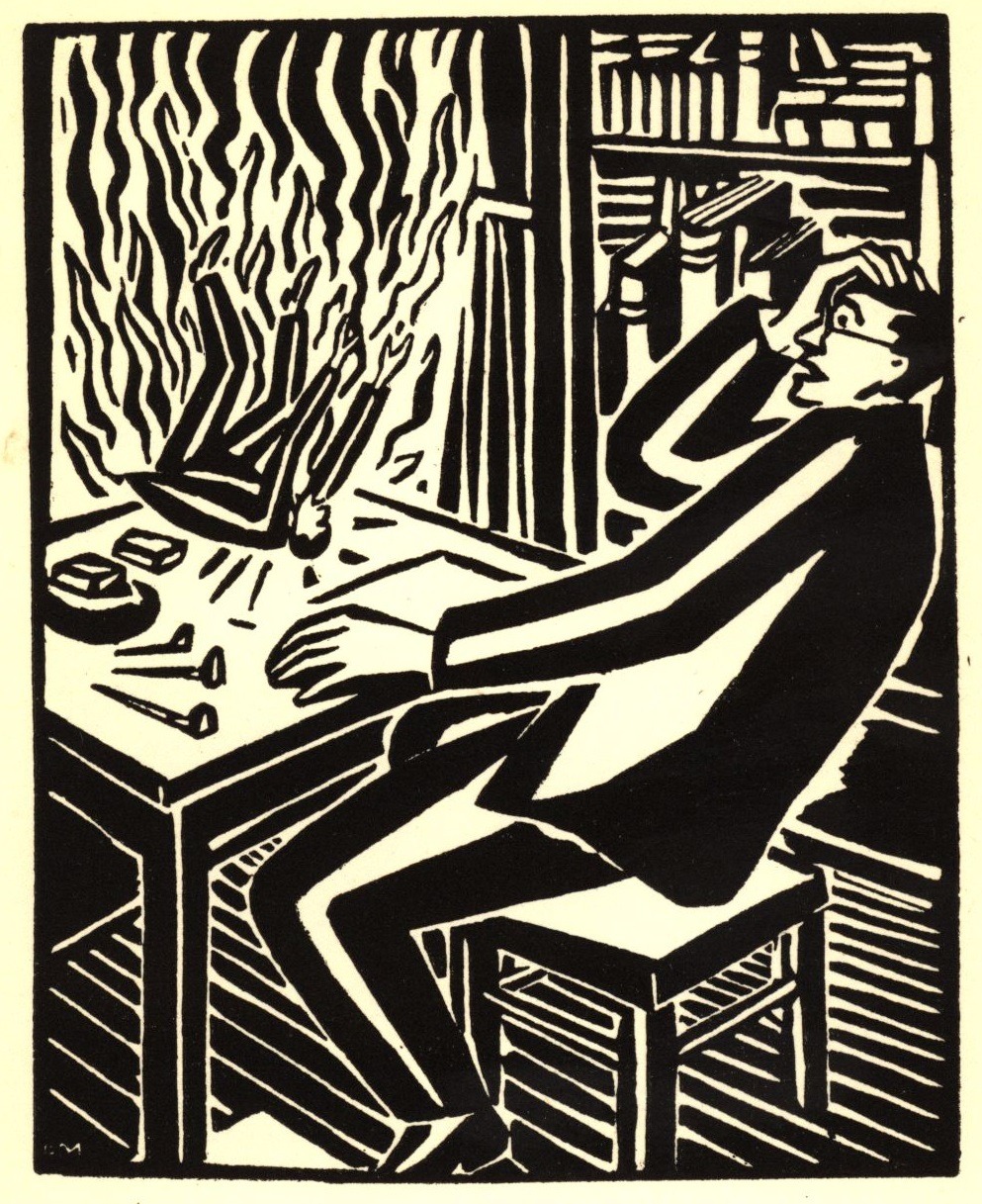
To follow-up on my recent post about Lynd Ward’s wordless novels, I would like to introduce the German wordless novel, Die Sonne (the Sun), created by Franz Masereel (1889-1972), and published originally in 1919. This copy was re-issued in 1926 by Kurt Wolff Verlag in Munich. 

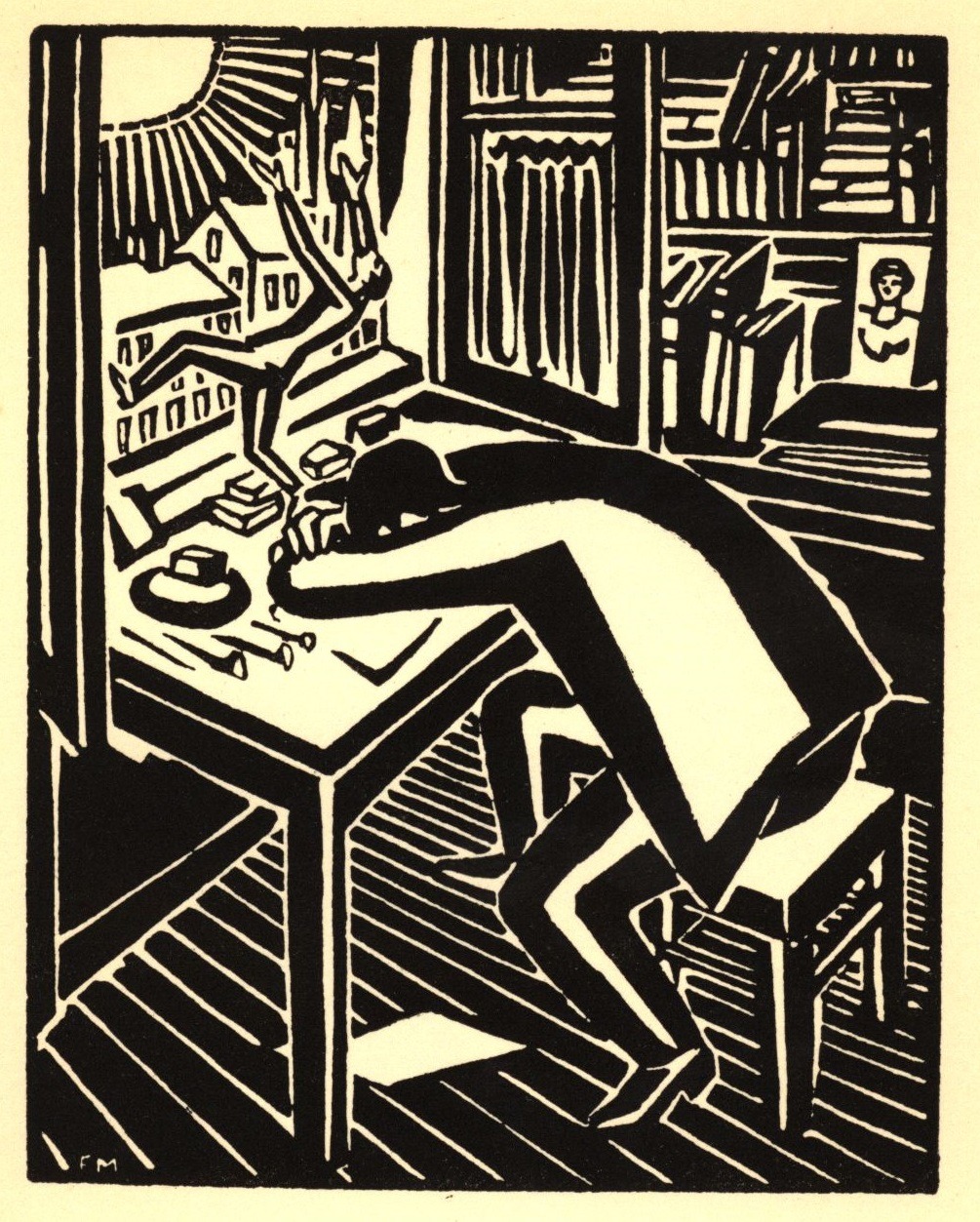
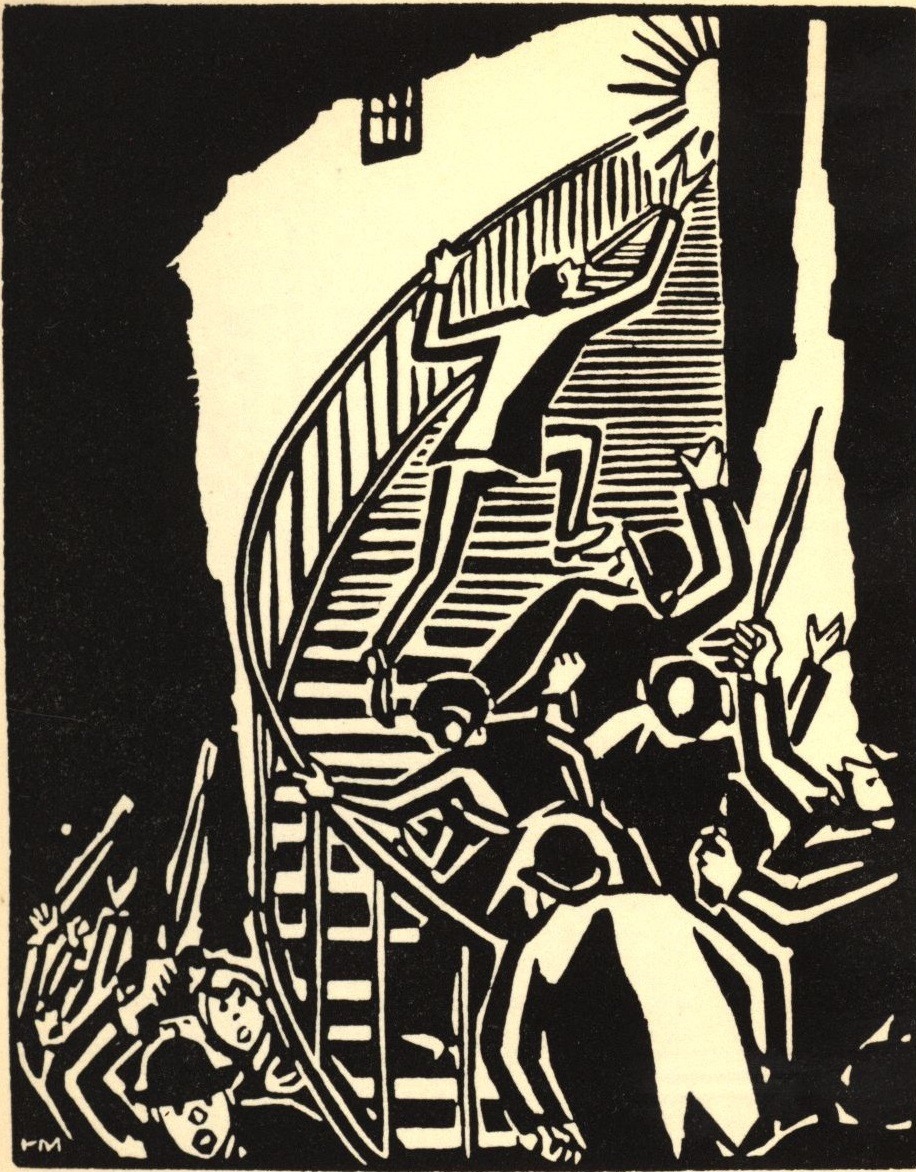
Die Sonne is one of Masereel’s early wordless novels, composed of 63 woodcuts. The story is based on Greek myth of Icarus. It begins with a wood engraver who has fallen asleep at his desk, and then  he dreams about  a little man. The man attempts to approach the sun in various ways, but he keeps failing, and other people interrupt him by attacking him and locking him up, or distracting him with women and alcohol. As the man finally touches the sun, he is ignited and falls back to the artist’s desk in flames, startling the artist awake.

Franz Masereel was born in Belgium and worked in France and Germany. He is  best known for his woodcuts produced at the time of the revival of the woodcut by the German Expressionists in the early twentieth century. He is also well-known as the inventor of the wordless novel and created 20 publications. The original American wordless novelist, Lynd Ward,  was introduced to Masereel’s Die Sonne when he was living in Germany for a year to attend at the National Academy of Graphic Arts and Bookmaking. Ward was heavily influenced by this publication and started to create wordless novels of his own after returning home.


Posted in Art, Books, Europe, Writing | Tagged , , , , | Leave a comment

Everything was beautiful, and nothing hurt

Today marks the 50th anniversary of the first publication of Kurt Vonnegut’s masterwork Slaughterhouse-Five. Part autobiographical, part science fiction, part satire, Slaughterhouse-Five was Vonnegut’s first bestseller and remains a revered literary classic of the 20th century. After the real-life Vonnegut was captured during the Battle of the Bulge, he was used as a slave laborer in Dresden by the Nazis. He survived the Allied firebombing of that city in the deep cellar of an empty slaughterhouse called Schlachthof Fünf. After the attack on February 13, 1945, Vonnegut was forced to work clearing rubble and retrieving bodies from bombed buildings.

Vonnegut struggled for years to work his experiences of the war into a novel. Eventually, by developing the sci-fi twist of becoming “unstuck in time,” he was able to put together what many consider a parable of PTSD. The hero Billy Pilgrim’s captivity in a Tralfamadorian human zoo, interspersed with withering critiques of war and dark humor, remain as chilling, funny,and heartbreaking as they were 50 years ago.

Posted in Books, Europe, History, USA, Writing | Tagged , , , | 1 Comment