Library Himmel

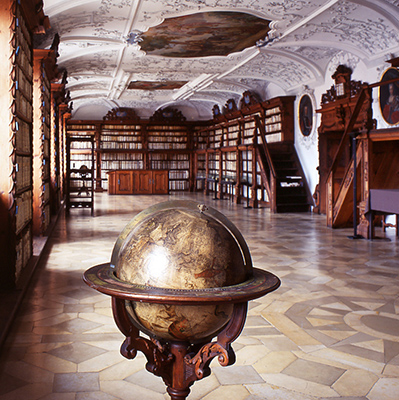
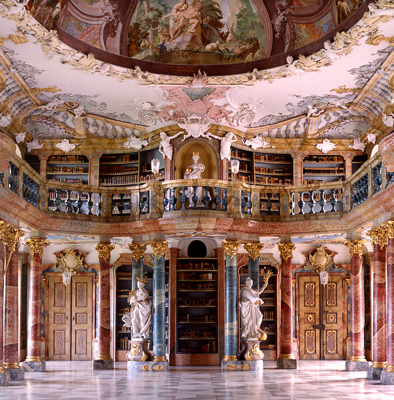
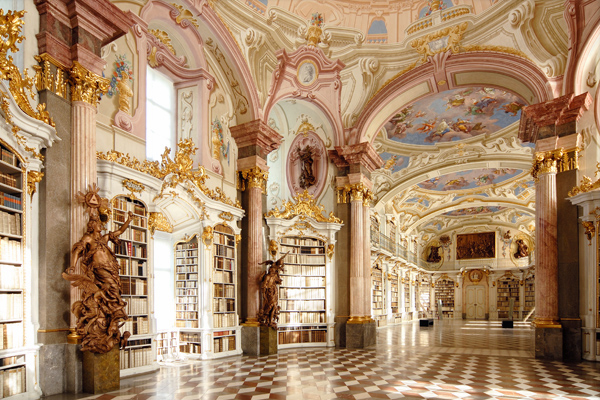
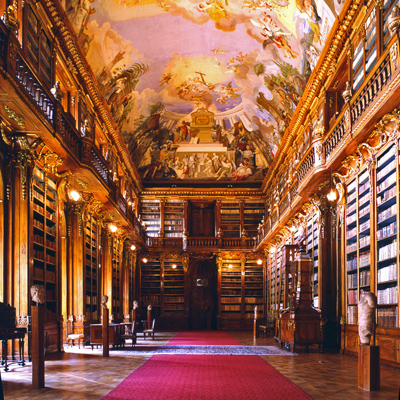
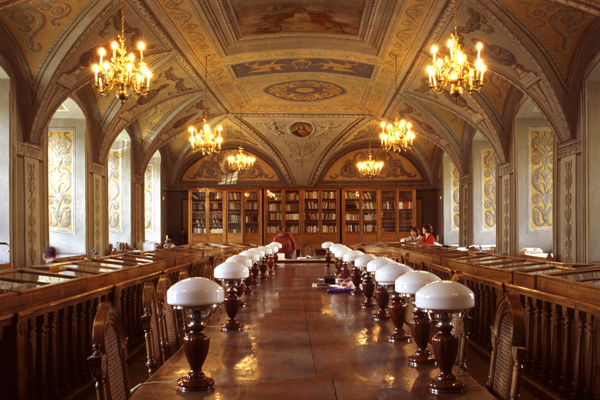
I can never resist a collection of great library photographs. So, I was thrilled to stumble across a wonderful series of photos of libraries from around Northern Europe. Professional photographer Christoph Seebach is based in Köln, Germany, where he is known for his excellent work in advertising, architecture and business. But when he has down time he follows his passion to photograph beautiful libraries both modern and historic. His website features a terrific series of pictures from university libraries, abbeys, monasteries, municipal and national collections.

Posted in Books, Europe, Libraries, Tourism | Tagged , , | 3 Comments

Starbucks’ Progenitor

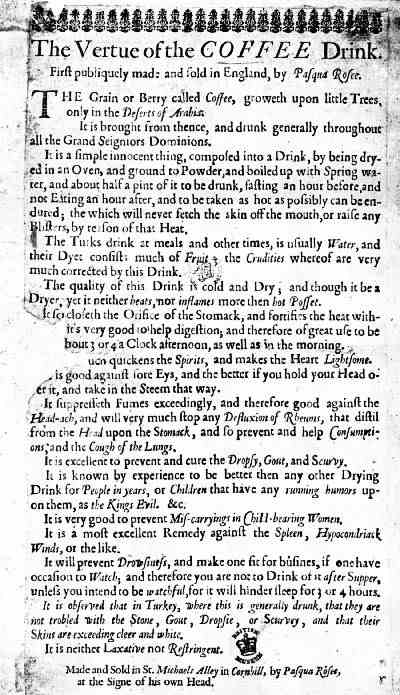
Some of us seem to think that travel is just an opportunity to hangout at new cafes and coffeehouses. Thanks to the British Museum we can trace the Western roots of our coffee obsession back to England’s very first public coffeehouse. Here’s a look at the first known advertisement for an establishment dedicated to coffee consumption. Just imagine, every Starbucks in the world can trace its lineage to this cafe, which opened in 1652 in London’s St. Michael’s Alley.

The Vertue of the COFFEE Drink.

First publiquely made and sold in England, by Pasqua Rosée.

THE Grain or Berry called Coffee, groweth upon little Trees, only in the Deserts of Arabia.

It is brought from thence, and drunk generally throughout all the Grand Seigniors Dominions.

It is a simple innocent thing, composed into a drink, by being dryed in an Oven, and ground to Powder, and boiled up with Spring water, and about half a pint of it to be drunk, fasting an hour before and not Eating an hour after, and to be taken as hot as possibly can be endured; the which will never fetch the skin off the mouth, or raise any Blisters, by reason of that Heat.

The Turks drink at meals and other times, is usually Water, and their Dyet consists much of Fruit, the Crudities whereof are very much corrected by this Drink.

The quality of this Drink is cold and Dry; and though it be a Dryer, yet it neither heats, nor inflames more than hot Posset.

It forcloseth the Orifice of the Stomack, and fortifies the heat with- [missing text] its very good to help digestion, and therefore of great use to be [missing text] bout 3 or 4 a Clock afternoon, as well as in the morning.

[missing text] quickens the Spirits, and makes the Heart Lightsome.

[missing text]is good against sore Eys, and the better if you hold your Head o’er it, and take in the Steem that way.

It supresseth Fumes exceedingly, and therefore good against the Head-ach, and will very much stop any Defluxion of Rheumas, that distil from the Head upon the Stomach, and so prevent and help Consumptions and the Cough of the Lungs.

It is excellent to prevent and cure the Dropsy, Gout, and Scurvy.

It is known by experience to be better then any other Drying Drink for People in years, or Children that have any running humors upon them, as the Kings Evil. &c.

It is very good to prevent Mis-carryings in Child-bearing Women.

It is a most excellent Remedy against the Spleen, Hypocondriack Winds, or the like.

It will prevent Drowsiness, and make one fit for Busines, if one have occasion to Watch, and therefore you are not to drink of it after Supper, unless you intend to be watchful, for it will hinder sleep for 3 or 4 hours.

It is observed that in Turkey, where this is generally drunk, that they are not troubled with the Stone, Gout, Dropsie, or Scurvy, and that their Skins are exceeding cleer and white.

It is neither Laxative nor Restringent.

Made and Sold in St. Michaels Alley in Cornhill, by Pasqua Rosee, at the Signe of his own Head.
 

Posted in Europe, Tourism | Tagged , , , , | 1 Comment

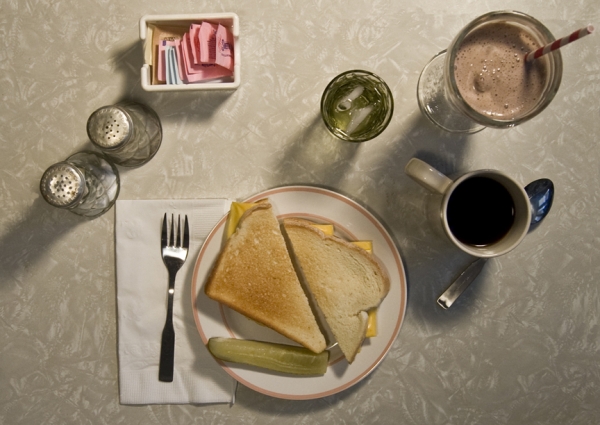
Do Fictitious Dishes Have Calories

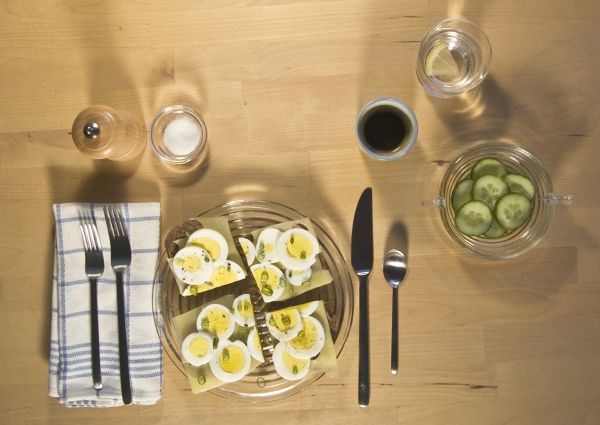
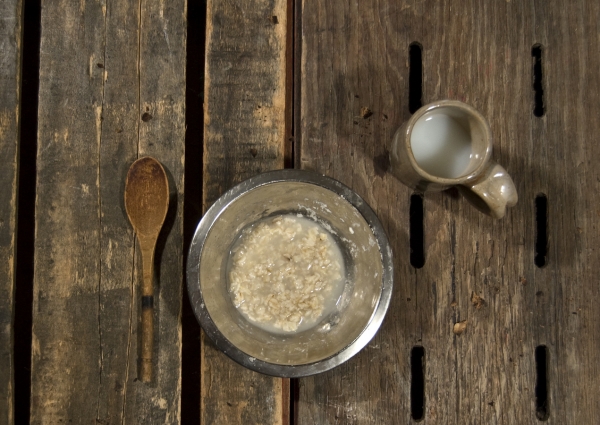
For her very clever photo project called “Fictitious Dishes“, graphic artist/designer/editor/photographer Dinah Fried has reimagined meals for iconic fictional characters. She recreated and staged meals from Moby Dick, The Girl with the Dragon Tattoo, The Catcher in the Rye, Alice in Wonderland and Oliver Twist. See if you can match the meal with the fictional protagonist.

all photos © Dinah Fried

Posted in Art, Books, Photography, USA, Writing | Tagged , , , | 1 Comment

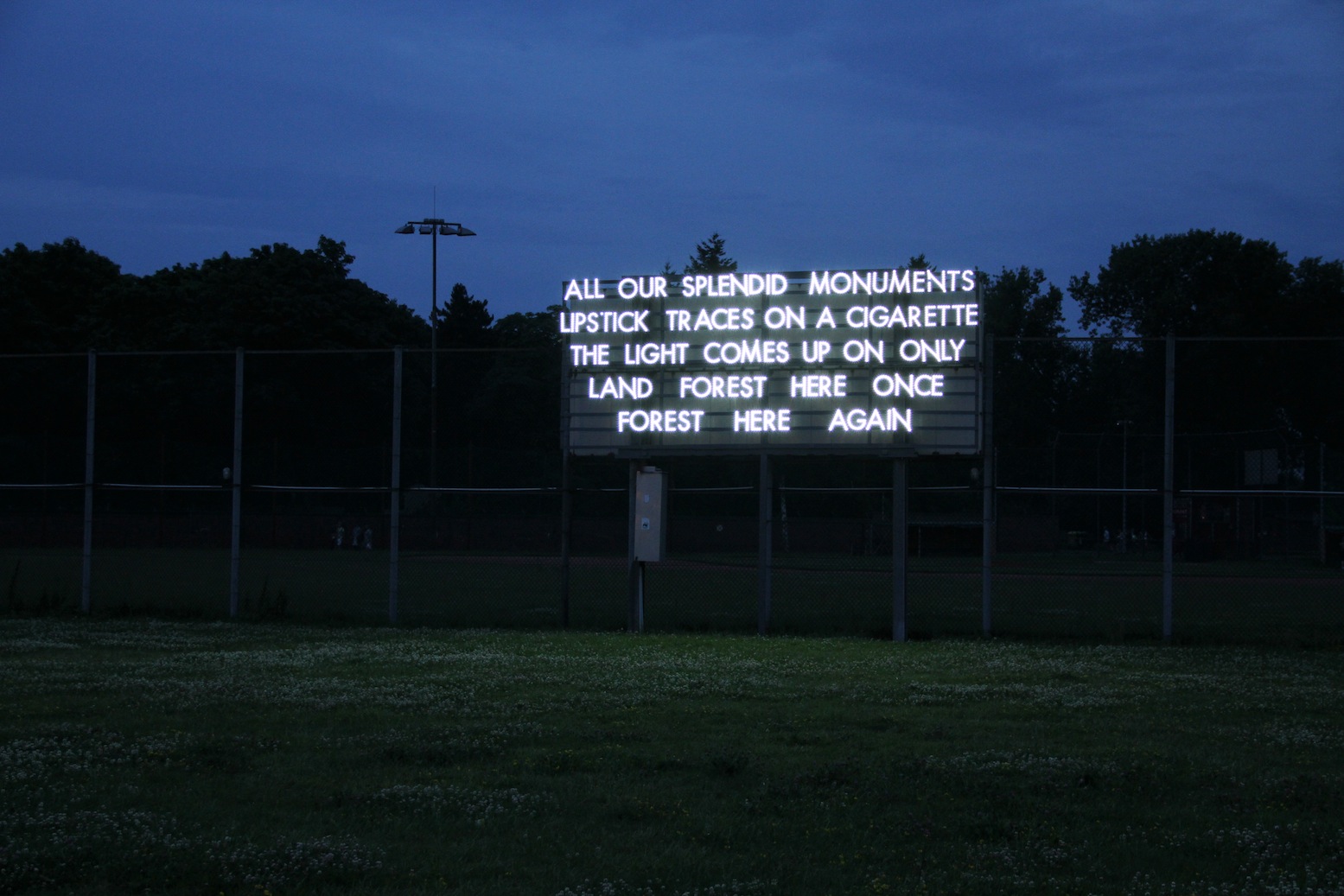
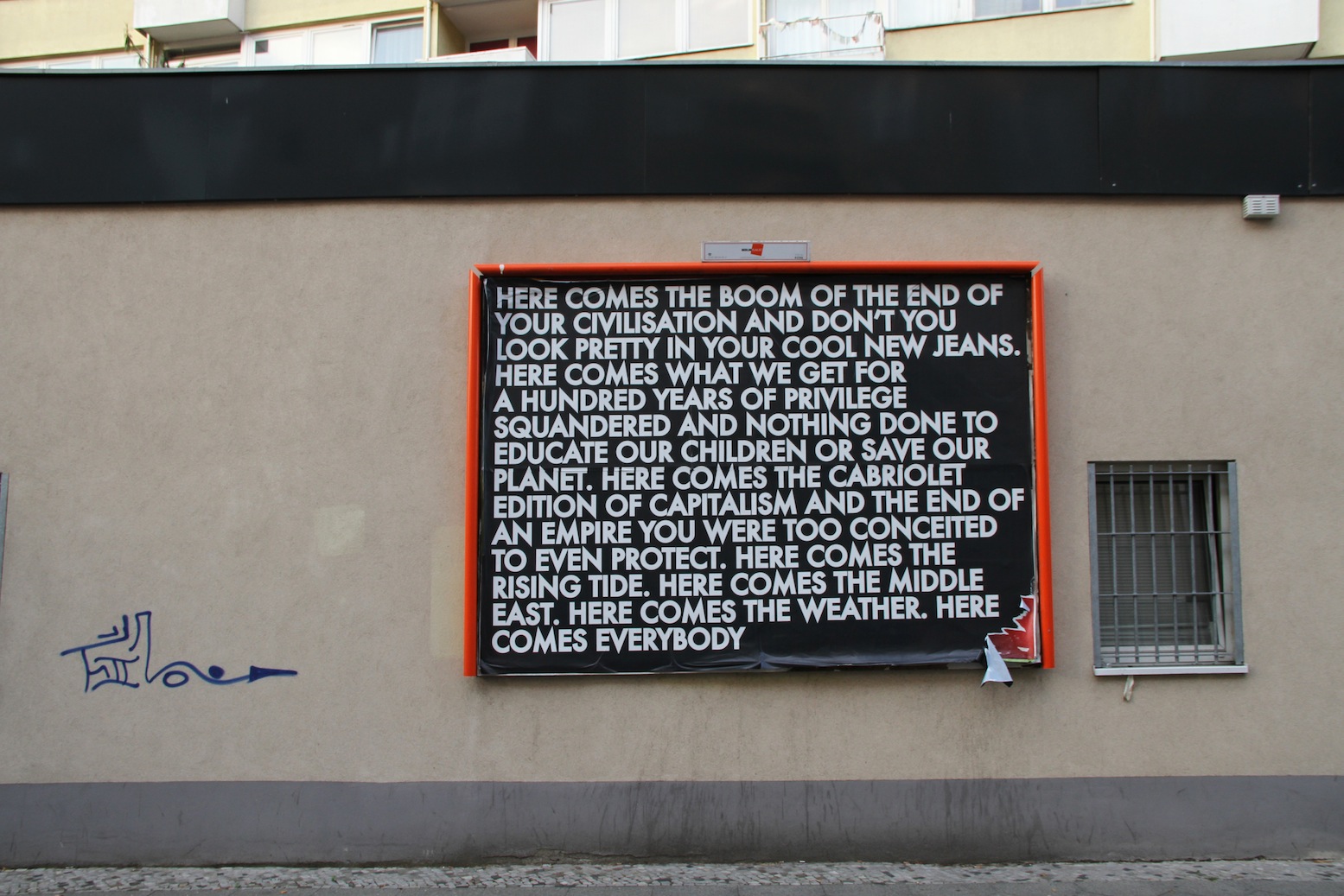
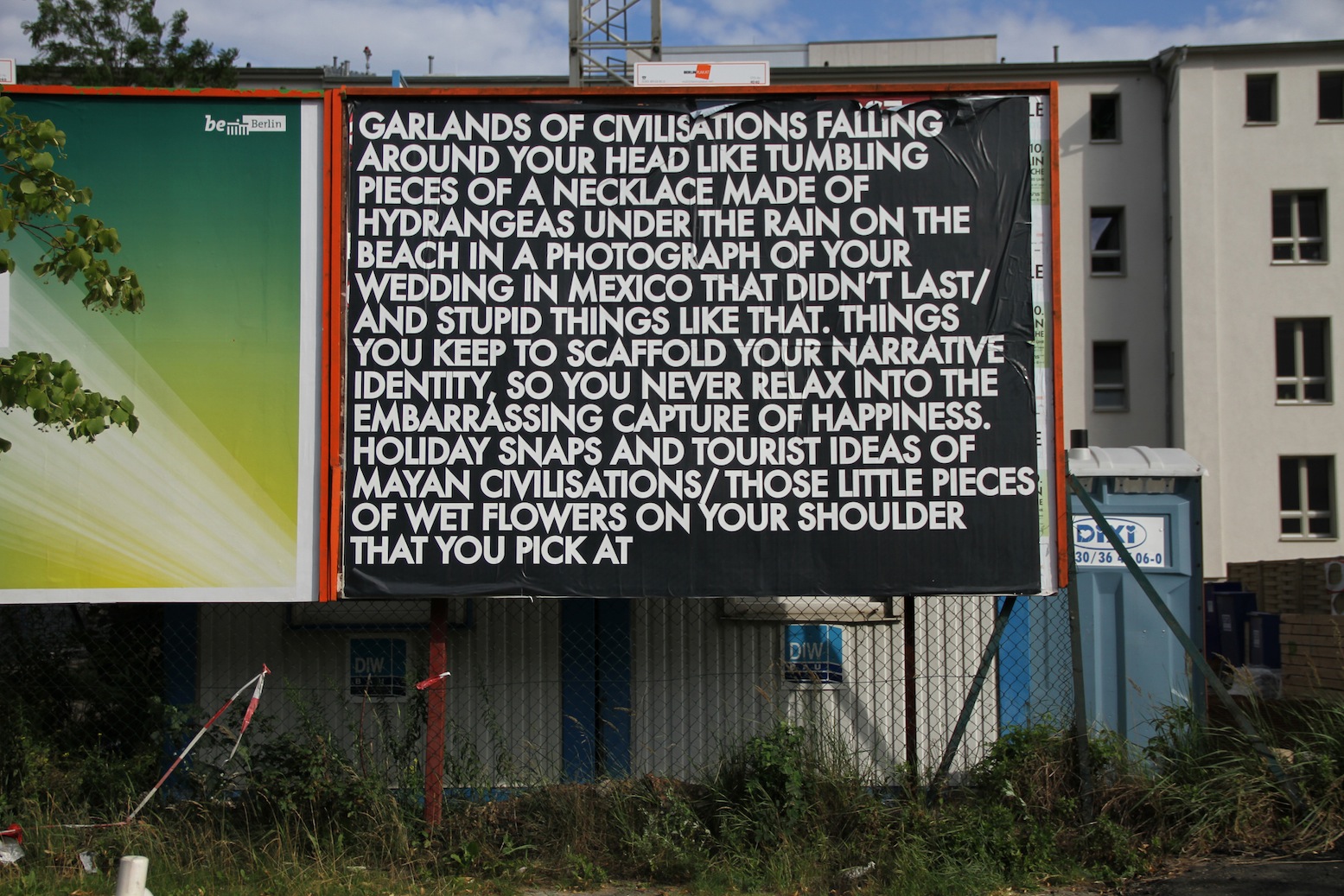
Voices in High Towers

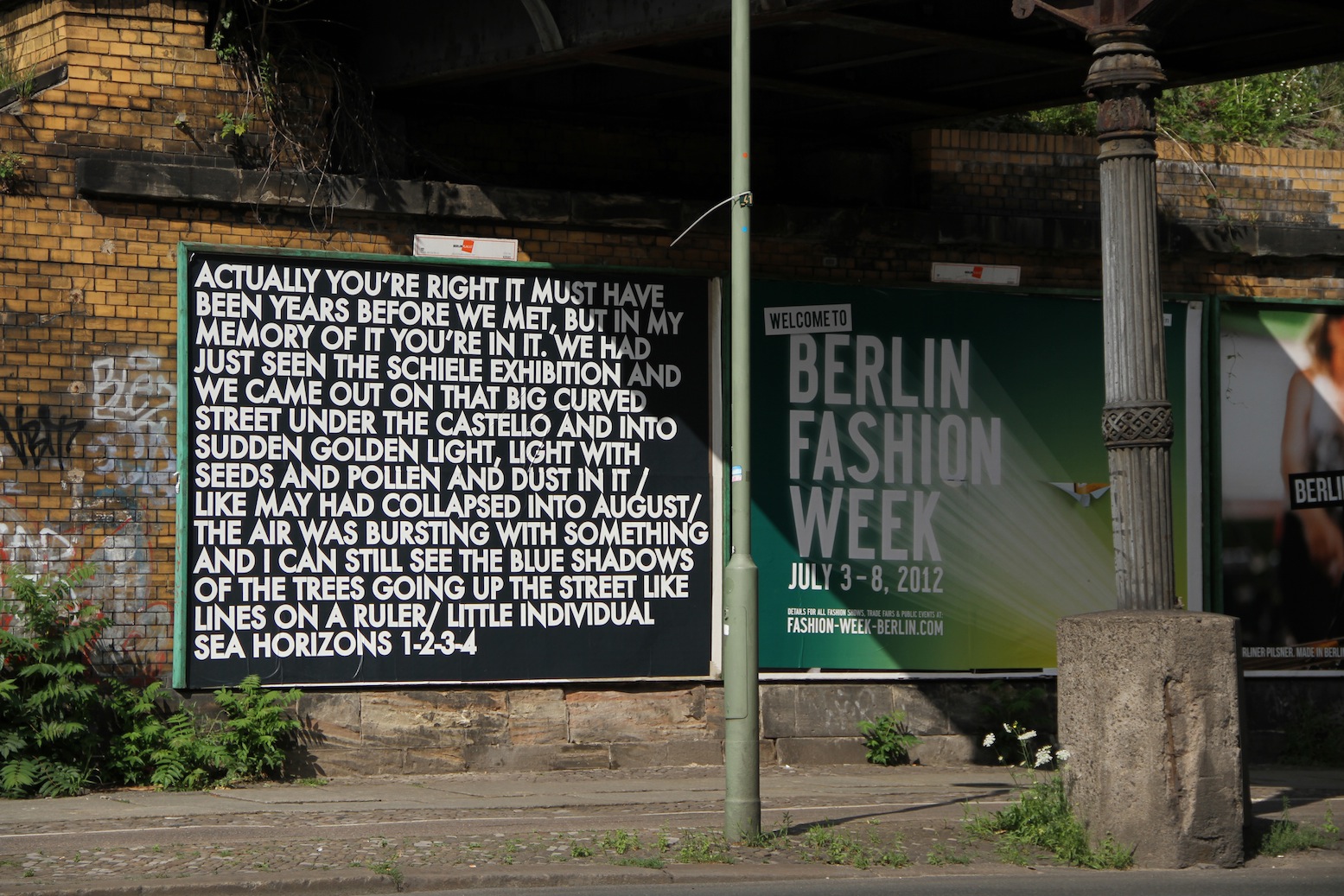
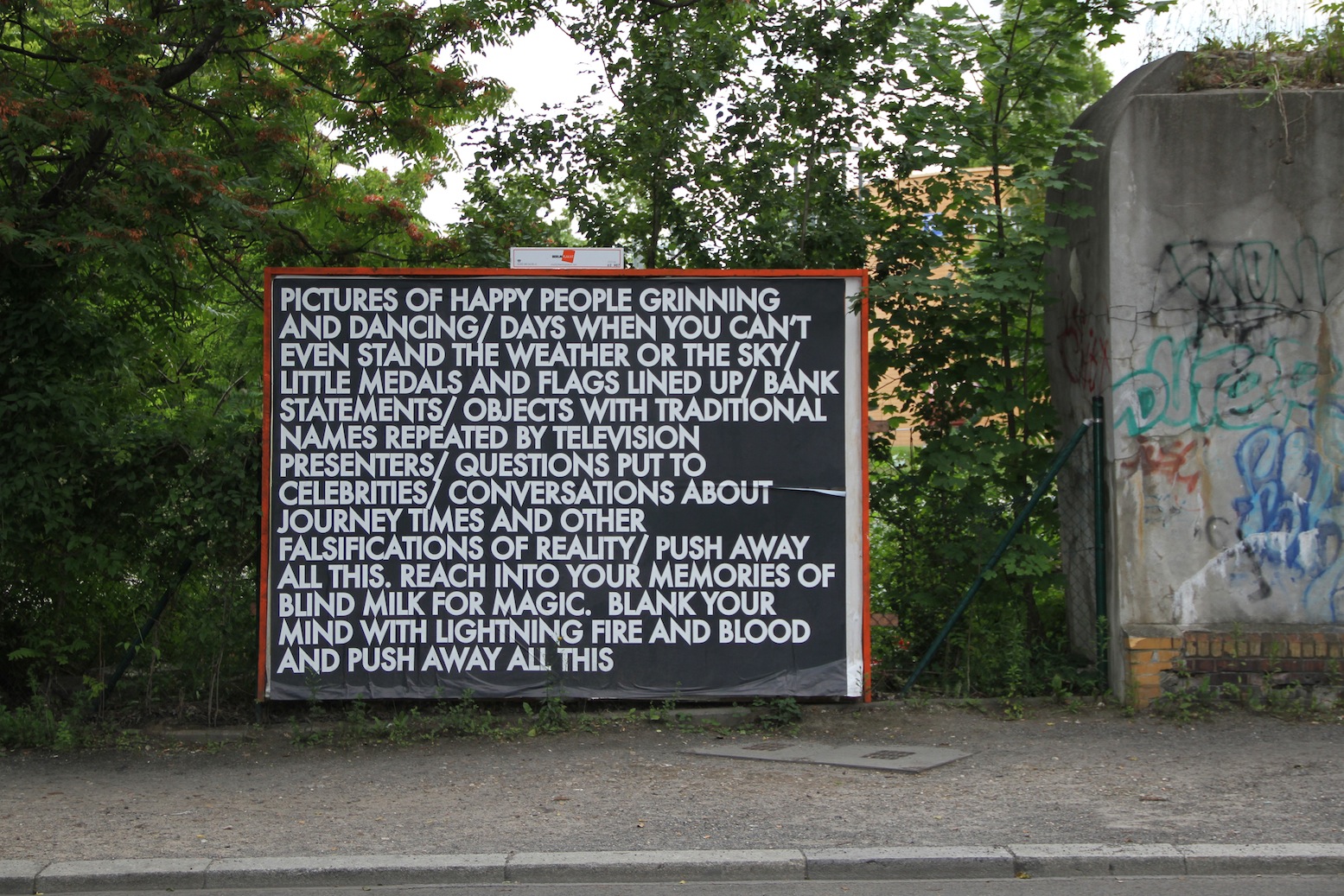
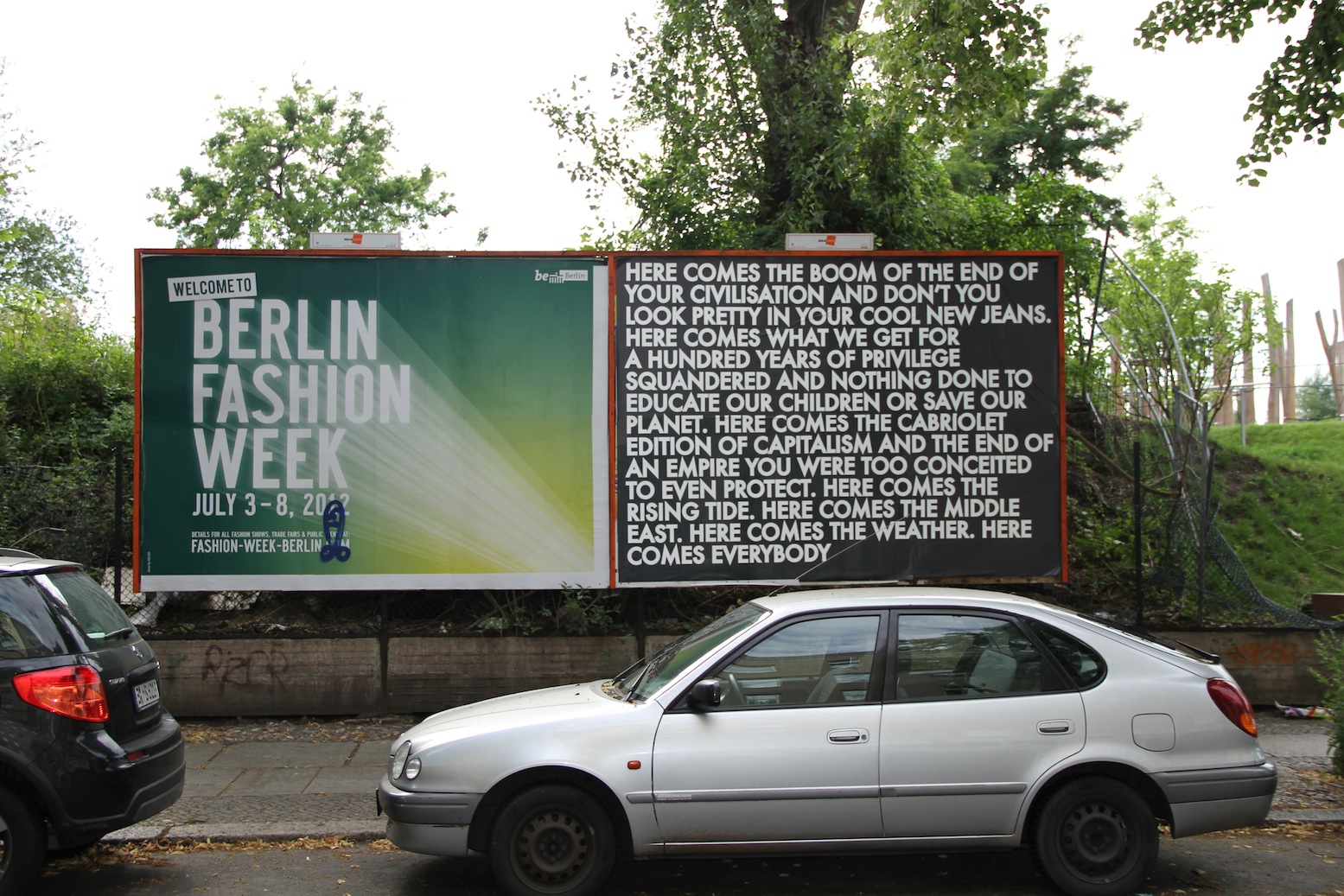
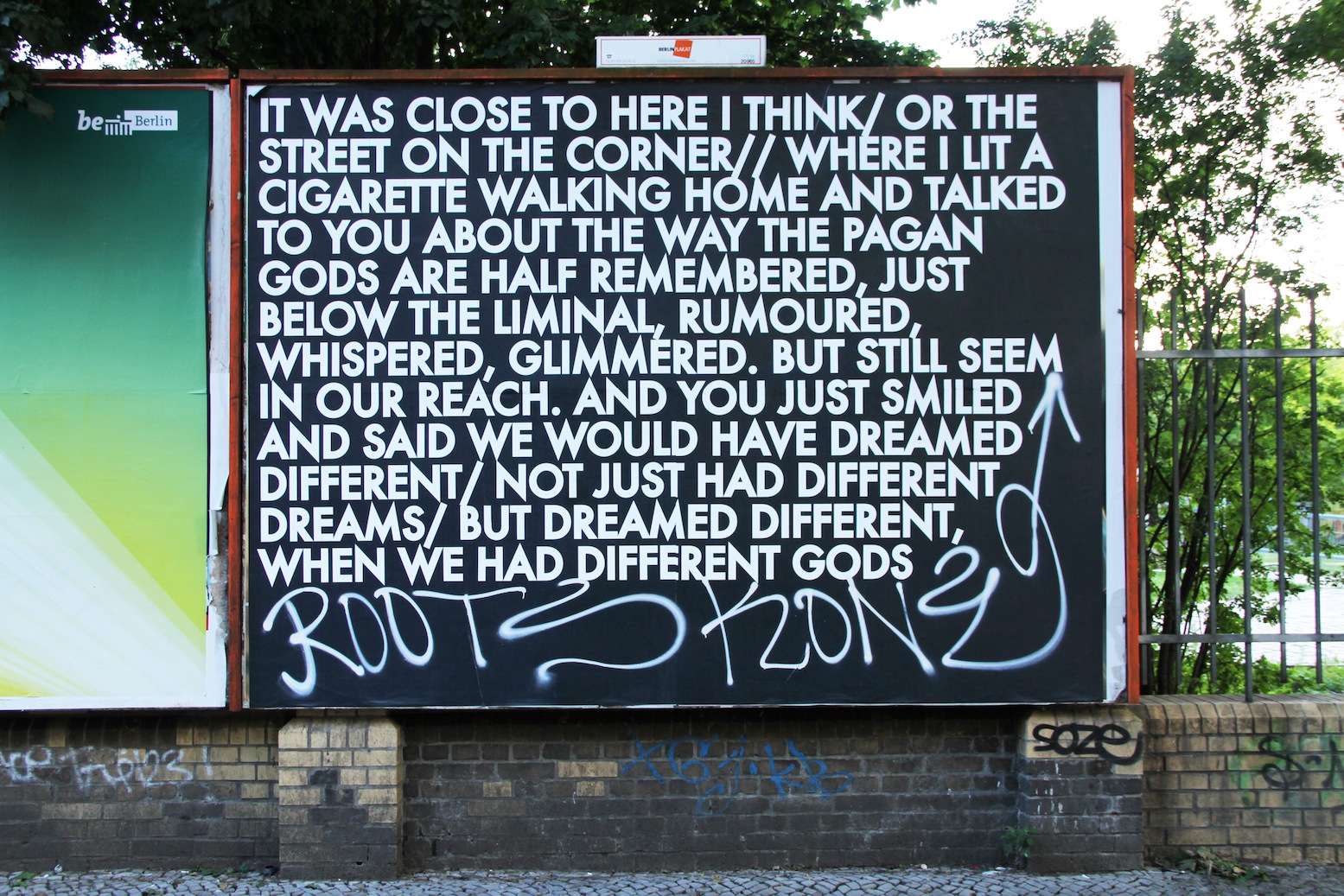
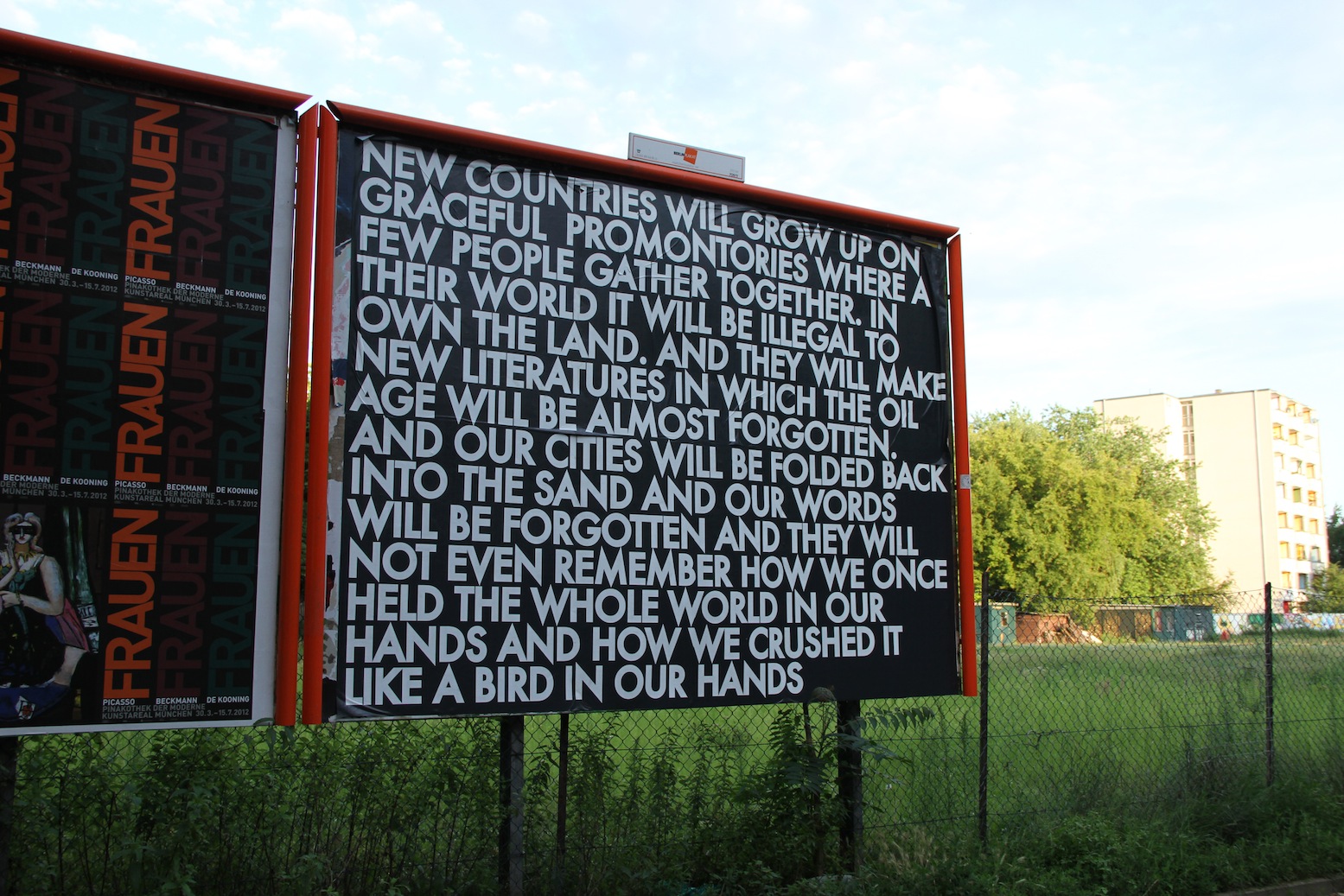
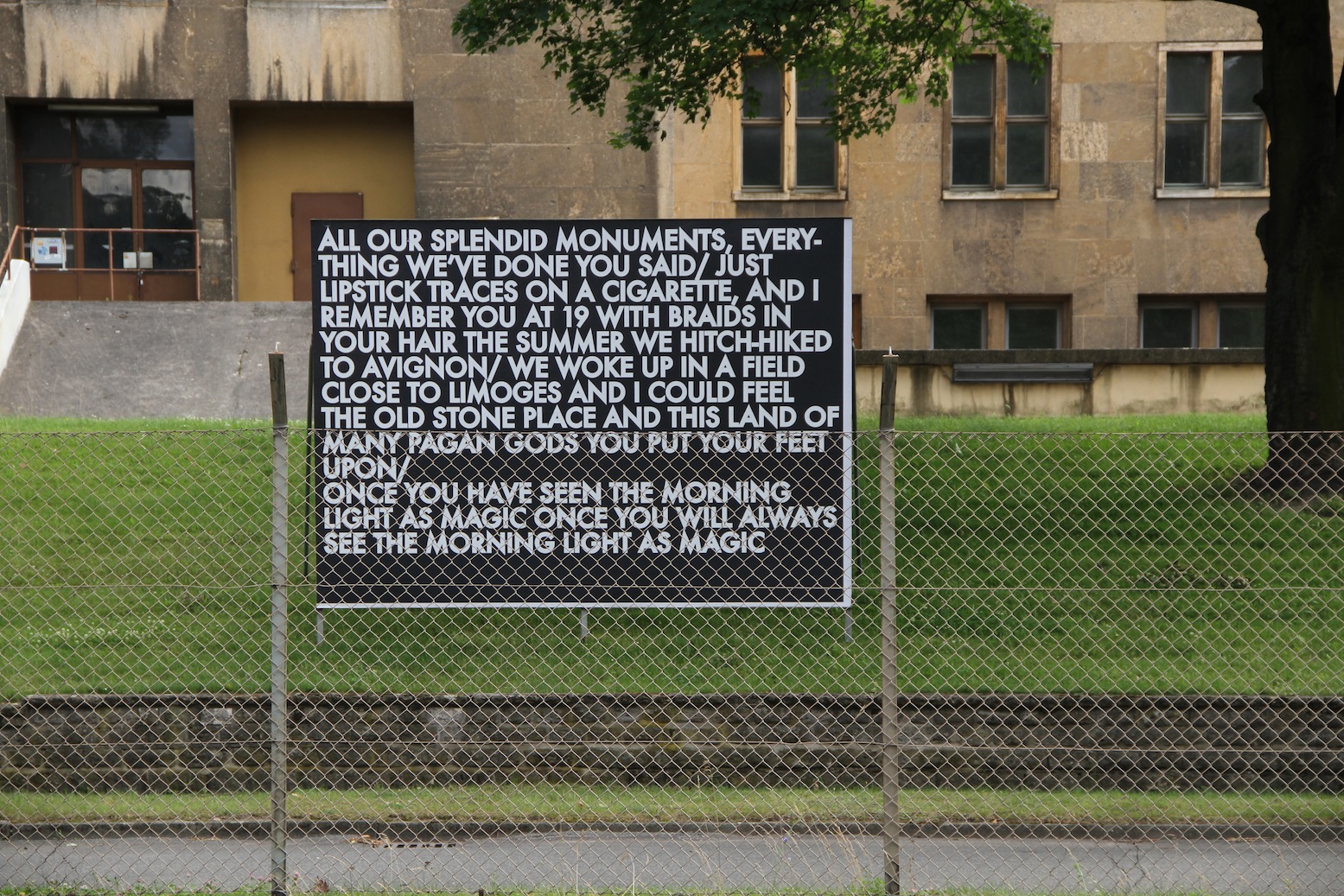
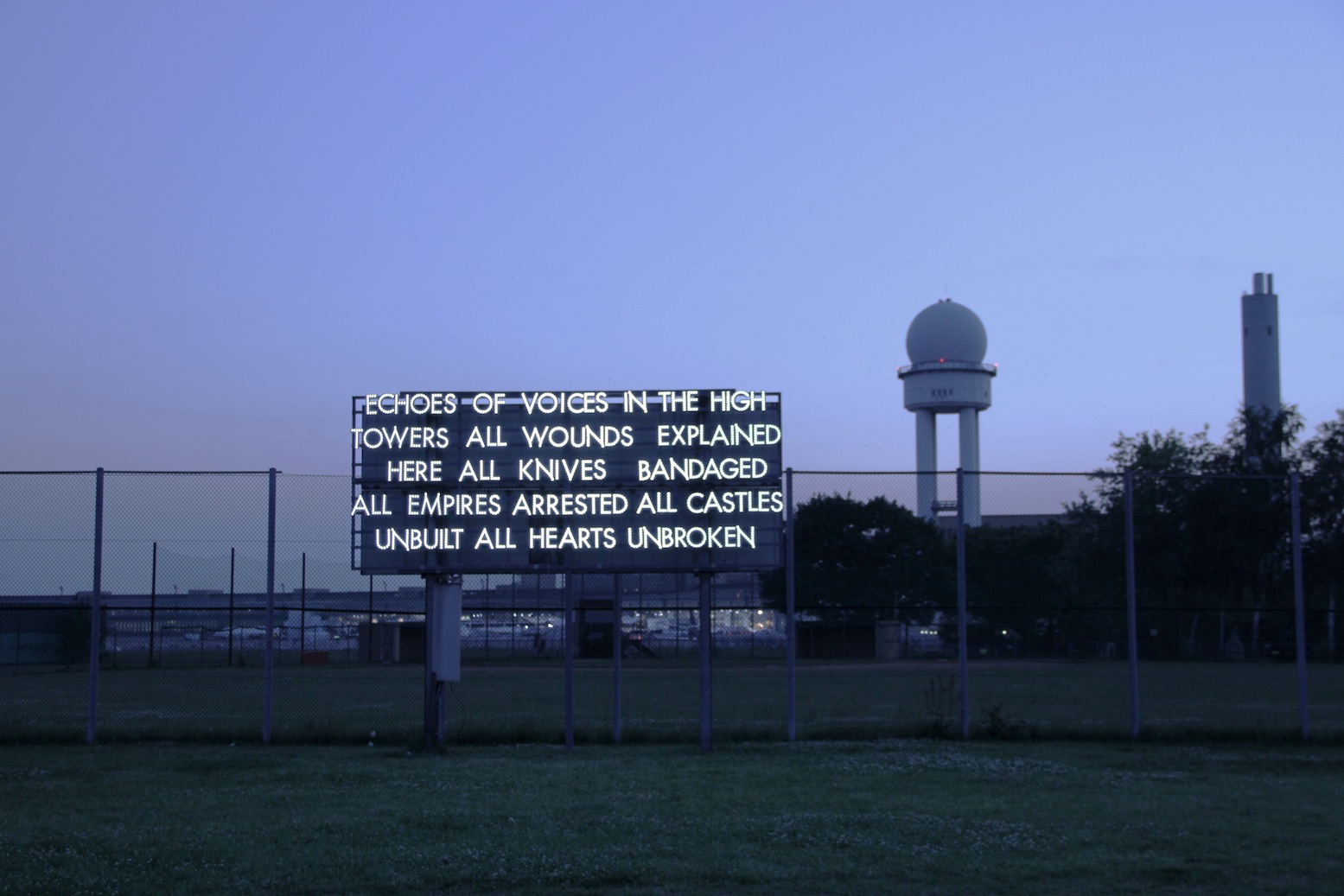
British artist Robert Montgomery’s text/art has appeared on streets and in galleries around the world. His eloquent, moving and ruminative statements challenge viewers’ beliefs and illusions. Montgomery usually plasters over existing signage and replaces the advertising with poetry. This summer, he has bombed Berlin’s old Tempelhof Airport and ten spots around the city with an exhibition that he calls “Echoes of Voices in High Towers”.

Posted in Art, Europe | Tagged , , | Leave a comment

Why Garamond Light

We see nearly 500,000 words in print every day—and that’s just on websites. Do we pay any attention to the typefaces website designers choose? Don’t know a Dunbar from a Lucida? Ever wonder why Garamond Light is suddenly everywhere? Well maybe this brilliant infographic by Nick Sigler will help sort your Calibri from your Johnston. It’s aptly named A History of Western Typeface.

Posted in Books, ebooks, Writing | Tagged , , , , | Leave a comment

Better Than a Pub Crawl

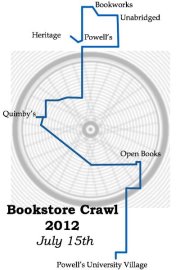
Yesterday bibliophile bikers inaugurated Chicago’s first annual Bookstore Bike Crawl and Art Show. The participants pedaled from Powell’s Bookstore North to Bookworks Used and Rare Books, on to Unabridged Bookstore in Lakeview, then to Open Books (Chicago’s nonprofit bookstore) and Quimby’s, finally ending the crawl at Powell’s new University Village bookstore for the opening of the Bike Crawl Art Show.

Posted in Books, Bookstore Tourism, Tourism, Uncategorized, USA | Tagged , , | Leave a comment

Room for Art

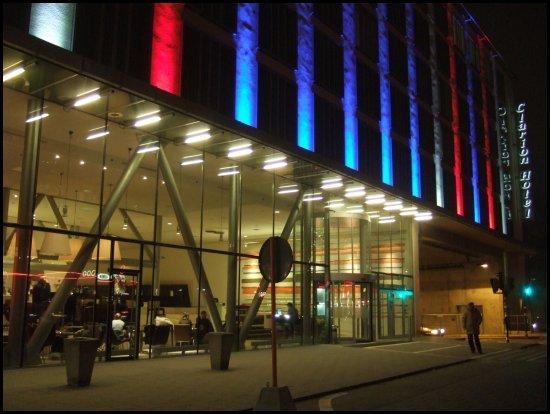
The Clarion Hotel in Stockholm‘s happening Södermalm district, loves art so much that they inaugurated a scheme this summer that offers artists the opportunity to pay for their accommodations with a work of art. The offer is good for a one night stay in a double room only, but is good for two stays a year. Interested artists just need to visit the hotel website and download a simple form prior to making a hotel reservation.

Posted in Art, Europe, Hotels, Tourism | Tagged , , , | Leave a comment

Paris: free wi-fi and more

All photos © Felipe Ribon

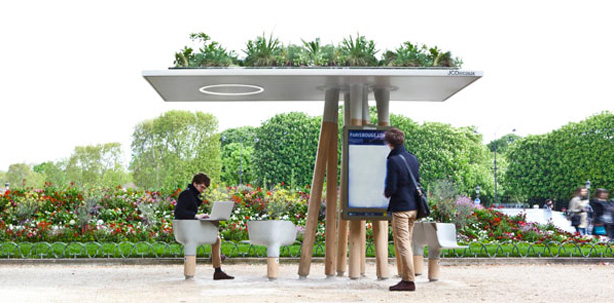
The Mairie de Paris commissioned the firm JCDecaux to create the clever Escale Numérique , a “green” free wi-fi/gadget charging station/information kiosk at the Rond Pont des Champs-Elysées.

The Escale Numérique’s sheltered hotspot is equipped with stylish concrete swivel seating, electrical outlets and mini-tables. There’s also a large touchscreen station to provide information on city services, tourist guidance and news.

Thanks to the city government, you can also find 400+ free wi-fi (or wee-fee) hotspots in city parks, museums and libraries. Just look for the purple oval sign that reads “Paris Wi-Fi” .

And if that’s not enough free wi-fi for you, the internet provider GOWEX recently announced that they will offer free wi-fi access at a range of locations across Paris, including railway stations, some RER stations, bus stops and at least three large metro stations.

Posted in Europe, Tech, Tourism | Tagged , , , , , | 1 Comment

Scripturient or Xenization

dactylion

The Project Twins, James and Michael Fitzgerald operate a graphic design and illustration studio in Cork City, Ireland. They design posters, create books, develop brands and do illustrations . But one of their most impressive projects to date is called A-Z of Unusual Words.

scripturien

enantiadromia

This very clever project speaks for itself with dramatic illustrations of some obscure and endangered words. Visit their website for the definitions and to purchase prints.

gorgonize

infandous

jettatura

noegenesis

quockerwodger

recumbentibus

ultracrepidarian

xenization

yonderly

zugzwang

cacodemonomania

biblioclasm

Posted in Art, Writing | Tagged , , , | Leave a comment

The Palace Under the Alps

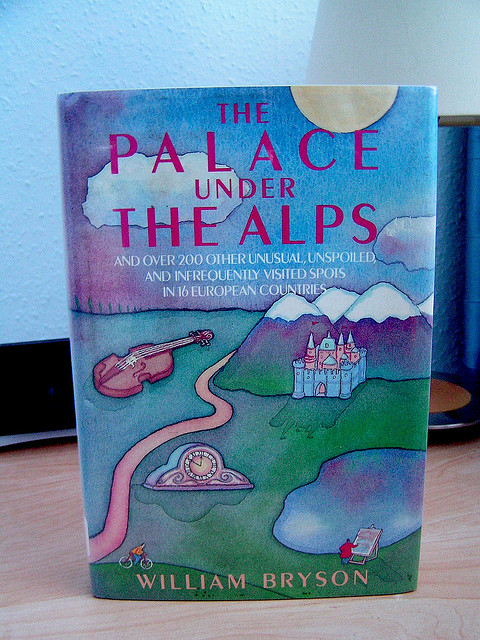
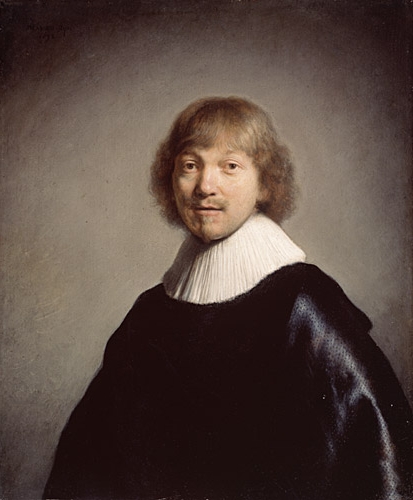
I foolishly sold my first edition copy of Bill Bryson’s The Palace Under the Alps (Congdon & Weed, 1985) a few years ago. So, I was dead chuffed to stumble across this blog with the same handle that posts excerpts from the book. If you are not familiar with Bryson’s later books, you may want to check out Neither Here nor There, A Walk in the Woods, I’m a Stranger Here Myself, or A Really Short History of Nearly Everything. Anyway, here’s a piece from the book and the blog titled The Most Hapless Art Museum in the World :

“Stealing Rembrandt’s Portrait of Jacob Van Gheyn from the Dulwich College Picture Gallery has become something of a sport in south London in recent years. Since 1966, the painting has been spirited off four times, an undisputed record in the art world. Although the museum has clearly been unfortunate to be so assiduously singled out by art thieves, it’s difficult to rule out suspicions of incompetence entirely. In 1973, a visitor to the gallery simply took the painting off the wall and walked off with it. The police stopped him a few blocks away, on a bicycle, and found the painting in a paper bag on his bike rack. Eight years later, another visitor tucked the painting under his raincoat and again sauntered out. But he bungled his ransom demand and the work was quickly recovered. the most recent, and serious, robbery was in May 1983 when thieves broke in through a skylight, ignored all the other paintings in the gallery, and took the one magnetic Rembrandt. At the time of writing, it was still missing.

In between the outbursts of publicity that attend these periodic thefts the gallery slides back into a curious and no doubt welcome obscurity. In 1983, despite making the headlines yet again, it attracted barely 26,000 visitors. yet even without the Portrait of Jacob Van Gheyn, the Dulwich College Picture Gallery is one of the most outstanding in Europe – “more important,” in the words of the British newspaper The Guardian, “than the national collections of some European countries.” Its possessions include other works by Rembrandt, as well as a stunningly diverse collection of paintings and drawings by Van Dyck, Canaletto, Hogarth, Rubens, Raphael, Murillo, Gainsborough, and Reynolds, among many, many others. Several works represent the artists’ best of most famous paintings, as with Reynolds’ portraint of Mrs. Siddons or Watteau’s Les Plaisirs du Bal.

The gallery is also one of Europe’s oldest public museums. It dates from 1626 when a Shakespearean actor named Edward Alleyn donated his paintings and the funds to found Dulwich College, one of Britain’s leading public schools. But the bulk of the collection was given by an expatriate Frenchman named Desenfans, who insisted that he, his wide, and best friend be interred on the site, so the gallery also incorporates, a bit bizarrely, an elaborate mausoleum. The building was designed by Sir John Soane – he of Soane Museum fame (see page 85) – and was considered one of his finest achievements. it was more or less destroyed by a bomb in World War II, but was faithfully rebuilt.

Even if you’re not wildly enthusiastic about Old Masters, Dulwich rewards a morning’s visit. An easy train ride from Victoria Station, it is one of the few parts of London to have retained a village-like atmosphere. Old almshouses stand beside an ancient park, famous for its azaleas and rhododendrons, and the only remaining toll road in London. the whole is a surprising – and refreshing – intrusion of green in one of the world’s busiest cities.”

Posted in Books, Europe, Museums, Tourism, Travel Writing, Writing | Tagged , , , , | 2 Comments