The End of An Era

Thanks to Nicky Gardner for this story.
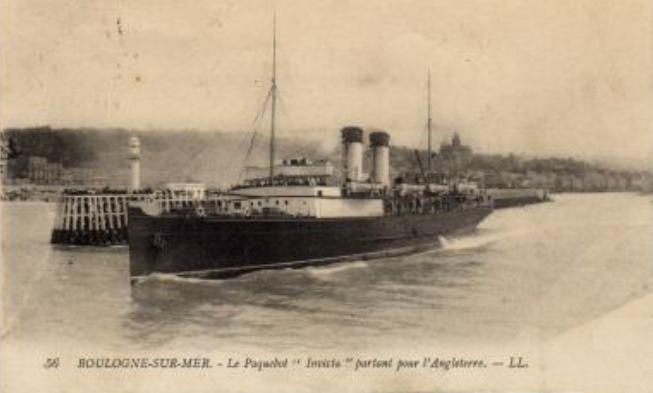
When Tobias Smollett left England for France in 1763 he was in no particular rush to get anywhere. The famously ill-tempered Smollett made his way to Dover, complaining about the cold and comfortless accommodation he endured along the way. What with the knavery of publicans and the lackluster rations, it is a surprise that Smollett survived the journey through Kent at all. He opted to sail from Dover (“a den of thieves” according to Smollett) to Boulogne, judging that sea route to be much more convenient than the service to Calais. Smollett then lingered for three months in Boulogne, before venturing on to Paris. Don’t imagine that Smollett especially liked Boulogne. But he could swim, relax and watch the boats come and go from England – which took on an altogether rosier hue for Smollett now that he was estranged from his homeland.
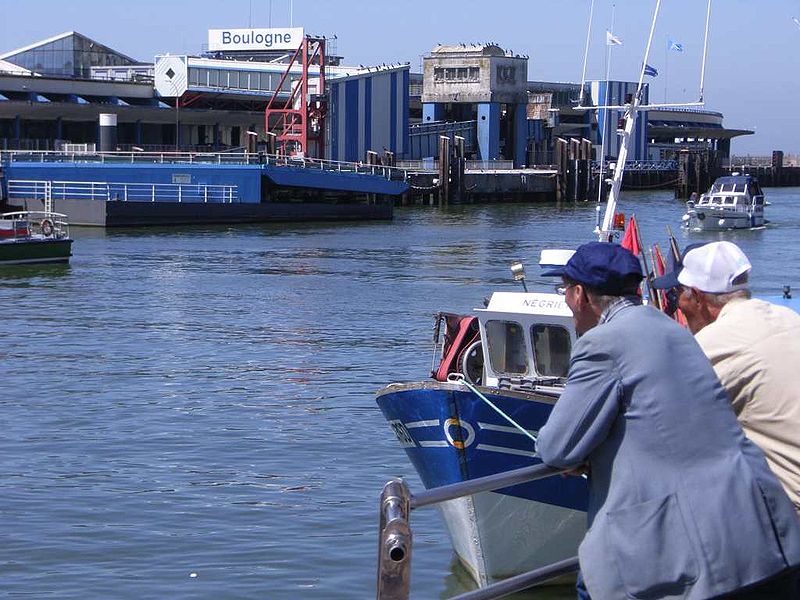
 
Boulogne has always knocked spots off Calais as a port-of-entry into France and well can we understand why Smollett decided to spend a whole summer there. The city has a particularly attractive Ville Haute (Upper Town). But sadly, not a lot of travellers from England will be visiting Boulogne this winter, for today sees the withdrawal of the sole remaining ferry link between England and Boulogne. This is a route that has come and gone before, but had latterly experienced a revival of popularity since LD Lines took over the service last year. But all good things come to an end and LD Lines are cutting the link this evening, redeploying the vessels used for Boulogne to a new service starting on Tuesday that will link Saint-Nazaire (on the Loire estuary on the Atlantic coast of France) with Gijón (on the Asturian coast of northern Spain).
 
Hopes that start-up company Euroferries might step into the Boulogne gap with a new Ramsgate to Bologne service have come to nothing, so Boulogne is now a ferry port without passenger ferries.
 
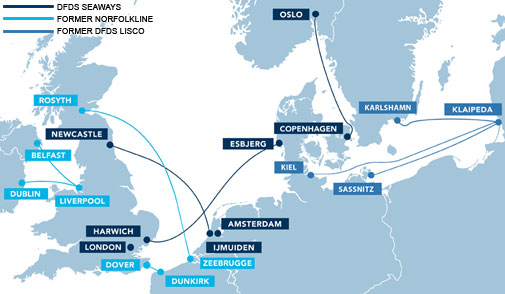
News of the Dover to Boulogne link being axed came just after DFDS announced that from December it will no longer carry passengers on its service from Rosyth (Scotland) to Zeebrugge (Belgium). DFDS only took over the route from Norfolkline in May and the decision to change the sailings to a freight-only service means that Scotland now loses its sole remaining passenger ferry to the continent.

 
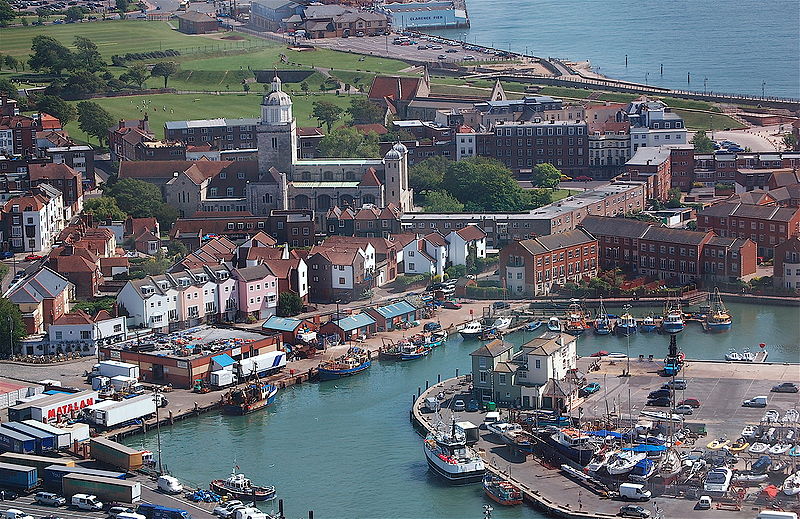
To add to this litany of dismal news, we should mention that P&O sails for the last time from Portsmouth to Bilbao later this month, marking the end of an era for the company with the demise of its last Spanish service. The P in the company name means Peninsula and refers to the Iberian Peninsula where the company found its first markets when it launched steamer services from London to Vigo, Lisbon and Cadiz in 1835. The sole remaining operator with passenger ferries between England and Spain will now be Brittany Ferries.
 
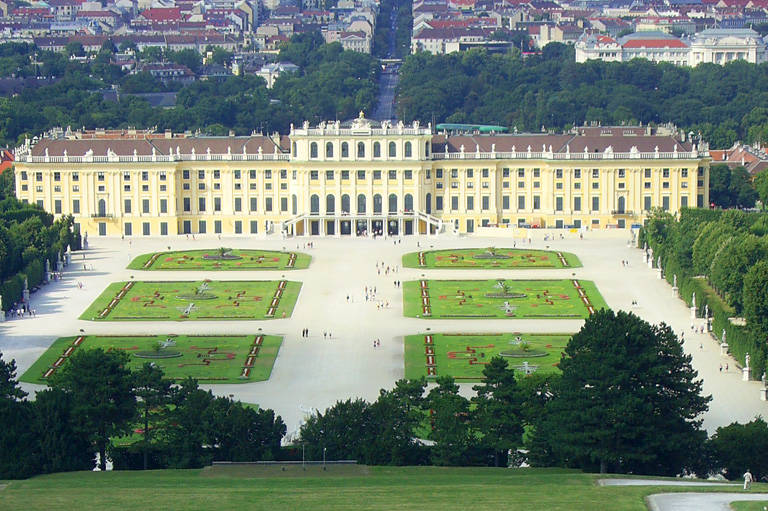
Tobias Smollett would doubtless have used much sharper words than us in reporting on the demise of Britain’s continental ferry links. A few days ago, Britain unveiled a new passport design that will feature maritime images aplenty: seagulls, lighthouses and the White Cliffs of Dover. But the day is fast approaching when travellers wanting to retrace Tobias Smollett’s journey will find it very difficult to board a passenger ferry to cross the Channel to France. Britain is a country that sorely needs a coherent maritime transport policy to ensure that it can match developments in other European waters where ferry travel is on the rise.

Posted in Europe, History, Tourism | Tagged , , , , , | Leave a comment

It’s…European Heritage Days

European Heritage Days is a joint action of the Council of Europe and the European Commission.The 49 signatory states of the European Cultural Convention participate in the European Heritage Days in September each year. This joint action of the Council of Europe and the European Commission, allows the presentation of original cultural property and the exceptional opening to the public of historical monuments in the whole of Europe. European Heritage Days give rise to cultural events and to activities which give life to sites and monuments. They emphasize skills and local traditions whilst encouraging exchanges between different European cultures.

Each year, the national and regional events are based on a specific theme. These themes vary from year to year and according to the country. They can take on specific forms of heritage (for example: farms, musical instruments, cooking traditions, architecture); specific periods in history (for example: medieval heritage, baroque heritage); the relationship between society and heritage (for example: heritage and citizenship, heritage and youth).

The Council of Europe and the European Commission also encourage a choice of trans-national themes which can be illustrated by cross-border activities jointly organised by different countries.

All information may be found on the website Council of Europe

  • Here is the program of the European Heritage Days in the 49 countries


Albania
29th September – 30th December
Exploring intangible heritage along the ancient ‘Via Egnatia’

Andorra
17th-19th September
Heritage and Landscape
http://www.museus.ad/

Armenia
18-19 September
Bridging Generations
http://www.mincult.am/

Austria
26th September
Places of Pleasure
http://www.bda.at/

Belarus
3rd-5th September
A new life of palaces and park complexes in Belarus
http://www.kultura.by/

Belgium – Brussels-Capital
18th-19th September
Stone & Co
www.monument.irisnet.be/

Belgium – Flanders
12th September
The Four Elements (water, air, earth and fire)
http://www.openmonumenten.be/

Belgium – Wallonia
11th-12th September
Heritage Skills and Crafts
http://www.journeesdupatrimoine.be/

Bosnia-Herzegovina
15th-16th September in the Federation of Bosnia and Herzegovina
Monumental Medieval Tombstone
24th September in the Republika Srpska
Imprint of Epochs
23rd-24th September in the Brcko district
Implementation of Convention on Cultural Diversity and Convention on Intangible Heritage (Symposium)
http://www.heritagers.org/
www.zenskicentar.org

Croatia
23rd-30th September
Integrated Rehabilitation Project Plan / Survey of Architectural and Archaeological Heritage, IRPP/SAAH
www.min-kulture.hr

Cyprus
8th-9th October
50 years of Heritage Conservation
www.moi.gov.cy/tph

Czech Republic
11th-19th September
The Soul of the Monuments
http://www.ehd.cz/

Denmark
11th-12th September
In the Wake of War
http://www.kulturarvsdage.dk/
http://www.kulturarv.dk/

Estonia
6th-12th September
Volunteers in Heritage Protection
http://www.muinsuskaitse.ee/

Finland
10th-12th September
Built Landscape
www.rakennusperinto.fi/erp

Former Yugoslav Republic of Macedonia
23rd-29th September
Mobile Heritage
http://www.musmk.org.mk/

France
18th-19th September
Great personalities: when men and women build history
http://www.journeesdupatrimoine.culture.fr/

Georgia
13th September – 13th October
New Life for Heritage

Germany
12th September
Culture in Motion – travel, trade and transport
http://www.tag-des-offenen-denkmals.de/

Greece
24th-26th September
Wizards, Spells and Talismans: Magic in the ancient and Christian world
www.culture.gr

Holy See
26th September
European Cultural Heritage for Intercultural Heritage
http://www.vatican.va/

Hungary
18th-19th September
An Uplifting Century (country mansions, urban palaces in the 19th century)
http://www.oroksegnapok.hu/

Iceland
5th September
Maritime and Coastal Heritage
www.fornleifavernd.is

Ireland
21st-29th August
Go on! You’ll get a lot out of it.
www.heritageweek.ie

Italy
25th-26th September
Italy: Treasure of Europe
www.beniculturali.it

Latvia
10th-12th September
Cultural Heritage – a contemporary challenge
http://www.mantojums.lv/

Liechtenstein
4th September
St Florin Vaduz – A church through the ages
www.hba.llv.li

Lituania
17th-26th September
Family and Cultural Heritage
http://www.kpd.lt/

Luxembourg
18th-19th September
Travel, Trade and Communication
http://www.ssmn.public.lu/

Moldava
17th-19th September
Cultural Landscape

Monaco
10th October
Monaco and Sport
http://www.gouv.mc/

Montenegro
24th-26th September
The Unexplored Potential of Rural Areas – Old Village of Njegusi
www.ministarstvokulture.gov.me/ministarstvo

Netherlands
11th-12th September
The 19th Century
www.openmonumentendag.nl

Norway
12th September
New Life in Cultural Heritage
http://www.kulturminnedagen.net/

Poland
11th-12th and 18th-19th September
From Idea to Industry
www.edd.com.pl

Portugal
24th-26th September
Heritage: a map of history
http://www.igespar.pt/

Romania
18th September
The Role of Heritage in the Life of Local Communities
www.cultura.ro

Saint Marino
12th September
No particular theme

Serbia
Beginning of September
Europe – a Common Heritage
www.kultura.gov.rs
www.muzejzajecar.org

Slovakia
8th-12th September
Technical and Industrial Monuments
www.zhmao.sk

Slovenia
25th September – 2nd October
Cultural Heritage and Prosperity: sustainable use of heritage resources
http://www.zvkds.si/

Spain
Some time in October
XXth Century Cultural Heritage
www.mcu.es

Spain/Catalonia
24th-26th September
Young People and Heritage
http://www.mhcat.cat/

Sweden
12th September
Cultural Routes
www.raa.se/kulturarvsdagen

Switzerland
11th-12th September
Lifecycles
http://www.venezvisiter.ch/

Turkey
15th-17th September
Living with Heritage
http://www.kultur.gov.tr/
www.kulturvarliklari.gov.tr

Ukraine
22nd-25th September
Cultural Heritage, Participation, Prosperity: the Ukraine – a country of castles and forts.

United Kingdom – England
9th-12th September
No particular theme
www.heritageopendays.org.uk

United Kingdom – Scotland
4th-5th, 11th-12th, 18th-19th and 25th-26th September
Celebration of the 20th anniversary of Doors Open Days
http://www.scottishcivictrust.org.uk
http://www.doorsopendays.org.uk
www.photoarch.org.uk
www.archaeologyscotland.org.uk

United Kingdom –Northern Ireland
11th-12th September
Guess what’s inside?
www.wonderfulni.info

United Kingdom – Wales
1st-30th September
Buildings, Places, People
www.civictrustwales.org/ehd/

Posted in Architecture, Art, Europe, History, Libraries, Museums, Tourism | Leave a comment

Books Not Bombs (II)

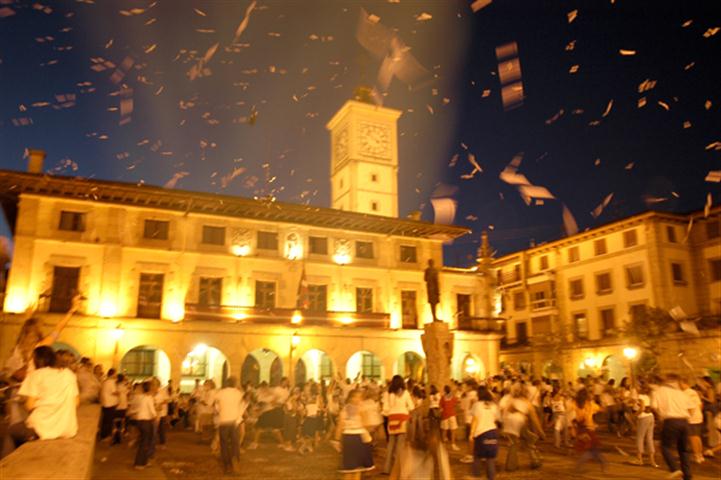
Poetry rained from the skies on last weekend in Berlin as 100,000 bookmarks printed with poems by 80 poets from Germany and Chile were dropped on the city from a helicopter.

Lasting for half an hour, the initiative was intended as a protest against war and a message of peace, as well as a celebration of the 200th anniversary of the independence of Chile. It was the fifth “poetry rain” project from Chilean art collective Casagrande, which has arranged previous poetry bombing events in Santiago de Chile (2001), Dubrovnik (2002), Gernika (2004) and Warsaw (2009) – all cities which, like Berlin, have suffered aerial bombings during their history.

Organizers say that just as wartime bombings were intended to “break the morale” of the inhabitants of a city, so the poetry bombing “‘builds’ a new city by giving new meaning to events of her tragic past and therefore presenting the city in a whole new original way”.

The Berlin project, for which Casagrande worked with Literaturwerkstatt Berlin as part of the Long Night of Museums, took place in the city’s Lustgarten, where a crowd of thousands had gathered to hear readings and performances by Latin American artists.

Poems dropped from the helicopter circling the area were by poets including Ann Cotten, Karin Fellner, Nora Gomringer, Andrea Heuser, Orsolya Kalász, Björn Kuhligk, Marion Poschmann, Arne Rautenberg, Monika Rinck, Hendrik Rost, Ulrike Almut Sandig, Tom Schulz, Thien Tran, Anja Utler, Jan Wagner, Ron Winkler and Uljana Wolf, according to Lyrikline.org, one of the organizations supporting the project.

Posted in Books, Europe, Freedom of Speech | Tagged , | Leave a comment

Books Not Bombs

The mission of Operation Medical Libraries is to collect and distribute current medical textbooks and journals to war-torn countries through partnerships with American medical schools, hospitals, physicians, dentists, medical professionals and the US military.

Almost all medical professionals in the Western World can rely on the internet for looking up questions and maintaining their continuing medical education. While Iraqi and Afghan doctors would welcome the opportunity to take greater advantage of all that is available on the Internet, the lack of electricity, slow access, and limited availability make it difficult for most doctors and medical students to access Internet resources. As a result, they have to rely heavily on medical textbooks for clinical information to manage sick patients.

The U.S. Air Force, Army, and Navy Medical Corps (MC) and the U.S. Air Force and Army Nurse Corps (NC) have struggled to get textbooks back in the hands of Afghan and Iraqi medical professionals. Operation Medical Libraries (OML) is helping to meet this need. The impact on the medical communities of these two countries has been immediate and apparent. The effects will be felt for generations to come.

OML is provides medical texts and journals to medical schools and hospitals in developing countries, including Iraq and Afghanistan. Originally founded as Books Without Borders, it started in April 2007 by Valerie Walker, Director of the UCLA Medical Alumni Association (MAA). She responded to an email request from a graduate of the medical school at UCLA for donated medical textbooks for medical facilities in Tikrit, Iraq. Original donations came from the UCLA medical alumni, faculty, and students. The name was changed to Operation Medical Libraries in the spring 2008 due to a name conflict with an unrelated organization.

Subsequently, MC and NC representatives working with other medical schools and hospitals in Afghanistan and Iraq contacted the UCLA MAA in search of much needed medical materials. The association’s scope and significance increased by volumes through the participation of other American medical schools, such as University of California, San Diego and medical center libraries, such as Providence St. Joseph Medical Center. By August 18, 2008, over 13 tons of medical textbooks and journals have been distributed throughout Afghanistan and Iraq.

OML is unique because there is no middle man or warehouse. Textbooks and journals are sent directly from the donor to the recipient, who sorts through the medical literature and delivers them to the appropriate nearby medical facility or university.

Operation Medical Libraries (OML) is a a grass roots effort originally founded as Books Without Borders in April 2007 by Valerie Walker, Director of the UCLA Medical Alumni Association (MAA).

According to the Clinton Global Initiative, over 7,000 tons of usable medical materials and supplies are discarded every day in American hospitals and clinics. Most of these items are outright incinerated or deposited in landfills.The global impact of donating your medical textbooks will be immediate and lasting. The effect of change will be significant. The scope includes advancing medical education; improving health care; extending the productive life of a product made by cutting trees; and reducing the pressures on our landfill sites and the pollution from incinerators. Don’t throw away knowledge. Pass it on to your medical colleagues! Make a global difference!

OML exists to shrink the educational gap in all areas of the health sciences in developing countries, which
globally face the same problem: doctors and nurses go without the latest professional information they need to provide proper health care to their patients. In response to this urgent demand for life saving
knowledge, OML has built a powerful collaboration between publishers, authors, universities, and hospitals to provide formal medical references and continuing education materials for health sciences students and professionals living in the developing world. In recognition of OML’s valuable contribution to medical health worldwide, several U.S. Government agencies have also joined in the effort.

Current textbooks in the health sciences fields of dentistry, medicine, nursing, pharmacology, and
physical therapy are desired, as well as anatomy and basic science books. Textbooks need to be
new or gently used, contain current information, and published within the last five years. For more
information. For more information, go to How to Donate Books or e-mail OML.

Posted in Asia, Books, Libraries, Middle East | Leave a comment

No Fatwas Please

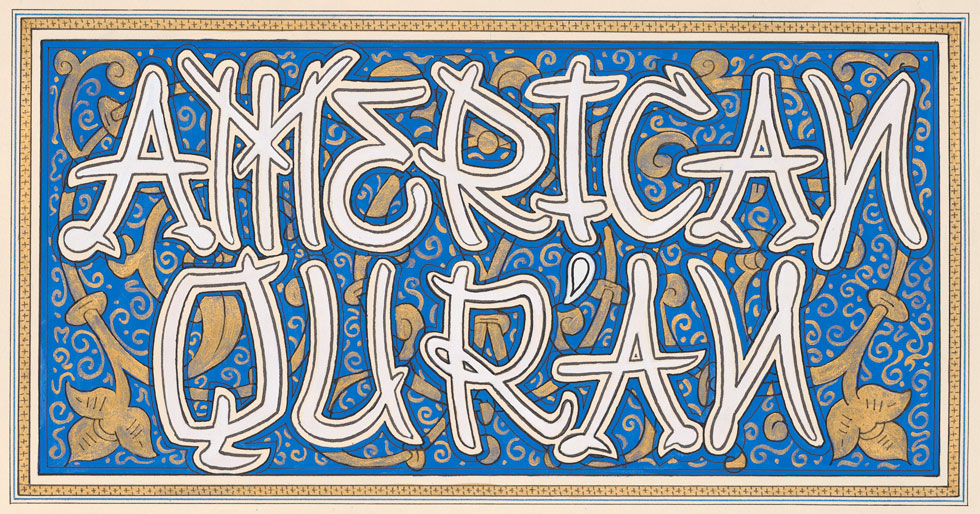
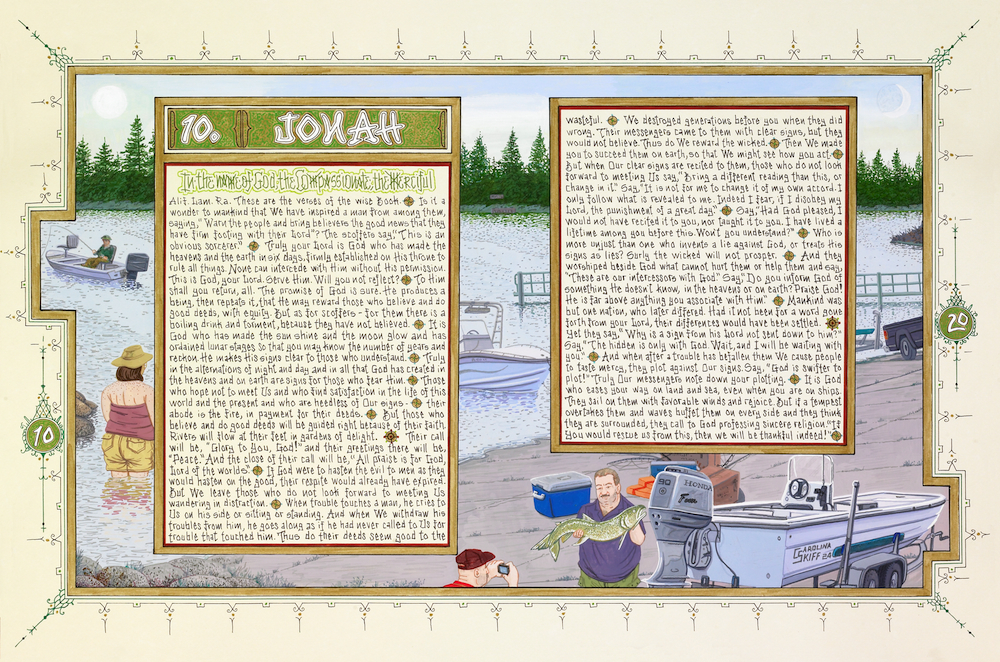
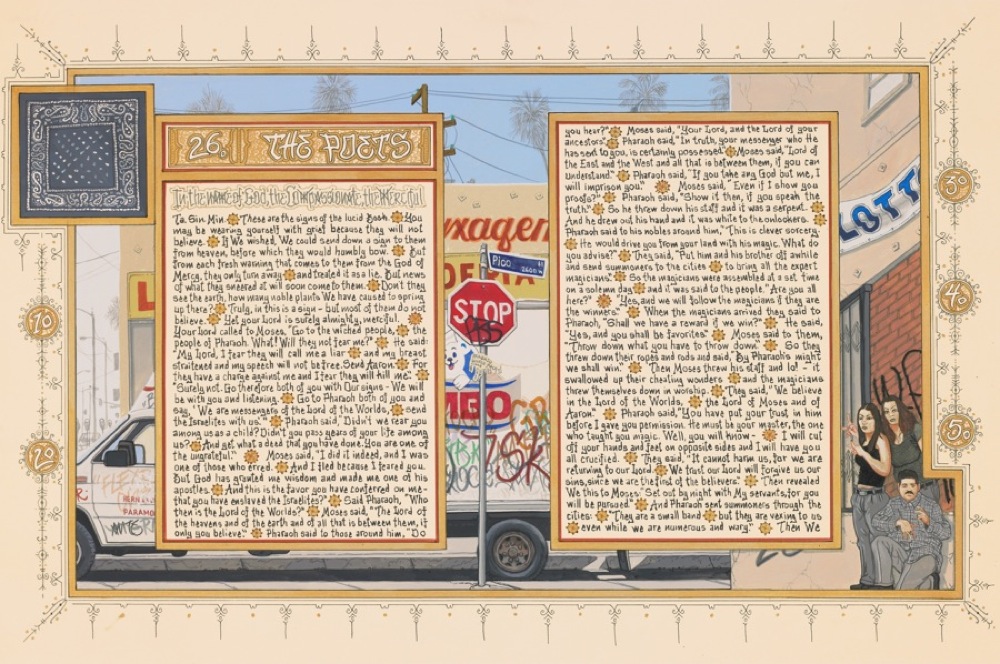
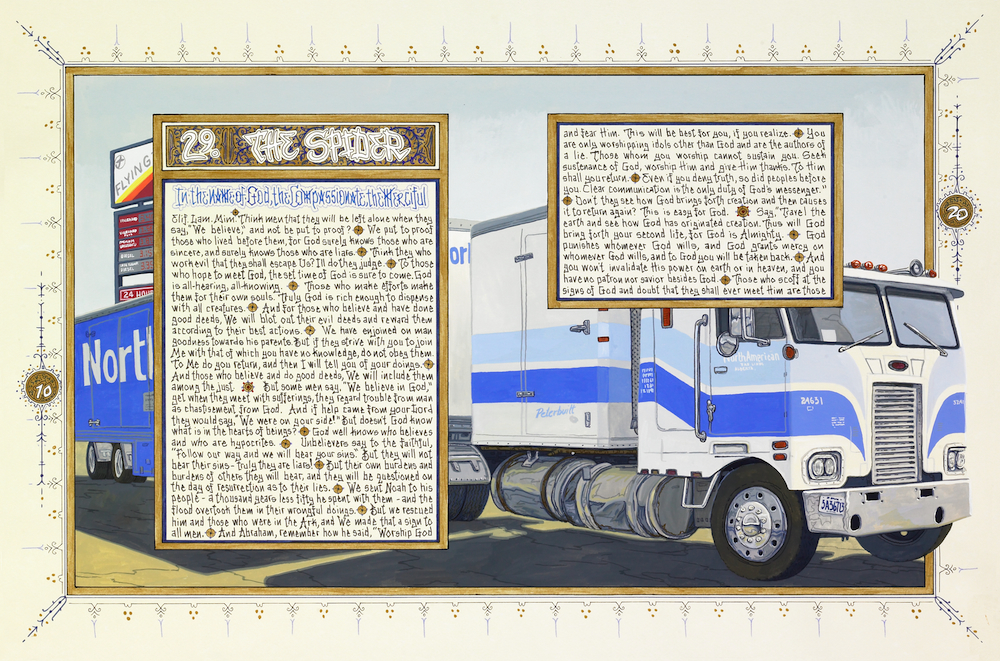
Los Angeles artist Sandow Birk’s expansive multi-media projects and murals have dealt with contemporary issues of urban angst, war, prisons and politics, but his new “American Qur’an” project challenges his audience in new and dangerous ways. In this courageous work, Birk writes and illustrates Qur’anic verses, drawing from traditions of illuminated manuscripts, calligraphy, graffiti and graphic novels. You can see the project in its entirity at the PPOW Gallery in NYC from September 9 to October 30th.

Here’s what Birk has to say about his project:

“The Holy Qur’an is arguably the most important book in the world right now. Our nation is in the midst of two wars in Islamic nations, hundreds of thousands of our troops are involved, our political landscape has been altered, and our daily lives are all affected by events connected to the Qur’an, and yet I knew nothing about it. I had no idea what was in it. So I decided I should find out for myself what the Qur’an is and what its message might mean for an average American like me.

As an artist, the project is my personal attempt to create an entirely hand-written and hand-decorated illuminated manuscript in the 21st century. An attempt to make something entirely by hand, based on traditional techniques and styles, but which still is about life in America right now. When completed, my project will be an entirely hand-transcribed English language adaptation of the Qur’an, illuminated with scenes of contemporary life in America that relate to the message of the text.

I create the images in my own style of illumination, which is drawn from traditional Islamic book decorations, as well as Western illuminated manuscript traditions, and the very “American” calligraphy of the cholo graffiti from my neighborhood in Los Angeles.

The images are my own personal reflections about the message in the text of each chapter, or surah, and my pondering what that message means to me in my daily life. The images are metaphors for the imagery of the text. I try to think of things in our lives that are symbolic or emblematic of the text, things that present the message in a more easily graspable way, things that average Americans can relate to.”


Posted in Art, Books, Freedom of Speech, Middle East | Tagged | 1 Comment

The Art of The Book

Littlefly literary jewelry by  British artist Jeremy May, is created “by laminating hundreds sheets of paper together, then carefully finishing to a high gloss. The paper is selected and carefully removed from a book, and the jewelry re-inserted in the excavated space…. The beauty of the jewels extends within the piece: text and images pass all the way though the object, only exposed at the surfaces–giving a tantalizing glimpse of the book within.”

Posted in Art, Books | Leave a comment

Art Returns To Historic Newtown

Visit historic Newtown this holiday weekend and celebrate the grand re-opening of Countryside Gallery. The inaugural show will prominently feature paintings by Newtown’s favorite artist Bonnie M. Butler.

Posted in Art, Tourism, USA | Tagged , | 4 Comments

And So It Goes…

Many thanks to Perry Hall for this post:

Good News For Vonnegut Fans:

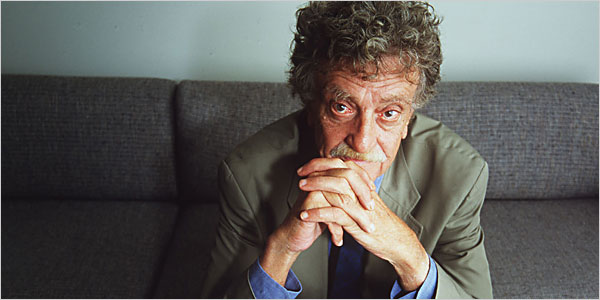
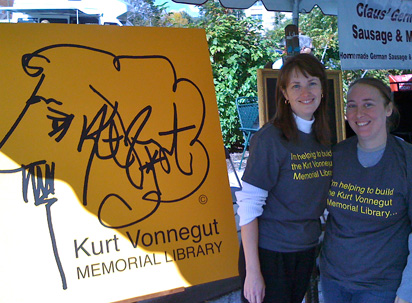
The Kurt Vonnegut Memorial Library is a public benefit, nonprofit organization championing the literary, artistic, and cultural contributions of the late writer, artist and Indiana native Kurt Vonnegut, Jr. The Library is creating a library that will also serve as a cultural and educational resource center, functioning as a museum, art gallery, and reading room for readers, writers, and students. In addition, the library will support language and visual arts education for the local community. The KVML has been offered free space for the library by Katz and Korin, PC at the Emelie Bldg. in Indianapolis. The library will have 1,100 square feet to fill. The library is expected to open in November 2010.

The Kurt Vonnegut Memorial Library will serve as a memorial to the author’s literary greatness, his humanistic vision, and his adherence to quintessential American values. The library will exhibit literature, art, and personal items of Kurt Vonnegut. The library will serve both ardent Vonnegutians and newcomers to his unique wit and literary legacy. The library staff will act as docents at the library and coordinators for outreach activities. The library’s website will attract visitors to library events and assets.

In this unique artistic community center, visitors will be able to: browse a variety of books that are thematically linked to the life of Kurt Vonnegut; relax with a cup of coffee; view Vonnegut’s books, artwork, personal papers; attend a visiting writers lecture series; and participate in educational outreach through a partnership with local high schools, starting with the public school Kurt Vonnegut attended in Indianapolis, Shortridge High School. In 2010, The Foundation will make a presentation to Shortridge students on the life and works of Kurt Vonnegut as well as assist the school with the development of its student newspaper. The Library also plans to develop a literary magazine and to host writing events.

Posted in Books, Freedom of Speech, Libraries, Museums, USA, Writing | Tagged | Leave a comment

If You Want To Help An Author…

Thanks to reader Ret Marut for this post.


If you have friends or family members who have written a book:

1. Buy your friend’s book. Encourage other friends to buy the book. Go to your local library or bookstore and encourage them to buy the book. Buy books as gifts.

2. Don’t put off buying the book. Don’t wait for the holidays to buy the book as a gift. First, the sooner you buy, the more confidence you’ll inspire in your friend. Second, media and other decision makers pick up on a book based on the momentum the book inspires. The more sales at the beginning of the book’s life, the more attention it will get from key decision makers, the media, and consumers.

3. Where should you buy the book? First choice: the indie bookstore nearest you (that will help your friend get her book into that store on a regular basis). Second choice: a chain bookstore like Borders or Barnes & Noble (if they start selling the book locally, they might buy books for more stores in the chain). Third choice: the author’s website (the author makes the most money when selling direct). Fourth choice: buy direct from the author. Fifth choice: Buy from Amazon.com (preferably from the link on the author’s website).

4. Recommend your friend’s book. If you like the book, recommend it to friends. Blog about it. Tweet a review or mention. Share a note on Facebook. Recommend the book to your book group. Review her book on Amazon.com, BN.com, GoodReads, Library Thing, and other reader social networks.

5. Tell your friend what you like about the book. Provide your friend with support by telling him something you like about his book. Was it a good read? Did it move you to tears or laughter? Did you learn something new?

6. Help your friend get speaking engagements. If your friend is comfortable speaking, recommend your friend to your Rotary Club, Jaycees, church, Friends of the Library, bookseller, garden club, school, etc.

7. Recommend your friend’s website. Link to it from your website, blog, Facebook page, etc. Tweet about it. When your friend writes a blog post, link to it. If your friend tweets something great, retweet it. Feature a quote from your friend’s book on your website. Or tweet the quote.

8. Create a Wikipedia page for your friend. While authors can’t create their own Wikipedia page, other people can. Every book author deserves a Wikipedia page, since a published book grants the author at least a modicum of fame. On the Wikipedia page, feature a short bio, a bibliography, a link to the author’s website.

9. Help your friend with the media. If you know of any newspaper editors or reporters, magazine editors, radio producers or hosts, TV show hosts or producers, columnists, bloggers, etc., send them a copy of the book or a note about the author. Or tell your friend about your connection, and introduce her to your contact.

10. Pray. Prayer always helps. Pray for your friend and his book. If you’re not into prayer, ask your favorite tree to help.

11. Ask. Ask your friend how you can help her. You may have some talent, connection, specialized knowledge, etc. that might be just the thing she needs. Or they might just need some of your time to help pack and ship some books or make a few phone calls.

12. Do a video review of the book and post it on YouTube and other video sharing websites.

13. Help your friend make some videos for the book. Every author needs a cameraperson, a scriptwriter, a producer. Again, share on YouTube and other video sharing websites.

14. Look for specialty retailers. As you drive around your own hometown or a nearby larger city, keep on the lookout for specialty retailers that might be interested in selling your friend’s books. Cookbooks in gourmet shows, do-it-yourself books in hardware stores, children’s books in toy stores, art or history books at museum shops. Make the contacts yourself or pass them on to your friend to follow up.

15. Look for other sales venues. If your friend’s book is about retirement, check out accountants, tax lawyers, etc. who might be interested in buying copies to give to their clients. Health books, children’s books, and cookbooks might interest doctor and dentist offices. Health clubs might be interested in exercise or diet books. Again, make the contacts yourself or pass them on to your friend to follow up.

16. Suggest catalogs, associations, and other special sales opportunities. If you receive mail order catalogs that feature books like your friend’s book, tell her abour the catalog. The same with associations, groups, corporations, etc. that might be interested in buying bulk copies of your friend’s book.

17. Help them sell rights. If your friend’s novel would make a great movie and you have a connection to an A-list actor or producer who might be interested in making the movie, introduce your friend to your connection. The same with TV producers, audio publishers, agents, etc.


Posted in Books, Libraries, Writing | Leave a comment

Visions of the Apocalypse

After a summer of reading Justin Cronin’s The Passage, Margaret Atwood’s After the Flood ,Marcel Theroux’s Far North and re-reading A Canticle for Leibowitz, I was well and truly psyched for next month’s Scientific American “ Apocalit” features.

All things must come to an end, but we humans have an endless fascination with the inevitable. Scientific American’s September 2010 special issue and their web exclusives explore some of those endings. Writers and filmmakers, of course, have been tackling apocalyptic themes for decades, at times using them to highlight emotional aspects of sacrifice, heroism and dedication, to varying degrees of success.

The staff at Scientific American came up with a list of movies and books that show what human civilization would be like if it got short circuited by some sort of catastrophe.

1. Astronomical catastrophes
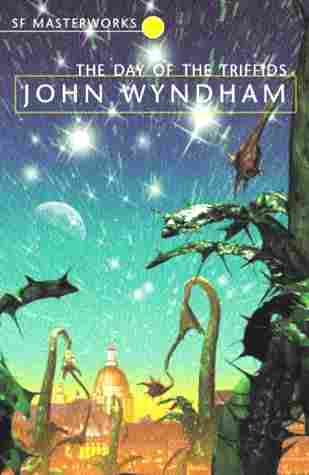
Day of the Triffids (novel 1951)
A beautiful meteor shower brings widespread blindness to all who watched it, causing civilization to descend into chaos—resulting in the release of bioengineered plants that move around and attack people.
Lucifer’s Hammer (novel 1978)
A chronicle of the end of civilization caused by a comet that impacts Earth.
Armageddon (film 1998)
NASA sends oil-rig workers on a mission to blow up an asteroid that is on course to destroy all life on Earth. An overbaked action version of Deep Impact.
Deep Impact (film 1998)
The world braces for the impact of a seven-mile wide comet that threatens to cause mass extinction. A touchy-feely version of Armageddon.
Sunshine (film 2007)
The sun is dying, so a heroic crew travels by spacecraft to deliver a massive bomb to reignite the Sun.
Death from the Skies (nonfiction 2008)
Phil Plait, astronomer and author of the blog “Bad Astronomy,” provides a chilling chronicle of potential hazards from outer space that could wipe out life on Earth and explains the science behind them.
Everything Matters! (novel 2009)
The story of one man who lives his entire life with the knowledge that life on Earth will be destroyed by an asteroid called Destroyer of Worlds.
2012 (film 2009)
Neutrinos released from a massive solar flare melt Earth’s inner core, triggering a chain of catastrophic natural disasters, and survivors struggle take refuge on a small number of arks.
2. Biological Calamities
Earth Abides (novel 1949)
After humanity is wiped out by a deadly airborne illness, a small band of survivors set about rebuilding civilization.
A Sound of Thunder (short story 1952, film 2005)
A time-traveling hunter inadvertently crushes a butterfly during an excursion to the Jurassic period. It causes a succession of “time waves” to batter present-day Earth—and its embattled human occupants—and wrenches reality onto a different evolutionary path. Think baboon-dinosaurs besieging your local gas-mart.
I Am Legend (novel 1954, films 1964 (The Last Man on Earth), 1971 (Omega Man), 2007 (I Am Legend))
One lone man is immune to a pandemic virus that ravages humanity. He struggles to develop a treatment to save the infected.
The Andromeda Strain (novel 1969, film 1971, TV miniseries 2008)
A satellite returns to Earth with a deadly microbe that wipes out an entire town except for a baby and an old man.
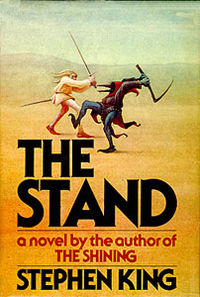
The Stand (novel 1978)
A deadly virus is accidentally released from a research lab, wiping out humanity. The story chronicles the confrontations that occur among the survivors.
12 Monkeys (film 1995)
A terrorist release of a virus has devastated civilization, forcing the remainder of humanity underground. Scientists send a convicted felon back in time as part of an effort to stop the release.
28 Days Later (film 2002)
A chimpanzee harboring a deadly virus escapes from a research lab and infects the entire population, resulting in societal collapse. The film focuses on four uninfected people and their struggle to survive.
Reign of Fire (film 2002)
Dragons suddenly populate Earth and wipe out all people in their path. Small bands of survivors across the planet struggle to evade the dragons and fight for their lives.

3. Geophysical Disasters
Soylent Green (film 1973)
The planet has warmed significantly and is overpopulated. Food is scarce; humanity clings to survival by consuming a processed food called soylent green, which contains a horrifying secret ingredient.
Waterworld (film 1995)
The polar ice caps have melted, leaving civilization underwater. Small bands of survivors drift across the waters seeking land.
The Core (film 2003)
Earth’s inner core has stopped rotating, and its magnetic field dies. A heroic crew must travel to the center of the planet and detonate a nuclear bomb to restart the inner core and save humanity.
The Day After Tomorrow (film 2004)
A series of severe weather events brought about by climate change triggers a devastating ice age that prompts survivors to flee to warmer latitudes.
Wall-E (film 2008)
A garbage-collecting robot sets about cleaning an Earth so trashed that mankind has abandoned it.

4. War
The World, the Flesh and the Devil (film 1959)
A man emerges from a caved-in mine that trapped him for days to find a deserted world wiped out by nuclear war.
On the Beach (novel 1957, film 1959 and TV movie 2000)
A nuclear World War III has wiped out most of the planet, except for a band of survivors on Australia. This story follows the lives of these ordinary people as an impending radioactive cloud nears their refuge, bringing certain death.
A Canticle for Leibowitz (novel 1959)
Set in a Catholic monastery, the story chronicles the rebuilding of society after a devastating nuclear war.
Planet of the Apes (novel 1963, film 1968)
Astronauts crash land on a distant planet with a civilization of walking, talking apes that are hostile to humans. Sequels to the 1968 movie include Beneath the Planet of the Apes and Escape from the Planet of the Apes.
Stop the Planet of the Apes, I Want to Get Off! (musical 1996 from The Simpsons)
I hate every ape I see, from chimpan-A to chimpanzee…
A Boy and His Dog (short story 1969, film 1974)
A young man and his telepathic dog roam a desolate world obliterated by a nuclear war.
Mad Max (film 1979)
Set in the wastelands of post-apocalyptic Australia, the film tells the story of a vengeful policeman and his clashes with a violent motorcycle gang. Sequels: The Road Warrior (1981) and Mad Max Beyond Thunderdome (1985).
The Day After (film 1983)
Fictional account of the devastation wreaked by a nuclear war between the U.S. and the Soviet Union.
Testament (film 1983)
This film chronicles the lives of people in a small California town after nuclear blasts destroy civilization.
Threads (TV drama 1984)
Documentary-style look at the medical, economic, social and environmental consequences of a nuclear war in northern England.
The Postman (novel 1985, film 1997)
A war has devastated the planet, and bands of people, led by a stranger in a postal uniform, struggle to survive.
Book of Eli (film 2010)
Thirty years after a devastating world war, a man named Eli travels on foot to the west coast of the U.S. to deliver the last remaining copy of the Bible to a safe location.

5. Machine-Driven Takeovers
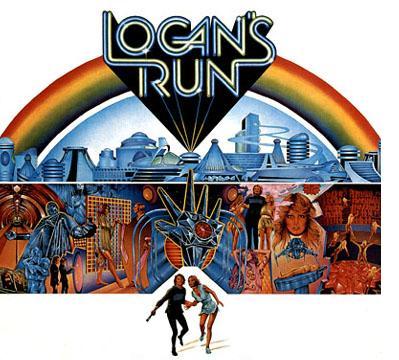
Logan’s Run (novel 1967, film 1976)
In a futuristic society, every aspect of people’s lives is controlled by a supercomputer, and, to keep the population and planet’s resources in equilibrium, no one is permitted to live beyond the age of 21.
The Terminator (film 1984)
In a post-apocalyptic future, intelligent machines devise a plan to exterminate the remaining humans. The film led to several sequels, a television series and two gubernatorial victories in California.
The Matrix (film 1999)
Machines harvest humans for energy by keeping their minds trapped in a simulation of the late 20th century. Sequels: The Matrix Reloaded and The Matrix Revolutions
6. Unspecified Catastrophes
The Road (novel 2006, film 2009)
A father and son struggle to survive after an unknown disaster reduced the planet to ash and rubble. They must avoid cannibals and scavenge food from abandoned houses and stores.
The World Without Us (creative nonfiction 2007)
This riveting thought experiment imagines how the planet would respond if humans suddenly vanished.

7. Collected Disasters
Armageddon Science: The Science of Mass Destruction (nonfiction 2010)
The science behind potential apocalyptic threats such as climate change, nuclear blasts, bio-hazards and the Large Hadron Collider
How it Ends: From You to the Universe (nonfiction 2010)
A scientific explanation of how everything in the universe will eventually end.

Posted in Books, Film, Writing | Leave a comment