Who needs the Guggenheim?

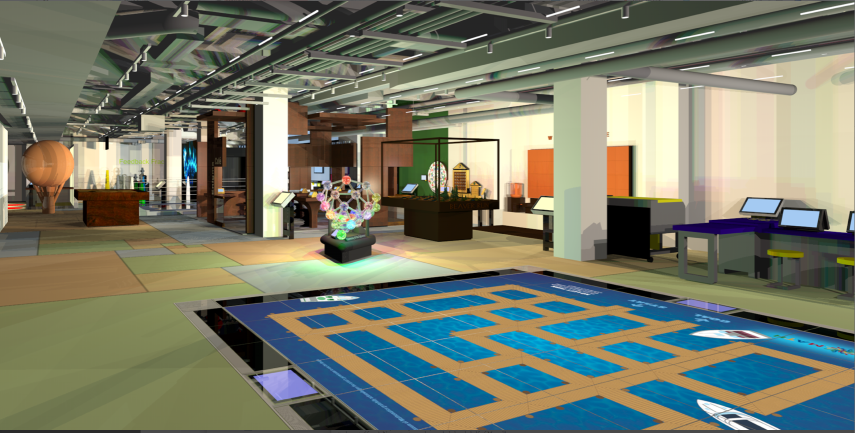
Who needs the Guggenheim ? And who says that math is boring? Certainly not the creative folks at New York City’s newest museum. Opened to the public on December 15, 2012, the National Museum of Mathematics, in Manhattan’s Flatiron District, is North America’s only museum completely dedicated to mathematics.

8919183_600x338

MoMath-rendering-insidesmall

Funded by more than $23 million in grants, including a boat load of cash from Google, the museum is geared to school-age children, but is fun for all ages (even math-impaired oldsters).

DIS_12_13_Museum_of_Mathematics_NYC_Image4_636x424

Featuring thirty permanent exhibits, as well as special events, the museum is all about the hands-on, interactive approach. With exhibits like “Tessellation Station”, Coaster Roller” and a square bicycle ride, this is one museum that kids will beg to visit.

Museum-of-Math-upper-level

The museum is located at 11 East 26th Street and is open daily from 10am to 5pm.

picture-12

7743131

Posted in Museums, Tourism, Uncategorized, USA | Tagged , , | 3 Comments

Traveling Photographer

tumblr_mebudfiAlF1rv33k2o1_500

This ingenuous short documentary by Max Monty is entitled “A Traveling Photographer”. The film documents the unpretentious, but often poignant work that photographer Kevin Russ creates on his wanderings through the U.S. west and in Mexico. Russ’ pared down technique involves random, spontaneous shooting with a standard iPhone sans lens attachments or gimmicks.

If you are moved by Kevin’s straightforward approach, you can follow his work on his blog or actually buy prints here.

2311046_8852349_lz

Posted in Film, Photography, South America, Tourism, USA | Tagged , , | Leave a comment

A Room With a View

room_2

Faktum Hotels is not your ordinary hotel brand. In fact, it doesn’t actually rent hotel rooms at all. Instead, Faktum Hotels is a clever media campaign to bring attention to the plight of homeless people in Gothenburg, Sweden.

room_3

Website visitors are shown ten “hotel rooms” around the city that are regularly used by the homeless. Each room has a pithy, touristy description. Such as:

“This delightful dwelling is just a stroll from the romantic Dreamer’s Quay: A source of inspiration to musicians and artists alike. And all under the noble eye of the Skansen Lion from his centuries old fortress.”

Faktum patrons can donate SK 100 ($15) to “book” one of the ten rooms providing the charity with funds for safe housing and help for the homeless.

Posted in Europe, Hotels, Tourism | Tagged , , , | Leave a comment

Everyone Wants to Drive the Train

pb-130115-sweden-da-01_photoblog900

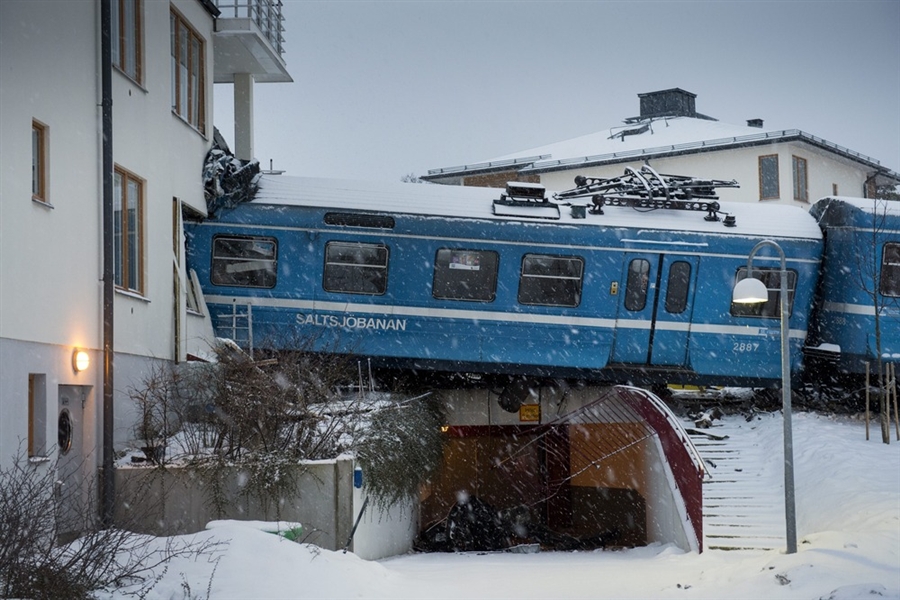
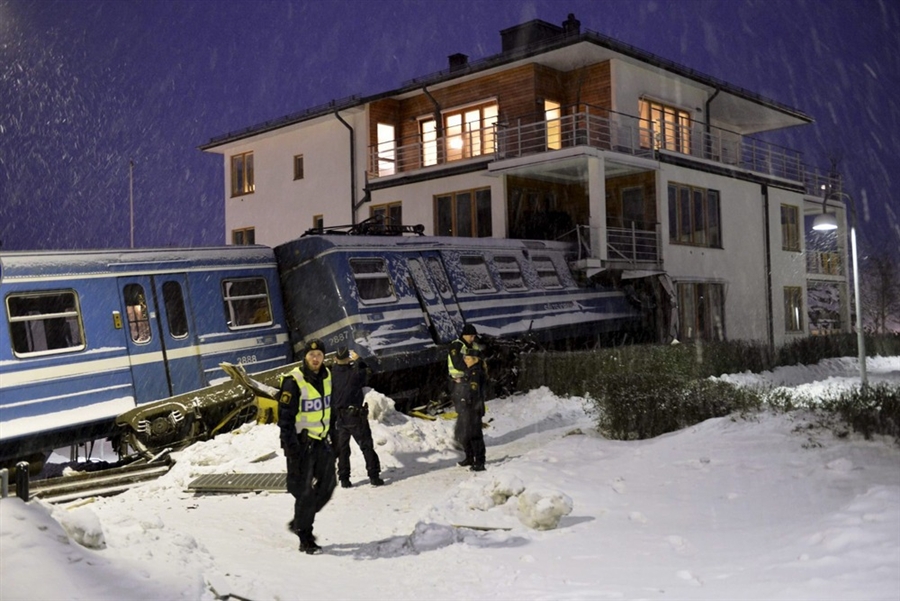
Yesterday, a Swedish train cleaner succumbed to that universal urge to be a train engineer and went for a three minute joyride with a suburban Stockholm commuter train. Unfortunately, she lacked the skills to keep the Saltsjobannen train on the tracks and ran the commandeered train into an apartment building in the waterfront town of Saltsjöbaden. Luckily, no residents were injured in the 3am crash. However, the 20-something cleaner was slightly injured and charged with allmänfarlig ödeläggelse (public devastation).

pb-130115-sweden-da-02_photoblog900

Posted in Europe | Tagged , , , | 2 Comments

Not A Travel Magazine

627px-Wikipedia-logo-en-big

Whether we like to admit it or not, most of us visit Wikipedia on a regular basis. Well, now folks interested in travel will have one more reason to squander their time on a Wiki site, because the much awaited Wikivoyage is finally emerging from beta. According to Wikipedia Foundation guru Jimmy Wales, the free travelguide site, incubating since late September, is ready for primetime.

Screen-Shot-2013-01-10-at-12_47_25-PM

The Wikivoyage main page will act like a universal travelguide and feature links to sections such as, Desination of the month, Featured travel topics, Off the beaten path, Discover and Getting involved. The Wikipedia Foundation has spelled-out its specific “goals and nongoals” for Wikivoyage:

Wikivoyage articles should be useful for at least the following purposes:

  • ·     For on-line use by travellers on the road, huddled in a late-night Internet café in some dark jungle, who need up-to-the-minute information on lodging, transportation, food, nightlife, and other necessities;
  • ·     For off-line use by travellers on the road sitting in a train with a subset of Wikivoyage on their PDA, laptop, mobile phone, iPod or digital camera.
  • ·     For on-line use by travellers still planning to review destinations, plan itineraries, make reservations, and get excited about their trip;
  • ·     For individual article printouts, that is, for printing a list of museums or karaoke bars and putting it in your back pocket for when you need it – or making a photocopy when someone else does;
  • ·     For ad-hoc travel guides, small fit-to-purpose travel books that match a particular itinerary;
  • ·     For inclusion in other travel books, giving up-to-date information for travel guide publishers.

These are some specific non-goals; things people might think we want to do with Wikivoyage, but we don’t:

  1. 1.  Create a travel essay anthology. Wikivoyage is not a travel magazine. Articles should be directed toward practical information about travelling.
  2. 2.  Create a travel chat board. Wikivoyage has talk pages for each article, but these should be used to develop the article itself, and not as a “comments” area. Anyone can edit a Wikivoyage article; if you have useful information about a topic, put it in the article itself.
  3. 3.  Make an advertising brochure. Wikivoyage of course has listings and information about travel-related businesses around the world. We would be thrilled to have representatives of these businesses keep those records up-to-date. However, blatant advertising is not welcome, and overcompetitive acts (like deleting information about rival businesses) is gravely deprecated.
  4. 4.  Produce a Yellow Pages of restaurants, hotels, or bars for a city. City guides should certainly include information for travel-related companies, but these should be kept at a useful number. Think of a friend from out of town asking you where they should go – you wouldn’t list all 200 possibilities, but 5–10 options for a particular type, budget, or part of town.
  5. 5.  Build a Web directory. Wikivoyage articles should not have in-article links to external resources, with the exception of a link to the official website besides the name of a listing. It’s not a goal to collect links about any destination. External links should support and complement the content of articles; they’re not a goal in and of themselves.
  6. 6.  Make a travel guide supplement. The Wiki technique we use for Wikivoyage makes it possible for us to include information that’s not in other travel guides. This doesn’t mean that we only include information not found in other guides. Wikivoyage aims to be a complete travel guide – not just an additional resource on the side of traditional guides.
  7. 7.  Make an encyclopedia. Wikivoyage aims to tell people how to travel all over the world, not document everything there is on the planet or how it ended up that way. If you find yourself needing references and footnotes on Wikivoyage, whatever you’re writing should probably go to Wikipedia instead.
  8. 8.  Run a travel agency. Wikivoyage does not arrange visas, make bookings for airlines, car rentals, cruise lines, hotels, railways, or package tours.

Posted in Tourism, Travel Writing | Tagged , , | Leave a comment

Can’t Find My Stop

8264742033_36af3b1f0d_b

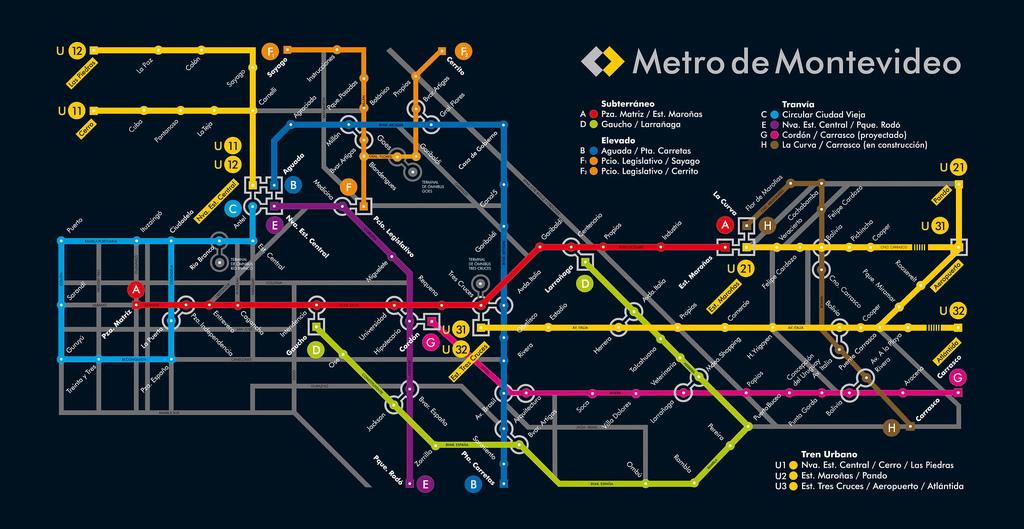
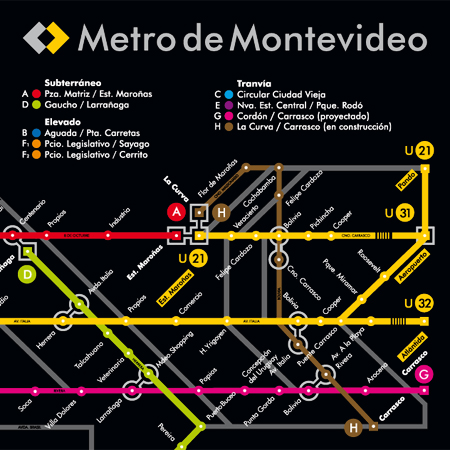
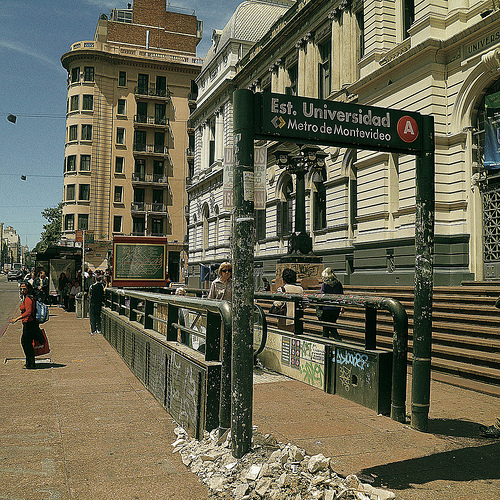
According to this handsome metro map, Uruguay‘s capital city boasts an impressive metro system with 12 underground lines, as well as tram lines and elevated train lines. It would be quite impressive for one of South America’s smallest nations if it was not a total fabrication. In fact, the entire Corporación Metro de Montevideo is entirely bogus. The spurious Montevideo metro system is the brainchild of ad agency director Marco Caltieri. If your Spanish is up to it, you can learn all about his surrealist project at the website or you can vist Frank Jacobs’ fabulous site Strange Maps to get the skinny on this elaborate hoax.

mapa2

8265809474_d4a93c5128

Posted in Art, Maps, South America, Tourism, Travel Writing | Tagged , , , | Leave a comment

Murder In The Library

RB0010_1L

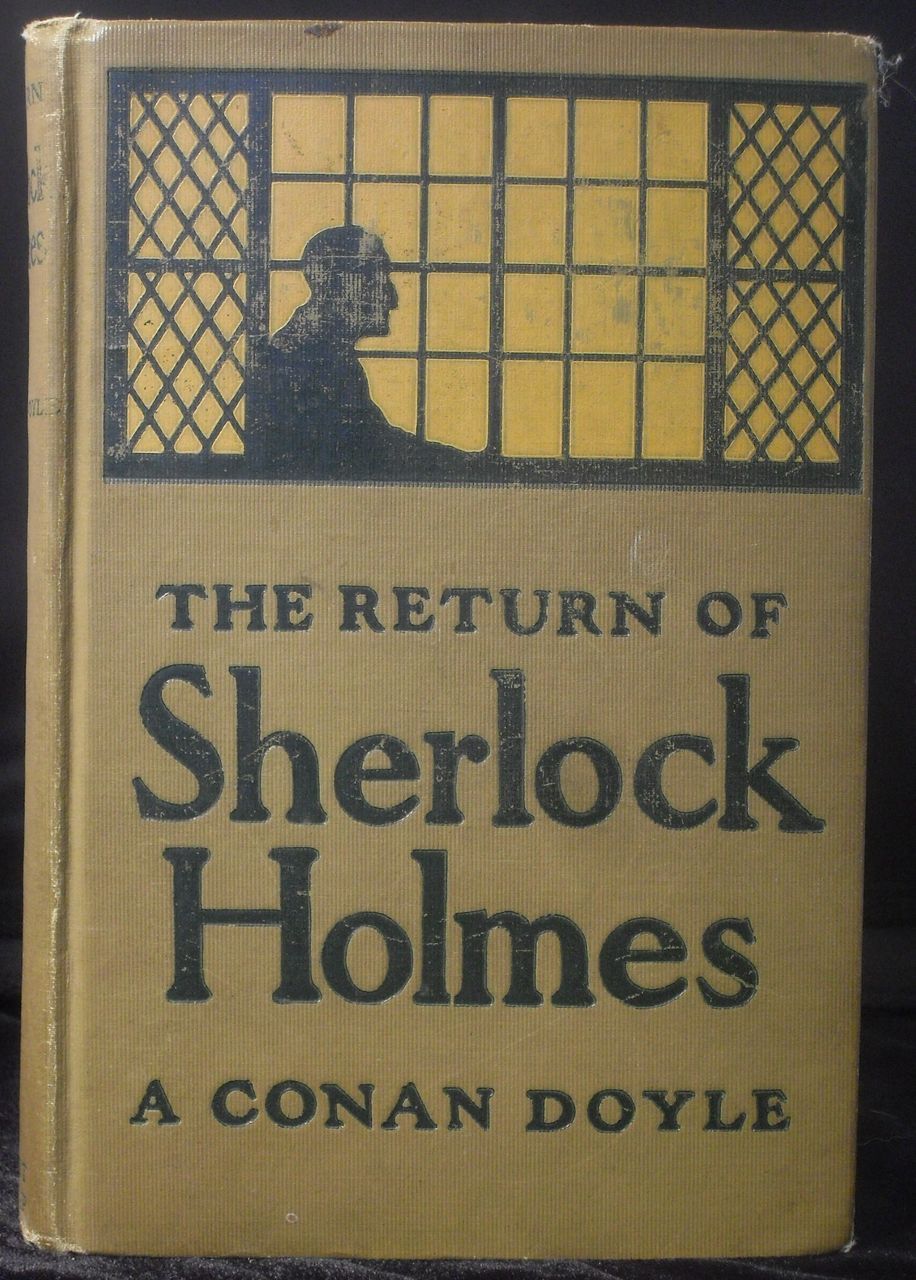
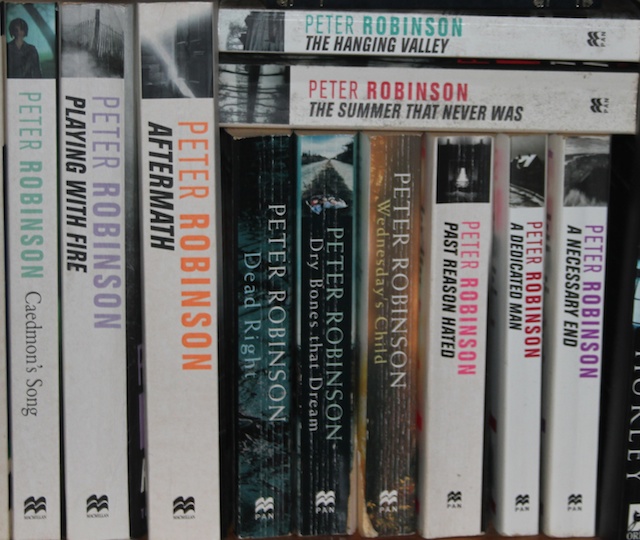
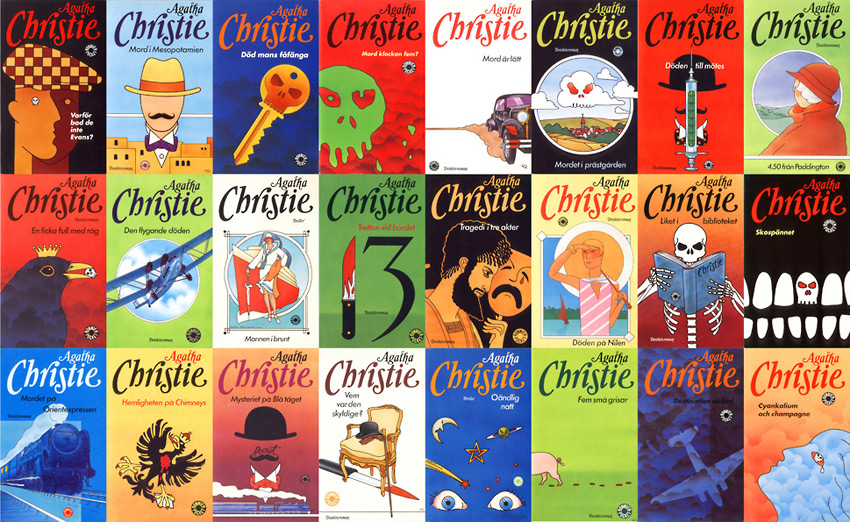
Classic locked-room mysteries, tales of murder and mayhem in quaint villages or gritty adventures on mean city streets. You will find all of that and more at the British Library’s upcoming exhibition titled Murder in the Library: An A-Z of Crime Fiction.

book-series

Crime fiction, which currently accounts for over a third of all fiction published in English, holds millions of people enthralled. Murder in the Library will take you on a fascinating journey through the development of crime and detective fiction, from its origins in the early 19th century through to contemporary Nordic Noir, taking in the adventures of Sherlock Holmes, the first appearance of Miss Marple and the fiendish plots of Dr Fu Manchu along the way.

agatha_christie_paperbacks

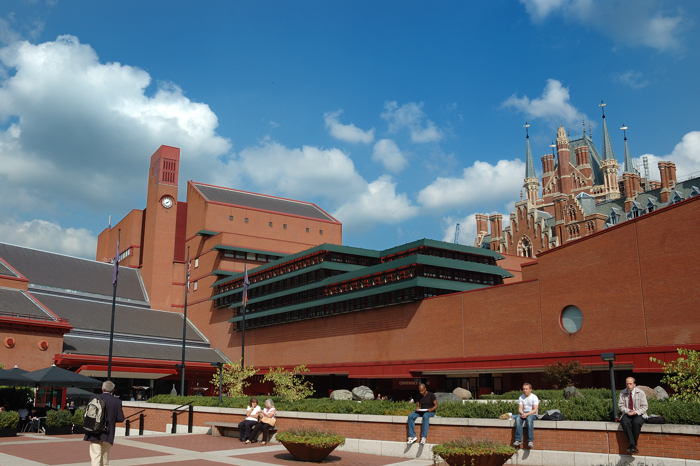
The show will be on display at the Folio Society Gallery of the British Library from January 18 through May 12, 2013.

London%20104

Posted in Books, ebooks, Europe, History, Libraries, Writing | Tagged , , , , | 9 Comments

BON VOI AGE

IATA_02

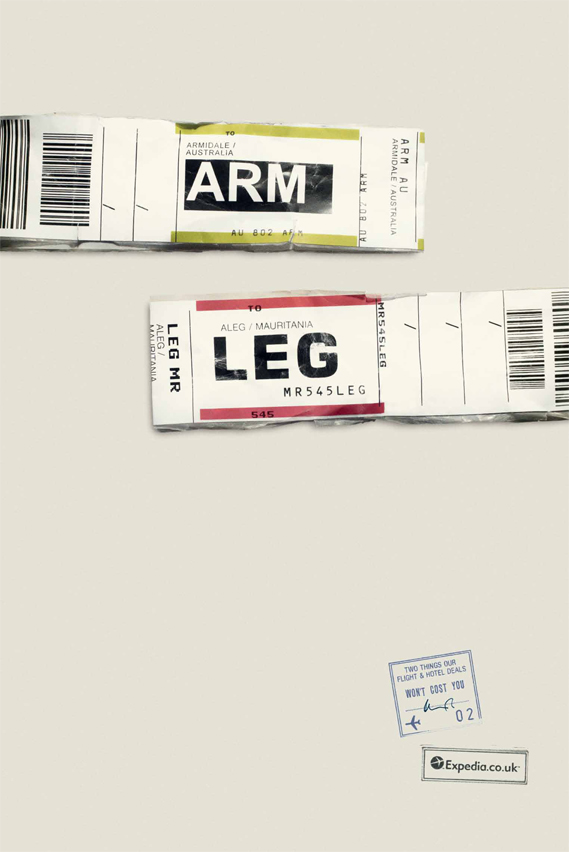
International ad agency Ogilvy & Mather has created this clever campaign for Expedia UK by combining three-letter IATA airport codes to form pithy travel related phrases. Ultimately, they searched 9,000 airport codes to come up with 36 ads. They’ve released 9 ads so far. By the way, the tags are all facsimiles since the real ones contain security coding.

IATA_03

IATA_04

expedia2_0

expedia_6_0

Posted in Europe, Tourism | Tagged | 1 Comment

No More Lost Luggage

TRAKDOT-DEVICE2-640x480

Last year airlines lost more than twenty-six million pieces of luggage in North America alone. Now there’s a new gadget that will provide flyers with a better chance at being reunited with missing baggage. The Trakdot Luggage Tracker, which will be available in March, is an ultra-light, device that you place in your checked bag. You can then follow the luggage in real-time (as long as it’s in range of a cell phone tower) anywhere in the world using your mobile phone or the company’s website. It’s even programmed to send text alerts when your bag reaches the luggage carousel.

Posted in apps, Tech, Tourism | Tagged , , | 2 Comments

In The Traveler’s Cup

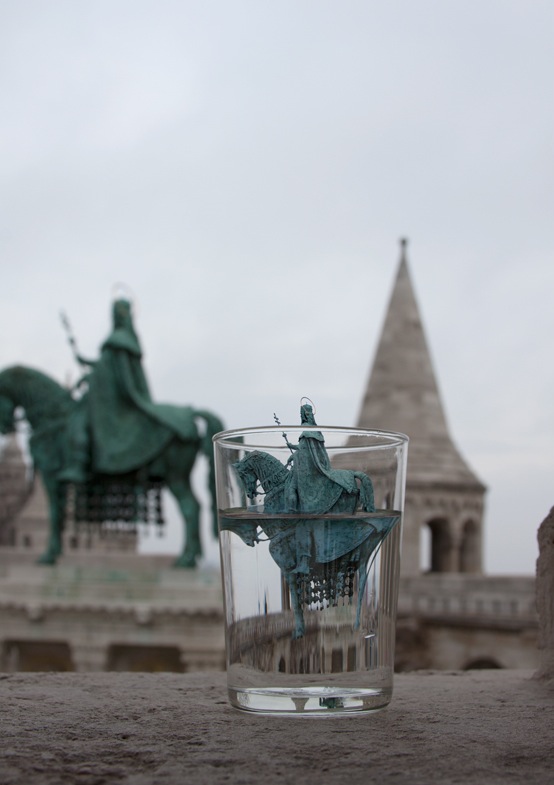
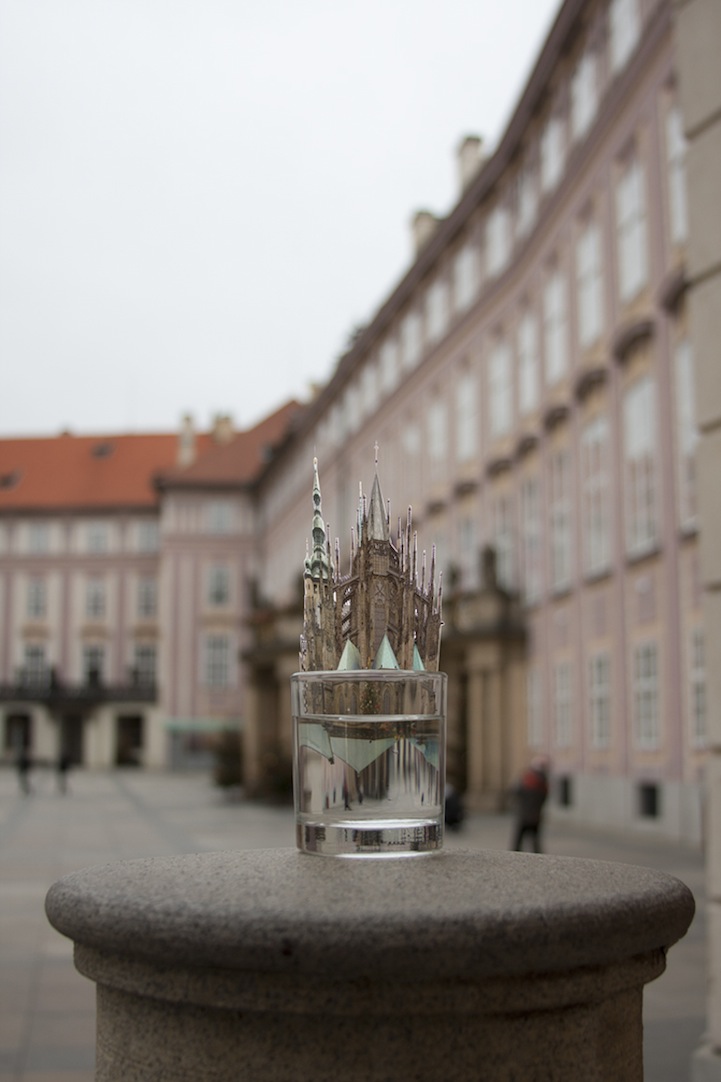
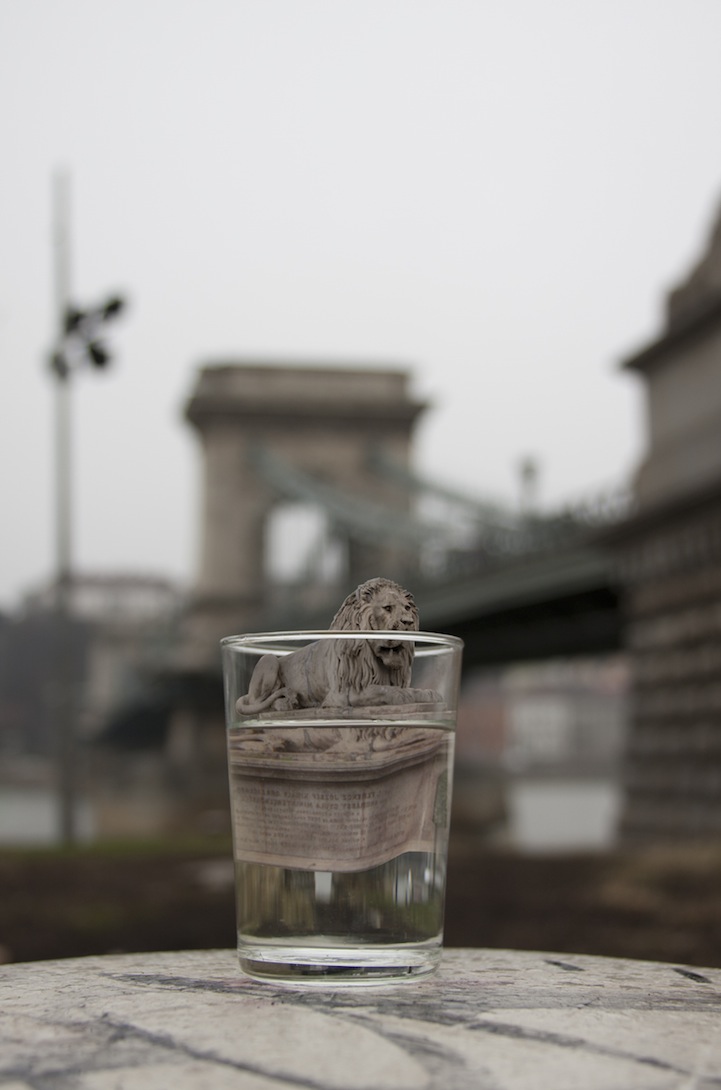
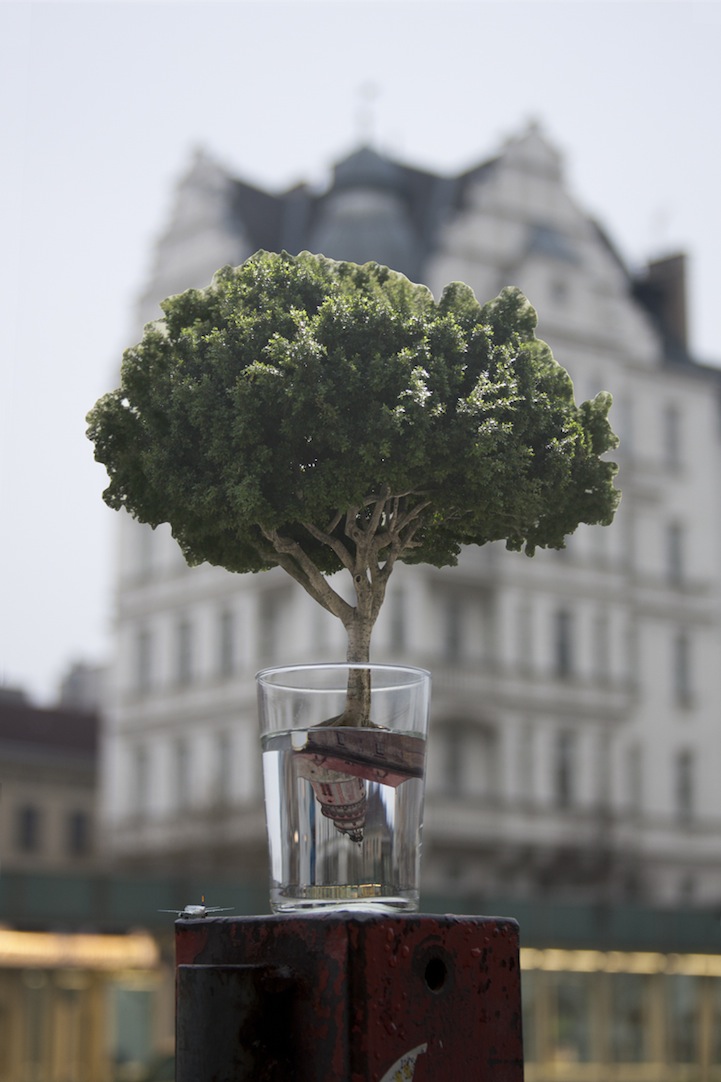
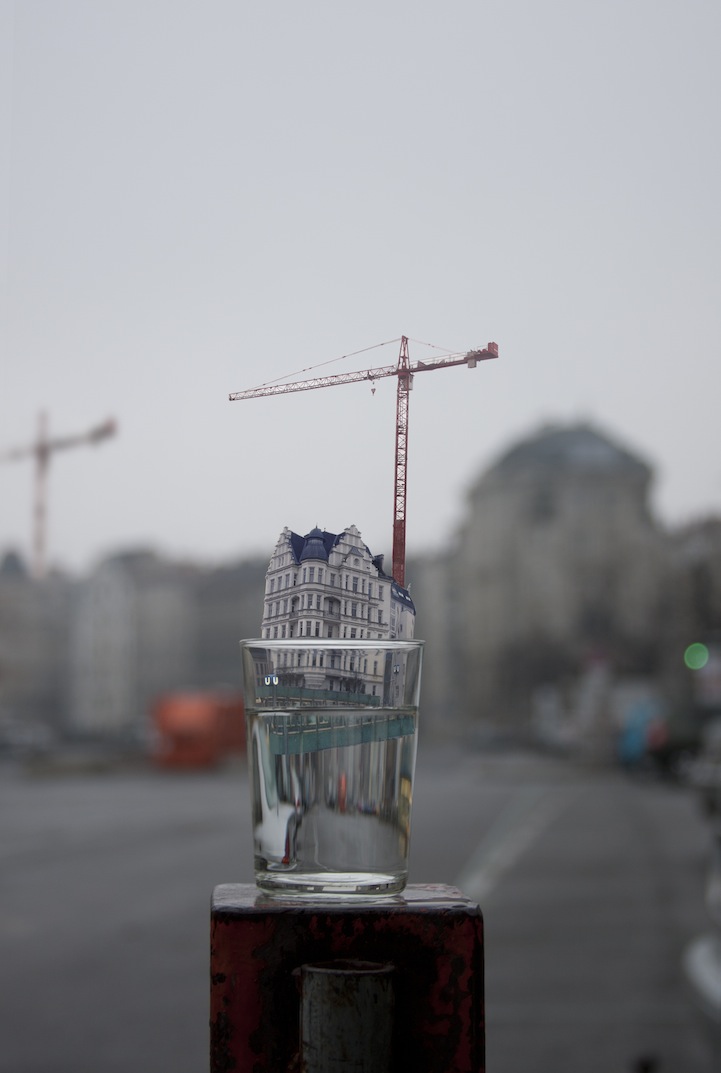
Developing since 2004, Traveler’s Cup is a fabulous series of digital pigment prints by Boulder Colorado-based artist and educator Joo Yeon Woo. Her fantastical images shrink iconic cultural monuments and architectural landmarks to fit inside of her traveling water glass. Yoo says,”I have addressed creative discourses on issues of blurred boundaries not just in the geographical sense, but also in the virtual and physical sense. My creative works explore the blurred boundaries of today’s nomadic life style. Today’s nomadism is not that of unrestricted wandering; it is based on a global nomadic culture. Our nomadic lifestyle redefines the meaning of ‘home’ as something that one may carry only in one’s mind or in one’s own character. In addition, our experiences are now multi-cultural, transcending geographic locations and the ethnic characteristics of our living environments.”

All images © Joo Yeon Woo

jooyeonwootravelerscup5

jooyeonwootravelerscup4

jooyeonwootravelerscup1

jooyeonwootravelerscup3

jooyeonwootravelerscup2

Posted in Architecture, Art, Europe, Photography, Tourism | Tagged , , | 3 Comments