Welcome to Bookshop!

Last week, a new online book retailer model launched the beta version of its innovative site.Indeed, Bookshop.org has gone live with the mission to “financially support independent bookstores and give back to the book community.” Founded by the publisher and entrepreneur Andy Hunter, Bookshop! sees itself as a company putting the public good—and the health of the ailing book business—above profit.

It will operate by taking orders from book buyers, processing them, then distributing a percentage of the profit among a pool of indie bricks and mortar bookstores twice a year, as well as directing another small percentage of the profit to Bookshop.org .

Basically, it’s a central online hub that hopes to become the indie alternative to Amazon.

So, how does this work:

How does Bookshop work with independent bookstores?

  • Bookshop will support indies in two ways: 10% of sales on Bookshop.org support participating independent bookstores in an overall earnings pool that is evenly divided and distributed to stores every six months.
  • Stores that are affiliates, who sell books online using Bookshop (by sharing links their Bookshop link on social media, email newsletters, or on their websites) will earn 25% commission directly on any sales they generate, without having to do the work of keeping inventory, picking, packing, shipping or handling complaints and returns.
  • All orders are fulfilled through Ingram.

How does Bookshop promote local bookstores?

  • Every receipt we email customers will inform them about the bookstores near them, and include event listings for those stores.
  • If a Bookshop customer opts in, their local bookstore will be given their email address for direct marketing.
  • Affiliate stores can create recommendation lists (staff picks, etc) on Bookshop, boosting their visibility and earning the 25% affiliate commission on every sale generated from the list.
  • Affiliates do not have to handle inventory, fulfillment, shipping, or customer service. All book sales are fulfilled by Ingram. Ingram’s extensive inventory and regional warehouse system ensures Bookshop that books can reach customers in as soon as 2-3 days.

With this model, one of the site’s main goals will be to reach the type of consumer whose instinct is to order a book through Amazon, and convince them that their money could instead be spent in a way that sustains the book industry.

Another, and perhaps even more impactful goal, will be enticing affiliates—major book review outlets, bloggers, and authors, for instance—to link to Bookshop.org instead of Amazon in their reviews. Here, Bookshop.org actually can outcompete Amazon, by offering a better cut of the sale to the affiliate that hosted the link. The result would be a some key players fostering a culture where Amazon is not synonymous with online book retail.

Full disclosure: I am a Bookshop.org affiliate.


Posted in Books, Bookstore Tourism, USA | Tagged , , , | Leave a comment

Is This The Prequel You’ve Been Waiting For?

Suzanne Collins, author of the blockbuster best-selling, major-motion-picture-adapted Hunger Games trilogy, has done what most writers of runaway best-selling, major-motion-picture-adapted book series eventually do, and has  gone and written a prequel.

The prequel, titled The Ballad of Songbirds and Snakes, is an exploration of the early life of the Hunger Games antagonist, Coriolanus Snow. Collins recently released a special sneak peak of the book, due out in May.
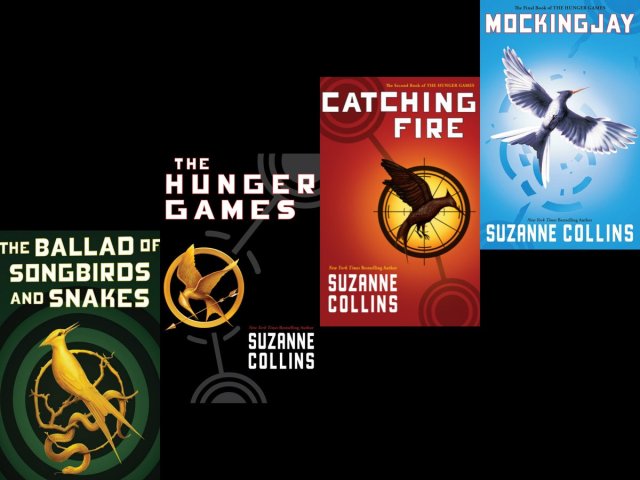
The publisher Scholastic is promoting the book as a meditation on the “important questions about authority, the use of violence, and the truth of human nature.” Heady stuff for a YA novel.

Here’s an excerpt from the publisher’s preview:

“It is the day of the Reaping for the tenth annual Hunger Games. In this scene, we see eighteen-year-old Coriolanus Snow head to his school, the Capitol’s elite Academy, in order to see how he’ll be involved in the Games.

The grand staircase up to the Academy could hold the entire student body, so it easily accommodated the stream of officials, professors, and students headed for the reaping day festivities. Coriolanus climbed it slowly, attempting a casual dignity in case he caught anyone’s eye. People knew him — or at least they had known his parents and grandparents — and there was a certain standard expected of a Snow. This year, beginning this very day, he was hoping to achieve personal recognition as well. Mentoring in the Hunger Games was his final project before graduating from the Academy in midsummer. If he gave an impressive performance as a mentor, with his outstanding academic record, Coriolanus should be awarded a monetary prize substantial enough to cover his tuition at the University.

There would be twenty-four tributes, one boy and one girl from each of the twelve defeated districts, drawn by lottery to be thrown into an arena to fight to the death in the Hunger Games. It was all laid out in the Treaty of Treason that had ended the Dark Days of the districts’ rebellion, one of the many punishments borne by the rebels. As in the past, the tributes would be dumped into the Capitol Arena, a now-dilapidated amphitheater that had been used for sports and entertainment events before the war, along with some weapons to murder one another. Viewing was encouraged in the Capitol, but a lot of people avoided it. How to make it more engaging was the challenge.

With this in mind, for the first time the tributes were to be assigned mentors. Twenty-four of the Academy’s best and brightest seniors had been tapped for the job. The specifics of what this entailed were still being worked out. There was talk of preparing each tribute for a personal interview, maybe some grooming for the cameras. Everyone agreed that if the Hunger Games were to continue, they needed to evolve into a more meaningful experience, and the pairing of the Capitol youth with the district tributes had people intrigued.

Coriolanus made his way through an entry draped in black banners, down a vaulted passage, and into cavernous Heavensbee Hall, where they would watch the broadcast of the reaping ceremony. He was by no means late, but the hall was already humming with faculty and students and a number of Games officials who were not required for the opening day’s broadcast.

Avoxes wove through the crowd with trays of posca, a concoction of watery wine laced with honey and herbs. It was an intoxicating version of the sour stuff that had sustained the Capitol through the war, supposedly fending off illness. Coriolanus took a goblet and swished a little of the posca around his mouth, hopefully rinsing away any trace of cabbage breath. But he only allowed himself one swallow. It was stronger than most people thought, and in previous years he had seen upperclassmen make complete fools of themselves by imbibing too deeply.

The world still thought Coriolanus rich, but his only real currency was charm, which he spread liberally as he made his way through the crowd. Faces lit up as he gave friendly hellos to students and teachers alike, asking about family members, dropping compliments here and there.

“Your lecture on district retaliation haunts me.”

“Love the bangs!”

“How did your mother’s back surgery go? Well, tell her she’s my hero.”


Dean Casca Highbottom, the man credited with the creation of the Hunger Games, was overseeing the mentor program personally. He presented himself to the students with all the verve of a sleepwalker, dreamy-eyed and, as usual, doped up on morphling. His once-fine physique was shrunken and draped with sagging skin. The close-clipped precision of a recent haircut and crisp suit only threw his deterioration into relief. Due to his fame as the Games’ inventor, he still had a tenuous hold on his position, but there were rumors that the Academy Board was losing patience.

“Ho there,” he slurred, waving a crumpled piece of paper over his head. “Reading the things off now.” The students hushed, trying hard to hear him above the din of the hall. “Read you a name, then you who gets that one. Right? So, fine. District One, boy, goes to . . .” Dean Highbottom squinted at the paper, trying hard to focus. “Glasses,” he mumbled. “Forgot them.” Everyone stared at his glasses, already perched on his nose, and waited while his fingers found them. “Ah, here we go. Livia Cardew.”

Livia’s pointed little face broke into a grin and she punched the air in victory, shouting “Yes!” in her shrill voice. She had always been prone to gloating. As if the plum assignment was solely a reflection on her, and not on her mother running the largest bank in the Capitol.

Coriolanus felt increasing desperation as Dean Highbottom stumbled through the list, assigning each district’s boy and girl a mentor. After ten years, a pattern had emerged. The better-fed, more Capitol-friendly districts of 1 and 2 produced more victors, with the fishing and farming tributes from 4 and 11 also being contenders. Coriolanus had hoped for either a 1 or a 2, but neither was assigned to him, which was made more insulting when Sejanus Plinth scored the District 2 boy. District 4 passed without mention of his name, and his last real chance for a victor — the District 11 boy — was assigned to Clemensia Dovecote, daughter of the energies secretary. Unlike Livia, Clemensia received news of her good fortune with tact, pushing her sheet of raven hair over her shoulder as she studiously made note of her tribute in her binder.

Something was amiss when a Snow, who also happened to be one of the Academy’s high-honor students, had gone unrecognized. Coriolanus was beginning to think they had forgotten him — perhaps they were giving him some special position? — when, to his horror, he heard Dean Highbottom mumble, “And last but least, District Twelve girl . . . she belongs to Coriolanus Snow.”


Posted in Books, Film, movies, Writing | Tagged , , , | Leave a comment

Book a bed at the BookBar

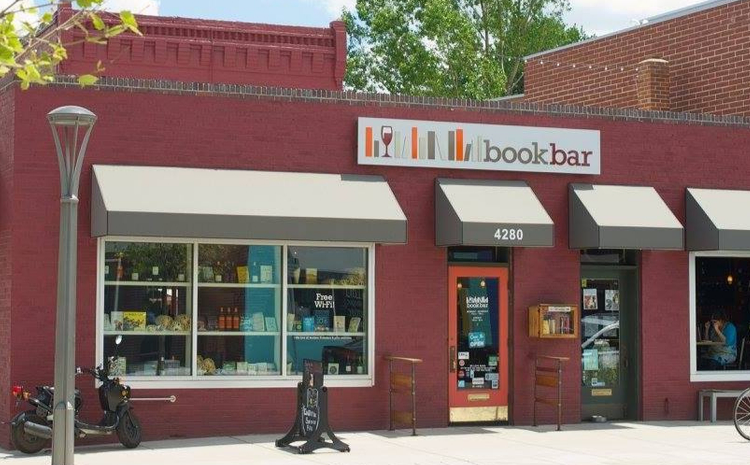
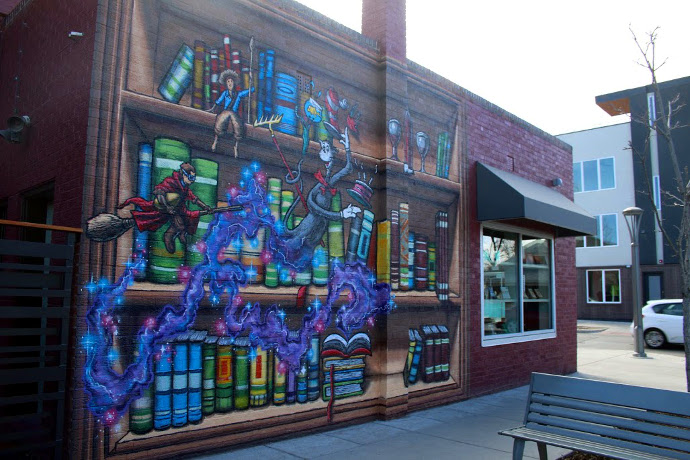
The next time that I visit Denver, I will definitely be staying at the BookBar’s BookBed. The AirBnB rental is a spacious 1896 one-bedroom apartment located above popular book store and wine bar, BookBar. This vacation rental is owned by Nicole Sullivan, proprietor of BookBar .

The apartment is located on Tennyson Street in Berkeley, a thriving cultural arts district two miles from downtown Denver. The street consists of nearly a mile of shopping, restaurants, and bars, surrounded by parks and turn of the century architecture.

BookBed is fully furnished with a queen-size bed, a queen sleeper sofa, luxury linens, a modern kitchen and a private bathroom. Other amenities include: high-speed WiFi, cable TV, central heat and air conditioning, washer and dryer, and free street parking. Guest enjoy the convenience of the cafe and bar downstairs for breakfast, lunch, and dinner while browsing the excellent book selection. All BookBed guests receive discounts at BookBar.


Posted in Books, Bookstore Tourism, Hotels, Tourism, USA | Tagged , , | Leave a comment

Street Smart

Philadelphia

Andrei Kashcha’s City Roads tool will draw you a map of just the roads in any city around the world. Beware map geeks: Down the rabbit hole.

Paris

Wellington, NZ


Posted in apps, Art, Maps, Tech | Tagged , , , , | 1 Comment

Australia Needs Your Help

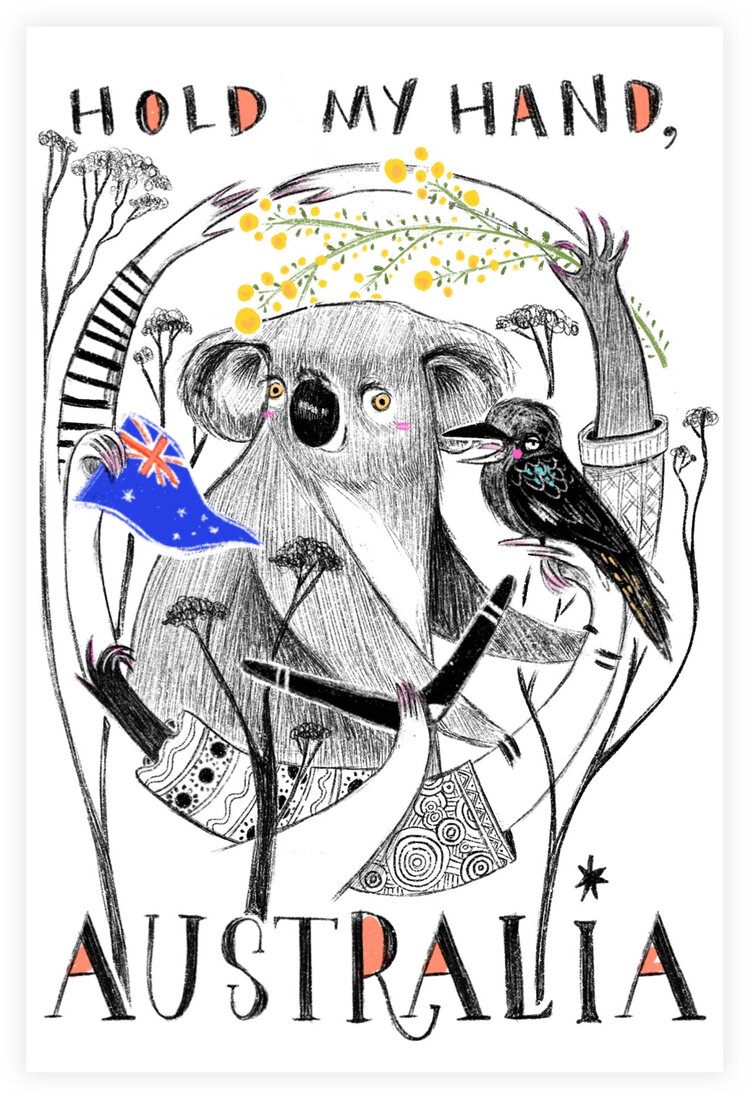
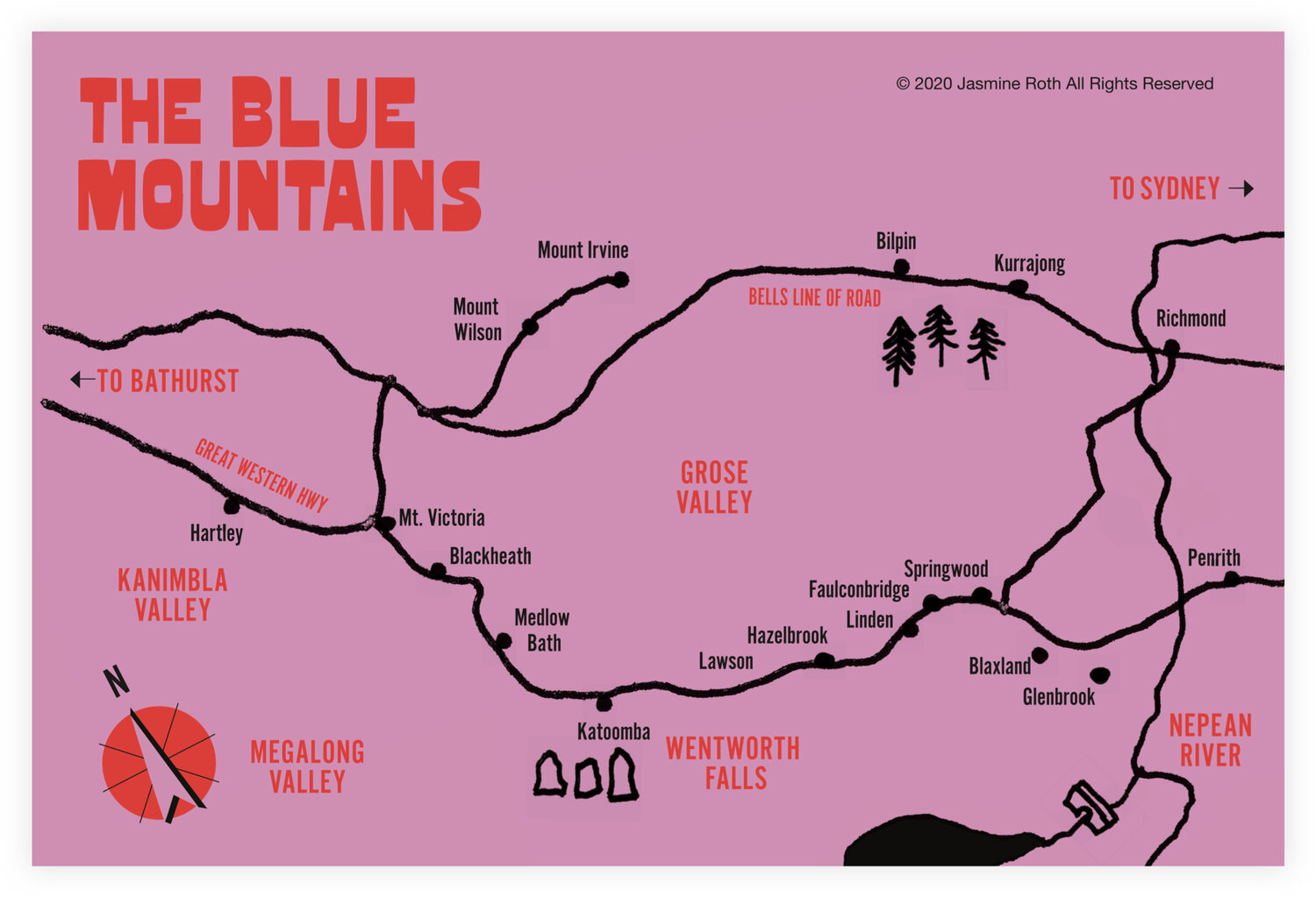
Australi-Aid has partnered with over 40 incredible artists to create a beautiful collection of postcards to support wildfire recovery. You can support the effort by purchasing some of the wonderful original artwork on their website.

They have selected two organizations in which to donate the funds; The Australian Red Cross and The Australia Zoo Wildlife Warriors. Since September 2019, catastrophic bushfires have consumed more than 4 million hectares in Australia, claiming apx. 29 human lives and over 2000 homes. It is estimated that more than a billion animals have been lost. Major Australian cities are blanketed in smoke, choking under air quality up to 22 times the hazardous rating. These unprecedented fires are more than double the size of the California and Amazon fires combined – and they are still burning.


Posted in Art, Tourism | Tagged , , , | 1 Comment

Wild Horses

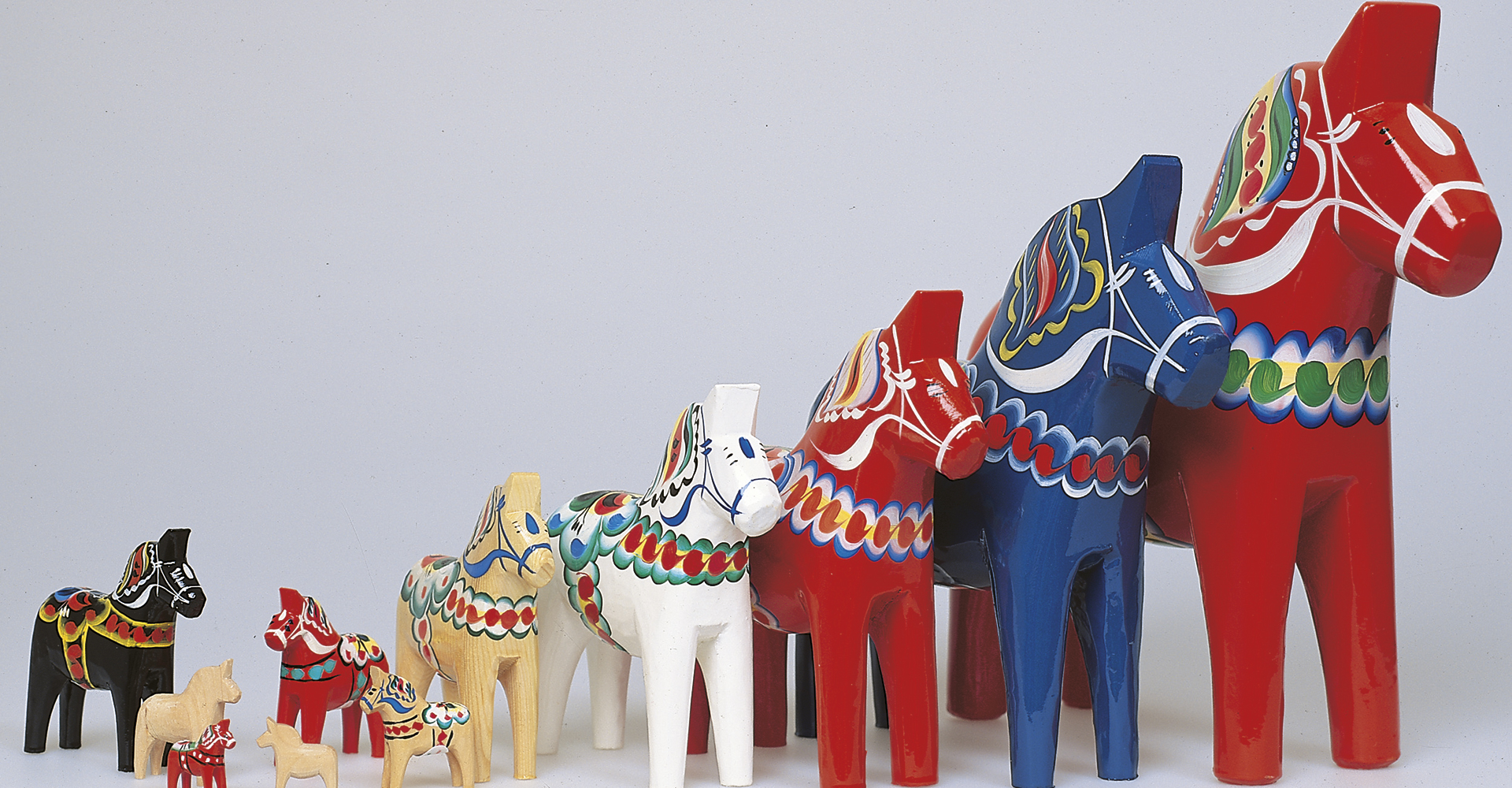
Chances are if you have ever visited Sweden you came home with at least one souvenir Dala wooden horse. When American street artist Shai Dahan moved to Sweden a few years ago to live and work, he decided that the Dala horse needed an update. Wherever he goes in Sweden, he tries to leave a small version of his take on the famous horse. But when he came to New York this past December, he used his Dala Project to leave a huge 50 foot-tall version of the Swedish steed on Broome Street in the Lower East Side of Manhattan.


Posted in Art, Europe, USA | Tagged , , , | Leave a comment

Not Available in Paperback

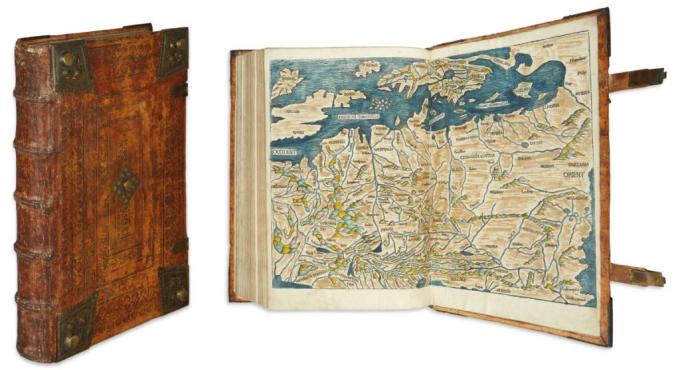
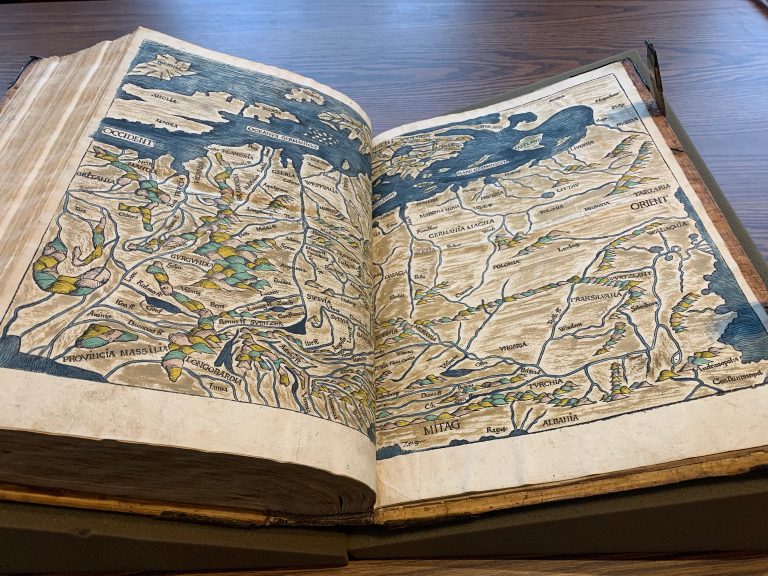
The Louisiana State University Special Collections Library has recently announced an exciting new acquisition. This is a rare copy of Hartmann Schedel’s The Nuremberg Chronicle, printed in 1493 in Germany, in the city that gives the work its name. This incunabula represents one of the most densely illustrated and technically advanced early print jobs.

The Nuremberg Chronicle ( Liber chronicarum in Latin) was put up for sale on December 7, 2019, during an auction offered by the house of Swann in New York, which focused more generally on maps, atlases and other natural history books. . The incunabula was estimated between $ 40,000 and $ 60,000.
The acquisition was made possible thanks to the support of the BH Breslauer foundation.

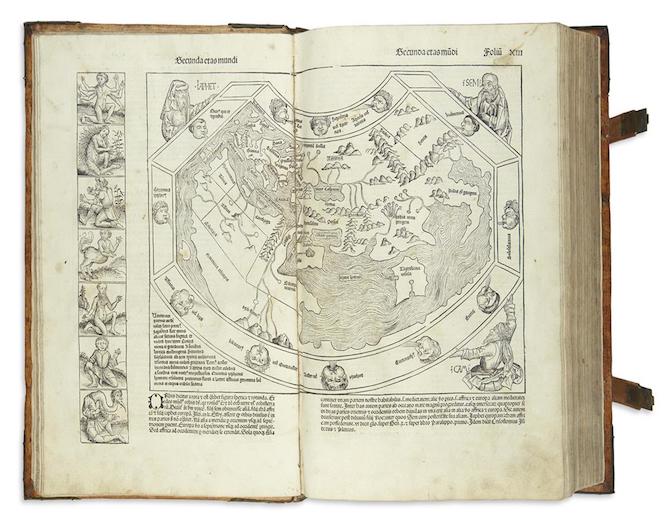
The book offers a history of the illustrated world of biblical genesis. The Chronicle is  divided into eight ages taking up the major episodes of the religious book such as the flood, the birth of Abraham, the birth of Jesus Christ as well as the advent of the Antichrist to name a few.

Written in Latin by the humanist and collector Hartmann Schedel, it was then printed by Anton Koberger in 1493 in Nuremberg. The woodcut illustrations and maps were created in the workshop of Michael Wolgemut, who employed his son-in-law Albrecht Dürer. The original version was printed in 1500 copies. A German edition, translated by Georg Alt, was also published by him, proof of a desire to disseminate knowledge in the vernacular. To date, around 400 copies in Latin and 300 in German have survived, making it one of the best preserved incunabula.

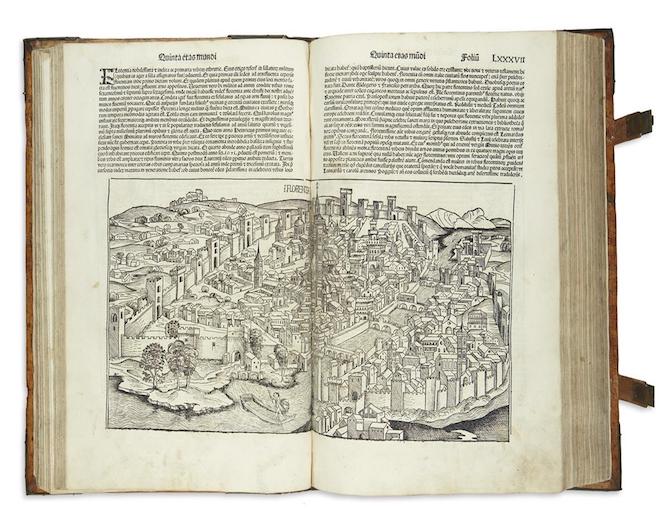
The Nuremberg Chronicle is best known for its many illustrations. In total, there are 1809 engravings produced from 645 wooden blocks. They represent great biblical and historical figures such as kings, emperors, philosophers and scientists. But also, urban landscapes (Nuremberg, Venice or even Florence), biblical scenes, Gothic-type images on large double pages with legendary creatures. Without forgetting, the first printed map of Germany.


Posted in Books, Libraries, Maps, Writing | Tagged , , | 1 Comment

The Art of Travel Posters

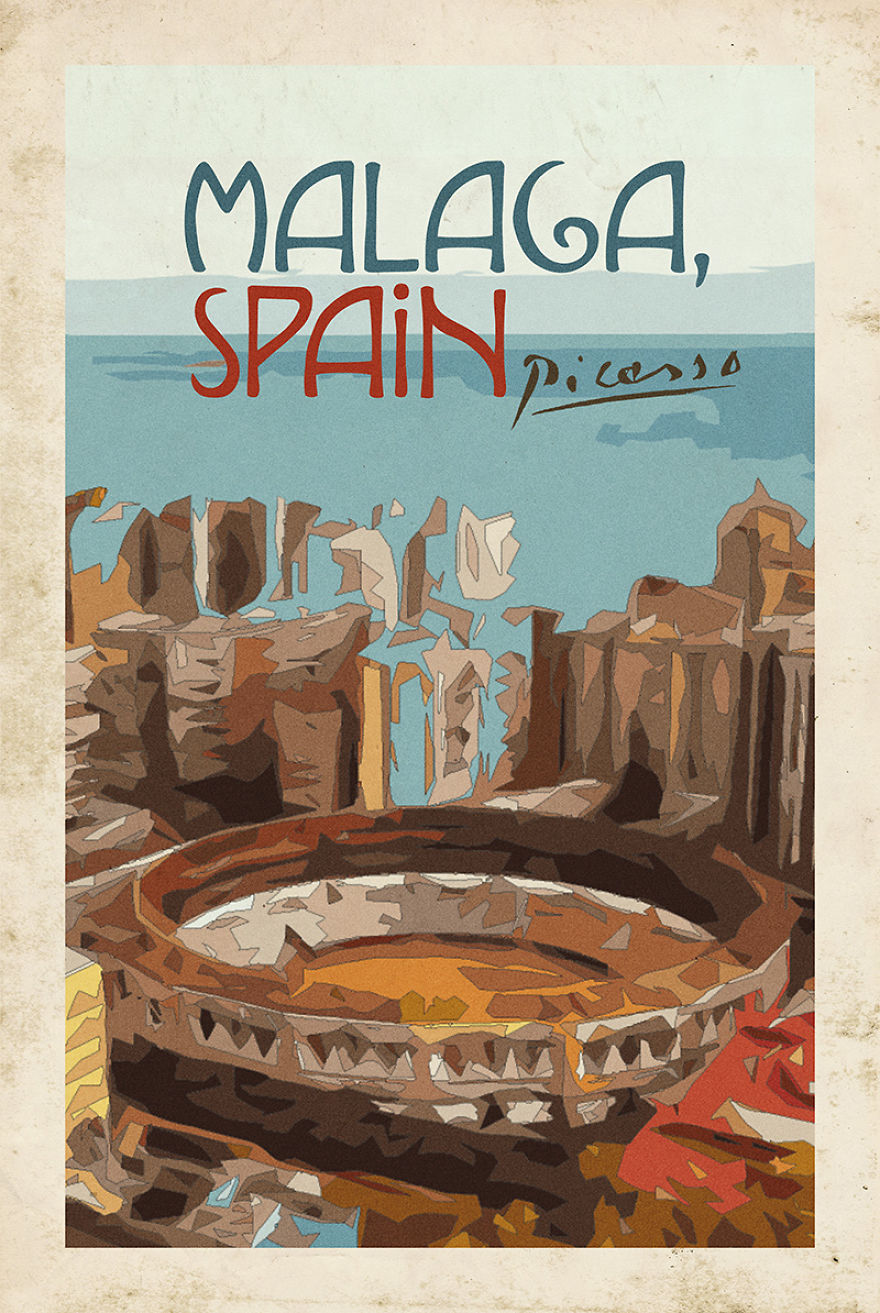
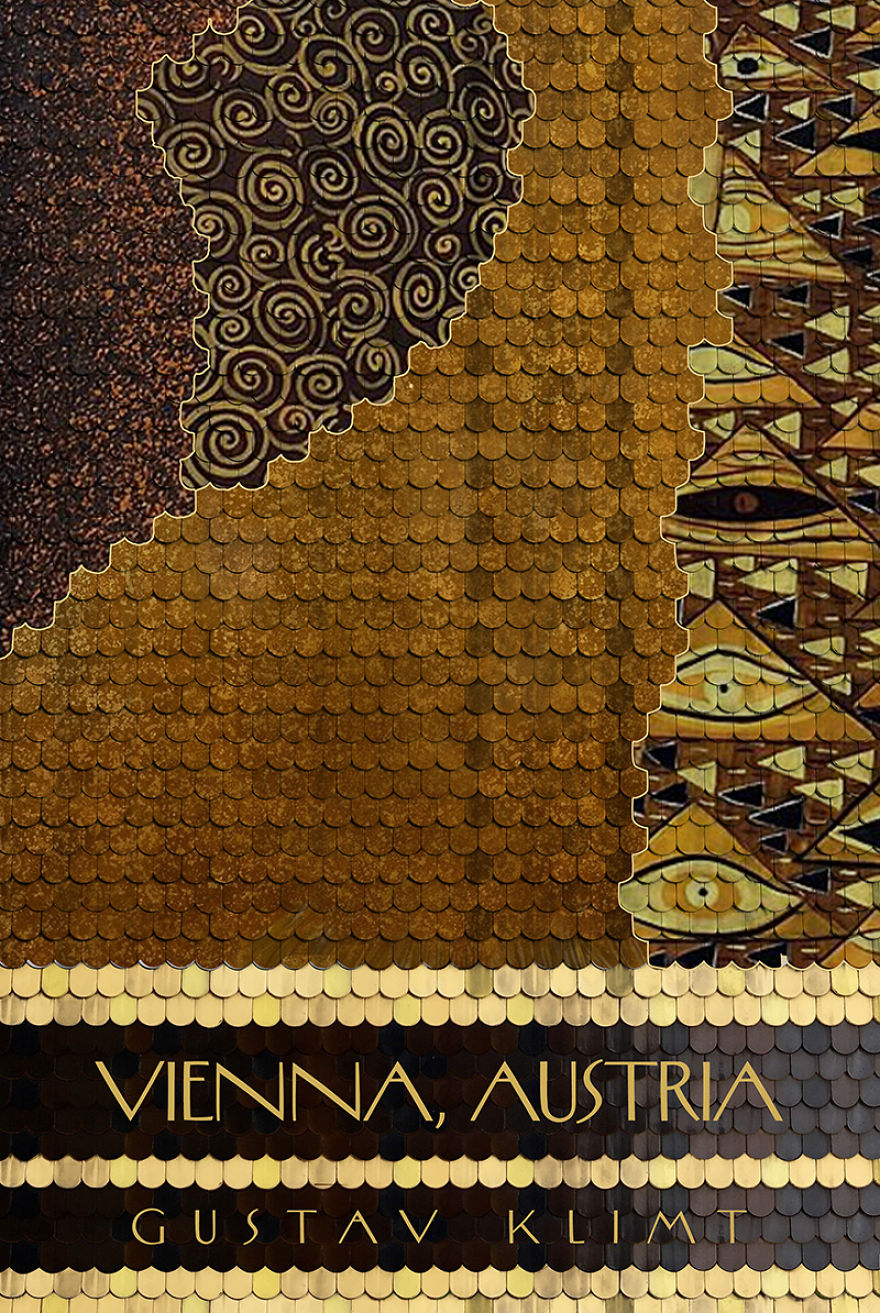
The digital marketing agency, lacuna 5, has teamed up with artsupplies.co.uk to create a series of vintage-style travel posters inspired by famous artists from around the world. Before designing the posters they posed the question: “what would travel posters look like if they were designed by a famous artist born in that place.”  This concept provided the impetus for the designs, and resulted in a series of illustrations that takes viewers to a specific destination and time.


Posted in Architecture, Art, Europe, Tourism, USA | Tagged , , , , , | Leave a comment

Book Nook


Posted in Art, Books | Tagged , , | 1 Comment

Fountain of Books

If you have ever been to Rome, you have probably noticed the proliferation of fountains dotted around the city. One of my favorites has always been a small fountain on a side street  near the National Archives. The Fontana dei Libri was built in 1927  by the architect Pietro Lombardi, part of a large project of the municipality aimed at creating urban symbols that reminded of the ancient districts and the lost professions.

The Fontana dei Libri is characterized by an arched niche, and in the center you can see the head of a deer, a symbol of the Rione di Sant’Eustachio, with the water that flows from four points on the four books. Two nozzles come out from the upper books while two others from the bookmarks in the central part of the sculpture, symbols of knowledge that flows relentlessly from the size of the books.

The last time that I was in Rome the fountain was becoming quite grotty, but I was pleased to see that it has recently been restored and is looking as good as new.

The book fountain can be found in the neighborhood of Piazza Navona. From the square, walk eastwards in the direction of the Pantheon toVia degli Staderari.


Posted in Architecture, Books, Europe, Tourism | Tagged , | Leave a comment